



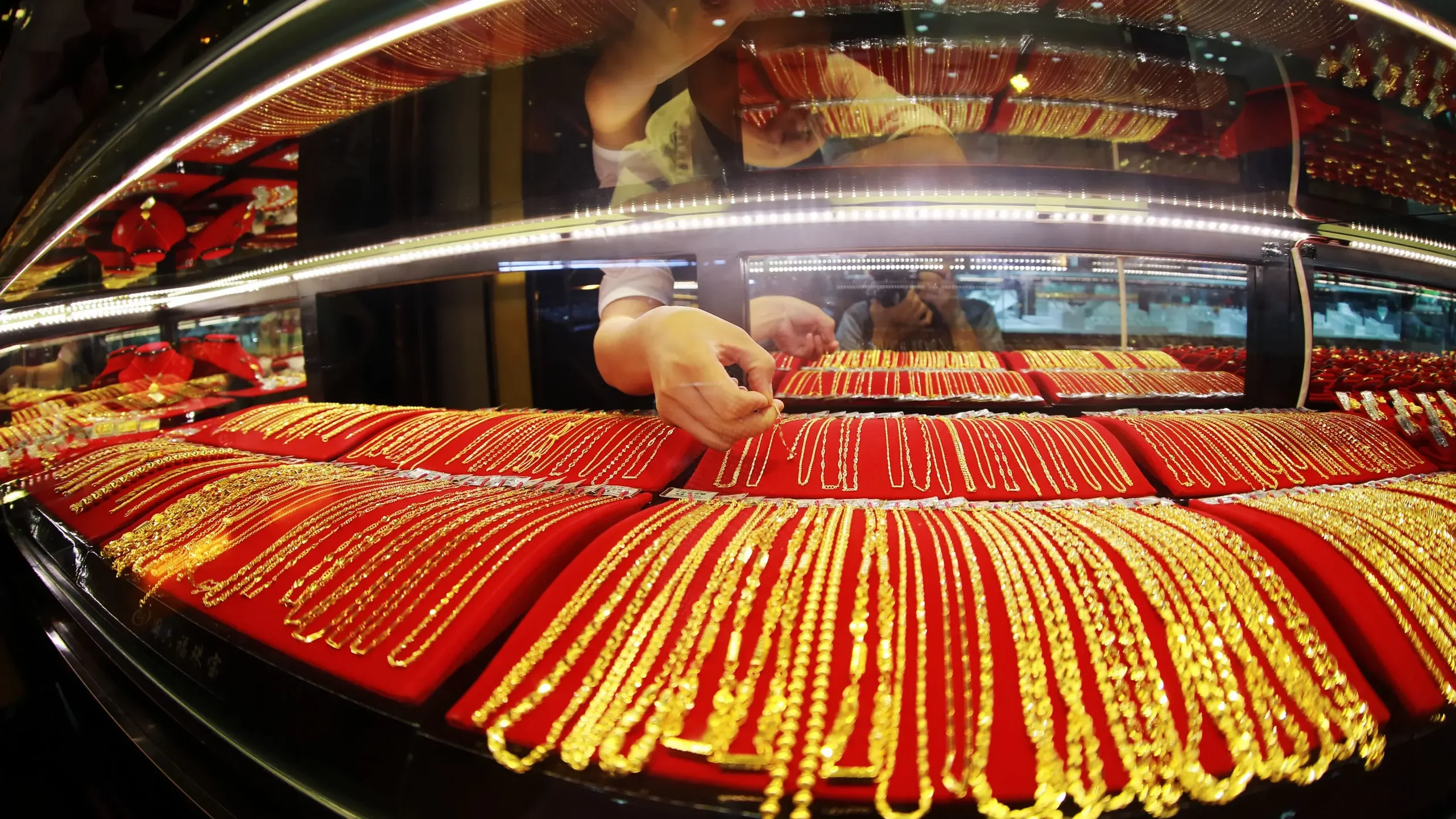

受內地金價大幅上漲以及日本避稅需求帶動,跨境犯罪團夥的走私重心逐漸轉向金、銀粒料。犯罪集團普遍採用「螞蟻搬家」式人肉攜帶,搭配車輛暗格藏匿等多樣化作案手法。與此同時,粵港澳多地海關憑藉X光檢測技術與跨區情報共享機制,成功偵破並截獲多宗跨境走私案件。
自2023年新冠疫情結束,叠加國際政局動盪推升貴金屬整體價格,持續誘發大中華區域的跨境金銀走私活動,令相關罪案愈發氾濫。此外,即將舉行的美墨加世界盃,亦有可能催生跨境非法賭球的新型跨境犯罪模式。
隨着國際金銀價格大幅飆升,不法分子隨即改變作案方式,近年走私金銀粒料已然成為主流非法活動,導致港澳兩地海關查獲的走私個案呈爆發式增長。相較於體積龐大、易被設備檢測的金磚和銀磚,粒狀與粉狀金銀體積細小,不僅易於隱藏在車輛暗格、食品罐內,也方便人員隨身攜帶,隱蔽性極高。
根據香港《進出口條例》,走私貴金屬的最高刑責為罰款200萬港元及監禁七年,海關亦持續呼籲市民切勿參與任何走私活動。
走私貨物寄件方多虛假香港地址
此類走私貨物多以香港虛假地址作為寄件資訊,收件方則為日本兩家企業。與黃金相同,白銀兼具首飾加工與工業製造價值,價格同步飆升,放大走私獲利空間,成為驅動走私活動的重要誘因。踏入2026年,金銀粒料走私個案更趨猖獗。
2026年2月,拱北海關查獲一名跨境司機,其企圖經港珠澳大橋向內地走私150公斤白銀,涉案價值310萬港元。嫌疑人供認,藉由金銀走私快速牟取暴利。
2026年3月,越南河內內排機場拘捕四名台灣旅客,四人將12.3公斤金條藏匿於貼身內衣,同時未申報攜帶金飾手鐲入境。該案發生後,越南海關強化對台灣、香港、韓國入境航班旅客的黃金走私專項查驗。
2026年3月初,香港海關連破兩宗重大走私案件,合計查獲168公斤金粒、285公斤銀粒,總市值高達2.3億港元。相關貨物若成功走私至日本,可逃避稅款達2300萬港元。
澳門搗破大中華跨境走私白銀集團
2026年3月中旬,澳門海關搗破大型走私團夥,共計拘捕42名涉案人員,包括25名澳門居民、12名內地居民及5名香港居民,查獲138公斤走私銀粒,市值300萬澳門元。涉案人員年齡介乎16至67歲,全部將銀粒隱藏於衣物及隨身物品內。犯罪集團明顯採用「螞蟻搬家」策略,號召大批人員分批、少量、持續從澳門向內地走私白銀,唯所有走私人員最終均在邊境X光安檢環節被查獲,走私行為全數敗露。
2026年3月28日,香港海關於一批運往日本的空運貨物(行李箱)中,查獲145公斤金條,市值1.1億港元。海關人員透過X光影像發現貨物異常,且貨物實際重量與申報資料嚴重不符,隨即開箱檢查並起獲全部走私贓物。
2026年3月底,澳門海關再拘捕11名澳門及內地居民,年齡16至76歲,涉嫌走私48公斤銀粒,涉案價值85萬澳門元。當中涉案未成年學生已轉交教育部門,開展跟進教化輔導工作。
2026年4月中旬,深圳機場海關抓獲11名犯罪嫌疑人,查獲230公斤走私黃金,涉案金額達7800萬元人民幣。無獨有偶,早前深圳機場亦曾查獲3名本地居民,涉嫌走私2.8公斤黃金首飾。經執法部門查證,廣州多家珠寶行勾結物流中介,組織人員將內地精工製作的黃金首飾走私出境。此類中式金飾在海外市場需求旺盛,成為珠寶商牟取暴利的渠道。
同樣是4月中旬,一名香港電單車司機在深圳被捕,其人將18公斤銀粒藏匿於電單車電池箱內試圖走私,涉案價值37萬元人民幣。涉事司機因神色慌張引起海關人員警覺,走私行為當場被揭發。
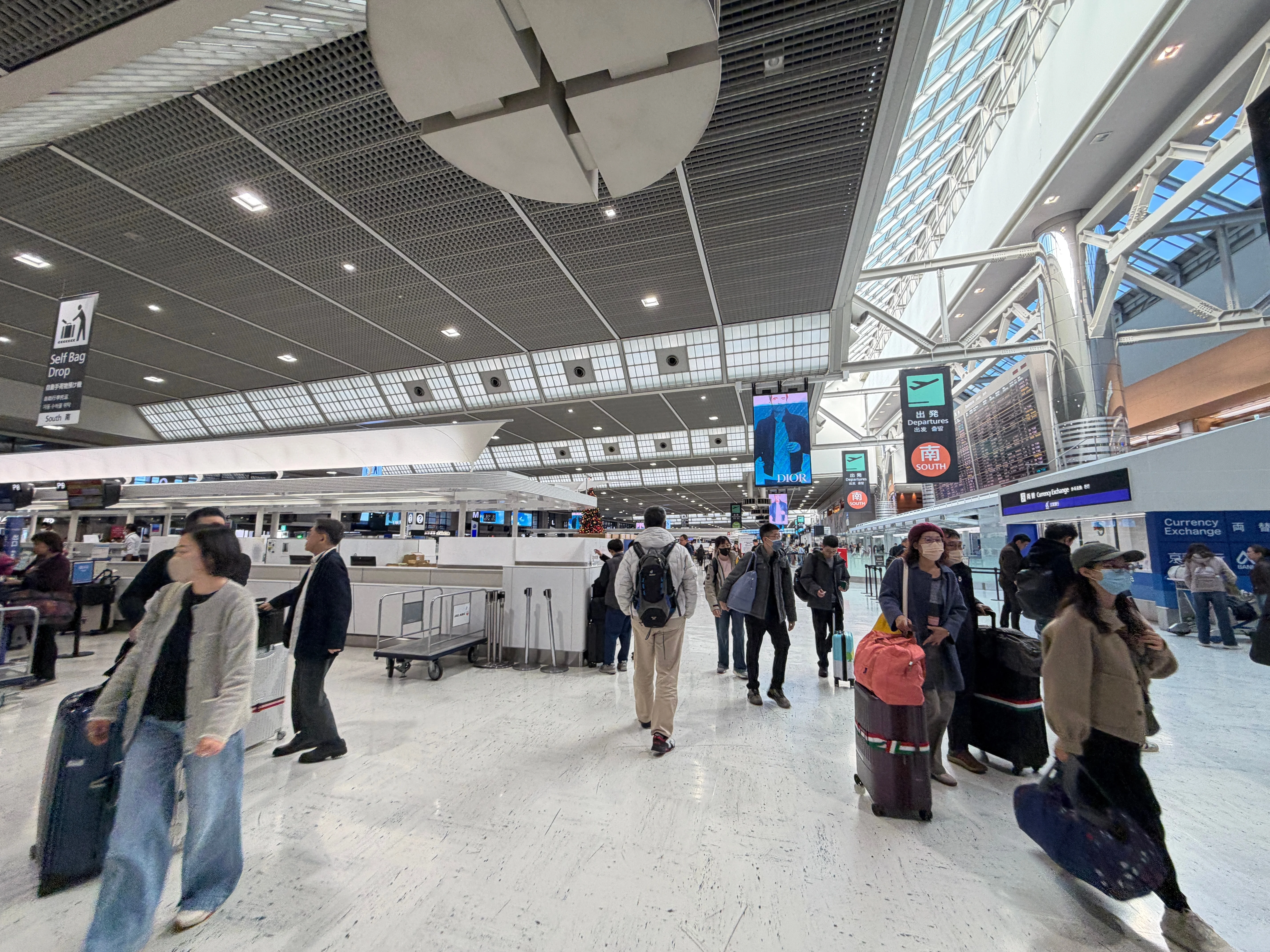
日本單月截獲走私黃金相當去年75%
2026年5月,日本東京成田機場單月錄得33宗黃金走私案件,查獲黃金總量46公斤,相當於2025年全年走私量的75%。當中45公斤黃金市值高達6000萬港元,可見龐大暴利是走私活動猖獗的核心原因。日本海關亦披露,早在2025年,已有走私者利用安全套盛載金粉,以體內藏匿方式走私入境。
中港跨境人流、物流往來日趨頻繁,亦為走私活動提供了可乘之機。早在2023年10月,深圳海關便查獲一名香港司機,其人將10公斤金條纏裹於身上,企圖從香港走私入境內地。據了解,受內地金價上揚影響,從香港向內地走私黃金,單次可獲利至少數千元人民幣。而根據內地法規,出入境人員僅可攜帶50克黃金作為自用,超出限量即屬違法。
2024年1月,香港海關查獲一名經港珠澳大橋由香港前往澳門的澳門男子,其七座私家車暗格內藏有20公斤黃金,市值1000萬港元。海關人員透過車輛底部X光掃描發現走私贓物,該案亦是香港海關時隔三年查獲的首宗大型黃金走私案件。
經查,涉案司機計劃先將黃金運往澳門,再輾轉走私至內地。2024年初,上海黃金價格為每公斤53萬元人民幣,而香港同重量黃金僅折合50萬港元,兩地顯著的價差,為走私團夥帶來極高的獲利空間。
2025年3月,香港海關截獲一批申報為玩具、燈泡及帽子的空運包裹,實際暗藏64公斤金條,市值4600萬港元,貨物目的地為日本。該批貨物由內地物流公司寄件,雖然暫未拘捕涉案人員,但清晰暴露了跨境金条走私的全新路徑。
2025年6月,越南國際機場拘捕一名台灣男子,其人將2公斤金條藏匿於相機機身內走私入境,涉案金額620萬港元。據悉,部分台灣走私者亦會將黃金走私至柬埔寨及香港。
多國開徵黃金消費稅 成跨境走私誘因
中國內地、日本、韓國、越南均對黃金交易徵收稅費,而此類跨境走私的核心目的,是逃避日本的黃金消費稅。由於大量台商前往越南經商,台灣至越南的黃金走私活動日趨猖獗。
2025年8月,香港海關查獲一批偽裝為塑料花的鐵箱,箱內暗藏26.2公斤黃金,市值2200萬港元,該批貨物同樣預定走私至日本。
事實上,香港往日本的黃金走私並非新興路線,早在2017年疫情爆發前已出現相關案例。當時日本海關多次發現香港旅客充當「人肉搬運工」,攜帶金粒入境日本,藉此規避當地8%的黃金消費稅。
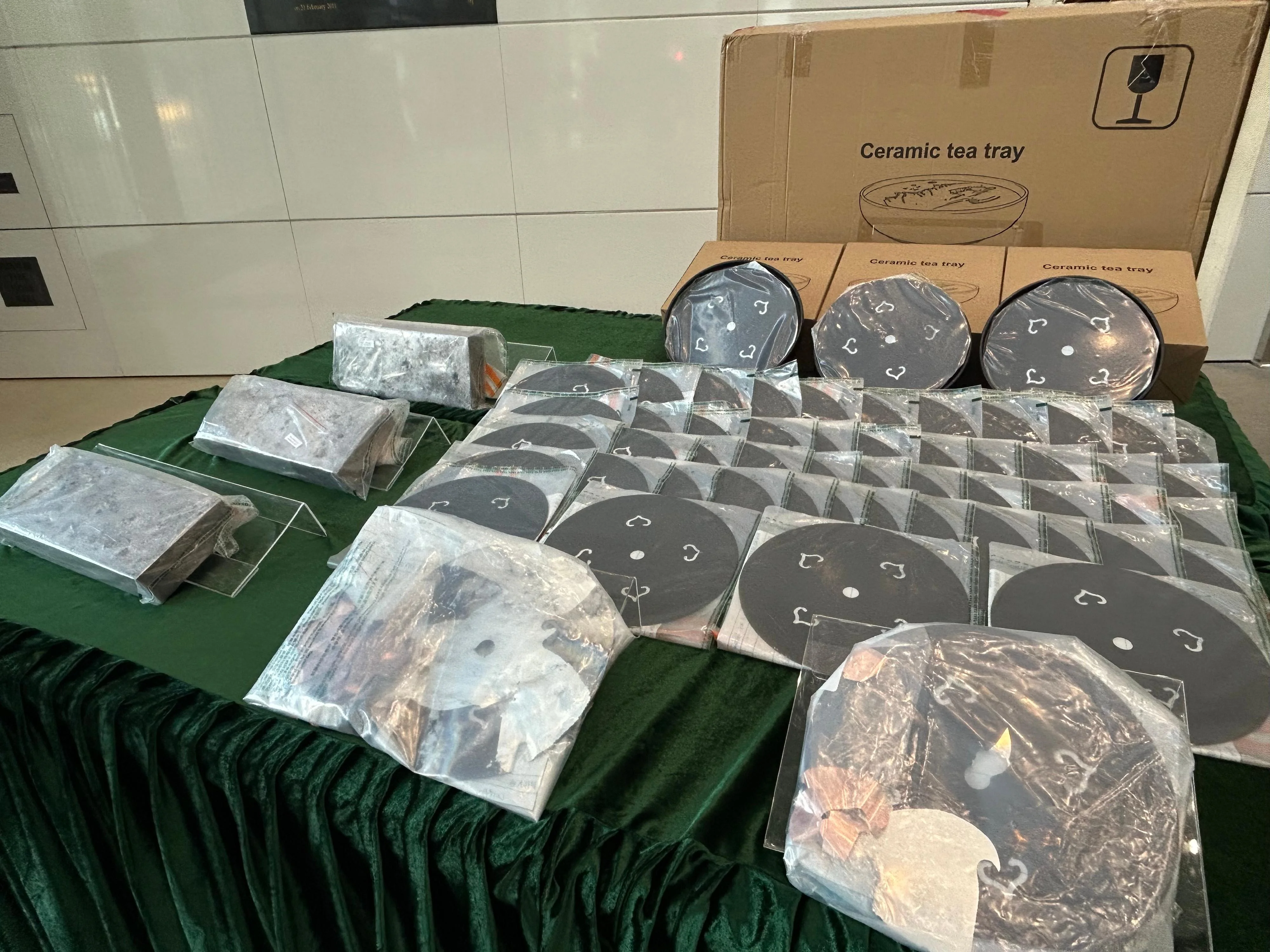
2025年11月,香港海關憑藉精準情報,查驗一批茶具瓷器空運貨物,成功查獲140公斤走私黃金,貨物目的地為日本。同年10月,香港海關亦偵破一宗空運走私案,不法分子將80公斤、總值8000萬港元的黃金,藏匿於申報為衣料的貨物中企圖走私出境。
綜合案件可見,中國內地與日本是當前金銀走私的兩大主要流向地,既體現了各地市場的供需差價與避稅空間,也反映出走私團夥為追逐暴利不惜鋌而走險的投機心態。目前,大中華區域以及日本、越南等地海關持續開展高壓執法,嚴打跨境金銀走私,整體整治成效顯著。
展望未來,各地執法機關的聯合執法、情報共享與跨境協作機制,將成為遏制金銀走私蔓延、瓦解跨境犯罪網絡的核心關鍵。
New pattern of cross-boundary gold and silver smuggling in Hong Kong and Macau
Recent developments of cross-boundary crime in Hong Kong, Macau and the Chinese Mainland have shown that criminal activities have shifted to the smuggling of gold and silver pellets, apart from the traditional criminal acts of food smuggling, drug trafficking, cross-border prostitution, and illegal labourers. The forthcoming World Cup that will be held in the US, Mexico and Canada will likely stimulate a new pattern of cross-boundary crime, namely cross-boundary illegal football betting.
As early as October 2023, the Shenzhen customs arrested a Hong Kong driver who wrapped ten kilograms of gold bars around his body and who attempted to smuggle them from Hong Kong to the Chinese Mainland. It was reported that, due to the rise in gold price in the mainland, a person who smuggled gold from Hong Kong to the Chinese Mainland could at least earn several thousand Renminbi. According to the mainland law, a person who crosses the border can only have fifty grams of gold for his or her personal usage.
In January 2024, the Hong Kong customs arrested a Macau person who crossed the Hong Kong-Macau-Zhuhai bridge from Hong Kong to Macau, and who carried twenty kilograms of gold that worth HK$10 million (TDM, January 9, 2024). He was a driver and the gold was deposited in a hidden compartment in his seven-person vehicle. The Hong Kong customs discovered the gold by using X-ray to scan the bottom part of the vehicle.
This was the first case of gold smuggling within three years, according to the Hong Kong customs (HK01.com, January 9, 2024).
Profitable routes and methods for precious metal smuggling
The driver wanted to smuggle the gold to the mainland through Macau. In early 2024, one kilogram of gold in Shanghai was worth RMB$530,000 while the same amount of gold in Hong Kong amounted to HK$500,000. Hence, gold smuggling was highly profitable to smugglers and organized crime syndicates.In January 2024, the Hong Kong customs arrested a Macau person who crossed the Hong Kong-Macau-Zhuhai bridge from Hong Kong to Macau, and who carried twenty kilograms of gold that was worth HK$10 million.
He was a driver and the gold was deposited in a hidden compartment in his seven-person vehicle. The Hong Kong customs discovered the gold by using X-ray to scan the bottom part of the vehicle. This was the first case of gold smuggling within three years, according to the Hong Kong customs.
In March 2025, the Hong Kong customs detained sixty-four kilograms of gold bars that worth HK$46 million in a package claiming to have toys, light bulbs and hats with Japan as the final destination (I-Cable News, March 11, 2025). The sender belonged to a logistic company in the Chinese Mainland. Although nobody was arrested, the criminal act illustrated an attempt at cross-boundary smuggling of gold bars.
In June 2025, the smuggling of two kilograms of gold bars worth HK$6.2 million was confiscated at the international airport in Vietnam where a Taiwan person was arrested (Taiwan News, June 26, 2025). In this case, the gold bars were hidden in a camera carried by the Taiwan person. It was reported that some Taiwanese smuggled gold bars also to Cambodia and Hong Kong. Apart from Japan where the buying and selling of gold need to pay tax, other countries that have levied tax on gold transactions include China, Japan, South Korea and Vietnam. Given that many Taiwan people travel to Vietnam to conduct business, the smuggling of gold from Taiwan to Vietnam was not surprising.
In August 2025, the Hong Kong customs detained a batch of iron boxes of plastic flowers in which 26.2 kilograms of gold were hidden with a market price of HK$22 million. The destination was Japan.
Escalating silver smuggling and the ant strategy
Although nobody was arrested, this case highlighted a “new” route of smuggling from Hong Kong to Japan. However, the smuggling of gold from Hong Kong to Japan was arguably not “new,” because it had already occurred in 2017 – a period before the emergence of Covid-19 as some Hong Kong air passengers were already found by the Japanese customs as “mules” bringing golden pellets from Hong Kong to Japan, where eight percent of the consumption tax was levied on gold transactions (Oriental Daily, August 4, 2017).
In November 2025, the Hong Kong customs found that 140 kilograms of gold was smuggled from an air cargo from Hong Kong to Japan through boxes composed of tea porcelain (HK01.com, November 5, 2025). The cargo was checked successfully after the customs gained intelligence that it might be used for smuggling purposes. In another case that occurred in October, the Hong Kong customs also cracked down on eighty kilograms of gold worth HK$80 million and the gold was hidden in an air cargo that claimed to have clothing materials.
In February 2026, the Gongbei customs arrested a cross-boundary driver who attempted to smuggle 150 kilograms of silver from Hong Kong-Macau-Zhuhai bridge into the mainland (Sing Tao Daily, February 21, 2026). The smuggled silver amounted to HK$3.1 million and the driver admitted that he wanted to reap quick profits through gold-smuggling activities.
In March 2026, four Taiwanese air passengers were arrested in Vietnam’s Noi Bai airport for attempting to smuggle 12.3 kilograms of gold bars that were hidden in their underwear (8world.com, March 10, 2026). They also carried golden wrists without reporting to the Vietnam customs.
The Vietnamese customs have begun to check more air passengers who are flying from Taiwan, Hong Kong and South Korea for suspected gold smuggling. In early March 2026, the Hong Kong customs cracked down on two cases of smuggling, including 168 kilograms of gold pellets and 285 kilograms of silver pellets. In total, the gold and silver pellets were worth HK230million. If they were smuggled to Japan successfully,HK23 million of tax could have been evaded.
Given the fact that the gold price in the market increased significantly in late 2025, criminal elements wrapped the golden pellets inside electric appliances. The sender’s address was located in Hong Kong but there was actually no office, while the receivers were two companies in Japan. As with the gold market, the silver market in late 2025 witnessed a drastic increase in silver price. Moreover, silver can be used in the manufacturing of jewellery and industrial products. According to the Import and Export Ordinance, those people who commit a criminal offence of smuggling can be fined for HK$2 million with seven years of imprisonment. As such, the customs authorities appealed to the people of Hong Kong not to engage in smuggling activities.
In mid-March 2026, the Macau customs arrested forty-two people, including twenty-five Macau people, twelve mainlanders and five Hong Kong persons, for smuggling 138 kilograms of silver pellets worth MOP$3 million. The arrested persons ranged from 16 to 67 years old and all of them hid the silver pellets in their bodies, clothes and self-belongings. It looked as if the smuggling syndicate adopted the strategy of mobilising a large group of people as “ants” smuggling a bit of silver pellets incessantly from Macau to the Chinese Mainland.
Heightened customs enforcement across the greater China region
But all these attempts became abortive once they were asked to go through X-ray checkpoints at the Macau border.
On March 28, 2026, the Hong Kong customs seized 145 kilograms of gold bars worth HK$110 million in a Japan-bound air cargo with plastic suitcases (Hong Kong Free Press, March 28, 2025). The customs officers found abnormal signs in X-ray images of the suspected cargo, and they inspected and found the shipment was much heavier than what was declared.
By the end of March 2026, the Macau customs arrested eleven Macau persons and mainlanders who ranged from 16 to 76 years old, and who attempted to smuggle forty-eight kilograms of silver pellets worth MOP$850,000 (TDM, March 30, 2026). The young students who were arrested were transferred to the Education Bureau for follow-up educative action.
In mid-April 2026, Shenzhen customs in the airport detained eleven suspects for smuggling 230 kilograms of gold that amounted to RMB$78 million (HK01.com, April 14, 2026). This case was similar to an earlier smuggling case in which three Shenzhen residents were arrested in the Shenzhen airport for attempting to smuggle 2.8 kilograms of golden necklace and rings. It was revealed that several jewelry shops contacted a logistic company in Guangzhou to organize the three smugglers to bring the golden necklace and rings to an overseas destination where one of the smugglers opened a jewelry shop. The golden necklace and rings were designed skillfully in the Chinese Mainland and so they are in high demand in some overseas countries where the Chinese jewelry shops can sell them and make lucrative profits.
Global price surges and the future of regional cooperation
At the same time around mid-April 2026, a Hong Kong motorcyclist was arrested in Shenzhen for smuggling eighteen kilograms of silver pellets worth RMB370,000. The silver pellets were hidden in a battery box of his motorcycle (Sing Tao Daily, April 18, 2026). The nervousness of the motorcyclist alarmed the Shenzhen custom officers, who succeeded in cracking down his smuggling attempt.
In May 2026, the Tokyo Narita Airport discovered thirty-three cases of forty-six kilograms of gold smuggling – an amount that already reached seventy-five percent of the total amount of gold smuggling in 2025. It was reported that forty-five kilograms of gold was worth HK$60 million – a high amount with lucrative profits to the smuggling syndicates. The Japanese customs also found that, in the cases of 2025, gold powders were stored inside the smugglers’ bodies through the use of condoms (HK01.com, May 7, 2026). Due to the US-Israeli war with Iran, there was an upsurge in gold prices, leading to the high frequency of gold-smuggling cases from places like Hong Kong and Taiwan to Japan.
In conclusion, the gold-smuggling cases have reemerged gradually after the end of Covid-19 and quickly proliferated since the end of 2025. The turbulent situation of international politics has stimulated the smuggling of gold and silver in the Greater China region, including the Chinese Mainland, Hong Kong, Macau and even Taiwan.
Interestingly, China and Japan are common destinations of the smuggling of gold and silver, reflecting not only the supply-and-demand situation but also the determination of the smuggling syndicates to reap quick profits at the risks of their smugglers being caught. Fortunately, the customs authorities in the Greater China region, and in other places like Japan and Vietnam, have been cracking down hard on gold- and silver-smuggling cases intensively and successfully. As such, the efforts of law-enforcement agencies and their cooperation as well as intelligence-sharing are going to be a crucial factor curbing the growth of gold and silver smuggling in the coming years.
原刊於澳門新聞通訊社(MNA)網站,本社獲作者授權轉載。(原文按此)