





香港、澳門與廣東持續開展跨境聯合執法行動,瓦解橫跨賣淫、洗錢、非法賭博領域、組織架構精密的三合會網絡。持續開展打擊犯罪行動,對維護政權正當性、保障社會經濟穩定、瓦解大灣區境內有組織犯罪的非法資金根基至關重要。
從政治學視角來看,三合會可被視作一類非法經濟利益集團:成員目標一致,從事大量高收益的非法與合法活動,因此不斷遭到警方的打擊,但在領導層輪換下,三合會仍然是存續已久的華人犯罪幫會,屬於利益導向的地下非法團體。在這套政治經濟體系之中,警方與執法機關會持續打壓各類挑戰政權正當性的活動。
清代時期,三合會曾是謀求「反清復明」的政治利益集團,其後逐步轉型,演變為大中華地區以謀取私利為目標的持續性非法經濟利益集團。
跨境毒品、賣淫與假冒偽劣商品
隨着近年香港與大灣區社會經濟融合程度空前加深,為三合會跨境運作創造大量可乘之機。早在2020年12月,深圳南山警方就破獲一個跨境運作的香港三合會團夥,該團夥滲透高校向學生放貸。
另一方面,2023年6月12日至9月21日,香港警方發起「雷霆2023」行動,聯合澳門、廣東警方,拘捕6400名涉案人員,涉及販毒、經營賭檔、賣淫窩點及高利貸,涉案金額達4.1億港元。被捕6400人中,849人為內地居民,471人為非中國籍,不少人牽涉三合會相關勾當。隨後此類打擊犯罪幫會的聯合警務行動每年都會開展。
例如2025年11月,港澳粵警方再度開展 「雷霆2025」聯合行動,拘捕4140人,涉案行為包括販毒、經營賭檔、賣淫服務及非法酒吧。香港被捕人員之中,780人為內地居民,557人為非中國籍。警方檢獲武器、可卡因、甲基苯丙胺、大麻以及依托咪酯。可以說,港澳粵三地警方通過年度聯合行動,持續對三合會活動形成有效震懾。
三合會多元非法業務版圖
近年三合會涉足多項利潤豐厚的非法勾當:跨境賣淫、販毒、人口走私、洗錢、偷車、非法賭檔、高利貸,這些業務也會引發三合會不同派系之間的暴力衝突。
2025年8月,香港警方成功搗破一個由三合會操控的洗錢犯罪集團,合共拘捕82名涉案人士,整個集團洗錢涉案金額高達400億港元。據報道,該案由新義安某派系的核心頭目主導,透過設立大量空殼公司及信託公司搭建洗錢網絡。該頭目其後舉辦私人宴會,藉以慶祝所謂「業務成果」,此舉反而暴露團夥蹤跡,為警方抓捕幫會骨幹提供突破口。該三合會組織大量起用直系親屬擔任核心操盤手,專責管理各間空殼公司與信託機構。
幫會頭目積累巨額財富,過着奢靡生活,坐擁私人會所、私人飛機與遊艇。非法收益隨後被投入合法行業,包括藥房、麻將館以及物業收購。新冠疫情期間及之後香港經濟下行,部分三合會頭目選擇與其他三合會勢力合作擴張業務,但不同幫派合作又引發地盤爭奪,繼而爆發暴力衝突與流血事件。
非法賭博與勒索的現代作案手法
香港、澳門、廣東三地當局單獨或聯合開展的打擊三合會行動值得肯定,具備重大政治、社會與經濟意義。
三合會屬於投機性質的非法犯罪集團,粵港澳三地警方聯合打擊的行動,反映三地政府運作並未受其左右,在政治層面這點非常重要,顯示警方行動的獨立性得以維持。三合會各類非法活動持續挑戰大灣區各地政府管治正當性。為此,警方、海關、入境處必須堅持強硬手段壓制三合會運作,維護港澳地區良好管治與社會秩序。
在社會方面,持續的警務打擊行動,體現港澳以及大灣區各地政府維護公共安全與社會穩定的政治決心。打擊三合會是保障民眾人身與財產安全的必要舉措。港澳粵警方每年開展的聯合及單獨反三合會行動成效顯著,值得肯定,相關執法工作也贏得普通市民的信任。
至於經濟層面,持續打擊意在切斷三合會收入來源,壓縮其生存空間。即便犯罪地下活動依舊依附合法社會存在,例如澳門博彩產業發達,難免吸引黑勢力覬覦,刑事執法仍然能夠削弱犯罪組織財力,遏制其擴張。
宏福苑翻新工程亂象或有三合會介入
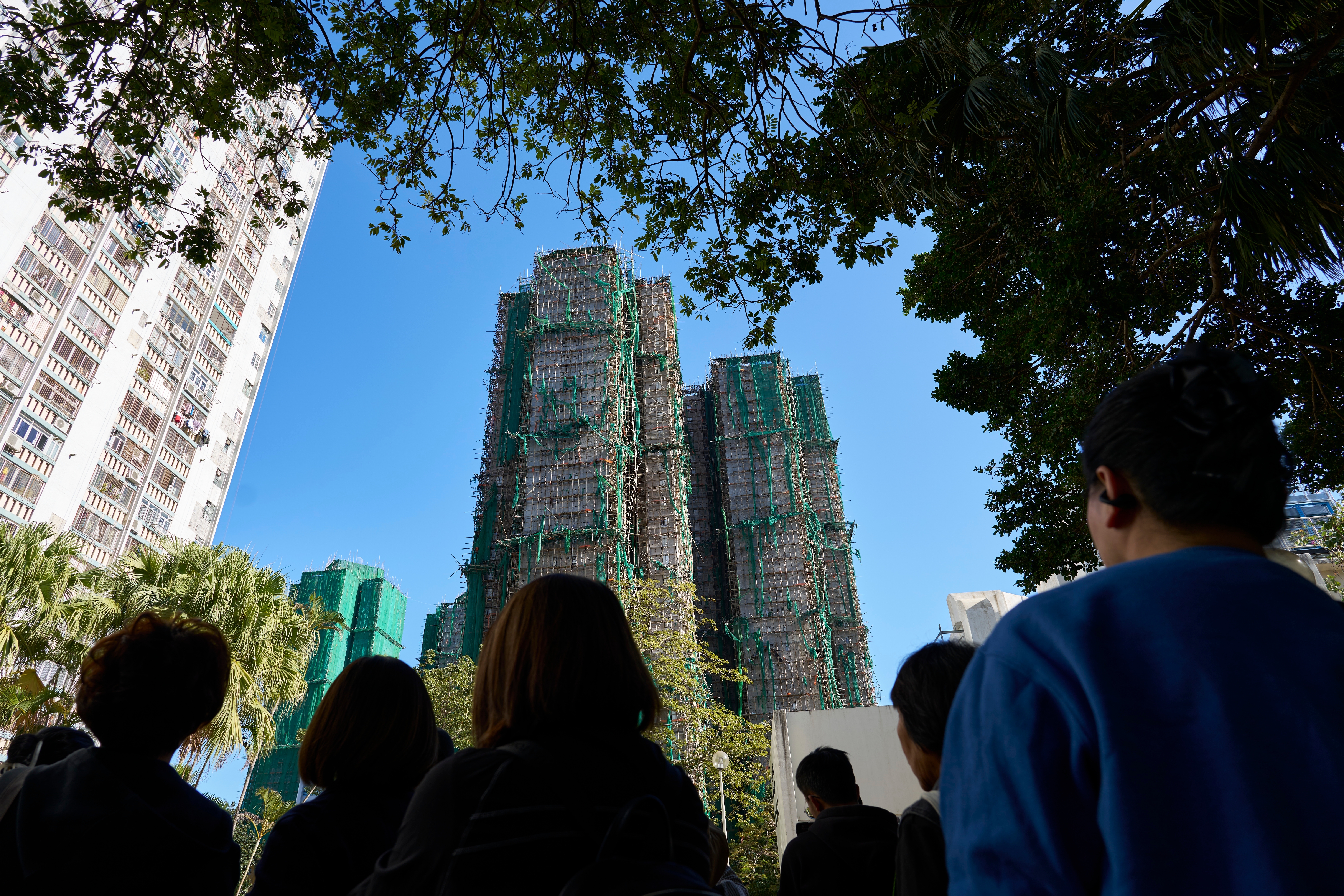
最後,廉政公署與警方迅速拘捕私營機構涉案人員,處理懷疑圍標案件,對三合會滲透樓宇翻新行業發出明確警示。這些前置性執法措施,也汲取了大埔宏福苑慘劇的教訓。當時輿論批評,翻新工程亂象背後或存在三合會介入。
政治學家戴維・杜魯門(David Truman)將利益集團定義為擁有共同目標的群體。依照這一框架,華人三合會可以理解為高度投機的非法經濟利益集團,依靠合法與非法並舉的手段謀取私利。面對洗錢、跨境賣淫、販毒、非法賭博、人口走私、高利貸等各類犯罪,大灣區各地執法部門必須持續高壓打擊。
在此背景之下,港澳的警方與反貪機構承擔關鍵角色:維護政府施政自主性,捍衛管治正當性,瓦解犯罪幫會的經濟根基。盡管受代際更替、領導層輪換影響,有組織犯罪難以徹底根除,但三合會的牟利活動會持續受到打壓。地方政府與犯罪利益集團之間的動態博弈值得持續觀察;國家公權力與執法能力,始終是保障港澳以及整個大灣區居民公共秩序的基石。
Police response to recent triad developments: Socio-political implications
From the perspective of political science, triads can be regarded as illegitimate economic interest groups with like-minded members engaging in highly profitable activities, both illegal and legal, that have led to frequent crackdowns by police authorities in the Greater China region. Nevertheless, due to generational changes and regular leadership succession, triads remain persistent Chinese organised crime syndicates and interest-based illegal groups operating underground in a politico-economic system where the police and law-enforcement authorities constantly suppress activities that challenge regime legitimacy from time to time.
Although triads were in the past political interest groups during the Qing dynasty, seeking to overthrow the regime and restore the Ming dynasty, they subsequently evolved into persistently illegal economic interest groups seeking self-enrichment in the Greater China region, including the Chinese Mainland, Hong Kong, Macau, and Taiwan.
Cross-border drugs, prostitution, and counterfeit products
In recent years, the hallmark of triads as illegal economic interest groups has emerged quite prominently, especially as Hong Kong’s socio-economic integration with the Greater Bay Area (GBA) grows closer than ever before. Economic integration in the GBA has generated huge opportunities for triads to operate across boundaries. As early as December 2020, Shenzhen Nanshan police cracked down on a Hong Kong triad operating across the boundary that had penetrated a higher education institution to provide loans to students (Hong Kong Economic Herald, 26 December 2020).
On the other hand, from June 12 to September 21, 2023, the Hong Kong police launched an operation named Thunder 2023, collaborating with the Macau and Guangdong counterparts to arrest 6,400 people who were involved in drugs trafficking, gambling dens, prostitution dens and loan-sharking services that amounted to HK$410 million (Government Press Release, Hong Kong, September 27, 2023). Among the arrested 6,400 people, 849 of them were from the mainland, 471 were non-Chinese, and many of them were enmeshed in triads-related activities.
Such joint police action of cracking down on criminal syndicates was conducted annually. In August 2024, the police in Hong Kong, Macau and Guangdong arrested 39 people for organizing cross-border prostitution in which each of the 32 sex workers working in a Hong Kong hotel was charged HK$600 to HK$1,600, with half of the amount belonging to the commission possessed by a triad (See 香港捣毁大型跨境卖淫集团,32名內地女子被捕,惊人内幕曝光!|三合会|性工作者|洗黑钱|犯罪|黑社会_手机网易网, access date: August 8, 2026).
An amount of HK$110,000 was frozen in three bank accounts that were used for laundering the illegal proceeds. Of the 32 sex workers, 25 were holding dual return permits that allowed them to visit Hong Kong and return to the mainland. Their photos were uploaded onto a telegram platform for customers to choose and to conduct the transactions in hotels. The youngest prostitute was only seventeen years old, and she came from the mainland with a dual return permit (TVB news, August 9, 2024). The triad that organized the prostitution ring acquired HK$3 million per month.
In November 2025, police in Hong Kong, Macau, and Guangdong conducted another joint operation, Thunder 2025, arresting 4,140 people involved in selling drugs and operating gambling dens, prostitution services, and illegal bars. Among those arrested in Hong Kong, 780 were mainlanders and 557 were non-Chinese (HK01, 7 November 2025). Weapons were confiscated along with cocaine, methamphetamine, marijuana, and etomidate. Joint action involving police authorities across Hong Kong, Macau, and Guangdong remained effective in their annual crackdown on triad activities.
The annual crackdown on triad activities occurred again in August 2026, when customs authorities in Hong Kong, Macau, and Guangdong confiscated counterfeit products destined for North America, Europe, the Middle East, and Southeast Asian states through logistics and express delivery companies (Bauhinia Magazine, 6 August 2026).
Diverse portfolio of illicit triad operations
Triads have been found operating lucrative yet illicit activities in recent years, including cross-border prostitution, drug trafficking, human smuggling, money laundering, car theft, illegal gambling dens, and loan-sharking operations that lead to inter-triad factional and violent conflicts.
In November 2024, Hong Kong police received intelligence on a triad-controlled cross-border prostitution syndicate that arranged for several Japanese adult video (AV) actresses to work in Hong Kong, Singapore, and Macau (Hong Kong Commercial Daily, 21 November 2024; Taiwan Apple Daily, 21 November 2024). Hong Kong police worked with counterparts in Singapore, Japan, and Macau to arrest 65 people in Hong Kong. Among those arrested, a retired AV actress was identified; the syndicate used social media to recruit performers and arrange their travel to Hong Kong, Singapore, and Macau.
Each sexual service provided by an AV actress cost customers anywhere from several thousand Hong Kong dollars to as much as HK$150,000 (Hong Kong Commercial Daily, 21 November 2024). The syndicate collected half the service fee as commission. It was established that the prostitution syndicate had booked hotel rooms over 100 times between 2023 and 2024.
In early August 2025, Hong Kong police arrested 21 people for establishing four shell companies to register 18 vehicles used for drug trafficking across the boundary between Hong Kong and the Chinese Mainland (Hong Kong Commercial Daily, 8 August 2025). Vehicles registered by these companies were linked to the trafficking of drugs worth HK$3.4 million. Several cars were implicated in homicide cases—including the killing of a triad member targeted in retaliation—while three company directors had their identities stolen without their knowledge (Hong Kong Commercial Daily, 8 August 2025).
In August 2025, Hong Kong police and immigration officers collaborated with mainland counterparts to smash an illegal smuggling syndicate manufacturing fake Hong Kong identity cards for mainlanders smuggled into Hong Kong. Victims were housed in subdivided flats and provided with a “one-stop service” to work as waiters, waitresses, cleaners, and removal workers (HK01, 21 August 2025). Thirty-eight people were arrested, including illegal workers from Guangdong, Shandong, and Liaoning provinces, where each fake identity card was sold for RMB3,000toRMB5,000. Hong Kong factory units served as dormitories for these illegal mainland workers, who paid RMB30,000toRMB50,000 each in introduction fees. Some workers were smuggled in illegally, while others held Two-Way Permits but overstayed. The syndicates were headed by local Hong Kong residents with support from owners of subdivided units.
Money laundering and inter-triad violent conflicts
Hong Kong police dismantled a triad-controlled money-laundering syndicate in August 2025, arresting 82 people for laundering HK$40 billion (Eastweek, 5 August 2025). Reports indicated that a triad faction, Sun Yee On, led by a key figure, was involved in opening shell and trust companies. To celebrate his “success,” a private party was organised, providing police the opportunity to arrest gang members. The triad operation relied heavily on close relatives serving as trusted operators managing shell and trust companies. The triad boss accumulated immense wealth, maintaining a luxurious lifestyle with private clubs, private aircraft, and yachts. Illegal proceeds were subsequently invested in legitimate businesses, such as pharmacies, mahjong parlours, and property acquisitions. Due to the economic downturn in Hong Kong during and shortly after the COVID-19 pandemic, the triad figure expanded business operations by collaborating with members of other triads (Eastweek, 5 August 2025). However, this inter-triad collaboration sparked territorial rivalries, leading to violent conflicts and bloodshed.
In August 2025, Hong Kong police dismantled another triad-controlled money-laundering organisation with 155 members, recovering HK600million (HK01, 29 August 2025). Associated with the 14K triad, the group was found with drugs worth HK 200,000 and various gambling facilities. The key figure used relatives to launder illicit funds while selling drugs to customers through illicit bars, gambling dens, and entertainment centres. The organisation stored weapons such as knives and batons, with members ranging in age from 16 to 76.
In October 2025, police smashed a car theft syndicate, arresting six triad members for stealing vehicles used as mobile weapon armouries (RTHK News, 11 October 2025). The members maintained a clear division of labour, covering vehicle theft, fleet management, and the storage of weapons such as kitchen knives, steel bars, and baseball batons.
In May 2026, police dismantled a telephone deception syndicate operated by a triad, arresting 13 people who posed as debt collection agency employees. The suspects defrauded citizens by revealing their actual identity card numbers, residential addresses, and debt details (Orange News, 8 May 2026). Victims were instructed to deposit funds into specific bank accounts or face intimidation. Police reported that the triad possessed personal data belonging to 2,000 individuals, prompting law enforcement to advise citizens to verify the credentials of debt collection callers.
Modern tactics in illegal gambling and extortion
In late July 2026, police launched a four-day operation to disrupt triad activities, including gambling dens in Sham Shui Po, where older buildings were used to recruit mainland Chinese to operate gambling sites and collect bets through “ghost bank accounts” (Sing Tao Daily, 31 July 2026). Cash transactions were minimised to evade police detection, though HK$16 million in illegal proceeds was laundered through these accounts over a year. Triads provided dormitories for mainland workers and used a warehouse to store gambling machines. Police arrested 56 people, including 18 Two-Way Permit holders, one foreign national, and 37 local residents.
In August 2026, seven people were arrested following a brawl involving two triad factions competing over cross-border private vehicle services (Bastille Post, 6 August 2026). A dispute arose over service details, which remain highly lucrative given the large volume of daily commuters crossing the boundary. The seven individuals were placed under investigation by Yuen Long police.
That same month, a loan-sharking syndicate was dismantled after issuing loans to nearly 2,000 people within a year, totaling HK$200 million (RTHK News, 6 August 2026). The syndicate used cold calls to target potential customers, advertising loans without salary proof while charging interest rates as high as 282 per cent annually—far exceeding the legal limit of 48 per cent. Penalty interest rates reached 800 per cent annually. The syndicate operated behind closed doors while core members managed operations from outside Hong Kong to evade capture. Frequent changes of company addresses were also employed to avoid police detection.
The summer of 2026 was marked by triad involvement in illegal sports betting. In mid-June 2026, Hong Kong police dismantled an illegal betting syndicate, seizing operating equipment, “ghost bank accounts,” 20 computers, and 293 mobile phones (Wen Wei Po, 16 June 2026). Police arrested 150 people, including 18 triad members. As football betting shifted online, local syndicates acted as agents for offshore betting platforms and laundered illegal proceeds. Operations were based in old industrial buildings running 24 hours a day. The division of labour was highly structured, leveraging social media to communicate with bettors while minimising physical contact. Bettors were instructed to transfer funds into “ghost bank accounts.” Between July 2025 and June 2026, police traced HK$320 million in illegal bets and transfers.
Infiltration of building renovation and public tenders
A less visible aspect of triad activity in Hong Kong is the covert penetration into bidding processes for building renovation and construction projects (Oriental Daily, 15 May 2026). The Competition Commission suspected several bid-rigging cases were linked to triad involvement (Oriental Daily, 15 May 2026). Triads allegedly used intimidation tactics against competing bidders to secure lucrative renovation contracts. Consequently, the Commission recommended criminalising bid-rigging to curb triad infiltration.
In March 2026, police and the Independent Commission Against Corruption (ICAC) arrested 42 people associated with a construction consultancy allegedly involving a triad that paid bribes to contractors to manipulate tenders (Dot News, 31 March 2026). The ICAC previously arrested 21 people in January 2026 for suspected bribery involving two housing estate renovation projects in Kwun Tong (RTHK News, 2 January 2026), with several suspects possessing triad backgrounds. Following the Tai Po fire tragedy, law enforcement authorities increased scrutiny on triad involvement in private building renovations, demonstrating a prompt governmental response to bid-rigging.
Implications for governmental control of triads
The joint and individual actions of authorities in Hong Kong, Macau, and Guangdong to crack down on triad activities are commendable and politically, socially, and economically significant.
Politically, police independence from triads remains intact, demonstrating that governments in Guangdong, Hong Kong, and Macau operate free from triad influence despite organized crime acting as opportunistic, illicit economic interest groups. Illicit triad activities continue to challenge local governmental legitimacy across the GBA. Consequently, police, customs, and immigration authorities must enforce firm measures to suppress triad operations, thereby maintaining strong governance and social order in Hong Kong and Macau.
Socially, ongoing police crackdowns testify to the political determination of local governments in Hong Kong, Macau, and the broader GBA to protect public safety and social stability. Suppressing triad operations remains indispensable to protecting individual safety and property. Police authorities in Hong Kong, Macau, and Guangdong deserve recognition for joint and individual actions that prove effective during annual anti-triad operations. These enforcement strategies earn the trust and confidence of ordinary citizens.
Economically, persistent crackdowns aim to sever triad income streams and restrict their operational viability. Although underground criminal activities persist alongside legitimate society—including in Macau, where a thriving casino industry inevitably attracts illicit interest—anti-crime enforcement continues to constrain the financial capacity of criminal organisations, curbing their expansion.
Finally, swift actions by the ICAC and police to arrest private-sector employers and employees for suspected bid-rigging serve as a firm warning against triad infiltration into building renovations. These preemptive measures follow lessons learned from the Tai Po tragedy, where critics highlighted potential triad involvement in compromised renovation processes.
Conclusion
If political scientist David Truman defined interest groups as individuals with shared objectives, Chinese triads can be understood as highly opportunistic, illegitimate economic interest groups seeking self-enrichment through a combination of legal and illegal activities. Regarding illicit activities—such as money laundering, cross-border prostitution, drug trafficking, illegal gambling, human smuggling, and loan sharking—law enforcement authorities across the GBA must maintain rigorous suppression efforts.
In doing so, police and anti-corruption agencies in Hong Kong and Macau play a vital role in preserving governmental autonomy, protecting political legitimacy, and restricting the financial foundations of criminal syndicates. Although organized crime persists in tandem with formal governance structures due to generational turnover and leadership succession, triad economic activities remain subject to continuous suppression. The dynamic relationship between local governments and criminal interest groups warrants ongoing observation, as state authority and law enforcement capability remain essential to safeguarding public order for residents across Hong Kong, Macau, and the wider Greater Bay Area.
原刊於澳門新聞通訊社(MNA)網站,本社獲作者授權轉載。(原文按此)