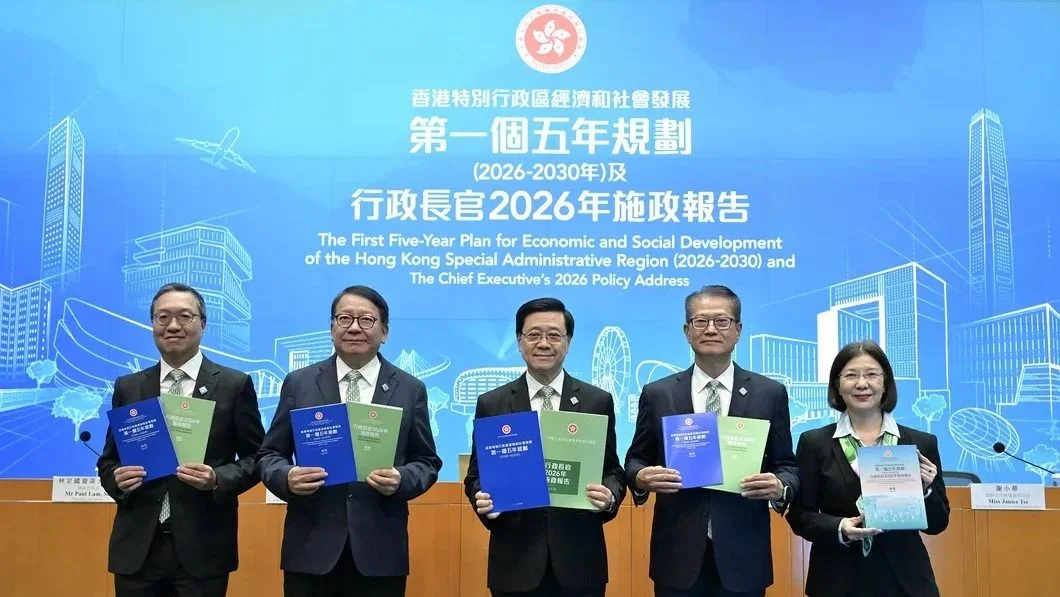


隨着香港特區首個五年規劃正式公布,中央政府與香港特區之間,正衍生出一系列嶄新的憲制行為。這種新憲制實踐,所指的不單是特首每年12月上京述職這項已經存在的憲制慣例,更包括制訂香港首個五年規劃的整套過程。與此同時,中央處理前特首、全國政協原副主席董建華先生喪禮的方式,亦體現出一項新的憲制習俗。
根據艾佛・詹寧斯(Ivor Jennings)的理論,不成文規則要成為憲制慣例,必須同時符合三項條件:具備憲制上的理由、有足夠先例作為支撐,並且相關參與者視之具有約束力。至於憲制實踐,則是具備憲制理由、但尚未形成長期穩定先例的不成文規則。
以詹寧斯的標準審視京港關係,可見多種嶄新憲制行為正逐步浮現。這項新實踐仍需要時間觀察:未來數年能否累積持續的先例,從而演變成為中央與特區之間一項正式的憲制慣例。
五年規劃與行政問責
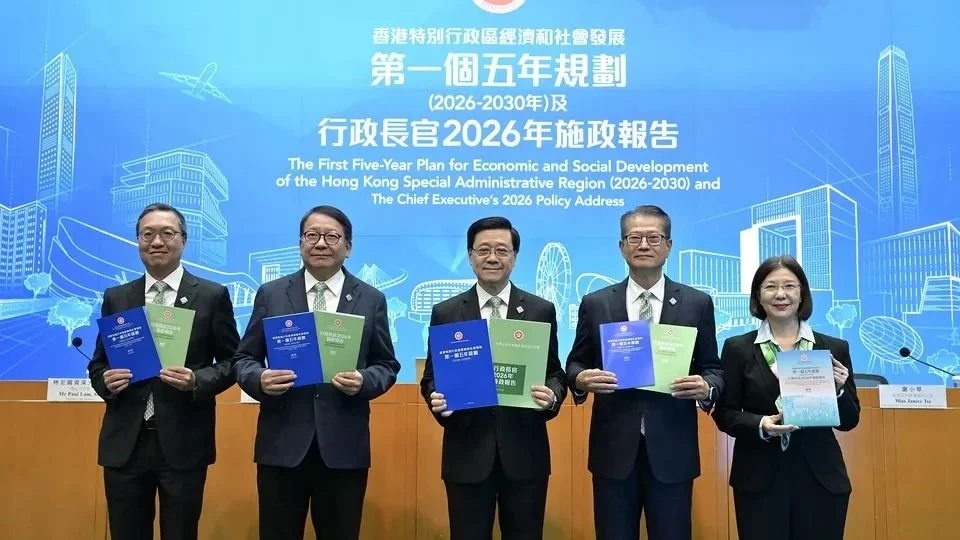
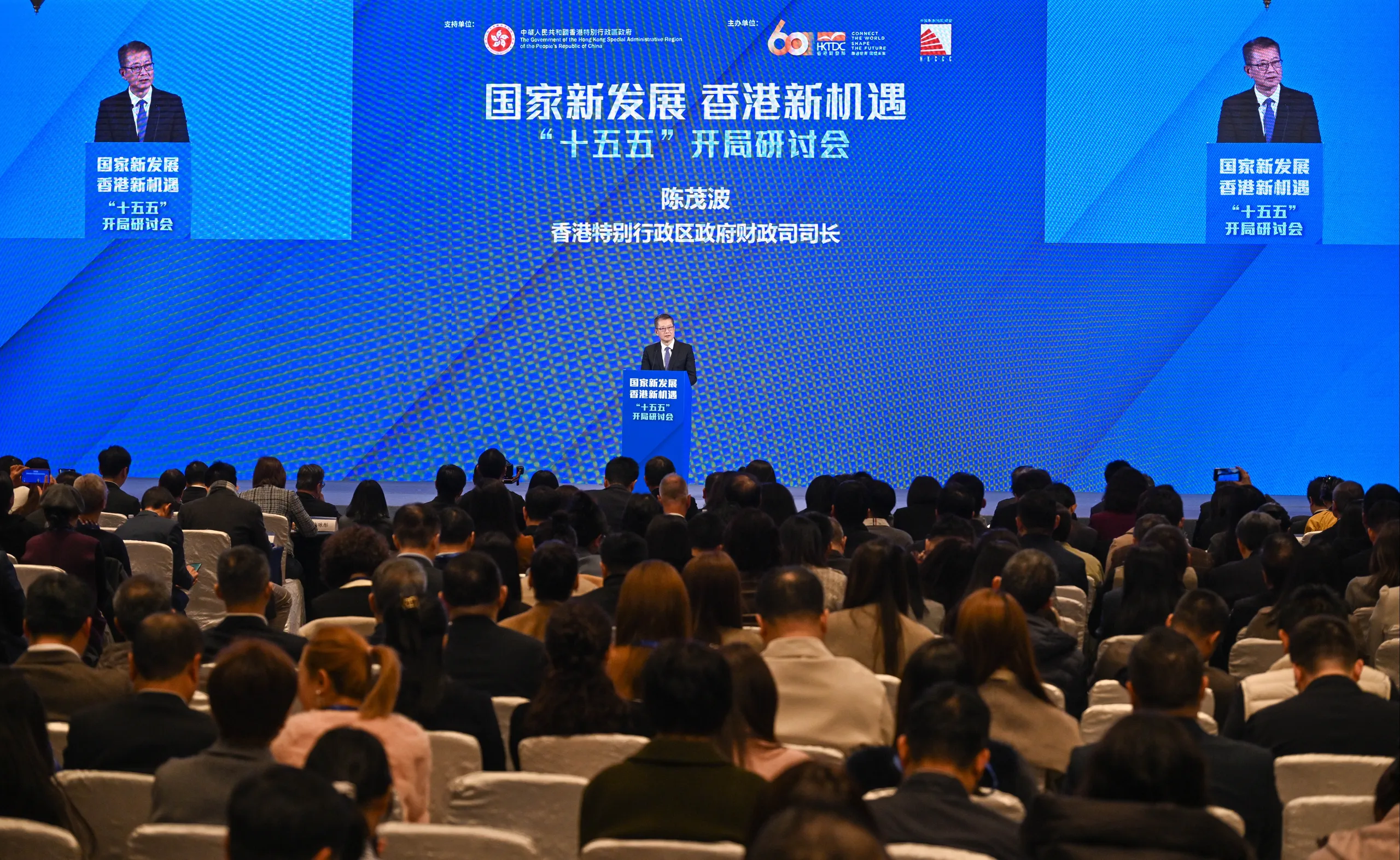
當中最為突出的憲制實踐,當屬香港首個五年規劃與國家五年規劃的對接。國家「十五五」規劃第17篇第59章,以三段篇幅專門論述港澳發展,為香港特區訂下數大發展方向:(一)堅持一國兩制、港人治港,落實愛國者治港;(二)提升依法施政能力;(三)發揮祖國優勢、連接全球,推動香港社會經濟發展。
五年規劃同時要求香港鞏固多個中心地位,包括國際金融、航運、航空及貿易中心;國際資產及財富管理中心;國際風險管理中心;高增值供應鏈服務中心;國際創新科技中心;國際法律及爭議解決中心;區域知識產權貿易中心,以及文化藝術交流中心。最後,規劃支持香港在社會、經濟、科技層面與內地融合,促進香港與內地貨幣及金融市場互聯互通,深化兩地教育及產業界的科研合作。
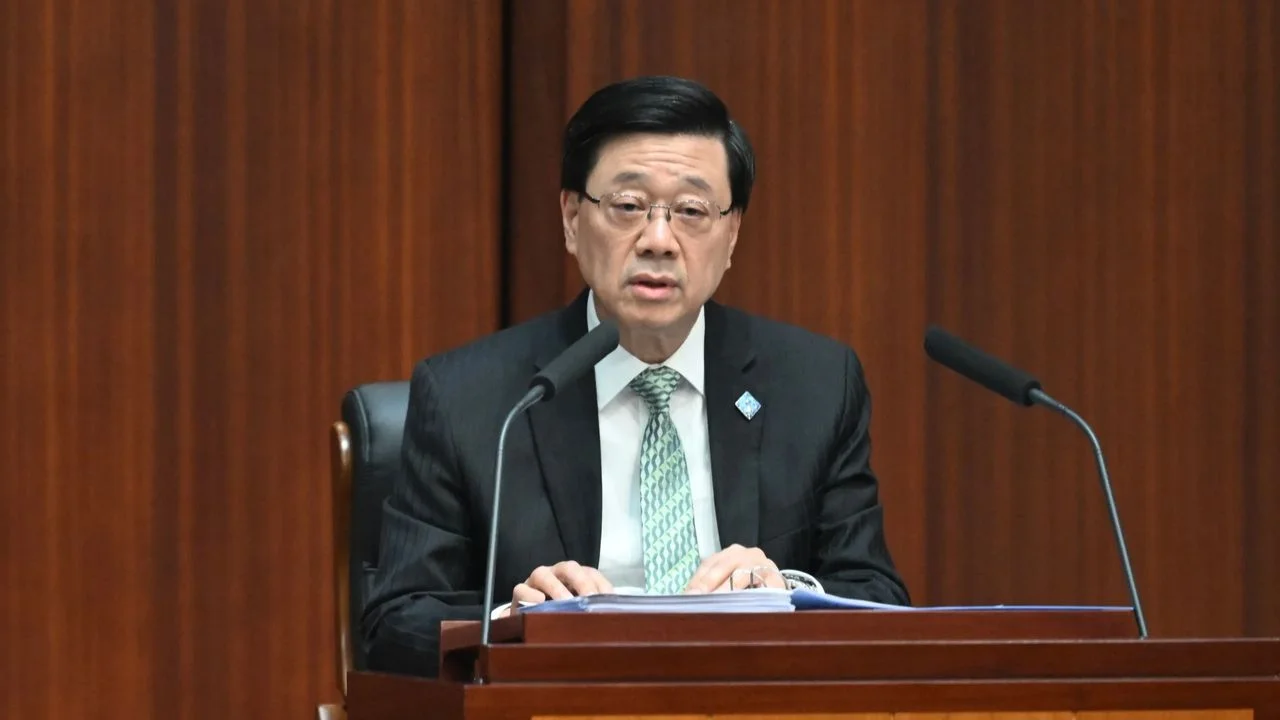
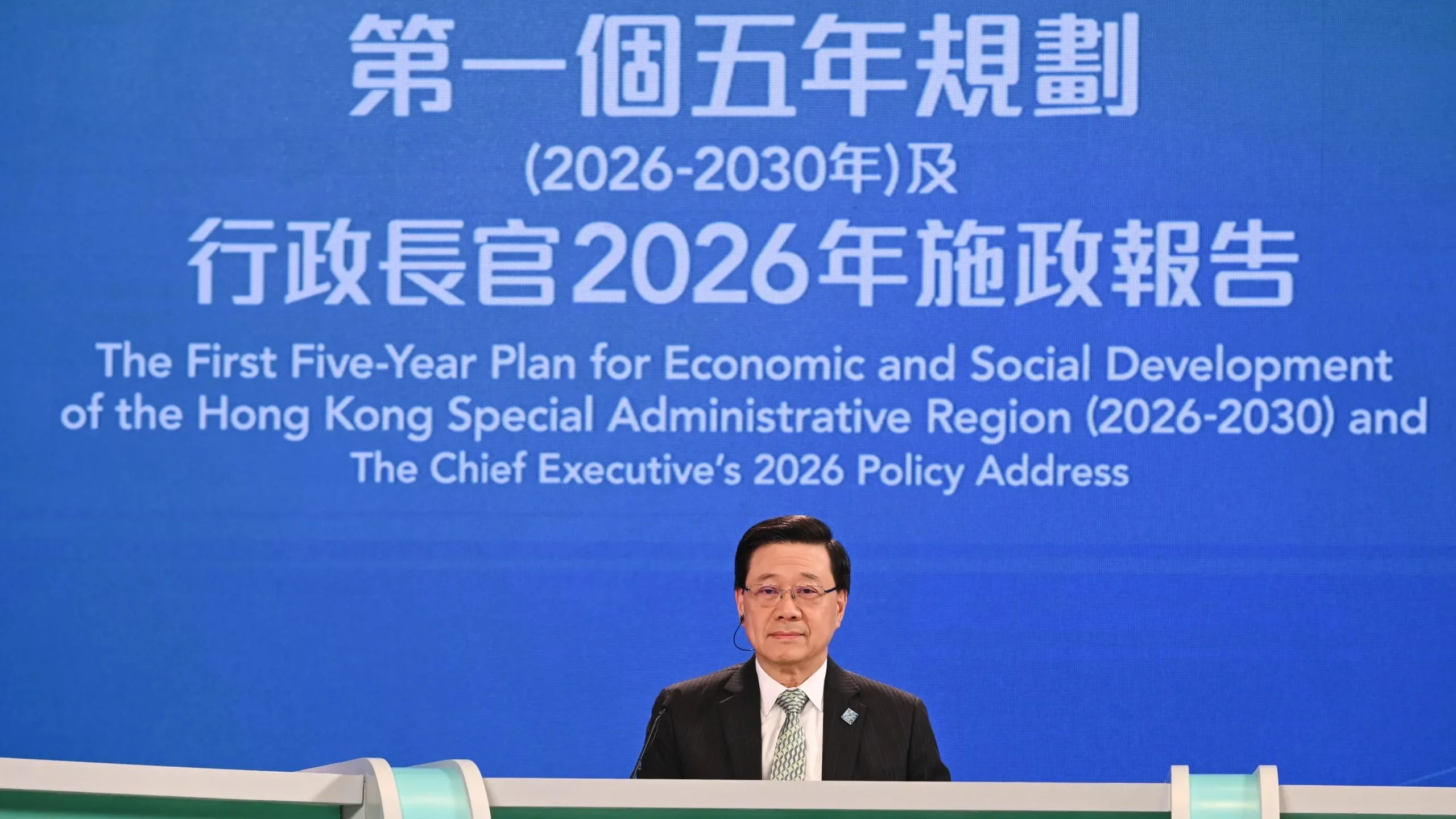
五年規劃與行政問責的關係,在特首李家超的表述中最為清晰。他在立法會就首個五年規劃發言時明確表示,規劃的目標是把香港發展與國家「十五五」規劃對接;往後特首每年年底上京述職時,都會向中央領導層提交進度報告,同時附上改善方案。
李家超這番表述,具備三重憲制層面的重要意義。
第一,由2026至2030年,特首每年12月上京述職,在與中央領導人的正式會面中,都會口頭匯報香港首個五年規劃的落實進度。
第二,一如李家超所言,述職時同時交代改善方案,代表特首對中央政府的問責不單得到強化,更走向制度化。《基本法》第43條訂明,特首對中央人民政府及香港特區負責;每年上京述職加上五年規劃進度匯報,鞏固這雙重問責關係。香港首個五年規劃,就此成為中央與香港之間一項全新的憲制實踐。
第三,李家超把香港首個五年規劃,跟9月16日發表的《施政報告》掛鈎。基本上,《施政報告》在國家「十五五」規劃訂下的大方向之上細化,重點講述落實細節,包括各項關鍵績效指標(KPI)。從政策執行層面來看,《施政報告》跟進五年規劃提出的核心構想。
自主裁量和中央指令
換言之,國家五年規劃持續為香港的五年規劃提供發展方向,再由《施政報告》負責具體落地。唯《施政報告》涵蓋範圍更廣,包括北部都會區發展、教育改革、房屋改革、民生議題、人口政策、公務員投訴機制、管治能力建設等。
《施政報告》覆蓋範圍更闊,代表香港特區政府在首個五年規劃聚焦國家「十五五」重點議題之外,仍然保有自主空間與政策裁量權。因此,部分外國媒體憂慮香港資本主義會被內地社會主義同化,實屬毫無根據;香港只是借鑑祖國更成熟、長遠的規劃發展模式,而《施政報告》的內容,恰恰體現香港的高度自治。
事實上,《基本法》第48條訂明,特首須執行中央政府發出的指令。若把國家「十五五」規劃當中有關香港的章節,廣義理解為中央的「指令」,香港首個五年規劃便是國家藍圖在香港落地合乎邏輯的延伸與執行。
視察、禮制與歷史先例
另一項正在香港浮現的新憲制實踐,來自中央港澳工作辦公室主任夏寶龍的定期視察調研。夏寶龍自2023年7月上任以來,持續到港澳開展視察調研,走訪香港與澳門、聽取地方意見,過程一般不會直接會見傳媒,已成為港澳辦主任視察的常態做法。
由此可以預期:每當港澳辦主任到香港視察,特區官員很可能會向其匯報香港五年規劃的推進情況;而每年12月特首上京述職,則是直接向中央最高領導層匯報五年規劃進度。這一套會面安排與官方規程,很大機會在李家超往後12月的述職中延續。如果座位安排維持不變,特首上京述職這項憲制慣例,將隨時間推移進一步制度化,確立特首及其管治團隊向中央問責的機制。
香港首個五年規劃的構想,可以追溯至2026年3月:當時特首李家超公開表示,特區政府將制訂香港首個五年規劃,更好對接國家發展藍圖。過往中央發表五年規劃(例如「十四五」)之後,特首《施政報告》往往淪為配角;由2026年3月起,相關定位與敘事出現轉變。
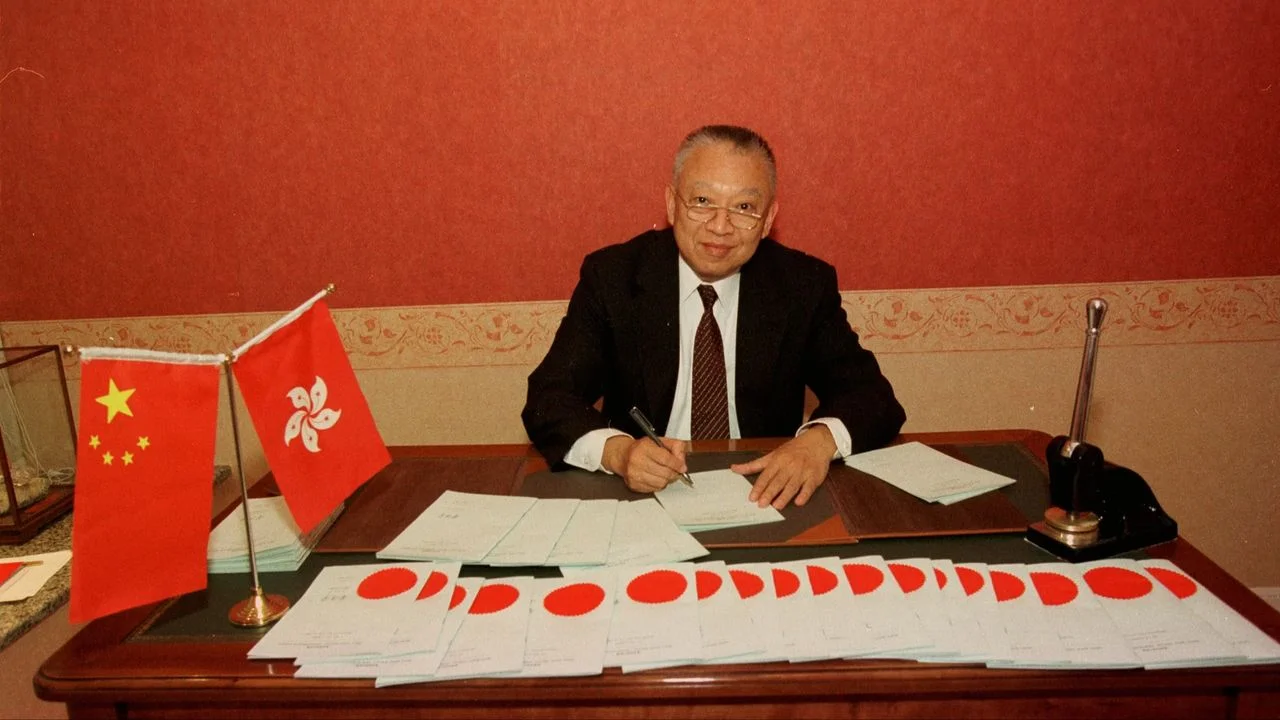
自1997年7月1日回歸以來,特首上京述職的模式不斷演變。首任特首董建華於1997年12月11日首次上京述職,主動向中央匯報回歸初期香港的狀況與發展;1998年10月,他再度上京述職,匯報香港應對亞洲金融風暴的工作;1999年11月20日,董建華再一次上京述職,向中央匯報工作。值得留意的是,2003年7月1日大型遊行之後,董建華於7月19日專程上京述職,加快推進CEPA落實。
特首上京述職的憲制實踐,自1998年起幾乎每年重複,已經成為中央與香港之間一項成熟、具先例基礎的憲制慣例,是《基本法》第43條及第48條的具體體現。
國葬與憲制習俗
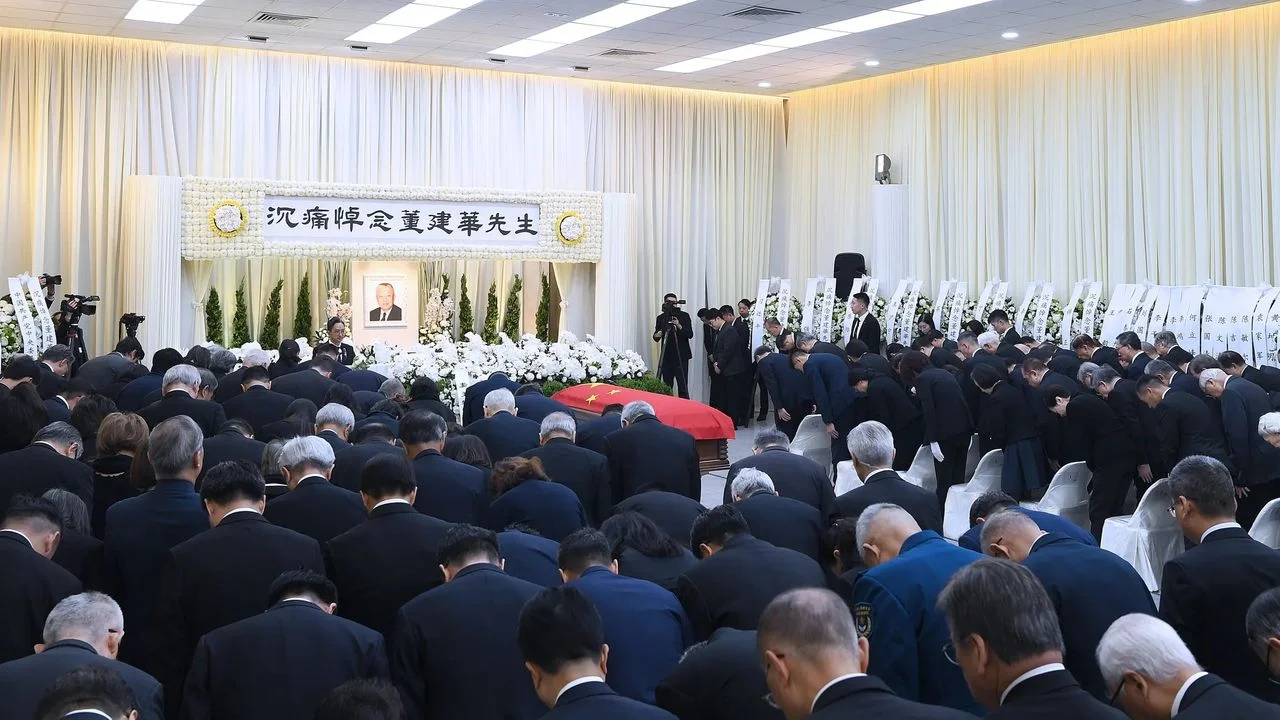
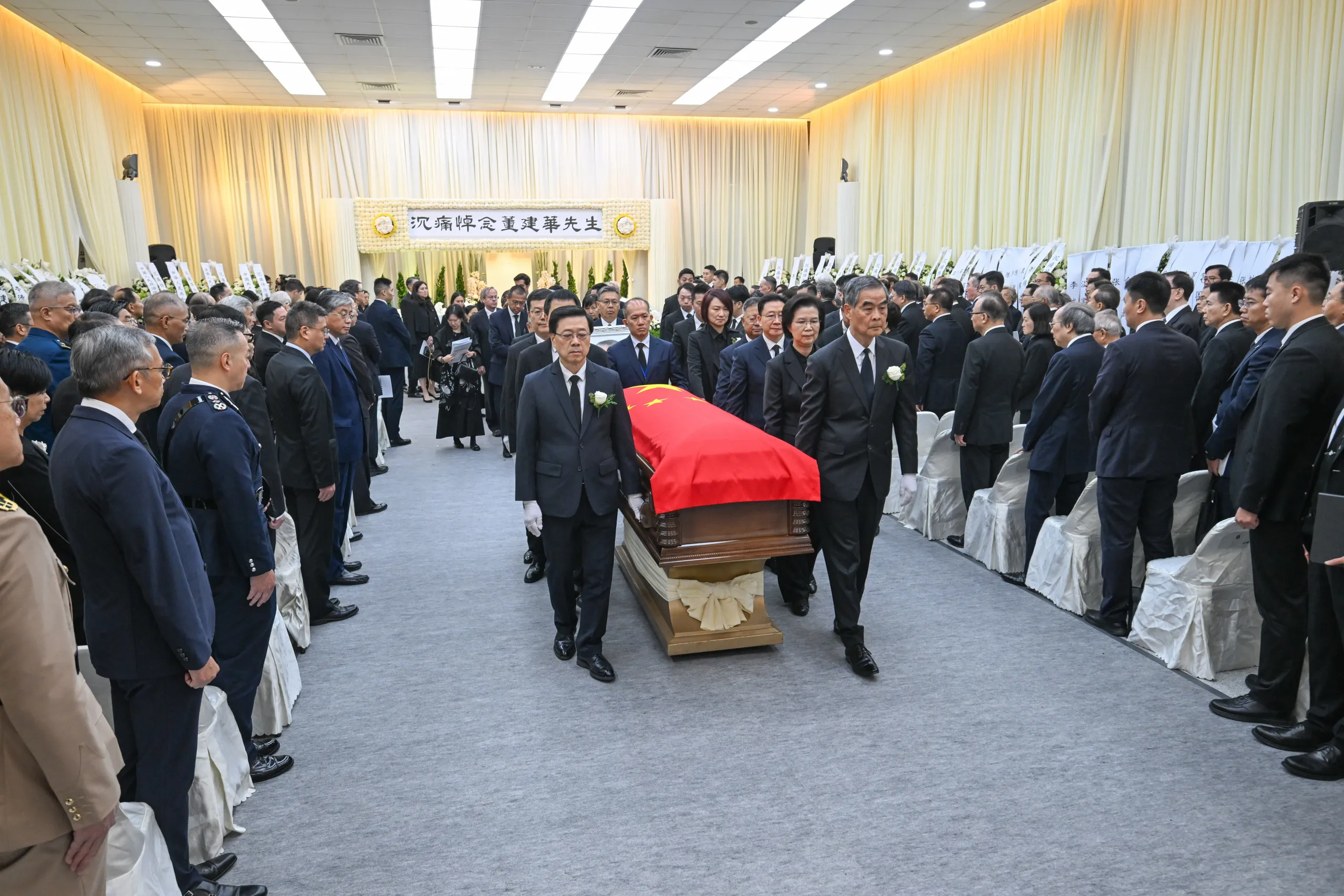
如果說憲制習俗是源於歷史傳統的慣常做法,有別於嶄新、具理據但暫無先例的憲制實踐;那麼,中央為2026年9月8日離世的前特首董建華,於9月20日舉行國葬的安排,便可視為一項憲制習俗。董建華曾任全國政協副主席,中聯辦評價他為「中國共產黨的親密朋友」。
這次國葬設治喪委員會,由中央統戰部部長石泰峰為主任;四名副主任分別是前特首、全國政協副主席梁振英、全國政協副主任兼秘書長王東峰、港澳辦主任夏寶龍,以及現任特首李家超。
中央處理董建華國葬的做法,延續安子介、霍英東兩位已故全國政協副主席的傳統。在內地體制之下,全國政協副主席屬國家領導人(副國級),因此為政協副主席舉行國葬,符合內地官方禮制。最重要的是,政協是愛國統一戰線組織,負責向國家提供諮詢意見,由中央統戰部部長石泰峰出任董建華治喪委員會主任,在憲制層面上恰如其分。
給予董建華等人國葬規格的禮遇,具有重要的政治與憲制意義,因為它提升了愛國者治港原則的重要性。這項原則不僅在中國的「十五五」規劃中得到強調,也在2014年發布的《一國兩制在香港特別行政區的實踐》白皮書中被重點闡述。因此,落實愛國者治港是一項憲制上的必然要求。
The emergence of new constitutional practice, convention and custom in Beijing–Hong Kong relations
With the publication of the first five-year plan of the Hong Kong Special Administrative Region (HKSAR), it can be observed that new constitutional behaviour has been emerging in the relations between the central government in Beijing and the local administration of the HKSAR.
The new constitutional practice refers to the process of formulating the first five-year plan, apart from the constitutional convention of having the Chief Executive conduct a duty visit to Beijing in December annually. Furthermore, a new constitutional custom can be seen in how the central authorities have handled the funeral of the former Chief Executive, Tung Chee-hwa, who was a former vice-chairman of the Chinese People’s Political Consultative Conference (CPPCC).
According to Ivor Jennings, unwritten rules need to meet three criteria to become a constitutional convention: there must be a constitutional reason; a convention must be supported by sufficient precedents; and a convention must be legally binding by the actors.[1] However, constitutional practices are unwritten rules that have constitutional reasons, but they lack sustained precedents.[2]
To apply the criteria of Jennings to the case of Beijing–Hong Kong relations, some new constitutional behaviours have been emerging. It still takes some time for us to observe how the new practice, with sustained precedents in the coming years, will turn into a constitutional convention in the relations between the central government and the HKSAR.
The most prominent constitutional practice is the alignment of Hong Kong’s first five-year plan with the central government’s five-year plan. Chapter 59 in Essay 17 of China’s 15th Five-Year Plan contained three paragraphs on Hong Kong and Macau. The direction for the HKSAR includes several aspects: (1) the maintenance of the principle of “Hong Kong people ruling Hong Kong” and the implementation of “patriots ruling Hong Kong”; (2) the elevation of governing capacity in accordance with law; and (3) the promotion of socio-economic development by using the advantages of the motherland and by connecting the HKSAR with the world.[3]
Moreover, the HKSAR is expected to consolidate its centres: international monetary, financial, aviation and trade centre; international asset and wealth management centre; international risk management centre; high value-added supply chain service centre; international innovation and technology centre; international legal and dispute resolution centre; regional intellectual property right trade centre; and cultural art exchange centre. Finally, the five-year plan supports the HKSAR to integrate socially, economically and technologically with the Chinese mainland, promoting Hong Kong’s connection and communication with the mainland’s monetary and financial market, and deepening its research collaboration with the mainland’s educational and industrial sectors.
The content of Hong Kong’s first five-year plan shows that the HKSAR administration focuses on the development of “four centres and one platform”. The four centres are the consolidation of the international financial centre (including the enhancement of equity and bond market, and the development of a commodity trading ecosystem); the international maritime centre and aviation hub (including the development of a high value-added maritime services ecosystem, and the development of a new ecosystem for the aviation industry); the international trade centre (including the development of a high value-added supply chain services centre, and the upgrade of the Closer Economic Partnership Arrangement); and the International Innovation and Technology Centre and International Hub for High-Calibre Talent.[4]
The platform mentioned in the first five-year plan refers to the need for the HKSAR to leverage its advantages as an international city, including the development of an international legal and dispute resolution services centre and the development of East–West cultural exchange.
Five-year plans and executive accountability
In his speech delivered at the Legislative Council (LegCo) on the first five-year plan, Chief Executive John Lee explicitly said that the plan aims at aligning HKSAR development with the central government’s 15th five-year plan, and that by the time the Chief Executive conducts a duty visit to Beijing by the end of each year, a progress report with an improvement plan will be made to the central leadership (TVB News, September 16, 2026).
Lee’s remarks were constitutionally important in three aspects. First, from 2026 to 2030, whenever the Chief Executive conducts a duty visit to Beijing in December each year, he or she must verbally discuss the progress of Hong Kong’s first five-year plan during the formal meeting with the central authorities.
Second, if an improvement plan will also be mentioned, as Lee mentioned, then the Chief Executive’s accountability to the central government is not only strengthened but also institutionalised. Article 43 of the Basic Law says that the Chief Executive is held accountable to the Central People’s Government and the HKSAR. This dual accountability is consolidated through the annual duty visit and the progress report on the HKSAR five-year plan. The first five-year plan of the HKSAR is a new constitutional practice between the HKSAR and the central government in Beijing.
Third, Chief Executive John Lee combined the first five-year plan in Hong Kong with his policy address on September 16, meaning that the plan expanded further from the key directions laid down by China’s 15th five-year plan, and that the policy address focuses on implementation details, including key performance indicators. From a policy implementation perspective, the policy address follows up the main ideas mentioned in the first five-year plan.
In other words, China’s five-year plan will continue to provide the necessary directions for Hong Kong’s five-year plan, which will be implemented by the policy address. Still, the policy address covers wider areas, including for example Northern Metropolis development, education reform, housing reform, livelihood issues, population policy, the civil service complaint system, and governing capacity.
The wider scope of the policy address means that the HKSAR government has both autonomy and discretion to deal with various policy areas after its first five-year plan focuses on the key issues mentioned in China’s 15th five-year plan. Therefore, the anxiety of some foreign media about Hong Kong’s capitalist absorption by the Chinese mainland’s socialism is unfounded, because the HKSAR simply adopts a much better and more long-term planning approach of its socialist motherland. But the content of Hong Kong’s policy address speaks to its high degree of autonomy.
In fact, Article 48 of the Basic Law stipulates that the Chief Executive has to implement the directives issued by the central government. If the sections on Hong Kong in China’s 15th Five-Year Plan are broadly seen as the “directives” of the central government, then the HKSAR’s first five-year plan is a logical extension and implementation of the national blueprint on Hong Kong.[5]
Inspection visits, protocols, and historical precedents
This new constitutional practice is emerging in Hong Kong, where Xia Baolong, Director of the Communist Party of China’s Hong Kong and Macau Affairs Office, has been paying regular inspection visits since he took up the Director position in July 2023. Xia’s inspection visits have been conducted in a regular way, paying visits to both Hong Kong and Macau and listening to the views of local people without speaking directly to the mass media – a practice that characterised the Director’s inspection visits to both Hong Kong and Macau.
By implication, we can expect that whenever the Director of the HKMAO pays an inspection visit to Hong Kong, the HKSAR authorities will likely report to him about the progress of the HKSAR’s five-year plan, while the duty visit made by the Chief Executive to Beijing by December each year reports the progress of Hong Kong’s five-year plan to the central leadership.
Given that the Chief Executive has by convention been visiting Beijing in December each year, and that John Lee will conduct his duty visit by December 2026, he will most likely submit a progress report on the first five-year plan, perhaps together with an action plan on what the HKSAR government will follow up from a report to be published by an independent committee on the Tai Po fire tragedy.
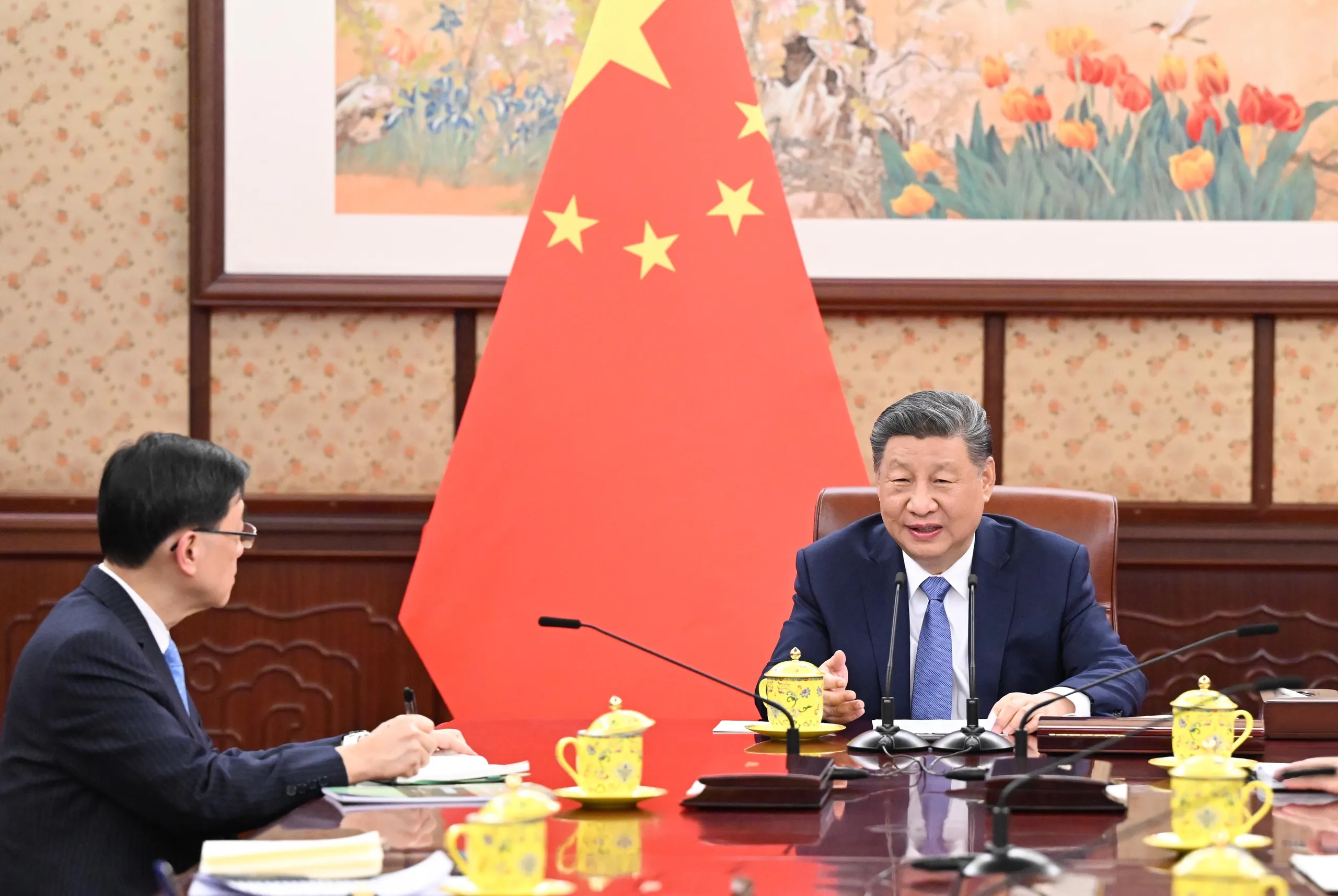
In fact, the duty visit of John Lee to Beijing in December 2023 revealed that he met not only Chinese President Xi Jinping, who sat in the chairman position at a long table, but also Premier Li Qiang (who sat opposite him), Central Secretariat party-secretary Cai Qi, convenor of the Communist Party of China’s Central Hong Kong and Macau Work Leading Small Group Ding Xuexiang, United Front Department Minister Shi Taifeng, and Political and Legal Affairs Commission party-secretary Chen Wenqing.[6] Sitting on the right side of John Lee were Hong Kong and Macau Office (HKMAO) Director Xia Baolong, HKMAO Deputy Director Zhou Ji, HKMAO Deputy Director and Liaison Office Director Zheng Yanxiong, and Hong Kong Chief Executive’s Office director Carol Yip Man Kuen.
This set-up and official protocol will very likely be observed in Lee’s upcoming December visit. If this seating arrangement is maintained, the constitutional convention of the Chief Executive’s duty visit to Beijing will, with the passage of time, become an institutional mechanism making the Chief Executive and his administration accountable to the central authorities.
The origin of Hong Kong’s first five-year plan can be traced back to March 2026, when Chief Executive John Lee said publicly that the HKSAR government would formulate its first five-year plan to better align the city’s development with the national blueprint. In the past, after the central government published its five-year plan, like the 14th five-year plan, the policy address delivered by the HKSAR Chief Executive only “complemented” the national plan. This tone and style have changed since March 2026. The draft five-year plan of the HKSAR was published on June 15, 2026, and it consulted public opinion until August 14 (HKSAR Government Press Release, June 15, 2026).
The Chief Executive’s duty visits to Beijing have undergone some transformations since July 1, 1997. The first Chief Executive, Tung Chee-hwa, began his first duty visit to Beijing on December 11, 1997, reporting on the circumstances and development of the HKSAR shortly after the transfer of sovereignty of Hong Kong from Britain to China. In October 1998, he paid another duty visit to Beijing and reported on Hong Kong’s responses to the Asian financial crisis (Government Press Release, October 15, 1998).
On November 20, 1999, Tung visited Beijing again for his duty visit and reported his work to the central authorities (Government Press Release, November 18, 1999). Interestingly, shortly after the mass protest against the HKSAR government on July 1, 2003, Tung paid a special duty visit to Beijing on July 19 to accelerate the process of reaching the Closer Economic Partnership Arrangement (Government Press Release, July 19, 2003). There was also a report saying that Tung sought the support of Beijing to reshuffle his top leadership shortly after the mass protests (BBC News in Chinese, July 19, 2003). In any case, duty visits were already entrenched as a constitutional practice during the first HKSAR administration under the leadership of Chief Executive Tung Chee-hwa.
Tung’s successors, ranging from Donald Tsang to C. Y. Leung, and from Carrie Lam to John Lee, also made duty visits and submitted reports to the central government around the end of each year. The only exception took place in December 2020, when the central government postponed Carrie Lam’s duty visit to Beijing to a later date due to the busy schedule of central-level leaders (DW News, December 15, 2020). Moreover, before John Lee’s duty visit to Beijing in 2023, his predecessors reported to the Chinese President and Premier separately.
Since 2023, the Hong Kong Chief Executive has reported to both the President and Premier in a combined meeting. The constitutional practice of the Chief Executive’s duty visits has been repeated almost annually since 1998 so that it has become a precedent or a well-established constitutional convention between the HKSAR and the central government in Beijing. This constitutional convention can be seen as a realisation of Article 43 and Article 48 of the Basic Law.
State funerals and constitutional custom
Yet, if constitutional custom refers to habitual acts that stem from historical tradition, unlike constitutional practice that is new, reasoned but without any precedent, then the way in which Beijing handles the state-level funeral of the late Chief Executive Tung Chee-hwa (who died on September 8) on September 20, 2026, can be regarded as a constitutional custom or habit.[7] Tung was the former vice-chairman of the Chinese People’s Political Consultative Conference (CPPCC) and is regarded by the Liaison Office as “the friend of the Communist Party of China”.
His state-level funeral is led by a funeral committee chaired by Shi Taifeng, Minister of China’s United Front Department. The committee is composed of four deputy directors: former Chief Executive and CPPCC vice-chair C. Y. Leung, CPPCC secretary-general Wang Dongfeng, HKMAO Director Xia Baolong, and Chief Executive John Lee (South China Morning Post, September 16, 2026).
The way in which Beijing deals with Tung’s state funeral had precedents when industrialist Ann Tse-kai died in 2000 and when tycoon Henry Fok Yung-tung passed away in 2006. Both Ann and Fok were also vice-chairmen of the CPPCC. Both had state funeral arrangements led and coordinated by the central government in Beijing, which set up a high-level funeral committee. Ann’s funeral committee had 65 people; Fok’s committee had 74 people; and Tung’s committee has 87 people. The funeral committees of Ann and Fok were chaired by a vice-chairman of the CPPCC: Ye Xuanping in the case of Ann and Wang Zhongyu in the case of Fok (HK01.com, September 18, 2026).
Beijing’s handling of Tung’s state funeral mirrors the tradition of coping with the state funeral of two other late vice-chairpersons of the CPPCC, namely Ann Tse-kai and Henry Fok. Since a CPPCC vice-chairperson is a national leader (guojia lingdaoren) on the Chinese mainland, their status is higher than regional and provincial officials. Therefore, the arrangement of state funerals for CPPCC vice-chairpersons is in conformity with the mainland’s official protocol. Above all, the CPPCC is a patriotic united front organisation advising the Chinese government and, as such, having Shi Taifeng, Minister of the United Front Department, preside over Tung’s funeral committee is constitutionally proper.
Evolving central–local dynamics
In conclusion, the relations between the local government of Hong Kong and the central government in Beijing have witnessed the emergence of constitutional practice, constitutional convention and constitutional custom. Specifically, the formulation of the HKSAR’s first five-year plan represents a new constitutional practice in Beijing–Hong Kong relations.
In particular, the Chief Executive is held accountable to the central government through the constitutional convention of his or her duty visit to Beijing by December each year, during which a report on the progress of the five-year plan will be submitted and an improvement plan will be expected. In between the duty visits in December each year, the HKMAO Director’s inspection visit to Hong Kong can be regarded as a constitutional practice that, with the passage of time, will also become a constitutional convention.
The inspection visit allows the HKMAO Director to understand the development of the HKSAR in a much deeper manner, including how the HKSAR’s five-year plan is implemented. Moreover, Beijing’s handling of the state funeral of the late Tung Chee-hwa parallels how it coped with the state funerals of Ann Tse-kai and Henry Fok.
The state-level funeral treatment of patriotic elites like Ann, Fok and Tung is politically and constitutionally significant, for it elevates the significance of the principle of “patriots ruling Hong Kong”. The principle of “patriots ruling Hong Kong” was emphasised in China’s 15th Five-Year Plan and also its 2014 White Paper on the Practice of One Country, Two Systems in the HKSAR. As such, the implementation of “patriots ruling Hong Kong” is a constitutional necessity.
The constitutional practice of having the first five-year plan in Hong Kong will likely become a constitutional convention with the passage of time, while the Chief Executive’s duty visit to Beijing by the end of each year has already become a constitutional convention entrenched in Hong Kong’s relations with Beijing. Finally, whenever patriotic elites who are CPPCC vice-chairpersons pass away, the state-level funeral arrangements made by central government officials in Beijing represent a constitutional custom or habit that will persist in the development of central–local relations.
Notes:
Sir Ivor Jennings, The Law and the Constitution (London: University of London Press, 1959), p. 136.
Carolyn Harris and Philippe Lagasse, “The rules of the coronation: how does constitutional convention differ from custom and practice?”, May 2025, UCL Constitution Unit Blog, The rules of the coronation: how does constitutional convention differ from custom and practice? | UCL Constitution Unit blog, access date: September 19, 2026.
See The Outline of the 15th Five-Year Plan of National Economic and Social Development of the People’s Republic of China, in U020260317369114704096.pdf, access date: September 19, 2026.
The First Five-Year Plan for Economic and Social Development of the Hong Kong Special Administrative Region, 2026–2030, September 2026, in The First Five-Year Plan for Economic and Social Development of the Hong Kong Special Administrative Region (2026–2030), access date: September 19, 2026.
When a liberal-minded and pro-democracy legislator asked the government about the rationale behind the Chief Executive conducting his duty visit to Beijing, Article 43 and Article 48 of the Basic Law were also cited to justify the Chief Executive’s action. See “The arrangement for CE’s report to Central People’s Government”, March 18, 2015, in LCQ5: The arrangement for CE’s report to Central People’s Government, access date: September 19, 2026.
Sonny Lo, “Analysis of the Constitutional Practice of Chief Executive’s Duty Visit and Report to Beijing”, December 23, 2023, in OPINION – An Analysis of the Constitutional Practice of Chief Executive’s Duty Visit and Report to Beijing | Macau Business, access date: September 19, 2026.
Carolyn Harris and Philippe Lagasse, “The rules of the coronation: how does constitutional convention differ from custom and practice?”, May 2025, UCL Constitution Unit Blog, The rules of the coronation: how does constitutional convention differ from custom and practice? | UCL Constitution Unit blog, access date: September 19, 2026. The concept of custom used by Harris and Lagasse is similar to the word “habit” used by Hilaire Barnett, who has maintained that habits are characterised by regularity of conduct, but without reflectiveness. See Hilaire Barnett, Constitutional and Administrative Law (London: Cavendish, 1995), p. 33.
原刊於澳門新聞通訊社(MNA)網站,本社獲作者授權轉載。(原文按此)