
設於香港的國際調解院(IOMed)持續拓展業務版圖,簽約國與締約國數量不斷增長,並且順利辦結首宗海事相關爭議案件。多位官員與分析人士指出,國際調解院在完善全球治理、推動商事調解、鞏固香港法律服務樞紐地位方面具備戰略性作用。
國際調解院於2025年10月在香港正式成立,創始成員國為19個參與一帶一路的友好國家。截至2026年7月,國際調解院簽約國增至46個,締約國達到16個。
根據官網介紹,國際調解院是全球首個專門透過調解方式解決國際爭端的政府間法律組織,為落實《聯合國憲章》倡導以和平調解方式解決國際爭端的核心機制,促成爭議各方實現共贏合作,幫助全球治理、維護世界和平、穩定國際秩序。
國際調解院亦被界定為發展中國家一起貢獻的法治領域國際公共產品。其受理範圍包括國家間爭端、一國與他國國民之間的爭端,以及各方共同提交的國際商事爭端調解。相比其他爭議解決方式,調解具備彈性更大、成本更低、程序便捷、落地性強等優勢。
「十五五」明確支持發展國際調解院
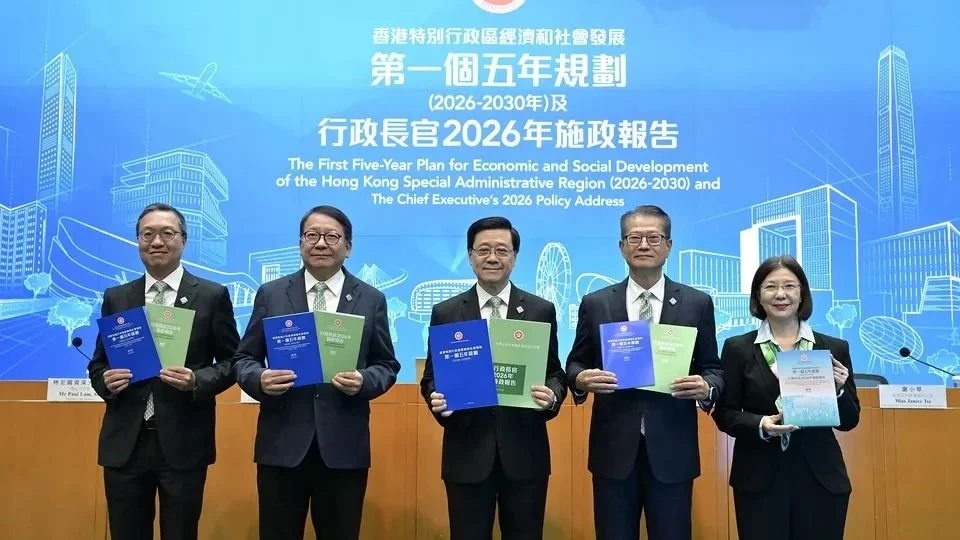
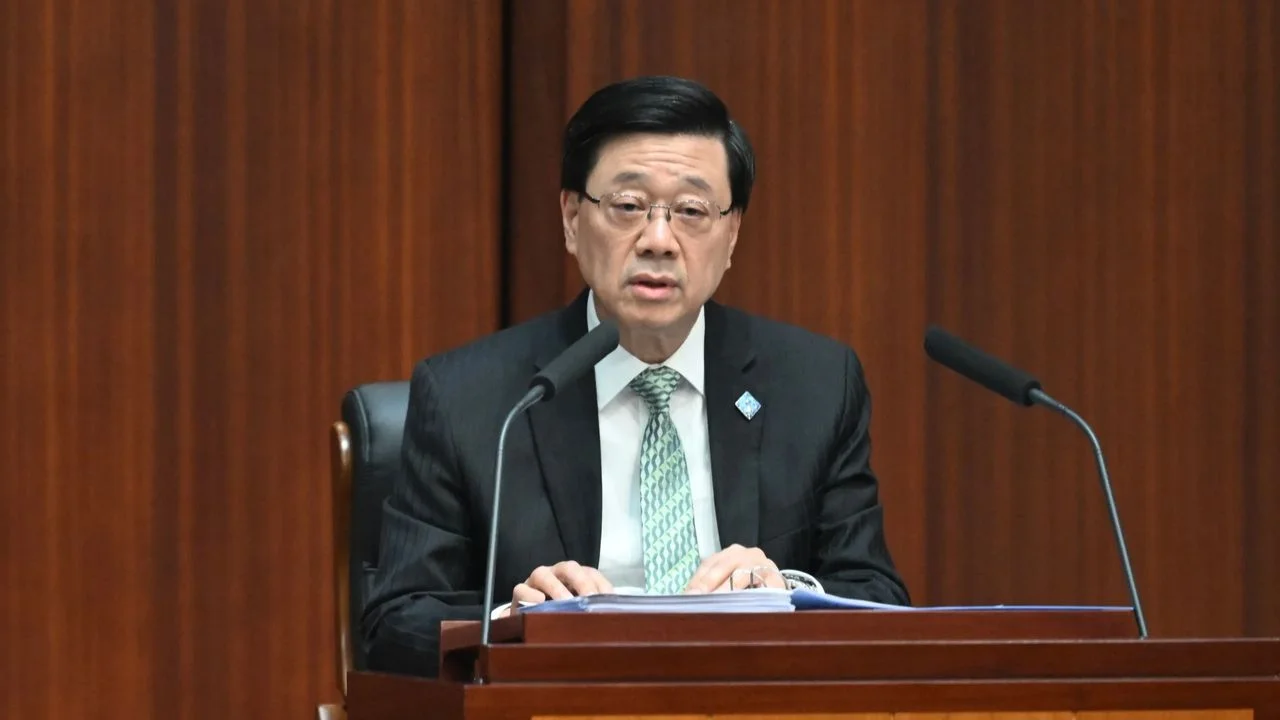
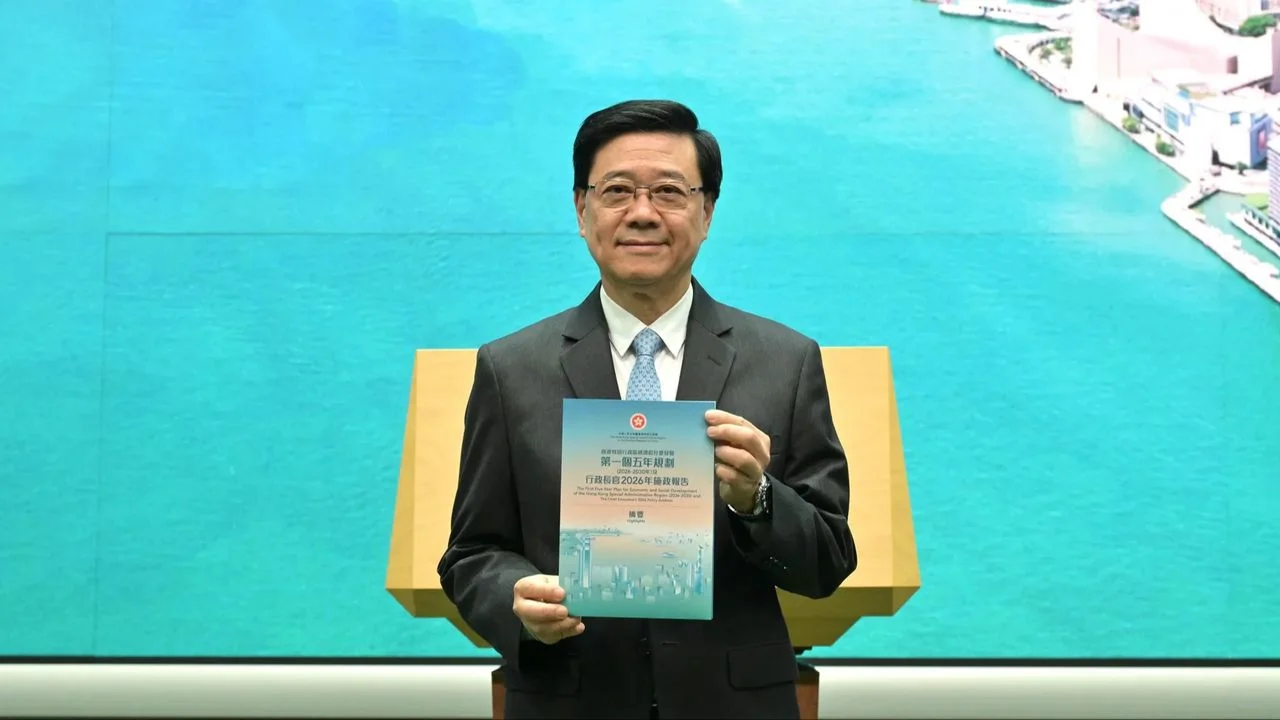
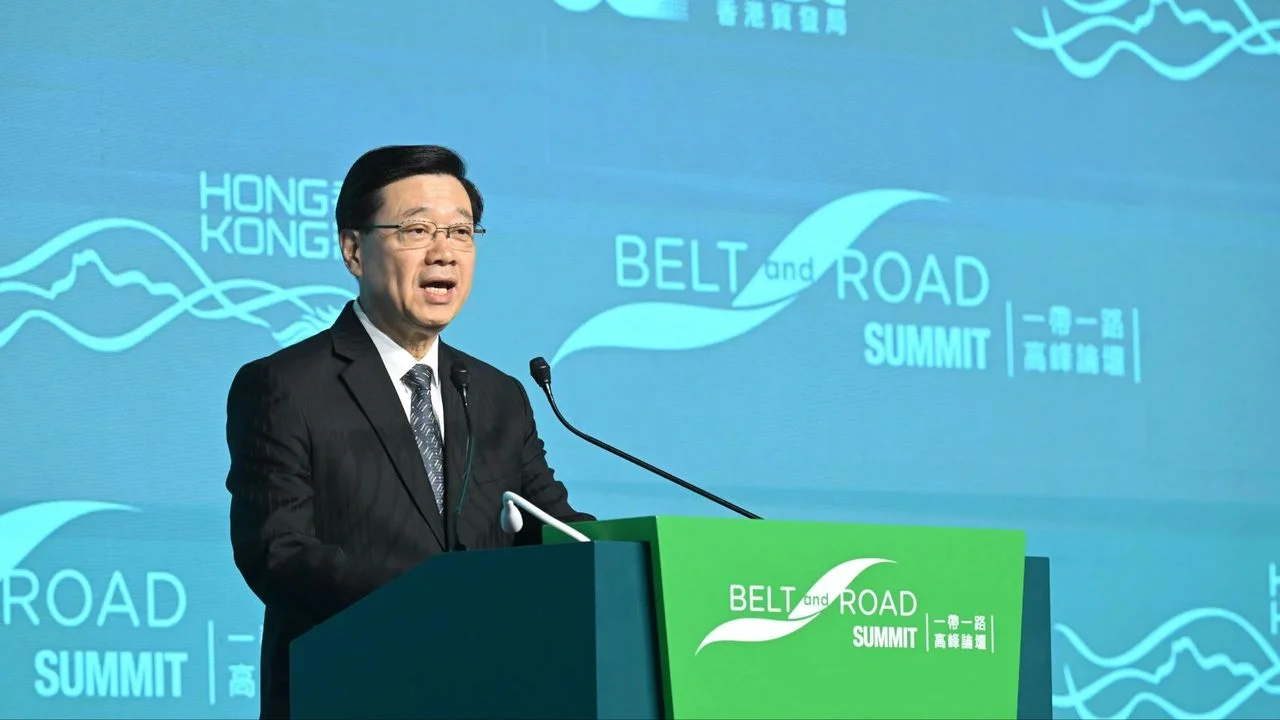
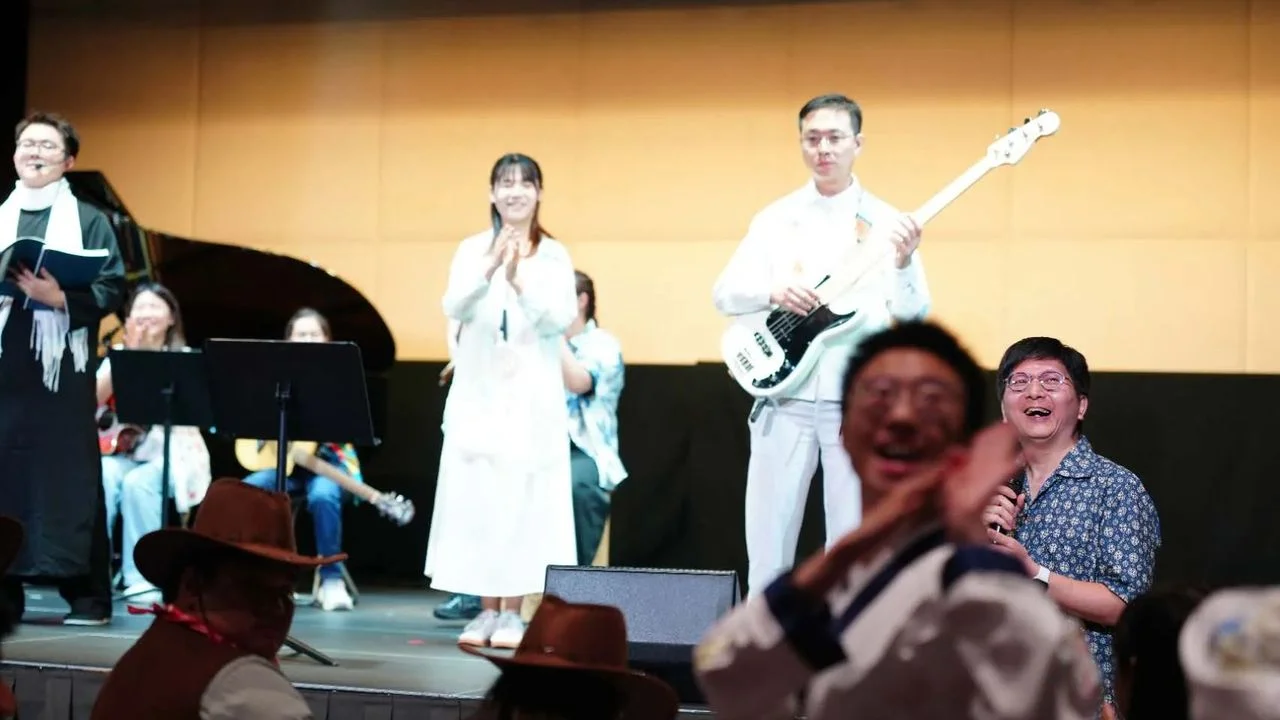
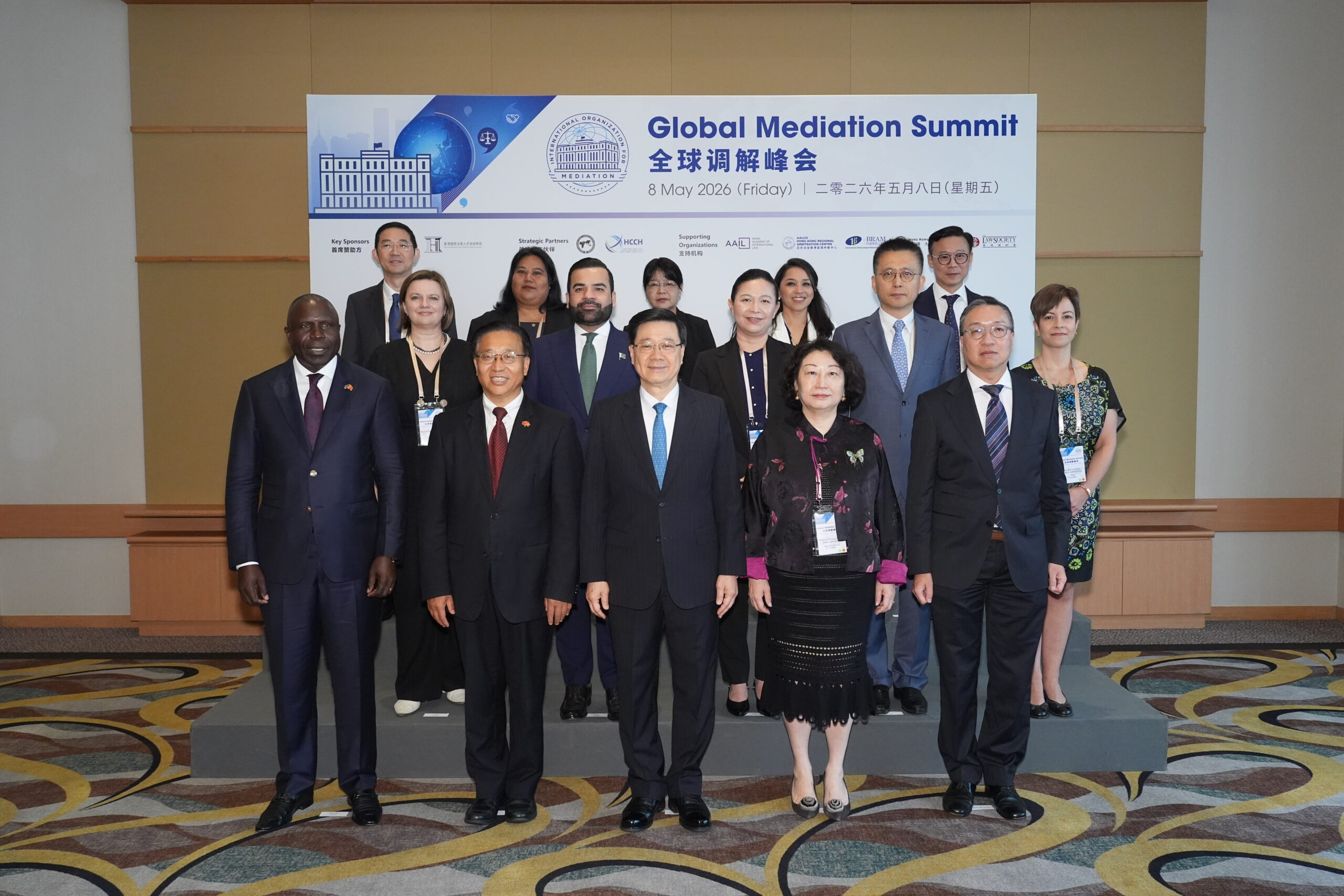
2026年5月,國際調解院在港舉辦首屆全球調解峰會。特首李家超在開幕致辭中表示,國家「十五五」規劃明確支持香港發展國際調解院,中央政府的支持,將確保香港在調解各類國際爭端方面發揮關鍵作用。
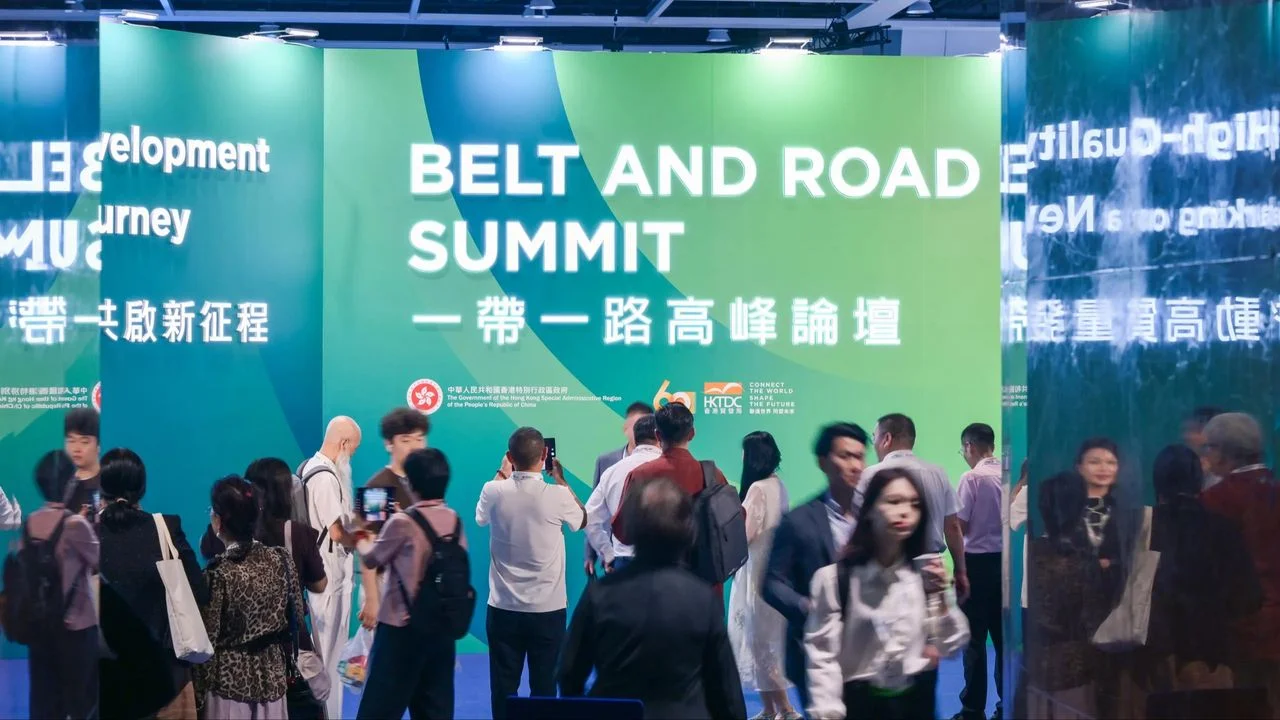
今次峰會吸引來自48個國家共400名與會者,包括政府官員與法律專業人士,共同探討國際調解議題。國際調解院理事會副主席Willy Bett表示,中國的大力支持讓調解院有信心履行賦予職能。
外交部駐港特派員崔建春指出,當前國際局勢動盪,訴訟、仲裁、調解等和平手段應當成為爭端解決的優先選項。調解尊重當事人自願自主、導向共贏結果,並依託多邊共識踐行國際法治。
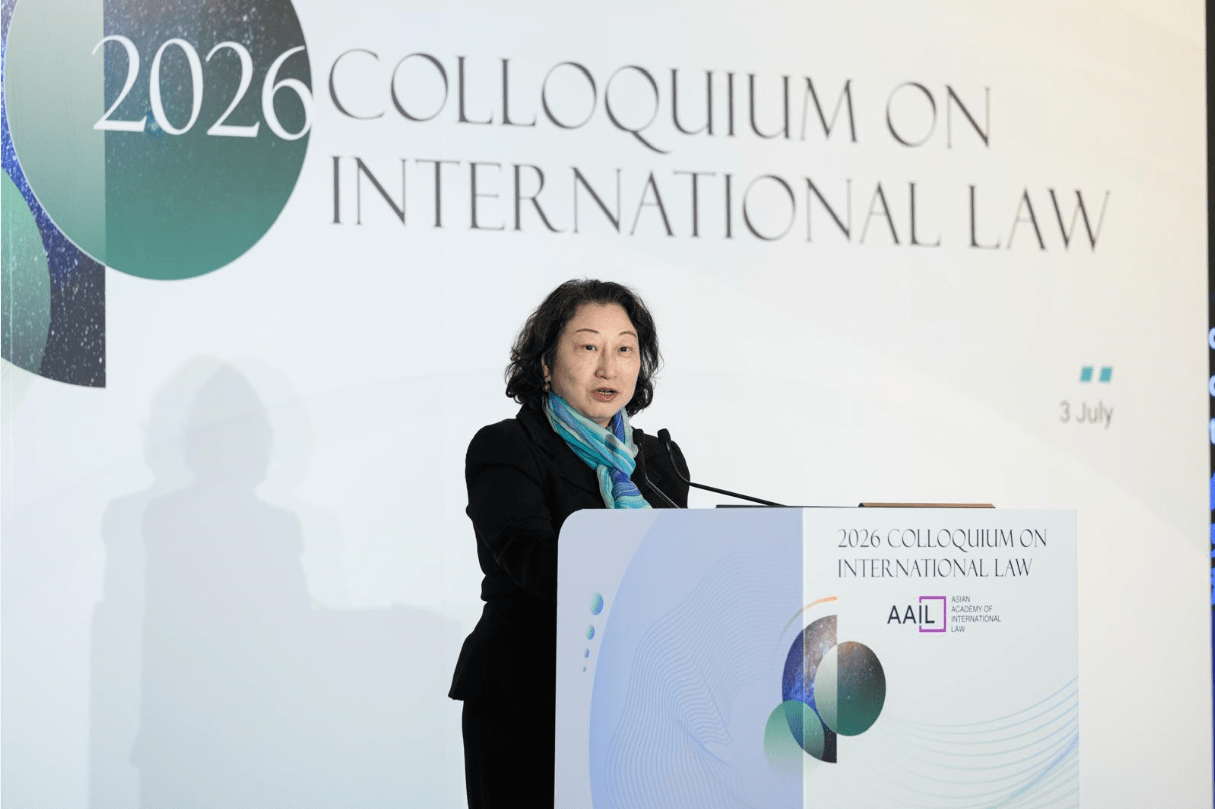
同場的律政司司長林定國亦透露,已有超過1000家企業及個人簽署優先採用調解的承諾書;中國向國際調解院總調解員名冊提名24名調解員,其中10人來自香港。
成功調解一宗涉非成員國的海事爭議
近期,調解院成功調解一宗涉及新加坡與內地企業的海事爭議。國際調解院秘書長鄭若驊表示,案件順利化解印證調解院運作有效,作為國際公共產品,服務對象不限於成員國。新加坡尚未加入國際調解院,而此案涉及新加坡企業,證明非成員國主體同樣可以使用調解院服務。
首宗海事調解案件辦結後,調解院計劃拓展服務範疇,探索商品交易市場、太空經濟相關爭端調解。
外交學院冉繼軍教授2026年7月23日於《中國日報》撰文,高度評價這宗中新海事調解案件。該案涉及租約連鎖關係的國際海事爭議,各方簽署書面和解協議,一籃子解決一系列相互關聯的複雜糾紛。冉繼軍援引《聯合國憲章》第33條,條文列明調解是和平解決國際爭端的方式之一,可見國際調解院擁有廣闊發展空間。
冉繼軍認為國際調解院的實踐,體現中國推動把多邊和平解決爭端原則,轉化為一套可落地、易於使用的常設機制。他總結,調解院公信力需要長期逐步累積:一方面要彰顯獨立性與專業性;另一方面也要平衡多重關係——保密責任與訊息透明、當事各方意願與裁決執行、成員國治理權與機構中立性之間。
港擁充足人才儲備
從分析視角來看,國際調解院成立,對香港與內地兼具法律、經濟、政治及外交多重深遠意義。
在法律層面方面,中央政府充分發揮香港獨特優勢在港設立國際調解院。香港地處亞洲核心、社會環境穩定、普通法體系廣受認可、營商環境成熟,令爭議各方願意選擇香港調解。正如林定國所言,香港擁有充足法律人才儲備,加上律政司全方位支持,為調解院運作提供人力支撐。
至於經濟層面,正如鄭若驊強調,調解具備成本優勢。各類商業主體可以在香港借助國際調解院友好化解糾紛。相較於極易政治化、牽涉多方利益的國家間爭端,企業之間海事糾紛、大宗商品、太空經濟等商事爭議,更容易透過調解取得圓滿結果。
具準外交屬性 吸納不同法系進展佳
從政治角度而言,國際調解院的設立,亦體現一國兩制成功實踐:在中央全面支持之下,香港特區充分行使自治權,把本地法律專業優勢推向國際舞台。
根據香港《基本法》第13條,中央政府負責與香港有關的外交事務,同時授權香港自行處理相關對外事務。若國家間爭端需要透過國際調解院在香港調解,中央層面自然發揮關鍵作用。事實上,國際調解院提供國際公共產品的職能帶有準外交屬性,設置內地官員出任副秘書長,是極具遠見的安排,便於中央統籌協調可能出現的國家間爭端調解事宜。
從外交格局觀察,國際調解院是中方推動設立的國際組織。首屆理事會由8個締約國組成,簽約國以觀察員身份參與。中國代表華春瑩獲選理事會主席;委內瑞拉代表Tatiana Josefina PUGH MORENO、肯尼亞代表Willy BETT當選副主席。理事會委任鄭若驊為秘書長、孫勁為副秘書長。理事會組成本身已具備多元國際性。值得留意的是肯尼亞成為完成公約準程序的締約國,加納為簽約國,預示調解院吸納不同法系成員國方面進展良好。
綜觀近期動態,國際調解院發展穩步向前:成員國持續擴增,並且順利完成首宗海事爭端調解。隨着機構持續赴多國開展推廣、舉辦各類國際峰會,長遠有望吸納更多成員,不斷擴大自身影響力。
短期來看,國家間爭端調解目標難度較高;機構現階段聚焦商事糾紛、大宗商品、太空經濟領域爭議調解,是務實合適的策略。畢竟對大量商業主體而言,調解相比仲裁、訴訟具備明顯成本吸引力;當然部分企業最終仍然會選擇仲裁或訴訟途徑。
New developments of the IOMed
The International Organization for Mediation (IOMed), which was officially inaugurated in the Hong Kong Special Administrative Region (HKSAR) in October 2025, has recently envisaged new developments that deserve our attention.
The IOMed, according to its website, is the world’s “first intergovernmental legal organization dedicated to resolving international disputes through mediation” (see About Us – international-mediation). Moreover, it is expected to be “a key mechanism to apply mediation as a peaceful means to settle international disputes enshrined in the UN Charter” so that there will be “win-win cooperation between the parties,” thereby contributing to global governance, promoting world peace, and stabilizing the international order.
Furthermore, IOMed can be regarded as “an international public good on the rule of law contributed by developing countries” (About Us – international-mediation). The services it can provide include “mediation services for inter-state disputes, disputes between a state and a national of another state, and international commercial disputes submitted by mutual consent.” Such mediation is expected to be “more flexible, cost-effective, convenient and well implemented.”
Initiated by nineteen countries—all of them China-friendly states along the Belt and Road—IOMed has recently stepped up its activities in a high-profile manner.
In May 2026, the first international Global Mediation Summit was held by the IOMed in Hong Kong. Delivering his opening speech, Chief Executive John Lee noted that China’s 15th Five-Year Plan supported the IOMed in the HKSAR, and that such support from the central government can ensure that Hong Kong can and will play a crucial role in the attempts at solving various international disputes through mediation (Government Information Services, Press Release, May 8, 2026). He added that the IOMed would invite governments, companies, investors and other people to “make optimal use of the mediation services provided by IOMed.”
The Summit attracted four hundred participants, including government officials and professionals from forty-eight countries to share their insights on international mediation. The governing vice chairman of IOMed, Willy Bett, remarked that China’s support made IOMed confident in performing its functions. His view was echoed by another speaker, Wolf Von Kumberg, who is an independent arbitrator and mediator, and who commented that the prerequisite of mediation is to ensure the parties concerned feel comfortable to go to a stable and safe place like Hong Kong, Also, Hong Kong is a commercial hub where investors find it stable.
Reta Alemu Nega, an adviser to the African Union Commission, told the media that he would like to have more people to understand the work of IOMed, and that IOMed is not about Asia or Africa – it’s about the world” (The China Daily, May 8, 2026).
Institutional support and expansion
It was noteworthy that the Summit witnessed the participation of Cui Jianchun, the Commissioner of the Office of China’s Foreign Ministry in the HKSAR. He stressed that in the era of international turbulence, peaceful means such as litigation, arbitration and mediation “should be the primary options for settling disputes” (Website of The Commissioner’s Office of China’s Foreign Ministry in the HKSAR, May 8, 2026). He added that mediation ensures party autonomy through free choice, that mediation delivers win-win results, and that mediation practises the international rule of law through multilateral consensus.
Paul Lam, the Secretary for Justice of the HKSAR government, also delivered a speech, delineating how the Department of Justice (DoJ) supports the work of IOMed (Government Information Services, Press Release, May 8, 2026). First, the DoJ would be responsible for the maintenance of the IOMed headquarters. Second, it would continue to second Hong Kong legal experts to the IOMed Secretariat, including four counsel to assist its work. Third, it would promote the utilisation of IOMed mediation through the inclusion of an IOMed mediation clause in appropriate international agreements to which the HKSAR is a party. He revealed that over 1,000 companies and individuals signed a pledge to use mediation first, and that ten out of twenty-four mediators designated by China to IOMed’s general panel of mediators come from the HKSAR.
In July 2026, it was reported that the IOMed’s signatory states grew to forty-six and contracting nations amounted to sixteen (South China Morning Post, July 19, 2026). Moreover, IOMed resolved one maritime-related dispute involving parties from Singapore and the Chinese Mainland. The Secretary General of IOMed, Teresa Cheng, said that this case’s resolution demonstrated that IOMed was effective, and that it is an international public good serving not only its member states but also others as well. Singapore has not yet joined the IOMed. Cheng said that the settlement of the case involving a Singapore company meant that companies from non-member states can also use the services of IOMed (Hong Kong Standard, July 19, 2026).
Cheng also commented that her organisation explained its work to different parties, including governments, corporations, and professionals. She added that mediation is a desirable way of resolving disputes. The IOMed officers visited countries like Saudi Arabia, the United Arab Emirates, Algeria, Morocco, Serbia, Austria, France and the US to explain their work.
Mediation can be faster, while arbitration and lawsuits may take weeks and months with spiralling costs, according to Cheng. She has emphasised that mediation can make clients move forward in harmony after settling their disputes, and that the IOMed can leverage Hong Kong’s strengths as not only having a respectable common-law system with rule of law but also playing the role of a facilitator in the regional and global mediation system (South China Morning Post, July 19, 2026).
Operational flexibility and future outlook
Cheng commented that Hong Kong is a safe place despite the geopolitical tensions and struggles in a turbulent world. As such, the HKSAR is well placed to perform its function as a new regional and global mediator in settling disputes. She also pointed to the development of a “one-stop” dispute resolution service that integrates mediation, arbitration and litigation (Hong Kong Standard, July 19, 2026). This means that clients may adopt mediation first and arbitration later, or they can try mediation at any stage of arbitration, or they may seek the help from the court with enforcement, thereby injecting the ingredient of flexibility in the entire processes,
After the resolution of the maritime dispute, it is reported that IOMed plans to explore the possibility of expanding its services to other areas, including the commodity markets and space economy (Hong Kong Standard, July 19, 2026).
On July 23, Yan Weijun, a professor at China Foreign Affairs University, wrote in The China Daily (July 23, 2026) and praised the settlement of the maritime case between China and Singapore, which “reached a written settlement in an international maritime dispute involving a charter party chain” and “bringing a series of complex and interconnected disputes to a comprehensive conclusion.” Yan referred to Article 33 of the UN Charter that emphasises mediation as one of the means for the peaceful settlement of international disputes. As such, IOMed will have room for further development.
Yan commented that the IOMed’s work reflects China’s “effort to translate the principle of peaceful dispute settlement, through multilateral means, into an institution that is both operational and accessible” (The China Daily, July 23, 2026). He concluded that the credibility of IOMed will take time and require “gradual accumulation” by not only demonstrating its independence and professionalism but also managing the complex relations between confidentiality and transparency, between party autonomy and enforcement, and between member states governance and institutional neutrality.
According to Yan, the first mediation case was conducted chiefly by a Hong Kong lawyer with rich experiences in international shipping law. Such expertise was combined with IOMed’s institutional mechanism, thereby providing strong foundation for the dispute resolution. If so, the availability of legal expertise in Hong Kong and the institutional set-up of IOMed were merged successfully in the resolution of the maritime dispute.
Legal and economic significance
In mid-July, a legal expert, Nick Chan, said that the IOMed would consolidate Hong Kong’s position as a legal and dispute resolution services centre – a move that would be in line with the city’s first five-year plan (Hong Kong Standard, July 13, 2026). He added that IOMed can show to the world that people around the world can “unite” to “export Asia’s excellence,” including “China’s excellence in terms of resolving disputes peacefully, creatively, innovatively” (Hong Kong Standard, July 13, 2026). Chan elaborated on the advantages of having the IOMed in Hong Kong, where there is a pool of “cross-discipline” talents, and which is “an ideal place to mediate disputes.”
In July, two more countries – Sierra Leone and Kyrgyzstan – signed the Convention on the Establishment of the IOMed (see website of IOMed), boosting the international participation in mediation work.
Analytically speaking, the establishment of the IOMed is legally, economically, politically and diplomatically significant for both Hong Kong and the Chinese Mainland.
Legally, the central government has fully utilised the HKSAR’s strengths to launch the IOMed, especially its ideal location in Asia as a stable city, its respected common-law system, and its comfortable investment climate so that the parties interested in mediation find the HKSAR a good place to settle their disputes. Moreover, as Paul Lam pointed out, the Hong Kong legal experts provide a pool of manpower for the work of IOMed, together with the full support from the DoJ.
Economically, mediation is cost-effective, as emphasised by Teresa Cheng. As such, the parties concerned, especially those in the commercial sector, can deal with their disputes harmoniously through IOMed in the HKSAR. Commercial disputes between parties are feasible in their resolution through IOMed, unlike state-to-state disputes that tend to be far more politicised, internationalised and complicated. As such, maritime-related disputes between companies, and disputes concerning commodity markets and space economy, will be more likely to be resolved in a successful way, unlike state-to-state disputes.
Politically, as pointed out by Chief Executive John Lee, the Chinese Mainland’s Five-Year Plan does attach importance to the role of Hong Kong to build up its IOMed. Therefore, having the former Secretary for Justice Teresa Cheng to be the Secretary General of IOMed, was an excellent choice. Dr. Sun Jin is the Deputy Secretary-General, and he was a former official of the Ministry of Foreign Affairs and of the Supreme People’s Court. The combination of Cheng and Sun constitutes a strong team, with a Hong Kong person as the Secretary General and a mainland Chinese as the deputy – an indication that the central government is strongly supporting the HKSAR to build up its IOMed.
Diplomatic framework
Politically speaking, the IOMed’s establishment can also be seen as a realisation of the “one country, two systems” principle in which the HKSAR enjoys its autonomy and expands its legal expertise to the full potential, internationally speaking, under the full support of the central government in Beijing.
Under Article 13 of the Hong Kong Basic Law, the central government in Beijing is responsible for foreign affairs relating to Hong Kong, but it authorises the HKSAR to conduct relevant external affairs of its own. As such, if disputes concerning state-to-state relations require their resolutions and mediations in the HKSAR through IOMed, it is natural that the central authorities will play a crucial role. In fact, it can be argued that the functions of IOMed, including its role as providing an “international public good,” has para-diplomatic aspects. Hence, having a mainland Chinese Deputy Secretary-General is a wise arrangement that signal the necessity of central-level involvement in dealing with any possible mediation of state-to-state disputes.
Moreover, from a diplomatic perspective, the IOMed is an international organisation under the leadership of China. Its first Governing Council consists of eight contracting states, with other signatory states as observers (see IOMed website). China’s representative, Hua Chunying was elected as the chairwoman, and the representative of Venezuela, Ms. Tatiana Josefina Pugh Moreno and the representative of Kenya, Willy Bett, were elected as the vice chairpersons of the Governing Council. The Council appointed Teresa Cheng as the Secretary-General and Sun Jin as the Deputy Secretary-General. The set-up of the Governing Council is already international in nature. Above all, a few countries with the common-law system, like Kenya and Ghana, joined the IOMed, with the former as a contracting party that ratified the Convention and the latter as a signatory state – a good sign for IOMed in its process of expanding the participation of member states in its work.
In conclusion, the recent development of IOMed can be regarded as a progressive one, with the participation of more member states and with the mediation in one maritime dispute. With more explanatory work in different countries and more summits, it is hoped that IOMed will enlarge the participation of member states, making its work more influential and meaningful in the long run. While the mediation in state-to-state disputes may be a bridge too far, the short-term focus on commercial disputes, commodity markets and space economy is an appropriate strategy. After all, mediation rather than arbitration and litigation is financially more attractive to many commercial entities, although some of them may eventually prefer the path toward arbitration and litigation. The development of IOMed deserves our attention as it has tremendous political, economic and joint diplomatic implications for the HKSAR and the Chinese Mainland.
原刊於澳門新聞通訊社(MNA)網站,本社獲作者授權轉載。(原文按此)