

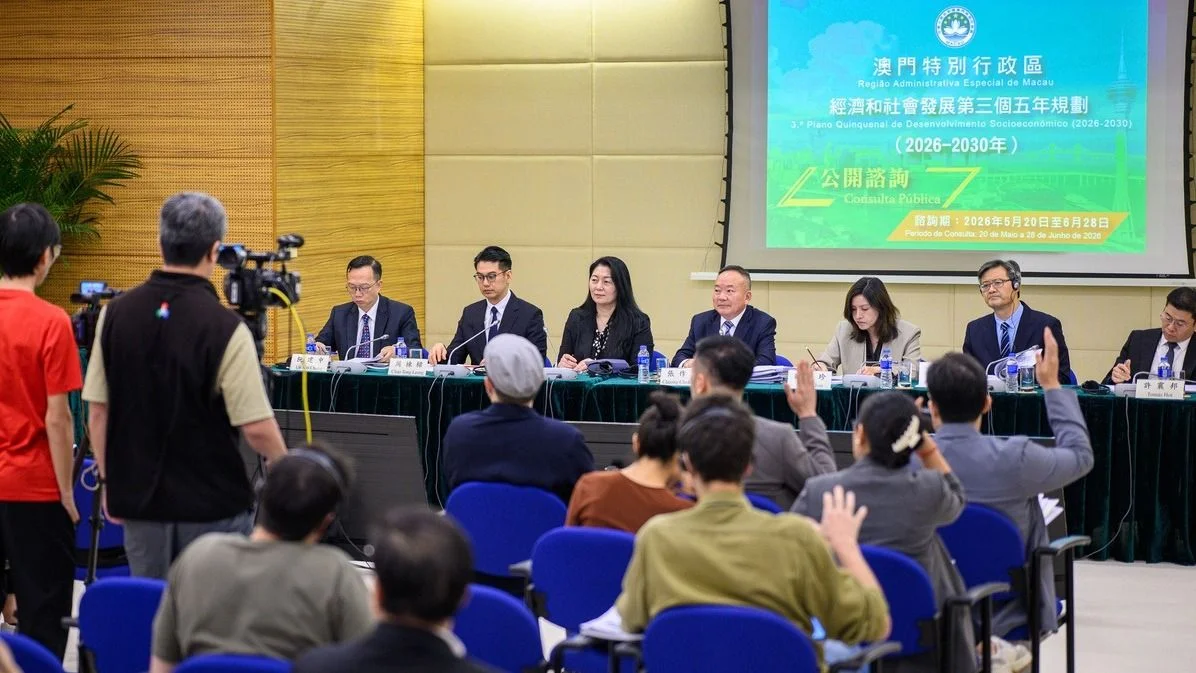


澳門第三個五年規劃草案於5月20日起公開徵詢意見,諮詢截止至6月28日。整體規劃草案內容完備,涵蓋國家安全、經濟多元發展等諸多領域,但內容多偏向願景構想,缺少清晰的實施時間表,各項舉措的統籌牽頭主體與部門協作細則也仍有待敲定。
規劃草案共分為十個篇章。第一篇闡述發展形勢、基本原則與發展目標;第二篇聚焦國家安全建設與社會大局穩定;第三篇圍繞行政體制改革與法治現代化,提升治理效能;第四篇着力推進經濟多元化發展;第五篇規劃橫琴粵澳深度合作區高質量建設;第六篇統籌教育、科技與人才培育工作。
第七篇聚焦民生保障與改善;第八篇依託城市規劃、舊區改造、交通治理及生態保護,打造宜居智慧澳門;第九篇闡述澳門聯動香港、對接內地、聯通海外,發揮中西樞紐作用,融入國家發展大局;第十篇強調統籌協調與規劃保障機制建設。
戰略方針與城市應急體系
本次五年規劃堅守核心原則:堅定不移、全面準確貫徹一國兩制方針,落實習近平總書記重要講話與指示精神。秉持行政主導治理模式,持續深化改革創新,堅持推動經濟適度多元發展,助力澳門全面融入國家發展格局,強化各方統籌聯動效能。
規劃設定七大發展目標:一、築牢國家安全屏障;二、全面提升政府治理水平;三、扎實推進經濟多元轉型;四、高標準建設橫琴粵澳深度合作區;五、實現科教人才融合發展成效;六、穩步建成智慧宜居城市;七、深化澳門與國家發展大局融合銜接。
第二篇詳述澳門國家安全機構建設成效與運行機制,明確組建專業顧問、技術人才隊伍,普及國家安全教育,增強青年國家認同。依託國安法律打擊洗錢等違法犯罪,強化網絡、數據、人工智能領域安全防護能力。同時聯合香港、大灣區及境外地區,協同開展反恐與金融犯罪打擊工作。

改組特首直屬機構 深化智慧政務建設
篇章內容還圍繞城市防災減災展開治理升級,包括引入內地應急管理專家交流指導、建成第四條供電通道、升級電站設施、增設防洪工程、完善排水管網、推進輕軌建設、規劃連接澳門半島與氹仔的第五座跨海大橋。
設立災害統籌與數據管理中心,提升機場及各類交通樞紐應急處置能力。修訂民用應急處置預案,健全應急指揮體系,開展全民防災科普,優化風險評估機制,強化跨部門應急聯動響應。
篇章末尾提出壯大愛國力量,透過財政扶持、愛國教育,保障少數民族合法權益,夯實澳門社會穩定根基。
第三篇聚焦行政改革:精簡辦事流程、優化部門協同機制、理順政府架構、改組特首直屬機構,運用人工智能與風險評估技術深化智慧政務建設。
優化公共政策諮詢體系,規範議事架構,科學吸納民意訴求,保障公民合法權益,完善新聞輿論工作。鼓勵社會組織參與基層治理,構建政企協同共治格局,普及全民法治教育,借助多元媒介向全社會弘揚法治精神。
廉政公署與審計署將切實監督政府履職行為,管控公共資產與財政開支。治理恪守行政主導原則,協調行政與立法關係,維護司法獨立公正。科學完善立法規劃,更新現行法律法規,推進智慧司法建設,強化司法人員素養,深化粵港澳及涉外司法交流協作。
司法現代化與經濟多元布局
第四篇主打經濟多元化發展:提質休閒旅遊產業、打造特色文旅品牌商圈、拓展海外文旅市場;設立經濟多元發展專項基金;扶持中醫藥大健康產業,推動中醫藥研發生產,放寬本地審批準入,助力產品開拓國際市場。
大力發展綠色金融,完善債券證券市場法規體系,深耕中葡金融服務,培育專業金融人才,梳理優化行業相關政策。
第五篇深化粵澳橫琴合作:密切對接合作區管委會,優化協同管理制度、人事考評體系,統一兩地統計數據;規劃澳琴輕軌線路,提升口岸通關效率。
加快橫琴大學城建設,落地澳門大學、澳門理工大學、澳門旅遊大學辦學項目;搭建中國與葡語、西班牙語國家商貿服務平台。

(Shutterstock)
人才引育與跨境協同發展
第六篇統籌教育事業規劃,優化教育資源配置,完善高等教育體系,推進基礎教育改革,加強師資隊伍建設,革新教學模式,培育愛國愛澳青年人才。精準引進高端人才,強化本地在職人員技能培訓。
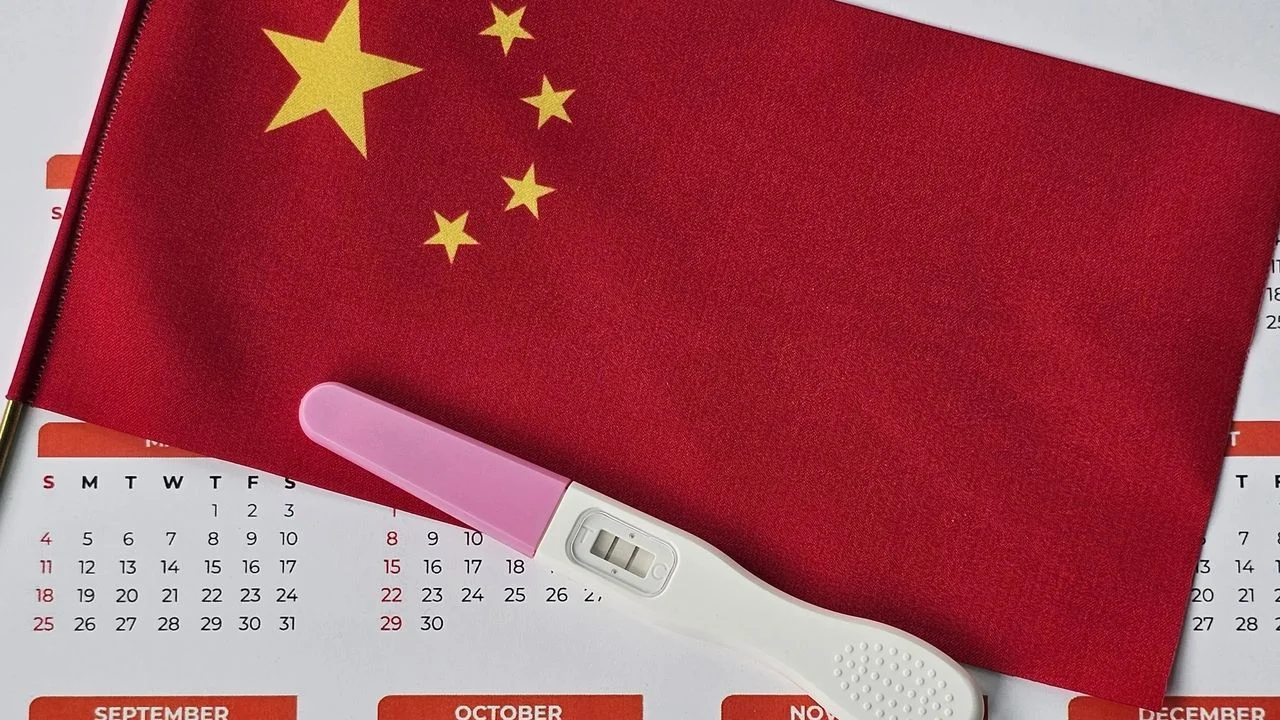
健全社會保障體系,調整公積金制度,幫扶困難群體;研判人口走勢,應對低生育率問題;完善育兒配套,出台生育激勵政策。保障本地居民就業權益,夯實勞動權益保護。擴容提質醫療服務,優化住房政策,增加中低收入群體保障性住房供給,扶持文體產業蓬勃發展。
民生治理與對外聯動規劃
第七篇聚焦城市規劃升級,統籌陸地、海域開發管控,推進舊區更新拓展城市空間;優化垃圾清運、市政基礎設施,保障水資源穩定供給;完善交通路網,整治環境污染,跨區域協同推進生態永續發展。
第九篇全方位拓展對外合作,攜手香港、內地及海外地區,深化政務、司法、科教、醫療、商貿、金融、文體、科創、會展等領域往來。深度參與一帶一路建設,依託友城結對機制,築牢中國對接葡語國家的樞紐平台,持續發揮澳門中西交流門戶作用。
第十篇明確落地保障舉措,強調統籌協作、分工監管,配套財政、貨幣、土地相關支撐政策。
規劃落地短板與政策展望
草案第十篇為薄弱環節,未清晰劃分各部門權責範圍,部門、機構間聯動協作細則缺失。規劃內容多處存在表述重合,體現出編制周期較為倉促。規劃編制團隊走訪各界代表吸納民意,後續定稿版本預計會梳理優化框架,細化責任分工,也或將在規劃發布後另行明確執行細則。
澳門規劃體系或將迎來微調,以五年規劃為頂層綱領,施政報告側重通報推進進度、部署部門具體工作。
這份草案契合中央對澳門發展的期許,全面涵蓋社會、政治、經濟、科技、法治、文化及跨境涉外事務。但五年周期內多項發展目標落地難度較大,唯有劃定時限、厘清各方權責,才能避免規劃目標脫離實際,切實保障各項政策穩步推進。
Observations on Macau’s draft Third Five-Year Plan
The draft document for Macau’s third five-year plan has officially entered its public consultation phase, detailing an expansive structural blueprint that closely resembles a broadened version of the government’s policy address
While the proposed blueprint comprehensively covers areas ranging from national security to economic diversification, the document relies heavily on aspirational statements and currently lacks precise implementation timelines or inter-departmental coordination frameworks
A draft document of Macau’s third five-year plan was published for public consultation. The consultation period began on May 20th and it will end on June 28th. Overall, the consultative document is comprehensive and it can be regarded as an expanded version of the Macau government’s policy address. From a critical standpoint, the consultative document presents numerous aspirational statements; however, it lacks a clearly defined timeline for implementation. Most importantly, the coordination and leadership parts of various proposals remain to be hammered out later.
The consultative document is organised into ten Essays. Essay One outlines the developmental circumstances, basic principles and developmental objectives. Essay Two focuses on the development of national security and social stability. Essay Three elaborates on the elevation of the governing capacity through public administration reform and modernisation of the rule of law. Essay Four focuses on economic diversification, followed by Essay Five that delineates high-quality development of the In-Depth Cooperation Zone in Hengqin. Essay Six examines the development of education, science and talent.
Essay Seven centres on the improvement and protection of the people’s livelihood, followed by Essay Eight that aims to construct a beautiful and smart Macau through urban planning, urban redevelopment, transport governance and ecological protection. Essay Nine elaborates on how Macau is going to be integrated into the nation’s development through its cooperation with Hong Kong, overseas countries and through the East-West interface. Essay Ten stresses the importance of coordination and planning mechanisms.
Strategic directives and urban crisis mechanisms
The basic principles of the third five-year plan are to implement accurately and resolutely the “one country, two systems” principle and to implement the spirit of President Xi Jinping’s important speeches and directives. Moreover, the principles embrace an executive-led system that aspires to undertake innovative reforms continuously and to insist on the need for economic diversification so that Macau will be integrated into the Chinese nation’s developmental blueprint. As such, the coordination aspect will have to be consolidated.
The draft five-year plan has several developmental objectives: (1) the implementation of the country’s national security perspective; (2) the improvement of governing capacity; (3) the concrete development of economic diversification; (4) the high-quality promotion of the In-Depth Cooperation Zone in Hengqin; (5) the realisation of the outcomes of integrating education, science and talents; (6) the progress on the construction of a beautiful and smart Macau; and (7) the deeper integration of Macau into the nation’s developmental blueprint.
Essay Two emphasises the process and success of constructing the national security mechanisms and their related bodies in Macau, including the advisors, technicians, and how national security education must be implemented to strengthen the national consciousness of the young people of Macau. Essay Two discusses how the national security law can prevent, investigate and curb criminal activities such as money laundering. It stresses the implementation of the national security law and how the capability of protecting the security of the Internet, data and Artificial Intelligence can be enhanced. Furthermore, anti-terrorism work and efforts at combating financial crime will be strengthened through Macau’s cooperation with Hong Kong, the Greater Bay Area and other countries.
Administrative reform
Essay Two reads like an expanded policy address on how Macau’s urban governance and security can be enhanced through disaster prevention, the invitation of mainland experts dealing with crisis management to visit Macau, the construction of the fourth electricity supply channel, the reform of electricity stations, the building of additional anti-flooding projects, the refinement of the existing drainage system, the construction of the Light Rail, the improvement of underground water drainage projects, the plan of building the fifth bridge linking the Macau Peninsula with the Taipa Island, the establishment of a centre planning for disaster management and disaster-related data collection, and the elevation of the capability of crisis management in the airport and other transport sectors. Other plans include the amendment of the existing civilian crisis response plan, the perfection of crisis management and its leadership, the education of the public on crisis response, and the improvement of risks assessment and departmental coordination and responses to any crisis.
A large part of Essay Two is devoted to the consolidation of law and order through a variety of measures, including the establishment of more video cameras on the streets, the construction of a surveillance system to protect maritime security, the increase in the usage of drones as anti-crime tools, the improvement in the training of police, and the enhanced management of policing. Intergovernmental coordination and communication with the police in Hong Kong, Greater Bay Area and other countries will be strengthened, especially the coordination of the disciplinary forces in Hong Kong to cope with sudden crises and disasters.
Judiciary modernisation and economic diversification plans
The last part of Essay Two is devoted to how the “patriotic forces” can and will be strengthened through the government subsidies to them, the enhanced patriotic education, and the protection of ethnic minority interests. The main message is that Macau’s social stability depends on the consolidation and expansion of the patriotic forces.
Essay Three focuses on public administrative reforms, including the streamlining of administrative procedures, the better usage of the coordination mechanisms, the consolidation of inter-departmental communication, the organisation of government structures, the revamp of those organisations directly under the Chief Executive, and the deepening of e-government with the usage of Artificial Intelligence and risks assessment. Other aspects of public administrative reforms embrace the improvement of recruiting civil servants, modernising the merit-based management system, reforming the ranking and promotion system, stimulating the rotation of civil servants, and consolidating the establishment of the civil service.
Moreover, public policy consultation system will be improved; consultative mechanisms will be perfected in their composition; public opinion will be “scientifically” managed; the rights of citizens will be protected; and the media work will be perfected. Under these circumstances, social groups will be encouraged to participate in social governance, establishing a partnership with the government while legal education will be promoted and deepened. Multi-media will be fully utilised to promote the spirit of the rule of law to various strata of the society.
Green finance and regional integration
The anti-corruption commission and the audit commission will play a crucial role in checking the performance of government agencies, supervising the use of public assets and expenditure. The two bodies will work hand in hand with the principle of maintaining the executive-led governance, strengthening executive-legislative relations, and respecting and protecting judicial independence.
Finally, the process of legislative planning will be improved scientifically through the introduction of a mid-term planning period, the necessity of updating the existing legal codes, the promotion of e-judiciary, the improved training of judicial officers, and the reform of the situation of judicial offices. The judiciary will cooperate more with its counterparts in Hong Kong, the Chinese Mainland and other countries.
Essay Four focuses on economic diversification. It emphasises the importance of improving leisure tourism, creating tourism branding and tourist products, promoting the establishment of the tourist cultural district, promoting Macau’s brand name to overseas countries, setting up a government fund for economic diversification, developing Chinese medicine and big health, supporting Chinese medicine research and production, expanding the licensing work of Chinese medicine in Macau, and helping such products to enter overseas markets.
In the area of green finance, the draft plan vows to develop the bonds and securities market, reform the related law and regulations, promote Sino-Portuguese financial services, deepen the training of related talents, and to review the related policies.
Talent acquisition frameworks and cross-boundary initiatives
High-tech science park will also be established, and it will stimulate scientific innovation and technological development through the integration of talents and the partnership with industries. The low-altitude economy will be explored, and smart driving will also be studied. At the same time, Macau’s capacity of holding exhibitions and conferences will be expanded, together with the promotion of cultural and sport industries. Megaevents will continue to be held and expanded, and Macau will cooperate with Hengqin in this aspect.
Small and medium enterprises will increase their competitiveness through governmental subsidies, and they will undergo the process of digitisation, overseas marketisation and expanding financial support.
Essay Five focuses on how Macau will strengthen its relations with the In-Depth Cooperation Zone in Hengqin, including the close cooperation with the management committee, the improvement of the coordination mechanism, the perfection of personnel management, the establishment of “scientific assessment,” and the integration of statistical data of the two places. The Light Rail from Macau to Hengqin will be established, while the custom checkpoints’ efficiency will be increased.
The university town in Hengqin will be accelerated by having the campuses of the University of Macau, Macau Polytechnic University, and the Macau Tourism University. The trade services centre between China and the Portuguese-speaking and Spanish-speaking countries will be set up.
Social welfare governance and external maritime planning
In the improvement of the people’s livelihood, Essay Five has vowed to improve urban services, organise high-quality cultural and sports activities, encourage the youth to start up their companies in Hengqin, promote the elderly people to reside in Hengqin’s elderly homes, provide cross-boundary elderly services, and promote the integration of educational cooperation and talent construction.
Essay Six emphasises the need for educational design, the allocation of educational resources, the improvement of higher education system, the reform of non-higher education schools, the training of teachers, the implementation of curriculum reforms, the use of innovative teaching pedagogy, and the cultivation of a young generation for the benefit of Macau and the Chinese Mainland. The accurate import of high-end talents will be necessary, while on-the-job training of existing employees in Macau will be strengthened. Social welfare protection system will also be improved through the reform of the provident fund system and the assistance to the poor and the needy. Macau also needs to predict population growth, and it will have to respond to the phenomenon of witnessing a low birth rate.
Childcare will be strengthened, and women will have financial and other incentives to increase the birth rate. The employment of the Macau people will be protected, while labour protection will be consolidated. Finally, health care services and their standards will be expanded and elevated, respectively. The housing policy will be reformed, and more housing units will be provided for the middle and lower classes. At the same time, cultural and sports activities and businesses will be protected and stimulated further.
Implementation vulnerabilities and future policy expectations
Essay Seven asserts that urban planning will be improved, including land use, sea usage and maritime management, urban renewal, the increase in urban space, the improvement in garbage collection, the reform of urban facilities, the sustainable development and provision of necessities like water, the improvement of the transport network, the management of environmental pollution, and the cooperation with other regions in promoting sustainability.
Essay Nine focuses on the need to strengthen cooperation with Hong Kong, the Chinese Mainland and overseas countries in all areas, including civil service, judicial work, education, health, trade, finance, culture, sports, scientific innovation, and convention and exhibition activities. Macau will deeply participate in China’s Belt and Road Initiative, playing a crucial role in being a platform between China and the Portuguese-speaking countries through the establishment of sister or friendly cities. In short, Macau will continue to be an important interface between the East and the West.
Essay Ten focuses on the implementation and protection measures, stressing the importance of coordination, integration, division of labour and supervision. Protection measures will cover financial policy, monetary policy, and land use.
Overall, the draft five-year plan is very comprehensive, and it looks like an expanded version of the previous policy address delivered by Chief Executive Sam Ho Fai. It contains a lot of promises that remain to be fulfilled.
Structural overlaps and specific stakeholder timelines
Essay Ten is the weakest part because little has been said about which government departments are responsible for which areas, and how different government departments and public bodies will interact and coordinate further. The entire draft plan contains many overlaps, highlighting its rushed preparation by the policy coordination office. Objectively speaking, credit should be given to the policy coordination office, whose officials went to meet various elites and representatives of the society to listen to their views and to integrate their viewpoints. Certainly, the final version of the five-year plan will be more organised and, hopefully, more detailed in the implementation agencies responsible for various issues. Alternatively, the responsible agencies will be elaborated further later after the third five-year plan is finalised and published.
There are many gaps in the existing draft plan. High-sounding phrases have been used, but the effectiveness of implementation remains to be observed. Each policy aspect will need a much clearer timeline, which is now absent in the draft. Many policies, including those on cruise tourism and sports development, amount to little more than rhetoric without substantive discussions outlining their actual plans. For instance, cruise tourism remains a talk without concrete action and policy proposal, while sports development need to reform the sports associations and institutes, which are all absent in the already long draft. Follow-up actions by various government departments later will be necessary.
It is likely that the policy address to be delivered by the Chief Executive later will be more about how these plans will be implemented. As such, the pattern of Macau’s planning is going to be changed slightly, with the five-year plan as a dominant guiding document while the policy address is expected to report its implementation and more follow-up actions by various departments and agencies.
Still, the draft five-year plan speaks to the central government’s expectations on Macau’s development. As such, it is a good document outlining all aspects of Macau’s development, ranging from social to political, from economic to scientific, from legal to cultural, and from cross-boundary cooperation to external relations. A weakness is that the draft contains so many promises that they present tremendous challenges for the government to realise within five years. As such, a clear timeline with specific responsibilities of the stakeholders will minimise the worry and reduce the likelihood that the draft plan with various policy proposals will likely be a bridge too far.
原刊於澳門新聞通訊社(MNA)網站,本社獲作者授權轉載。(原文按此)