


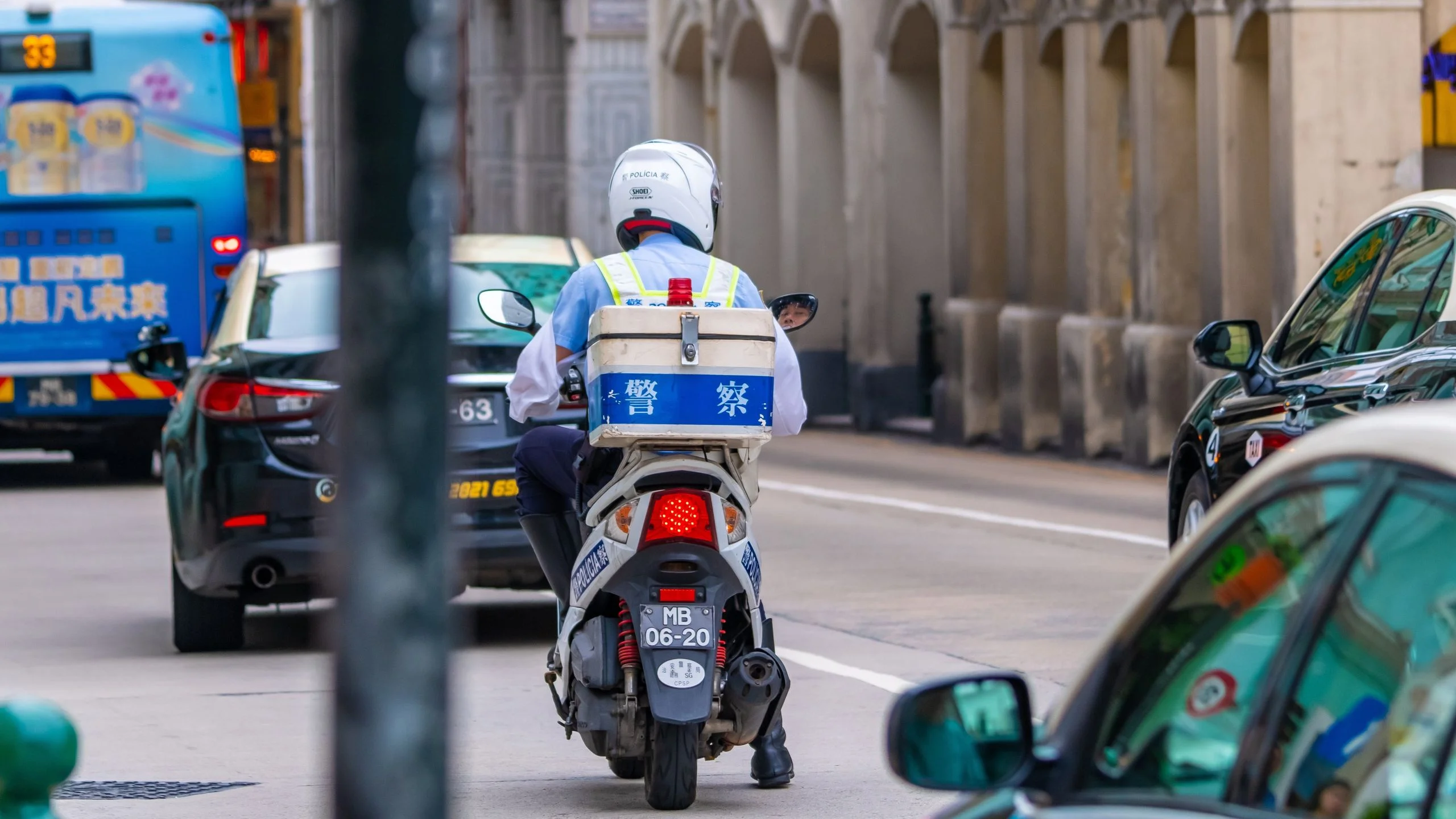


2026年6月初,澳門司法警察局成功搗毀了三個以桑拿、水療和按摩場所作掩護的大型操控賣淫犯罪集團,共拘捕26名涉案人士,包括多名在職及退休警務高層涉案被捕,案件暴露出盤根錯節的貪腐利益網絡,也突顯澳門推行結構性警務改革已是刻不容緩。
據報道,涉案治安警察局前副局長梁慶康被捕,其餘兩名現職治安警分別為一名部門代主管及一名警員。
據司法警察局披露,自2016年至2024年間,該集團跨境安排境外女子入境澳門,在桑拿場所賣淫,期間獲利總額介於2.3億至3.2億澳門元。該集團每月均向涉案警務人員輸送賄款,涉案的現職治安警每月受賄金額至少47萬澳門元,退休司法警察每月受賄至少30萬澳門元。
集團假借桑拿作掩護 實際從事賣淫
司法警察局表示,早在2019年便收到情報,知悉有犯罪集團假借桑拿水療、按摩服務作掩護,操控經營賣淫產業鏈。
大規模拘捕行動結束後,澳門警方同步開展多輪搜查行動,累計約談300餘人,涵蓋性工作者、非法勞工、嫖客等相關人士,現場查獲大量賬戶流水記錄及5000萬澳門元現金。
本次賣淫案牽扯多名警務人員受賄貪腐,足見不法分子滲透力度極強,多年來持續行賄公職人員、有恃無恐。
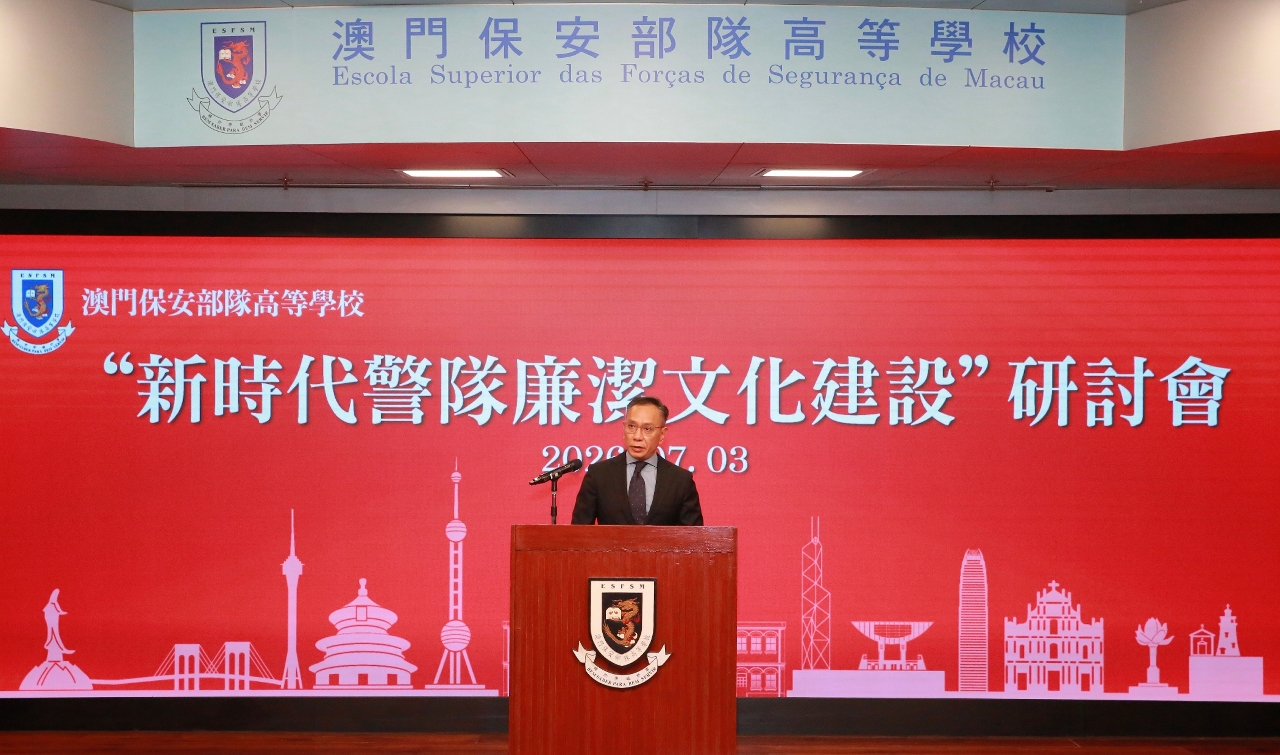
7月3日,澳門保安司司長陳子勁在「新時代警隊廉潔文化建設研討會」上提出,澳門警隊反腐敗工作勢在必行。他強調,廉潔是澳門警隊立身之本;警隊肩負守護澳門社會安全職責,必須刀刃向內,構建「不敢腐、不能腐、不想腐」的制度體系。行政法務司司長黃少澤進一步指出,全體警務人員要加強為民服務的思想防線,鍛造紀律嚴明、廉潔奉公的鐵軍,切實維護國家安全、守護澳門繁榮穩定。
中央人民政府駐澳門聯絡辦公室副主任楊偉群亦表態:治安警察局既要守護澳門社會,更要依託法治建設、專業化建設清除隊伍內部害群之馬,涉法違紀警務人員必須依法從嚴懲處。
建立責任監督機制 完善廉政教育改革方案
楊偉群提出四點工作建議:第一,明確將廉潔文化建設作為警隊基礎性工程;第二,全體警務人員堅守法治初心,秉公執法、守護市民福祉;第三,執法者必須嚴於律己,時刻自重自省,抵禦各類利益誘惑;第四,依託專題研討會、與香港廉政工作交流協作等渠道,全方位培育廉潔從警文化。
楊偉群於今年3月就任澳門中聯辦副主任,此次是其首次公開針對澳門治安警隊伍廉潔文化建設發表論述,釋放出警隊亟需強化內部監督、完善管治體系的明確信號。
6月初爆發的警務貪腐醜聞,結合楊偉群相關講話,為澳門警務教育、系統性改革提供重要改革指引。
第一,澳門保安部隊高等學校已在研討會上重點強調廉潔文化建設。陳子勁在發言中引述習近平總書記重要論述,指出反腐敗鬥爭必須持之以恒,堅持全面從嚴治黨、推進廉潔治理是中國特色社會主義治理的鮮明特徵。本次貪腐案件為全警敲響警鐘,明確必須嚴懲違紀違法人員,全面推進警務改革。
第二,從實操層面看,警務改革具備現實緊迫性。案件中前副局長涉案,暴露出高層崗位權力、情報集中管控存在重大隱患,亟需出台舉措化解該風險。
監督制衡機制與公私聯動監管構想
具體改革方案如下:治安警察局編制內設三名副局長,可推行輪崗制度,搭建橫向制衡機制,三名副局長輪換分管桑拿掃黃、打擊各類色情違法等涉密專項行動,規避單一高層壟斷行動情報。
縱向制衡機制方面,由統籌監管治安警察局、司法警察局的保安司司長,獨立掌管掃黃、打擊色情場所等涉密專項行動權限,該權限直接歸司長統籌調度,不再下放治安警察局局長及三名副局長。
新機制落地後,保安司司長獨立掌控所有涉密清查行動訊息,治安警察局局長、副局長均無法提前掌握行動部署。這套縱向監督制衡體系,既能提升警方掃查行動成效,也從根源杜絕高層警務指揮官向不法分子泄露行動機密。
第三,廉潔操守與職業道德教育不能僅面向基層警員,必須覆蓋中層部門主管和高層領導。
從本案案情可見,涉案貪腐人員覆蓋警隊高層、中層、基層,甚至包含退休警務人員。因此廉政宣教工作需覆蓋全職級,同步延伸至治安警察局、司法警察局全體人員。
翻閱治安警察局官方公開培訓資料、廉政承諾書內容,現有培訓重心多集中在一線基層執法人員,針對中層、尤其是高層警務人員的職業道德培育存在明顯短板。
壓縮自由裁量空間 提升長效治理能力
第四,澳門廉政公署須拓寬工作覆蓋面,面向治安警察局、司法警察局、統一行動指揮部全員植入廉潔價值理念。強化常態化廉政教育,落實楊偉群提出的工作要求,讓廉潔文化深度根植澳門各警種隊伍。
第五,反腐敗治理範圍需延伸至與警方高頻接觸的私營行業,涵蓋桑拿會所股東、經營者、管理人員及從業人員。
本案大量私營行業人員涉案行賄,印證不法行業長期腐蝕公職人員,毫無顧忌。針對桑拿、夜總會等需常態化對接警方的經營性場所,應強制開展廉政宣講、專題培訓。
第六,澳門各政府部門均推行績效考核指標(KPI),績效考核是完善公共治理、公務體系改革的重要抓手,廉潔治理成效理應納入各部門核心考核標準。要留意的是,上述績效考核指標亦適用於警務人員。
2008年,前運輸工務司司長歐文龍貪腐案審結,案情暴露出當時運輸工務司司長擁有過大自由裁量權的制度漏洞,相關問題亦獲司法判決確認。
時隔18年,本次澳門警隊貪腐案件暴露出相似治理短板:前副局長、中層警務人員均可掌握桑拿掃查內部情報。基於此,澳門特區領導層亟需研究配套制度,針對警隊高層、中層指揮官權力搭建更為嚴格的內部制衡體系。
本次警方成功偵破大型賣淫犯罪集團,是打擊澳門行賄貪腐犯罪網絡的重要戰果。但該案也充分說明,全警體系亟需建立完善橫向、縱向的雙向內部監督制衡機制;同時同步強化警隊內部廉政教育,面向與警方往來密切的私營行業普及廉潔法治觀念。
通過多重反腐治理舉措並舉,持續加強警隊廉潔文化根基,全面提升澳門治理能力,落實中央對特區管治建設提出的各項要求。
The necessity of implementing police reform in Macau
A recent crackdown on a prostitution organisation in early June 2026 has revealed the necessity of implementing police reform in Macau, especially as a former deputy commissioner, two other serving public security police officers, and two retired judiciary police officers were arrested among twenty-six people who were caught for their suspected involvement in the prostitution ring.
One former deputy police commissioner, Leong Heng Hong, was arrested, according to news reports (Hong Kong Free Press, 8 June 2026). The other public security police officers were an acting department head and a constable. The Judiciary Police issued a statement saying that it raided three sauna venues and that the twenty-six arrested suspects included twenty-four men and two women aged between thirty-nine and sixty-eight. The syndicate comprised eighteen Macau residents, six mainland Chinese and two Hong Kong residents. Apparently, cross-boundary arrangements of some women outside Macau to work in saunas and to provide prostitution services were made.
The prostitution organisation was composed of three criminal syndicates, according to the Judiciary Police, and it participated in illegal activities from 2016 to 2024, acquiring illegal proceeds that amounted to a range of MOP 230 million to MOP 320 million. Apparently, each syndicate bribed the police officers concerned each month. The security police officers who were allegedly receiving bribes profited at least MOP 470,000 per month, while the retired judiciary police officers got at least MOP 300,000 per month (Hong Kong Free Press, 8 June 2026). If these allegations were true, the suspected corrupt security police and retired judiciary officers appeared to form a cartel collaborating with the criminal syndicates, which focused on the import of Eastern European and Asian women to become sex workers in Macau.
The Prosecution Office mentioned on its website on 7 June that the alleged suspects in the security and judiciary police received bribes in exchange for information with regard to police actions of cracking down on sauna venues and its related prostitution activities (see Prosecution Office’s website, https://www.mp.gov.mo, 7 June 2026).
Operational response and demands for clean governance
Twelve suspects were remanded in custody, including the public security police officers and a Hong Kong Chinese who was a shareholder of a sauna parlour. The entire case was reportedly transferred to the Public Prosecution Office for further investigation.
According to the Judiciary Police, it received intelligence in 2019 about organised crime groups that allegedly controlled and operated prostitution under the disguise of sauna venues offering spa and massage services (Hong Kong Standard, 8 June 2026).
After the massive arrest, the Macau police mounted an operation to search various locations, including the investigation of more than three hundred people involving sex workers, illegal workers and customers, while seizing account records and MOP 50 million in cash (Hong Kong Standard, 8 June 2026).
The three security police officers who were involved in the prostitution syndicates were immediately suspended from duty.
On 3 July, Chan Tsz King, the Secretary for Security, said in a seminar on “The Cultural Construction of Clean Police in the New Era” that anti-corruption is a must in the Macau police force (Macau Daily News, 4 July 2026). He stressed that clean governance is the basis of Macau’s police, which must protect the security of Macau, and which must be “hard-line” on itself so that a system of having the force to “fear corruption and resist corruption” can be established (Macau Daily News, 4 July 2026). Moreover, Chan emphasised the need for the police to construct “a thought defence” to serve the public and to build up “a disciplined iron force” implementing clean governance, protecting national security and maintaining the territory’s prosperity and stability.
Another politically significant and unprecedented remark was made by the deputy director of the Macau Liaison Office, Yang Weiqun, who added that the Security Police must not only protect Macau but also eliminate the rotten elements through the paths of achieving the rule of law and professionalisation (Macau Daily News, 4 July 2026). Furthermore, those police officers who violated the law must be severely punished.
Strategies for institutional accountability and training reform
Yang raised four suggestions. First, a clean culture as the foundational project of the police has to be recognised clearly. Secondly, police officers must bear in mind the necessity of protecting the rule of law and implementing the law for the sake of the well-being of the public. Third, the law enforcers must discipline themselves and be serious and cautious in resisting all temptations. Fourth, a clean governance culture can be promoted through the seminar and through the exchange and collaboration work with the anti-corruption efforts in Hong Kong.
It was the first time that Yang, who was appointed as the deputy director of the Liaison Office in March, publicly mentioned the necessity of a clean governance culture in the psyche of the security police in Macau, implying the need for the police to enhance its internal accountability and good governance.
In fact, the scandal in early June and the remarks made by Yang have important implications for Macau’s police education and reform.
First and foremost, the clean governance culture has been emphasised in the seminar at the Security Police High-Level School. Chan delivered a speech reiterating the remarks of the Chinese President, Xi Jinping, who had said that anti-corruption work must persist and that China’s political feature is to maintain its clean governance (Jornal San Wa Ou, 4 July 2026). Chan also admitted that the scandal has sounded a warning bell for the police force, implying the need to punish those who might violate the law and the necessity for police reform.
Secondly, operationally speaking, police reform is and will be necessary. If a former deputy commissioner was allegedly involved in the prostitution scandal, the possibility of centralising the power and information control in the hands of this high-ranking position will have to be tackled and addressed effectively.
Proposed checks, balances, and public-private scrutiny
Specifically, if three deputy commissioners exist in the organisational chart of the Security Police, some internal and horizontal checks and balances must be introduced by rotating the three commissioners to cope with top-level and classified information on when and how the security police will conduct raids on saunas and other vices.
Another internal but vertical checks-and-balances mechanism is to let the Secretary for Security, who oversees the commissioner and deputy commissioners of the Security Police, delegate the top-level and secret police actions of cracking down on saunas and vices only to the Commissioner-General of the Unitary Police Service, which was set up in 2001 to command and oversee both the Security Police (which deals with daily police operations) and the Judiciary Police (which is responsible for criminal investigation).
Under these new circumstances, the Commissioner-General will command the confidential police actions without having them made known to even the commissioner and three deputy commissioners of the Security Police. These vertical checks and balances will directly enhance the effectiveness of police actions and minimise the likelihood of any high-ranking police commander who may tip off the classified moves to any corruptors outside the police.
Thirdly, police education on the need to maintain clean governance and observe ethical values must not only be targeted at lower levels of the police. Such education must also be focused on the middle (department heads) and top levels of the police.
From the scandal’s details, it seems that some police officers from the top to the bottom were allegedly vulnerable to bribery, including even retired officers. As such, an extensive education campaign will have to be launched at all levels of the police force, including not only the Security Police but also the Judiciary Police.
In fact, from the website of the Security Police, most training and performance pledges appear to focus on operational staff at the grassroots level with little focus on the inculcation of ethical values within the minds of the middle and especially upper levels of the police force.
Curbing discretionary power to fortify future capability
Fourth, the anti-corruption agency in Macau must expand its work by imparting the values of clean governance into the hearts and minds of all police officers in the Security Police, the Judiciary Police and even the Unitary Police Service. Anti-corruption education will have to be enhanced so that, as Yang mentioned, the culture of clean governance will be entrenched in all the police forces in Macau.
Fifth, anti-corruption work will have to be shifted and extended to private-sector organisations that interact with the police forces regularly, including the saunas’ shareholders, owners, operators and managers as well as workers.
The large number of people who were arrested for alleged bribery and corruption in the prostitution ring points to the penetrative ability of the corruptors, who allegedly paid bribes to the corruptees (police officers) for several years without any fear. As such, anti-corruption lectures and seminars will have to be made compulsory for those private-sector businesses, especially saunas and nightclubs, which have interactions with police officers regularly.
Sixth, if Key Performance Indicators (KPIs) are required to assess the performance of each government department or agency in Macau, and if these KPIs are necessary in the process of implementing the idea of good governance and civil service reforms, then clean governance is and will certainly be a yardstick for measurement in each government department.
The police force is no exception to this rule. The internal accountability of clean governance can and will be enforced through internal horizontal and vertical accountability mechanisms. Externally, Macau’s anti-corruption body can conduct more scrutiny and supervision on the internal and operational procedures of the police forces, thereby making accountability a reality.
For those familiar with Macau’s history of governance, the Ao Man-long scandal in 2008 revealed the extensive discretionary power enjoyed by the Secretary for Land and Public Works at that time – a weakness that was also identified by the court.
Eighteen years later, the police scandal in Macau has perhaps revealed a similar pattern: a former deputy commissioner and a middle-level police officer, albeit not a secretary, in the Security Police seemingly had inside information on police raids on saunas. If so, then it is urgent for the Macau leadership to study how to implement stricter internal checks and balances against the power of top-level and middle-level police commanders in the police forces.
It is also imperative to curb the discretion enjoyed by police officers at the upper, middle and grassroots levels. Perhaps the anti-prostitution and anti-vice teams inside the Security Police must have their members rotated from time to time to prevent any officer from having too much information, excessive discretion and therefore more temptation to leak the inside news to outside corruptors.
In conclusion, the prostitution ring that was cracked down by the police was a triumph over bribery and corruption syndicates in Macau. However, the scandal has revealed the necessity of formulating and implementing more internal checks and balances, both horizontally and vertically, within the entire police forces. Furthermore, anti-corruption education will have to be enhanced both inside the police and among private-sector business organisations that have frequent interactions with the police forces. Adopting these multiple strategies of anti-corruption, a clean governance culture of the police forces will be reinforced and entrenched further, thereby making Macau well-equipped to meet the challenges of consolidating its governance capability as required and reiterated by the central authorities in Beijing.
原刊於澳門新聞通訊社(MNA)網站,本社獲作者授權轉載。(原文按此)