





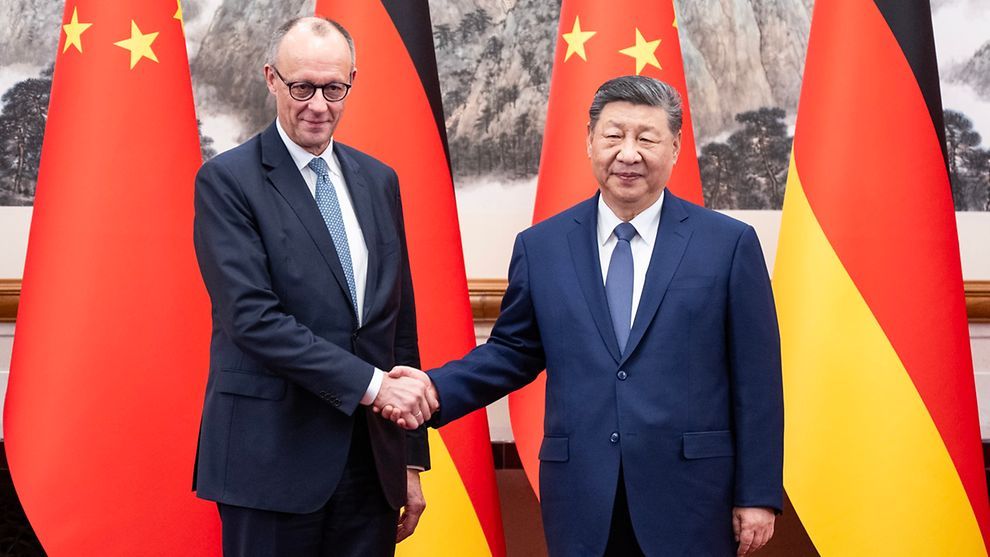


繼英國和加拿大之後,德國總理默茨(Friedrich Merz)於2月底開啟訪華之旅,不僅標誌着德國對中國外交政策回歸務實,也表明德、英、加等西方發達國家的陣營中,一股更廣泛的務實主義正昂然冒起。
鑑於美國總統特朗普對盟友態度轉趨惡劣,踏入今年1月,加拿大總理卡尼(Martin Carney)和英國首相施紀賢(Keir Starmer)已分別改變了對華政策和姿態,默茨也效仿了這一做法。
美國對許多國家反覆無常的外交政策削弱了其全球軟實力,這情況在特朗普第二任任期內尤為明顯。正當特朗普政府的交易性關稅政策在美國國內面臨法律挑戰,而華盛頓的親密盟友則在全球尋求穩定的經濟發展。
美親俄遠歐 德對美不信任度日增
鑑於美國在俄烏戰爭中對俄政策的轉變,加劇了德國對美國日益增長的懷疑態度,尤其令德國對俄羅斯領土影響力的擴張感到不安。
在默茨訪問期間,他強調了中國承諾從法國空中巴士公司購買120架飛機,此舉旨在將德國納入經貿談判。這次訪問也促成了中德簽署四項諒解備忘錄,內容涵蓋氣候合作、動物疫病防治、恢復部分農產品出口以及加強體育和大眾傳媒領域的交流計劃。透過聚焦非政治性和敏感度較低的議題,雙方朝着中德關係緩和邁出了有成效的第一步。
默茨率領近30家公司組成的代表團出訪,其中包括大眾汽車、平治和寶馬等領先的汽車製造商,這些公司的首席執行官們愈來愈渴望與中國同行開展業務。代表團成員也代表了化學、生物製藥、機械和循環經濟等行業。雙方簽署了十餘項商業協議,標誌兩國合作將更深化。
籲華為德企創公平營商環境
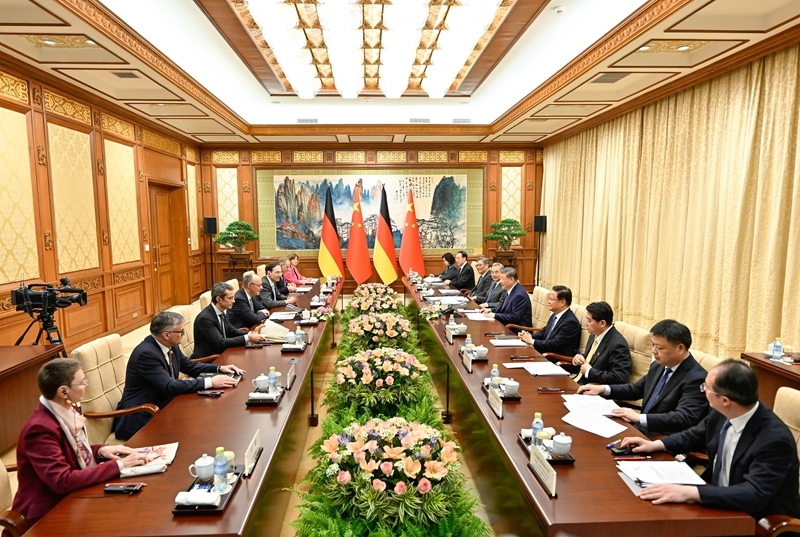
傳統上,中國一直是德國汽車的重要市場;然而,中國電動車的快速崛起,使得一些德國人將中國視為經濟威脅。德國聯邦統計局報告稱,2025年德國對華貿易逆差將超過890億歐元,高於2024年的670億歐元。默茨向國務院總理李強表示,貿易逆差在五年內翻了兩番,並稱這種情況不健康。他呼籲為德國企業提供公平競爭的環境,但這需要耐心和進一步的談判。
默茨指出,中國某些產品的供應量遠超過市場需求,他特別提到了產能過剩的問題。回到德國後,他承認國內生產力不足,德國人應該提高生產力。
默茨及其顧問似乎認為,鑑於中國崛起為全球經濟強國,德國必須採取務實的外交政策。在訪華前,默茨曾表示,德國人不應抱持任何幻想,因為中國如今已成為「美國的競爭對手……並聲稱有權按照自己的規則定義新的多邊秩序」。鑑於世界格局正從美國主導的單極格局轉向充滿不確定性的地緣政治格局轉變,德國對華政策的調整既不可避免,也勢在必行。
中德車企可共建生產線締雙贏
此前,德國經常批評中國政府補貼稀土出口、限制市場和管控。然而,鑑於美國採取的對等關稅措施,中國不得不管制戰略原料的出口。德國的資本主義制度與中國的社會主義模式截然不同,在中國,國家干預普遍存在,包括電動車領域。對德國汽車製造商而言,一個富有成效的方法是探索與中國同行開展聯合生產,透過建立更多合資企業實現雙贏。
在訪問期間,默茨在北京試駕了新款平治S級轎車,並對智慧輔助駕駛系統以及德國製造商與中國技術之間的合作給予了高度評價。平治已在中國建立了產業合作網絡,中國研發專家為全球研發作出了貢獻。中德在汽車領域的進一步合作,有望鞏固這一互利共贏的局面。
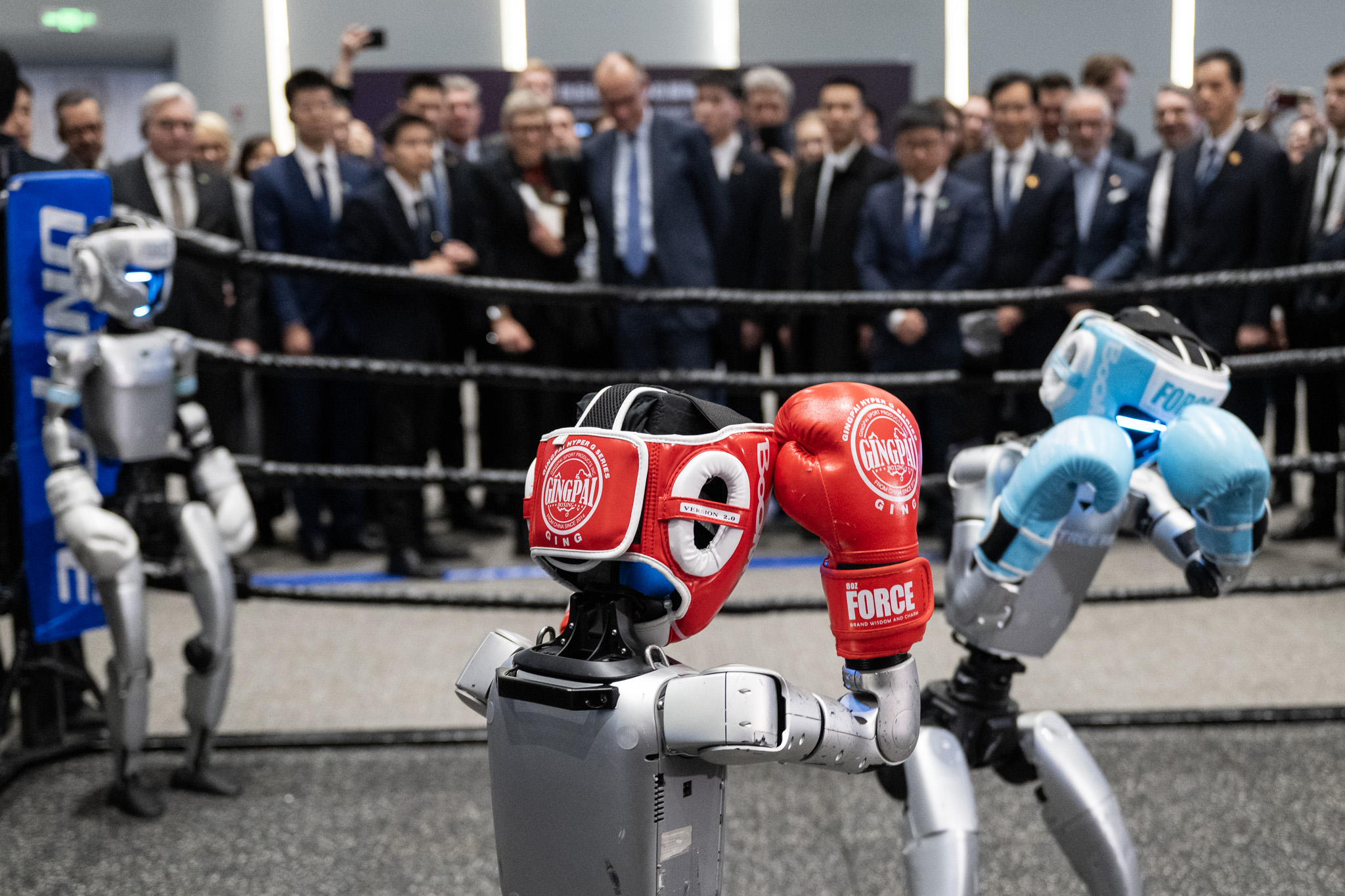
默茨也造訪了杭州,觀摩了人形機器人的運行,並檢視了西門子高壓斷路器有限公司。他會見了阿里巴巴、宇樹科技、Rokid AR、強腦科技、吉利汽車和零跑汽車等公司的管理人員,重點討論了人工智慧、機器人和電動車技術。宇樹科技創辦人王興興注意到默茨對中國科技創新的關注,認為這為與中國新興科技公司進行更緊密的合作提供了一個平台。
默茨務實的態度得到了習近平主席的正面回應。習近平就進一步發展中德關係提出了三點建議。首先,兩國應成為可靠的合作夥伴,相互支持,追求自立和快速發展。習近平強調相互尊重、互信、開放合作,並指出中國的和平發展和現代化成果可以與德國乃至世界分享。
德國發展策略與十五五目標契合
其次,習近平鼓勵兩國成為創新合作夥伴,促進開放合作,實現互利共贏。德國在技術、創新和數位發展方面的策略與中國「十五五」規劃的目標相契合。中德雙方在氣候、農業、動物疫病防治以及體育和媒體交流等領域簽署的備忘錄,體現了雙方合作的良好開端。
第三,習近平強調文化和民間交流,敦促加強相互了解,為中德友誼奠定堅實基礎。中國奉行自由主義的全球化、自由貿易和多邊合作方式,這與美國的軍事干涉主義和交易型外交形成鮮明對比,促使德國以務實而非意識形態的方式與中國合作。
歷史上,德國在清朝和國民黨時期為中國的現代化做出了貢獻,包括軍事援助、技術轉移和顧問服務。鑑於這些長期聯繫,當代德國決策者應優先考慮務實的合作,而非意識形態上的考量。
儘管中國否認向俄羅斯出口兩用技術,但德國對此表示關切,所以中德改善關係的挑戰依然存在,包括德國對中國在俄烏戰爭中對俄立場的看法,似乎時間和潛在的外交解決途徑或許能夠緩和德國的看法。
總而言之,默茨訪華之行標誌着中德關係謹慎而意義重大的一步。儘管並非重大突破,但這次訪問凸顯了德國必須以務實而非意識形態的方式與中國互動。在美國軍事干預主義和經濟交易主義盛行的背景下,德國調整後的外交方針表明,雙方正朝着建設性接觸的方向轉變。
德中兩國在歷史、技術和產業上的緊密聯繫,為雙方深化合作提供了背景,尤其是在汽車和機器人領域。默茨訪華除了加強經貿關係,也體現了德國外交政策的謹慎調整,這與卡尼領導下的加拿大和施紀賢領導下的英國此前採取的務實舉措遙相呼應。這種微妙的調整凸顯了以美國為主導的經濟集團日益分裂的趨勢,以及德國對中國日益增長的科技和經濟影響力的認知。
Merz’s visit to China and its implications
The two-day visit of the German Chancellor, Friedrich Merz, to Beijing not only signalled a pragmatic return of Germany’s foreign policy toward China but also pointed to a broader shift of pragmatism among other countries, following the UK and Canada, which are members of the US-led capitalist and advanced developed coalition.
Seeing that Canada under Prime Minister Martin Carney and the UK under Prime Minister Keir Starmer changed their policies and gestures respectively toward China, Merz has followed suit.
The fluctuating US foreign policies toward many countries have undermined US soft power globally, particularly under the second Donald Trump administration. The Trump administration’s transactional tariffs policy faced legal challenges in the US, while Washington’s close allies sought stable economic development worldwide. Compounding Germany’s increasingly sceptical attitude toward the US was the Trump government’s policy shift toward Russia in the Russo-Ukrainian war, especially as Germany feels uncomfortable with the expansion of Russian territorial influence.
During the Merz visit, he highlighted the Chinese side’s commitment to purchase 120 aircraft from French manufacturer Airbus – a move that aimed to draw Germany into business negotiations. His visit also saw the signing of four memoranda of understanding with China on climate cooperation, animal disease prevention, the resumption of certain agricultural exports, and enhanced exchange programmes in sports and mass media. By focusing on non-political and less sensitive issues, both sides took a productive first step toward Sino-German rapprochement.
Merz travelled with a delegation of nearly thirty companies, including leading carmakers Volkswagen, Mercedes, and BMW, whose chief executives are increasingly keen to do business with their Chinese counterparts. The delegation also represented sectors including chemicals, biopharmaceuticals, machinery, and the circular economy. More than ten commercial agreements were signed, signalling further collaboration between the two countries.
Trade, overcapacity, and industrial cooperation
Traditionally, China has been a large market for German cars; however, the rapid rise of Chinese electric vehicles (EVs) has led some in Germany to regard China as an economic “threat”. The German Federal Statistics Office reported that Germany’s trade deficit with China in 2025 exceeded €89 billion, up from €67 billion in 2024. Merz told Chinese Premier Li Qiang that the trade deficit had quadrupled in five years and described the situation as “not healthy”. He called for fair competition for German businesses, though this will require patience and further negotiations.
Merz noted that China’s supply of some products far exceeds market demand, referring specifically to “overcapacity”. On his return to Germany, he remarked that Germans should enhance productivity – recognising domestic underproductivity while acknowledging China’s industrial overcapacity.
Merz and his advisers appear to believe that, given China’s rise as a global economic power, Germany must adopt a pragmatic foreign policy. Before his trip, Merz remarked that Germans “should be under no illusions”, as China is now “a rival to the US … [and] claims the right to define a new multilateral order according to its own rules.” In light of the transition from a unipolar world led by the US to an uncertain geopolitical landscape, Germany’s policy adjustment toward China is both inevitable and necessary.
Previously, Germany often criticised Chinese state subsidies, market restrictions, and control over rare earth exports. However, given US reciprocal tariffs, China has been compelled to regulate exports of strategic raw materials. Germany’s capitalist system differs from China’s socialist model, where state intervention is common, including in the EV sector. A productive approach would be for German carmakers to explore joint production with Chinese counterparts, creating a win-win scenario through more joint ventures.
During his visit, Merz tested the new Mercedes-Benz S-Class in Beijing, praising the intelligent assisted driving system and the collaboration between German manufacturers and Chinese technology. Mercedes-Benz has established an industrial cooperation network in China, with Chinese R&D experts contributing to global research. Further Sino-German cooperation in the automotive sector could strengthen this win-win scenario.
Technology, AI, and deeper bilateral engagement
Merz also visited Hangzhou, observing humanoid robots in action and inspecting Siemens High Voltage Circuit Breaker Co. Ltd. He met with executives from Alibaba, Unitree Robotics, Rokid, BrainCo, Geely, and Leapmotor, focusing on AI, robotics, and EV technology. Unitree Robotics founder Wang Xingxing noted Merz’s interest in China’s technological innovation, providing a platform for closer collaboration with emerging Chinese tech companies.
Merz’s pragmatic approach received a positive response from President Xi Jinping, who made three propositions on further developing China-Germany relations. First, both countries should be reliable partners, supporting each other and pursuing self-reliance and rapid development. Xi emphasised mutual respect, trust, benefit, and open cooperation, asserting that China’s peaceful development and modernisation can be shared with Germany and the wider world.
Second, Xi encouraged both nations to be innovative partners promoting openness and win-win outcomes. German strategies in technology, innovation, and digital development align with China’s goals under the 15th Five-Year Plan. Sino-German memoranda on climate, agriculture, animal disease prevention, and exchanges in sports and media reflect a productive starting point for collaboration.
Third, Xi stressed cultural and people-to-people exchanges, urging stronger mutual understanding to build a solid foundation for Sino-German friendship. China is pursuing a liberal approach to globalisation, free trade, and multilateral engagement – contrasting with US military interventionism and transactional diplomacy – prompting Germany to engage pragmatically rather than ideologically.
Historically, Germany contributed to China’s modernisation in the Qing and Nationalist eras, including military support, technology transfer, and advisory roles. Recognising these longstanding ties, contemporary German policymakers are encouraged to prioritise pragmatic engagement over ideological concerns.
Challenges remain, including Germany’s perception of China’s stance on Russia in the Russo-Ukrainian war. While China denied exporting dual-use technology to Russia, Germany has raised concerns. Time and potential diplomatic resolutions may moderate German perceptions.
Rapprochement, pragmatism, and future cooperation
In conclusion, Merz’s two-day visit to China marked a cautious but meaningful step in Sino-German relations. While not a major breakthrough, the visit underscored the necessity for Germany to engage China pragmatically and less ideologically. Amid US military interventionism and economic transactionism, Germany’s recalibrated approach signals a shift toward constructive engagement.
Germany’s historical, technological, and industrial ties with China provide context for deeper collaboration, particularly in the automobile and robotics sectors. Merz’s visit laid a foundation for enhanced business relations and demonstrates a careful adjustment in German foreign policy, echoing the pragmatic shifts previously seen in Canada under Carney and the UK under Starmer. This subtle realignment highlights the increasing fragmentation of the US-led economic bloc and Germany’s recognition of China’s growing technological and economic influence.
原刊於澳門新聞通訊社(MNA)網站,本社獲作者授權轉載。(原文按此)