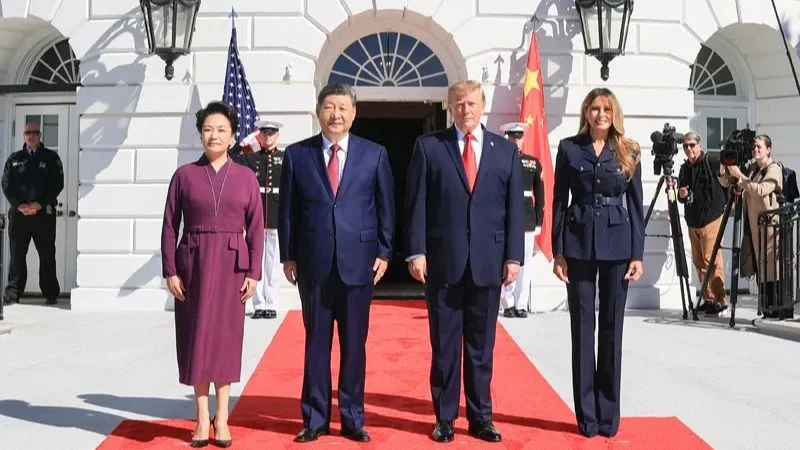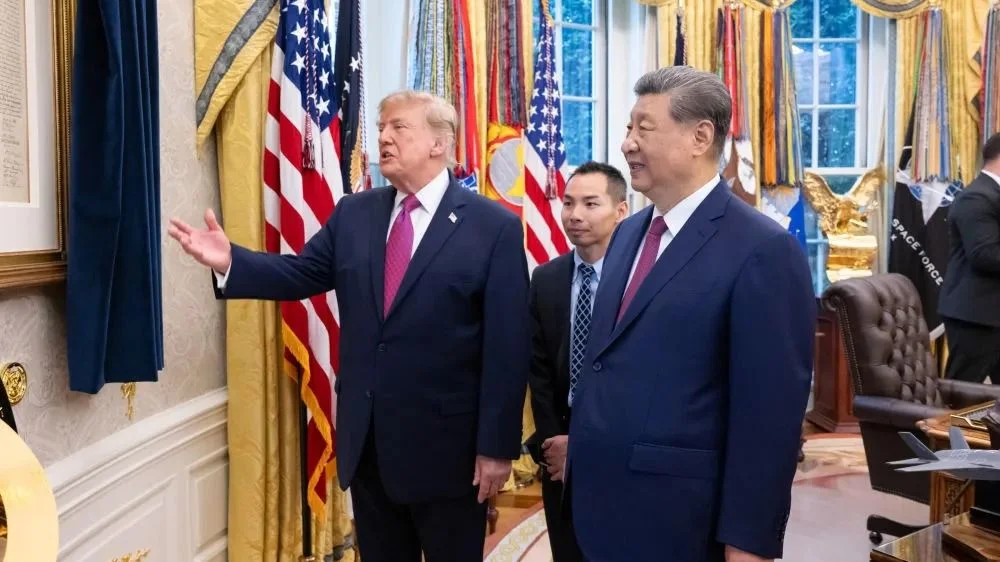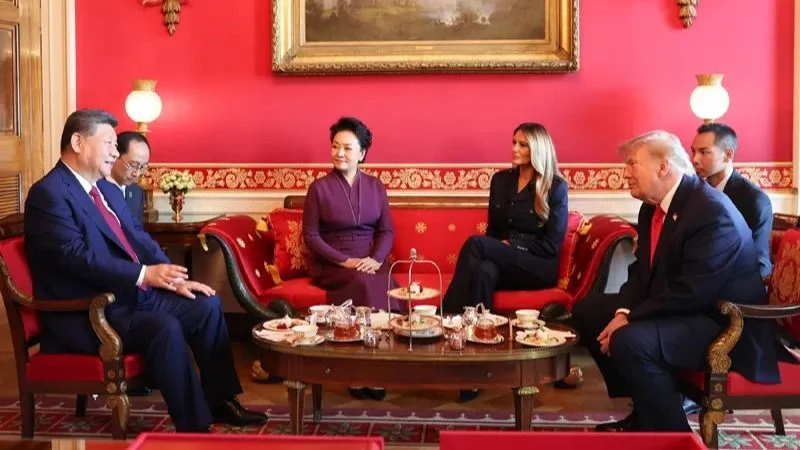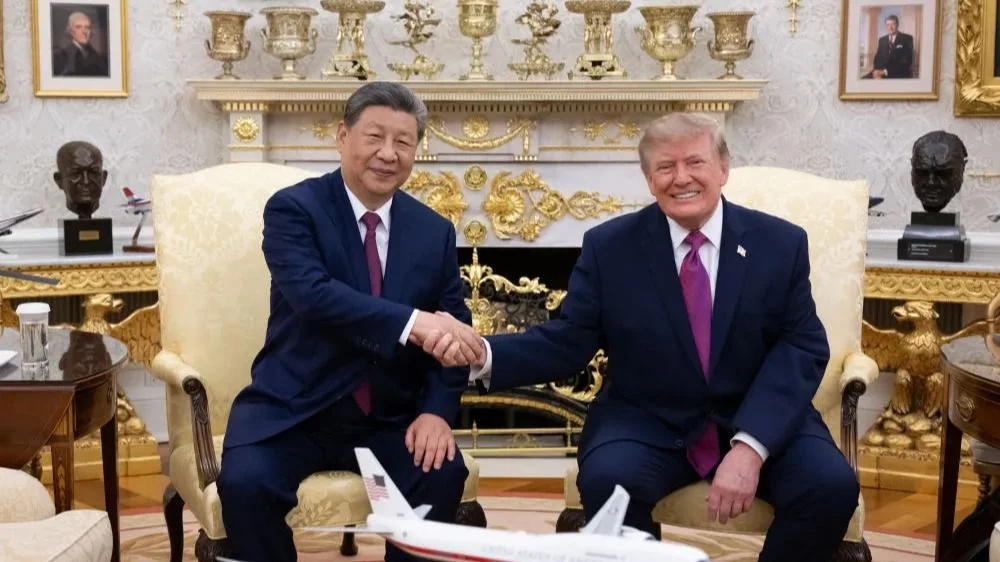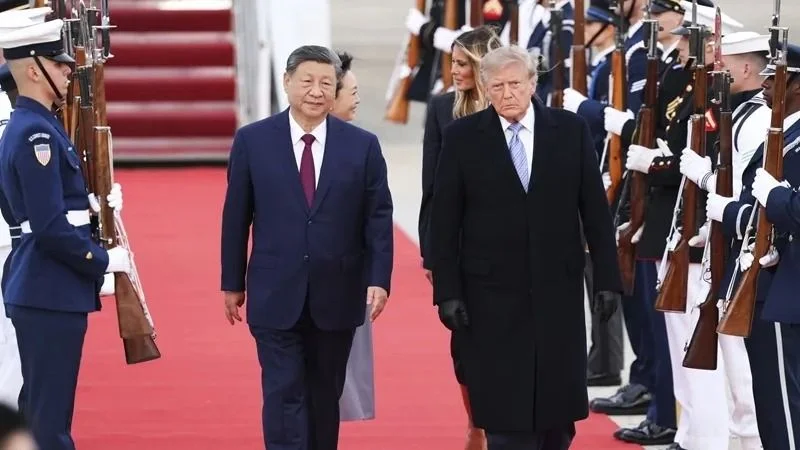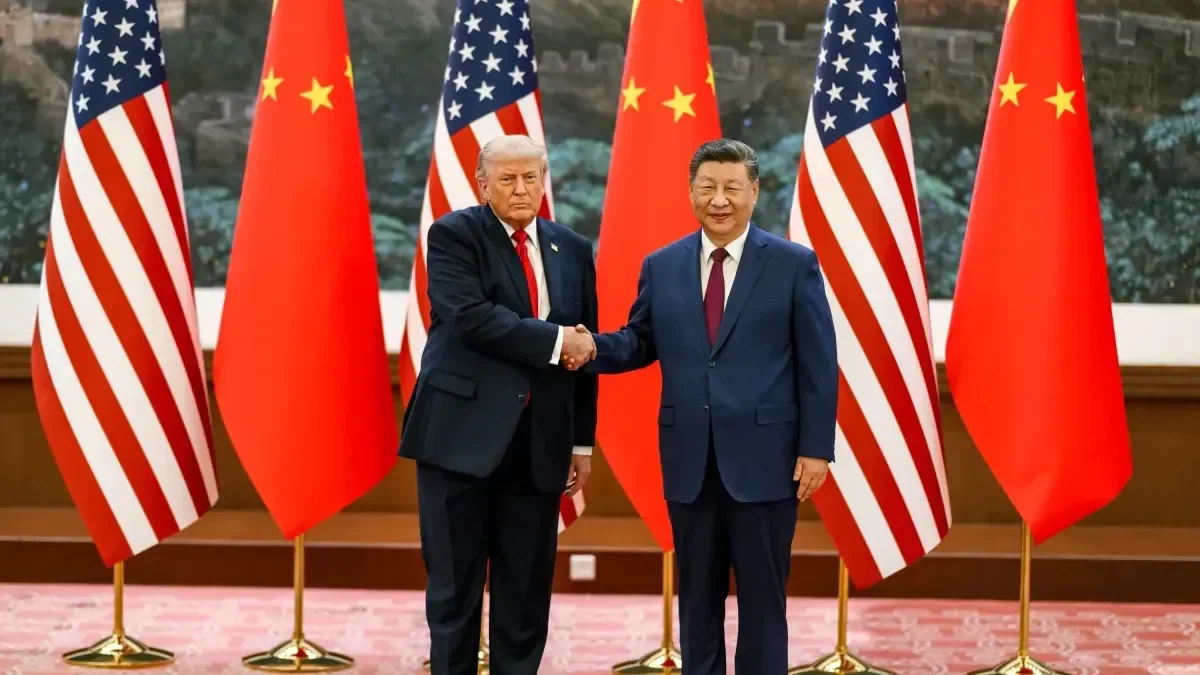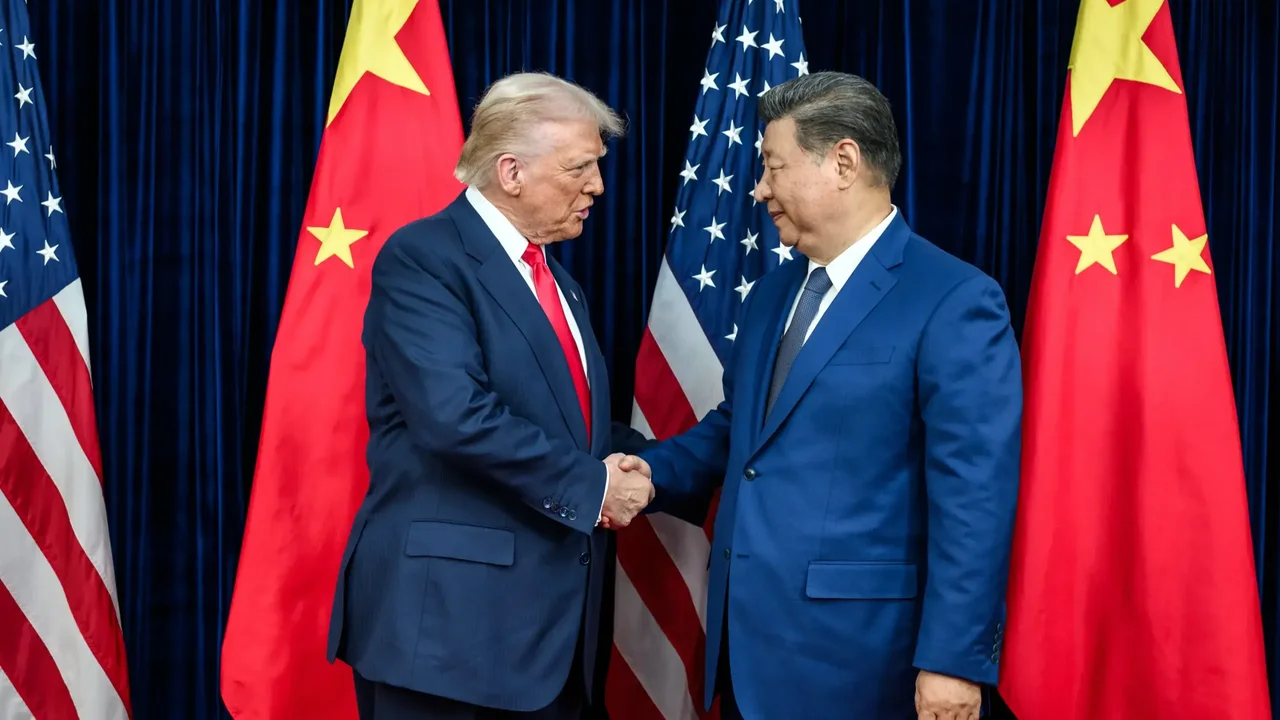


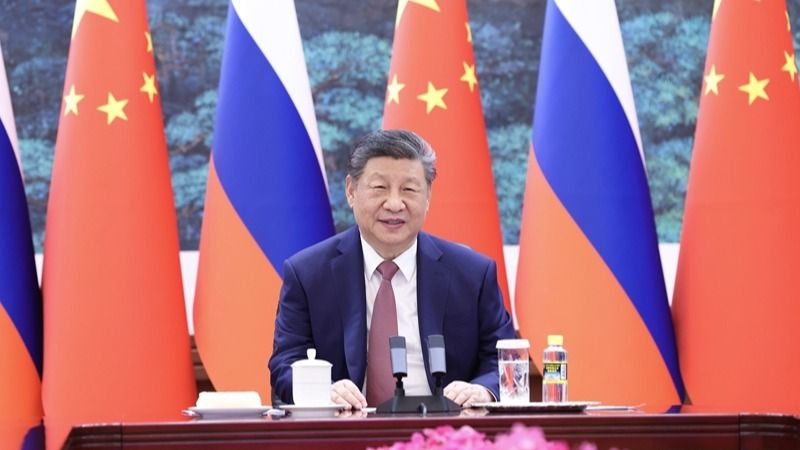

2026年2月4日,習近平主席與俄羅斯總統普京舉行視像會晤,隨後又與美國總統特朗電話普通通話,這兩場電話會議具有重要的地緣政治和經濟意義,揭示全球正從美國主導的單極世界逐步走向美中俄鼎足而立的勢態。在這三極世界中,三個超級大國既相互競爭,也尋求共存之道。
中俄領導人的視像通話,習近平與普京強調了在能源、貿易、農業和人文交流等領域合作的重要性,更重要的是,習近平強調了國際組織、特別是上海合作組織和金磚國家機制的作用。由此觀之,習近平治下的中國明顯傾向俄羅斯一方,讓人聯想起毛澤東時代中國傾向前蘇聯的情形。
中方批美對台軍售 美方置若罔聞
在中美元首的對話中,顯然台灣問題是窒礙中美關係進一步發展的因素,中方強調美國不應繼續向台灣出售武器,而美方為了加強台灣應對中國大陸的軍事威懾,卻一直沒有停止對台軍售。
近期中央軍委宣布一系列解放軍領導層落馬的消息,有傳聞稱部分被撤職的將領反對使用武力統一台灣。目前尚未知傳聞的真偽,但中國一直要求美國停止向台灣提供武器,以重挫台獨分子囂張的氣焰。
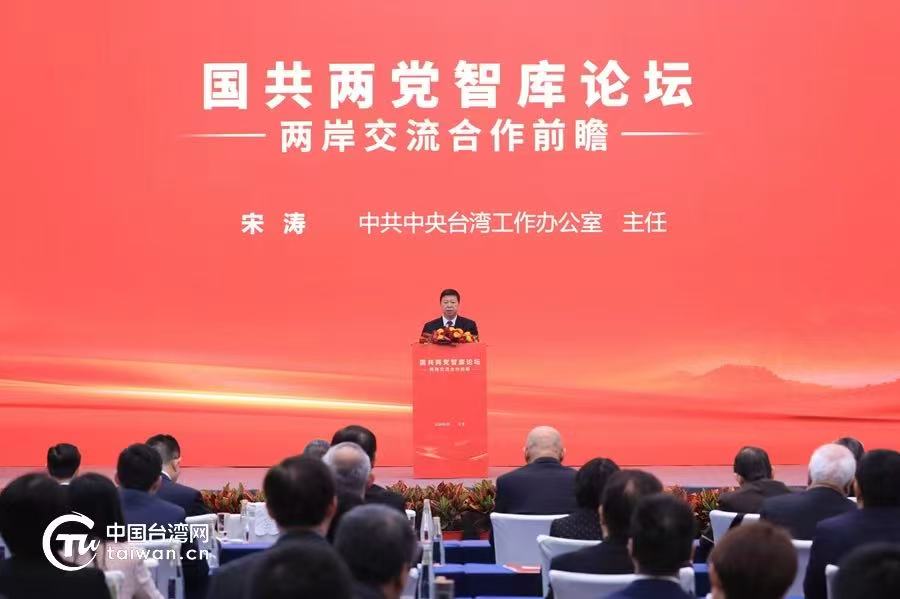
習近平與特朗普的通話適逢國民黨智庫人員訪問北京,雙方探討如何實現台灣未來雙贏局面。鑑於台灣政府由民進黨主導,而民進黨對中國大陸仍持敵對和抵制態度,兩岸關係要取得突破仍然極為困難。
儘管如此,國民黨人士此次訪華,表明了中方仍然希望其與台灣加強社會和經濟層面的融合,並最終獲更多台灣民眾所接受。
具體而言,建構中美俄三極世界的願景正在醞釀,在這個世界,中美俄三國將成為國際秩序的三大主導力量。
進口更多美國商品 利誘政治妥協
中國地緣政治戰略家已經意識到,在特朗普第二任期內,積極與美國接觸至關重要。最近習近平由美進口更多石油、天然氣、農產品和航空發動機,以此利誘美國對華作出政治妥協。中國在台灣議題上採取強硬立場,在經濟讓步議題上採取溫和立場,可被視為對統戰美方而採取的外交政策。
在中國構想的新興三極世界中,中國將扮演積極的調解人角色,努力促使衝突國家達成和平的政治解決方案。中美領導人就俄烏戰爭、以至美伊之間迫在眉睫的衝突進行會談,體現了中國試圖成為推動衝突各方和平對話中間人的努力。
北京在以色列與哈馬斯加沙衝突問題上的政策,也體現了中國這立場,北京乃至法國都一直倡導「兩國方案」,即建立並承認巴勒斯坦國。
根據全球軍力指數(Global Firepower Index)顯示,儘管中俄聯合軍事實力仍難以與美國的軍事實力匹敵,但中國的經濟和科技進步對美國的霸權地位構成了直接挑戰,尤其是在科技發展方面,因此中國對三極世界的理解傾向與俄羅斯結盟以制衡美國。
中國致力於構建一個和平、無衝突的世界秩序,在這個三極世界的新秩序中,已開發國家和發展中國家的社會主義國家、以及非社會主義國家將共同秉持促進和平、可持續發展、能源安全、全球治理、多邊主義,以及在衛生、農業、貿易、綠色金融、氣候變遷、社會教育和文化價值觀等領域,實現共同相互變革。
中國積極維護自由的國際經濟秩序
在美國特朗普政府奉行以自我保護為導向、極端保守和現實主義的外交政策,並退出部分國際組織之際,中國積極維護自由的國際經濟秩序,並維持經濟全球化的勢頭,這一點相當引人注目。這種對比也鮮明地反映了中國軟實力的逐步提升與美國軟實力的急劇下降之間的對比。
為貫徹多邊主義,建構人類命運共同體和平世界秩序,習近平主席領導下的中國提出了多項新倡議:全球發展倡議(2021)、全球安全倡議(2022)、全球文明倡議(2023)和全球治理倡議(2025)。
一些對中國有偏見的外國批評人士,將這些倡議視為北京削弱西方世界影響力的舉措。然而,他們似乎未能理解,所有這些倡議的背後,都蘊含着根深蒂固的儒家傳統和理念,即理想的世界應當是一個和平平等的世界,強調文明和價值觀的多樣性,強調各國經濟社會發展的共同性,強調維護世界安全和全球治理的重要性。
可以說,儒家傳統的和諧與中庸之道已經與中國建構人類命運共同體的社會主義願景融合。在儒家思想與社會主義思想的融合中,蘊含着中國人對和諧世界秩序的不斷追求,而非霍布斯式的世界秩序,在霍布斯式的世界秩序中,無政府狀態與國家間的競爭與衝突才是常態。
中國人普遍有着根深蒂固的政治文化,他們追求社會和政治秩序,甚至可以說一個理想、完美的烏托邦,而這一點卻被許多批評中國外交政策的人完全忽視了。
誤解南海軍事行動為軍事威脅
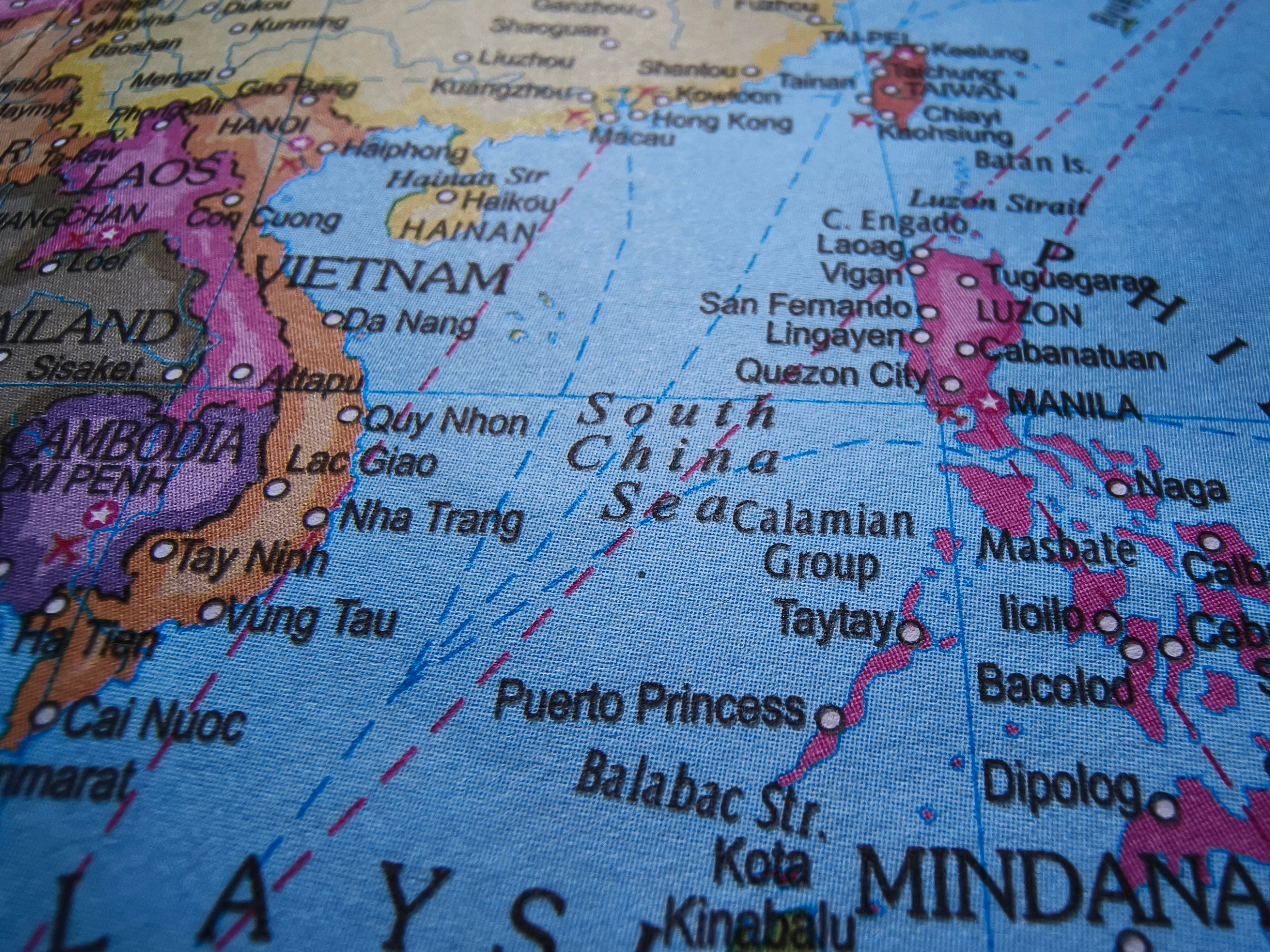
對中國外交政策演變的批評者,往往將中國在南海的任何軍事行動都視為「軍事威脅」的訊號,他們或許並不完全了解中國傳統的政治視角,歷史經驗教會了中國統治精英在主權和國家安全利益問題上採取強硬立場。
更令人遺憾的是,西方批評者常常忽視中國外交政策的政治底線,他們只關注中國的人權問題,卻忽略了中國的人權理念更傾向於自上而下和施加限制,而非像西方世界那樣自下而上和缺乏約束的社會制度。
總而言之,中俄與中美的元首對話對世界地緣政治格局產生非常重要的影響,標誌着中國對三極世界的理解更加清晰,不再迴避與美國據理力爭,同時作出讓步以促使華盛頓領導人採取相應的對等行動。另一方面,考慮到俄羅斯作為位於中國北部邊境的軍事和經濟強國這一現實情況,中國一直將俄羅斯視為其最親密的盟友。
China's emerging vision of a Tripolar World and its characteristics
Xi's strategic diplomacy signals China's emerging vision of a tripolar world, balancing closer ties with Russia while managing complex relations with the US, with Taiwan as the central point of contention.
China positions itself as a mediator and alternative power, promoting multilateral initiatives, Global South development, and a peaceful “common destiny of humankind” while advancing economic and technological influence.
The same-day video call by President Xi Jinping with Russian President Vladimir Putin and then phone call to US President Donald Trump on February 4, 2026, had a significant bearing on China's looming vision of a tripolar world. Specifically, China is preparing for a scenario from a formerly US-dominated unipolar world to a tripolar world in which the US, Russia and the People's Republic of China (PRC) will become the three superpowers rivalling but coexisting with each other.
The political gestures of the two dialogues on February 4, 2026, were geopolitically and economically significant. First, President Xi Jinping made a video call to discuss an entire range of bilateral issues with President Putin, instead of having just a phone call. The phone call to President Trump appeared to imply that while Beijing-Moscow relations have been elevated to the level of not only comprehensive strategic partnership but also the realisation of China's good neighbourly diplomacy towards Russia, Sino-US relations remain more distant, less trustful and less cordial than the Sino-Russian relations.
Second, in terms of the content of the two dialogues, it was clear that China under the President Xi Jinping era has been leaning to the Russian side – a situation reminiscent of the Maoist era in which the PRC leaned to the former Soviet Union. President Xi in his video call with President Putin emphasised the importance of Sino-Russian cooperation in the areas of energy, trade, agriculture, and human interactions. Most importantly, the Chinese President stressed the role of international organisations, notably the Shanghai Cooperation Organisation (SCO) and the BRICS, in which China and Russia will forge closer collaboration in all aspects, ranging from trade to anti-terrorism, and from multilateral cooperation to the consolidation of Sino-Russian relations.
Taiwan as the central constraint in Sino-US relations
In President Xi's phone talk with President Trump, however, the major obstacle to closer Sino-US relations remains the Taiwan issue, in which the Chinese side has emphasised that the US should not continue with its arms sales to the island. The US, however, has been reacting in a skillful manner, stressing its continuous adoption of the one-China policy while simultaneously refusing to stop the provision of weapons to help Taiwan strengthen its military deterrence against the Chinese Mainland.
Third, the question of Taiwan highlights the sensitivity and importance of the island province to the PRC's vision of the tripolar world. An outside rumour has emerged amid the purge of CMC generals in the PRC that a few of those who were removed opposed the use of force to reunify Taiwan. There is no evidence to verify whether this rumour was true, but one thing is certain: China has consistently demanded that the US must stop supplying weapons to Taiwan so that the “separatists” on the island will continue to adopt a hawkish policy towards the Chinese Mainland. Russia, on the other hand, has been consistently affirming the one-China policy on the one hand and maintaining a certain distance from Taiwan on the other. As such, on the issue of Taiwan and its future, Russia is adopting a foreign policy fully acceptable to the PRC, while Washington's two-point policy – adopting the one-China policy on the one hand but providing weapons to Taiwan as a deterrent to the mainland Chinese military threat on the other – remains a baffling problem for Sino-US relations.
The Xi-Trump phone discussions coincided with a visit of Kuomintang think-tank and research members to Beijing, where both sides discussed how to bring about a win-win situation in Taiwan's future. Under the circumstances in which the Taiwan government is dominated and controlled by the Democratic Progressive Party (DPP), which remains hostile and resistant to the PRC, a breakthrough in cross-strait relations remains exceedingly difficult. Nevertheless, the visit of the KMT researchers to Beijing demonstrated the soft-line approach adopted by the Chinese Mainland, which remains hopeful that its blueprint of forging closer socio-economic integration with Taiwan will be accepted by more people of Taiwan one day.
Strategic timing and China's alignment with Russia
Third, the timing of the two dialogues with President Putin and President Trump was noteworthy. The two calls were made before the Lunar Chinese New Year – a signal that China is going to adopt a slightly novel approach to dealing with the international world order. Specifically, a vision of forging a tripolar world in which the US, Russia and China are going to be the three dominant powers in the international order is looming. In this emerging Chinese vision of the tripolar world, two features can be seen. China has been adopting a good neighbourly policy towards Russia, fully understanding that Russia is located geopolitically at the northern front yard of the PRC and comprehending the former Soviet Union's and the Tsarist empire's territorial ambitions on Chinese soil. As such, the Chinese geopolitical strategists in the Xi Jinping era have been adopting a consistently realistic foreign policy of establishing and maintaining good neighbourly relations with Russia under President Putin. The Chinese economic support of Russia during the entire Russo-Ukrainian war is a testimony to such harmonious policy of the PRC towards the giant northern neighbour.
Fourth, the Chinese geopolitical strategists have realised the importance of assertively engaging with the US under the second Donald Trump government, which has been utilising tariffs as an effective weapon to maintain the America First policy and to protect the national security and economic interests of the US. Interestingly, during the dialogue with President Trump, President Xi and his geopolitical strategists made economic concessions. China is going to import more US oil, natural gas, agricultural products and aero-engines as the bait to secure corresponding US concessions to be made to China. The Chinese approach of utilising the hard-line stance on Taiwan and the soft-line position on economic concessions can be regarded as a united front foreign policy towards the US. Judging from the positive reactions of President Trump to his phone talk with President Xi, the Chinese diplomatic finesse has scored a victory.
Mediation, balance of power and technological rivalry
Fifth, in the Chinese vision of the emerging tripolar world, China is going to be an active intermediary trying to persuade countries in conflict to reach peaceful political settlements. President Xi's discussion with President Trump over the Russo-Ukrainian war, and the looming conflict between the US and Iran, demonstrated the Chinese attempt at becoming a middleman that encourages peaceful dialogue among conflicting parties concerned. Such Chinese positions can also be seen in Beijing's policy towards the conflicts between Israel and Hamas in Gaza, where Beijing and even France have been advocating a “two-states” solution in which the Palestinian state should be established and recognised. Hence, Beijing's vision of the tripolar world is that it is by no means shy to advocate peaceful solutions in the interest of peace, even though countries in the world have been perceiving China as a “threat”.
Sixth, the Chinese vision of the tripolar world is characterised by its tendency to side with Russia to check and balance the US. Even though military modernisation in China has been proceeding rapidly, its military firepower, together with the Russian military strength, still cannot easily rival US military firepower, according to the Global Firepower Index. However, China's economic and technological advancements constitute a direct challenge to US supremacy and hegemony, especially in the aspect of technological development. The war over the production and technological design of semiconductors can be easily discerned. The US has encouraged Taiwan's semiconductor industry to move some of its operations to Arizona, aiming to fully leverage its expertise. The ongoing battle over technological acquisition and advancement will become much fiercer in the coming years, becoming a hallmark of the increasingly tripolar world.
Ideology, initiatives and the “common destiny of humankind”
Seventh, the Chinese vision of the tripolar world is punctuated by its belief in efforts at creating a new world with a “common destiny of humankind”. Western critics have pointed to the Chinese attempt at undercutting US influence and dominance, but a closer and deeper analysis can reveal that Beijing uses the term “common destiny of humankind” as a hidden socialist vision of a peaceful international world order. In President Xi Jinping's meetings and discussions with many leaders of the developing world, the term “common destiny of humankind” has appeared repeatedly, such as in his meetings with the leaders of Vietnam and Cuba and even Uruguay.
The message is clear: the Chinese vision of the tripolar world is characterised by the PRC's new drive towards a peaceful and conflict-free world order in which socialist and non-socialist countries in the developed and developing worlds are going to share the common values of promoting peace, sustainable development, energy security, global governance, multilateralism, and win-win situations in the cooperative areas of health, agriculture, trade, green finance, climate change, and socio-educational and cultural interactions. At a time when the Trump administration in the US has been adopting a prominently self-protective, ultra-conservative and realist foreign policy of withdrawing from some international organisations, it is interesting to witness that China is eager to maintain a liberal international economic order and to retain the thrust of economic globalisation. Such a contrast interestingly points to the gradual rise in Chinese soft power versus the abrupt decline in US soft power.
Eighthly, to pursue multilateralism and to achieve a peaceful world order with a “common destiny of humankind”, China under the era of President Xi Jinping has been championing new initiatives: Global Development Initiative (2021), Global Security Initiative (2022), Global Civilisation Initiative (2023) and Global Governance Initiative (2025). Foreign critics with prejudices against China have seen these initiatives as efforts by Beijing to undercut the influence of the Western world. However, they have seemingly failed to understand that, underlying all these initiatives, are the deep-rooted Confucian tradition and vision that the world should ideally be a peaceful one with equality, focusing on the diversity of civilisations and values, the commonality of developing all countries economically and socially, and the importance of maintaining security and global governance in the entire world. Arguably, the traditional Confucian emphasis on harmony and moderation has already been combined with the Chinese socialist vision of creating a world with a “common destiny of humankind”. Embedded in this mix of Confucian and socialist visions is the constant Chinese quest for a harmonious world order, rather than a Hobbesian world order in which anarchy and state-to-state rivalries and conflicts are the norms of the day.
Historical memory and the Global South
Ninth, from the combined perspectives of Confucian harmony and the socialist vision of creating “a common destiny for humankind”, it is not difficult to understand why China has been advocating a “two-states” solution for Gaza in which Israel and Hamas would ideally reach a peaceful political settlement. Critics of Chinese foreign policy, and foreign politicians who are harping on the same theme of the so-called “Chinese threat”, have ignored how the Chinese people suffered in the long Qing dynasty up to the Nationalist era, during which China was invaded and humiliated by foreign powers, and how China was internally divided, with hundreds of millions dying because of external wars, domestic rebellions and internal conflicts. The Chinese people have an ingrained political culture of searching for social and political order – a peaceful world without conflicts, ideally – which many critics of Chinese foreign policy have totally ignored. Critics of the evolution of Chinese foreign policy have also taken any Chinese military moves in the South China Seas as a sign of “military threats”, perhaps without fully knowing the traditional Chinese perspective that history has taught Chinese ruling elites to stand tough on issues of perceived sovereignty and national security interests. The political bottom line of China's foreign policy has unfortunately often been neglected by its Western critics, who point to the Chinese human rights problem but who have perhaps ignored the fact that the Chinese concept of human rights is more top-down with limits rather than bottom-up without many constraints, as in the Western world.
Tenth, the increasingly tripolar world order is gradually being discerned by more countries in the world, including Canada and the UK, which have recently adopted a policy of rapprochement rather than harping on the same old theme of seeing China as a “threat”. Thanks to the US foreign policy drift under the second Trump administration, China is now seen as a country that should be engaged with and respected more than ever. The Chinese vision of the tripolar world entails an element of passiveness, passive in the sense that it is up to countries in the world to judge PRC foreign policy, ranging from the Belt and Road Initiative to its Global South policy. The Belt and Road Initiative can be regarded as another geopolitical strategy of China to reach out to all parts of the world, especially developing countries in Asia, Africa, Latin America and Central America, by offering an economic alternative of raising capital, stimulating investment and building up infrastructure without relying heavily on traditionally pro-Western economic mechanisms, notably the IMF and the World Bank. The Asian Infrastructure Investment Bank, for instance, provides an economic alternative for some developing countries to raise funds for their domestic projects and development. The Chinese vision of the tripolar world is characterised by offering a third economic alternative for developing countries in the Global South to overcome socio-economic underdevelopment, regardless of how critics and foreign countries have perceived China's motivations.
Chinese vision of the tripolar world and its strategic imperatives
In conclusion, the dialogue between President Xi and President Putin on the one hand, and between President Xi and President Trump on February 4, 2026, on the other, had a particularly important bearing on the geopolitical landscape of the world. It marks the emergence of a much clearer Chinese vision of the tripolar world in which the PRC is not shy to engage and argue with the US while making concessions to entice Washington leaders to make correspondingly reciprocal moves. On the other hand, China has been seeing Russia as its closest ally, bearing in mind the realistic situation that Russia is a giant military and economic powerhouse located at the northern border of the PRC.
As such, a good neighbourly foreign policy towards Russia, and of course North Korea and other neighbours, is necessary for China's stable and sustained economic development. Under the looming Chinese vision of the tripolar world, all developing countries in the Global South must be assisted through a variety of schemes, including regional international organisations, economic aid, sustainable development projects, infrastructure development, and Chinese-led global initiatives. These initiatives are offering realistic alternatives for the Global South to overcome underdevelopment, rather than simply undercutting US dominance and influence. The mix of Confucian harmony, Chinese moderation and socialist vision of generating a “common destiny for humankind” can be discerned in the entire thrust of Chinese foreign policy since Xi Jinping became Chinese President in March 2013. Finally, the Chinese vision of the tripolar world is punctuated by its political bottom lines: the determination to defend its national security interests and sovereignty, especially in the case of Taiwan – a situation that could be seen in President Xi's clear message offered to President Trump in their phone dialogue. As such, countries around the world and their geopolitical strategists may now have to comprehend the deeper thinking behind the Chinese vision of the emerging tripolar world in a more impartial and objective manner than before.
原刊於澳門新聞通訊社(MNA)網站,本社獲作者授權轉載。(原文按此)