

啟德發展區作為香港近年最具規模的城市重建項目之一,肩負着連接東九龍與維港沿岸、推動旅遊與文化發展的多重使命。政府近年提出兩項重點工程——智慧綠色集體運輸系統(Smart & Green Mass Transit System, SGMT)及進一步善用啟德郵輪碼頭空間,分別由運輸及物流局、文化體育及旅遊局主導,並已進入招標前期準備階段和邀請市場提交意向書。
儘管兩項工程在地理位置、政策目標及潛在效益上均密不可分,政府目前卻採取分拆招標方式處理,未有考慮中、長期整合規劃,引起業界及社會關注。若未能及時修訂招標條件及策略方向,或將影響項目整體成效,甚至損害政府形象。
啟德交通系統招標條款存在不確定因素
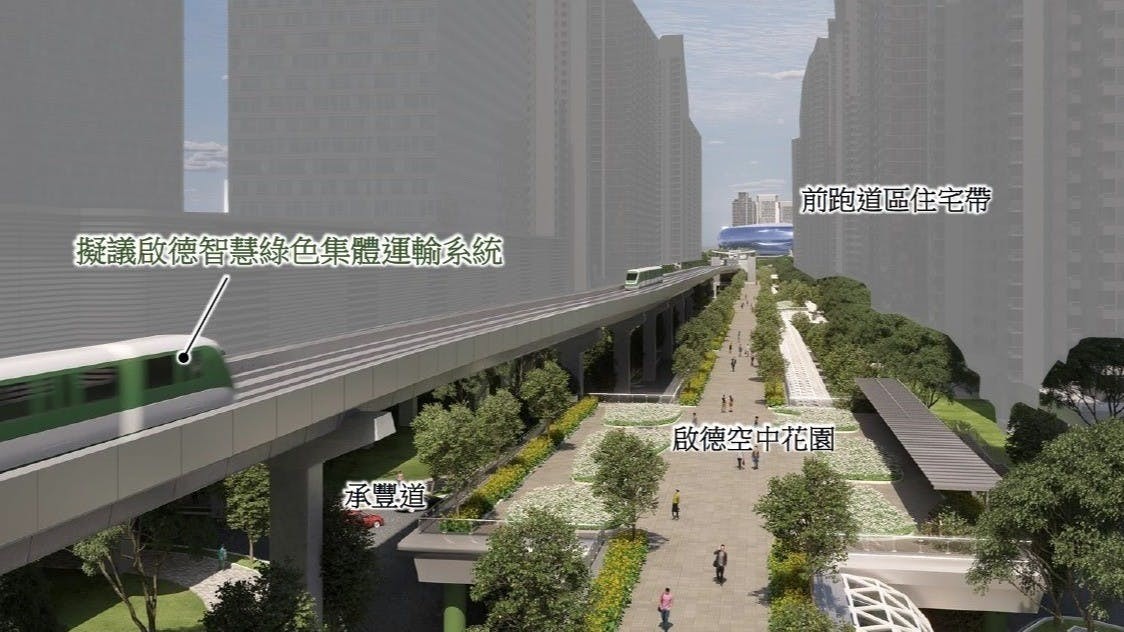
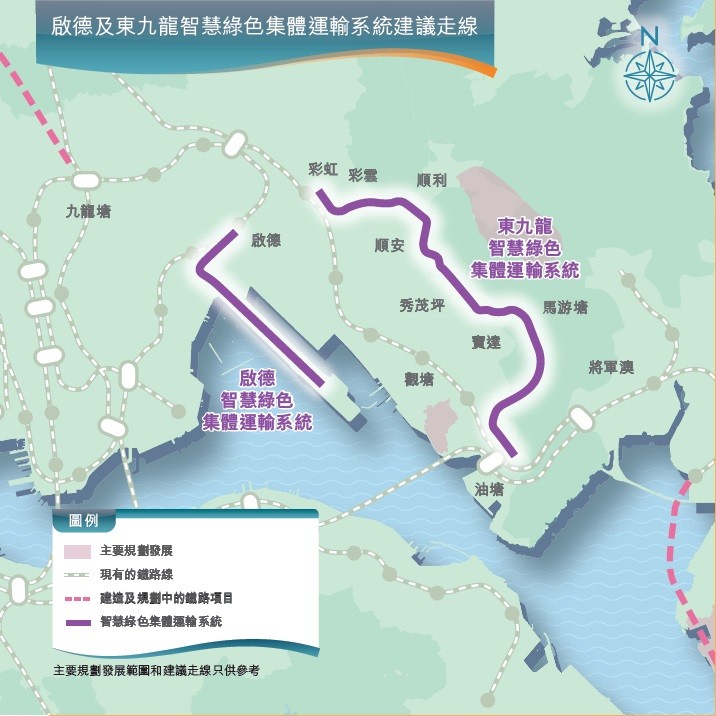
SGMT的構思最早可追溯至2023年《施政報告》中提出的《香港主要運輸基建發展藍圖》,當中建議在啟德及東九龍興建智慧及綠色交通系統,以提升區內交通連接及推動可持續發展。根據土木工程拓展署資料,SGMT全長約3.5公里, 採用高架設計,連接啟德郵輪碼頭、前跑道區住宅群、啟德體育園、啟德都會公園及港鐵啟德站。
系統計劃採用電力驅動、橡膠輪胎車輛,毋須架空電纜,具備低排放、低噪音及高效率等特點。行車時間由郵輪碼頭至港鐵站約為10分鐘,可望成為區內居民及旅客的重要接駁工具。此外,高架設計可避免地面交通干擾,提升運作穩定性。
然而,儘管技術構思具前瞻性,招標條件卻引起業界廣泛疑慮。政府要求投標者在工程啟動及營運前分別繳付巨額按金或「見索即付保函」,另須提供母公司擔保,以及預留資金作30年特許期內維修保養資本開支之用。此等財務要求對潛在投標者構成沉重的財務負擔,即使是內地大型國企亦未必願意承擔;但港鐵只要以母公司提供企業擔保,便毋須承擔前述的巨額財務負擔,這對港鐵來說,是輕而易舉的事。
政府為增加SGMT項目的財務可行性,提出向中標者提供四幅啟德地皮作住宅、酒店及商業發展用途,以補貼營運成本。但其中兩幅住宅地皮位置欠佳,缺乏海景等吸引元素,且交地時間未明,據悉或延至2031年,令投標者無法準確預測物業銷售收益,直接構成整體財務的不肯定因素。
此外,政府設計的「減免金額」評分機制亦引起業界疑慮。該機制要求投標者估算整個特許期內的現金流需求,並從地皮市值中扣除該金額,餘額即為「減免金額」,作為評分依據。再者,標書規定,在中標後才由中標者與地政總署磋商補地價金額,缺乏透明度與可預測性,令投標者難以作出合理評估。
活化郵輪碼頭 旅遊樞紐再定位
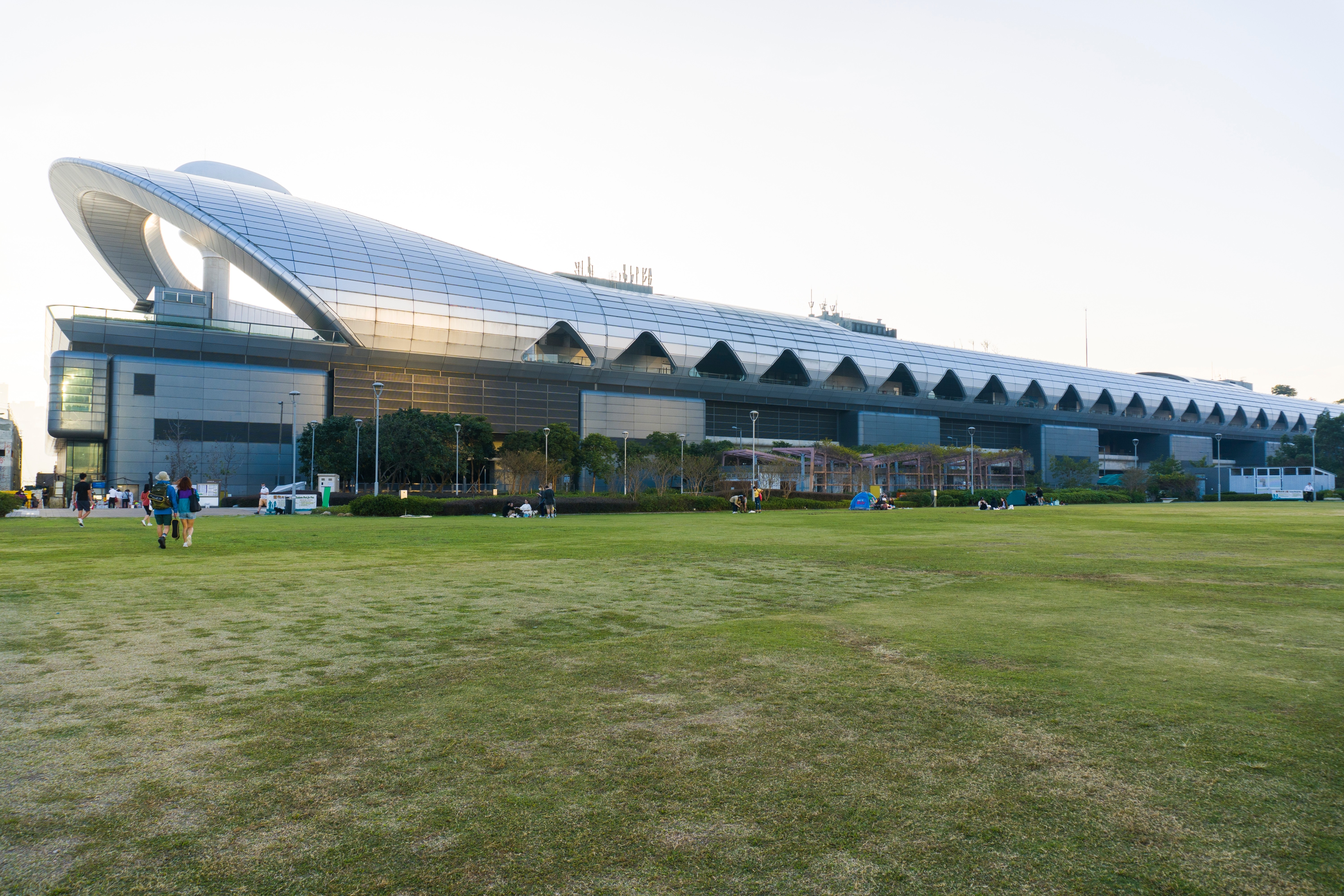
啟德郵輪碼頭於2013年正式啟用,位於前啟德機場跑道南端,佔地7.6公頃,設有兩個泊位,可同時容納全球最大型郵輪。碼頭由著名建築師事務所Foster + Partners設計,並設有全港最大的空中花園,面積達23,000平方米,旨在將原本封閉的交通設施轉化為公共空間。
作為啟德發展區首個落成的旅遊基建項目,郵輪碼頭肩負着將香港打造成亞洲郵輪樞紐的使命。唯近年受疫情及旅遊模式轉變影響,碼頭使用率偏低,周邊商業設施亦未能充分發揮預期的效益。政府遂於2025年邀請市場就進一步善用啟德郵輪碼頭空間提交意向書,期望透過活化商業區及公共空間,吸引大型活動、提升旅客體驗,並與啟德體育園及青年驛站Youth Post產生協同效益。
然而,若未能與SGMT作策略整合,將難以吸引具規模及經驗的營運商參與,亦難以激發業界提出跨項目構思。目前政府分拆處理兩個項目,不僅可能導致資源錯配,更可能削弱項目的整體吸引力與成效。
碼頭輕軌分拆處理 無法整合規劃
業界普遍認為,若政府未能及時修訂招標條件,SGMT或將面臨招標失敗的風險,極可能出現港鐵投標價遠超其他標書,但仍是唯一符合條件的競標者,難以實現合理控制項目成本的基本原則。
此外,若進一步善用啟德郵輪碼頭空間的計劃未能與SGMT整合,將難以發揮市民公共空間、旅遊與交通的三重效益,亦可能錯失推動啟德成為新旅遊樞紐的良機。
筆者認為政府應從高層角度重新審視整體策略,採取以下措施:
一、政府應該化繁為簡,將四塊土地的使用條件和各功能的容積率,以及土地交付日期,清晰訂明。這樣安排,讓所有投標者都能明確估算物業發展所能帶來的預期收益。這做法直接了當,掃除一切上述的不肯定因素。投標價便是綜合考慮了物業發展的收益、興建SGMT成本、營運30年的營運虧損和期望利潤後的出價。
二、全面檢討SGMT的招標條件,適度降低財務門檻,提升投標吸引力;
三、在SGMT的評分機制中加入善用郵輪碼頭和周邊公共空間的協同效益評分,鼓勵投標者提出跨項目旅遊及公共空間提升方案;
四、積極推動創新旅遊元素,如無人機表演、海上活動等,提升啟德整體吸引力,重塑香港作為智慧城市及旅遊樞紐的形象。
啟德願景:城市新核心
啟德發展區的規劃願景,是打造一個「具特色、充滿活力、吸引力及以人為本的社區」。從昔日的國際機場到今日的郵輪碼頭與智慧交通系統,以及優質住宅和商業區,啟德的轉型象徵着香港在交通、旅遊及城市設計上的新標桿。
若政府能以整合思維重新審視招標策略,將有望釋放啟德的特質潛力,為香港注入新動能,並在國際舞台上重塑城市形象。在全球城市競爭日益激烈的今天,啟德的重塑成功與否,將是考驗香港的治理水平,能否擺脫舊思維、舊模式去營造城市創新空間。
Kai Tak infrastructure projects shouldn' t be developed in isolation
The Kai Tak Development Area, once home to Hong Kong' s iconic airport, is now the site of one of the city' s most ambitious urban regeneration efforts. As the government prepares to tender two major infrastructure projects — the Smart & Green Mass Transit System (SGMT) and the Kai Tak Cruise Terminal Enhancement (KTCTE) — concerns are mounting that the current fragmented approach may undermine the very goals these projects aim to achieve.
Both initiatives are central to Hong Kong' s long-term strategies in transport connectivity, tourism development and urban innovation. Yet despite their geographic proximity and overlapping policy objectives, the government has opted to treat them as entirely separate exercises — administratively, financially and conceptually. This siloed approach risks missed opportunities, inefficient resource allocation and diminished public value.
A Transit Vision Undermined by Financial Uncertainty
The SGMT, first proposed in the 2023 Policy Address, is envisioned as a 3.5-kilometre elevated system connecting the Kai Tak Cruise Terminal to the MTR Kai Tak Station. Designed to serve residents, tourists and commercial tenants, it promises low-emission, rubber-tired electric vehicles with a projected travel time of just 10 minutes.
While technically sound, the tender conditions – as currently drafted - have raised industry-wide concerns. Bidders are required to provide substantial upfront deposits or demand bonds, parent company guarantees, and a reserve fund for capital replacement over a 30-year franchise. These financial obligations are steep — even for large state-owned enterprises. The MTR Corporation may be the only entity capable of meeting them with ease, thanks to its parent company' s backing.
To offset the financial burden, the government is offering four plots of land in Kai Tak for residential, hotel and commercial development. However, two of the residential sites are poorly located, lacking sea views and other premium features. More critically, the timeline for land handover remains uncertain — possibly as late as 2031 — making it difficult for bidders to forecast property sales revenue, a key component of the project' s financial viability.
Compounding the issue is the tender' s “reduction amount” mechanism, which calculates the difference between the estimated market value of the land and the bidder' s projected cash flow requirements. This figure becomes a key determinant in bid evaluation, yet it is only negotiated post-award, introducing opacity that discourages serious participation.
Cruise Terminal Enhancement: A Tourism Hub in Need of Reinvention
The Kai Tak Cruise Terminal, designed by Foster + Partners and opened in 2013, was intended to position Hong Kong as a regional cruise hub. With two berths for the world' s largest vessels and the city' s largest rooftop garden, the terminal was a bold statement of intent. But usage has declined sharply in recent years, exacerbated by the pandemic and shifting travel patterns. The surrounding commercial areas remain underutilized, and the terminal has yet to fulfill its potential as a vibrant public space.
The KTCTE project aims to change that. Proposed in 2025, it seeks to revitalize the terminal' s commercial zones and adjacent public areas, attract large-scale events, and improve the visitor experience. Plans include sea-based transport links, drone shows, and family-friendly attractions — all aligned with the government' s “low-altitude economy” initiative. There is also potential to leverage existing assets like the government' s pilot training school to create a unique tourism offering.
Yet without integration with the SGMT, these ideas risk being sidelined. Operators may hesitate to invest in infrastructure or programming that depends on a transit system whose future remains uncertain. The lack of coordination between the two tenders could stifle creativity and reduce the likelihood of achieving meaningful synergies.
Fragmented Tendering: A Strategic Misstep
The decision to tender SGMT and KTCTE separately — without cross-referencing or shared evaluation criteria — reflects a fragmented mindset that runs counter to holistic urban planning. Industry observers warn that unless SGMT' s tender conditions are revised, the process may yield only conditional or non-compliant bids. In the worst-case scenario, the government may be forced to award the project to the MTR by default, raising concerns about fairness, cost control and public perception.
Moreover, the absence of synergy scoring in the SGMT tender means bidders have no incentive to propose integrated solutions that enhance both transport and tourism outcomes. This could result in suboptimal designs, missed opportunities for placemaking, and a failure to capitalize on Kai Tak' s unique potential.
A Call for Strategic Recalibration
To avoid these pitfalls, the government should urgently consider the following actions:
- Clarify land terms: Define usage parameters, plot ratios and handover timelines for the four development sites to reduce uncertainty and allow bidders to make informed projections. Bidders could then simply submit the tender price, with no post-award negotiations with the Lands Department on land premiums.
- Revise SGMT tender conditions: Lower financial entry barriers to attract a broader pool of qualified bidders, including international operators and innovative consortia.
- Incorporate synergy scoring: Introduce evaluation criteria that reward proposals demonstrating cross-project benefits — such as enhanced public space, tourism programming and multimodal connectivity.
- Champion innovation: Encourage creative uses of Kai Tak' s assets, from drone performances to sea-based leisure activities, to position the area as a flagship for urban experimentation.
Kai Tak's Future Hinges on Integrated Thinking
The Kai Tak Development Area is more than a collection of infrastructure projects. It is a symbol of Hong Kong' s aspirations to build a city that is livable, sustainable and globally competitive. From its aviation past to its envisioned future as a smart urban hub, Kai Tak embodies the city' s capacity for reinvention.
But that vision will only be realized if the government embraces integrated thinking. Fragmented tendering may be administratively convenient, but it risks undermining the transformative potential of these projects. In an era where cities compete not just on infrastructure but on imagination, Hong Kong must rise to the occasion — and Kai Tak is the place to start.
中文版本社獲作者授權獨家發布,英文版原刊於《南華早報》並獲作者授權轉載。