


從《中華人民共和國國民經濟和社會發展第十五個五年(2026—2030年)規劃綱要(草案)》的內容來看,香港和澳門在祖國發展藍圖中都有明確的分工,兩地應很快根據中央政府提出的重點編製本身的「十五五」規劃。
值得留意的是,《草案》第17節第59章開宗明義,支持提升香港和澳門的競爭力,包括鞏固其作為國際金融中心、航空航運中心和貿易中心的地位,亦期望香港提升其作為大型、構成完整生態、高品質、高附加價值物流供應鏈的功能。
最重要的是,北京支持香港將自身打造成為國際創新科技中心,並深化其作為國際法律與調解中心的服務。香港其他提升的範疇亦提到發展成為區域知識產權中心、以及中西文化藝中心。
《草案》關於澳門的部分重點,強調北京支持澳門特區發展經濟多元化,並深化其旅遊休閒中心地位。此外,《草案》期望澳門成為中國與葡語國家之間的貿易與服務合作中心,並以中華文化為主流、增進多元文化共存與合作。同時也應進一步拓展中醫藥、大健康產業、金融財務、高新科技產業和會展業。
港澳應更深入融入國家發展大局
毋庸置疑,香港和澳門應更深入地融入國家發展大局,北京也會採取措施支持港澳居民在內地生活、工作和發展事業。因此,香港和澳門應有秩序地對接內地貨幣金融市場,深化與內地產業和教育領域的協調合作,並且必須深化粵港澳合作,聚焦重點發展領域,推動港口、機場和鐵路等基礎建設的協同發展。總之,香港和澳門將在中西文明交流過程中扮演重要的「窗口」角色。
分析以上五年計劃中有關香港和澳門的內容,大致有四個要點。
首先,需要強調了香港和澳門回歸祖國後傳統的分工模式。香港仍是貨幣、金融、貿易、航運和航空中心,而澳門仍是中國加強與葡語國家多邊關係的重要平台。
然而,香港必須在以下方面更努力:擴大港口規模、加強航空樞紐建設、打造新的黃金交易中心,並透過新界北部都會區和與深圳更緊密的合作來發展創新科技產業。
同樣,澳門必須深化並拓展其「4+1」經濟模式,尤其是在會展業、中醫藥、貨幣金融(重點發展債券證券)以及新興科技發展等領域。為此,澳門必須加速橫琴國際教育(大學)城的建設,動員本地高校設立分校,並與內地研究人員合作研究。
在人才培育和吸引方面,香港和澳門都必須吸引和留住全球人才,這意味着兩地的大學在未來幾年必須招收更多內地學生和研究人員。

港澳窗口角色須按新框架調整
其次,香港和澳門仍然是中國對外開放進程的「窗口」,但這些窗口必須根據新的內容相應調整。具體而言,香港必須利用其國際調解組織(IOMed),而澳門將繼續發揮其作為中國與葡語國家經貿合作常設秘書處的作用,組織年度會議。
根據香港和澳門《基本法》,兩個特區在中央政府的批准和支持下可以進行對外關係。兩地一直在逐步擴大其準外交職能,例如2025年10月成立的國際移民組織地中海辦事處(IOMed)以及中國與葡語國家經貿合作論壇的年度會議。
此外,北京方面希望更多國家參與澳門有關一帶一路的經貿合作論壇,並透過澳門論壇促成中國與葡語國家之間達成更多富有成效的協議。待橫琴債券證券中心建成營運後,預計葡語國家的投資者將參與該中心的投資活動。
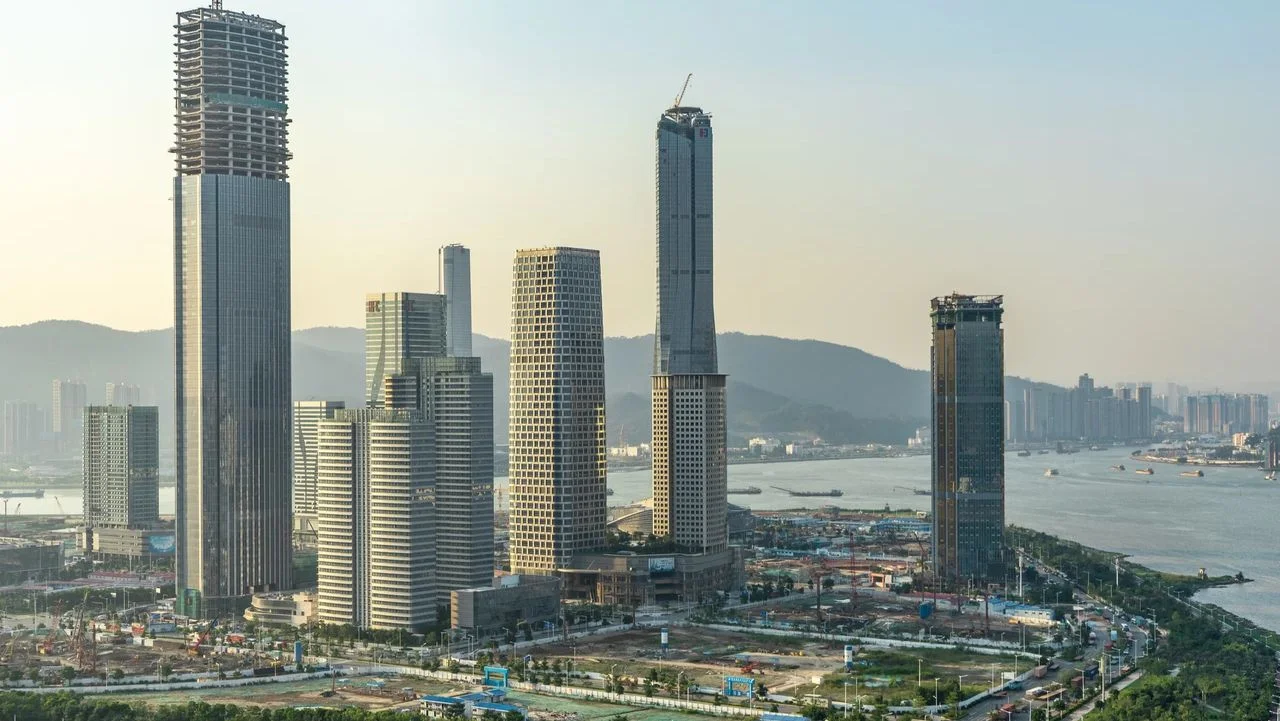
第三,北京希望香港和澳門分別加快建設新界北部都會區和橫琴粵澳深度合作區。
全速推進編製 對接國家十五五規劃
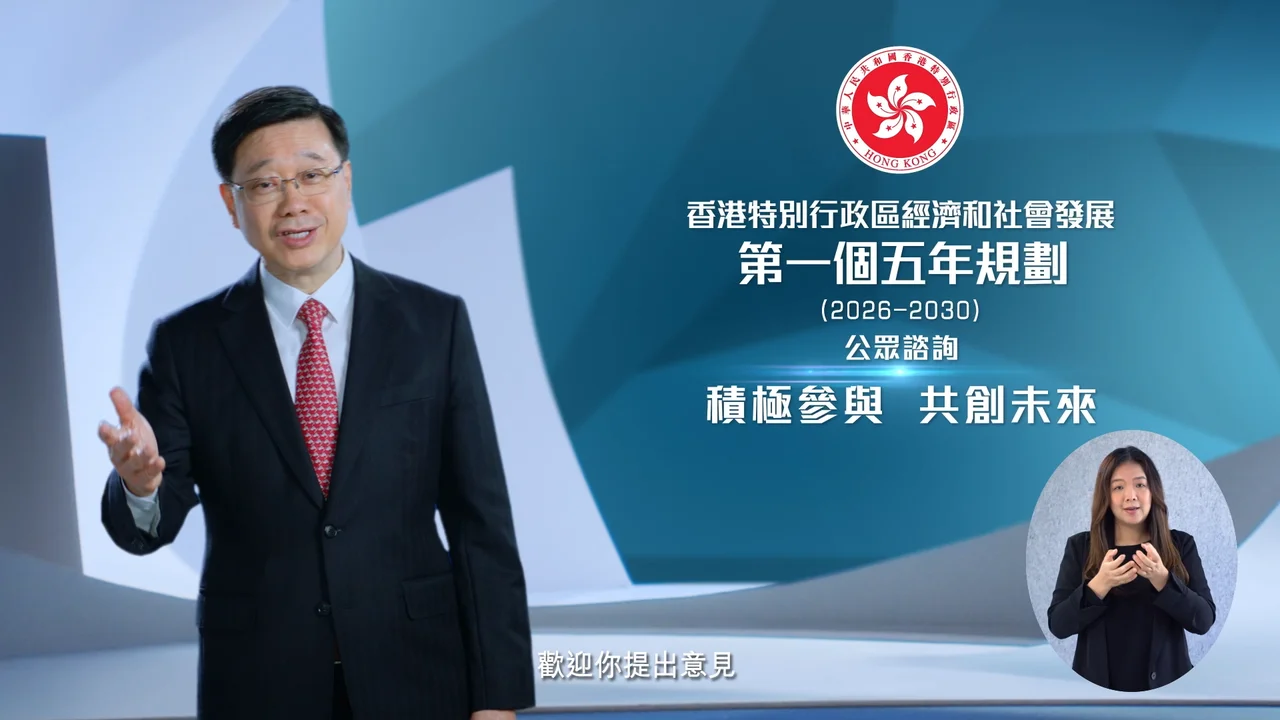
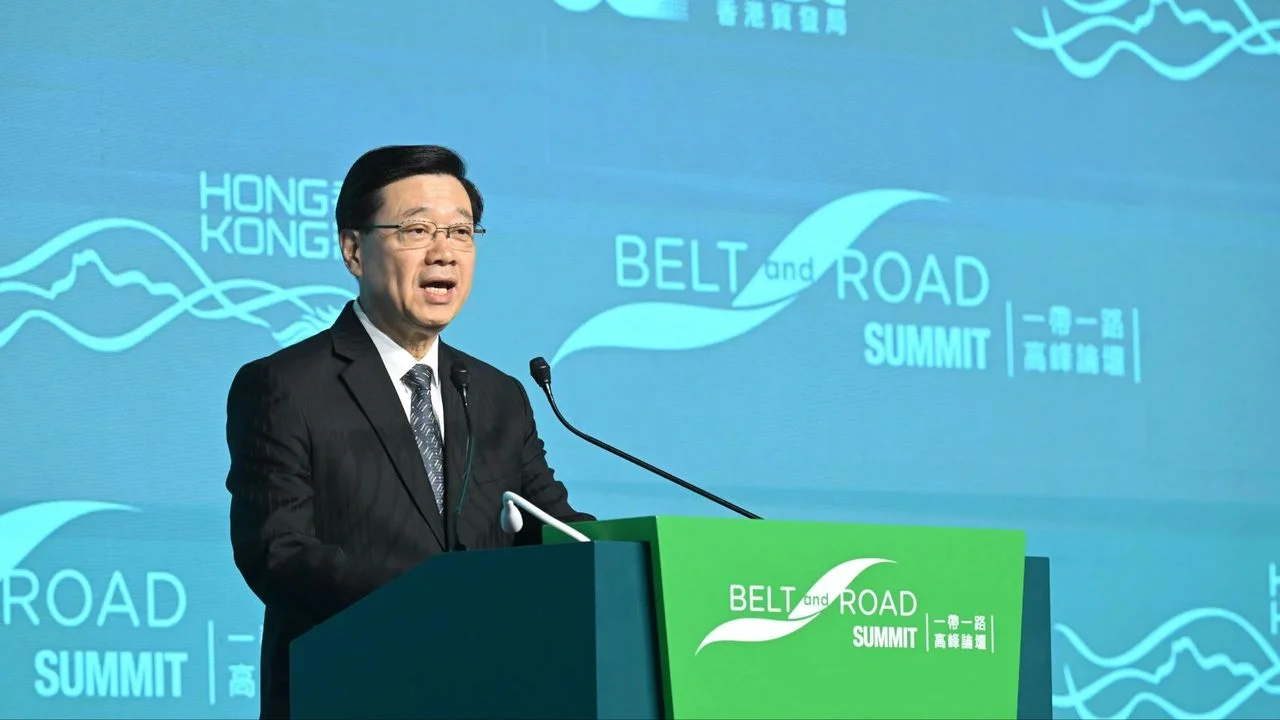
特首李家超表示,他將成立一個高階委員會,全速推進香港五年規劃的編製工作,全方位對接國家十五五規劃。香港政府的優先事項是明確北部都會區各項交通基礎設施的建設時間表,包括加快建設大學城,以便在2047年之前實現與深圳更緊密的融合。
第四,從地緣政治和戰略角度來看,在美方將中國視為頭號敵人之際,香港和澳門正在發揮戰略作用,建設和改善其基礎設施項目——機場、鐵路、橋樑——以便將這兩個特區與華南的主要城市連接起來。
五年規劃中將南沙、前海和橫琴作為連接香港和澳門的樞紐,這意味着廣東省其他地區可能會建設更多基礎設施項目,以更快地實現兩個特區更深層次地融入粵港澳大灣區。
3月7日,國務院副總理丁薜祥在全國人大香港代表團會議上發表了重要演說。他表示,習近平主席曾就香港發展良好管治和行政主導的管治提出重要意見。

強調行政主導 反映公共行政有改善空間
「行政主導治理」一詞顯示中央政府認為香港政府應在公共行政方面要更加努力,以提高其政府的效率。
五年計劃中關於台灣的部分強調了大陸推動兩岸關係、和平發展和統一的意願,但其主要原則顯然是台灣人民必須擁護一個中國原則和九二共識。
綜上所述,從《草案》的內容來看,香港和澳門在祖國的經濟現代化、持續對外開放和一帶一路建設中仍然扮演獨特的角色,發揮各自獨特的作用。香港和澳門的窗口功能仍然不變,但窗口的內容必須適應祖國不斷變化的經濟、地緣政治和戰略需求。
無獨有偶,港、澳特區政府都被敦促加快新界北都和橫琴深度合作區的建設。由此可以推斷,到2047年和2049年,香港將被期望與深圳更加緊密地融合,而澳門將被期望與橫琴更加緊密地融合。
換言之,港澳與內地的融合進程必將加速,中央政府也鼓勵並支持兩地在一帶一路倡議下發揮更多對外及準外交作用。因此,未來幾年,在祖國的全力支持下,香港和澳門將繼續擁有廣闊的發展前景和經濟繁榮。
An Analysis of the 15th Five-Year Plan on Hong Kong and Macau
Judging from the content of the draft 15th Five-Year Plan on China’s national economic and social development, both Hong Kong and Macau are going to have a clear division of labour in their motherland’s developmental blueprint, and the two Special Administrative Regions (SARs) will prepare their own five-year plan soon in accordance with the key action points outlined by the central government.
Chapter 59 under Section 17 of the draft 15th Five-Year Plan delineates the role of Hong Kong and Macau in their developmental paths, while Chapter 60 under the same section touches on Beijing’s policy toward Taiwan. The content of the draft plan on Hong Kong, Macau and Taiwan demonstrates that the central government in Beijing is adopting a pragmatic approach to dealing with the three places, emphasizing particularly the role differentiation between Hong Kong and Macau.
Chapter 59 begins by supporting the enhancement of the competitive edge of Hong Kong and Macau. Specifically, the central government supports Hong Kong to consolidate its role to improve its status as an international financial hub, aviation and shipping centre, and trade centre. Beijing supports Hong Kong to strengthen its services for being a global offshore centre for Renminbi, an international asset and wealth management centre, and an international risk management centre. Moreover, the central government expects Hong Kong to enhance its functions of becoming a large-scale ecological and high-quality value-added logistics supply chain.
Most importantly, Beijing supports Hong Kong to establish itself as an international innovation and technology centre and to deepen its services as an international legal and mediation centre. Other areas of Hong Kong’s enhancement include the need to build up its regional knowledge and intellectual property rights centre, and the necessity of building up the Sino-Western cultural and arts centre.
Macau’s diversification strategy and Greater Bay Area integration
The section on Macau emphasizes Beijing’s support of the SAR to develop its economic diversification and to deepen its tourist and leisure centre. Moreover, Macau is expected to be a cooperative trade and service centre between China and the Portuguese-speaking countries, while utilizing Chinese culture as a mainstream culture to develop multicultural coexistence and collaboration. At the same time, Chinese medicine, big health, monetary and financial development, high-quality and innovative technology, and exhibition and convention industries should be expanded further.
Beijing also supports Hong Kong and Macau to strengthen trade, technological and human interactions with the mainland, making the two SARs the platforms for attracting high-end talents. Both Hong Kong and Macau should be integrated more deeply into the nation’s developmental trend, while Beijing takes measures to back up the people of Hong Kong and Macau to live, work and develop their careers in the mainland.
As such, Hong Kong and Macau should orderly connect with the mainland monetary and financial markets, and they should deepen the coordination work with mainland industries and the education sector. As such, the Guangdong-Hong Kong-Macau cooperation must be deepened, focusing on key areas of development and promoting the co-development of ports, airports and railways.
The high-speed rail connecting Guangzhou with Zhuhai and Macau will be constructed, promoting the first stage of railway development between Hong Kong and the western part of Shenzhen. At the same time, Macau’s integration with the In-Depth Cooperation Zone with Hengqin should be deepened. High-quality development should be fostered in Qianhai, Nansha and Hetao, while the Macau International Airport shall be constructed in the Hengqin area as a trade platform.
Hengqin will also build up its international education (universities) town. Therefore, the functions of Hong Kong and Macau to assist the nation’s external opening can be expanded. The central government also supports Hong Kong and Macau to participate in the Belt and Road Initiative with high-quality development so that the professional services sectors and enterprises will be able to expand their overseas operations.
In short, Hong Kong and Macau will have important “window” functions in the process of Sino-Western civilizational exchanges.
Four key implications of the plan
Analysing the five-year plan’s content on Hong Kong and Macau above, there are four important points.
First, the traditional division of labour between Hong Kong and Macau after their sovereignty and administrative return to the motherland has been emphasized. Hong Kong remains a monetary, financial, trade, shipping and aviation centre, while Macau remains a crucial platform for China to enhance multilateral relations with the Portuguese-speaking countries.
Nevertheless, Hong Kong must do more in the areas of expanding its ports, strengthening its aviation hub, building up its new gold exchange centre, and developing its innovation and technology sector through the Northern Metropolis and through its closer collaboration with Shenzhen.
Similarly, Macau must deepen and broaden its four plus one, especially the areas of convention and exhibition industries, Chinese medicine, the monetary and financial sector (focusing on bonds and securities), and the development of new and innovative technology. To do so, Macau must speed up the construction of the international education (universities) town in Hengqin, mobilizing local universities to set up campuses and conduct research in collaboration with mainland researchers.
In terms of talent development and attraction, both Hong Kong and Macau must attract and retain global talents, implying that the universities of both cities must accept more mainland students and researchers in the coming years.
The “window” function and para-diplomatic roles
Second, both Hong Kong and Macau continue to be the “windows” for China’s opening-up processes, but these windows must adjust to their new content accordingly. Specifically, Hong Kong must make use of its International Organization for Mediation (IOMed), while Macau will continue to use its role as the Permanent Secretariat for Economic and Trade Cooperation between China and Portuguese-speaking Countries to organize the annual conference.
According to the Basic Law of Hong Kong and that of Macau, both SARs can perform external relations under the approval and support of the central government. Both cities have been expanding their para-diplomatic functions gradually, as seen in the establishment of the IOMed in October 2025 and in the annual meeting of the Forum for Economic and Trade Cooperation between China and Portuguese-speaking Countries.
While countries supportive of China’s Belt and Road Initiative have been participating in the IOMed and the Forum, Beijing expects more countries to join the IOMed, and more fruitful agreements between China and Portuguese-speaking countries through the Macau Forum. After the bonds and securities centre is developed and operational in Hengqin, it is expected that investors from Portuguese-speaking countries will participate in investment activities there.
Accelerating regional integration
Third, Beijing expects both Hong Kong and Macau to expand the speed of developing the Northern Metropolis and the In-Depth Cooperation Zone, respectively, in a much faster manner.
Hong Kong’s Chief Executive John Lee said that he will set up a high-level committee to produce the city’s five-year plan in accordance with the national blueprint, mobilizing all departments to work toward the alignment with Beijing’s Five-Year Plan. The priorities of the Hong Kong government are to delineate a clear timeline of the completion of various transport infrastructure in the Northern Metropolis, including the speedy construction of the universities town there, so that the closer integration with Shenzhen will be realized well before 2047.
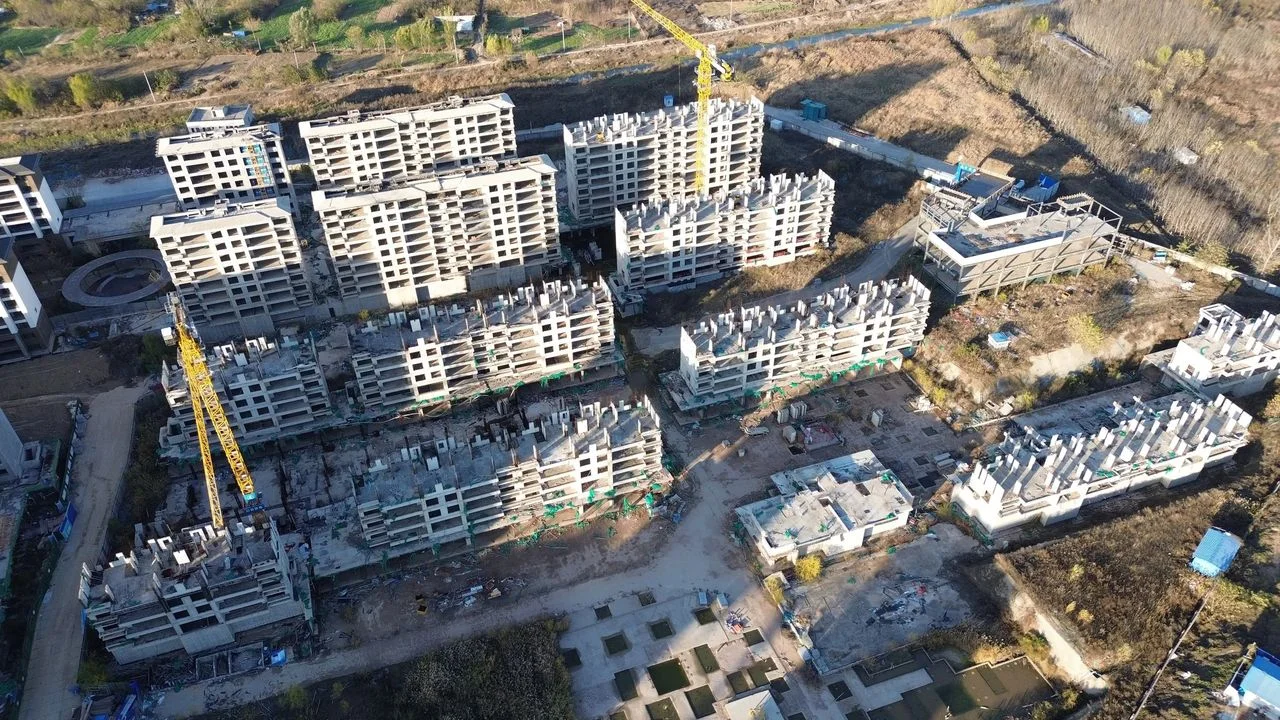
Similarly, Macau and the Zhuhai government have to work faster in the development of the In-Depth Cooperation Zone, including the urgent need to clear up those properties which were initially overdeveloped, mismanaged and remain empty, the mobilization of more Macau people and enterprises to live and set up their offices respectively in Hengqin, and the need to accelerate the construction of transport networks between Macau and Hengqin.
Both SARs must speed up the process of integration with their neighbouring regions in a much faster and more effective manner.
Governance concerns and strategic considerations
Fourth, from a geopolitical and strategic perspective, at a time when the US is seeing China as a top enemy, Hong Kong and Macau are playing the strategic functions of building up and improving their infrastructure projects – airports, railways, bridges – so that both SARs are going to be connected with the key cities in South China.
The Five-Year Plan’s discussion of Nansha, Qianhai and Hengqin as the connection points with Hong Kong and Macau implies that more infrastructure projects may be established in other parts of Guangdong Province so that the deeper integration of the two SARs into the Greater Bay Area will be realized more quickly.
On March 7, Vice Premier Ding Xuexiang made some important remarks in front of the Hong Kong members of the National People’s Congress (NPC). He said that President Xi Jinping had made an important observation of the need for Hong Kong to develop its good governance and executive-led governance.
The term executive-led governance indicates the central government’s assessment that the Hong Kong SAR should do more work to make its government more effective in public administration. One Hong Kong NPC member told the Hong Kong media that Ding referred to the Jimmy Lai case and the Tai Po fire tragedy.
Taiwan section and concluding observations
The Five-Year Plan’s section about Taiwan emphasizes the mainland’s eagerness to promote cross-strait relations, peaceful development and reunification. But the main principles are obviously the need for the people of Taiwan to support the one-China tenet and the 1992 consensus.
Fujian Province has already taken various measures to welcome the investment and residence of Taiwan comrades. Fujian fosters the development of a cross-strait monetary and financial market, while socio-cultural, educational, youth and health exchanges are also encouraged. The idea is to foster the national Chinese identity of the Taiwan comrades and the Chinese cultural identification of the people from two sides.
Chapter 60 stresses the cooperation and interactions of the people between the mainland and Taiwan. However, the crux of the problem remains the ruling authorities in Taiwan.
In conclusion, judging from the content of the draft report of the 15th Five-Year Plan on Hong Kong and Macau, both cities remain to have unique roles and distinct functions in their motherland’s economic modernization, persistent opening-up process and Belt and Road Initiatives. The “window” functions of Hong Kong and Macau remain unchanged, but the content of such window has to adapt to the changing economic, geopolitical and strategic needs of their motherland.
One thing is in common: both Hong Kong and Macau are urged and expected to speed up the development of the Northern Metropolis and the In-Depth Cooperation Zone with Hengqin, respectively. It can be inferred from this emphasis that Hong Kong will be expected to integrate more closely with Shenzhen and that Macau will be expected to integrate more closely with Hengqin in the years leading to 2047 and 2049, respectively.
In other words, the processes of Hong Kong and Macau’s integration with the mainland are destined to accelerate, while both cities are encouraged and supported by the central government to play more external and para-diplomatic functions under the Belt and Road Initiative. As such, Hong Kong and Macau will continue to have great developmental prospects and economic prosperity under the full support of their motherland in the coming years.
原刊於澳門新聞通訊社(MNA)網站,本社獲作者授權轉載。(原文按此)