


《澳門基本法》規定,中央政府可就與外國進行談判、開展外交活動、參與國際組織以及達成協議等方面的權力,依法委託澳門特區政府行使,因此澳門行政長官岑浩輝對歐洲四國葡萄牙、西班牙、瑞士及比利時的訪問,不僅具備明確的經濟合作意義,也反映出澳門在一國兩制框架下逐步突顯其「超級連繫人」的角色。
從時機上觀察,岑浩輝出訪歐洲的節奏,乃緊接着葡萄牙和西班牙兩國領導人分別於2025年和2026年的訪華行程。這種精心安排通常有助於形成政策協同與經貿銜接。
葡萄牙陷債務危機 毋忘中國雪中送炭
2025年9月,葡萄牙總理蒙特內格羅訪問北京,與習近平主席會面。會談中,雙方就中葡關係及中歐夥伴互信交換意見。習主席高度評價了中葡關係的顯著成就,包括相互尊重和互利共贏。蒙特內格羅亦重申葡萄牙將繼續堅持「一中政策」,並表達對中國在葡萄牙經濟困難時期所給予支持的重視。
他指的是2010年至2014年葡萄牙遭遇嚴重債務危機的時期,當時中國大量投資葡萄牙的公用事業、能源、銀行和保險業。中國企業購買葡萄牙政府債券,旨在提供必要的流動性。
同樣地,2026年4月14日,習近平主席在北京會見來訪的西班牙首相桑切斯。習近平指出,中西關係在戰略決心的指導下穩步發展。桑切斯也提及,中國在西班牙的投資對當地經濟具有促進作用,西班牙將堅定奉行「一中原則」。
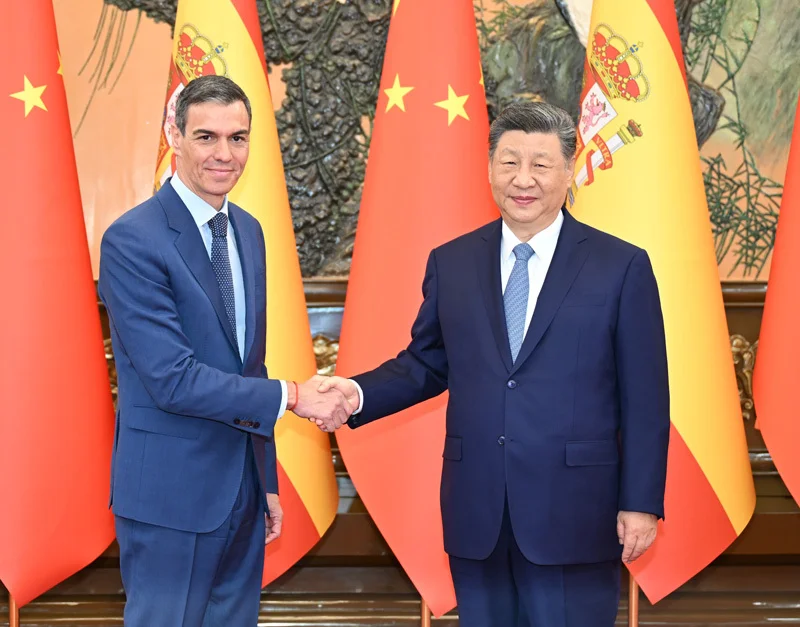
西班牙反對美以入侵伊朗 奉行一中原則
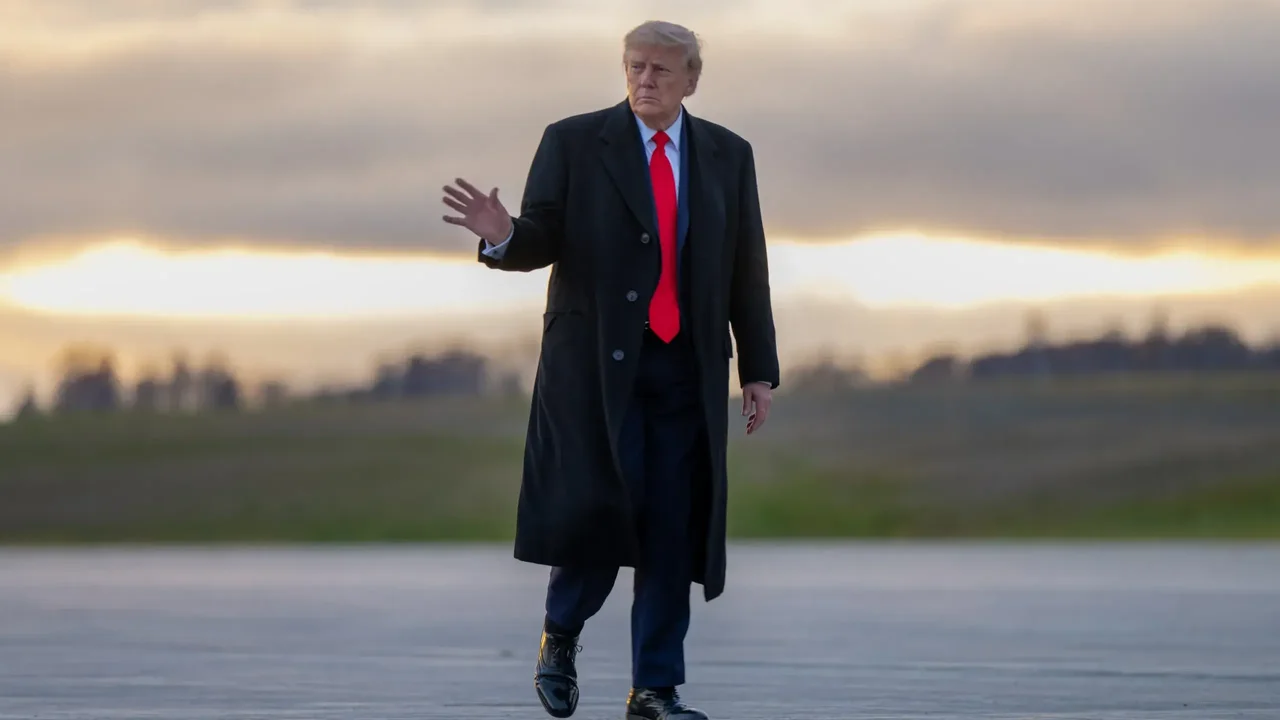
在意識形態上,桑切斯已成為特朗普第二任期內美國的主要批評者之一,他也明確反對美以入侵伊朗。今年3月,西班牙拒絕美國使用其軍事基地參與對伊朗的戰爭,西班牙是北約成員國之一,此舉激怒特朗普威脅要切斷美西貿易關係。
西班牙對華貿易逆差擴大至495億美元。桑切斯呼籲中方進一步開放市場,允許歐洲商品進口,以緩解持續惡化的貿易逆差。北京方面於2025年12月降低了對西班牙豬肉出口的關稅,但西班牙仍希望中方能夠更多讓步,以解決雙邊貿易失衡問題。
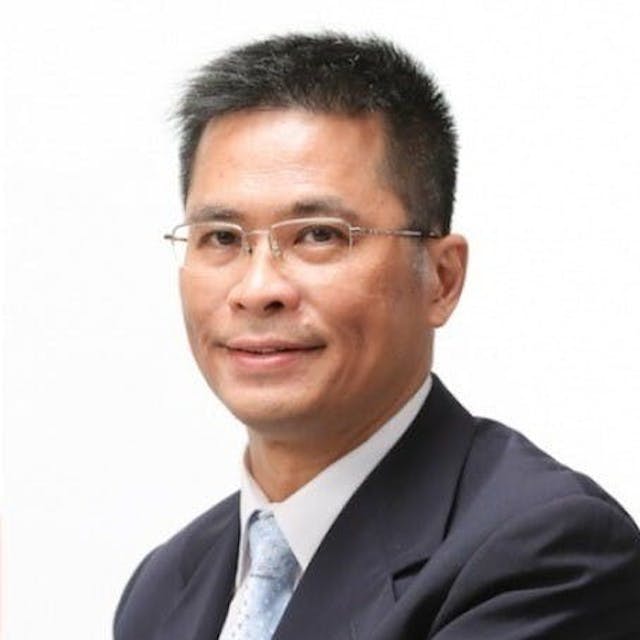
岑浩輝訪歐的第一站為葡萄牙。其行程包括與葡萄牙總統安東尼奧·塞古羅、議會議長阿吉亞爾-布蘭科、總理蒙特內格羅以及最高法院院長若昂·馬里亞諾等會晤。由於岑浩輝曾在葡萄牙接受法律與文化相關教育,並具備流利的葡萄牙語能力,這不僅有利於提升交流效率,也更容易促進在制度、法治與專業領域上的深入溝通。
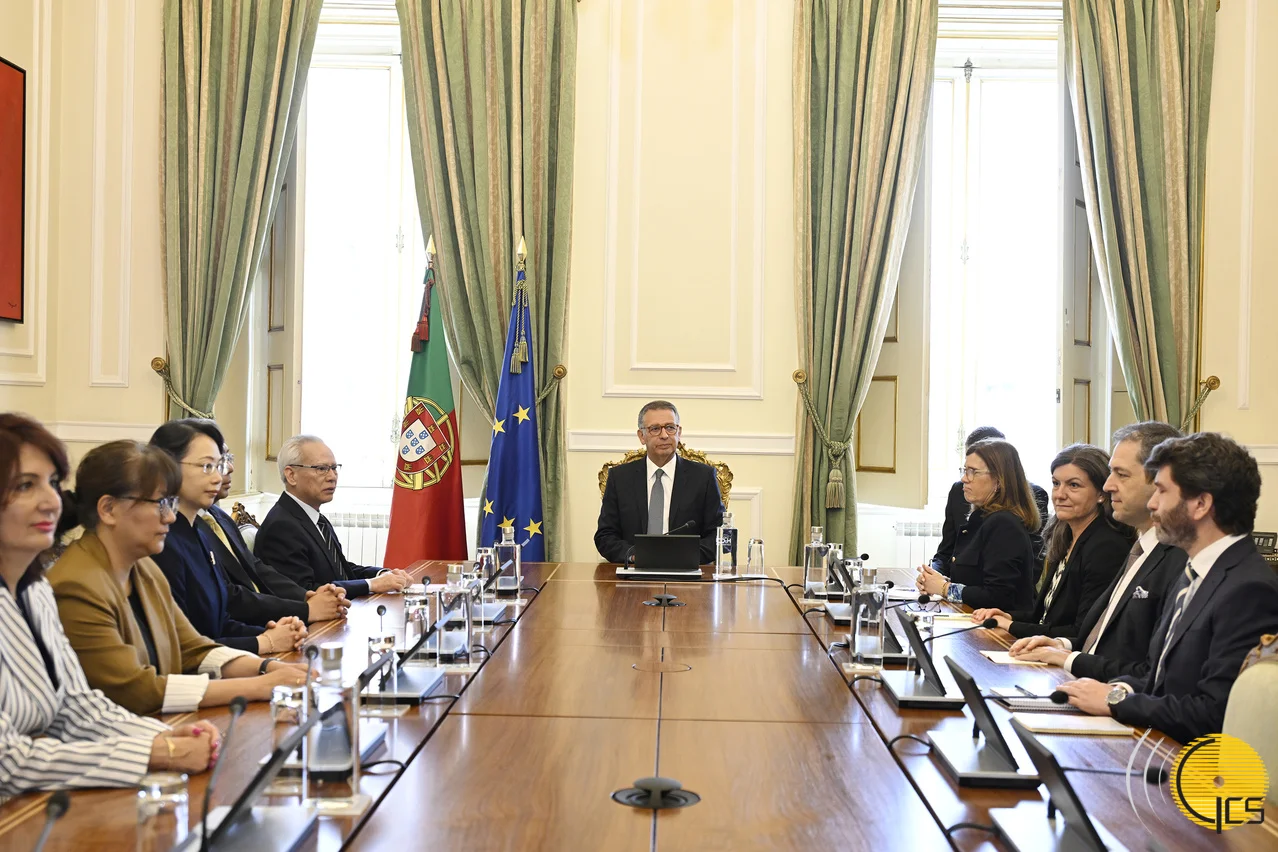
岑浩輝接受葡語教育 有助推動葡澳合作
與此相呼應的是,葡萄牙與澳門在過去已累積多項合作基礎。雙方簽署的合作文件涵蓋貿易、科技、旅遊、醫療、會展、教育與文化等範疇,為持續深化葡澳關係提供了制度化支撐。岑浩輝此行可視作在既有成果之上,進一步推動合作「從協議到落地、從交流到成果」的關鍵步驟。
在訪問西班牙期間,岑浩輝與歐盟合作相關人士會面,並就澳門角色作出明確闡述:澳門將繼續發揮作為精準超級聯繫人的作用,透過國際論壇與活動,促進中國與歐洲特別是葡語與西語世界的多層次交流。
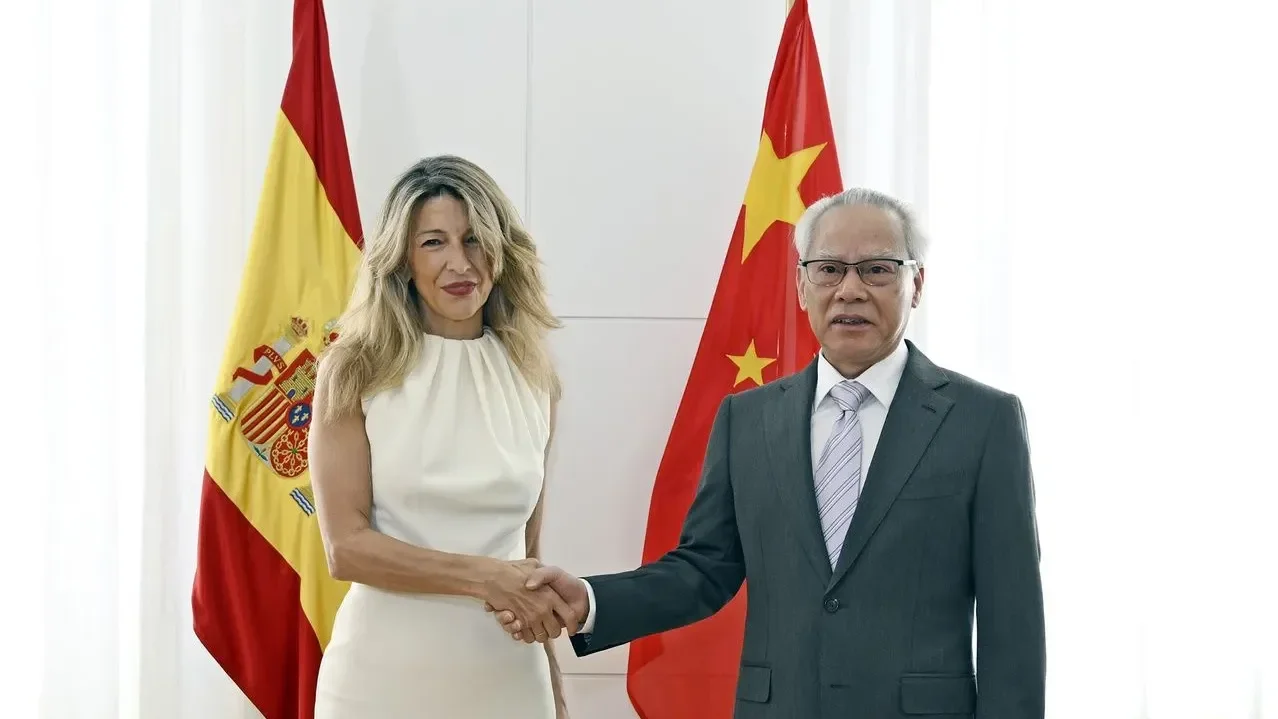
從政治與準外交意義上看,西班牙與西班牙語系國家可被視為澳門拓展合作網絡的重要方向。澳門可在法律體系、文化遺產與語言資源等方面尋找共同點,並將這些優勢轉化為可落地的合作方案,例如在教育、科學、技術、貿易、會展與旅遊等領域推進交流。岑浩輝亦會見西班牙第二副首相兼勞動及社會經濟大臣約蘭達·迪亞斯·佩雷斯,並邀請其未來訪問澳門。
岑浩輝訪歐的第三站是瑞士日內瓦,他會見了世界貿易組織總幹事伊維拉,這位尼日利亞經濟學家自2021年3月起領導該國際組織。他們的討論重點是澳門如何、以及將如何加強與世貿組織成員的貿易關係。

冀歐盟澳門委員會復會 期待更緊密合作
其後,岑浩輝在布魯塞爾歐盟總部會見了歐盟對外行動署負責政治事務的副秘書長奧洛夫·斯庫格。雙方就經貿夥伴關係、科技產業及新興科技產業發展等議題交換了意見。岑浩輝表示,澳門期待與歐盟在科技創新、綠色發展以及產學合作等領域更緊密的合作。他也明確表示,希望歐盟—澳門混合委員會能夠恢復自2019年以來未曾召開的會議。
岑浩輝向斯庫格介紹了澳門的最新發展,包括澳門科技產業園區的建設、政府設立的產業發展及計劃支援基金,以及國際綜合旅遊文化區的規劃。他歡迎歐洲商界人士、知識分子和藝術家參加國際綜合旅遊文化區的展覽活動。
斯庫格對澳門的發展給予了正面回應,他表示澳門與歐盟有着悠久的經濟、貿易和文化聯繫。事實上,歐盟駐港澳辦事處經常在澳門舉辦活動,因此,雙方可以在綠色科技、貿易、高等教育、文化旅遊和永續發展等領域更多合作。歐盟和澳門方面發表聲明,重申支持全球自由貿易和商品服務自由流動──這是雙方在貿易自由化問題上達成的重要共識。
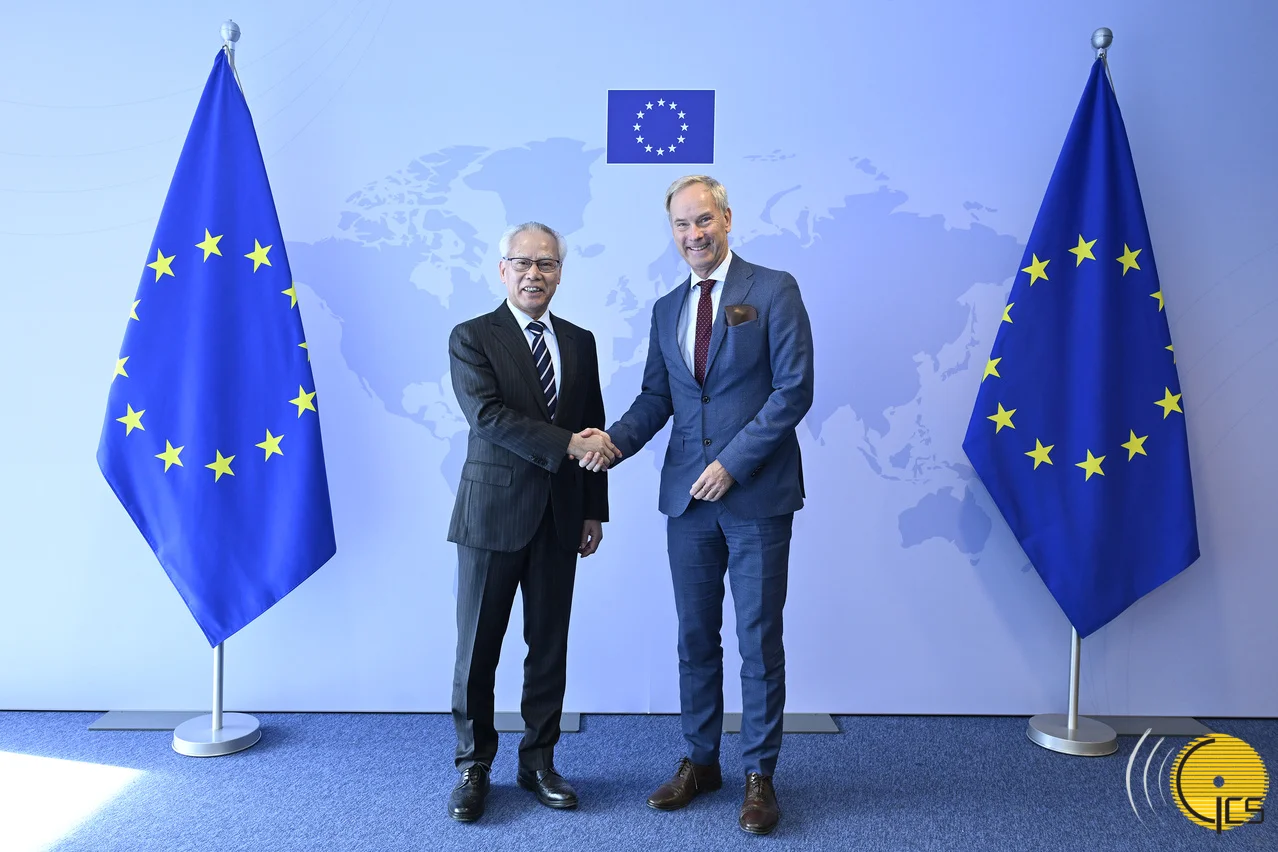
澳門首次成國家與葡西語系外交橋頭堡
由岑浩輝率領、並由澳門代表團訪問葡萄牙、西班牙、瑞士與比利時,對澳門特區具備政治、外交與經濟的綜合意義,讓澳門首次成為中國加強與葡語和西班牙語國家關係的重要外交橋頭堡。此行不僅有利於提升對外交流的能見度,也有助於促進商界參與與合作資源整合,從而把交流成果轉化為更可持續的合作項目。
同時,從中央─特區關係的角度看,此次訪歐亦顯示中央政府充分信任並授權澳門在國家一帶一路倡議中的角色:澳門作為精準連結者,可推動並拓展其對外關係網絡,並逐步強化在多邊合作中的橋接功能。換言之,澳門並非停留於單純參與交流,而是在相對制度化的框架內,體現北京對其的全面信任,行使獲授予對外關係賦能與及國家準外交功能。
這次拜訪世貿組織和歐盟核心領導人也具有重要的外交意義,因為澳門正積極發揮其對外作用,與國際組織領導人直接接觸和磋商,並推動在貿易、文化、旅遊、教育、科技、綠色發展等多個職能和實踐領域開展多邊合作和交流。
整體而言,岑浩輝訪問歐洲的過程,充分體現了澳門特區對外關係自主,亦為一國兩制在澳門成功實施的佐證。
最後,從中國外交政策的實施層面來看,澳門正逐步被提升為連接中國與葡語、以及西語國家的重要外交橋頭堡。這在國際環境不確定性上升的背景下,因美國外交政策劇烈變動為提倡保護主義、單邊貿易、採取戰艦外交等政策,葡、西兩國一直保持中立,西班牙更趨反覇權主義。澳門以經貿合作、多邊對話與和平特性,成為一個新的城市特使,為國家攫取更多歐洲朋友的支持,特別是葡萄牙、西班牙,以及其他葡西語系國家。
Sam Hou Fai’s Visit to Europe and Macau’s External Relations
Since the Macau Basic Law states that the central government can delegate the authority of conducting negotiations, practising diplomacy, participating in international organisations, and reaching agreements with foreign countries to the government of the Macau Special Administrative Region (MSAR), the visits of Macau Chief Executive Sam Hou Fai to Portugal, Spain, Switzerland and Belgium are economically and politically significant.
His visits are a testimony to the triumph in the operation of “one country, two systems” and the new para-diplomatic role of Macau in the implementation of China’s foreign policy.
Sam Hou Fai’s visits to Europe were timed strategically after two important Portuguese and Spanish leaders’ visits to China in 2025 and 2026. In September 2025, the Portuguese Prime Minister Luís Montenegro visited Beijing and met President Xi Jinping – an important visit marking the consolidation of Sino-Portuguese relations. President Xi hailed the significant achievements of Sino-Portuguese relations, including mutual respect and mutual benefits.
Xi called for Portugal to work with China to uphold the Sino-EU partnership, and to cooperate in the areas of innovation, green development, oceans and medical research (China Daily, September 10, 2025). He explicitly called for the need to leverage on Macau’s “unique role as a bridge” through the Forum for Economic and Trade Cooperation between China and Portuguese-speaking Countries so that both Beijing and Lisbon would achieve a win-win situation.
Strategic consolidation of Sino-European relations
According to President Xi, the turbulent world necessitates China and Portugal to enhance communication, foster mutual trust and deepen cooperation, because both countries attach great importance to multilateralism, the authority of the United Nations, the free trade system, and an equitable global governance system. The year 2025 was significant for Sino-Portuguese relations, especially as Portugal was the first Western European country that signed a Memorandum of Understanding with China on the Belt and Road Initiative.
Montenegro replied that the success of Macau from 1999 to 2022 stood as a vindication of the Portuguese government’s decision to return its administrative right to China. Moreover, Portugal would continue to adhere to the one-China policy, as Montenegro said, and it would “never forget the invaluable support China supported during the most challenging period of its economy” (China Daily, September 10, 2025).
He was referring to the 2010–2014 period during which Portugal encountered a serious debt crisis, and in which China invested tremendously in the Portuguese utility, energy, banking and insurance sectors. Chinese companies purchased Portuguese government’s bonds for the sake of providing the necessary liquidity and helping Portugal relieve its sovereign debt burden – an important move by China to cement its economic relations with Portugal.
Sharing with China’s support of multilateralism, Montenegro said that China is an irreplaceable partner for Europe and that Portugal would promote a healthy and stable development of EU–China relations. At a time when some European countries still see China as an economic threat, suspecting Beijing’s role in the Russo-Ukrainian war, the support of Portugal was an important diplomatic strategy of China.
Legislative exchanges and diplomatic milestones
Montenegro’s visit to China was followed by the visit of the Portuguese Parliament Speaker, José Pedro Aguiar-Branco, to Beijing in April 2026 when he met Zhao Leji, the Chairman of the Standing Committee of China’s National People’s Congress. Zhao said that both China and Portugal are comprehensive strategic partners, repeating the remarks of President Xi and emphasising the need for both countries to deepen cooperation in culture, science, technology, education, tourism and other fields (News of the Chinese Embassy in the US, April 8, 2026).
As with President Xi, Zhao Leji appealed to Portugal to use the Forum for Economic and Trade Cooperation between China and Portuguese-speaking Countries to expand trilateral collaboration with countries in Africa and Latin America. At the legislative level, both China and Portugal would share their experiences in legislative and oversight work, and in the legal construction for the sake of achieving ecological and environmental protection.
On April 14, Spanish Prime Minister Pedro Sánchez paid a visit to Beijing, discussing with President Xi Jinping in a landmark meeting that cemented the bonds of Spain and China. President Xi said that in spite of the turbulent international environment, the Sino-Spanish relations had been developing steadily with strategic resolve (China’s Ministry of Foreign Affairs, April 14, 2026).
He added that China would inject confidence and momentum into global economic growth while persisting in its “high standard opening up”. Both countries would, according to Xi, enhance exchanges in culture, education, scientific research, sports, trade, new energy, and smart economy. President Xi reaffirmed China’s commitment to upholding multilateralism, safeguarding the UN-centred international system, promoting an equal and orderly multipolar world, and maintaining an inclusive process of economic globalisation.
Ideological alignments in a turbulent world
Sánchez remarked that while Chinese investment in Spain had boosted the Spanish economic development, Spain firmly adheres to the one-China principle and is committed to deepening the Spanish-Chinese partnerships in various areas, ranging from trade to investment, from new energy to people-to-people exchanges. Ideologically, Sánchez shared Xi’s vision and mission of maintaining multilateralism, multipolarity and global peace. Sánchez explicitly opposed the emergence of a new Cold War – a stance in line with his strong reactions to the US–Israeli war against Iran. He regarded the US–Israeli war as “illegal” and shared the view of Xi that “the law of the jungle” should be resisted (South China Morning Post, April 14, 2026).
Ideologically, Sánchez has become a leading critic of the US under the second Donald Trump administration. In March, Spain, which is an ally of NATO, denied the US the usage of jointly operated military bases for the US–Israeli war against Iran – a move that prompted Trump to threaten to cut the US trade relations with Spain. In 2025, China was Spain’s largest trading partner outside the EU with bilateral trade exceeding US 55billion (South China Morning Post,April 14, 2026).
On the other hand, Spain’s trade deficit with China increased to US49.5 billion. Sánchez appealed to the Chinese side to open up its market further to European imports as a remedial action to address the current trade deficit. Beijing softened its tariffs on the Spanish pork exports in December 2025, but still the Spanish side hopes that China can make more concessions to address the bilateral trade imbalance.
Macau as a platform for cooperation
It was in the above context of the high-level visits of Portuguese and Spanish leaders that Macau Chief Executive Sam Hou Fai visited Europe. His first stop was in Portugal, where he met Portuguese President António José Seguro, Speaker of Parliament José Pedro Aguiar-Branco, Prime Minister Luís Montenegro and President of the Supreme Court of Justice João Cura Mariano (Macau Post, April 23, 2026).
The consensus was clear: Portugal and Macau would use Macau as a platform to enhance Sino-Portuguese relations. As Sam Hou Fai brought with him a delegation composed of not only local representatives but also mainland business executives, Macau–Portugal relations were enhanced through sixty-one agreements and protocols covering the areas of trade, technology, tourism, healthcare, exhibitions, education and culture. Hengqin was promoted to the Portuguese businesspeople.
The Portuguese side agreed that the “one country, two systems” in Macau was a successful story, highlighting the positive aspects of Portuguese legacies, including the legal system, the Macanese culture, and the preservation of Portuguese language. Overall, Sam Hou Fai was like a delegated ambassador representing the Chinese government, emphasising the successful operation of the “one country, two systems”, the tremendous business opportunities in Hengqin, and the necessity of enhancing Sino-Portuguese and Macau–Portuguese friendship through targeted collaboration.
Bridgehead and super-connector role
The Chief Executive’s visit to Spain was marked by his meeting with the EU minister of cooperation José Manuel Albares Bueno. During the meeting, Sam Hou Fai explicitly said that President Xi Jinping had to recreate Macau as a “bridgehead” for China to continue its opening-up process to the West (Jornal San Wa Ou, April 23, 2026).
As such, Macau will continue to organise international forums and activities with its special function as “an accurate super-connector (Jornal San Wa Ou, April 22, 2026)”. Educated in Portugal in his knowledge of law and culture, and fluent in speaking Portuguese, Chief Executive Sam Hou Fai’s visit to Portugal had special significance: he represented not only an elite produced through a collaborative Sino-Portuguese educative product, but his delegation also represented a mixture of Macau and mainland business executives with a mission of acquiring more Portuguese interest and investment in Hengqin in the coming years.
Sam Hou Fai’s three-day visit to Spain was also politically and para-diplomatically significant. Spain and the Spanish-speaking countries have become the target of closer cooperation in the eyes of Macau, which has been recreated by the central government in Beijing as a crucial “super-connector” linking China with both the Portuguese-speaking and Spanish-speaking countries.
Sam Hou Fai skilfully noted that Macau and Spain share similarities in their legal systems and cultural heritage – commonalities that serve as a foundation for further cooperation in education, science, technology, trade, exhibition and tourism (Macau Business, April 23, 2026). He met the Spanish Second Deputy Prime Minister and Minister for Labour and Social Economy, Yolanda Díaz Pérez, inviting her to visit Macau in the future.
Engagement with global trade and the WTO
Sam’s third stop was in Geneva, Switzerland where he met the World Trade Organization (WTO) Director-General Ngozi Okonjo-Iweala, a Nigerian economist who has led the international organisation since March 2021 (Macau Post, April 24, 2026). Their discussion focused on how Macau can and will enhance trade relations with WTO members.
The Macau delegation led by Sam supported the incorporation of the Investment Facilitation for Development Agreement into the WTO Framework, while the Chief Executive expressed his gratitude to the WTO for its support for Macau’s participation in multilateral trade activities. Sam told Okonjo-Iweala that Macau is developing itself into a talent hub with contributions to China’s wider opening-up process.
Okonjo-Iweala recognised Macau’s active role as a supporter of WTO, and she was delighted to see Macao’s voice in the 14th Ministerial Conference of the WTO. Furthermore, she hoped that Macau will support and assist more Portuguese-speaking countries to join the WTO – an important remark that points to Macau’s further para-diplomatic activities in the future.
On April 24, Sam met with Olof Skoog, the Deputy Secretary-General for Political Affairs of the European Union’s Europe External Action Service at EU headquarters in Brussels (Macau Post, April 25, 2026). They both exchanged views on topics such as economic and trade partnership and the development of high and new technological industries. Sam remarked that Macau looks forward to seeing closer collaboration with EU in scientific innovation, green development, and industry-research nexus. He explicitly expressed the hope of resuming the EU–Macau Joint Committee which has not met since 2019.
Promoting industrial and cultural zones in brussels
Sam introduced the latest development of Macau to Skoog, including the development of the Macau Technology Research Industrial Park, the establishment of a government fund to support industrial development and projects, and the International Integrated Tourism and Cultural Zone. He welcomes European businesspeople, intellectuals and artists to participate in the exhibitions of the International Integrated Tourism and Cultural Zone.
Skoog responded to Macau’s developments positively. He said that Macau and EU shared a long history of economic, trade and cultural ties. In fact, the Office of the EU to Hong Kong and Macau often organises events in the MSAR, and as such, both sides can and will cooperate more in the areas of green technology, trade, higher education, culture and tourism, and sustainable development. Both the EU and Macau side issued a statement affirming the support for global free trade and the free flow of goods and services – an important consensus on global liberalisation in trade.
The Macau delegation led by Chief Executive Sam Hou Fai to Portugal, Spain, Switzerland and Belgium has significant political, diplomatic and economic implications for the MSAR. For the first time in the history of the MSAR, Macau Chief Executive had led a delegation composed of not only Macau representatives but also mainland business executives to visit the four main countries in Europe. Educated in both China and Portugal, Sam Hou Fai’s visit to Portugal in the capacity of being the Macau Chief Executive was a testimony to the success of both countries in producing the top governing elite of Macau.
Macau’s evolving role as a diplomatic bridgehead
Furthermore, Macau has become for the first time a significant diplomatic bridgehead for China to enhance Beijing’s and Macau’s relations with Portuguese-speaking and Spanish-speaking countries. From the perspective of studying central–local relations, Beijing as the central government has fully trusted, empowered and authorised the local government of Macau to play a crucial super-connector role in China’s Belt and Road Initiative, expanding Macau’s external relations and augmenting its special role as a small ambassador with para-diplomatic functions.
The visits to the core leaders of the WTO and EU are also diplomatically significant as Macau is playing its external role with direct contacts and discussions with the leaders of international organisations, carrying on its multilateral collaborations in various functional and practical areas, such as trade, culture, tourism, higher education, science and technology, and green development. The development of the In-Depth Cooperation Zone in Hengqin has been promoted to more Europeans, hoping to attract their attention and later their investment.
While Macau’s relations with Portugal have entered a new stage in which Portugal and Macau can and will foster a closer partnership with a win-win situation, a para-diplomatic breakthrough has been reached with Spain, whose interest in Macau will stimulate bilateral and multilateral tourism, trade and cultural and educational exchanges.
In short, Macau’s external autonomy has been exercised fully during Sam Hou Fai’s visit to Europe – a testimony to the success of “one country, two systems” especially when the central government fully trusts and empowers the local government to conduct its external relations with para-diplomatic functions.
Finally, from the perspective of implementing Chinese foreign policy, Macau has been elevated to a new role of a Sino-Portuguese and Sino-Spanish bridgehead. In a turbulent world where the US has drastically changed its foreign policy of supporting trade liberalisation to advocating protectionism, of backing up multilateralism to championing unilateralism, of upholding world peace to adopting gunboat diplomacy, Portugal has remained neutral while Spain has become more anti-hegemonic than before.
Under these circumstances, as China’s foreign policy is consistently characterised by trade liberalisation, multilateralism, and world peace, Macau has become a new city ambassador for Beijing to win the hearts and minds of more friends in Europe, especially Portugal and Spain and the countries in the Portuguese-speaking and Spanish-speaking world.
原刊於澳門新聞通訊社(MNA)網站,本社獲作者授權轉載。(原文按此)