

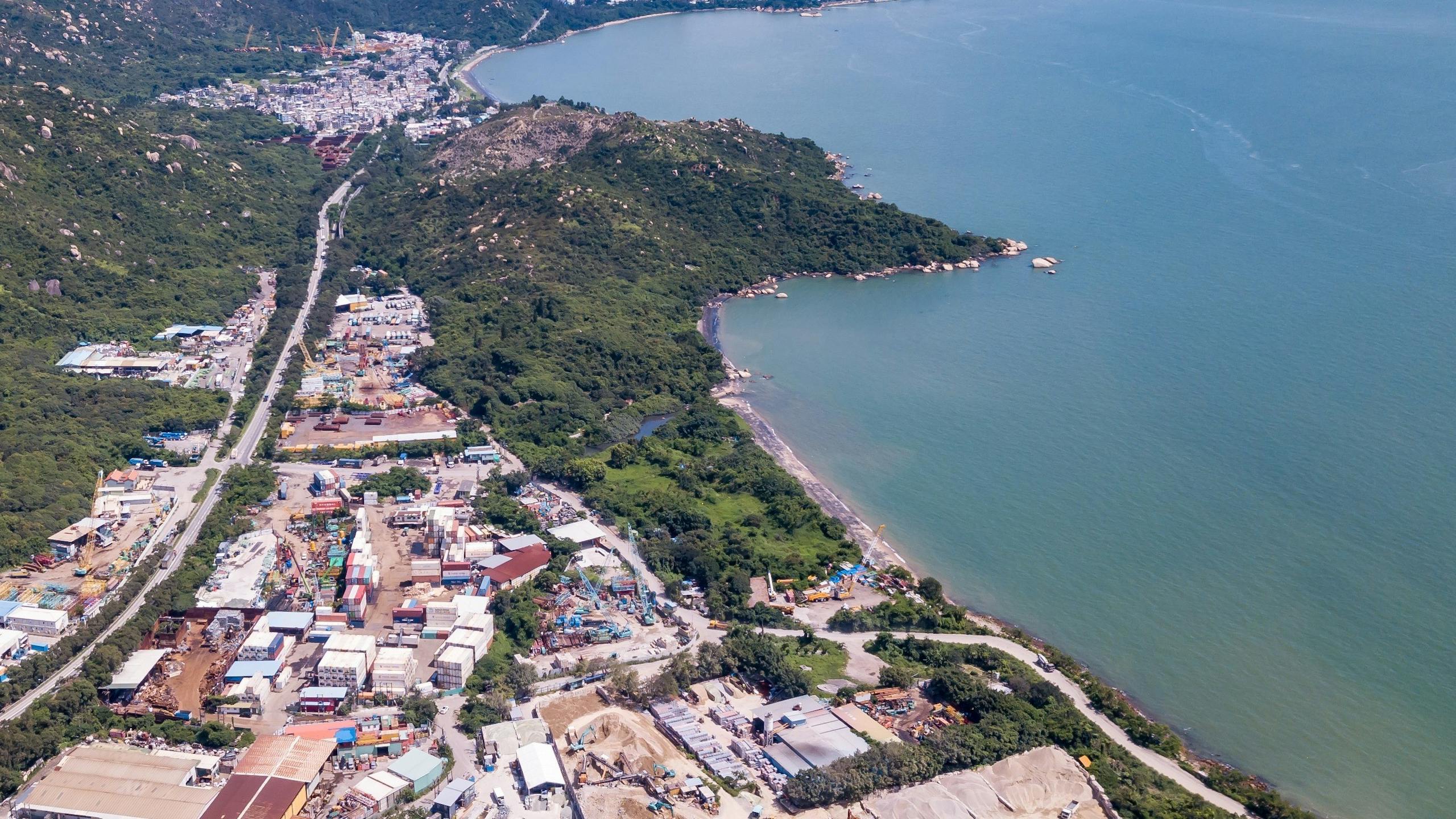


發展局日前公布在龍鼓灘填海造地145公頃,主要興建先進建造業園區和「智綠產業港」。
博匯智庫一直關注大灣區貨櫃碼頭的發展情況和龍鼓灘的發展潛質。在去年的一份內部研究報告中,我們指出龍鼓灘最適合設置一個深港融合的新一代智慧貨櫃碼頭和現代智能物流園區。
首先,檢視深圳港(包括蛇口港和鹽田港)和香港葵涌貨櫃碼頭近年的發展情況。
2000年香港曾以1810萬標箱的年集裝箱吞吐量登上全球第一大貨櫃港口寶座,並在2008年達到2449萬標箱的歷史頂峰。但其後,葵青貨櫃碼頭的吞吐量在2011年至2020年的10年間,有9年是同比下跌的。相對地,深圳港和廣州港的吞吐量則有較快速的增長勢頭。於2023年,香港貨櫃吞吐量排名跌出全球十大,萎縮至1447萬標箱,遠遠落後於排名第5的深圳港(3000萬標箱)和第6的廣州港(2500萬標箱)。

(中國政府網)
省政府大力支持 深圳港積極有為
究其原因,近年隨着地緣政治及全球供應鏈格局的變化,香港航運物流業受到挑戰。近年,廣深兩地港口布局愈趨完善,部分貨物已不用經香港處理,令香港海運及河運貨物吞吐量與整體載貨櫃處理量,按年拾級而下。
此外,「新三樣」(即電動載人汽車、鋰電池和太陽能電池)出口亞洲和歐美市場勢頭強勁,深圳港集裝箱吞吐量快速增長。更甚者,深圳港抓緊全球經貿復甦機遇,加強了與一帶一路沿線國家和地區交流合作,持續積極推動拓展國際中轉集併、整船換裝業務,加密全球航線布局,同步提升港口作業效率、通關效率,保障海運出口渠道高效暢通。目前,深圳港集裝箱班輪航線達265條。與此同時,深圳跨境電商進出口值屢創新高,深圳「點到點」跨境電商海運快線和其他常態化運營線路達到了30條之多。
為了更便捷地幫助大灣區和內陸企業出口,深圳港通過「內陸港+組合港」模式,更獲得大量貨物前來出口國外。深圳港還積極持續加強內陸港建設布局,通過「海鐵聯運」方式將內陸港貨源運至深圳港出口。目前,深圳港已累積掛牌運營19個內陸港,開通海鐵聯運線路33條,服務覆蓋大灣區、西南及華中地區。
在政府大力支持和協調下,廣東省積極推動運營「大灣區組合港」模式,深圳港和大灣區內地支線港海關之間實行信息互補,外貿集裝箱可在企業當地辦理報關、交還箱和通過查驗手續,實行港口之間的一體化運作。目前,深圳港累計開通43條組合港航線,覆蓋廣東省內佛山、中山等11個城市。

港深深度融合雙城通加強協同
本來憑藉着一國兩制的獨特優勢、司法制度、資本自由流動及卓越的金融服務、保險服務、海運租賃服務、國際認可海事仲裁機制,香港繼續發展高附加值的航運服務自有其優勢。
香港貨櫃碼頭,如果能夠以「綠色通道」(包括專列鐵路和道路),與蛇口港連接起來,便可大大增加其與大灣區港口的協同效應,以策略性合作實現更大的整體效益,增強大灣區港口群的整體國際競爭力。
無奈,目前的葵青貨櫃碼頭,離蛇口港有一段距離,如果能夠在龍鼓灘重置香港貨櫃碼頭,便可達致上述效果。事實上,葵青碼頭設施老化,且未能跟得上世界最先進的智慧營運管理模式,亦是時候要更新換代了。
葵青貨櫃碼頭共設9個碼頭,有23個貨櫃作業泊位,佔地合共279公頃,而圍繞碼頭只有100公頃土地用於港口後勤用途。目前的運營模式是靠貨櫃車從葵青碼頭拉貨至文錦渡口岸、皇崗口岸、深圳灣口岸和沙頭角口岸,過境至深圳及中國大陸其他地區,路途遙遠,且對新界道路系統造成額外交通負荷和路面耗損。龍鼓灘到蛇口的綠色通道將大大改善此情況。

(作者提供)
龍鼓灘重置碼頭 深港通有利整合
筆者建議,在龍鼓灘和周邊海域填海造地450公頃作貨櫃碼頭、智能倉儲、物流園和其他後勤設施之用,規模遠比目前葵青碼頭的279公頃為大。只需在目前航道和新碼頭灣區港池部分稍作疏浚挖深至17米,便可符合大型遠洋貨櫃輪的航行和停泊要求。
在關稅戰的陰霾下,香港作為自由港,自當長期擔起從歐美國家零關稅進口貨物,然後再轉口至中國大陸的重任。
長期以來,香港以低稅率及簡單稅制、清關方便、船舶融資、保險服務等條件,成為國際海運中轉樞紐及全球四大船舶註冊地,有其不易被替代的優勢。深港港口融合聯動發展和運營,將鞏固香港國際航運中心的地位。
筆者進一步建議在新界北合適地段建現代化智能物流中心,處理從鹽田港和粵東地區的貨物集散。
重置後的原葵青碼頭地域將可提供逾300公頃土地,有利於香港土地重組的戰略布局。運用筆者多次倡議的「以殘舊樓宇業權置換新開發區樓宇發展權」的機制(見《市區重建3.0》文章,2024年4月16日),提供調遷和重置空間,支持舊區重建工作,盤活市區貴重地皮。
以上在龍鼓灘重置香港貨櫃碼頭的倡議,還望特區政府認真考慮。起碼在航運業各主要持份者未有共識之前,寧願將此地區作「規劃留白」,避免日後時機成熟要重置葵青碼頭時,卻已失去機會,到時後悔莫及。
How Hong Kong can re-emerge as a leader in maritime trade
As the city moves to reclaim land for modern industries, it should also reclaim its leading role in container shipping and logistics.
The Development Bureau’s recent proposal to reclaim 301 hectares – including 145 hectares near Lung Kwu Tan and 45 hectares in Tuen Mun West for an “advanced construction industry park” and a “smart and green industrial port” – carries futuristic appeal. But it risks overlooking a strategic opportunity that could help Hong Kong regain its footing as a global maritime hub: repositioning the area as the home of the city’s next-generation container terminal and logistics network.
Hong Kong once led the world in container shipping. In 2008, the city’s throughput was nearly 24.5 million 20-foot equivalent units (TEU), making it the third busiest port on the planet that year. Fast forward to 2023 and throughput had shrunk to 14.4 million TEU. Hong Kong slipped from the world’s top 10 for the first time. In contrast, Shenzhen Port’s container throughput exceeded 30 million TEU in recent years.
These aren’t just numbers. They reflect regional momentum and Hong Kong’s waning relevance in global supply chains.
Several factors have driven this divergence. Shenzhen, supported by the Guangdong provincial government, has invested heavily in inland ports and smart logistics. More than 260 container liner routes pass through the city, which has 19 inland ports, exemplifying a dynamic web of connectivity. Shenzhen now also operates 30 cross-border e-commerce express shipping routes, reflecting the changing nature of global trade.
By comparison, Hong Kong’s infrastructure has lagged. Take the Kwai Tsing Container Terminals, for example. The port comprises nine terminals and 24 berths over 279 hectares. It now struggles with ageing facilities and limited expansion space. Meanwhile, goods are shuttled across congested New Territories roads to border checkpoints like Man Kam To, Sha Tau Kok and Shenzhen Bay – an inefficient model that strains both road capacity and environmental sustainability.
However, if the government reclaims space near Lung Kwu Tan and its surrounding waters, Hong Kong could build a new port ecosystem from scratch – including deepwater container berths dredged to 17 metres, smart warehousing clusters and artificial intelligence-powered logistics parks that match international best practices.
The project could connect directly to Shekou Port through a purpose-built “green channel” – comprising dedicated rail and road systems that eliminate the need for container trucks to wind through urban districts. It’s not just about infrastructure. It’s about synergy.
As a free port with an internationally respected legal system, substantial credibility in maritime arbitration and world-class financial and insurance services, Hong Kong can complement Shenzhen’s operational capacity. The “one country, two systems” framework positions the city as a bridge – not a bottleneck – for high-value maritime services and re-export potential.
Strategic cooperation between ports in Shenzhen and Hong Kong could create a truly global port cluster – mirroring successful models like the Johor-Singapore Special Economic Zone – where shared infrastructure amplifies economic scale. But for that to happen, Hong Kong must be bold enough to reconfigure its outdated port layout.
Relocating the Kwai Tsing Container Terminals isn’t just about logistics. It opens the doors to transformative urban opportunities. The site of the terminals could be repurposed for housing or innovation districts. Displaced stakeholders could trade ownership of ageing buildings for development rights in new zones – allowing redevelopment and relocation to work hand in hand.
Moreover, if Hong Kong is serious about integrating with other jurisdictions in the Greater Bay Area development zone, it must rethink how it does logistics. A satellite logistics centre in the New Territories linked to Yantian Port could decentralise cargo flows, relieve pressure on southern routes and enhance regional trade efficiency.
Another opportunity lies in the plans to set up a green industrial hub in Lung Kwu Tan and Tuen Mun West. Green development need not be mutually exclusive with port relocation. A smart, sustainable container terminal – powered by clean energy, operated with autonomous vehicles and built with circular construction principles – could achieve both environmental and economic objectives.
What’s of most concern is the speed at which the government seems to be moving forward without fully engaging the maritime sector or key stakeholders. If executed with foresight and coordination, port relocation could bolster long-term economic resilience, regional integration and land-use optimisation much better than a construction park could.
Before committing to a plan that may only serve narrow industrial interests, the government should consider making Lung Kwu Tan a reserve area for high-impact infrastructure. The global container shipping industry is undergoing rapid change. Flexibility will be Hong Kong’s most valuable asset.
This is about vision and reclaiming Hong Kong’s identity as a maritime innovator, instead of a passive observer of regional shifts. It’s about building ports that reflect the city’s historical prominence – and its potential to lead again.
Let’s not trade ambition for short-term industrial convenience. Let’s give Lung Kwu Tan the future it deserves.
中文版為本社獨家發布;英文版原刊於《南華早報》,作者授權本社轉載。