





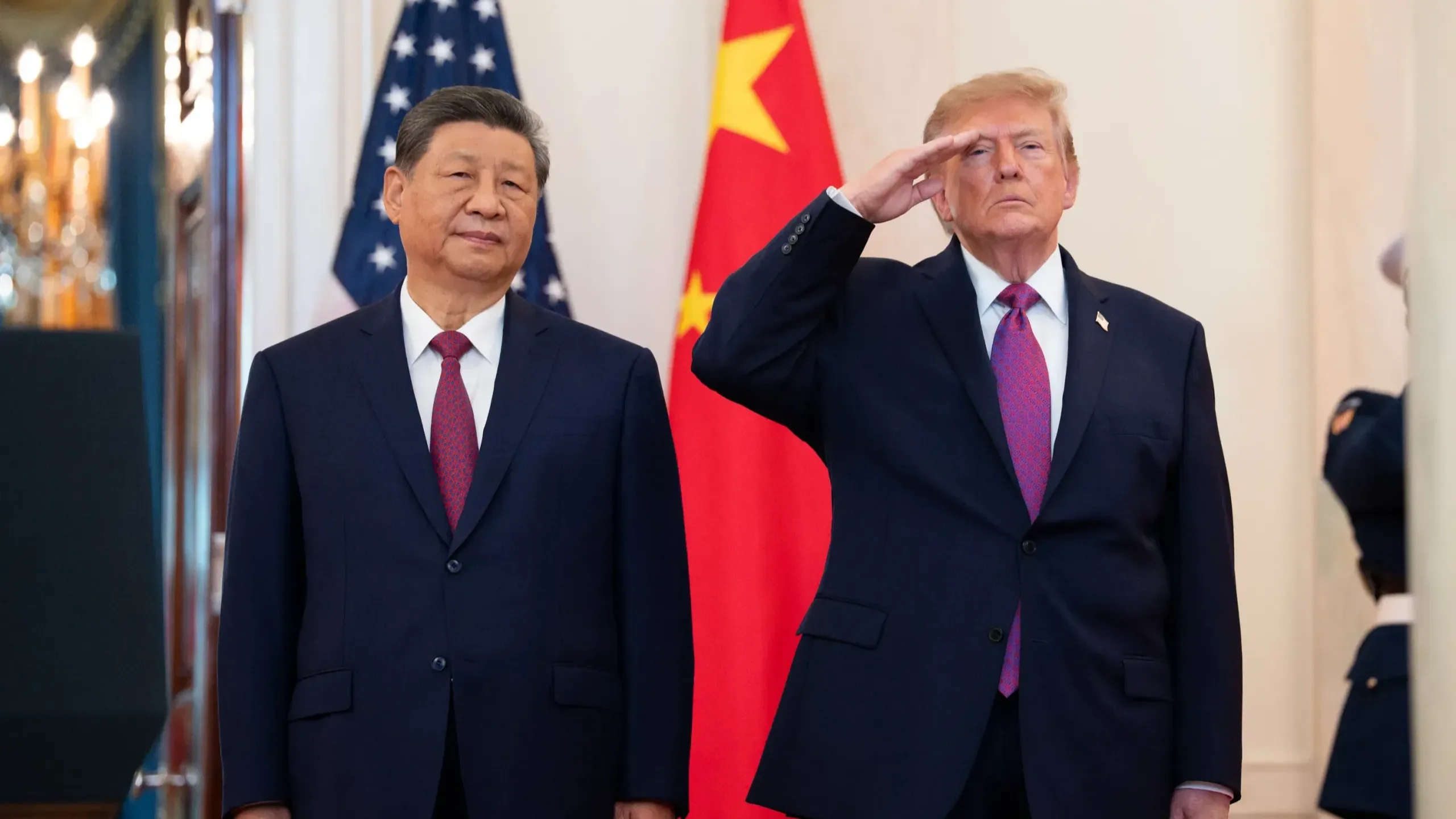


今年9月,中美兩國領導人於華盛頓舉行峰會。整場會晤最耐人尋味之處,往往不在於攤開討論的貿易、關稅與科技競爭,而在於那些刻意留白、未被搬上枱面的議題。儘管台灣問題並未缺席,雙方卻選擇以低調且求同存異的方式處理,顯然未將其列入本次峰會的最高層級議程,而這正是雙方默契的延續。
不少時事評論人士依然將台灣海峽描繪成全球最危險的衝突引爆點,但此次峰會的議程安排卻給出了不一樣的信號。當然,這並不意味着台灣問題已然淡出。作為中國「核心利益中的核心」,台海緊張局勢始終是中美關係不可或缺的核心組成,正因其高度敏感,華盛頓與北京反倒更有着維持局勢穩定的強烈動機。
多年來,西方世界始終緊盯着2027這個年份。研究中國的觀察家、軍事規劃者與評論員賦予了這一年濃厚的象徵色彩,認定北京將在該年對台動武。
2027倒計時敘事 牽動大國博弈
這套2027年敘事擾亂了全球對局勢輕重緩急的判斷,還引發不必要的恐慌。這類倒計時敘事會影響各國國防預算規劃與威懾戰略布局,因此,一旦誤判時間線,會給中美關係所有相關方帶來嚴重後果。
現實情況與這類預測之間存在巨大落差,這說明諸多觀察人士高估了戰爭爆發的可能性。
我成長於福建──一個與台灣隔海相望的中國省份。在我年少時,軍事對峙的陰影無孔不入地滲透在日常生活中。那時候,戰爭與其說是一種潛在的可能,不如說是人們心中一種早已篤定的預期。
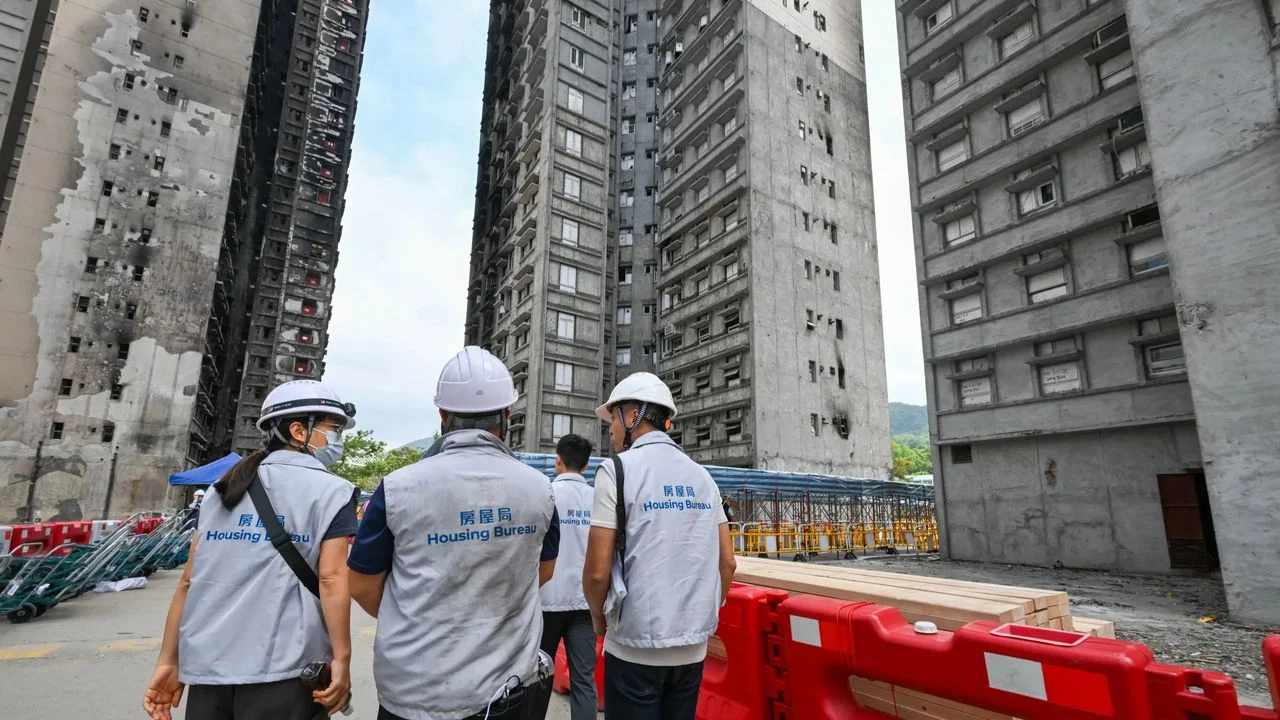
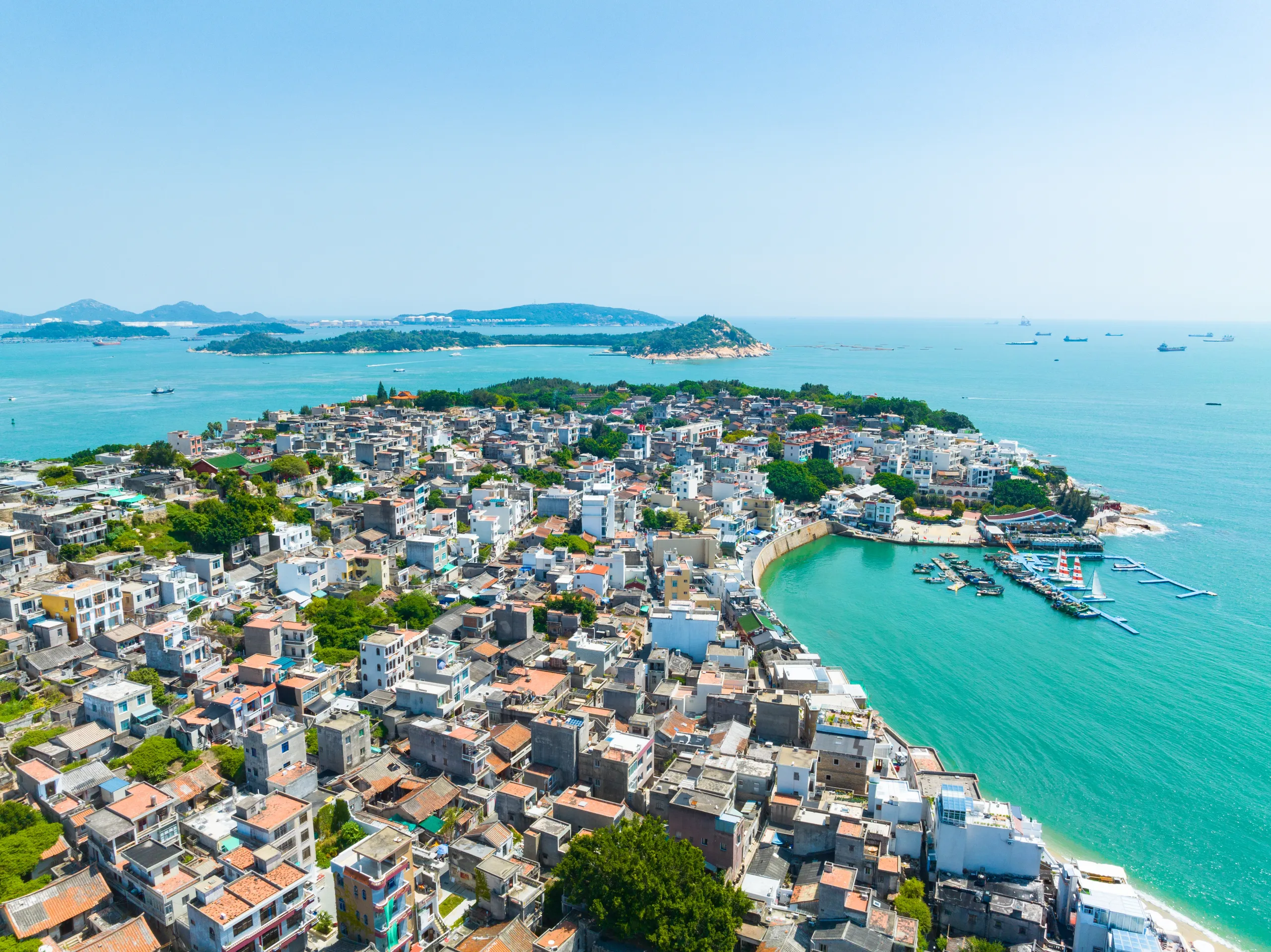
然而,如今福建沿海早已是另一番光景。該省正大力推進民用基建設施,距離台方管轄的金門僅3公里的廈門翔安國際機場正在擴建,多條全新高鐵線路沿着現有沿海鐵路布局鋪開。
各類產業園、物流樞紐與科創產業集群遍地開花。建設資金雖以政府投入為主,但民間資本也在源源不斷湧入。
這片曾經的海防前線,如今藉各類建設蛻變為中國經濟最繁榮的地區之一。福建目前GDP總量位列全國省份前八,人均GDP更是位居全國第四。大規模的長期投資,跟台海衝突已迫在眉睫的說法很難兼容。
臨戰之國 優先軍事動員與戰略加固
蓬勃發展並不代表衝突完全沒有發生的可能,但它反映出北京規劃考量的時間維度。一個準備即刻開戰的國家,會優先推進軍事動員與戰略防禦軍事建設;反觀福建的發展定位是服務兩岸經濟融合、科技創新與兩岸聯通的長期經濟增長引擎。
這也是我長期以來對廣為流傳的2027年軍事行動設想持懷疑態度的原因。北京持續推進國防軍事現代化,並且保留使用武力這一選項,但福建大地的現實建設面貌,體現出的是一份偏向耐心、而非急於求成的戰略布局。
北京下的是一盤需要耐心的國際象棋,而非只求短平快的跳棋。即使面對經濟增速放緩、國內勞動力市場承壓的現狀,中國依舊持續出台補貼與激勵政策,鼓勵福建當地企業吸納台灣青年赴閩就業。
這套戰略將經濟利誘與灰色地帶施壓相結合。只要台北方面不觸碰「正式宣布台獨」這條終極紅線,北京對自身這套長期融合戰略抱有信心。這並非小眾觀點:眾多地緣政治分析師、經濟學家與學者都認為,衝突將帶來極其高昂的政治與經濟代價,因此北京不會輕易動武。
易爆危險 倒逼一齊維穩
特朗普的第二個任期,改變了美國處理台灣議題的戰術思路。對於講求交易思維的本屆白宮而言,拖延已久的140億美元對台軍售方案,更多被當作換取更有利交易的談判籌碼,而非意識形態層面的衝突觸發引線。
觀察美中台三角關係的一個歷史參照,就是台灣地區領導人過境美國時所受到的待遇。美台政治互動升溫的階段,往往會伴隨規格更高、政治意味更強的過境安排。與之相對,近期美方出台的各類限制、延遲安排,則體現出美國更注重管控對華關係,極力避免局勢無端升級。
舉例而言,據報2025年夏季,特朗普政府拒絕批准台灣地區領導人賴清德高調過境紐約以及達拉斯的安排,直接導致台北方面取消此行,儘管台北方面否認取消行程與此有關。
當然,這不代表美台安全合作已經瓦解。就像我的台灣友人喝咖啡時跟我調侃的那樣,只要多在台北五星級酒店大堂待一陣,總能碰到美國國防承包商,他們在處理軍售所衍生的各類後勤與行政工作。
但這些低調的籌備,折射出一個戰略悖論:華盛頓和北京,一方面都在為衝突做準備,另一方面又都在主動避免衝突發生。台灣依舊是雙邊關係中最易爆的議題,而恰恰是這份危險性,倒逼雙方產生維持局勢穩定的共同訴求。
矽鏈綁定效應 讓中美不易輕舉妄動
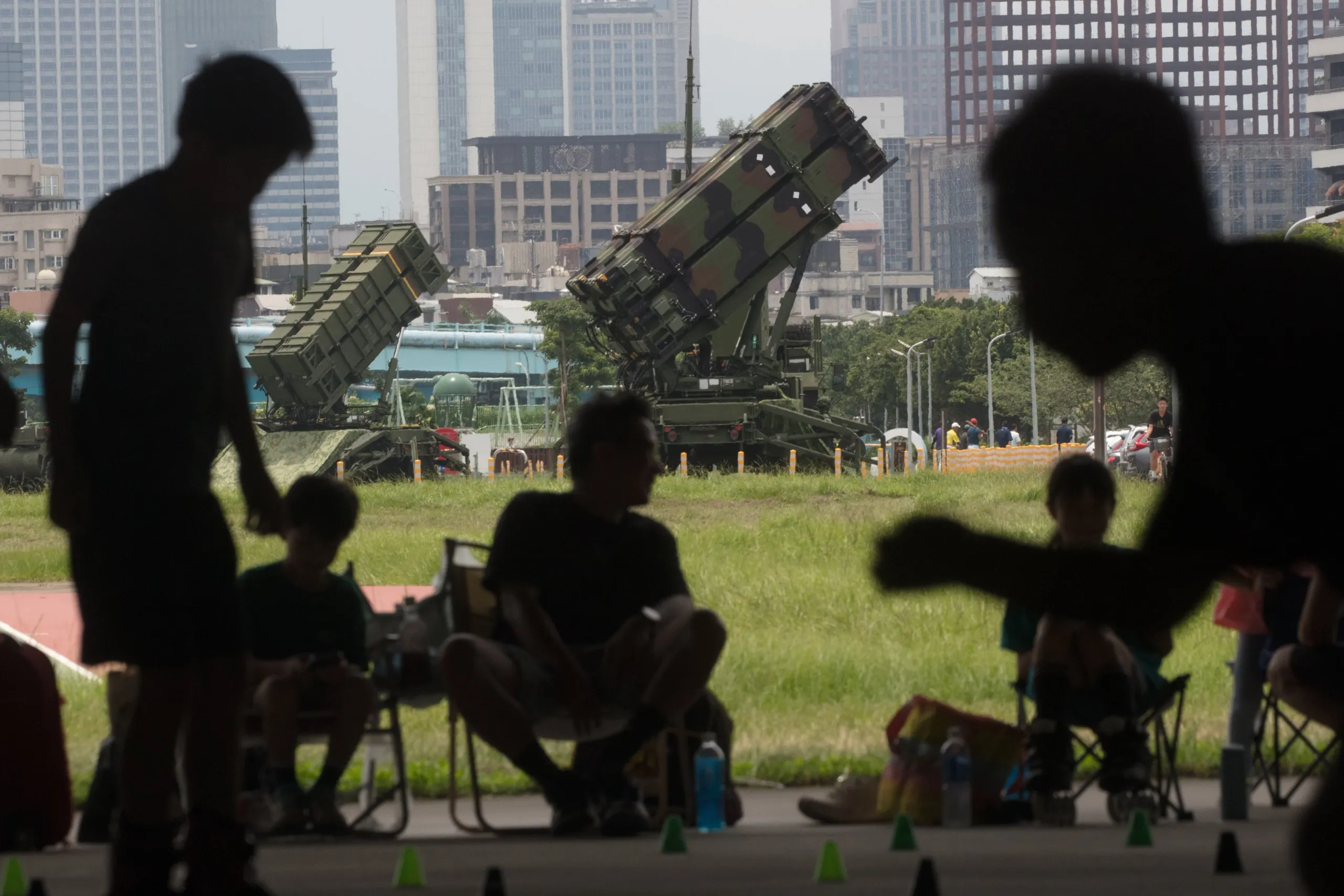
台灣在全球半導體產業鏈當中佔據的關鍵地位,同樣讓這套戰爭倒計時說法站不住腳。傳統觀點認為,半導體產業的主導權會成為局勢動盪的誘因。但我們應當重視相反的邏輯:一旦台灣半導體產業遭到破壞,會帶來巨大的經濟與技術損失,這會約束華盛頓與北京兩方,促使雙方保持克制。
這或許可以稱為「矽鏈相互確保摧毀機制」。儘管這個比喻未必完美,但其內在邏輯卻異常清晰。一旦以台灣為核心的半導體產業鏈遭到毀滅性破壞,沒有任何一方能獨善其身,中美雙方各自的經濟與科技發展前景,都將遭難以承受的重創。
持懷疑態度的人會反駁,以上種種並不會改變北京的終極目標。這點他們說得沒錯。中國領導人從未放棄國家統一的目標,任何人也都不應完全排除動用武力的可能性。經濟融合、半導體產業的相互依存、外交斡旋,同樣也無法徹底消除誤判的風險。
即使如此,能夠佐證衝突迫在眉睫的證據,遠沒有各類預測所渲染的那麼充分。隨着2027年逐步臨近,台灣海峽局勢依然複雜緊張,但充斥在大量公開評論當中的戰爭倒計時,終究只是一種幻象。
The Taiwan Strait is not on the verge of war: The ‘2027 invasion’ countdown is a mirage
The most striking feature of the September summit between Chinese President Xi Jinping and U.S. President Donald Trump in Washington was not what was discussed—trade, tariffs, technological competition—but what was not. Taiwan was not absent entirely—both sides touched on it in the low-key “agree to disagree” framing register that has come to define the issue—but it was conspicuously absent from the top tier of the agenda.
Pundits continue to portray the Taiwan Strait as the world’s most dangerous flashpoint; the summit’s agenda suggested otherwise.
That does not mean the Taiwan issue has disappeared. Taiwan remains the “core of core interests” for Beijing, and tensions across the Strait remain a central feature of U.S.-China relations. Precisely because the issue is so sensitive, both Washington and Beijing have strong incentives to preserve stability.
For years, the Western world has been counting down to 2027. The year has acquired a talismanic significance for China watchers, military planners, and commentators who see it as the moment Beijing could move against Taiwan.
The “2027” narrative distorts global priorities and triggers unnecessary panic. Countdowns shape budgets and deterrence postures—which is why getting the timeline wrong has serious consequences, for all parties in the relationship.
The gap between those predictions and the reality on the ground suggests many observers have overstated the likelihood of war.
I grew up in Fujian, the Chinese province directly across the Strait from Taiwan, when the shadow of military confrontation shaped daily life. Back then, war felt less like a possibility than an expectation.
The Fujian coastline today tells a very different story. The province is in the middle of a civilian infrastructure boom: Xiamen Xiang’an International Airport—located just three kilometers from Taiwan-controlled Kinmen—is expanding. New high-speed rail corridors are running parallel to the existing coastal lines.
Industrial parks, logistics hubs, and technology clusters are springing up. Most of the money is government-led, but private capital is piling in alongside it.
The construction is transforming what was once a coastal defense zone into one of China’s most prosperous regions. Fujian now ranks among the top eight provinces in total GDP and fourth nationwide in per-capita GDP. Such long-term investment is difficult to reconcile with the notion of an imminent military confrontation.
The boom does not prove that conflict is impossible, but it does reveal the assumptions guiding Beijing’s planning horizon. States preparing for an imminent war prioritize military mobilization and strategic hardening; Fujian, by contrast, is being developed as a long-term engine of economic integration, innovation, and cross-Strait connectivity.
That is why I have long been skeptical of the much-discussed “2027 invasion scenario.” Beijing continues to modernize its military and to preserve the option of force. But the physical landscape of Fujian reflects a strategy calibrated for patience rather than urgency.
Beijing is playing a patient game of chess, not checkers. Despite a slowing economy and domestic labor-market pressures, China continues to subsidize and incentivize companies in Fujian to recruit young Taiwanese to work in the province.
The strategy pairs economic carrots with gray-zone pressure. If Taipei refrains from crossing the ultimate red line of declaring formal independence, Beijing appears confident in its long-term strategy of integration. That is not a fringe view: Many geopolitical analysts, economists, and scholars agree that Beijing will refrain from using force due to the immense political and economic costs of conflict.
Trump’s second term has changed the tactical management of Taiwan. For this transaction-minded White House, the long-delayed $14 billion arms package to Taipei is treated less as an ideological tripwire than as a bargaining chip for a “better deal.”
One historical barometer of the Washington-Beijing-Taipei triangle is how Taiwanese leaders are treated when transiting through the U.S. Periods of closer U.S.-Taiwan political engagement have often been accompanied by more visible and politically significant transit arrangements. By contrast, recent restrictions or delays suggest a greater emphasis on managing relations with Beijing and avoiding unnecessary escalation. For example, in the summer of 2025, the Trump administration reportedly declined to greenlight a high-profile transit stop in New York—and a second in Dallas—for Taiwan’s President Lai Ching-te, prompting Taipei to call off the trip, even though Taipei denies that was the reason for the cancellation.
None of this means the U.S.-Taiwan security relationship has collapsed. As Taiwanese friends joke to me over coffee, spend enough time in the lobbies of Taipei’s five-star hotels and you will cross paths with American defense contractors, executing the logistical and bureaucratic work tied to ongoing arms sales.
Yet these quiet preparations reveal a strategic paradox: Washington and Beijing are both preparing for a conflict that they are actively trying to avoid. Taiwan remains the most explosive issue in the relationship—and its very danger is what creates the mutual incentive to keep it stable.
Taiwan’s central role in the global semiconductor ecosystem is another reason to doubt the countdown. Conventional analysis treats chip dominance as a source of instability.
Yet we should take opposite argument seriously: That the economic and technological costs of disrupting Taiwan’s chip industry create powerful reasons for restraint for both Washington and Beijing.
Call it “Silicon Mutual Assured Destruction.” The term is imperfect, but the logic is straightforward: neither side can easily disable the semiconductor ecosystem centered on Taiwan without inflicting severe damage on its own economic and technological future.
Skeptics will object that none of this changes Beijing’s ultimate objective. They are correct. Chinese leaders have never abandoned the goal of reunification, and no one should dismiss the possibility of force. Economic integration, semiconductor interdependence, and diplomatic engagement also do not eliminate the possibility of miscalculation.
Still, the evidence for an imminent conflict is much weaker than the predictions suggest. As 2027 approaches, the Taiwan Strait remains fraught. But the countdown to war that dominates so much public commentary looks like a mirage.
原刊於Fortune.com,本社獲作者授權轉載。(原文按此)