
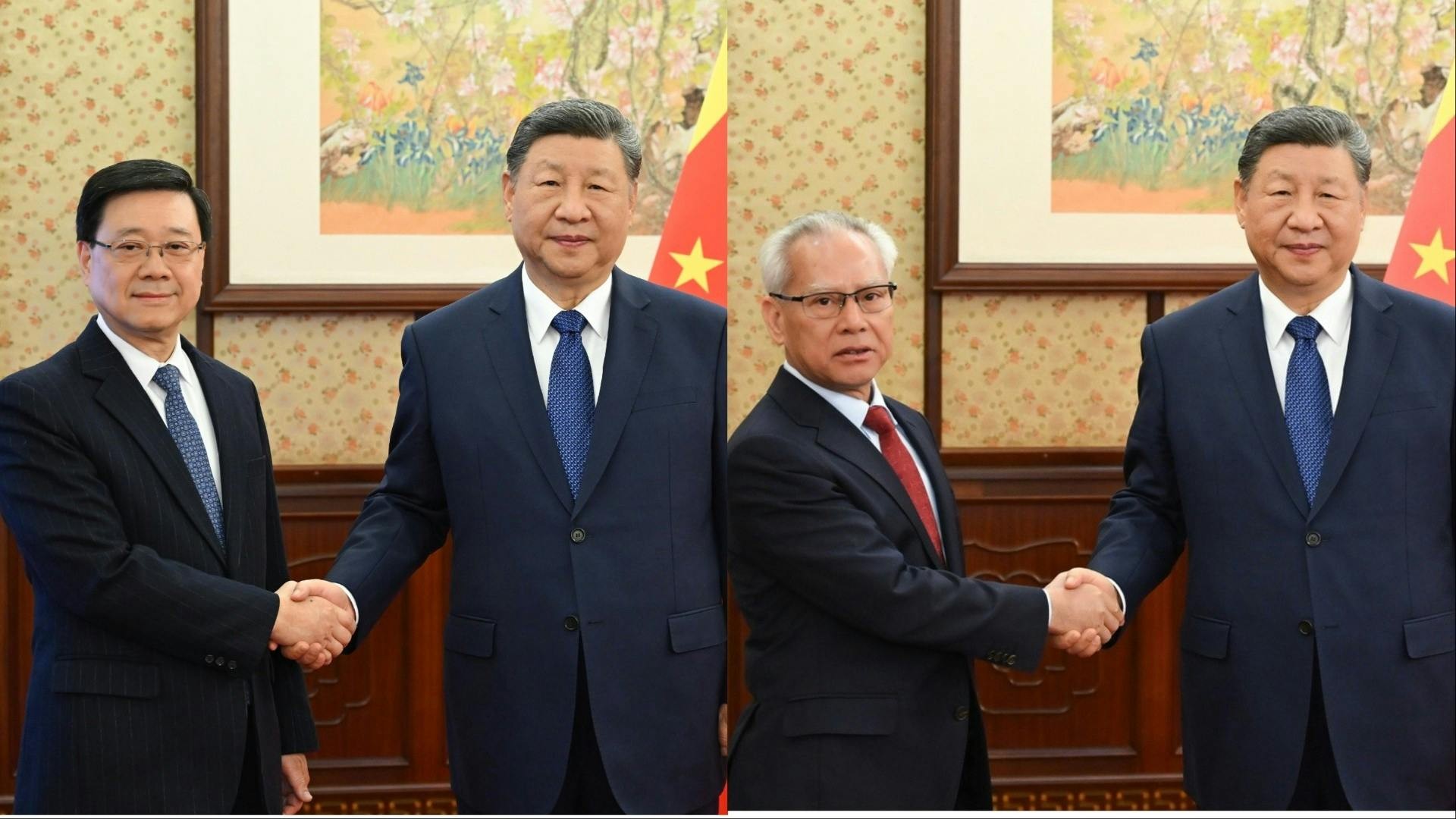


香港和澳門行政長官近期赴北京的年度訪京有重要的政治意義,部分原因是這一做法已成為這港澳特區與中央政府之間關係中根深蒂固的憲法慣例,部分原因是會談內容十分重要。
依照慣例,港澳兩地特首訪京述職,體現了中央政府對這兩個特區的全面管轄權。這項安排顯示中央領導高度重視港澳的管治,特首、港澳辦主任和中聯辦主任同席而坐,證明他們構成了一個治理香港的三角機構,而這一機構直接向中央領導負責。
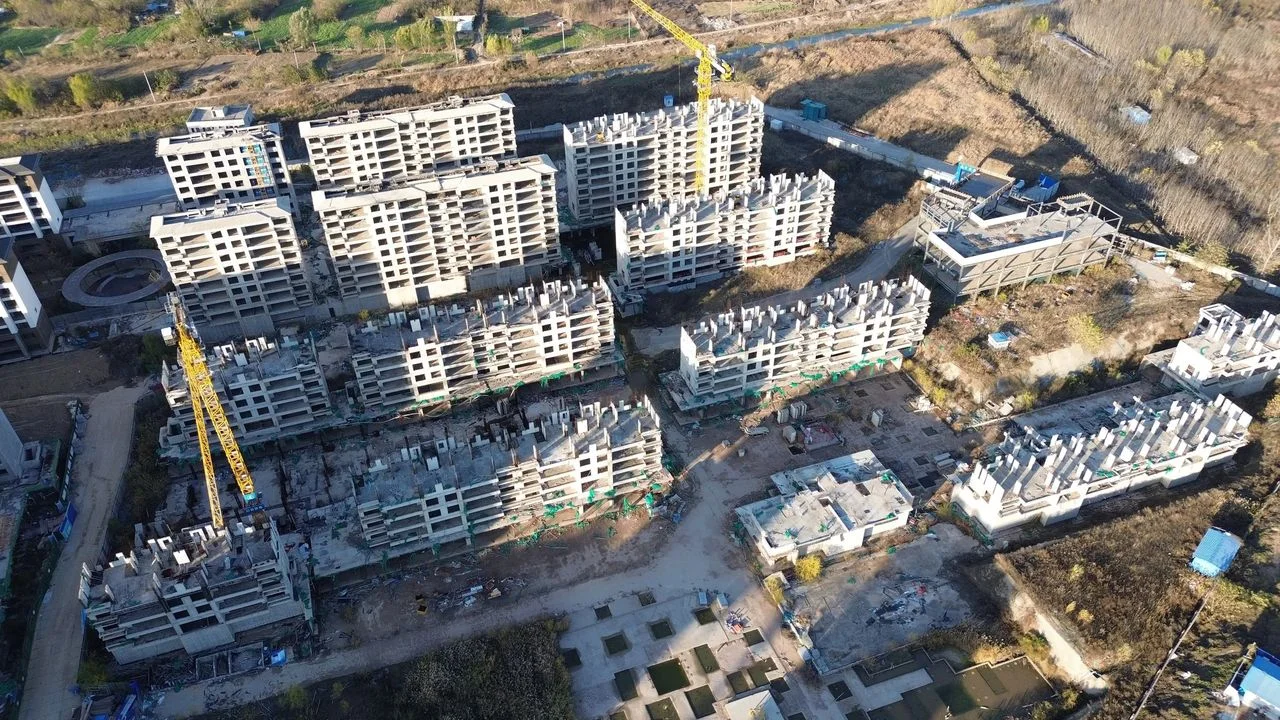
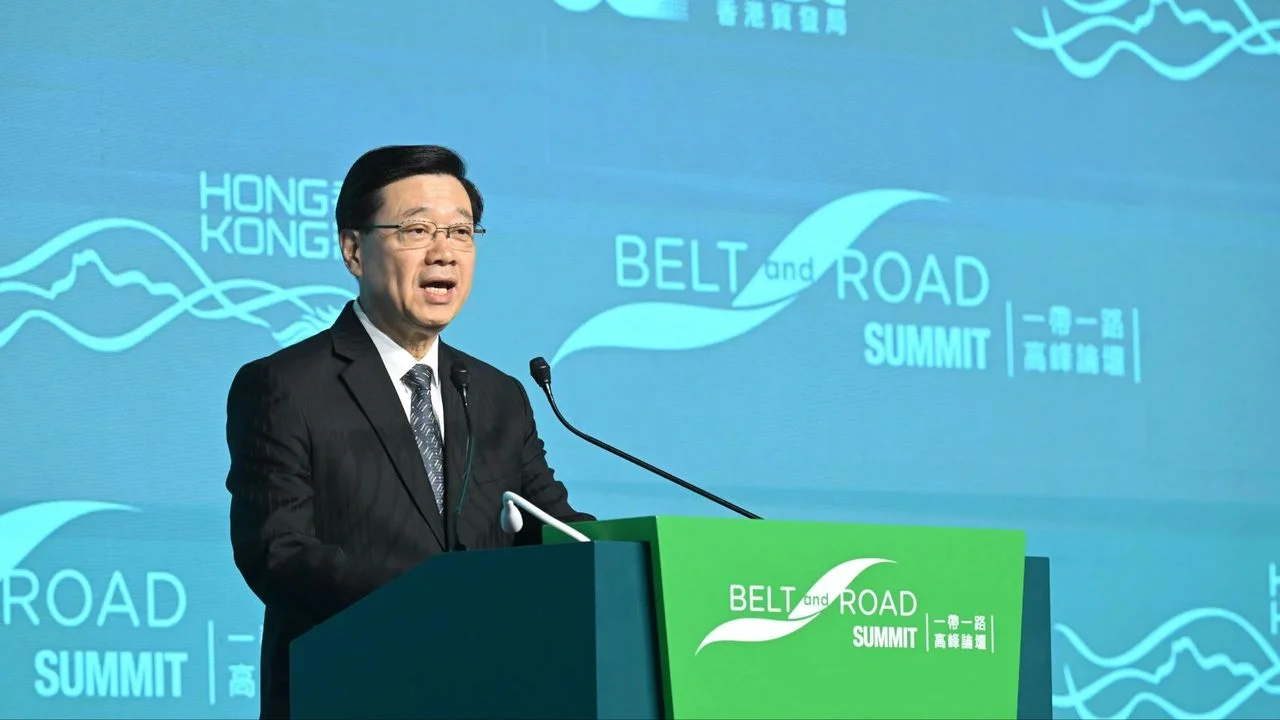
12月16日,香港特首李家超訪京向國家主席習近平述職,習主席對李家超及其政府的工作充分肯定,又指李在過去一年堅定維護國家主權、安全、發展利益。習主席並對大埔宏福苑火災的罹難者表示深切哀悼。
承諾全力跟進宏福苑大火救災工作
針對習近平主席的講話,李家超感謝習近平主席和中央政府對香港的關心和支持。他承諾政府將全力以赴跟進大埔宏福苑大火的後續工作,並指香港政府正爭取在今年實現財政赤字收窄。他又提及香港在國際排名各方面均有所提升,反映了國際社會對香港前景的信心。
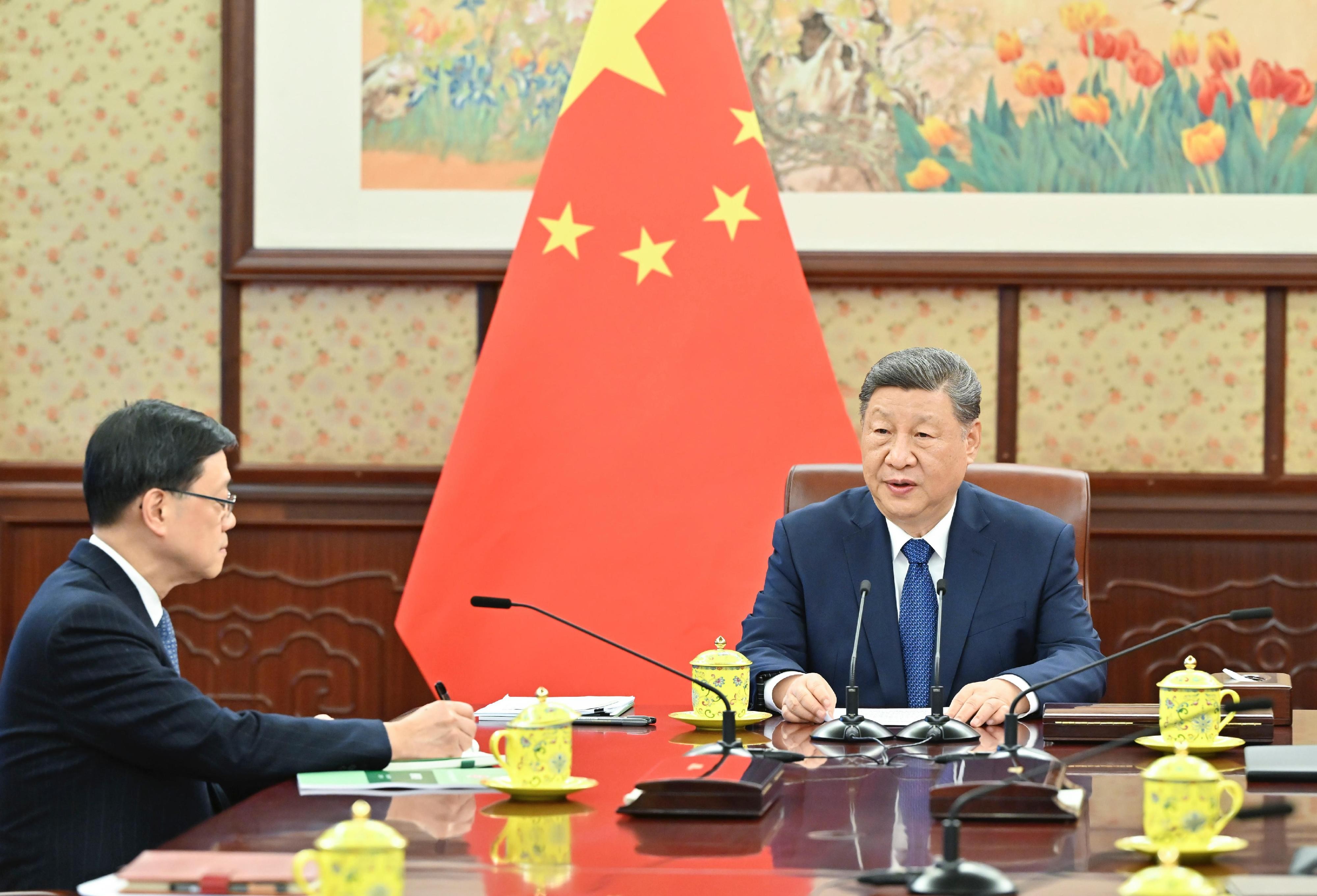
李表示,習近平主席指示特區政府徹查大埔宏福苑火災,確保全面問責。他已向習近平主席匯報了成立獨立委員會的情況,以及特區政府為受害者提供的支持工作。此外,政府也將制定並實施系統性改革,以防止類似大埔火災的悲劇再度重演。
李在談到立法會選舉時表示,在大埔火災悲劇之後,民眾普遍支持政府的災後工作和前瞻性方針。
李家超也談到了法庭對前傳媒大亨黎智英在重要的國家安全案件中所作出的有罪判決。據李家超稱,習近平主席肯定認可了他對香港及其司法機構為「維護國家安全職責」所作的努力。
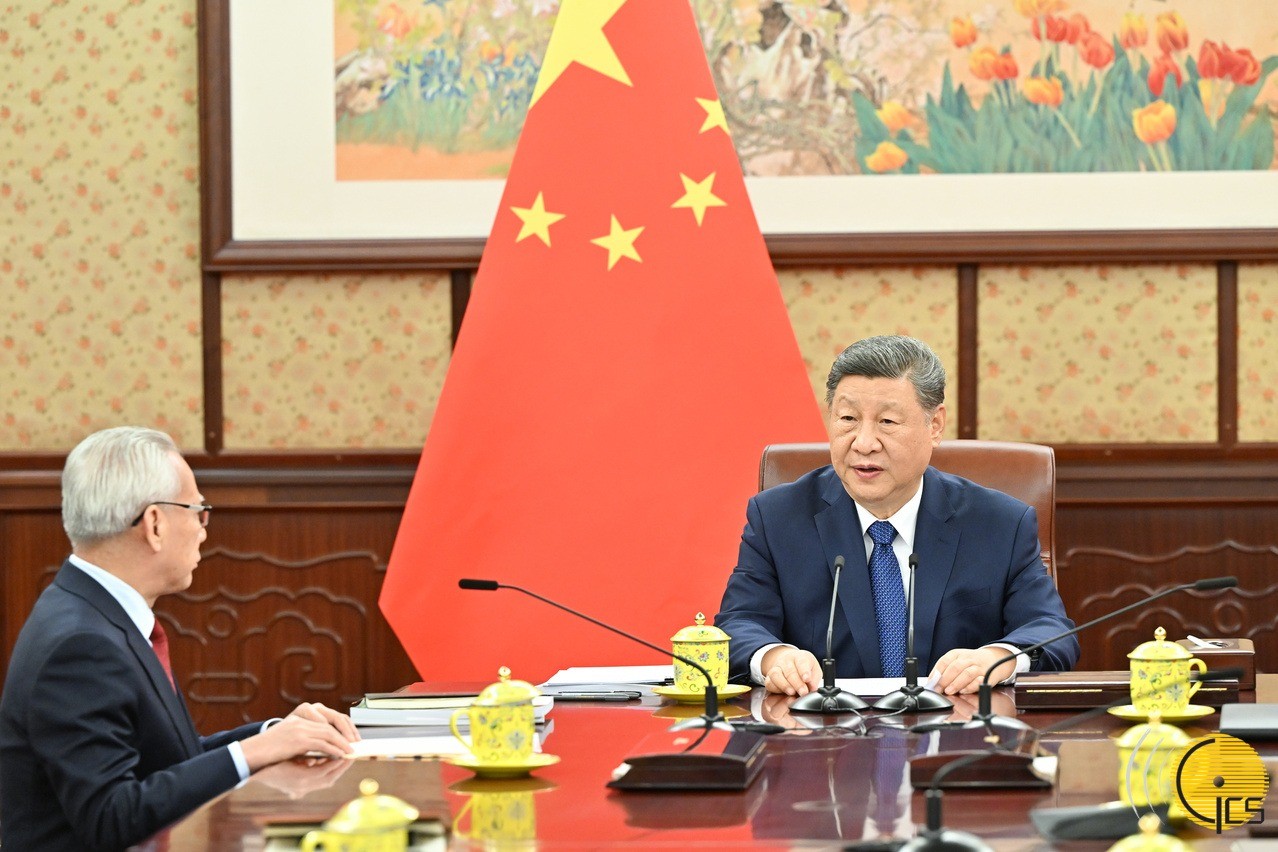
習近平主席於2025年12月會見了澳門特首岑浩輝,這是岑浩輝於2024年10月當選後首次與習近平主席會面,岑浩輝隨後於2024年12月20日宣誓就任澳門第六任行政長官。
習主席肯定澳門岑浩輝政府工作表現
與會見李家超時一樣,習近平主席對岑浩輝的工作給與了肯定和讚揚。習主席指出,岑浩輝及其團隊展現了高度敬業精神,在維護國家主權、安全和發展利益方面取得了實質成果。此外,澳門成功舉行了第八屆立法會選舉,推進了公共行政改革,並加速了大灣區建設。
岑浩輝簡要地談到了澳門政府2026年的計劃,包括福利措施、持續的公共行政改革、澳門更深層次地融入大灣區,以及在反恐和反洗錢工作方面完善國家安全立法。
從香港和澳門特首訪京述職的內容來看,中央領導層已表明其全力支持一國兩制原則,肯定李家超和岑浩輝的工作,強調要透過維護國家安全和成功組織立法會選舉來維護行政主導的體制,並希望香港和澳門加快步伐,擴大與大灣區社會經濟和技術融合的範圍。
大埔宏福苑大火事件的發生,為李家超與中央領導層的會晤增添了新的治理議題。李家超強調災後重建和救濟工作,以及問責問題,這些重點內容解釋了為何獨立調查委員會將在九個月內提交一份具體報告──這份報告將作為行政長官在2026年12月前向北京匯報工作的基礎。
值得注意的是,香港和澳門更深層融入大灣區仍是中央對港澳兩地政策的優先事項。因此,香港政府必須加速推動北部都會區的發展政策,包括吸引內地科技企業投資、建設基礎建設項目、鼓勵更多香港居民遷居北部地區、加強北部地區與深圳之間的交通聯繫,以及為香港各大學建設校區等。
相較之下,澳門在橫琴粵澳深度合作區的開發方面取得了更快速的進展,因為至少有一些澳門人已經開始在那裏居住,而且新的開發建設也在加速進行。
發揮港澳優勢 實現長期發展目標
從習主席強調香港和澳門發展規劃與國家經濟藍圖保持一致,以及強調兩地與大灣區更深層次融合來看,可以預見到2047年和2049年,香港和澳門將分別與大灣區融合,成為新的社會經濟組成部分。
在全面融合的南方經濟區域下,將有望實現中國的長期發展目標,即:(1)充分發揮港澳兩大特區的優勢,進一步全面開發南部沿海地區;(2)形成生產力高、競爭力強、經濟活力強勁的特殊資本主義─社會主義混合型經濟模式,成為推動中國內地持續現代化和社會主義─資本主義融合發展的重要引擎。因此,港澳必須認識到自身蘊藏的巨大潛力和重要的經濟價值,以協助中國內地經濟的持續現代化。
港澳特區、港澳辦和中聯辦所組成的三角治理結構,始終對中國最高政治領導層負責。香港政府如何有效率、負責、迅速地處理大埔五級火災後工作,便體現了這種問責機制。中央領導層已明確表示,無論香港或澳門,都應加速推進兩地融入大灣區,並使其發展規劃「十五五」規劃相銜接。
因此,港澳特區必須在維護國家主權、國家安全和發展利益的前提下,學習中央政府長期戰略性社會經濟規劃的優點。
An analysis of the duty visits of Hong Kong and Macau chief executives to Beijing
The duty visits reaffirm the central government’s comprehensive jurisdiction and institutionalised accountability, highlighting a triangular governance structure directly answerable to top central leadership under “one country, two systems”
The meetings underline Beijing’s priorities of safeguarding national security, reinforcing executive-led governance, accelerating Greater Bay Area integration, and aligning both SARs with the 15th Five-Year Plan, with particular focus on post-disaster accountability in Hong Kong and economic diversification in Macau
The recent annual duty visits of the Chief Executive of Hong Kong and that of Macau to Beijing are politically significant, partly because this practice has become an entrenched constitutional convention in the relations between the two Special Administrative Regions (SARs) and the central authorities in Beijing, and partly because of the important content of the discussions.
By convention, the duty visits of John Lee, the Chief Executive of the Hong Kong SAR, and Sam Ho Fai, the Chief Executive of the Macau SAR, demonstrate the “comprehensive jurisdiction” of the central government over the two special administrative regions. They also illustrate an important accountability mechanism in which the Chief Executive, the Director of the Hong Kong Macau Affairs Office, Xia Baolong, and the Director of the Liaison Office, who sat beside the Chief Executive of Hong Kong and of Macau as the two local leaders met President Xi Jinping separately, are constantly held accountable for their performance to the central leadership.
The sitting arrangements are politically noteworthy. With President Xi Jinping sitting in the middle of the long table, he presided over the reporting meeting. Sitting on his left-hand side were Premier Li Qiang, First Secretary of the Politburo Standing Committee Cai Qi, Vice Premier and Politburo Standing Committee member Ding Xuexiang, Head of the United Front Department Li Ganjie, and Secretary of the Political and Legal Commission Chen Wenqing.
Ding is also the leader of the Central Leading Small Group on Hong Kong and Macau. Institutionally speaking, the HKMAO Director is held accountable to Ding. While Li Qiang was sitting opposite John Lee (and opposite Sam Ho Fai in the separate meeting with the Macau side), Cai Qi was facing Xia Baolong, and Li Ganjie facing the Liaison Office Director (Zhou Ji in the Hong Kong case, and Zheng Xincong in the Macau case).
This arrangement showed that the central leadership attached immense importance to Hong Kong and Macau’s governance, which has been entrusted to the two Chief Executives, the Director of the Hong Kong Macau Affairs Office (HKMAO), and the Liaison Office Director. The fact that the Chief Executive, the HKMAO Director and the Liaison Office Director were all sitting on one side proved that they constituted a triangular governing and institutional structure that governs Hong Kong, and that this structure is directly accountable to the central-level leadership.
Institutional accountability and political symbolism
On December 16, when President Xi Jinping met John Lee, he affirmed the latter’s work. The President said that the central government is confident with the work of Lee and his government. Xi remarked that John Lee led Hong Kong with courage and determination, ensured the protection of national security and achieved the development of Hong Kong in the past year. The President offered his condolences to the victims of the “heart-breaking” fire incident at the Wang Fuk Court in Tai Po. President Xi also touched on the 15th Five-Year Plan, adding that the local government in Hong Kong should align its development with the central government’s developmental blueprint, thereby achieving stable economic growth.
In response to Xi’s remarks, John Lee thanked him and the central government for the care and support of Hong Kong. Lee said that he and his government promised to do the utmost for the follow-up action on the Tai Po fire tragedy. Lee stated that the Hong Kong government is pursuing outcome-based governance, further reforms, and expects to end its financial deficit this year. He referred to the rise in Hong Kong’s international rankings in various aspects, showing the confidence of the international community over the prospects of the SAR. Lee also touched on the success of the December 7th Legislative Council elections.
After Lee’s meeting with President Xi and the top Chinese political leaders, he revealed to the media that the President instructed the SAR government to ensure “full accountability” over the deadly Tai Po inferno by going into the details of the matter. Lee said he reported to the President the formation of an independent committee and the government’s work in supporting the victims (RTHK, December 16, 2025). Moreover, systemic reforms would be formulated and implemented to prevent the occurrence of another Tai Po-type incident. Lee said: “I have made it very clear to President Xi that the committee’s purpose is to find out the truth, and also to look for accountability” (RTHK, December 16, 2025).
Lee elaborated on the legislative elections by saying that the people generally supported the government’s post-disaster work and forward-looking approach after the Tai Po fire tragedy.
Lee also touched on the court’s guilty verdict against former media tycoon Jimmy Lai in the important national security trial. According to Lee, President Xi affirmed his recognition of the efforts of Hong Kong and its judiciary to “uphold the duty of safeguarding national security”.
In response to the President’s call for Hong Kong to align its development with the nation’s 15th Five-Year Plan, John Lee said that the SAR would proactively integrate into the motherland’s developmental blueprint.
Hong Kong: governance, accountability and post-disaster politics
President Xi’s December 2025 meeting with Macau Chief Executive Sam Ho Fai was the first one after Sam was elected in October 2024 and was later sworn in as the sixth-term Chief Executive on December 20, 2024.
As with the case of meeting John Lee, President Xi Jinping affirmed and praised the work of Macau Chief Executive Sam Ho Fai. The President remarked that Sam and his team demonstrated strong commitment to fulfilling their duties and to achieve concrete results by safeguarding national sovereignty, security and developmental interests. Moreover, Macau succeeded in conducting the eighth Legislative Assembly elections, advancing public administrative reform and accelerating the development of the Guangdong–Hong Kong–Macau Greater Bay Area (Xinhua, December 16, 2025).
Xi added that Macau should continue to align itself with the Chinese Mainland’s 15th Five-Year Plan, to uphold the executive-led system, to advance the SAR’s economic diversification programme, and to refine and deepen its integration into the motherland’s development blueprint.
Sam Ho Fai briefly talked about his government’s plan in 2026, including welfare measures, continuous public administrative reforms, Macau’s deeper integration into the Greater Bay Area, and the refinement of the national security legislation in the aspects of anti-terrorism and anti-money laundering work (Xinhua, December 16, 2025).
Judging from the content of the two meetings with the Chief Executives of Hong Kong and Macau, the central leadership in Beijing has demonstrated its full support of the principle of “one country, two systems”, its affirmation of the work of John Lee and Sam Ho Fai, its emphasis on the need to uphold the executive-led system through the protection of national security and the successful organisation of the legislative elections, and its aspiration that both Hong Kong and Macau must speed up the pace and broaden the scope of socio-economic and technological integration with the Greater Bay Area.
In particular, President Xi mentioned the need for both SARs to align their economic development with the 15th Five-Year Plan of the Chinese Mainland. Historically speaking, this was the first time a Chinese President explicitly mentioned the necessity of the alignment of Hong Kong and Macau’s developmental plan with the nation’s five-year developmental blueprint.
Macau: political endorsement and policy continuity
The occurrence of the fire incident in Hong Kong has added a new element of governance in John Lee’s meeting with the central leadership. John Lee’s emphases on post-disaster reconstruction and relief work, and on the issue of accountability, were important ones that explained why the independent committee will have nine months to come up with a concrete report – a report that will serve as the basis for the Chief Executive to report to Beijing by December 2026.
It is noteworthy that the deeper integration of both Hong Kong and Macau into the Greater Bay Area remains a policy priority of the central government’s policy towards the two SARs. As such, the Hong Kong government’s policy of developing the Northern Metropolis through the attraction of investment from the mainland’s scientific and technological enterprises, the construction of infrastructure projects, the migration of more Hong Kong people to reside in the northern district, the establishment of more transport connections between the northern district and Shenzhen, and the construction of various campuses for Hong Kong’s universities must be accelerated.
Comparatively speaking, Macau has achieved more rapid progress in its development of the Guangdong-Macau In-Depth Cooperation Zone in Hengqin because at least some Macau people have begun residing there while new developments are speeded up.
However, in the aspect of economic diversification – an issue mentioned by President Xi – Macau will have to do more for the sake of reducing the governmental revenue’s heavy dependence on the gaming industry. The central government’s stance on Macau’s economic diversification has remained quite constant, reflecting the centre’s perspective that Macau’s casino capitalism must be diluted to stimulate the development of other economic sectors, while maintaining the thrust of its social welfare to care for the elderly and the needy in Macau.
Greater Bay Area integration and economic restructuring
From President Xi’s emphasis on the alignment of Hong Kong and Macau’s developmental plan with the national economic blueprint, and from his stress on the deeper integration of the two SARs into the Greater Bay Area, it can be anticipated that, by 2047 and 2049 respectively, both Hong Kong and Macau will combine with the Greater Bay Area into a new socio-economic powerhouse.
Such a fully integrated southern economic powerhouse will be expected to achieve China’s long-term developmental objectives of (1) capitalising on the strengths of the two SARs to fully develop the southern coastal region further, and (2) of generating a special capitalist-socialist economic hybridity with the features of a high degree of productive forces, a strongly competitive edge, and a vibrant as well as dynamic economic locomotive driving the persistent modernisation and combined socialist-capitalist development of the inner regions of the Chinese Mainland. As such, Hong Kong and Macau must realise the huge potentials and significant economic utility in the eyes of the central leadership for the sake of assisting the continuous and permanent economic modernisation of the Chinese Mainland.
The recent duty visits of John Lee and Sam Ho Fai to President Xi Jinping and other top political leaders of the central government have deep repercussions for the political and economic development of the two SARs. Politically, the central government’s “comprehensive jurisdiction” over Hong Kong and Macau has already been institutionalised and entrenched.
A triangular structure composed of the two local governments led by the Chief Executives, the HKMAO and the Liaison Office is constantly held accountable to the top Chinese political leadership. Such accountability could be seen vividly in the case of how the Hong Kong government has to manage the post-disaster work of the Tai Po fire incident in an effective, accountable and swift manner. In the cases of both Hong Kong and Macau, the central leadership has expressed its clear intention of accelerating the integration of the two SARs into the Greater Bay Area and aligning their developmental planning with the 15th Five-Year Plan.
As such, Hong Kong and Macau, as two SARs, must learn from the virtue of long-term and strategic socio-economic planning of the central government amid the necessity of protecting national sovereignty, national security and developmental interests.
原刊於澳門新聞通訊社(MNA)網站,本社獲作者授權轉載。(原文按此)