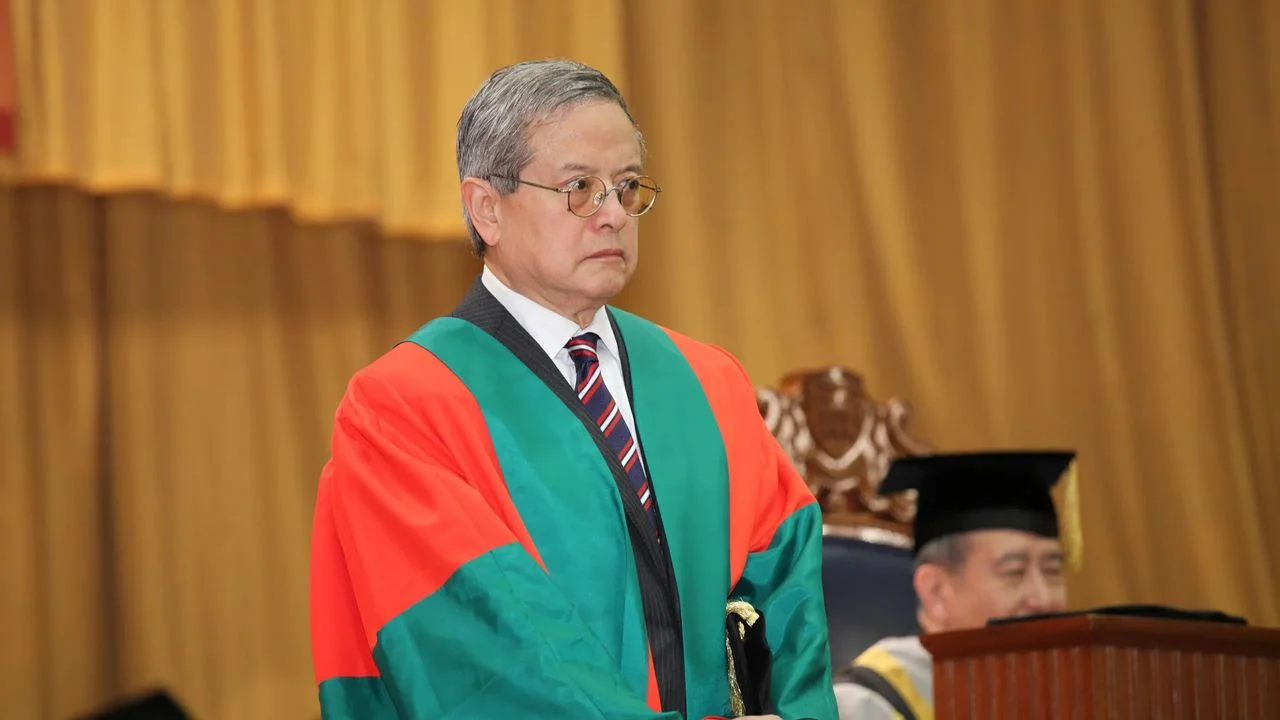

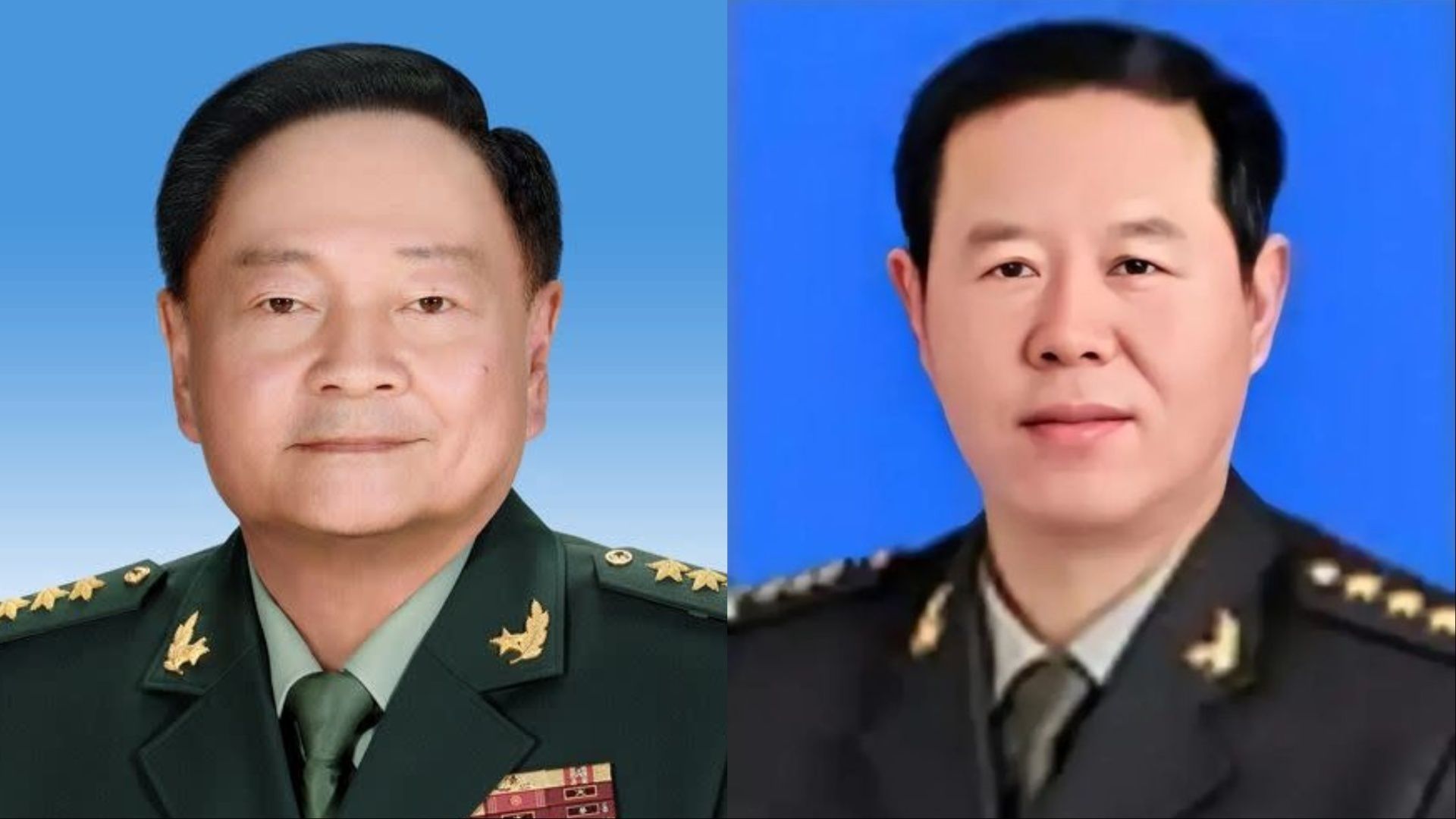


2026年1月24日,中國國防部公布,中央政治局委員、中央軍委副主席張又俠和中央軍委委員、中央軍委聯合參謀部參謀長劉振立因涉嫌「嚴重違紀違法」,經黨中央研究,決定對張又俠、劉振立立案審查調查。
值得注意的是,「黨中央調查」一詞具有重要的政治和軍事意義。基於「黨指揮槍」的核心原則,解放軍必須處於共產黨的領導之下。隨着軍隊的反腐敗工作持續推行,意味中央將長期大清洗涉嫌腐敗和違紀的軍官和將領。
曾與習仲勳並肩抗日戰
張又俠現年75歲,1950年出生於北京,父親是開國上將。在抗日期間,張宗遜曾與習近平主席的父親、時任政治委員習仲勳於西北野戰軍(後為第一野戰軍)並肩作戰。張宗遜和習仲勳都來自陝西渭南市,據說張又俠跟習近平亦早識於微時。張又俠本身有豐富的實戰經驗,曾參與1979年中越戰爭和1984年的老山戰役。
2005年至2007年,張又俠晉升為北京軍區副司令;2007年至2012年,張擔任瀋陽軍區司令員,並於2011年晉升上將。自2012年10月起,張又俠擔任中國人民解放軍總裝備部部長,至2016年1月總裝備部撤銷,改建為中央軍委裝備發展部,張擔任該部首任部長。2017年10月,張又俠當選為中央軍委委員,並於2022年成為中央軍委副主席。
另一位被立案調查的軍頭劉振立,1964年出生於河北,2021年7月晉升為上將。劉於2014年擔任第38集團軍軍長,後於2015年7月至12月調任武警部隊參謀長。2015年12月,劉振立被任命為陸軍參謀長,並於2021年6月升任陸軍司令。2022年9月至2026年1月,劉擔任中央軍委聯合參謀部參謀長。

近代領導人文官出身 缺乏實戰歷練
近年黨中央對軍方高層持續的清洗行動,最重要的影響在於文官體系與軍方關係的變化。
與1934年由中共領導人毛澤東、鄧小平帶領的長征,以至1949年中共戰勝國民黨軍隊、抗擊日本侵略者的鬥爭不同,新一代中國領導人江澤民、胡錦濤和習近平都是文官出身,缺乏軍隊實戰的歷練,簡單講就是「未帶過兵、未打過仗」,因此文官與軍方之間的關係已成為具重要政治意義的現象。
1985年5月國務院、中央軍委頒令允許軍隊經商的暫行規定,其後中央軍委認為流弊百出,逐步廢止該項決策。1991年時任軍委主席江澤民決定接手軍工企業之前,軍方(包括武警)已完成跟大部分經營企業脫鈎,至2004年9月胡錦濤接任軍委主席。
胡錦濤上任後,開始鞏固他對軍隊的控制,但在部分軍官眼中,胡缺乏軍事經驗,未能有效指揮軍隊,導致軍隊腐敗問題尾大不掉。
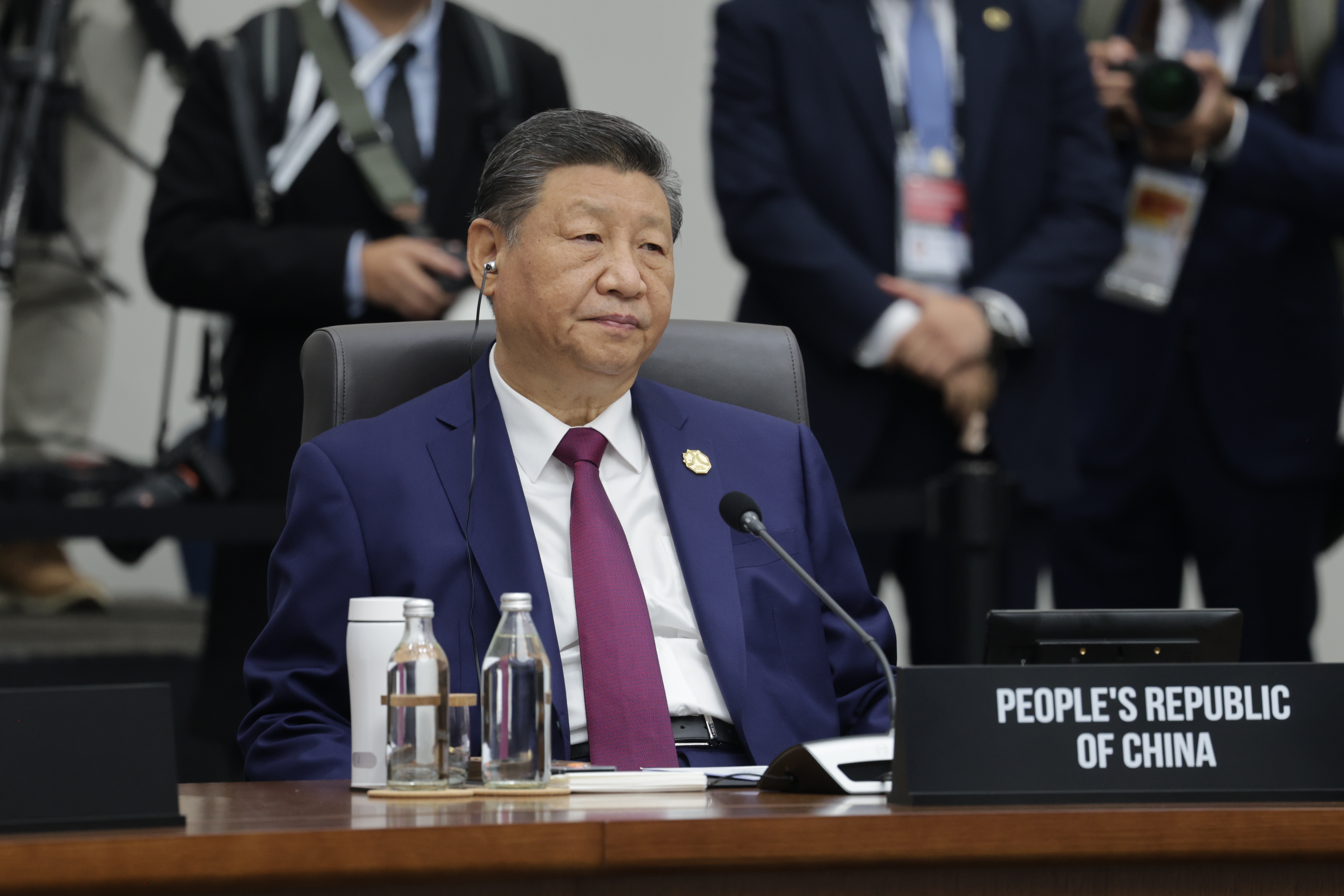
2012年11月習近平出任中央軍委主席後,他及其核心黨內領導人積極推進反腐敗運動,一方面清除軍隊中的腐敗官員和領導人,另一方面推動解放軍持續現代化進程。
採購謀私利致腐敗叢生
解放軍的現代化體現在其先進技術、裝備武器的改進以及廉潔軍人精神。然而,軍隊在採購裝備的過程容易從中謀利,導致腐敗叢生,尤其是在軍隊現代化需要軍方高層事與私營軍工企業的高管互動合作,貪腐活動更難監管。此外,一些軍中高層的親屬也捲入了賄賂和腐敗活動,直接或間接地使他們成為受害者。
解放軍高層領導能否穩定下來仍有待觀察。迄今為止,持續的清洗與軍隊的專業化和現代化進程同步進行。然而,在少數軍官看來,儘管軍隊現代化不可避免且勢在必行,但他們渴望一個相對穩定的軍事領導階層,不受持續不斷的強硬反腐敗運動的影響。反腐敗運動與軍隊領導層之間的拉鋸戰似乎暗流湧動。
毛澤東時代中國的林彪事件,對於我們理解中國軍民關係的動態至關重要。毛澤東主席是一位軍人出身、後轉為文職領導人的領袖,他曾於1966年至1970年間指定國防部長兼副主席林彪為正式繼承人。然而,1970年林彪派與毛澤東派關係破裂後,這項指定被取消。1971年9月,據報道,林彪及其親信策劃的軍事政變失敗後,林彪乘飛機逃往前蘇聯,飛機在蒙古墜毀。
林彪事件讓領導人深信:黨必須指揮槍
或許林彪事件讓中國文職領導人意識到,軍隊必須置於黨的嚴密控制之下。正如毛澤東所說,「槍桿子裏出政權」。因此,透過持續不斷的反腐敗運動打造一支廉潔的軍隊,是那些缺乏軍事經驗的文職領導人能夠更高效地指揮和控制解放軍的方式。同時,軍方領導人本身也應專注於現代化和專業化的細節工作,使解放軍能夠充分應對任何戰爭和衝突。
總言之,正式調查張又俠、劉振立等高階軍官活動,反映了中國文職領導人與軍方領導人之間動態、演變、復又錯綜複雜的關係。儘管中共文職領導人致力透過反腐敗運動來保持軍隊的廉潔和強大,但中國軍方領導層的頻繁更迭,使中國的軍政關係或許比以往任何時候都更加難以預測和動盪。
對文官出身的領導人而言,反腐敗是實現最終目標,就是打造一支更廉潔高效、服從黨的指揮和紀律約束的軍隊的手段。未來幾個月乃至幾年,中國的軍政關係將如何發展,仍有待觀察。
The persistent purge of Chinese military leaders and its political implications
On January 24, 2026, China’s Ministry of Defence made a brief but an important announcement that Zhang Youxia, the vice-chairman of the Central Military Commission (CMC), and Liu Zhenli, the CMC Chief of Joint Staff Department, have been placed under investigation for “suspected serious violation of discipline and law” after “the study conducted by the Party centre”. The phrase, namely, “the study conducted by the Party centre”, is politically and militarily significant: the military must be under the leadership of the Communist Party of China (CPC). Above all, anti-corruption is persisting in the Chinese military, signalling a permanent and persistent purge of those officers and generals who are suspected of being involved in corruption and disciplinary issues.
Zhang Youxia was born in Beijing in 1950. His father, Zhang Zongxun, was a dedicated member of the Red Army serving and fighting for the CPC against the Japanese army in the Second World War and against the Nationalist army in the civil war. During the war of resistance against the Japanese imperial army, Zhang Zongxun worked alongside with political commissar Xi Zhongxun, the father of President Xi Jinping. Both Zhang Zongxun and Xi Zhongxun were originally from the Weinan region of Shaanxi province. As such, Zhang Youxia and Xi Jinping reportedly knew each other long ago. Zhang Youxia himself was a veteran with rich fighting experiences in the Sino-Vietnamese war of 1979 and the battle of Laoshan in 1984.
He was promoted as the vice commander of the Beijing Military Region from 2005 to 2007. From 2007 to 2012, Zhang Youxia was sent to lead the Shenyang Military Region, and he was promoted as a general in 2011. From October 2012 to January 2016, Zhang became the Head of the People’s Liberation Army (PLA) General Armaments Department. Then he was appointed as the Head of the Equipment Development Department of the CMC from January 2016 to August 2017. In October 2017, Zhang was appointed to be a member of the CMC and in 2022 he became the CMC vice chairman.
Profiles of purged senior PLA commanders
Liu Zhenli was born in Hebei in 1964 and was a general promoted in July 2021. He was a commander of the 38th Group Army in 2014 and then was transferred to be the Chief of Staff of the People’s Armed Police (PAP) in 2015. As with Zhang Youxia, Liu fought in the Sino-Vietnamese war from 1979, and it was reported that he defended the Chinese military positions bravely for many times. From July to December 2015, Liu became the Chief of Staff of the PAP. In December 2015 he was appointed as the Chief of Staff of the PLA Ground Force, and in June 2021 he became the commander of the PLA Ground Force. From September 2022 to January 2026, he has been the Chief of Staff of the Joint Staff Department of the CMC.
Apart from Zhang and Liu who are now formally investigated by the Party, there are other high-ranking PLA officers who had already been purged from October to December 2025. They included the following nine officers: General Hei Weidong, Admiral Miao Hua, Lieutenant General He Hongjun, General Wang Xiubin, General Lin Xiangyang, General Qin Shutong, Admiral Yuan Huazhi, Admiral Wang Houbin, and General Wang Chunning. All of them were expelled from the Party. It was calculated that from March 2023 to mid-October 2025, twenty generals were purged, including six of them who worked in the Rocket Force. This indicated that the Rocket Force was tainted with corruption problems.
He Weidong was born in Fujian in 1957. He was a commander of the Western Theatre Command Ground Force from February 2016 to December 2019. From December 2019 to January 2022, he became the commander of the Eastern Theatre Command. Then he was appointed as a member and a vice chairman of the CMC from October 2022 to October 2025.
Miao Hua was a political commissar in Lanzhou Military Region from July to December 2014. He became the political commissar of the PLA Navy from December 2014 to September 2017. Miao was promoted to be the Admiral of the Navy in July 2015. He became a member of the CMC from October 2017 to October 2025.
He Hongjun was born in Shaanxi in 1961. He was a director of the Political Department of the Qinghai Military District from December 2012 to 2017. From April 2019 to October 2025, he was appointed to the CMC as a member and also became a deputy head of the Political Work Department. His downfall indicated that he deviated from the line of political correctness as he was expected to observe, formulate and implement political work in the PLA.
Wang Xiubin was born in Jiangsu in 1964. He was a commander of the 80th Army Group from March 2017 to April 2019. From April 2019 to June 2021, Wang became the Chief of Staff of the Eastern Theatre Command. From June 2021 to July 2024, he was appointed as the commander of the Southern Theatre Command.
Lin Xiangyang was born in Fujian in 1964. He was a commander of the 72nd Army Group from April 2019 to April 2020. In April 2020, Lin became the commander of the Eastern Theatre Command Ground Force until August 2021. From August 2021 to June 2022, he was appointed as the commander of the Central Theatre Command. From January 2022 to October 2025, Lin was promoted to be the commander of the Eastern Theatre Command.
Qin Shutong was born in Jiangsu in 1963. He was a political commissar of the First Army Group from September 2015 to March 2017. In March 2017, he was transferred to work as a political commissar of the 75th Army Group until April 2018. From April 2018 to January 2022, he became director of the Political Department of the PLA Ground Force. From January 2022 to December 2024, Qin was appointed as the political commissar of the PLA Ground Force.
Yuan Huazhi was born in Hebei in 1961. He was a political commissar of the PLA Navy Marine Corps from March 2017 to December 2018. In December 2018, he became the political commissar of the Eastern Theatre Command Air Force until March 2019. From January 2022 to October 2025, Yuan became the political commissar of the PLA Navy. In May 2022, he was promoted to be the Admiral of the PLA Navy.
Wang Houbin was born in Anhui in 1961. In 2014, he was a major general of the PLA Navy. Two years later, Wang became the Chief of Staff of the Southern Theatre Command Navy. In December 2019, he was promoted as the Lieutenant General. In July 2023, Wang was promoted as the Admiral who led the Rocket Force as a commander.
Wang Chunning was born in Jiangsu in 1963. He was a commander of the 12th Army Group from January 2014 to August 2016. From August 2016 to April 2020, he was made a commander of the Beijing Garrison. From April 2020 to December 2020, Wang was promoted to be the Chief of Staff of the PAP. From December 2020 to July 2025, he was appointed as the commander of the PAP until July 2025. Wang was promoted to be a general in December 2020.
Patterns and scope of the military purge
Analytically speaking, the nine high-ranking military leaders were all very experienced, coming from different command headquarters, spanning from the Ground Force to the Navy, and ranging from Rocket Force to the Air Force. The profile of the purged military leaders indicated that the CPC leadership was keen to use anti-corruption to purge the corrupt PLA elements, and that its objective is to achieve a strong military free from corruption.
On December 27, 2025, the Military Congress under the Political and Legal Committee of the CMC announced that several military leaders were removed from their position as the members of the 14th National People’s Congress (NPC). They included Admiral Wang Renhua, General Zhang Hongbing, and Lieutenant General Wang Peng. Wang Renhua was born in Sichuan in 1962 and was promoted to be the Admiral in March 2024. He formerly worked as the Secretary of the Political and Legal Affairs Commission of the CMC from December 2019 to December 2025. Zhang Hongbing was promoted as a general in January 2022 and formerly was a political commissar of the PAP from January 2022 to December 2025.
Wang Peng was promoted to be the Lieutenant General in December 2021 and was formerly the Head of the Training and Administration Department of the CMC from December 2021 to September 2025. By convention, corrupt military leaders are punished by stripping their memberships of the NPC.
The most important implication of the recent and ongoing purge of Chinese military leaders is the dynamics of civilian-military relations. Unlike Mao Zedong and Deng Xiaoping who fought Kuomintang military and the Japanese military from the CPC’s famous Long March in 1934 to the CPC’s victory over the Nationalist army in 1949, the recent Chinese civilian leaders – Jiang Zemin, Hu Jintao and Xi Jinping – did not have the rich military experiences compared with their predecessors. As such, the relations between civilian leaders and military counterparts have become a politically significant phenomenon. Jiang Zemin allowed the military to conduct its businesses until 1991 when he decided to control the military enterprises.
Under the Hu Jintao era, he became consolidating his power over the military in 2004, when his predecessor and patron Jiang Zemin transferred the chairmanship of the CMC to him. However, military corruption in China under Hu Jintao, who was regarded by some military officers as a civilian leader lacking military experiences, could not be effectively controlled. When Xi Jinping became the chairman of the CMC in November 2012, he and his core Party leaders have been keen to implement and deepen the anti-corruption drive to purge the corrupt military officers and leaders on the one hand, and to propel the PLA toward the process of persistent modernisation.
The modernisation of the PLA can be seen in its technological advancement, the continuous improvement of its equipment and weaponry, and the cultivation of a strong psyche of a clean military. However, corruption has seeped into the military through the military’s control of procurement contracts, which have become the hotbed of corruption, especially as military modernisation requires the military leaders to interact and work with the private-sector executives in the military-industrial complex. Furthermore, the relatives of some military leaders were involved in bribery and corruption, directly embroiling or indirectly victimising them.
Stability, modernisation and internal tensions
The persistent purge of PLA leaders must be observed carefully. It remains to be seen how the top echelon of the PLA leaders will be stabilised. So far, the persistent purges have been taken place alongside with the professionalisation and modernisation of the military. However, from the perspective of a minority of military officers, while the modernisation of the military force is inevitable and necessary, they yearn for a more stable military leadership relatively free from the assertive and permanent anti-corruption campaign. The tug-of-war between the anti-corruption campaign and the military leadership appears to be latent.
The Lin Biao incident in China during the Maoist era was important for us to comprehend the dynamics of civilian-military relations. Chairman Mao Zedong, a mixed military-turned civilian leader, once designated Defence Minister and Vice Chair Lin Biao as his official heir in 1966 until 1970, when the Lin faction alienated the Maoist faction. In September 1971, it was reported that, after a failed military coup plotted by Lin Biao and his close supporters, Lin fled China for the former Soviet Union in an aeroplane which crashed in Mongolia.
Party control and the future of civilian-military relations
Perhaps the Lin Biao affair told the Chinese civilian leaders after the Maoist and Dengist era that the military must be put under the tight grip of the Party. As Mao said, “political power grows out of the barrel of the gun”. Therefore, having a clean military through permanent anti-corruption campaign is a way in which the civilian leaders without much military experiences can command, control and dominate the PLA in a more effective, efficient and supervisory manner. At the same time, the military leaders themselves are expected to focus on the details of modernisation and professionalisation, making the PLA well prepared for any war and conflicts.
In conclusion, the formal investigation into the activities of Zhang Youxia, Liu Zhenli and other high-ranking military leaders is a testimony to the dynamic, evolving but complicated relations between the civilian leaders and their military counterparts in China. While the civilian leaders of the CPC focus on the utilisation of anti-corruption campaign to keep the military clean and strong, the reshuffle and changes in the military leadership of China have become so frequent that civilian-military relations in China are perhaps becoming more unpredictable and volatile than before. To the civilian leaders, anti-corruption is a means to achieve the ultimate objective of having a much cleaner and more capable military under the Party’s command and disciplinary whip. It remains to be seen how the civilian-military relations in China are going to unfold in the coming months and years.
原刊於澳門新聞通訊社(MNA)網站,本社獲作者授權轉載。(原文按此)