
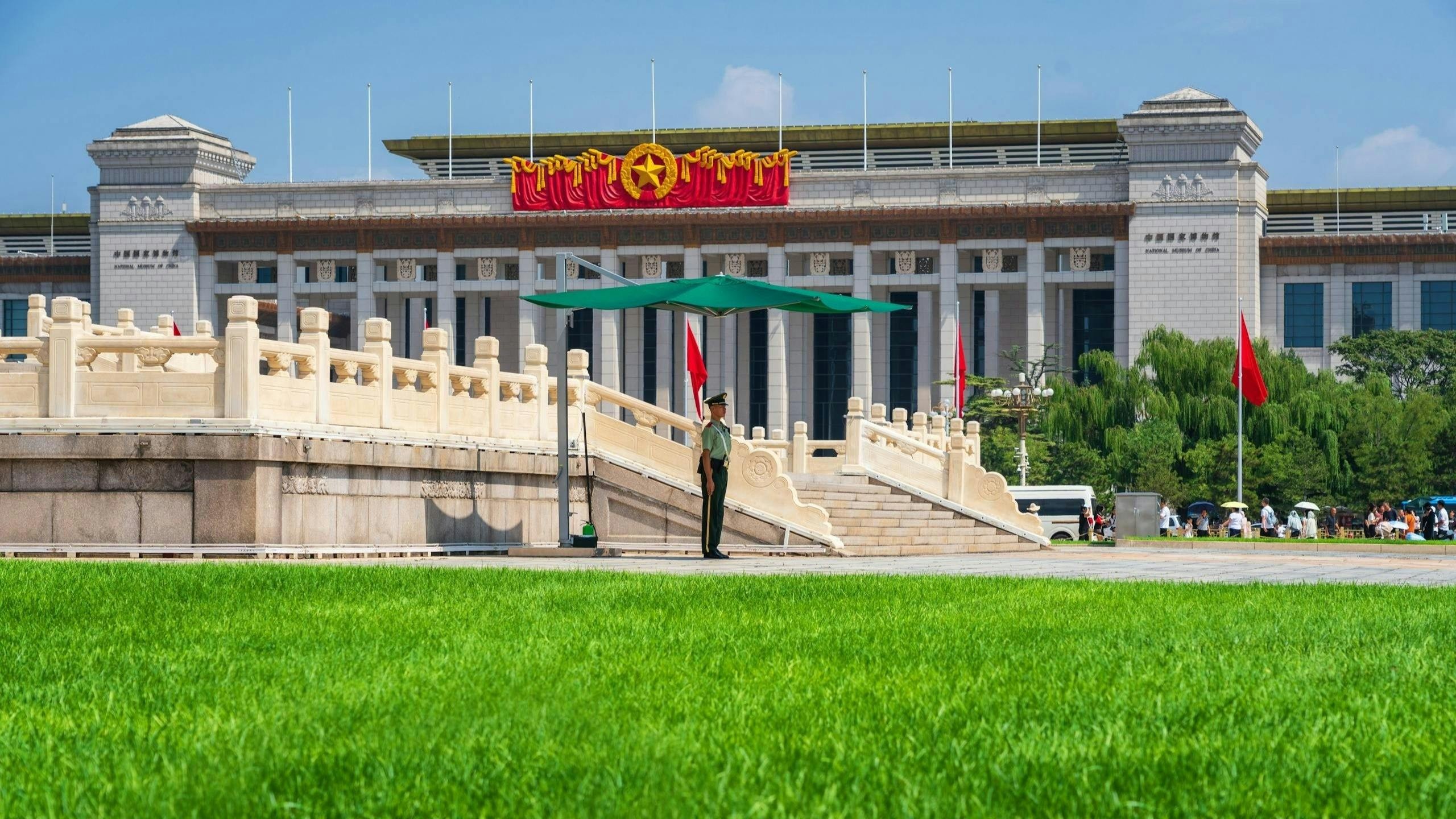


為期四天的中國共產黨第二十屆中央委員會第四次全體會議於10月20日至23日舉行,並於23日發表公報,確定了中國經濟現代化的若干方向,批准了中央和中央軍委一些人事安排。
根據新華社2025年10月24日報道,會議聽取並討論了中共中央總書記習近平關於中央政治局工作的報告,審議並採納了中央政府關於制定2026年至2030年國民經濟社會發展「十五五」的建議。這個五年計劃意義重大,因為它將為中國在2035年全面實現社會主義現代化奠定基礎。
重申兩個確立 推動高質量發展
公報重申「兩個確立」的政治口號,即「確立習近平同志黨中央的核心、全黨的核心地位,確立習近平新時代中國特色社會主義思想的指導地位」。
公報也重申了黨對中國經濟發展的全面領導,強調將人民利益放在第一位,推動高質量發展,深化改革,促進政府和市場運作方面的有效銜接,維護發展和安全。
公報指出,中國經濟社會發展的主要內容是:
第一,在全面推進改革過程中,科技自立自強水平大幅提高,全面深化改革取得新突破,社會文明程度明顯提升,人民生活品質不斷提高,美麗中國建設取得新的重大進展,讓國家安全屏障更加鞏固。
第二,建構現代化產業體系,夯實經濟基礎。
第三是通過增強科技的自立自強,引領發展新質生產力。
第四是要建設強大國內市場,加速形成新發展格局。
第五,中國要發展高水準社會主義市場經濟,推動高質量發展,推動高水準對外開放,實現互利共贏。
第六是加速農業農村現代化,推動鄉村振興。
第七是加強區域發展合作與協調。
第八,要激發和調動各民族的創造活力,實現各族人民共同富裕。
第九是推動經濟社會綠色化、環境友善化,實現美麗中國。
第十,繼續推動國家安全體系和國防現代化,實現人民解放軍現代化建設百年奮鬥目標,實現和平中國建設的目標。
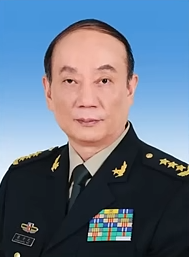
張升民升任軍委副主席 開除14人黨籍
會議也決定,增補張升民為中央軍委副主席,並決定遞補于惠文、馬漢成、王健、王曦、王永紅、王庭凱、王新偉、韋韜、鄧亦武、鄧修明、盧紅等11名中央候補中央委員為中央委員會委員。
同時,會議通過了中央紀律檢查委員會的報告,指出唐仁健、金湘軍、李石松、楊發森、朱芝松等人違反黨紀。
會議審議通過了中央軍委關於何衛東、苗華、何宏軍、王秀斌、林向陽、秦樹桐、袁華智、王春寧、張鳳中等將領違犯黨紀國法問題的檢查報告,並確認開除14位中央委員及候補委員的黨籍,包括何衛東、苗華、唐仁健、金湘軍、何宏軍、王秀斌、林向陽、秦樹桐、袁華智、王春寧、李石松、楊發森、朱芝松、張鳳中。
值得一提的是,公報中有一小段關於香港、澳門和台灣的內容。公報指出,中國大陸將促進香港、澳門的繁榮與穩定,推動兩岸關係和平發展,進一步推動祖國統一大業。中國將推動建構人類共同命運的進程,這意味著和平與永續發展將繼續成為中國政府的全球倡議。
公報重視科技自立 與港澳息息相關
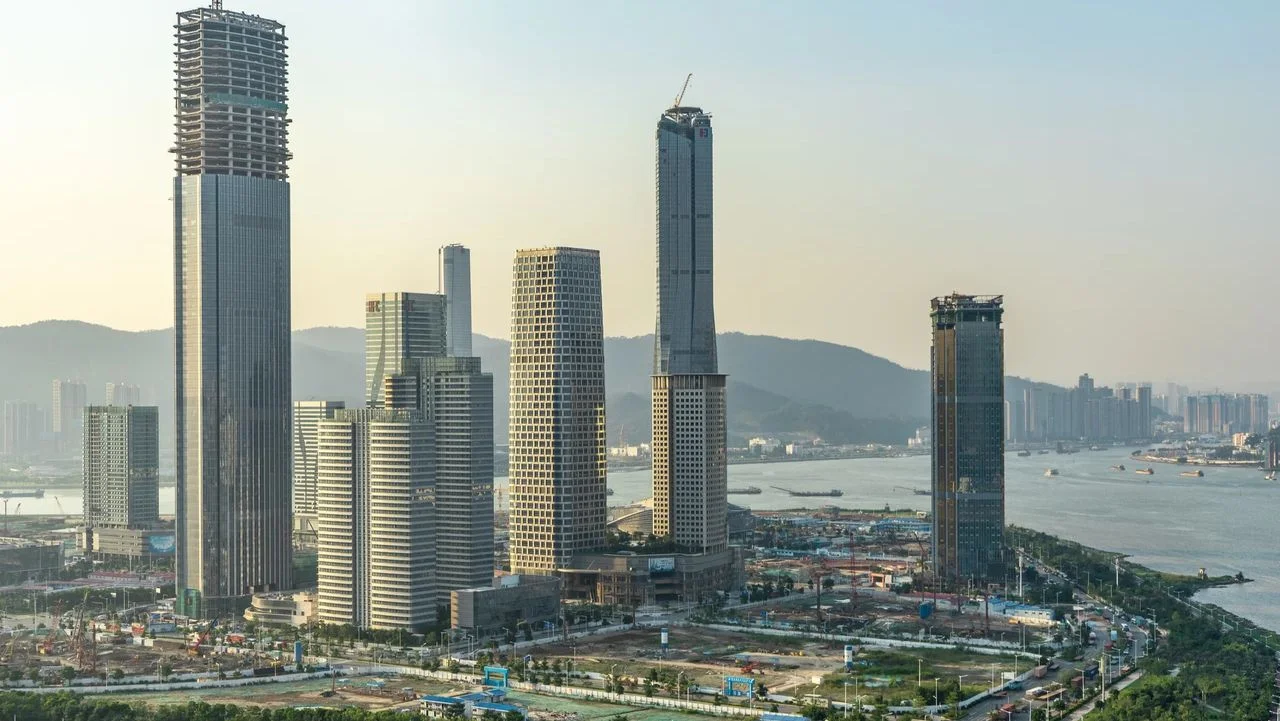
四中全會的部分重點與香港和澳門息息相關。作為中國的特別行政區,香港和澳門必須發展科技進步,例如香港應利用新界北部都會區作為未來發展的高科技中心,澳門則應與橫琴加強合作,發展資訊科技,擺脫傳統上對賭場資本主義的依賴。
香港以金融和貨幣發展為基礎,澳門則致力於經濟多元化,發展股債市場、會展中心以及中醫藥和郵輪旅遊樞紐。香港和澳門都在尋求發展高質量的生產力,建立更完善的資訊科技和人工智慧基礎設施,強化軟體建設,以吸引更多內地人才。因此,香港和澳門融入粵港澳大灣區對於提升兩地的競爭力和高質量生產力至關重要。
香港和澳門已通過《國家安全法》的頒布、相關法律改革和實施,強化了國家安全制度,同時兩地政府也在努力改善綠色環境,讓各族裔和成員更積極參與社會生活。
九二共識 中方願與國民黨新黨魁對話
此外,和平統一台灣仍是四中全會的最終目標。事實上,儘管自2016年蔡英文當選台灣總統以來,兩岸官方交往惡化,幾乎中斷,但兩岸互動仍在持續。大陸當局表示,最近鄭麗文當選國民黨新任主席後,中方願意在「九二共識」下與國民黨推進兩岸的交流。由此可見,中共仍渴望以和平方式解決台灣前途問題。
四中全會批准張升民出任中央軍委副主席,意味着軍隊正在持續推進反腐敗倡廉政建設,清除腐敗分子,提升軍隊戰鬥力。對中央軍委而言,提升軍隊戰鬥力是維護國家領土完整和國家安全的必要措施。張升民現為中紀委副書記和中央軍委紀委書記,也是火箭軍的將領,而火箭軍先前曾深陷腐敗醜聞。
因此,他作為軍委副主席的角色在政治和軍事上都意義重大,不僅要與軍委副主席張又俠並肩作戰,還要在中央軍委主席習近平的領導下打擊軍隊腐敗,提升解放軍,特別是火箭軍的作戰能力。
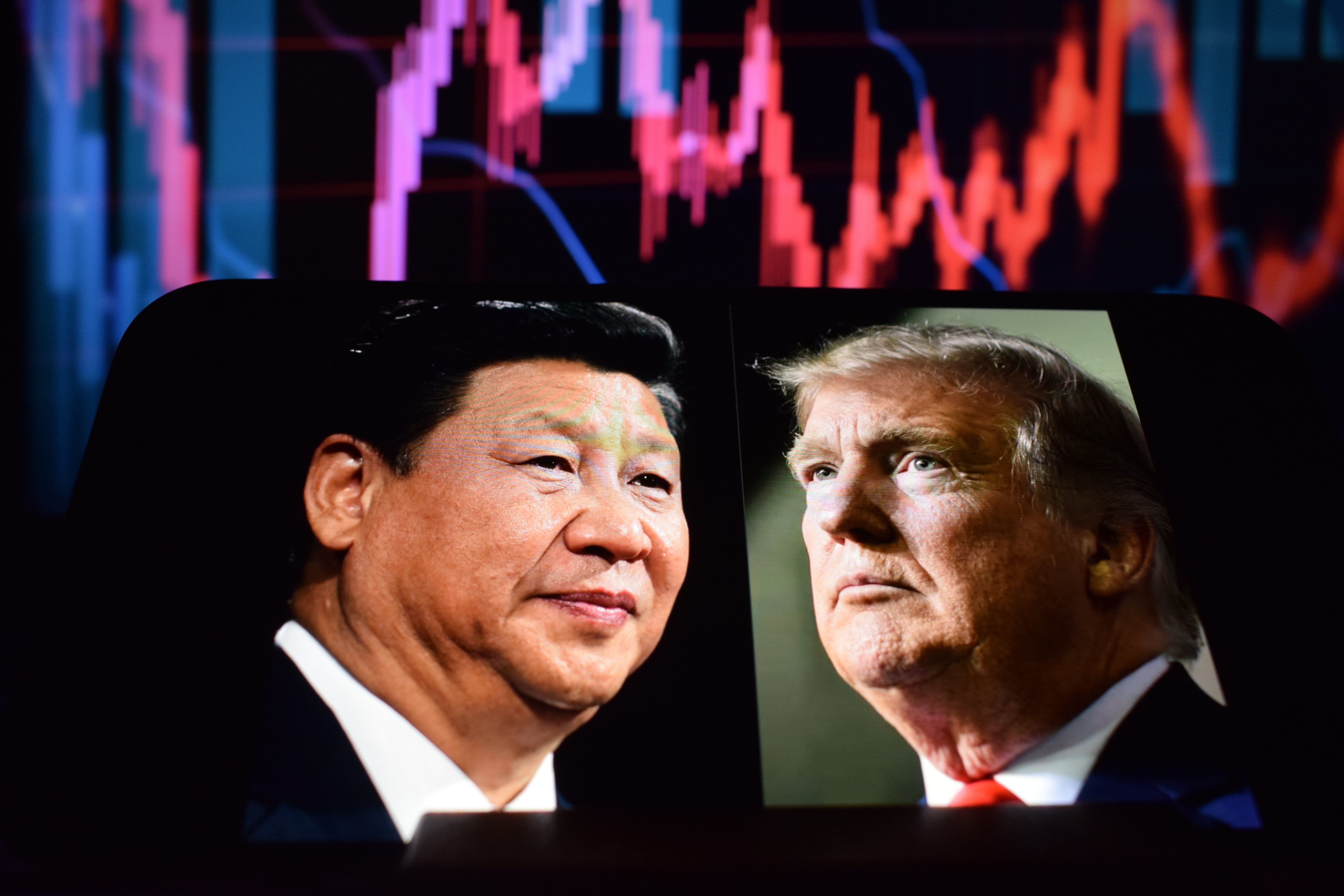
習特會在即 中央須統一抗美戰線
中共中央政治局常委會議召開前夕,外界曾有傳言稱,中國國家主席、中共中央總書記,甚至中央軍委主席,其中一兩個職位可能會發生變動。但事實證明,習近平將繼續擔任這三個重要職位,打破了先前的傳言。
由於習近平主席下周將在韓國與美國總統特朗普會面,討論一系列問題,包括中國對稀土出口的控制以及華盛頓威脅提高對華產品關稅等,中共必須穩定北京的最高政治領導層,以便在談判桌上形成統一戰線,對抗美國。
畢竟,從現在到中共二十一屆代表大會,將有更多年輕黨員被培養擔任中央、政治局,甚至政治局常委的更高級別職位。因此可以預見,從現在到2027年中共廿一大,內部政治和討論將持續進行,屆時將見證更多領導層的更迭。簡而言之,接班人計劃正在進行中,但中國大陸以外的觀察家誇大並高估了四中全會的人事變動幅度。
值得注意的是新任11名中央委員的組成。 84%的中央委員(205名正式委員中的168名)出席了此次全會。10名中央委員被開除黨籍,很可能是因為貪腐問題。當這11名委員被增補到中央委員會時,他們的排名高於7名中央委員,其中4名是軍隊將領。
據香港媒體報道,新任中央委員「超越」7名現有中央委員的原因尚不清楚。此外,這11名新任中央委員來自不同的省、市和國家級部門,擁有豐富的專業知識和背景,沒有固定派系。因此,選出11名新任中央委員似乎是出於策略考慮,其餘未填補的正式委員空缺將在2027年黨代表大會召開前的過渡期處理。
推測起來,新當選的11名中央委員比7名中央委員更受歡迎,其中一些委員的表現可能不太令人滿意。中央共有376名委員,其中205名是正式委員,171名是候補委員。這次全體會議的缺席者佔16%,這意味其中一些正在接受腐敗指控調查,而另一些人則是在腐敗行為被調查和揭露後被開除黨籍。
習近平仍執政 反腐持久續戰
簡言之,在目前向第二十一屆黨代會過渡期間,必須加強對中央委員的黨紀國法,這或許可以解釋為什麼只有11名委員當選為正式委員。只要習近平仍然是國家主席、中共中央和中央軍委的最高領導人,反腐敗很可能將是一場持久戰。同時,本次全體會議在選拔新中央委員方面採取了更為謹慎的態度。
對於張升民出任新任軍委副主席,在政治和軍事上都具有重要意義,顯示解放軍內部反貪運動仍在繼續,同樣重要的是,在習近平主席與特朗普總統在韓國會晤之前,維護政治穩定和領導力以及政治團結的重要性變得尤為突出。
從現在到將來中國共產黨第二十一次全國代表大會,我們可以期待一個循序漸進的改革進程、逐步的人事變動和領導層更迭。因此,四中全會在習近平主席時代具有重要的政治意義。
China’s Fourth Plenum and its politico-economic and military implications
The four-day Fourth Plenary Session of the 20th Central Committee (CC) of the Communist Party of China (CPC) was held from 20 to 23 October, and it released a communiqué on the 23rd, pointing to several directions in China’s economic modernisation and endorsing some personnel arrangements of the CC and the Central Military Commission (CMC).
According to Xinhua (24 October 2025), participants heard and discussed a report delivered by CPC General Secretary Xi Jinping on the work of the Politburo. They deliberated over and adopted the recommendations of the CC for formulating the 15th Five-Year Plan for China’s economic and social development from 2026 to 2030. This Five-Year Plan will be important as it is expected to lay down the foundations of China’s quest for achieving socialist modernisation by 2035.
The communiqué affirmed “Comrade Xi Jinping’s core position on the Party CC and in the Party as a whole and of establishing the guiding role of Xi Jinping Thought on Socialism with Chinese Characteristics for a New Era (Xinhua, 24 October 2025).”
The communiqué also reiterated the Party’s overall leadership in China’s economic development. It emphasised the importance of putting the people’s interest first with high-quality development, the need for deepening reforms, the promotion of a dynamic relationship between a well-functioning government and an efficient market, and the maintenance of development and security.
The main elements of China’s socio-economic development, according to the communiqué, are as follows:
First, China must improve its scientific and technological self-reliance with strength while propelling the process of reform comprehensively. The society must make cultural and ethical progress, to improve the quality of life, to advance the initiative of having a Beautiful China, and to consolidate national security.
Second, China should build a modernised industrial system and reinforce the foundations of the economy.
Third, the country should achieve more self-reliance in science and technology and steer the development of new high-quality productive forces.
Fourth, it should build a robust domestic market and foster a new pattern of development in a much faster way.
Fifth, China should develop a high-standard socialist market economy, boost high-quality development, and promote a high-standard opening-up process for the sake of creating a win-win scenario.
Sixth, it should accelerate agricultural and rural modernisation and advance rural revitalisation.
Seventh, regional development, cooperation, and coordination should be enhanced.
Eighth, the creativity of all ethnic groups will have to be stimulated and vitalised so that all the peoples will enjoy affluence together.
Ninth, the economy and society should turn green and environmentally friendly so that the Beautiful China will become a reality.
Tenth, China should continue to modernise its national security system and national defence, and achieve the centenary goals of the modernisation of the People’s Liberation Army (PLA). In this way, the goal of establishing a Peaceful China will be achieved.
The plenary session also decided to add Zhang Shengmin as a vice-chairman of the Central Military Commission (CMC). Moreover, empty seats on the CC will be filled by alternate members Yu Huiwen, Ma Hancheng, Wang Jian, Wang Xi, Wang Yonghong, Wang Tingkai, Wang Xinwei, Wei Tao, Deng Yiwu, Deng Xiuming, and Lu Hong.
The plenary session adopted the report of the Central Discipline Inspection Committee, which said that Tang Renjian, Jin Xiangjun, Li Shisong, Yang Fasen, and Zhu Zhisong violated Party discipline.
It also deliberated and adopted the CMC’s inspection report on the violations of Party discipline and state laws involving such military generals as He Weidong, Miao Hua, He Hongjun, Wang Xiubin, Lin Xiangyang, Qin Shutong, Yuan Huazhi, Wang Chunning, and Zhang Fengzhong.
The session confirmed the decision of the Politburo to expel He Weidong, Miao Hua, Tang Renjian, Jin Xiangjun, Qin Shutong, Yuan Huazhi, Wang Chunning, Li Shisong, Yang Fasen, Zhu Zhisong, and Zhang Fengzhong from the CPC.
Implications for Hong Kong and Macau
The communiqué has a short paragraph on Hong Kong, Macau, and Taiwan. It says that the Chinese Mainland is going to promote the prosperity and stability of both Hong Kong and Macau. Moreover, peaceful development in cross-strait relations will be promoted, while the task of the motherland’s reunification will be propelled further. China will promote the process of establishing the common destiny for mankind, meaning that peace and sustainable development continue to be the global initiatives of the Chinese government.
The Fourth Plenum’s main emphases have direct relevance to Hong Kong and Macau. As the special administrative regions of the Chinese Mainland, Hong Kong and Macau must develop scientific and technological progress, like Hong Kong’s utilisation of the Northern Metropolis as a high-tech hub for its future development, and Macau’s closer cooperation with Hengqin to develop Information and Technology (IT) away from its traditional reliance on casino-driven capitalism.
The economic base of Hong Kong and Macau must be enhanced, with the former based on financial and monetary development while the latter is diversifying its economy into the areas of developing securities and bonds, convention and exhibition centres, and a hub for Chinese medicine and cruise tourism. Both Hong Kong and Macau are seeking to develop high-quality productive forces, with better IT and Artificial Intelligence infrastructure and stronger software in terms of importing more mainland talents to the two cities. As such, the regional integration of Hong Kong and Macau into the Greater Bay Area is necessary to enhance the two cities’ competitiveness and high-quality productive forces.
While Hong Kong and Macau have already strengthened their national security systems through their national security law promulgation, related legal reforms and implementation, their governments are seeking to improve the green environment and engage the ethnic groups and members to participate more actively in society.
The communiqué has a brief relevance to the question of Taiwan, whose peaceful reunification with the Chinese Mainland remains the ultimate objective of the Fourth Plenum. In fact, cross-strait interactions are constantly maintained even though official contacts between the Chinese Mainland and Taiwan have deteriorated and almost ceased since the election of Tsai Ing-wen as Taiwan’s president in 2016. Still, mainland authorities have said that, after the recent election of Cheng Li-wen as the new chairwoman of the opposition Kuomintang (Nationalist Party), they are willing to promote exchanges with the KMT under the 1992 consensus. Therefore, it is crystal clear that the CPC is still eager to solve the question of Taiwan’s future in a peaceful way.
Personnel Changes and Political Implications
The plenum’s endorsement of Zhang Shengmin as the vice-chairman of the CMC means that the military is maintaining its anti-corruption campaign to root out corrupt elements and rotten apples for the sake of enhancing the PLA’s fighting capability. The enhancement of the PLA’s fighting capabilities, to the CMC, is a necessary step to protect China’s territorial integrity and national security. Zhang Shengmin is a deputy secretary of the Central Discipline Inspection Committee, and he is also a general from the Rocket Force, which was previously plagued with corruption scandals.
As such, his role as the vice-chairman of the CMC is politically and militarily significant, working side by side not only with CMC vice-chairman Zhang Youxia but also under CMC chairman Xi Jinping to combat military corruption and to improve the fighting capability of the PLA, especially the Rocket Force. Zhang Shengmin is also expected to tighten all the procurement procedures and ethical conduct within the military and ensure that the PLA’s upper echelon of leaders will be clean.
Before the plenum, rumours circulated outside China that one or two of the positions of the Chinese President, CPC Secretary-General, and even CMC chairperson might change. As it turns out, Xi Jinping is continuing to hold the three important positions, dispelling the rumours. Since President Xi will meet US President Donald Trump in South Korea next week over a whole range of issues, including China’s control of rare earth exports and Washington’s threat of increasing its tariff on Chinese products, the CPC must stabilise Beijing’s top political leadership to position a united front against the Americans at the bargaining table.
After all, from now to the 21st Party Congress, more younger CPC members will be groomed to assume higher-level positions in the CC, Politburo, and even the Politburo Standing Committee. Hence, it can be anticipated that inside politics and discussions are ongoing from now to the 2027 Party Congress, which will witness more leadership changes. In short, succession planning is underway, but observers outside the Chinese Mainland have exaggerated and over-calculated the extent of personnel changes in the Fourth Plenum.
What is noteworthy is the composition of the new eleven members of the CC. Eighty-four per cent of the CC members (168 of 205 full members) attended the plenary session. Ten CC members were expelled from the CPC, most likely because of corruption issues. Interestingly, when eleven members were supplemented to the Central Committee, their names were ranked higher than seven CC members, four of whom are military generals. News reports in Hong Kong have stated that the reasons for new CC members “jumping over” seven existing CC members were unknown. Moreover, the eleven new CC members come from different provinces, cities, and departments at the national level, showing a variety of expertise and background without any fixed factional groupings. Hence, the selection of eleven new CC members appeared to be strategic, leaving the rest of the unfilled CC full members to be tackled later in the transition to the 2027 Party Congress.
Speculatively speaking, the newly elected eleven CC members were more popular than seven CC members, some of whom might be seen as performing less satisfactorily by voters. The CC has altogether 376 members, of which 205 are full members and 171 are alternate members. The absentees in the plenary meeting amounted to 16 per cent, implying that some of them were being investigated for corruption charges while some were simply expelled from the CPC after investigation and revelation of their corrupt deeds. In short, the Party discipline of CC members has to be tightened in the current transition to the 21st Party Congress, perhaps explaining why only eleven members were elected to the CC as full members. Anti-corruption will likely be a persistent crusade as long as Xi Jinping remains the paramount leader of the presidential position, the CPC, and the CMC. In the meantime, a more cautious approach to selecting new CC members was adopted in the plenary session.
Conclusion
The Fourth Plenary Session of the CPC endorsed the basic principles of the direction of the 15th Five-Year Plan, having important implications for Hong Kong and Macau. The next policy address of the Chief Executives of Hong Kong and Macau, together with their financial budgets, will be expected to reflect the plenum’s main emphases that are applicable to the two cities. Specifically, the development of IT, regional cooperation, regional coordination with the Greater Bay Area (Hong Kong with Shenzhen, Macau with Hengqin), the consolidation of the economic base, and the development of high-quality productive forces are imperative for Hong Kong and Macau.
The emphasis on peaceful reunification with Taiwan is a positive tone, simultaneously coinciding with the Chinese Mainland’s extension of its warm hands to Cheng Li-wen, the newly elected KMT chair in Taiwan. The selection of Zhang Shengmin as the new CMC vice-chairman is a politically and militarily significant move, pointing to the continuation of the anti-corruption campaign within the PLA. Last but not least, prior to the meeting between President Xi Jinping and President Trump in South Korea, the maintenance of political stability and leadership and the importance of political unity have become prominent in the Fourth Plenary Session of the CPC. From now to the 21st Party Congress, we can expect a gradual process of reforms, step-by-step personnel changes, and incremental leadership succession. As such, the Fourth Plenary Session was highly politically significant in the President Xi Jinping era.
原刊於澳門新聞通訊社(MNA)網站,本社獲作者授權轉載。(原文按此)