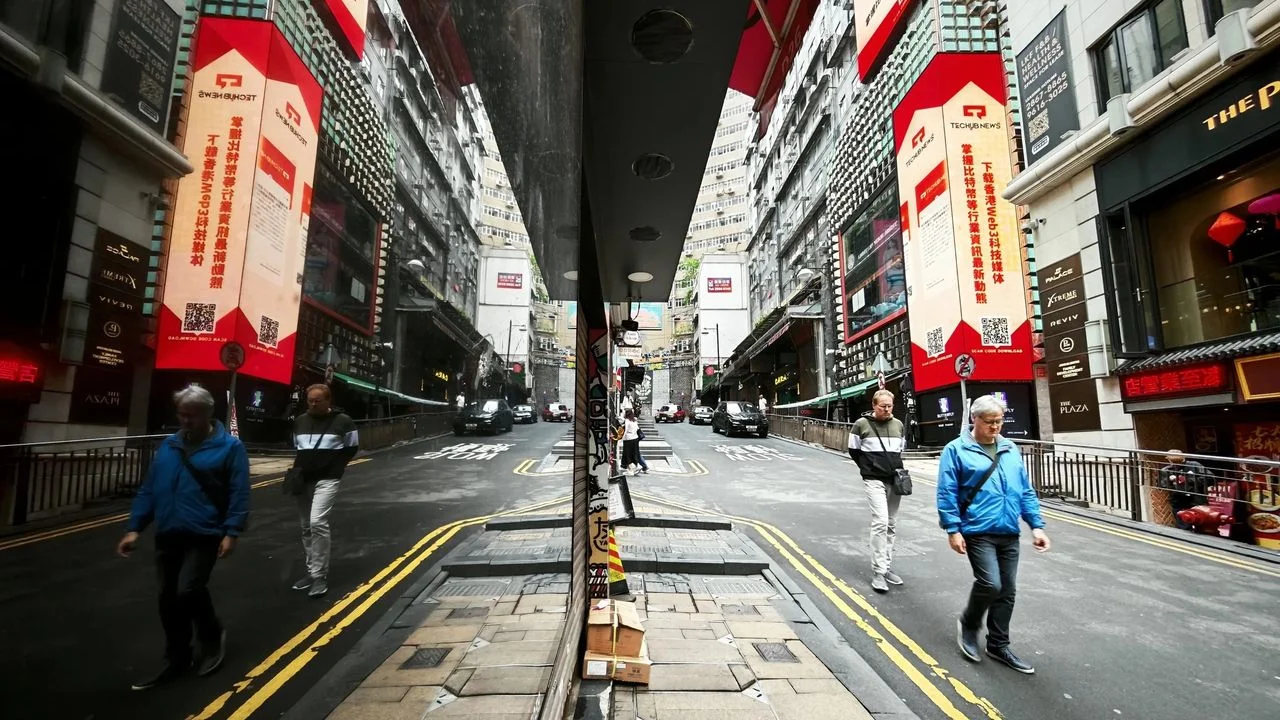

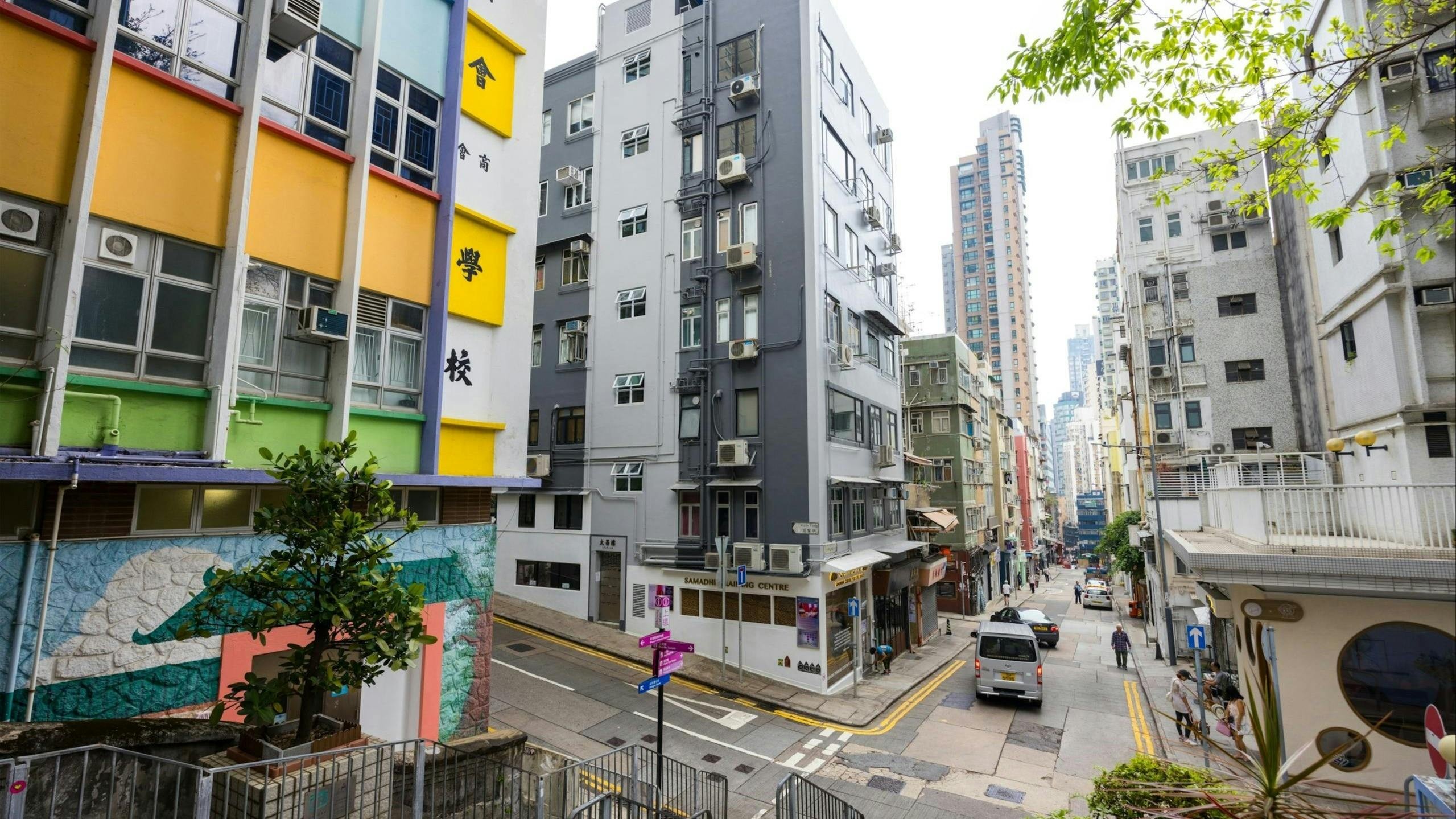


在開發180多年後,香港島的歷史核心區(中環、上環和灣仔)和九龍的歷史核心區(油麻地、尖沙咀和旺角)面臨嚴重的城市危機。
曾經充滿活力的街區如今已淪為人口稠密的遺跡,建築老化、街道擁擠、衛生條件惡劣,城市熱島效應加劇。如果沒有大膽的經濟驅動型解決方案,這些舊區不僅可能失去文化靈魂,還可能喪失大部分經濟潛力。
8月9日,一群市區重建專家和學者齊聚香港建築師學會總部,就城市景觀的演變交換意見。討論涵蓋了一系列緊迫議題,包括「可呼吸城市」的概念、啟德河的活化、文化生態研究框架的建構、文物保護機制的改革以及市區重建計劃的財務可行性。
與會者強調,將環境永續性與文化保護結合至關重要,同時也要關注重建的經濟現實。這次會議反映出,專業人士正日益積極地重新思考如何使香港的城市空間更宜居、更包容和具韌性。
由土發公司到市建局
1988年,當局意識到零散的市場主導型重建項目不足,於是成立了土地發展公司(LDC)。在成立後的11年裏,LDC推出了30個重建項目:其中16個已完工,四個在建,另有十個處於收購或提前規劃階段。早期專案被證明具有經濟可行性,因為低層建築的前身允許採用較高的地積比率。
但到了1990年代末,LDC深陷賠償糾紛、曠日持久的收購戰和不斷攀升的成本。固定的賠償基準(與七年樓齡建築的房產估值掛鈎)以及(為重建)強制售賣物業必須獲得80%業主同意的門檻,導致許多項目陷入虧損。
2001年,市區重建局(URA)取代了LDC,以集中協調並加速土地整合。然而,30年過去了,進展依然緩慢,預計到2050年,超過2.7萬棟私人建築的樓齡將達到或超過50年。即使擁有政治意願和政策工具,香港的市區重建引擎仍因三大障礙而停滯不前。
市區重建三大障礙
首先,業權分散。雖然法律已修訂,降低了許多50年或以上樓齡物業的業主同意門檻,但一些建築物仍面臨80%的業主同意門檻。實際上,這使得舊樓群無法被集體收購。如果沒有近乎一致的支持,任何鞏固土地權利的嘗試都會因一些業主的反對而失敗,即使是最有希望的方案也會受阻。
其次是淨收益微乎其微。即使成功拼湊出足夠的業權,發展商也常常會發現,新的許可總樓面面積幾乎趕不上──在某些情況下甚至會低於──現有的樓面面積。當提高地積比率只能帶來可建總樓面面積的微小提升時,拆缷重建舊樓的商業價值就被蒸發了。發展商結果只能糾結到底要繼續承受微薄的利潤,還是乾脆放棄。
最後,還有過時的補償方案加劇了挑戰。市建局對轉移地積比率和特殊補償安排的雙重依賴,使業主對現行的收購方案心存疑慮。當補償方案似乎與過去十年的市場價格掛鈎時,即使是完善的重建計劃也難以獲得業主的自願同意。
這三大挑戰共同作用,使大規模、區域性的重建從一項政策願景淪為財政困境。任何可持續的解決方案,都必須先設計機制來改變這些頑固的經濟問題,才能推動大規模重建項目。
連結市區重建與北部都會區
今年6月,政府向市建局批出兩幅收取象徵性地價的地皮,旨在填補其資金缺口。然而這些零散的撥款,遠遠不足以補足重建六個地區眾多舊樓的所需投入。
我們需要一個創新機制,將市區重建與香港的下一個發展前沿──北部都會區連結起來。這方案讓發展商可透過市場交易購買舊樓業權,作為交換,他們將會按市價獲分配在北部都會區開發的總樓面面積。
遺蹟或保護區內未使用的地積比率同樣可以轉移到指定的新開發區域。該計劃將推動歷史建築的業主善用其資產的剩餘價值,同時可以實體完整地保留其舊建築,並迅速為北部都會區引入新的房屋供應和居民。
擴大公共空間 改善生活素質
真正的城市更新不應僅為了盈利而大興土木,而應優先拓寬人行道和道路以緩解交通擠塞,改善衛生設施和廢物管理,並擴大公共和休閒空間以提升社區生活。此外,還必須專注於改善微氣候條件,透過種植更多樹木、鋪設反光物料和設置綠色走廊來緩解熱島效應。
在人口稠密的地區,例如油麻地和旺角,選擇性疏伐──將建築物和人口密度降至更能永續發展的水平──必須是我們的首要目標。
雖然一些專家倡導多維度願景,但如果缺乏切實的經濟誘因和精簡的機制,這些理想終將落空。我們不能用良好的意願來掩蓋問題。有效的革新需要新的思維、實際的政策工具和真正的緊迫感。
鑑於香港的人口容量和更廣泛的區域發展目標,將高價值的舊區用地與市場驅動的重建權相結合,有望帶來巨大的社會、環境和經濟回報。這不僅是合理的政策,更是商業良機和良政善治。我們必須在危機延續到下一代之前採取行動。
Hong Kong needs new thinking to regenerate ageing districts
More than 180 years after their first development, the historic cores on Hong Kong Island – Central, Sheung Wan and Wan Chai – and in Kowloon – Yau Ma Tei, Tsim Sha Tsui and Mong Kok – face an acute urban crisis.
Once-vibrant neighbourhoods have become densely packed relics defined by ageing buildings, congested streets, poor sanitation and rising urban heat island effects. Without bold, economy-driven solutions, these old districts risk losing not only their cultural soul but also much of their economic potential.
On August 9, a group of urban renewal experts and academics convened at the Hong Kong Institute of Architects headquarters to exchange ideas on the city’s evolving landscape. The discussion spanned a wide range of pressing topics, including the concept of a “breathable city”, the revitalisation of the Kai Tak River, the development of a research framework for cultural ecology, reforms to heritage conservation mechanisms and the financial viability of urban renewal projects.
Participants stressed the importance of integrating environmental sustainability with cultural preservation while also addressing the economic realities of redevelopment. The gathering reflected growing momentum among professionals to rethink how Hong Kong’s urban spaces can be made more liveable, inclusive and resilient.
By 1988, authorities had recognised that piecemeal market-led redevelopment was insufficient and established the Land Development Corporation (LDC). In its first 11 years, the LDC rolled out 30 renewal schemes: 16 were completed, four were under construction and 10 more were in acquisition or advanced planning. Early projects proved financially viable because low-rise predecessors allowed generous new plot ratios.
But by the late 1990s, the LDC was mired in compensation disputes, protracted acquisition battles and mounting costs. A static compensation benchmark – pegged to property valuations of seven-year-old buildings – and an 80 per cent owner-consent threshold for compulsory sale of buildings pushed many schemes into the red.
In 2001, the Urban Renewal Authority (URA) replaced the LDC to centralise coordination and accelerate land assembly. Yet, three decades on, progress remains painstakingly slow, with more than 27,000 private buildings projected to be 50 years old or above by 2050. Even with political will and policy tools in hand, Hong Kong’s urban renewal engine keeps stalling against three formidable barriers.
First, there is fragmented ownership. While the law has been amended to lower the owner-consent threshold for many buildings that are 50 years old or above, some still face the 80 per cent threshold. In practice, this leaves clusters of ageing flats immune to collective acquisition. Without near-unanimous support, any attempt to consolidate land rights founders when some owners hold out, stalling even the most promising schemes.
Second are the minimal net gains. Developers who do succeed in piecing together enough titles often discover that the new permissible gross floor area barely eclipses – or in some cases even undercuts – the existing size. When lifting plot ratios yields only marginal uplifts in buildable floor space, the commercial case for demolition and reconstruction evaporates. Developers are left debating whether to proceed with a thin profit margin or walk away.
Finally, there is the outdated compensation. Compensation frameworks compound the challenge. The URA’s dual reliance on “transfer of plot ratio” and special compensation arrangements leaves owners sceptical of the offers on the table. When compensation feels anchored in market prices from the last decade, even sound renewal plans struggle to win voluntary consent.
Together, these three challenges have turned large-scale, area-wide renewal from a policy aspiration into a financial quagmire. Any sustainable solution must first devise mechanisms to shift these stubborn economics before a single demolition can proceed at scale.
In June, the government granted two nominal-premium land parcels to the URA, a symbolic move aimed at plugging its financial gap. However, these piecemeal allotments fall far short of the injection needed to tackle the many decaying buildings across six districts.
We need an innovative mechanism that ties old district renewal to Hong Kong’s next frontier, the Northern Metropolis. Under this proposal, developers would acquire ownership stakes in ageing buildings through market transactions. In exchange, they would receive gross floor area development rights in the Northern Metropolis at market-aligned levels.
Unused plot ratios from heritage or conservation sites could likewise be “transferred” to designated new development areas. This scheme would allow legacy building owners to monetise the surplus values of their assets which could physically remain intact while swiftly introducing fresh housing stock and occupants into the Northern Metropolis.
Rather than piling on bulk merely for profit, true renewal must prioritise wider footpaths and roads to ease congestion, upgraded sanitation and waste management, and expanded public and recreational spaces to nurture community life. It must also focus on improved microclimatic conditions by mitigating heat-island effects through the use of more trees, reflective materials and green corridors.
In districts with a high population density, such as Yau Ma Tei and Mong Kok, selective thinning out – bringing building and population densities down to more sustainable levels – must be our first objective.
While some experts champion multidimensional visions, such ideals will falter without hard-nosed economic incentives and streamlined mechanisms. We cannot paper over problems with good intentions. Effective renewal demands fresh thinking, practical policy tools and real urgency.
With Hong Kong’s population capacity and broader regional ambitions in play, integrating high-value, old-district sites with market-driven renewal rights offers the promise of substantial social, environmental and economic rewards. This isn’t just sound policy – it’s good business and good governance. We must act before the crisis passes to the next generation.
原刊於《南華早報》,本社獲作者授權轉載及翻譯。(原文按此)