More cooperation between Hong Kong and Macau: Toward integration with Greater Bay Area
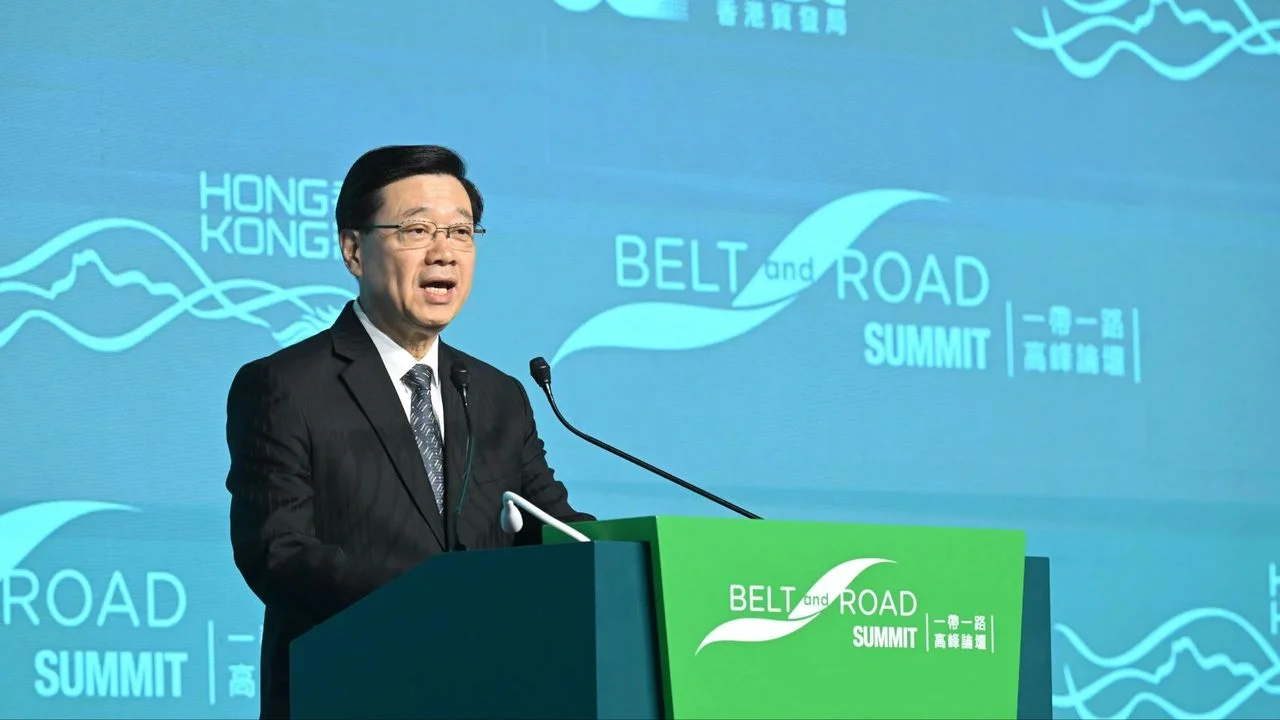
Although the one-day visit by Hong Kong Chief Executive John Lee and his officials to Macau on 5 August was a positive step in strengthening cooperation between the Hong Kong Special Administrative Region (HKSAR) and the Macau Special Administrative Region (MSAR), there remains ample scope for further collaboration between the two cities, particularly in the areas of transport, tourism, sport, health, and education.
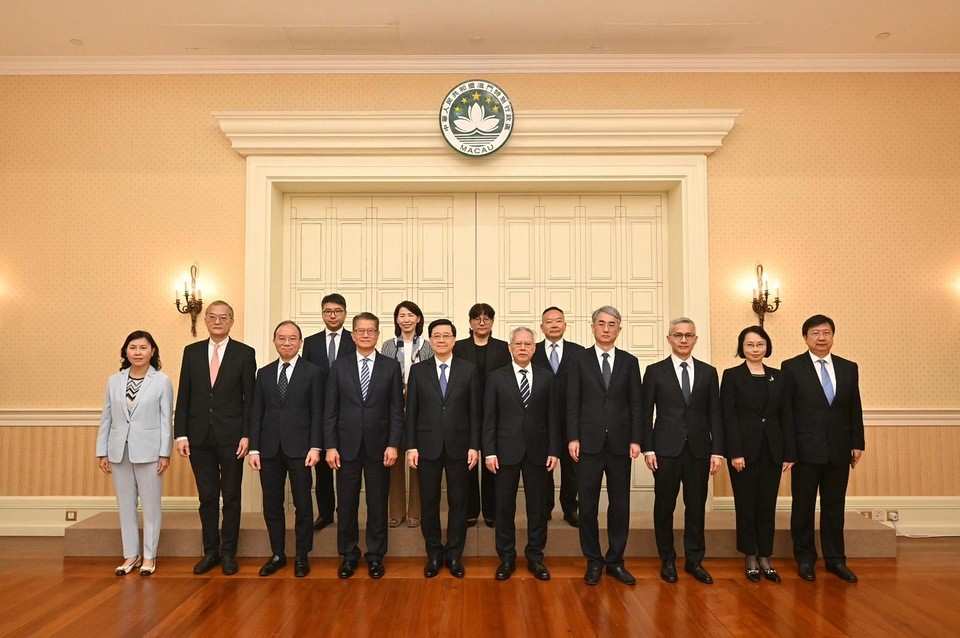
John Lee’s delegation included Financial Secretary Paul Chan, Secretary for Constitutional and Mainland Affairs Erick Tsang, Secretary for Health Lo Chung-mau, Secretary for Transport and Logistics Mable Chan, and Director of Chief Executive Office Carol Yip.
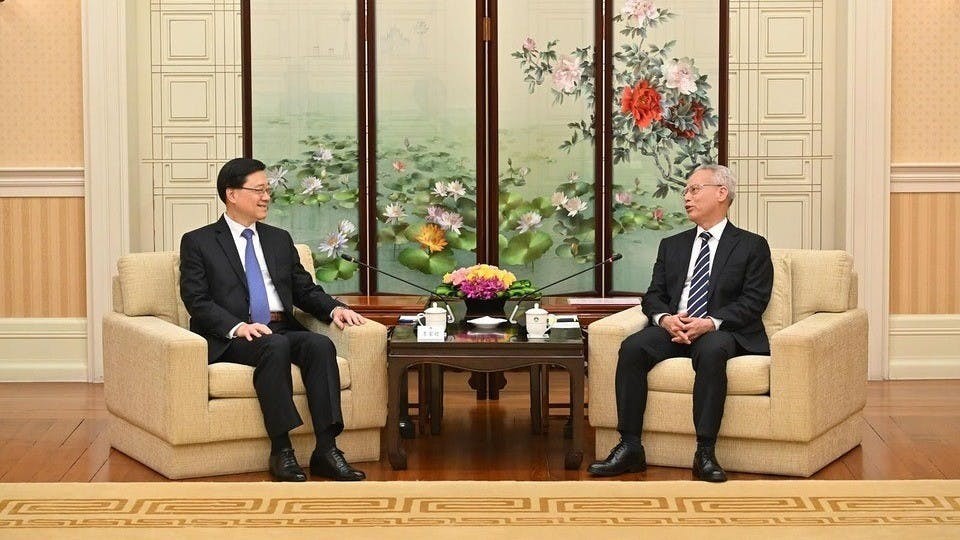
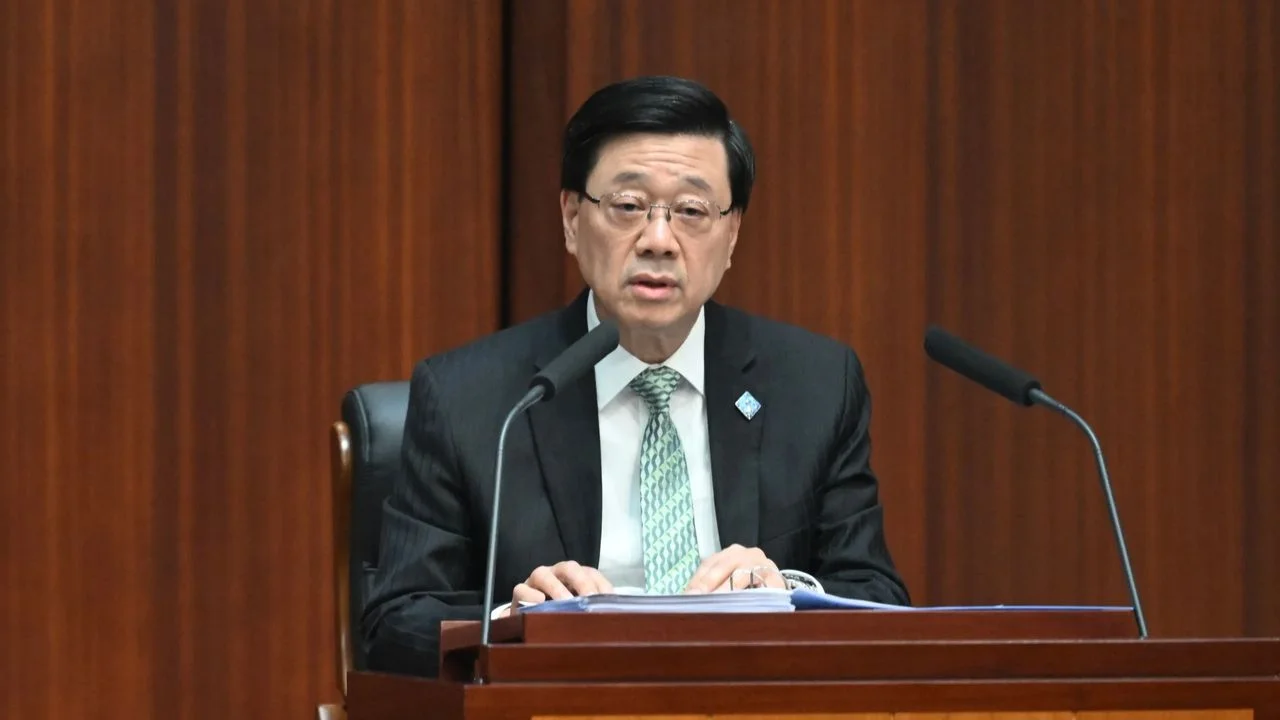
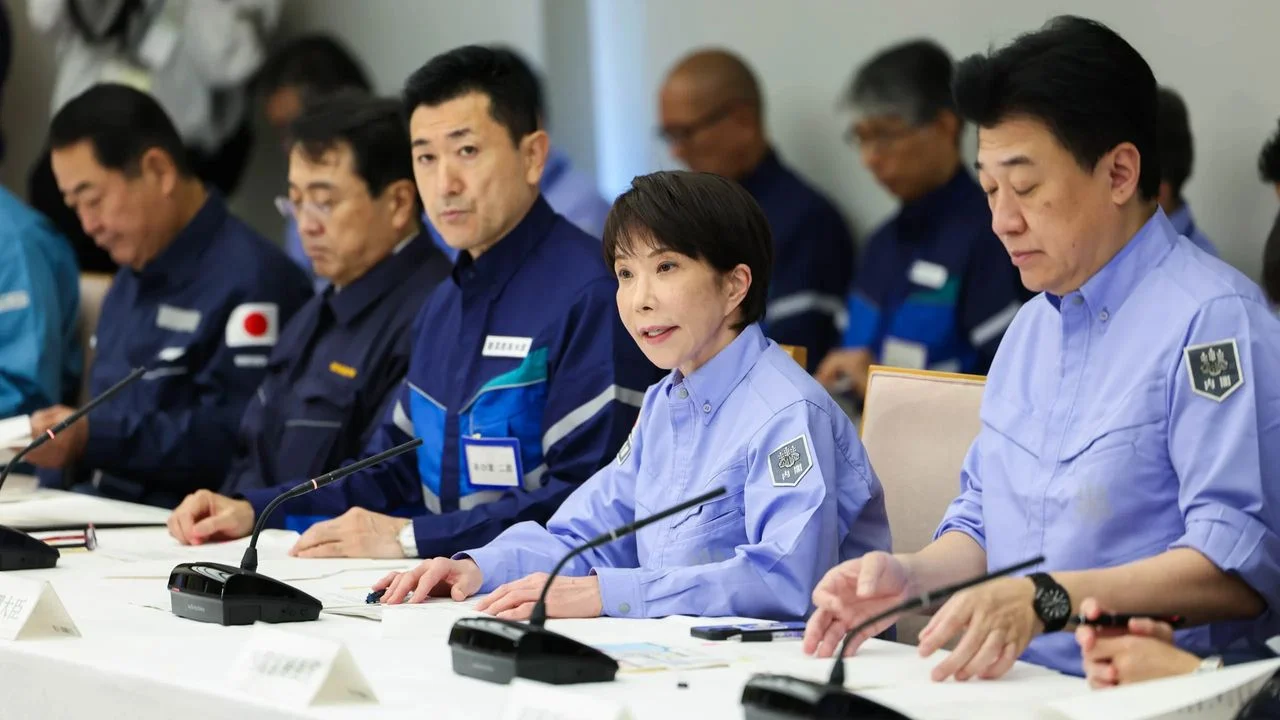
According to the Hong Kong government’s press release, John Lee had in-depth discussions with Macau Chief Executive Sam Hou Fai on the details of cooperation and the high-quality development of the Greater Bay Area. Lee said that establishing the Guangdong-Macao In-Depth Cooperation Zone in Hengqin shows not only the strategic planning that will enrich the “one country, two systems,” but also an arrangement beneficial to the integration of the two cities into national development.
Emphasizing that Hong Kong and Macau are enjoying distinctive advantages under the “one country, two systems” formula, Lee added that the two cities can enjoy close geographical connections, frequent people-to-people and cultural exchanges, and solid trade and economic relations. He also emphasized the complementarity between the two cities, which to him should seize the development opportunities to consolidate collaboration and to contribute to the Greater Bay Area’s high-quality development.
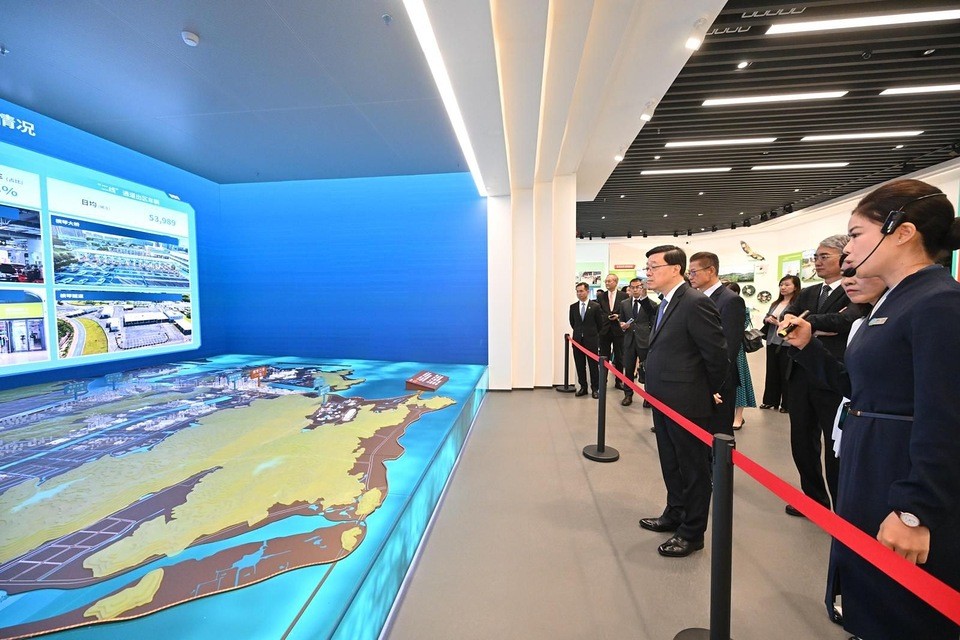
Lee and his officials visited the In-Depth Cooperation Zone in Hengqin, and toured the Traditional Chinese Medicine Cultural Experience Centre to learn about how Chinese medicine can be integrated with cultural tourism.
Macau officials who attended the meeting with the Hong Kong delegation included Secretary for Administration and Justice Cheong Weng Chon, Secretary for Economy and Finance Tai Kin Ip, Secretary for Social Affairs and Culture O Lam, Secretary for Transport and Public Works Tam Vai Man, Director of Policy Research and Regional Development Bureau Cheong Chok Man, and Chief Executive Office’s chief-in-charge Chan Kak.
As with John Lee, Sam Hou Fai emphasized the importance of multifaceted cooperation between Macau and Hong Kong, and he mentioned the importance of exploring new opportunities in the second phase of development of the Guangdong-Macau In-Depth Cooperation Zone.
The two Chief Executives discussed top-level planning mechanisms and sectoral alignments between relevant departments, trying to establish the foundation of cross-cities collaboration and the cooperative institutional arrangements.
Sam Ho Fai told John Lee that the Cooperation Zone is an important platform for Macau’s integration into the Greater Bay Area and for its economic diversification drive. He added that Macau set up a leading group for promoting the development of the Cooperation Zone in the areas of policies, legal framework, personnel arrangements and resource allocation. In fact, more Macau civil servants will be deployed to work in the Cooperation Zone.
With regard to the 15th National Games, the 12th National Games for Persons with Disabilities, and the 9th National Special Olympics Games, Sam Ho Fai remarked that with the 100-day countdown process, the two cities of Macau and Hong Kong can cooperate closely with Guangdong to deliver sports events, co-host sports initiatives and attract more tourists and visitors to the region in a win-win situation.
Regarding tourism, Sam mentioned the need for enhancing the strengths of both Macau and Hong Kong, strengthening their connectivity, promoting the tourism brand of the Greater Bay Area (GBA) through tailored packages and incentives, and propelling further development in regional tourism.
From an analytical perspective, there are more room and opportunities for both Hong Kong and Macau to broaden and deepen their cooperation.
First and foremost, if transport can be enhanced between the two cities, as evidenced in the increase in the usage of the Hong Kong-Zhuhai-Macau Bridge by vehicles across the two cities, other areas of transport can and should be improved further. These include the possibilities of developing low-altitude economy between Hong Kong and Macau, allowing private-sector helicopters to fly between the two cities, and permitting cruise ships to travel between the waters of Hong Kong and Macau with sightseeing activities on some of the outlying islands of the two cities. Maritime transport can provide the incentive to stimulate the faster development of cruise tourism in Macau, especially between the Macau Peninsula and the Islands of Taipa and Coloane.
If flying taxis can be considered as a lucrative way forward for the development of low-altitude economy of both Hong Kong and Macau, local airlines may be encouraged to order electric Vertical Take-Off and Landing (eVTOL) crafts. This will necessitate cross-cities transport officials to sit down and discuss the questions related to licensing, safety and emergency rescue operations, landing pads, scheduled routes, immigration and customs facilities, and the pilot stage of development as well as full implementation plans.
Second, on health-related cooperation, the two cities must exchange information on health issues and infectious diseases, such as the slowly emerging chikungunya fever that appeared to originate from Foshan. The hospital authorities of the two cities must exchange information pertinent to health on a weekly and regular basis so that the people’s livelihood and public health will be safeguarded further.
Third, tourism has much more room for further collaboration. While Macau has been traditionally strong in its cultural heritage protection policy, Hong Kong has much to learn from the cultural and historical heritage protection policies in Macau. Many wartime sites in the HKSAR have not been well maintained; instead, many have been left obsolete and neglected, reflecting on the relative lack of historical sense on the part of some tourism authorities in Hong Kong. Perhaps with the rise in patriotic education in new Hong Kong after mid-2020, a stronger sense of history can and will make Hong Kong tourism authorities aware of the imperative of choosing, protecting and maintaining historical sites in a far more sensitive and effective way. In this aspect, Hong Kong’s tourism and cultural authorities should pay more visits to learn from their counterparts in Macau.
In fact, historical tourism has more room for further development in the two cities, linking both Hong Kong and Macau on, say, how many people of Hong Kong migrated to Macau during the Second World War, and how the Chinese intellectuals were rescued by the communist guerillas from Hong Kong to escape to mainland China through the water routes and the route of Macau. All these routes are of high historical value, but sadly tourism authorities in Hong Kong have appeared to pay little attention while the water routes from Hong Kong to Macau can be revived as a special package in historical tourism. Macau’s rich historical and cultural heritage can be combined nicely and maximised fully with Hong Kong’s history in the leaflets, brochures and flyers to be produced by tourism authorities in the two cities, if they are both keen to collaborate far more closely to realize the historical potential of Hong Kong and Macau to the full extent.
Similarly, museums in the two cities can cooperate more closely. Underwater exploration of ships sunk into the deep waters of Macau and Hong Kong in ancient times should be pursued by museum and historical experts. Donations can perhaps be raised from benefactors and the private sector, with at least some support from the government, to conduct research in this long neglected but historically rich area, where tourists would be interested in learning more about the treasures and history of the underwater world in Hong Kong and Macau.
Fourth, while national sports games, such as the 15th National Games, the 12th National Games for Persons with Disabilities, and the 9th National Special Olympics Games, can and will stimulate sports development and cooperation between Macau and Hong Kong, both cities should broaden and deepen all collaborative areas in sports, ranging from youth soccer to surfing, from fencing to table tennis, and from basketball to surfing. Annual sports competition between Hong Kong and Macau should be held across all the related sports; the sports associations of the two cities, with the help and support of the two governments, should engage themselves in a far more proactive and assertive way than ever before. If so, sports policies should be considered as important by both the governments of the HKSAR and MSAR in the policy addresses of the two Chief Executives.
Fifth, even in education, both cities can learn from each other. Some Macau secondary school students may be interested in studying in the HKSAR, while some Hong Kong secondary school students may be interested in studying in the MSAR. As such, annual education exhibitions that invite higher education institutions of the two cities to participate, should ideally be held in both cities so that students and parents can understand deeper on the development of higher education institutes, including public and private universities, vocational colleges and community colleges. Ideally, if Hong Kong and Macau students cross their city of birth to study in another city, some kind of preferential treatment may be considered for their tuition fees at the level of university study – an issue that educational authorities in the two places may consider in the future to incentivise cross-cities talent exchange and development.
Sixth and last but not the least, cross-cities collaboration between Hong Kong and Macau are necessary for their integration into the GBA. It can be anticipated that while Macau will be territorially integrated into the In-Depth Cooperation Zone before 2049, Hong Kong will also likely be integrated into the city of Shenzhen near 2047. As such, the HKSAR authorities must study how Macau is integrating deeper into Hengqin through the existing hybrid legal framework, which has important implications for the integration of Northern Metropolis into Shenzhen sooner or later. If Macau-Hengqin integration will be a matter of time, the integration between Northern Metropolis and Shenzhen will surely follow suit.
In conclusion, the visit by John Lee and his delegation to Macau was an important one illustrating how Hong Kong and Macau as brotherly cities can and will strengthen their cooperation in the areas of economy, transport, health, sports and tourism. All these areas have more room and opportunities for further collaboration, both vertically and horizontally, Vertical collaboration refers to the depth of cooperation in these policy areas, while horizontal collaboration may be regarded as the need to broaden the areas of policy coordination that may cut across different departments and jurisdictions.
As such, setting up cross-cities departmental groups for regular discussions will be essential for the development and promotion of a win-win scenario of policy cooperation between the HKSAR and MSAR. Finally, the closer cooperation between Hong Kong and Macau in different policy areas is signaling their deeper and inevitable integration into Shenzhen and Hengqin, respectively, and into the Greater Bay Area sooner or later.
資深時事評論員、香港大學專業進修學院常務副院長暨署理附屬學院校長。此前為前香港教育學院文理學院副院長、社會科學系教授兼系主任。他專長研究香港及澳門政治、大中華跨境犯罪問題,學術成就備受國際肯定。他出版了11本個人學術著作,包括《澳門的政治轉變》(Political Change in Macao),該書於2009年10月獲得澳門基金會頒發一等奬。