

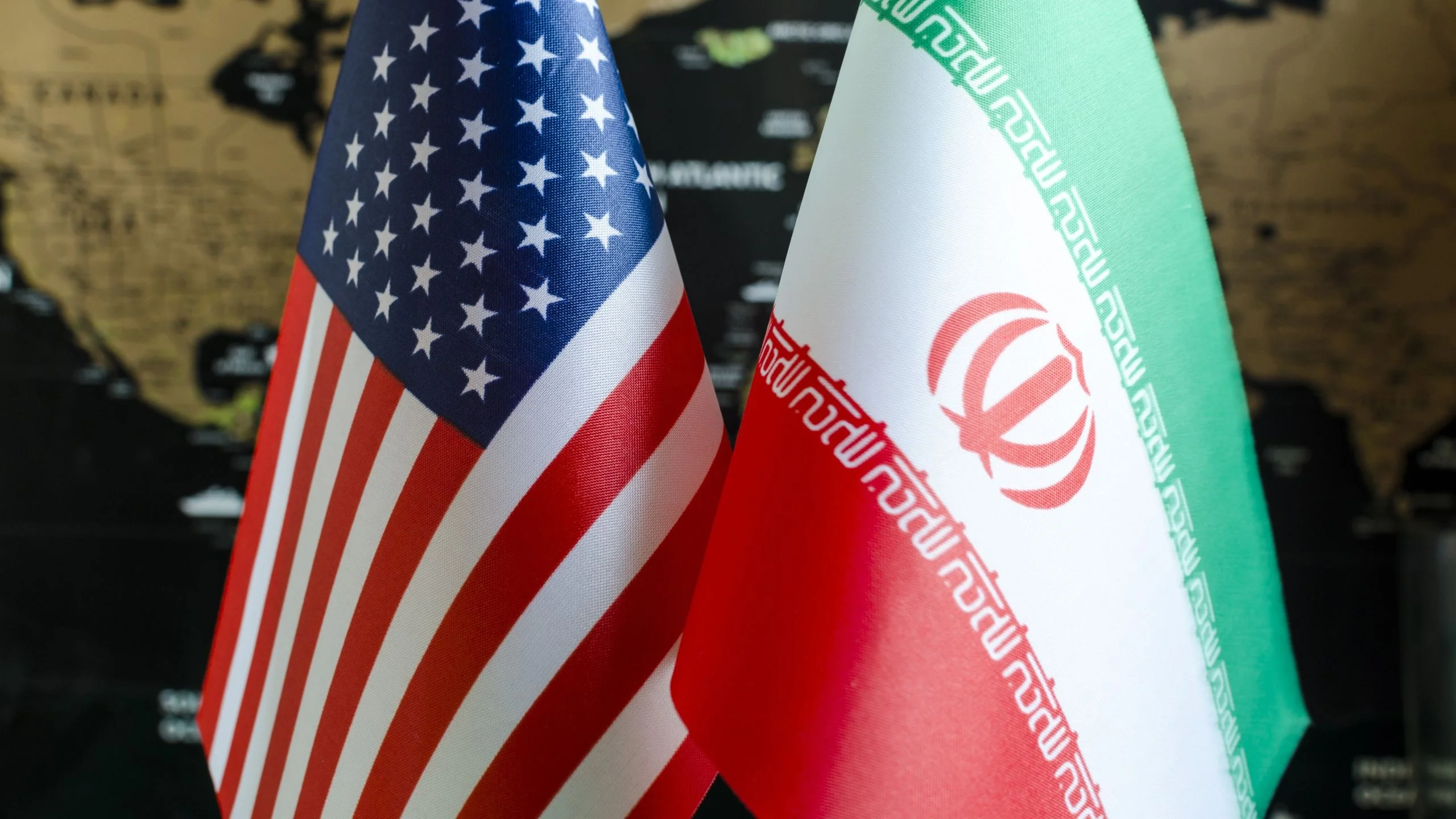

6月14日,美國與伊朗透過電子簽署方式簽署諒解備忘錄(MoU),協議落地後不久,以色列便襲擊黎巴嫩。此舉直接迫使美伊雙方推遲原定6月19日赴瑞士的代表團會晤。所幸後續局勢出現轉機:以色列與真主黨重新達成停火協議,這場衝突險些讓美伊協議徹底落空。
據媒體披露的這份共14條款美伊諒解備忘錄顯示,美伊兩國看似希望透過協議止戰,實現「雙贏」局面,但細讀條文不難發現,美方作出的讓步遠遠超過伊朗取得的戰略利益。
第一條:美伊宣布在所有戰線立即停止軍事行動,範圍包括黎巴嫩境內衝突;雙方承諾保障黎巴嫩領土完整與主權獨立。這一條款面臨的核心考驗在於,美國能否約束以色列持續襲擊黎巴嫩南部。
第二條:美伊雙方承諾互相尊重主權與領土完整,不干涉彼此內政。若與美國此前長期謀求伊朗政權更迭的目標作比較,這一條款可以說伊朗取得階段性勝利。
伊朗政權韌性與美伊海上封鎖博弈
美國2月突襲伊朗非但沒有給反對勢力製造起事契機,反而鞏固了現政權的統治基礎。相比之下,今年1月3日美國出兵推翻並逮捕委內瑞拉總統馬杜羅,該國領導階層迅速向美國妥協的局面,伊朗政權顯示極強的抗壓韌性。
第三條:雙方承諾60日內磋商達成最終協議;若雙方有意深入對話,可延長談判周期。
第四條:美國需在30日內解除對伊朗的海上封鎖,伊朗同步恢復海峽航運通行。本條同樣是伊朗的重大勝利:伊朗以封鎖霍爾木茲海峽作為談判籌碼,迫使美國讓步。特朗普也曾公開坦言,他不願意見到全球經濟陷入災難。
美伊持續衝突將重創霍爾木茲海峽航運,全球20%石油消費、25%海上石油貿易均經由此航道輸送。
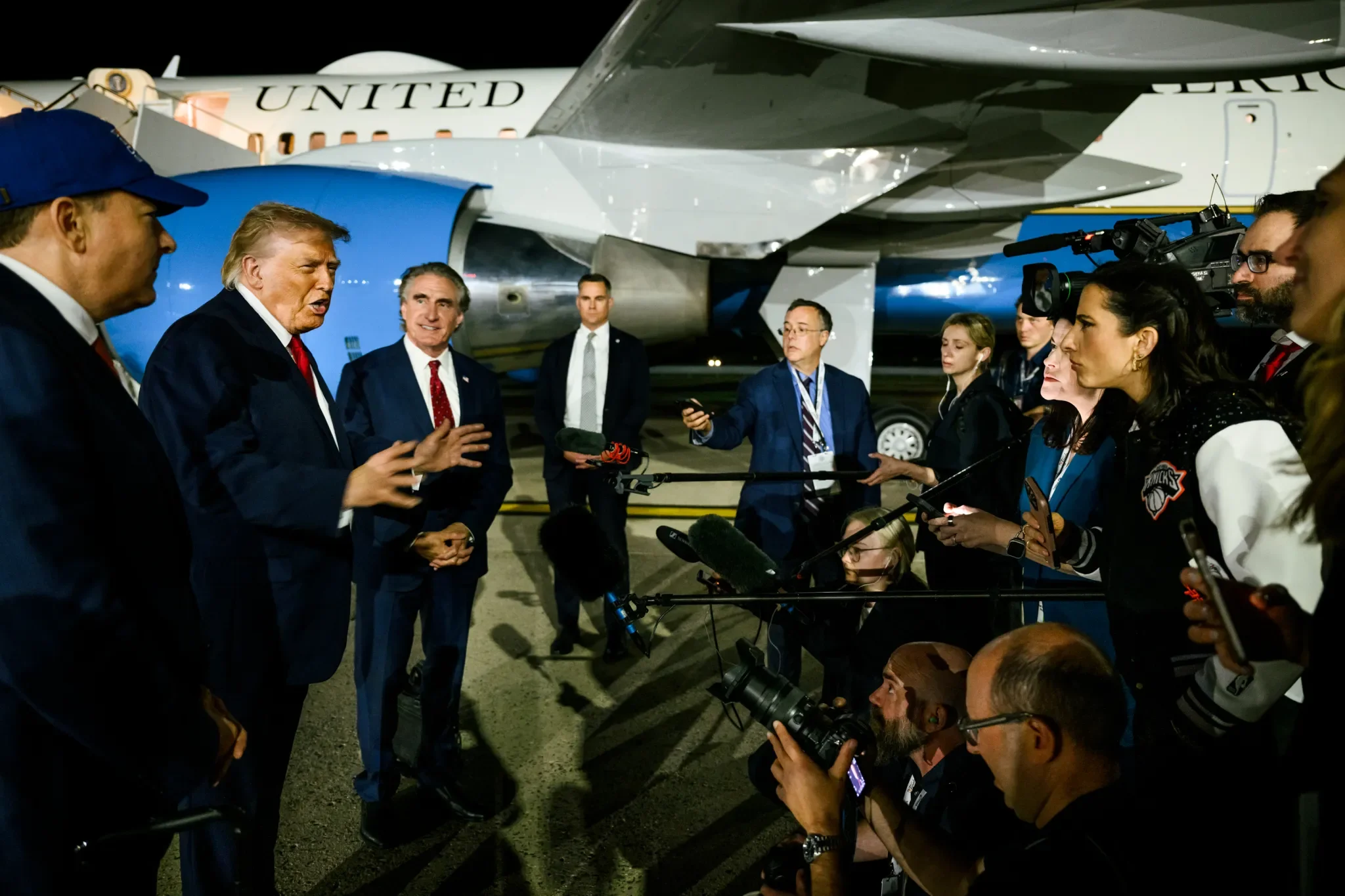
此前美國針對伊朗多處軍事設施、納坦茲、福爾多、伊斯法罕三大核設施發動軍事打擊,如今特朗普及其談判團隊急於締結臨時協議,塑造和平締造者形象。
第五條聚焦航道安全通行:伊朗保障波斯灣至阿曼灣、雙向商用船舶免費安全通航;同時伊朗將與阿曼及其他海灣國家商討霍爾木茲海峽未來管理與海事服務規則。本條可視為美國試圖拉攏伊朗、聯合海灣國家實現地區利益平衡的安排。
第六條美國承諾推動地區夥伴推出不少於3000億美元方案,用於伊朗戰後重建與經濟發展。
第七條規定美國全面撤銷對伊朗各類制裁,這意味美國透過軍事手段懲罰伊朗的戰略徹底失敗,只能放棄經濟制裁工具。
須確認伊朗停研發採購核武
第八條爭議最為突出:條文寫明伊朗確認不會研發或採購核武器;雙方同意依據共同商定機制,解決濃縮鈾庫存處置問題。這一機制即國際原子能機構(IAEA)現場核查,雙方將針對濃縮鈾產能、伊朗核需求等細節展開磋商,相關內容會寫入最終正式協議。
本條落地與否取決兩大因素:一是美伊雙方互信構建,二是未來原子能機構核查的執行效力。
第九、十條承接第八條內容:雙方承諾在正式協議簽署前維持現狀;美國頒發豁免令,允許伊朗原油、石油製品及衍生品出口,同步放開配套銀行結算、保險、海運等全鏈服務。某種程度上,這是美伊在正式協議落地前,逐步累計互信的過渡安排。
備忘錄剩餘條款分別涉及:美國解凍伊朗海外資產、設立執行監督機制跟蹤協議落實、啟動多輪實質談判、最終協議需經聯合國安理會具約束力決議認可。
兩黨外交政策轉向與美國戰略代價
這份諒解備忘錄通篇體現伊朗獲勝、美國戰略受挫。《紐約時報》6月15日社論直接定調「特朗普總統輸掉了這場戰爭」,文中寫道:「這份結束特朗普四個月對伊戰爭的臨時協議雖值得歡迎,卻也揭示殘酷現實:特朗普發動這場戰爭犯下致命失誤……美國無論軍事、外交還是經濟層面實力都遭到削弱,未來數十年都將為此承擔沉重戰略成本。」《洛杉磯時報》6月18日也評論,美國對伊朗一長串讓步,預示一場「失敗戰爭」的到來。
對比條文細節,當前局勢重回2015年奧巴馬時期《聯合全面行動計劃》(伊核協議)簽署前的僵局。當時美國共和黨猛烈抨擊這份協議,2018年特朗普第一屆政府單方面退出伊核協議,稱奧巴馬版本協議存在諸多漏洞。但如今這份諒解備忘錄重蹈2015年覆轍:伊朗承諾約束核活動,換取美國暫停經濟制裁。
伊朗核計劃牽動朝鮮半島無核化
這份備忘錄帶來廣泛地緣連鎖影響,不僅重塑中東地區權力格局,也直接牽動朝鮮半島無核化的議題,特別是朝鮮早已正式宣告自身為「核武國家」。據媒體資訊,伊朗目前並未持有現役核武器,但擁有技術高度成熟的核計劃,庫存濃縮鈾須接受國際原子能機構持續監督。
美伊談判核心難題,是敲定原子能機構核查細則,以此換取美國終止制裁。但根本矛盾在於:經濟制裁這一施壓工具是否仍具約束力。更關鍵的是,一旦美伊、以伊之間毫無互信,這份現行備忘錄極易破裂,本質極其脆弱。
伊朗將以色列停止襲擊黎巴嫩作為維持停火的前提,但內塔尼亞胡執政的以色列,國家安全立場長期強硬鷹派。從地理層面分析,以色列戰略地勢遜色:國土最寬處僅71英里,最窄處僅9英里。防禦縱深嚴重不足,因此每當衝突爆發,以色列都會尋求速戰速決擊敗對手;無論佔領加沙地帶,還是入侵黎巴嫩南部反擊真主黨,本質都是擴充安全緩衝區、拓寬戰略縱深。
在地緣規劃層面,以色列決策層始終致力維持地區霸權與安全緩衝空間。據估計以色列持有約90枚核彈頭,但官方從不承認擁有核武庫,同時對外宣稱不會率先在中東部署核武器。
以色列視伊朗黨羽為存亡威脅
即使如此,伊朗無人機、導彈實力快速崛起,始終被以色列視為核心國家安全威脅;真主黨也被以色列定性為伊朗扶植的敵對恐怖代理人。在以色列看來,伊朗與真主黨構成雙重「存亡威脅」,因此對真主黨採取高強度軍事手段,同時不斷游說特朗普政府對伊朗採取更強硬立場。
綜上所述,當前美伊諒解備忘錄根基脆弱。一份具備可執行性的永久協議,取決三大要素:伊朗能否有效管控核計劃發展、以色列對自身安全威脅的判斷、最關鍵的是美國政府能否在中東權力博弈中維持微妙平衡,約束以色列擴張民族主義與軍事冒進行動。
但協議簽署後,特朗普隨即迎來另一重挑戰:處理東北亞安全議題。近期七國集團峰會上,韓國總統李在明向特朗普表示,「如今是重視朝鮮問題的關鍵時刻」。
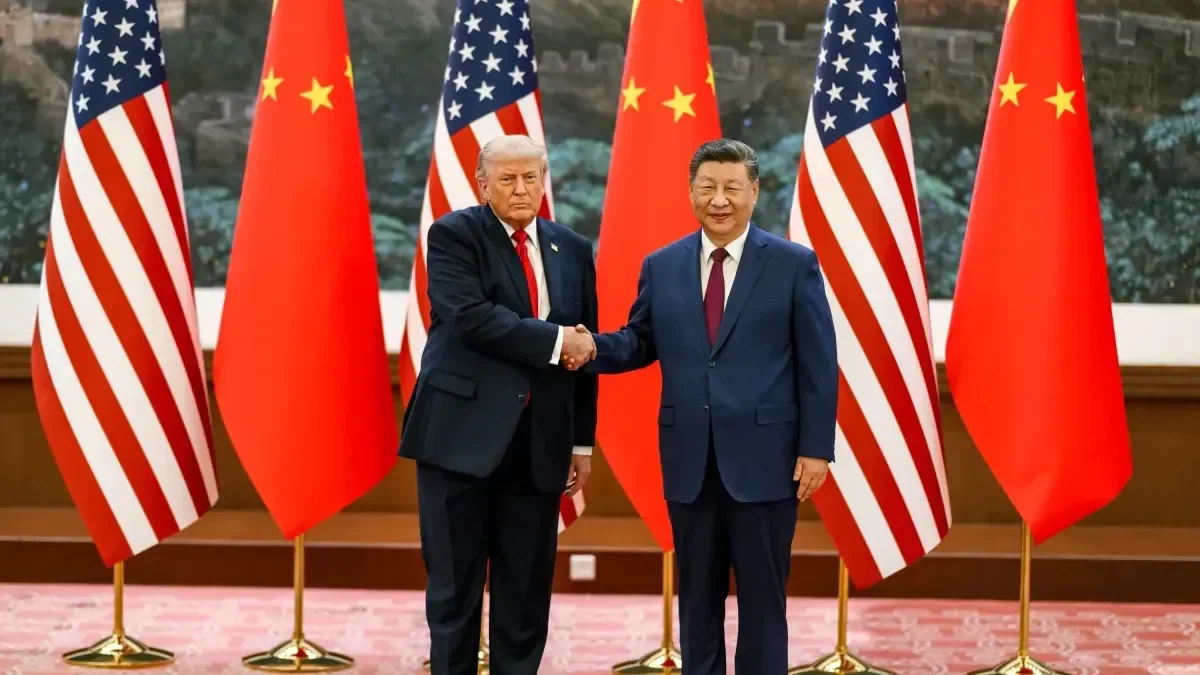
特朗普首屆任期曾三度會見朝鮮領導人金正恩,近期更是發布2018年新加坡峰會兩人合影,釋放有意推進朝鮮對話的訊號。特朗普計劃11月赴深圳出席亞太經合組織峰會,外界關注其是否會藉此訪華,游說中方促成朝鮮重返談判桌。
鑒於朝鮮已正式宣告為核武國家,未來數月如何應對朝鮮立場的根本性轉變,將成為特朗普政府棘手難題。
A fragile US-Iran deal and its geopolitical implications
Shortly after the US and Iran reached a Memorandum of Understanding (MoU) with digital signatures on June 14, Israel then attacked Lebanon, and the Israeli move immediately forced the US and Iranian side to postpone their delegation visit to Switzerland on June 19. Fortunately, the latest development is that Israel and Hezbollah have renewed their truce after their conflict almost jeopardized the US-Iran deal. On June 20, US envoy Steve Witkoff is travelling to Switzerland after a short-lived postponement of his scheduled trip. At the same time, US President Donald Trump’s son-in-law Jared Kushner is expected to join Witkoff. If the US side is going to meet the Iranian counterpart, both sides will have to reach a final agreement in a 60-day deadline.
The 14-point text of the US-Iran MoU, which was revealed by the media, shows that both US and Iran want to stop their conflicts in an apparently “win-win situation.” Yet, a closer look at the text shows that the US side appears to lose far more than what the Iranian side gains.
Immediate military cessation and the domestic balance
First, the US and Iran declare an immediate termination of military operations on all fronts, including those in Lebanon (CNN, June 18, 2026). Both sides agree to ensure the territorial integrity and sovereignty of Lebanon.
The challenge to the first point is indeed whether the US will continue to rein in Israel’s attacks on southern Lebanon. The US Vice President, James D. Vance, expressed his displeasure with Israel on June 19 when he criticised the Israeli cabinet members for not only criticising US President Trump, who has been supporting Israel all along, but also ignoring the fact that two-thirds of Israeli military weapons have been provided and supported by the US and its taxpayers. While Vance was critical of Israel, President Trump was more diplomatic and told the public on June 20 that he praised Israeli Prime Minister Benjamin Netanyahu, who was a “warrior Prime Minister” and whose credit should be acknowledged (Times of Israel, June 20, 2026).
Second, the US and Iran undertake to respect each other’s sovereignty and territorial integrity and to refrain from interfering with each other’s internal affairs.
Strictly speaking, this second point appears to signal a victory of Iran, whose sovereignty and territorial integrity were arguably violated by the sudden US attack on February 28. Moreover, the US originally aimed at achieving regime change in Iran by not only killing the supreme leader Ali Khamenei but also supporting and grooming the exiled son of the last Shah, Reza Pahlavi.
Regime resilience and maritime blockades
However, Pahlavi’s power base and support in Iran have remained quite weak, while Iran’s top clerics quickly installed the son of Ali Khamenei, Mojtaba Khamenei, as the next supreme leader in early March. Above all, the sudden US attack on Iran solidified the latter’s ruling regime rather than providing an excellent opportunity for the local dissidents to rise up against the government.
Unlike Venezuela whose President Nicholas Maduro was toppled and arrested by the US force on January 3 and where the ruling elites politically and economically “bowed” to the US quickly, Iran’s regime remains resilient and much stronger with its Revolutionary Guard holding onto power tightly with legitimacy. As such, point two of the MoU appears to be more a victory of Iran than that of the US.
Third, both sides are committed to negotiating a final deal within sixty days. The US and Iran are delaying for a more comprehensive agreement and may extend talks if both parties want more dialogue.
Fourth, the US will begin the removal of its naval blockade against Iran within thirty days, while Iran will restore the traffic of vessels during the same period.
The fourth point is arguably another victory of Iran, which succeeded in using its blockade of the Strait of Hormuz as a bargaining chip to secure some concessions from the US side. In fact, President Trump publicly admitted that he would not like to envisage any economic disaster in the world for fear that any continuous war with Iran would heavily affect the maritime traffic along the Strait of Hormuz, which normally oversaw 20 per cent of the global oil consumption and 25 per cent of all maritime oil trade.
Financial concessions and nuclear verification
Aspiring to be seen as peacemakers, President Trump and his negotiators must achieve a temporary deal with Iran after a brief period of conflicts that targeted at Iran’s major military installations and its three major nuclear sites in Natanz, Fordow, and Isfahan.
The fifth point of the MoU focuses on the safe passage of sea route. Iran will make arrangement for the safe passage of commercial vessels without charge from the Persian Gulf to the Sea of Oman, and vice versa. Furthermore, Iran will discuss with Oman and other Gulf states to define the future administration and maritime services in the Strait of Hormuz. This point is arguably an attempt by the US to achieve a win-win situation with Iran and other Gulf states.
The sixth point of the MoU, however, is arguably another victory for Iran. It says that the US undertakes with regional partners to develop a plan with at least US$300 billion for the reconstruction and economic development of Iran. Actually, immediately after the US attack on Iran in February, Iran made such a demand for the US to pay for its reconstruction. As such, point six of the MoU is clearly the victory for Iran. On June 19, President Trump openly admitted that the reconstruction amount was a huge one – an important concession made by the US side.
Point seven, namely the US termination of all types of sanctions against Iran, is also a gain from the Iranian side. This shows that economic sanctions imposed by the US will have to be abandoned after its military efforts at “punishing” Iran.
IAEA monitoring and historical parallels
Point eight of the MoU is more controversial. It says that Iran “reaffirms that it shall now procure or develop nuclear weapons,” and that both sides agree to “resolve the disposition of stockpiled enriched material pursuant to a mechanism that will be mutually agreed upon.” This mechanism refers to the on-site supervision work of the International Atomic Energy Agency (IAEA), meaning that both sides will discuss the issue of enrichment and other matters related to the needs of Iran. The final deal between the US and Iran will confirm “the provisions of this paragraph.”
In other words, both US and Iran will negotiate in detail how the IAEA will inspect Iranian nuclear sites, and the enrichment issue will be put on the negotiating table in the future. The progress of point eight of the MoU will depend on two factors: firstly trust-building on both the US and Iranian side, and secondly the effectiveness of IAEA inspections in the future.
Points nine and ten follow from point eight, namely both sides agree to maintain the status quo prior to the final agreement, and the US side will issue waivers for the export of Iranian crude oil, petroleum products and derivatives, and all associate services, including banking transactions, insurances, and transportations. In a sense, both sides are engaging in a gradual trust-building process before the final agreement will be reached.
The rest of the MoU focuses on the US move to unfreeze the assets of Iran, the need for an executive mechanism to monitor the implementation of the MoU, the necessity for both sides to start negotiations, and the need for the final deal to be endorsed by a binding resolution in the UN Security Council.
Partisan policy shifts and strategic costs
From a critical perspective, the MoU content represents more a victory of Iran and the failure of the US. This phenomenon has been admitted by the editorial of New York Times, which on June 15 said that “President Trump lost this war” (June 15, 2026). It said: “The preliminary deal ending President Trump’s four-month war with Iran is welcome but brings with it hard truths. Mr. Trump made a terrible mistake starting this war … The United States is emerging weaker – militarily, diplomatically and economically – and will pay strategic costs for years to come.” The Los Angeles Times on June 18 also remarked that the “long list of US concessions to Iran raises specter of a ‘lost war.’”
Judging from the MoU content, it looks like the current situation is reverting back to the political deadlock just prior to the July 2015 Obama-era deal, which was known as the Joint Comprehensive Plan of Action (JCPOA) and which included structures sanctions relief for Iran in exchange for concrete steps by Iran to dismantle and control its nuclear program. The JCPOA was a deal reached by the US, Iran, UK, France, Germany, China and Russia.
At that time, the Republican Party in the US criticised the deal. In May 2018, the first Donald Trump administration withdrew from this agreement, calling the Obama deal as a problematic one. However, the current MoU appears to mirror the 2015 scenario in which the Iranian side will have to control its nuclear program in exchange for the restraint from the US to impose economic sanctions.
Regional defense postures and existential threats
If this analysis is accurate, the tragedy of the US foreign policy is arguably its partisan nature, namely the Republican administration led by President Trump has changed the Democratic Party’s foreign policy toward Iran in such an oscillating way that war and conflicts with Iran could have been avoided.
The broader geopolitical implications of the current MoU are the regional politics in the Middle East and the immediate impact on Northeast Asian security in which North Korea has already declared itself as a “nuclear weapons state.”
According to media reports, Iran does not possess any nuclear weapons, but it maintains a highly advanced nuclear program in which its stockpiles of enriched uranium need the ongoing supervision work by the IAEA. The challenge is for both the US and Iranian sides to sit down on the negotiating table and to agree on how the IAEA will inspect Iran’s nuclear sites so that the US side will not impose economic sanctions on Iran. However, the crux of the problem is whether the threat of economic sanctions will continue to work. Above all, if trust does not exist between the US and the Iranian side, and also between Israel and Iran, the existing MoU can and will likely be a very fragile one.
Iran sees the Israeli restraint from attacking Lebanon as a precondition for the truce, but one baffling problem is that Israel under the Netanyahu leadership has remained quite hardline and hawkish in its view of national security.
Israel's strategic boundaries and buffer spaces
Geographically speaking, Israel is located in a self-perceived “weak strategic position” with only 71 miles across the widest point and only 9 miles across its narrowest point (George Friedman, “Israel’s Strategic Problem,” Geopolitical Futures, June 2, 2026). As such, Israel’s defensive space remains arguably “weak,” and it has to defeat its enemies early in any war or conflicts. It is also eager to expand its security space and buffer zones not only by occupying Gaza but also repel the attacks from Hezbollah by invading southern Lebanon.
Geopolitically speaking, Israel’s strategic planners must try their best to maintain its regional hegemony and security buffer space. Although it is estimated that Israel possesses some 90 nuclear warheads, the Israeli authority has officially denied possessing any nuclear arsenal. Israel also said that it would not be the first country to introduce nuclear weapons into the Middle East.
Having said that, it has viewed the rapid military rise of Iran, which possesses more drones and missiles than before, as a national security threat, and it has regarded Hezbollah as not only a “terrorist” organization but also a hostile proxy of Iran. As a result of seeing Hezbollah and Iran as posting double “existential” threats to the Jewish state, Israel has naturally adopted a militarily assertive policy toward Hezbollah and also a militarily hawkish policy lobbying the Trump administration for a more hardline approach to dealing with Iran.
Pakistani diplomacy and Northeast Asian challenges
Hence, the current MoU reached between the US and Iran will remain fragile. A workable final agreement will still depend on the ability of Iran to control its nuclear program’s development, the perception of Israel on its national security threats, and most importantly, the ability of the US administration to maintain a delicate balance of power in Middle East’s power politics and to rein in the assertive nationalism and military expansionism of Israel.
Another important geopolitical implication of the MoU between the US and Iran is the rise of the soft power of Pakistan, who has been playing a quite successful role as a middleman between the two conflicting countries. Prime Minister Shehbaz Sharif hailed the MoU as “a new dawn for peace” (The Express Tribune, June 20, 2026). Sustained and discreet diplomacy adopted by Pakistan led to a certain degree of trust-building between the US and Iran prior to their consensus over the MoU content. Pakistan’s ability to mediate diplomatically has made it a respected and effective mediator, contributing to resolving international conflicts and promoting global peace, as well as supporting regional stability in South Asia.
However, the next challenge to US President Trump shortly after the MoU with Iran is how he will deal with Northeast Asian security. In the recent G7 Summit, South Korean President Lee Jae Myung told President Trump that “time had come to pay attention to the North Korean issue” (AFP, June 19, 2026).
Trust-building and the paths forward
President Trump had met North Korean leader Kim Jong Un three times during his first term of the US administration, and he has recently posted a photo of himself and Kim Jong Un taken at a meeting in Singapore in 2018 – a gesture showing that he will likely tackle the North Korean issue soon. President Trump is scheduled to visit China in November for the APEC meeting in Shenzhen. It remains to be seen whether he will use this upcoming visit to lobby the Chinese side to persuade the North Korean side to return to the negotiating table. Given that North Korea has declared itself as a “nuclear weapons state,” it remains a challenge to the Trump administration to cope with the already changed position of North Korea in the coming months.
In conclusion, the MoU reached by the US and Iran is an important and a positive move pointing to the peaceful settlement in the Middle East. Although the content of the MoU clearly signals a victory of Iran, the US side has recognized the pragmatic necessity of stopping the conflicts for the sake of not only achieving peace in the Middle East but also averting any further oil crisis and economic shocks to the entire world.
The challenges to the US-Iranian deal include their trust-building process, the technical details of the IAEA inspection of Iran’s nuclear sites, and the ability of the US to rein in Israel’s assertive nationalism and its strategic moves to secure more buffer zones in the neighbouring regions. Amid the US-Iran MoU, Pakistan as a successful mediator has been expanding its soft power. Its diplomatic finesse has positive implications for regional and global peace. The next target of the Trump administration will be Northeast Asian security in which President Trump’s diplomacy toward North Korea will become an important spotlight of international politics and conflict resolution.
原刊於澳門新聞通訊社(MNA)網站,本社獲作者授權轉載。(原文按此)