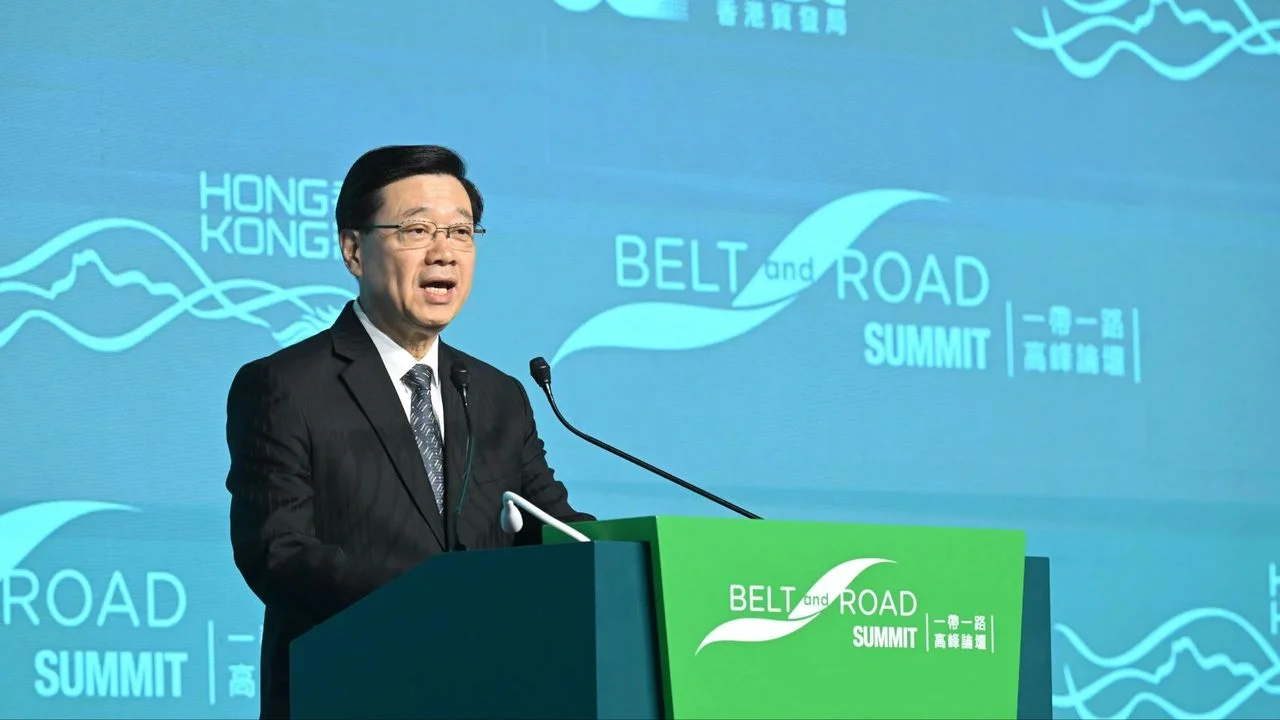



行政長官李家超率領高級代表團出訪哈薩克與烏茲別克,為期五日的外訪行程,成功樹立香港作為金融與科技超級聯繫樞紐的定位,全力助力一帶一路建設。
根據6月1日的政府新聞公報,李家超率領由香港及內地企業代表組成的大型商務代表團,會見哈薩克官員,深入了解當地創新科技產業與金融發展情況。
這支由70人組成的政商代表團出訪中亞之旅具有重大經濟和政治意義。在經濟層面,香港與哈薩克和烏茲別克兩國達成多項合作協議,充分體現香港在對外經貿往來中的獨特作用;而在政治層面,在一國兩制原則下,香港助力內地對接哈烏兩國。
李家超會見哈薩克總統托卡耶夫,並出席總統主持的午宴。他談到,2013年國家主席習近平正是在哈薩克首次提出共建絲綢之路經濟帶。當時,哈薩克已是香港在中亞地區最大的貿易夥伴。現今哈薩克積極推動經濟多元化發展,香港可發揮聯繫樞紐功能,幫助其對接內地市場,助力當地產業轉型。
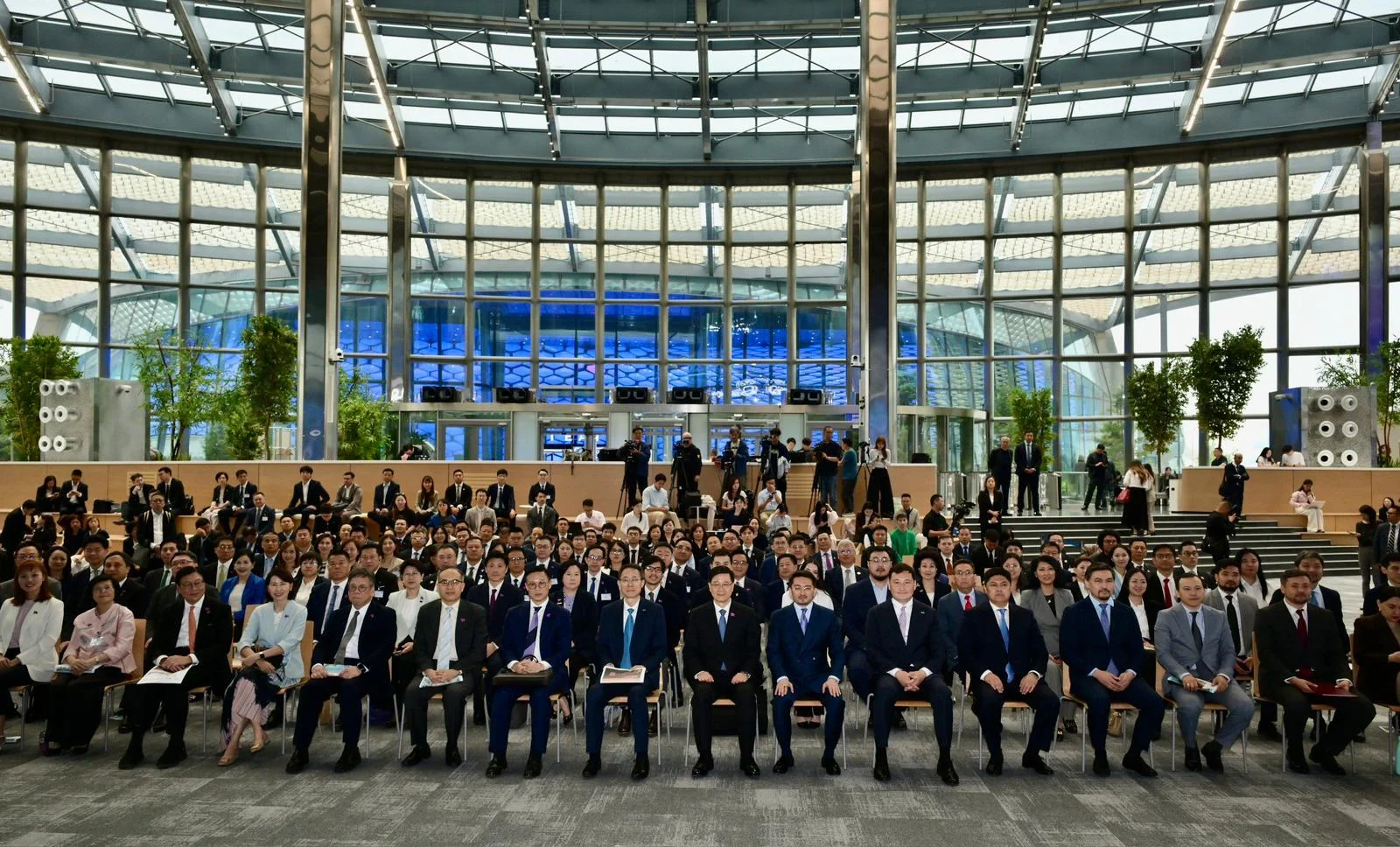
拓展科技聯通 共建創新平台
此次出訪是香港內地企業出海專班成立後,李家超的首趟海外行程,這也體現出香港正全力協助內地企業在科技發展、商業投資與貿易往來等領域邁向國際。雙方預計將在貿易、投資、金融服務、資訊科技、教育、文化旅遊等各個實務領域全面深化跨境合作。
李家超並闡述了香港的全新定位:香港是國家一帶一路建設的功能性平台,持續擔當超級聯繫人與超級價值增值者角色。
代表團參觀了哈薩克阿斯塔納創新園,借鑒當地科創發展經驗,並會見該國人工智能和數字發展部部長馬季耶夫。當下香港正積極參與深港澳大灣區國際科技創新中心建設,北部都會區也全速推進各類項目,包括河套港深創新園、新田科技城、沙嶺數據中心集群等。李家超期待哈薩克的科創企業落戶香港,持續深化兩地科技領域合作。
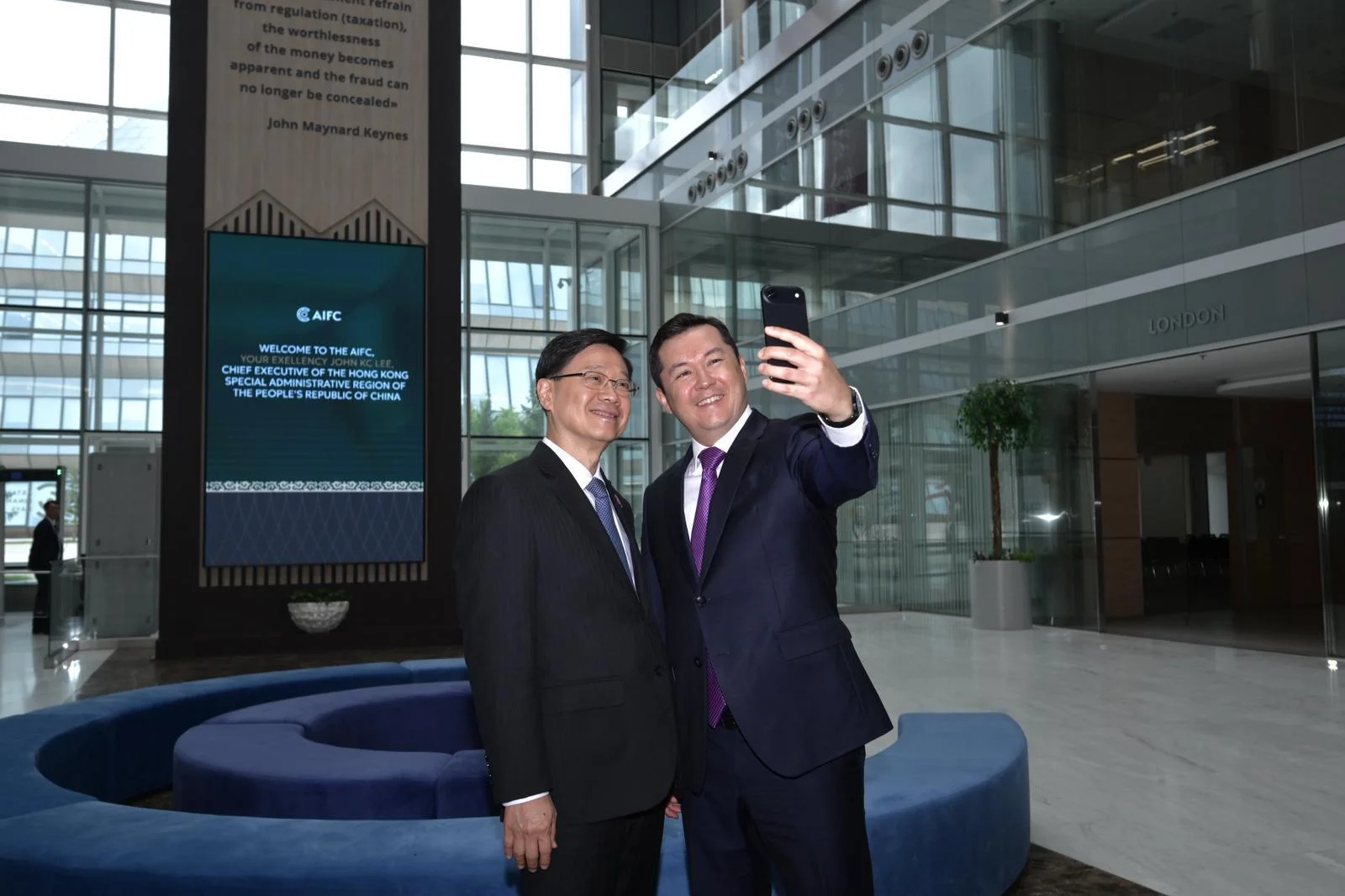
代表團還走訪了2018年成立的阿斯塔納國際金融中心。該金融中心綜合實力位居中亞首位,已有5500家企業註冊入駐。由於兩地同屬普通法法系、資本市場互聯互通,且均大力發展綠色金融,香港與該金融中心具備巨大合作潛力。
擴大與烏茲別克合作夥伴關係
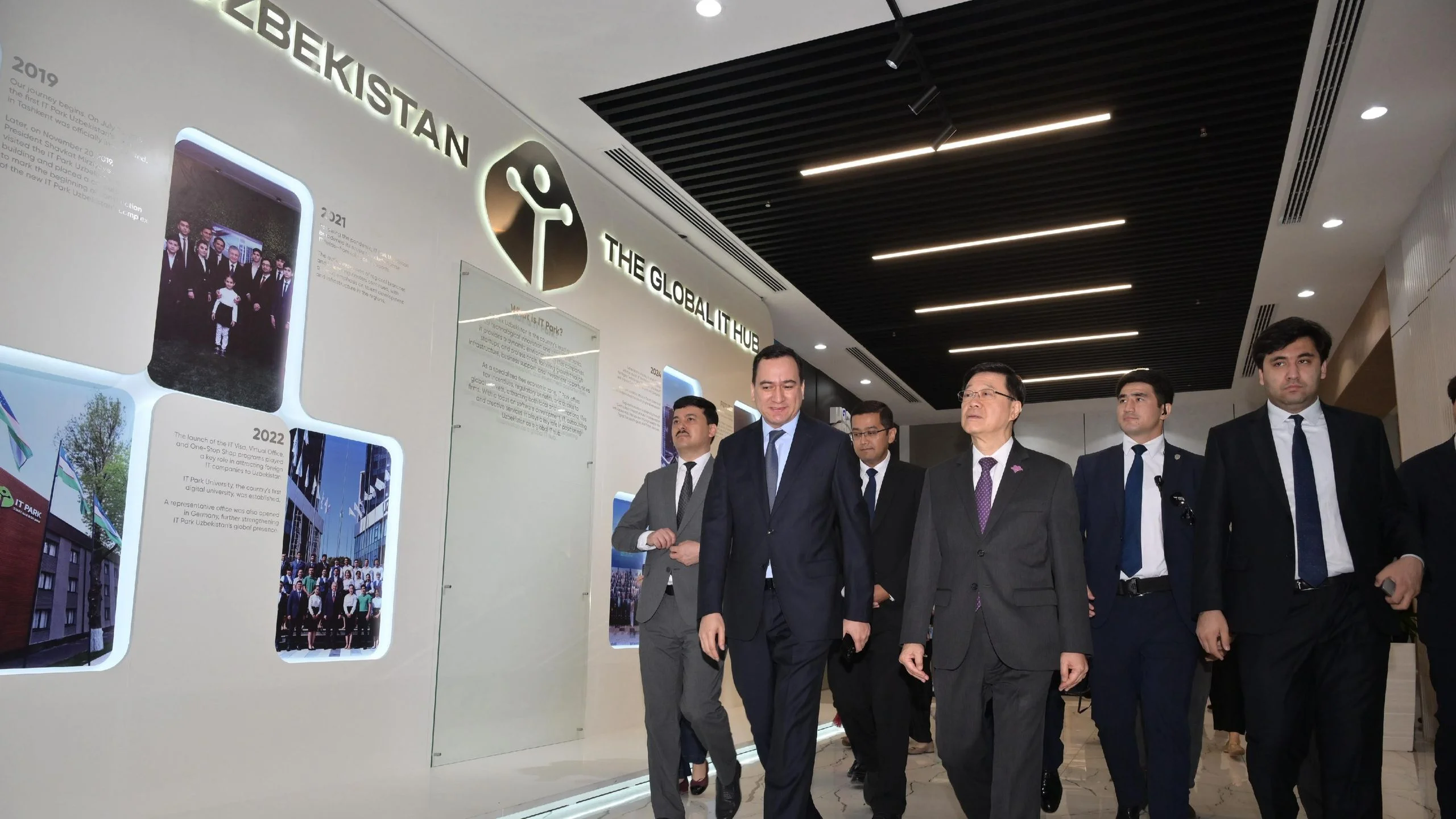
代表團隨後抵達烏茲別克,參觀當地資訊科技園區。該園區是中亞頂尖的科技樞紐,入駐企業達1000家,匯集了大批深耕數字貿易、人工智能、軟件開發領域的初創公司。香港代表團與該科技園簽署合作備忘錄,約定雙方將在初創企業培育、人才交流、聯合科研等領域開展緊密合作,合作載體包括香港數碼港、香港科學園以及港深創新及科技園。
在烏茲別克期間,李家超出席了中國駐烏茲別克大使于駿主持的午宴,感謝中國駐烏茲別克大使館為代表團此行作出周密安排。
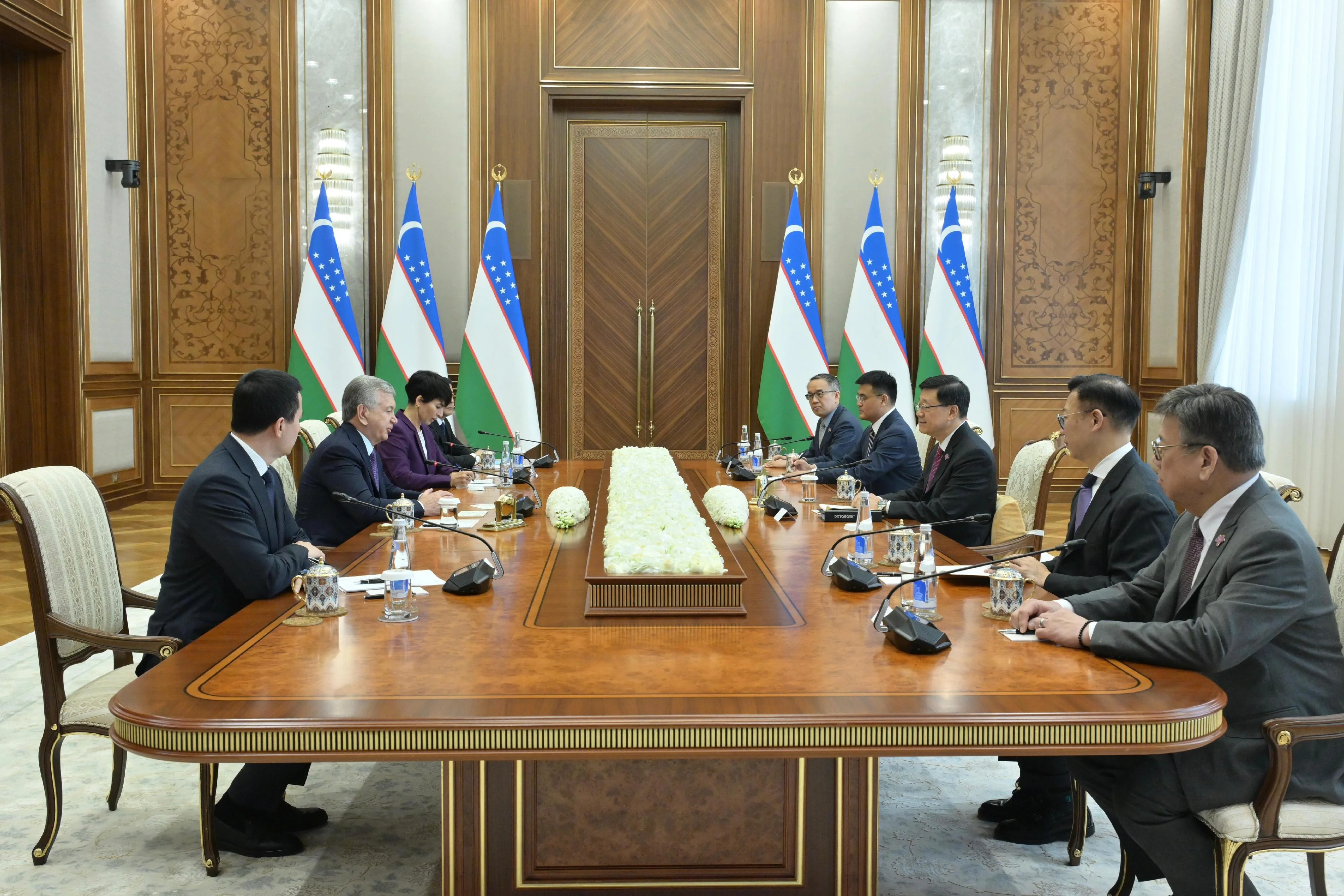
代表團此行的一大亮點,是會見烏茲別克總理米爾濟約耶夫。雙方一致同意,加強在資本市場、基建融資、綠色金融及雙邊貿易領域的合作。
本次中亞之行碩果纍纍,兩地共簽署96項合作協議及備忘錄,合作總額達16.5億美元。雙方就避免雙重徵稅、雙邊投資促進與保護、跨境通關便利化達成共識,合作範圍還涵蓋金融、資訊科技、航空運輸、免簽往來、教育人才交流、文化合作以及樞紐對接模式搭建等領域。
就在國泰航空宣布將於2027年開通往來哈薩克阿拉木圖的航線數日後,香港與烏茲別克達成共識,推動兩地航空公司開通直航航班;烏茲別克亦同意在香港設立領事館。
此次簽署的96份文件中,15份為政府間協議,其餘81份由工商界簽署;其中與哈薩克達成61項合作,與烏茲別克達成35項合作。此外,港烏兩地已啟動談判,商討實施雙邊30日互免簽證政策。
港澳特區形成戰略分工
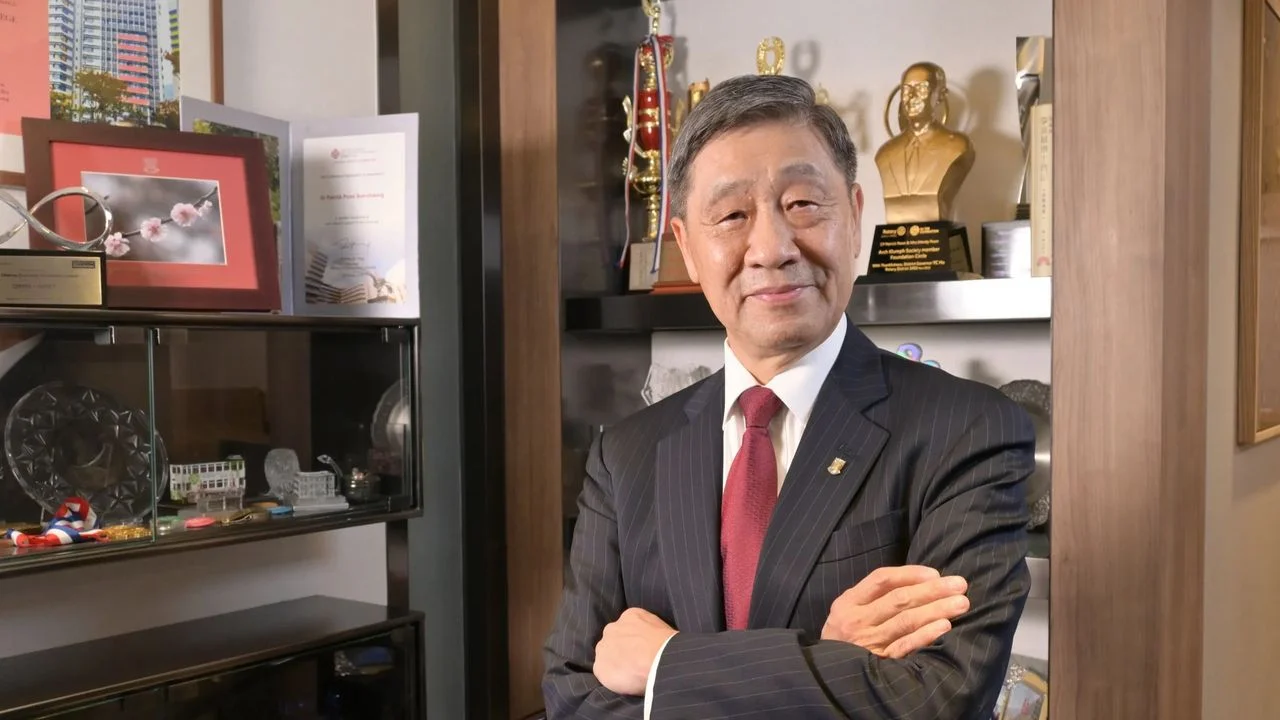
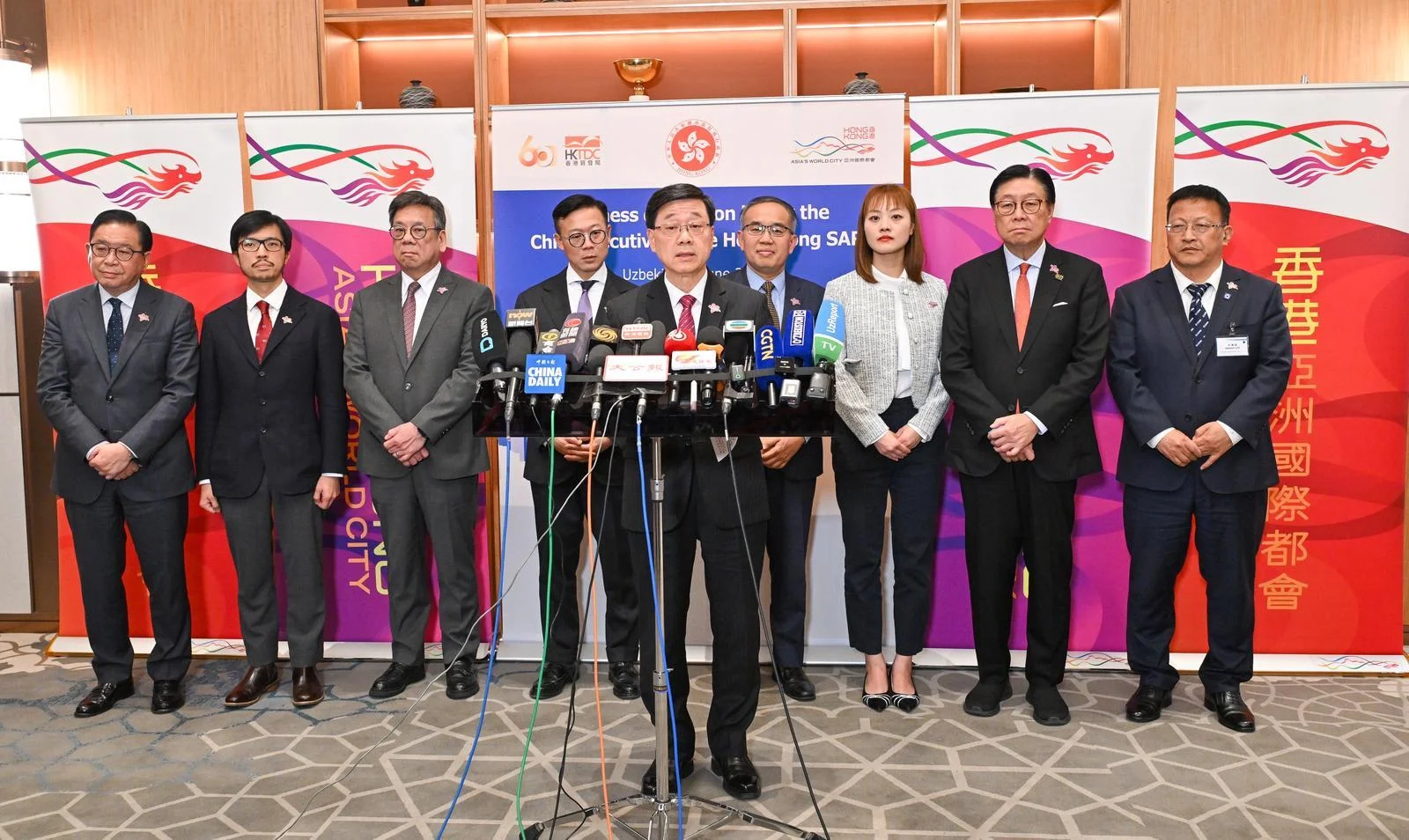
李家超透露,已指示相關部門研究在中亞地區設立香港經濟貿易辦事處的可行性,推動各項政府協議落地,全面深化跨境合作。香港貿易發展局主席馬時亨表示,此次外訪為兩地商務合作打開了全新局面。哈薩克國家鐵路公司亦有意赴港上市。
李家超率團出訪中亞,具備深遠的經濟與政治意義,可從多個維度解讀:
第一,繼澳門行政長官岑浩輝出訪葡萄牙、西班牙、比利時、瑞士之後,李家超的中亞之行,清晰體現出港澳兩大特區的分工協作模式。在中央政府統籌布局與全力支持下,港澳兩地相繼組團外訪,成為拓展國家對外交往的有效舉措。
第二,港澳兩地代表團均有內地企業負責人參與。李家超此訪是內地企業出海專班成立後的首趟海外行程,標誌着兩個特區在國家外交布局中承擔起全新職能。澳門已成為國家拓展與葡語國家、西語國家往來的重要平台;香港則專注助力國家深化與中亞各國合作。
第三,根據港澳兩部《基本法》,中央政府授權兩個特區依法自行處理相關對外事務。澳門特首出訪歐洲、香港特首出訪中亞,均具備重要政治內涵,充分體現中央依法賦予港澳的對外事務自主權,也印證了一國兩制在特區對外交往領域的強大生命力與成熟運作模式。
研中亞設經貿辦 擬報中央審批
第四,李家超要求團隊研究在中亞設立經貿辦的構想,後續將開展可行性研究,並擬定方案上報中央政府作最終審批。
第五,伴隨香港北部都會區建設全面提速,特區政府主動對接中亞等海外國家,深化貿易、人工智能、交通運輸、聯合研發等領域合作,長遠來看也將為北部都會區的發展注入新動能。
第六,港澳兩地定位清晰、互補協同,共同服務於國家外交目標。香港依托國際金融中心與航空樞紐優勢,搭建內地與全球對接的橋樑;澳門則發揮旅遊休閒樞紐特色,連通內地與葡語、西語國家。
綜上所述,李家超率團出訪哈薩克與烏茲別克,在經濟、科技、教育、文化及政治層面均意義重大。香港的金融優勢將推動哈烏兩國實現共贏發展,中亞兩國的科研機構與企業參與合,也將助力香港北部都會區建設提速。雙方合作覆蓋教育、交通、基建、貿易、投資、旅遊等多個領域。
Hong Kong’s external relations and their Implications
The 70-member delegation led by Hong Kong Chief Executive John Lee to visit Kazakhstan and Uzbekistan for five days was economically and politically significant. Economically speaking, the Hong Kong Special Administrative Region (HKSAR) has reached a series of agreements with the two Central Asian countries – a testimony to the external role of Hong Kong in its economic relations. Politically speaking, under the “one country, two systems” principle, the HKSAR has become an indispensable part of the Chinese Mainland’s Belt and Road Initiative, strengthening its role as a “super-connector” linking up the mainland with the two Central Asian countries in a more diversified and dynamic way. As such, the external relations of Hong Kong are becoming an instrumental aspect of the foreign policy of the central government in Beijing.
According to the government’s press release on June 1, Chief Executive John Lee led a large business delegation comprising the representatives of Hong Kong and mainland enterprises. They met government officials of Kazakhstan to learn not only its innovation and technology sector but also its financial development.
Deepening financial cooperation in Central Asia
John Lee’s delegation met the Deputy Prime Minister and Minister of National Economy of Kazakhstan, Serik Zhumangarin. He said that Hong Kong is strong in its financial centre, cross-border wealth management, and offshore Renminbi business. Hence, the HKSAR can provide capital and asset allocation for Kazakhstan’s economic reform and infrastructure development. The dual listing of a Kazakhstani company in Hong Kong and Astana, and the issuance of Renminbi “dim sum” bonds in Hong Kong by the Development Bank of Kazakhstan, were cited by John Lee as landmark achievements in cross-border financial co-operation. He welcomed Kazakhstan’s government and its enterprises to use Hong Kong’s financial hub advantages by listing, issuing bonds and conducting project financing to connect with global investors and raise international funds for various local developmental projects.
Lee met the President of Kazakhstan, Kassym-Jomart Tokayev, and attended a luncheon talk hosted by the President. The Chief Executive remarked that Chinese President Xi Jinping first proposed the joint construction of the Silk Road Economic Belt in Kazakhstan in 2013. At that time, Kazakhstan was Hong Kong’s largest trading partner in Central Asia. Since Kazakhstan is keen to diversify its economy, Hong Kong can contribute to its economic diversification as a connector linking Kazakhstan with the Chinese Mainland markets.
Driving technology links and innovation hubs
John Lee noted that his trip to Kazakhstan was the first overseas trip after the establishment of a Task Force on Supporting Mainland Enterprises in Going Global – a testimony to how the HKSAR is now helping mainland companies to become more international in their technological outreach, business investment and trade connections. Cross-border cooperation is expected to enhance in all practical areas, ranging from trade to investment, from financial services to information technology, and from education to cultural tourism.
It is important to take note of how Lee portrayed the new role of the HKSAR. He said that Hong Kong serves as “a functional platform” of China’s Belt and Road Initiative, continuing to play the role of being both a “super-connector” and a “super value-adder” (Hong Kong Government’s Press Release, June 1, 2026).
The delegation visited the Astana Hub, which is a local technology and innovation park, to learn from the Kazakhstan experiences. Its members met the Minister of Artificial Intelligence and Digital Development, Zhaslan Madiyev. Obviously, the delegation learnt much from the Kazakhstan AI development at a time when the HKSAR is participating actively in the Shenzhen-Hong Kong-Guangzhou innovation cluster. At a time when the Northern Metropolis is developing at full speed and covering various projects, such as the Hong Kong Park in the Loop, the San Tin Technopole and the Sandy Ridge Data Facility Cluster, John Lee expressed his hope that Kazakhstan would set up its technology and innovation enterprises in the HKSAR, thereby strengthening cross-border technological collaboration.
Broadening partnerships with Uzbekistan
The delegation also visited the Astana International Financial Center, which was established in 2018, which is ranked the first in Central Asian financial centers, and which attracts 5,500 enterprises to register. This Center has enormous potential to work with the HKSAR financial centre as the two places share the common-law system, capital markets connectivity, and the development of green finance.
When John Lee’s delegation visited Uzbekistan, its members visited its IT Park which has become a leading information technology hub in Central Asia with 1,000 IT enterprises and many start-up companies in the areas of digital trade, AI and software development. The Hong Kong delegation signed a Memorandum of Understanding with the IT Park, confirming that the Uzbekistan side will work closely with Hong Kong’s Cyberport, Hong Kong Science and Technology Parks Corporation, and the Hong Kong-Shenzhen Innovation and Technology Park in the areas of start-up company formation, talent exchanges and joint research.
In Uzbekistan, John Lee attended a luncheon hosted by the Chinese Ambassador, Yu Jun, and the Chief Executive expressed his gratitude to the Chinese Embassy for the meticulous arrangement for his delegation visit.
The Hong Kong and Chinese delegation also visited the Center for Islamic Civilization in Uzbekistan to learn about cultural preservation, academic research and educational development. John Lee remarked that Hong Kong is actively developing its East-West centre for international cultural exchange, including arts and cultural activities so that people-to-people exchange, and museum cooperation will be enhanced between the two places.
Substantial commercial deals and logistics expansion
The highlight of Lee’s delegation was its meeting with the Prime Minister of Uzbekistan, Abdulla Nigmatovich Aripov. Both sides expressed their expectations that collaboration would be enhanced in the areas of capital markets, infrastructure financing, green finance and bilateral trade development.
The visits to Kazakhstan and Uzbekistan were fruitful. A total of ninety-six cooperative agreements and MOUs were signed, involving amounts of US$1.65 billion in total. Agreements on double taxation, bilateral investment promotion and protection, and cross-border customs clearance facilitation were reached. Other areas of mutual agreement embraced finance, information and technology, aviation, transport, visa-free visits, educational and talent exchange, cultural cooperation, and the development of a hub-to-hub model.
Hong Kong also initiated an agreement with Uzbekistan that paved the way for airlines from both sides to launch a new direct route, days after Cathay Pacific Airways had announced that it would offer flights to Almaty in Kazakhstan in 2027 (South China Morning Post, June 6, 2026). Uzbekistan agreed to open a consulate in Hong Kong.
Among the ninety-six agreements, fifteen were made at the governmental level and the remaining eighty-one were signed by the business sectors. A total of sixty-one deals were signed with Kazakhstan and thirty-five agreements were reached with Uzbekistan. Hong Kong and Uzbekistan have begun talks on a reciprocal agreement allowing visitors from both sides to have visa-free access up to 30 days.
Strategic division of labour between the SARs
John Lee said that he asked his subordinates to study the possibility of setting up a Hong Kong Economic and Trade Office in the region, boosting cross-border cooperation and implementing all the governmental agreements. The chairman of the Trade Development Council, Frederick Ma Si-hang, commented that the visit opened the door for business cooperation and development. The national railway company, Kazakhstan Temir Zholy, would explore the possibility of listing in Hong Kong.
After the delegation returned to Hong Kong, the Chinese Ambassador to Uzbekistan, Yu Jun, remarked that while the relations between China and Uzbekistan were fruitful in the cooperative areas of infrastructure, energy and agricultural, the Hong Kong delegation’s visits would help advance bilateral ties through the HKSAR’s “financial prowess and global network” (China Daily, June 6, 2026). Yu also commented that the China-Kyrgyzstan-Uzbekistan railway, which is under construction, will boost connectivity and growth in the Central Asian region. Moreover, the Chinese EV maker BYD has already launched a production line in Uzbekistan with the capacity of producing 50,000 vehicles annually. The Hong Kong connection will strengthen Sino-Uzbekistan relations further in the financial, trade, educational, information and technology, and cultural aspects.
The delegation led by John Lee to Central Asia was economically and politically significant in several aspects.
First, as with the recent visit of the Macau Chief Executive Sam Ho Fai to Portugal, Spain, Belgium and Switzerland, the visit of John Lee and his delegation to Kazakhstan and Uzbekistan has illustrated a nice division of labour between the two Chief Executives of the Special Administrative Regions (SARs). Both delegations could be regarded as a skilful strategy of enhancing the external relations of the Macau SAR and Hong Kong SAR under the full support and skilful design of the central government in Beijing.
External autonomy under one country two systems
Second, both delegations, one from Macau and the other from Hong Kong, had the participation of the chief executives of mainland enterprises. John Lee mentioned that his visit to Central Asia was the first one after the establishment of the task force that helped mainland enterprises to be more global. As such, the two SARs are showing new roles in the context of Chinese foreign policy. Specifically, while Macau has become a crucial platform for China to expand and deepen its relations with Portuguese-speaking and increasingly Spanish-speaking countries, Hong Kong has been playing an indispensable instrumental role in enhancing China’s foreign relations with countries in Central Asia. The remarks made by Yu Jun, the Chinese Ambassador to Uzbekistan, on Hong Kong’s facilitating role in further contributing to Uzbekistan’s financial and international development, were significant.
Third, under the Basic Law of Hong Kong and Macau, the central government in Beijing authorizes the SARs to conduct relevant external affairs of their own (see Article 13 of the Hong Kong Basic Law and Article 13 of the Macau Basic Law). As such, the recent delegations led by Macau Chief Executive Sam Ho Fai to visit Europe and that led by Hong Kong Chief Executive John Lee to visit Central Asia are politically significant – both visits pointing to the “external” autonomy of Macau and Hong Kong as authorized, entrusted and empowered by the central government in Beijing. Their delegation visits have also proved the vitality and operational tradition of “one country, two systems” in dealing with the external relations of two SARs.
Future integration and the five year plans
Fourth, when John Lee mentioned that he tasked his government colleagues to study the possibility of setting up a Hong Kong Economic and Trade Office in the Central Asian region, the procedures would likely lead to a feasibility study with the possibility of a proposal to be submitted to the central government, which will likely make its final decision. As Article 156 of the Hong Kong Basic Law states, the HKSAR may, as necessary, “establish official or semi-official economic and trade missions in foreign countries and shall report the establishment of such missions to the Central People’s Government for the record.”
Fifth, with the rapid development of the Northern Metropolis, it is timely for the HKSAR government to reach out to various countries, including Central Asia, for the enhancement of cooperation in the areas of trade, information technology, Artificial Intelligence, transport, and joint research development. Cross-border collaboration will propel the further development of Northern Metropolis in the long run.
Sixth, both Hong Kong and Macau are obviously the connectors, facilitators and contributors for the central government in Beijing to enhance and achieve its foreign policy objectives. Hong Kong’s strengths lie in being a strong financial centre and aviation hub connecting the Chinese Mainland with other countries, and Macau’s strength lie in being a tourist leisure hub linking the mainland with Portuguese-speaking and Spanish-speaking countries.
If so, Hong Kong and Macau will have a bright future under the full-fledged operation of the Chinese Mainland’s “one country, two systems” principle, especially their external relations with foreign countries. Hong Kong and Macau must therefore continue to strategize well in accordance with the Chinese Mainland’s Belt and Road Initiative and Beijing’s 15th five-year plan. Hence, one can expect the five-year plan of both Hong Kong and Macau will touch on how the two SARs will contribute to the central government’s external relations in a more thoughtful way.
Gateway benefits for the Greater Bay Area
In conclusion, the delegation led by Hong Kong Chief Executive John Lee to Kazakhstan and Uzbekistan was economically, technologically, educationally, culturally and politically significant. The HKSAR’s role as a financial centre will contribute to the win-win development of Kazakhstan and Uzbekistan. The rapid development of the Northern Metropolis will also benefit from the cooperation and joint research efforts of researchers and enterprises from Kazakhstan and Uzbekistan. Education, transport, infrastructure, trade, investment, and tourism are also areas of bilateral cooperation.
Hong Kong as a gateway to the Greater Bay Area represents an important asset for Central Asian countries to invest and enhance their trade relations with Southern China. Similarly, Macau has become another unique connector for Beijing to enhance the central government’s foreign relations. Above all, the external relations of both Hong Kong and Macau with other countries are a testimony to the delegated authorisation of the central government in Beijing and to the successful operation of the “one country, two systems” policy.
原刊於澳門新聞通訊社(MNA)網站,本社獲作者授權轉載。(原文按此)