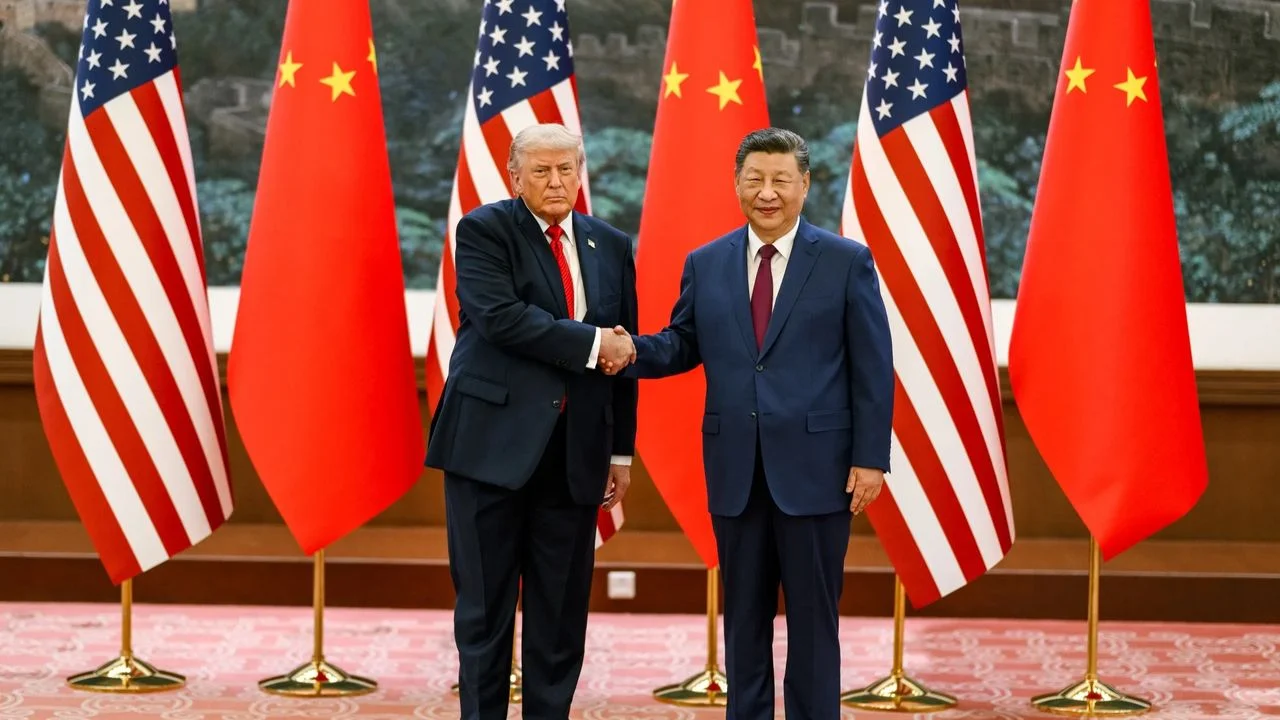


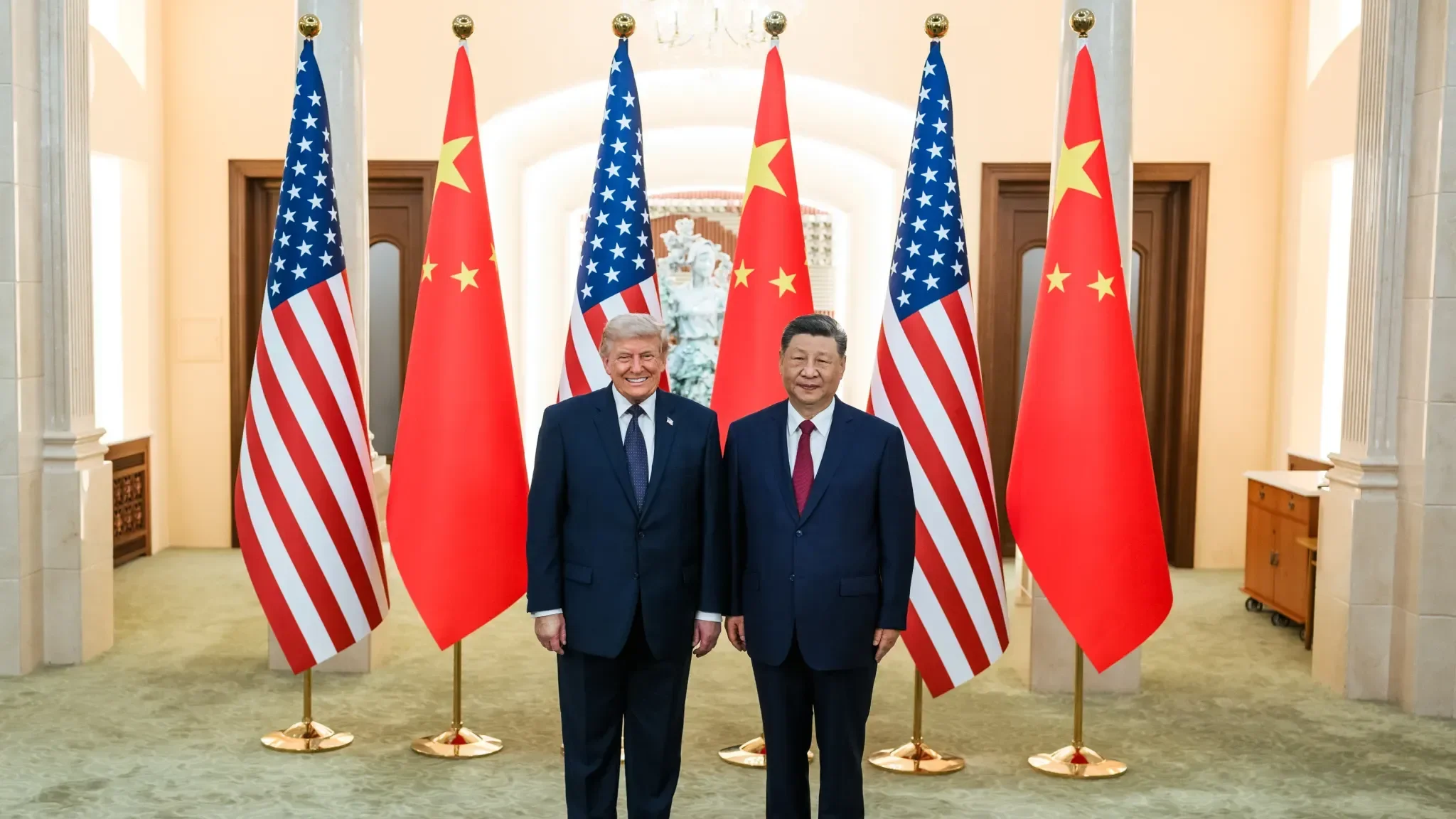

「習特會」為美中關係的發展帶來了重要的模糊空間、機遇與啟示。其內容涵蓋雙邊貿易、台灣未來、中美在伊朗戰爭的博弈,以及香港黎智英的命運等多個議題。
首先,美方表示中國將訂購200架波音飛機與450台通用電氣(GE)引擎,但中方的回應卻遠比預期來得模棱兩可。其不置可否的態度不在於中方有沒有作出承諾,而在於承諾能否轉化為可操作、可驗證的談判成果。
同樣,美對華出口高端晶片的事件也陷入羅生門。有報道稱,美國已放寬H-200晶片對華出口限制,但有消息指中國政府制止本土企業進口該款美制晶片。諸多事件皆凸顯中美關系愈發脆弱,其未來走向取決於中國國內經濟政策、商業發展勢頭,以及美國對華政策的調整變化。
推進雙邊貿易 體現務實主義
其次,由特朗普帶隊、四十餘名美國企業首席執行官組成的大型商務代表團,意在推動落實各項實質性商務合作。雙方部分合作項目已有序推進,例如中國自美採購大豆相關事務;此前中銀高層亦已會見美國大豆出口協會主席麥克・麥克蘭尼(Mike McCranie)與首席執行官蘇健(Jim Sutter)。這一態勢既說明中美雙邊貿易仍存在擴展空間,也在一定程度上體現出兩國領導人會晤後,雙方秉持務實開展合作的積極姿態。
第三,儘管特朗普總統在抵達北京前曾表示,在解決伊朗戰爭問題上不需要中國的協助,但他在習特會後,聲稱中美在伊朗戰事上存在重要共識,就是中方希望霍爾木茲海峽能讓船隻自由航行。
美以針對伊朗的軍事衝突,令美國飽受國際輿論批評,進而削弱其外交軟實力,反倒為中國拓展外交空間創造了有利條件。中國在美伊對峙中始終秉持相對中立的立場,立場客觀公允。事實上,特朗普代表團與習主席會晤期間,極有可能就中方對伊朗的態度與立場提出詢問。倘若中國能效仿巴基斯坦,積極充當美伊衝突的調解方,亦可向特朗普釋放善意友好的信號。
簡而言之,此次中美元首會晤釋放的核心訊息在於:美國對中國的需求,遠遠大於中國對美國的需求。鑒於美國即將迎來國會選舉,特朗普及共和黨方面均希望國家主席習近平於九月赴美訪問,藉此提振美國民眾對本國外交成果的正面評價,為選舉爭取優勢。

圍繞台灣未來的模糊空間
第四,台灣議題亦被納入習特會議程。特朗普明確表示,美國不希望捲入中國大陸與台灣之間的任何衝突。然而,當習近平追問若衝突發生,美國是否必然協助台灣時,特朗普作出了策略性回應:稱只有美國總統才會知道答案。此舉使得原本美國希望在台灣政治前途上呈現清晰意願的訊息,反而被注入更多模糊元素。
針對特朗普的說法,台灣當局重申其政權的合法性;但對於美國後續在台灣問題上的官方表態,台灣仍感到憂慮。尤其是特朗普總統在訪問期間強調,他主要聆聽中國大陸方面的立場,並表示未來他將決定向台灣作出軍售的規模。就在特朗普訪問北京之前,台灣立法院已就購買美國軍事武器達成共識;但交易金額將取決於特朗普總統的最終決定。
這一新局面對兩岸未來互動,以及中美在台灣議題上的關係具有重要啟示。第一,隨着對「台獨」的威懾邏輯持續存在,中國大陸不會放棄以武力作為回應手段;因此台灣當局必須避免任何可能有「台獨」傾向的行動和表述。
兩岸接觸與對話的機遇
第二,美國很可能會在既有制度與盟友義務的框架下,重新調整其對台政策的操作方式。儘管《台灣關係法》在政治乃至軍事層面約束着華盛頓對台支持,但特朗普政府後續可能出現兩種路徑。
其一,美方可能會要求台灣當局克制言論或收斂行為,以避免在軍事上疏遠甚至挑釁中國大陸。其二,華盛頓也可能不得不鼓勵台灣執政當局採取更務實的方式來處理與中國大陸的關係。例如,台灣可以考慮放寬金門、馬祖與大陸之間的互動安排,增加人員往來,特別是推動雙邊遊客訪問與學生交流。畢竟,賴清德就任台灣領導人時,亦曾誓言研議強化海峽兩岸人員互動與學生交流的可能性。
某種意義上,習特會也向美國傳遞了一種清晰的中國訊息,間接為國民黨主席鄭麗文即將訪美鋪平道路。鄭麗文或許能帶去更具體的建議,例如透過更緊密的福建—金門—馬祖社會經濟互動,促成兩岸關係更趨和諧;並試圖說服華盛頓接受一種新的兩岸接觸模式。即便這種互動在官方表述上仍被框定在中國「內部」事務的範圍之內,鄭麗文訪美所具備的政治意義,仍可能影響華盛頓重新考慮建設性方案的意願。
黎智英命運已交司法裁決
第五,黎智英的未來處境,同樣在習特會上被特朗普提出。中國領導人則回應稱此議題十分「棘手」。中國官方立場相當清楚:黎智英違反香港的國家安全法,因此其命運已由香港法院裁決。
也許對中美雙方而言,一個兼顧面子的解決方式是讓黎智英在監獄服刑,直至香港懲教處評估其表現是否良好,再據此提供某種形式的寬大處置。

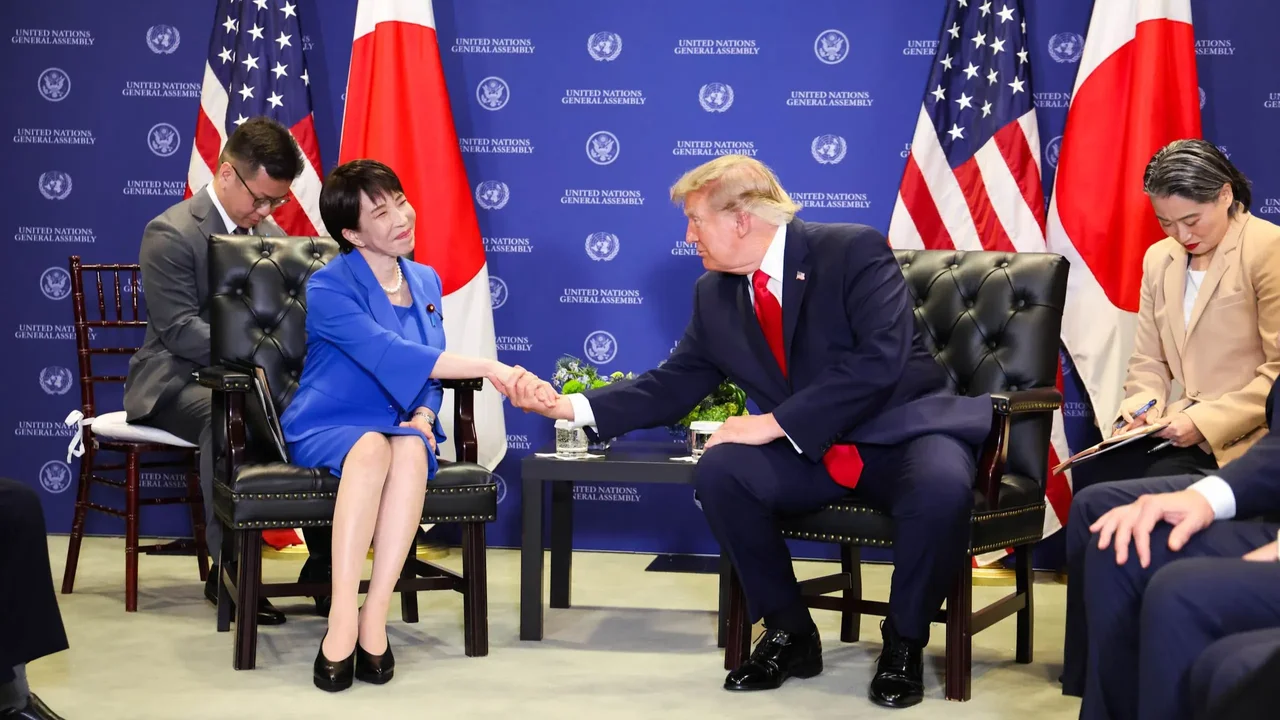
日本擔心特朗普是否會向中方做出讓步。即便外界傳聞未必完全準確,特朗普總統與日本首相高市早苗之間的通話,重申了美日鐵杆同盟的重要。高市在發表若干涉台挑釁言論不久,特朗普總統實際上可能扮演了傳話者的角色;他或許向日本首相簡要說明有關台灣議題的討論內容,讓日本當局能夠預先掌握美國對華、對台政策若有調整時的應對方向。
對未來全球核政策的啟示
短期內,由於首相高市的挑釁性言論導致中日關係仍偏冷淡,日本也近期修訂憲法,引發中國對日本「軍國主義復辟」的警惕。就日本的國家安全視角而言,中國的軍事崛起與朝鮮頻繁展示武力,構成嚴重的國安威脅。因此,日本必須鞏固與美國以及澳洲、菲律賓的軍事同盟,以遏制其認知中的中國軍事威脅。在這樣的情境下,台灣政治未來的發展自然也會受到日本當局的高度關注。
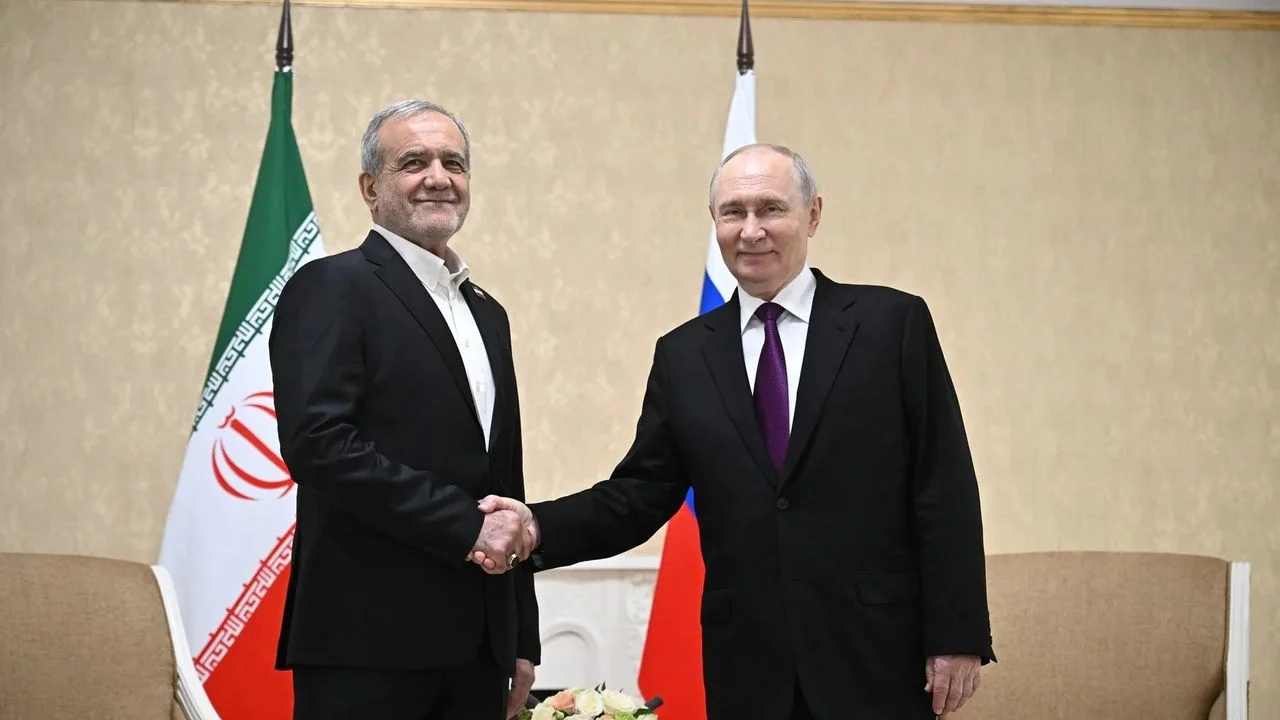
在特朗普訪問北京後不久,另一項值得注意的進展是:俄羅斯總統普京預計於下周訪問北京。據報道,美國希望與中俄兩國就三方所擁有的核武器與/或核彈頭最大數量,達成某種協議。若真如此,則意味着美國正重新思考如何對待已具核能力的國家;其策略可能與其對伊朗的打擊邏輯不同。因為伊朗被普遍視為具備接近製造核武器的能力。
若美國能設計出「分層次」的處理方案:分別針對已擁有核武器的國家與那些具備接近能力的國家,則世界在和平前景上或許更具建設性與積極性;相較之下,僅以艦隊外交的方式「懲罰」伊朗,恐怕效果有限。

平等談判權力新時代的機遇
總結而言,2026年5月習特會之後,美中關係迅速出現多處模糊空間,包含美國對台政策中的戰略模糊,以及中國對購買美國產品的承諾。中國購買更多美國大豆與波音飛機的方向相對明確,但至於這些承諾在實際上如何履行、以何種節奏落地,仍然存在不確定性;而這也正反映出:表面上看似穩定、但本質上仍不易維持的美中關係。
幾個月前,特朗普剛在第二任期履新,曾威脅要對中國徵收報復性與懲罰性關稅;而中國隨後以控制稀土礦物出口的「王牌」回應。如今,那些日子已成過去。某種意義上,2026年5月的習特會也顯示特朗普2.0在對華政策上遭遇挫折:從外交傲慢與懲罰性關稅,逐步走向外交對話與共同談判的漸進轉變。
總的來說,拋開意識形態差異,美中雙方長期以來都在透過高層元首外交,以更務實的姿態化解經濟與政治分歧;而習特會所呈現的模糊與交易邏輯,正是這種務實主義的延伸。
Ambiguities, opportunities and implications after the Xi-Trump Meeting
The Xi-Trump Summit marks a transition from tariffs to transactional diplomacy, with substantial trade deals and the US seeking China’s help to mediate conflicts with Iran.
Uncertainties remain over Taiwan’s future and Hong Kong’s Jimmy Lai, leading the US to balance strategic ambiguity with China’s firm stance as allies like Japan watch closely.
The visit of US President Donald Trump to Beijing and his meeting with Chinese President Xi Jinping have raised important ambiguities, opportunities and implications for the development of US–China relations, including the question of bilateral trade, the problem of Taiwan’s future, the issue of the US–Israeli conflicts with Iran, and the fate of Jimmy Lai in Hong Kong.
First, although the US side said that China would order two hundred Boeing airplanes, 450 General Electric engines from the US, the official Chinese response was far more ambiguous than expected. The ambiguities underlying the official Chinese response are that the promise of buying more American aircraft and engines is one thing, but implementation of the “agreement” is and will be another matter. Moreover, the reports saying that China has got the US support to sell H-200 AI chips had contradictory comments from the US side, which pointed to China blocking the Chinese companies for such imports of US chips. All these ambiguities mean that the Sino-American relations remain fluid and not too stable – a situation contingent upon China’s domestic economic policy and business development and the fluctuating US policy toward China.
Opportunities for bilateral trade and pragmatism
Second, the huge business delegation led by President Trump to the US, including forty chief executives of business organisations, naturally expected concrete business transactions that could be reached. Some deals like the Chinese buying of US beans are going ahead with the meeting between the Bank of China chief and the US beans export executives Mike McCraine and Jim Sutter (Oriental Daily, May 16, 2026). The implication is that bilateral trade at the operational level can move forward with substantial progress, pointing to the Sino-US pragmatism during and after the Trump–Xi meeting.
Third, although President Trump before his arrival at Beijing had said that he would not seek the help of China to resolve the US conflicts with Iran, the reality is that shortly after his meeting with President Xi, Trump made one major point referring to the US–China consensus on the Iranian war: the Chinese preference to see the smooth passage of ships crossing the Strait of Hormuz. Just one day before the Trump–Xi meeting in Beijing, the Chinese authorities secured the Iranian support to have Chinese vessels going through the Strait of Hormuz unharmed. As such, the Chinese desire to see the end of the US–Iranian conflict and to envisage the peaceful passage of vessels across the Strait of Hormuz were the clear messages received by the Trump delegation. Given that Pakistan, the friendly neighbour of China, has intervened energetically in the US–Iranian war as a mediator, any extra efforts from China to act as an additional middleman would diplomatically help resolve the US–Iranian conflicts in the coming months.
Implications of the shifting geopolitical balance
In fact, the US–Israeli war against Iran has eroded the soft power of America, which has faced negative public opinion in many countries over the world. The war has benefited China, politically and diplomatically, especially as China acts like a more neutral player in the US–Iranian conflicts. Although there were accusations pointing to the Chinese support of Iran through the provision of drones and even missiles, the Chinese side has officially denied them. Yet, after the Trump–Xi meeting, the Chinese side may restrain the export of drones and military weapons, if any, to Iran, as a friendly gesture to President Trump, whose delegation might really raise the issue of Chinese support of Iran in his meeting with President Xi.
One clear message from the Trump–Xi meeting was that the United States at this moment in 2026 needs China’s help more than China requires any American assistance. The US will have its congressional elections soon, and as such Trump and the Republican Party are eager to see President Xi’s visit to the US in September as a boost to the “successful” diplomacy of the US in the eyes of American voters. If China, in addition to Pakistan, helps mediate US–Iranian conflicts, the US will benefit domestically from this support. In short, the Trump–Xi meeting creates an excellent opportunity for the US to showcase its foreign policy “success” to the US voters at a time when the Republican Party is perceived as unpopular.
Ambiguities surrounding the future of Taiwan
Fourth, the question of Taiwan’s future was included in the agenda of the Trump–Xi meeting. Trump stated clearly that the US does not want to be involved in any conflict between the Chinese Mainland and Taiwan. However, when asked by Xi whether the US would certainly help Taiwan if there were such a conflict, Trump replied strategically that only the US President would know the answer, thereby injecting an element of ambiguity amid the clarity of the US desire of witnessing a peaceful resolution of Taiwan’s political future.
In response to Trump’s remarks, the Taiwan authorities have restated the legitimacy of their island republic, but they deeply worry about what the US would later officially say on Taiwan, especially as President Trump said that he listened to the official position of the Chinese Mainland attentively and as he replied that he would decide the amount of US weapons to be sold to Taiwan. Just prior to the Trump visit to Beijing, the Taiwan Legislative Assembly reached a consensus to buy US military weapons, but the amount of transactions will then be up to the final decision of President Trump – a new political situation after the Trump visit to Beijing.
This new situation has important implications for the relations between the Chinese Mainland and Taiwan, and between China and the US on the question of Taiwan from now onwards. The first implication is that the Chinese Mainland would not abandon the use of military forces to deal with Taiwan, because force is an effective deterrence to the move toward “Taiwan independence.” The implication here is that the Taiwan authorities must refrain from doing anything, or even saying anything, that would be regarded as such a move toward “independence.”
Opportunities for cross-strait engagement and dialogue
The second implication is that the US is likely going to readjust its policy toward Taiwan skilfully, albeit the Taiwan Relations Act binds Washington to support Taiwan politically and even militarily. What the Trump administration would do will have two possibilities. First, Washington would likely ask the Taiwan authorities to tone down any rhetoric or to moderate its behaviour to avoid alienating and/or provoking the Chinese Mainland militarily. Second, Washington may have to encourage the ruling authorities on Taiwan to ponder a more realistic and pragmatic approach to dealing with the Chinese Mainland. For instance, the Taiwan authorities may have to ponder relaxing the relations between the islands of Kinmen and Matsu and the mainland, allowing more human interactions, notably bilateral tourist visits and student exchanges. After all, when William Lai was inaugurated as the Taiwan leader, he vowed to envisage the possibilities of enhanced human interactions and student exchanges between the two sides of the Taiwan Strait.
Such pragmatic cross-strait interactions through the usage of Kinmen and Matsu will perhaps trigger a peaceful development of the relations between Taiwan and the Chinese Mainland. After all, mainland China has already groomed the special economic prosperity district in Fujian to prepare such closer process of integration. Fujian has also built a bridge in anticipation of linking it eventually with Kinmen. However, the ultimate obstacle remains the supporters of the Democratic Progressive Party (DPP) in Taiwan, for they see such integration, albeit a limited one, as a “surrender” of Taiwan’s autonomy.
Implications for international diplomacy and regional security
The most important implication of the Trump visit to Beijing is that any future resolution over Taiwan’s political future will need discussions and dialogue with the Washington authorities, even though the Chinese officials have consistently said that Taiwan is an internal affair of the Chinese Mainland. That Washington will have to be drawn into any negotiation between the Chinese Mainland and Taiwan is an inevitable legacy from the civil war in China from 1946 to 1949, when the US policy toward the Kuomintang (KMT) oscillated from support to withdrawal. Now, from 2026 onwards, Washington’s policy toward Taiwan, including its ruling DPP and the opposition KMT, will be the most important decisive factor shaping the future of cross-strait relations. If President Trump favours a transactional diplomacy toward China, his term of office may have a window of opportunity to see a peaceful resolution and breakthrough in cross-strait relations.
In a sense, the Xi–Trump meeting has sent a strong Chinese message to the US, paving the way for KMT leader Cheng Li-wun’s forthcoming visit to the US. Cheng may bring with her concrete proposals of engaging the mainland and making cross-strait relations more harmonious, like the closer Fujian–Kinmen–Matsu socio-economic interactions, trying to persuade the Washington authorities on a new model of cross-strait engagement. Cheng’s visit to the US will be politically significant for Washington’s reconsideration of any constructive proposal of dealing with cross-strait relations, although such cross-strait relations are officially an “internal” Chinese matter.
Ambiguities in human rights and historical perspectives
Fifth, the question of Jimmy Lai’s future was brought up by President Trump in his meeting with President Xi, but the Chinese leader replied that the issue was a “tough” one. The official Chinese position is quite clear: Lai violated the national security law of the Hong Kong Special Administrative Region (HKSAR), and as such his fate has been decided by the Hong Kong court. Given that Lai has strong US friends at the upper echelon of the American political system, Trump’s lobby of Xi was anticipated and understandable. Perhaps a face-saving solution to both the Chinese and US sides is to let Lai serve his sentence in prison until the time when the correctional service authorities in the HKSAR will decide whether Lai’s performance would be a “good” one leading to some lenient treatment. This possibility, however, is and will be contingent on two factors: the continuous US lobby and the willingness of the top Chinese leaders to make concessions.
The Trump–Xi meeting has raised the concerns of Japan. The Japanese authorities were concerned about whether Trump might make concessions to the Chinese side. Regardless of whether this rumour was true, the 15-minute phone discussion between President Trump and Japanese Prime Minister Sanae Takaichi reaffirmed the “ironclad” US–Japan alliance (Reuters, May 15, 2026). President Trump functioned as a messenger shortly after Takaichi had made provocative remarks about Taiwan that made China upset. It was possible that President Trump briefed the Japanese Prime Minister on what was discussed about Taiwan so that the Japanese authorities knew how to prepare for any change in the US policy toward both Mainland China and Taiwan.
Implications for future global nuclear policy
In the short run, the Sino-Japanese relations remain frosty due to the provocative remarks made by Prime Minister Takaichi. The recent Japanese move to amend Japan’s constitution has alarmed the Chinese authorities on the possibility of Japan’s “rearmament” and “returned militarism.” From the Japanese national security perspective, the rise of China militarily and the frequent show of military force by North Korea have combined to function as a serious national security threat. As such, Japan must consolidate its military alliance with the US, together with Australia and the Philippines, to deter the perceived Chinese military “threat.” Under these circumstances, the development of Taiwan’s political future naturally raises the concern of the Japanese authorities.
Another interesting development shortly after Trump’s visit to Beijing is that Russian President Putin will visit Beijing next week. It is reported that the US wants to reach a deal with both China and Russia on the maximum number of nuclear weapons and/or warheads that the three sides would possess. If so, the US is toying with an idea of how to deal with countries that possess nuclear weapons, apart from its attack on Iran which was perceived as having the near capability of producing nuclear weapons. If the US designs a two-level solution of dealing with countries that already have nuclear weapons, and those countries that have the near capability of having such weapons, world peace may have a more constructive and positive prospect rather than the US action of utilising a gunboat diplomacy to “punish” Iran.
Opportunities for a new era of equal bargaining power
Finally, from the historical perspective of analysing US–China relations, their relations in 2026 are a far cry from 1900 when 3,400 US troops and marines joined the Eight-Nation Alliance to invade Peking under the decadent and weak Qing dynasty. One hundred and twenty-six years after 1900, we witness the top Chinese leaders sitting in front of the US leaders to bargain over an entire range of issues, ranging from trade to Iran, and from Taiwan to human rights cases. Most interestingly, the Qing dynasty before the First Opium War in 1839–42 treated foreign countries as tributary states conducting trade with China in a “subservient” way. In 2026, however, the US sent a huge business delegation with top leaders going to China to seek Beijing’s support to buy more US products. History has changed completely: we see a strong China having equal and perhaps more bargaining power vis-à-vis the US in 2026 over trade, the Taiwan issue and international affairs.
In conclusion, there are ambiguities in the US–China relations immediately after the Trump–Xi meeting in May 2026, including the strategic ambiguity of the US policy toward Taiwan and the promises that the Chinese made to buy US products.
The Chinese move to buy more American beans and Boeing is clear, but ambiguities persist on how these promises will be conducted in practice – a phenomenon contingent upon the apparently stable but inherently unstable US–China relations. Gone were the months shortly after the second Trump administration came to power with reciprocal and punitive tariffs to be threatened to levy on China, which responded later by utilising the trump card of controlling the export of rare earth minerals.
In a sense, the May 2026 Trump–Xi meeting showed that Trump 2.0 has been “defeated” in his policy toward China: a gradual change from diplomatic arrogance and punitive tariffs to diplomatic dialogue and mutual bargaining.
The clarity in China’s position on Taiwan has perhaps begun to force the US leadership to reconsider its policy toward Taiwan in a more careful and constructive manner, implying that KMT Cheng Li-wun’s forthcoming visit to the US will be a politically significant one in the search for more harmonious and sustainable cross-strait relations. While the US conflicts with Iran are still at a diplomatic and military crossroad, the Trump–Xi meeting may get China’s support to function as an additional mediator, apart from Pakistan. Finally, human rights issues remain a baffling problem between the US and China. Putting aside ideological differences, both the US and China have been adopting a pragmatic attitude toward the search for solutions in resolving their economic and political differences through high-level presidential diplomacy.
原刊於澳門新聞通訊社(MNA)網站,本社獲作者授權轉載。(原文按此)