

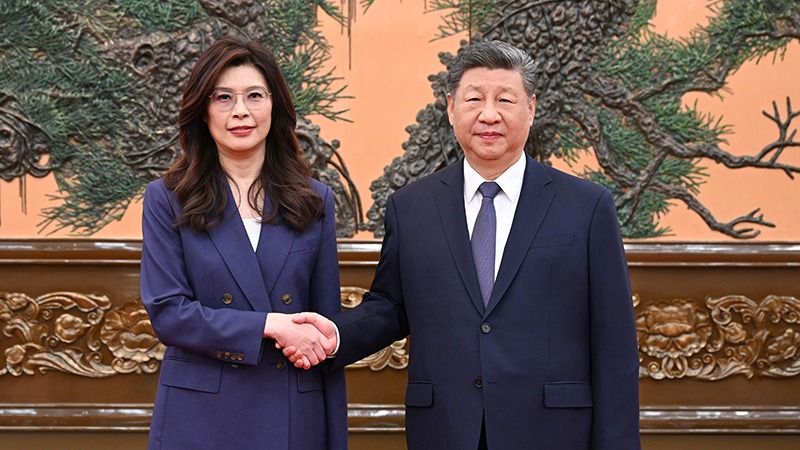

近日國民黨主席鄭麗文對華為期六天的訪問,期間的焦點是4月10日她與中共中央總書記習近平的會面。「習鄭會」不僅對兩岸關係具有重要意義,而且對台灣的政治發展、以及即將於5月舉行的中美領導人會晤也具有重要影響。
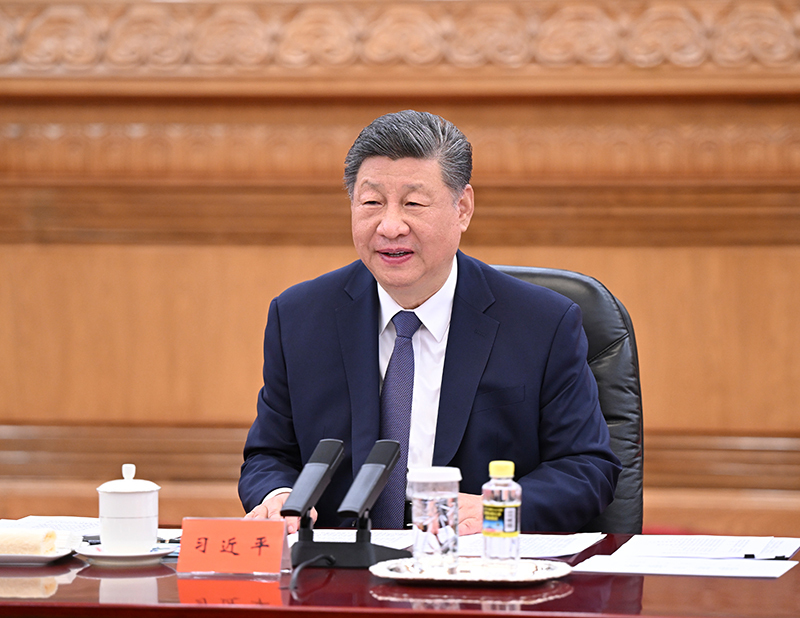
在4月10日舉行的習鄭會,習主席就兩岸關係發表四點意見,包括:(1)國共兩黨、兩岸同胞要站穩民族立場,傳承弘揚中華文化;(2)在處理兩岸關係時,堅持以和平發展守護共同家園,堅持九二共識,反對台獨;(3)為增進兩國民生福祉,兩岸人員和青年應相互交流;(4)堅持以團結奮鬥實現中華民族的偉大復興。
即使習近平呼籲台灣民眾站穩民族立場被視為爭取民心的舉措,但他強調和平與九二共識卻是今次習鄭會的真正核心。對於協調兩岸關係,促進兩岸青年互動交流至關重要,但這種努力在一定程度上受到了台灣民進黨政府的阻礙。
習近平呼籲台灣人民努力實現中華民族的偉大復興,目的在於利用文化同質性將兩岸凝聚在一起。從某種意義上說,如果台灣當局接受九二共識,那麼就能形成一個同文同種、血脈相連的中華文化紐帶。
國共接受九二共識 但各自表述
1992年國共兩黨達成九二共識的說法,明確承認一個中國的重要性,只是雙方對其內在含義保留模糊性(各自表述空間),國民黨接受了這一原則,但民進黨及其支持者卻一再拒絕。
此次重申和平與九二共識旨在實現兩個主要目標。首先,一些美國專家聲稱中國大陸將在2027年武力「入侵」台灣,今次習鄭會強調兩岸和平,無疑是在向這些美國人打出響亮的耳光。
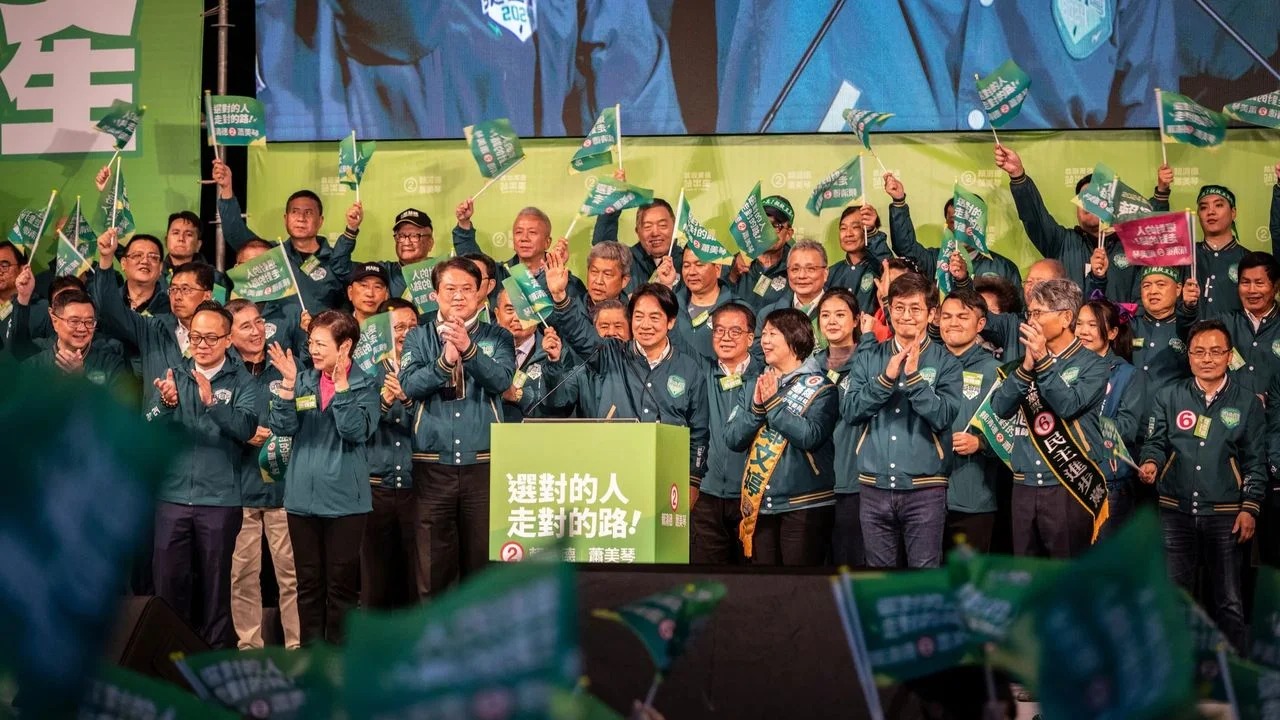
其次,強調和平旨在提醒台灣選民,究竟哪個政黨,是國民黨、還是民進黨能夠真正以更具建設性的方式與大陸和中共對話。
從某種意義上說,強調和平也是為了幫助國民黨贏得即將到來的11月地方市長、縣、鄉鎮選舉,尤其是在國民黨近期因馬英九基金管理不善而陷入內部紛爭的情況下。
習鄭會的核心在於中國一貫堅持的立場,即美國不應干涉中國內政,包括兩岸關係。近年來,中國一直要求美國停止對台軍售,而美國則以台灣自衛為由拒絕這項要求。
國民黨近期在台灣立法院就美國對台軍售的接受程度展開辯論。民進黨認為,美國對台軍售對於台灣遏制中國大陸的軍事威脅至關重要。
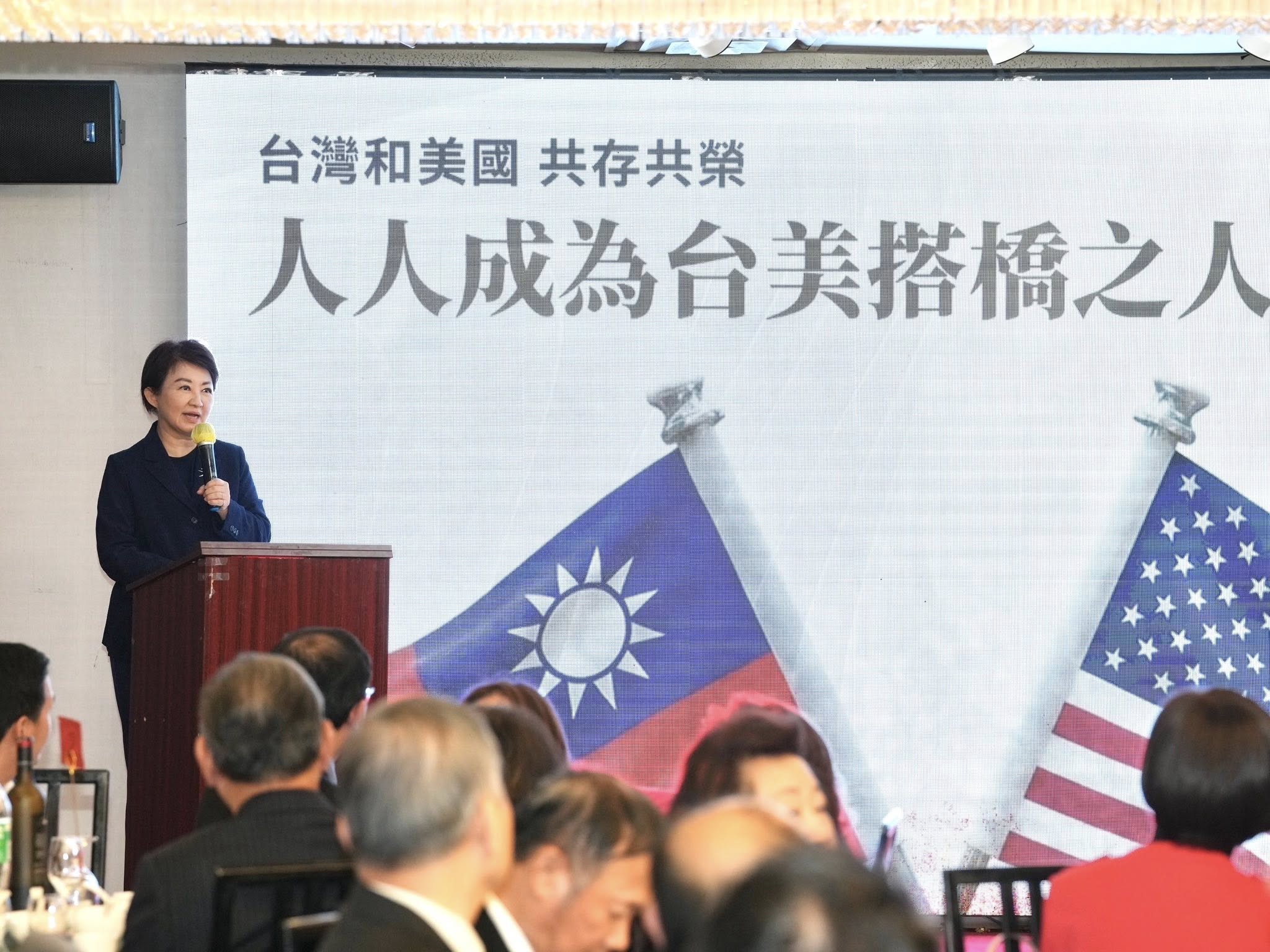
習特會前 中方警告美方不應對台軍售
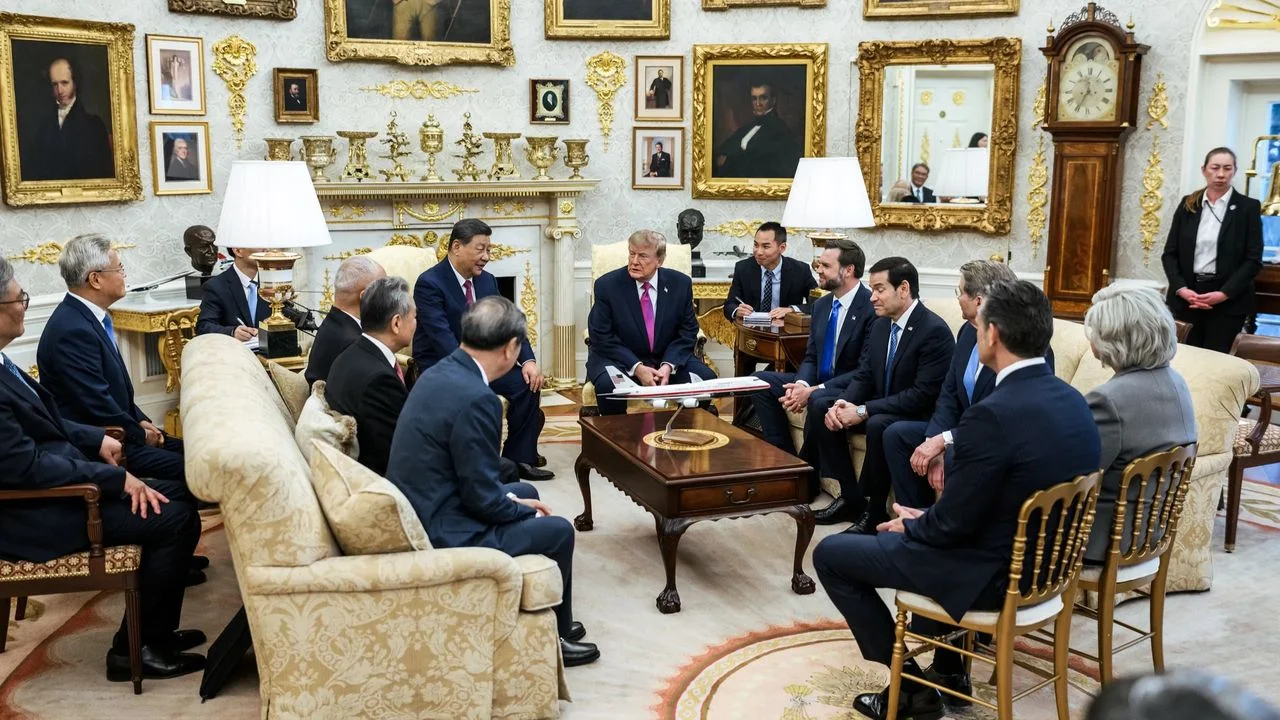
在此背景下,習鄭會成為中共與國民黨之間的重要互動,中國將藉此向美國發出強硬訊號,要求其在習近平主席與特朗普總統5月會晤時,不要干涉中國內政,尤其是不應干涉對台軍售。
事實上,美國不會屈服於中國的壓力,但習鄭會已向華盛頓發出信號。這次會晤最重要的意義在於幫助國民黨贏得11月台灣地方選舉。根據台灣媒體報道,約70%的台灣網友認為鄭麗文訪大陸是加強兩岸溝通的積極舉措。
事實上,鄭麗文在習近平面前的演講確實提到了避免海峽兩岸發生戰爭的重要性──這一立場意在向大陸方面表明,不應以武力對待台灣。值得注意的是,一些台灣批評人士一直指出,即使在鄭麗文訪問大陸期間,解放軍也部署飛機在台灣空域附近飛行,並稱中方對台採取了軟硬兼施的雙管齊下策略。
鄭麗文在與習近平主席的會晤中提出,中國應允許台灣在未來某一天參與包括世界衛生組織、《區域全面經濟夥伴關係協定》(RCEP)、《跨太平洋夥伴全面進步關係協定》(CPTPP)以及國際民用航空組織等國際性組織。
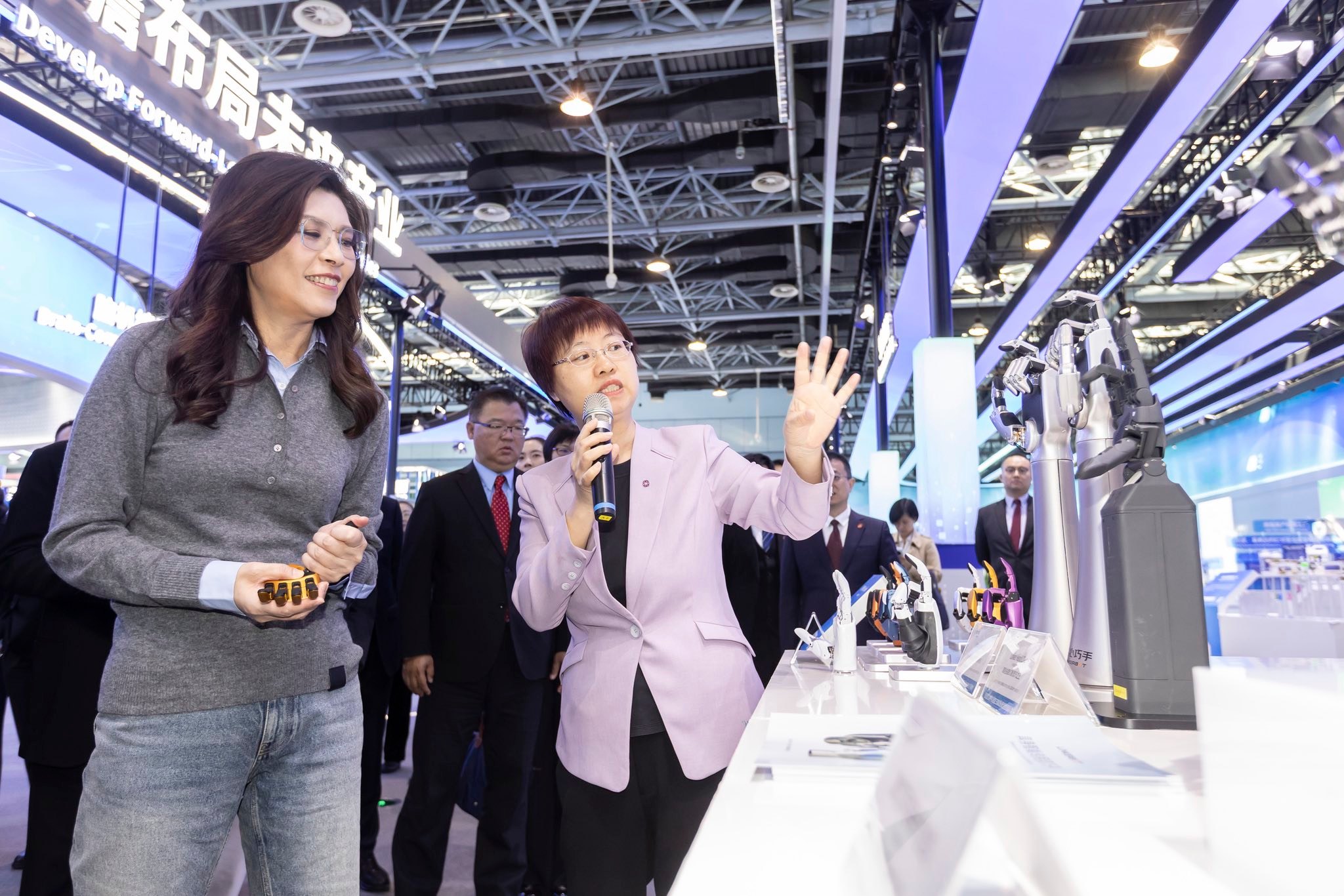
習積極回應台灣加入國際組織的建議
習近平回應稱,中方將積極考慮這些問題。其實2023年8月中國發布的《台灣問題白皮書》已經提及,如果兩岸達成和平統一協議,台灣將加入國際組織,但台灣屆時將以中華台北的名義加入國際組織。
國共雙方在會談中都強調了中華文化的共通性,尤其是在習近平主席提及中華民族偉大復興這一概念之後,因此解決兩岸統一的可能方案是先考慮建立以中華文化為基礎的「命運共同體」,以防談判政治議題時遇到遠超預期的阻力。因為只要民進黨繼續執掌台灣政權,以其一向敵視與大陸的任何互動和對話,兩岸就經濟一體化和政治統一問題展開對話就注定會困難重重。
此外,鄭麗文提出,如果國民黨有朝一日重新執政,她將邀請習近平主席訪台。此番言論引發部分台灣記者猜測,她或將在2027年底或2028年初競選總統。
台灣媒體通報稱,習近平主席也歡迎台灣農產品出口中國大陸,國民黨市長候選人可能會抓住這個絕佳機會,在11月的選舉中爭取台灣選民的支持。台灣與大陸關係的關鍵問題在於,民進黨中央政府尚未將對大陸的經濟往來權力下放給民選市長,除非民選市長獲得更多權力,兩岸的經濟關係才可能取得突破。
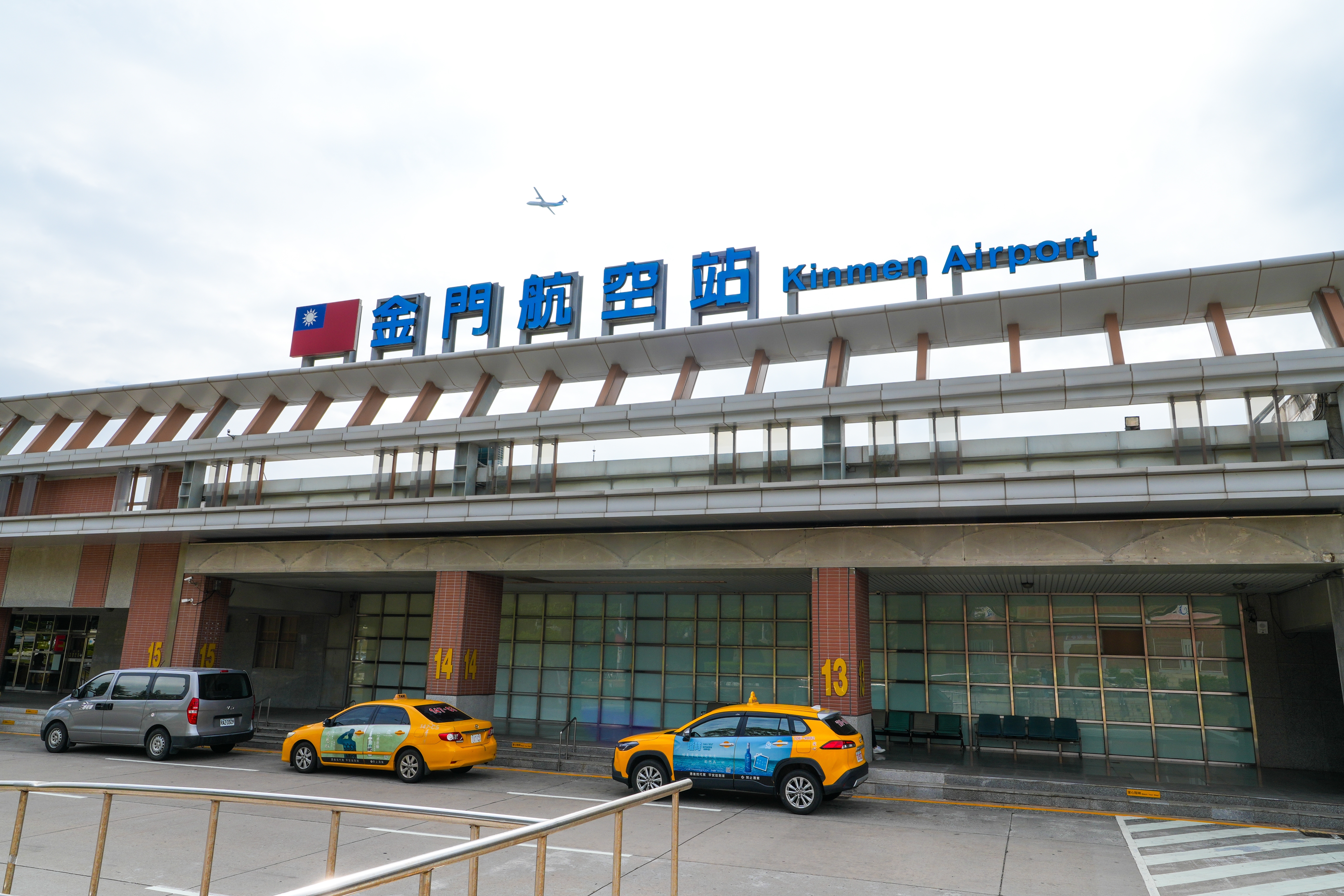
經濟去中心化 改善兩岸經濟合作
另一個解決中國大陸與台灣經濟僵局的去中心化模式是,允許金門島和澎湖在經濟領域與大陸更緊密、更大膽地互動,包括建造連接金門、澎湖與福建省的橋樑、海底隧道等基礎設施項目。即使民進黨可能在2028年繼續執掌總統寶座,在兩岸共同文化的基礎上也能夠取得突破。
北京與鄭麗文及其國民黨的接觸,顯然有助於該黨準備11月的台灣地方選舉,甚至在某種程度上也有助於備戰2028年的總統大選。
台灣很多選民可能會將國民黨視為維持與中國大陸良好、和諧、富有成效關係的必要政治力量。問題的癥結在於民進黨,它缺乏更靈活、更成熟的對陸政策,並且對台灣民眾與大陸的社會經濟互動持過於消極的態度。
鄭麗文此次訪華也向美方發出訊號,顯示國民黨現在或將來也仍將是兩岸重要的政治調解人。同時,即將舉行的中美元首高峰會也將涉及台灣問題,雙方都將闡明各自立場,但不會取得任何讓步突破。
然而,如果美方真心希望兩岸以和平方式解決台灣問題,就應該認真思考如何建構台北與北京關係的新模式。即使在民進黨執政下,也可以採取一種與大陸經濟關係去中心化的模式,賦予民選市長更多與大陸達成經濟協議的權力,而不是將權力集中於總統府。
The Xi-Cheng meeting and its implications for Cross-Strait relations
The apex of the six-day visit of Cheng Li-wun, the chairwoman of the Kuomintang (KMT), to the Chinese Mainland was her meeting with Xi Jinping, the General Secretary of the Communist Party of China (CPC) on 10 April. The Xi–Cheng meeting has important implications for not only cross-strait relations, but also Taiwan’s political development and the upcoming meeting between Chinese President Xi Jinping and US President Donald Trump in May.
Four messages were emphasised by CPC General Secretary Xi Jinping on 10 April, including (1) the need for the KMT and CPC and comrades of the two straits to maintain their nationalistic position spiritually; (2) the maintenance of peaceful development and the adoption of the 1992 consensus while opposing Taiwan independence in dealing with cross-strait relations; (3) the promotion of mutual exchange of individuals and youths across the two straits to develop the well-being of the people; and (4) the efforts made to realise the renaissance of the Chinese nation.
While the appeal to the Taiwan people to maintain their nationalistic sentiment can be seen as an effort of winning their hearts and minds, the emphasis on peace and the 1992 consensus is the hallmark of the Xi–Cheng meeting. The promotion of youth interactions and exchanges between the Chinese Mainland and Taiwan is significant in harmonising cross-strait relations, but it has been undermined to some extent by the administration led by the Democratic Progressive Party (DPP) in Taiwan.
Cultural homogeneity and the 1992 Consensus
Xi’s appeal to the Taiwan people to make efforts at realising the Chinese renaissance is to use cultural homogeneity to bind them together with the mainland. In a sense, a cultural Chinese union can and will be formed if the ruling authorities in Taiwan accept the 1992 consensus, which means that there is only one China, but for the meaning of China, there can be different interpretations.
The 1992 consensus built in an element of clarity on the need for both sides to recognise one China alongside with an ingredient of ambiguity on its meaning – a principle accepted by the KMT but rejected consistently by the DPP and its die-hard supporters. The re-emphasis on both peace and the 1992 consensus aim to achieve two main objectives. First, at a time when some American ‘experts’ claim that the Chinese Mainland would ‘invade’ Taiwan by force in 2027, the emphasis on cross-strait peace sends a clear message to these Americans. Second, the emphasis on peace serves to remind the Taiwan voters to decide which party – KMT or DPP – would really be able to speak to the mainland and CPC in a far more constructive way. In a sense, the stress on peace is to help the KMT in the upcoming local mayoral, county and township elections in November, especially as the KMT has recently been embroiled in an internal dispute about ‘mismanagement’ of the Ma Ying-jeou Fund.
The Xi–Cheng meeting came at a time when the former KMT leader Ma Ying-jeou is showing some signs of ageing, and as such, Cheng Li-wun is poised to succeed Ma as the top KMT politician who can and who will act as an effective go-between mediating the differences between the Chinese Mainland and the Taiwan side in the coming years.
External pressures and the role of the United States
Underlying the Xi–Cheng meeting was a consistent demand from China that the US should not intervene in the affairs of the People’s Republic of China (PRC), including cross-strait relations with Taiwan. In recent years, the Chinese side has consistently demanded that the US should terminate its arms sales to Taiwan – an issue that has been rejected by the US on the grounds that Washington has to sell weapons to Taiwan for the island’s self-defensive purposes. The KMT has recently been debating the extent to which arms sales from US to Taiwan should be accepted and supported in the Taiwan’s Legislative Assembly. From the DPP perspective, arms sales from the US to Taiwan is necessary to help the island deter the PRC’s military threat. Under these circumstances, the Xi–Cheng meeting was an important CPC–KMT interaction in which the PRC will again send a strong message to the US during the scheduled May meeting between President Xi and President Trump that the US should not intervene in China’s internal affairs, especially the arms sales to Taiwan.
Indeed, the US will not yield to the Chinese demand and pressure, but the Xi–Cheng meeting has sent a signal to Washington. The most important implication of the Xi–Cheng meeting is to assist the KMT in Taiwan’s local elections in November. According to the Taiwan media, about 70 per cent of the Taiwan netizens have seen Cheng Li-wun’s visit to the Chinese Mainland as a positive step to enhance communications between the two straits. Although the representativeness of such netizens’ views is unknown, Cheng’s visit to the mainland does allay the fears of some Taiwan people that the PRC side would resort to the use of force to ‘take back’ the island soon.
Diplomatic space and the threat of military normalisation
In fact, Cheng’s remarks in front of Xi Jinping did mention the importance of avoiding war across the two straits – a stance appealing to the mainland side that it should not deal with the Chinese in Taiwan by force. Interestingly, some Taiwan critics of Cheng’s visit have kept saying that the People’s Liberation Army (PLA) deployed airplanes to fly near the Taiwan airspace even at a time when Cheng was visiting the mainland, and that the PRC side has adopted a two-pronged strategy combining soft-line and hard-line gestures toward Taiwan.
Arguably, the flying of PLA airplanes near the Taiwan airspace is not a new phenomenon; it has become a new normal especially since Nancy Pelosi’s provocative visit to Taiwan in early August 2022. At the very least, Cheng’s visit to the mainland was not really accompanied by any mainland’s military moves beyond the new normal situation. Therefore, the critics of Cheng have ignored the positive gestures from the Chinese Mainland in the Cheng Li-wun’s important visit. Cheng went further in her meeting with Xi Jinping by raising the idea that the PRC should ideally allow Taiwan one day to participate in international organisations, including the World Health Assembly, the Regional Comprehensive Economic Partnership, the Comprehensive and Progressive Agreement for Trans-Pacific Partnership, and the International Civil Aviation Organization.
Xi Jinping replied by saying that the Chinese side would ‘actively consider’ these issues. In fact, a closer look at the PRC’s White Paper on the Taiwan question in August 2023 shows that the document did mention Taiwan’s entry into international organisations if both the mainland and Taiwan sides produce a peaceful reunification agreement. Nevertheless, Taiwan would join international organisations by using the name ‘Chinese Taipei.’ Cheng’s attempt at raising the idea appeared to inform the DPP and the Taiwan voters that the KMT does strive for Taiwan’s international space in case an agreement with the CPC would be reached over peaceful reunification in the future.
Leadership succession and presidential aspirations
Most interestingly, both the KMT and CPC sides emphasised the commonality of Chinese culture in their talks, especially as President Xi Jinping mentioned the term Chinese renaissance. As such, one possible cross-strait solution is to consider an idea of a cultural Chinese union first, in case talks about political issues will encounter far more obstacles than conventional wisdom may have assumed. As long as the DPP, whose core leaders and supporters have such a strong Taiwan identity that they see any interactions and dialogue with the mainland side as negative, is in presidential power in Taiwan, cross-strait dialogue over economic integration and political reunification is bound to be quite difficult.
Sensing the possibility of a KMT return to presidential power, Cheng Li-wun floated the idea of inviting President Xi Jinping to visit Taiwan if the KMT returns to the presidential office one day. Her comment prompted some Taiwan reporters to speculate she might run for president in late 2027 or early 2028. Cheng avoided answering the question posed by the Taiwan reporters, but she will certainly become a successor of Ma Ying-jeou as the most influential KMT politician who can and will get the trust of the PRC side to engage in political dialogue over Taiwan’s future. Cheng also mentioned the need for institutional mechanism between the mainland and Taiwan sides to avoid a scenario of having conflicts or war. In fact, when the KMT was in power from 2008 to 2016, such institutional mechanism could work well, especially the direct communications between Taiwan’s Mainland Affairs Council and the Chinese Mainland’s Association for Relations Across the Taiwan Strait.
Decentralised models for economic integration
Yet, the crux of the problem of cross-strait relations at that time took place in 2010, when the Economic Cooperation Framework Agreement between the KMT and the CPC side encountered the severe opposition from the Taiwan Legislative Assembly and the violent protests of those Taiwan people who saw economic integration as deeper political absorption of Taiwan into the mainland. As such, both the KMT and CPC would have to ponder how to prepare for a more diluted form of economic integration, especially if KMT may have the chance of returning to presidential power in 2028.
CPC General Secretary Xi Jinping said in front of Cheng that the mainland Chinese side would engage in dialogue with those individuals and parties in Taiwan that support the 1992 consensus. As such, any proposal of economic integration with Taiwan would have to engage other political parties, apart from the KMT, so that a wider scope of the Taiwan electorate would be reached and consulted on such proposal of economic integration.
The Taiwan media reports that President Xi Jinping also welcome the exports of Taiwan’s agricultural products to the Chinese Mainland, and that KMT mayoral candidates may grasp this golden opportunity to appeal to the Taiwan voters in the November elections. The crux of the problem in Taiwan’s relations with the mainland is that the central DPP authorities in Taipei have not yet decentralised the economic dealings with the mainland to the elected mayors. If a more decentralised model of mainland–Taiwan economic relations is experimented with more powers given to the elected mayors, a breakthrough in Taiwan’s economic relation with the mainland can and will be made.
Future prospects for cross-strait breakthroughs
Another decentralised model of dealing with the economic deadlock between the Chinese Mainland and Taiwan is to allow the Kinmen Island and Penghu to interact with the mainland more closely and boldly in economic terms, including the construction of infrastructure projects, like bridges and underwater tunnels, linking Kinmen and Penghu with the Fujian province. If this decentralised model and a narrower scope of piecemeal economic integration between Taiwan and parts of Fujian province can and will be experimented, coupled with a cultural Chinese union between the two sides, a breakthrough can and will be made even though the DPP may continue to capture the presidential office in 2028. Overall, the Xi–Cheng meeting was politically significant.
Cheng Li-wun is going to succeed KMT elder Ma Ying-jeou as an indispensable intermediary connecting Taiwan with the Chinese Mainland in terms of socio-economic and political dialogue. Beijing’s engagement with Cheng and her KMT clearly helps the party prepare for the local elections in November, and even to a limited extent the 2028 presidential election.
More Taiwan voters, including those who are affiliated with neither the KMT nor the DPP, will likely see the KMT as an essential political machinery that can maintain good, harmonious and productive relations with the Chinese Mainland. The crux of the problem remains the DPP, which lacks a more flexible and more sophisticated policy toward the mainland, and which adopts an overly negative attitude toward the Taiwan people’s socio-economic interactions with the mainland.
The Cheng visit to the mainland is also a signal to the US side that the KMT is and will be an important political intermediary between the two straits. At the same time, the upcoming Xi–Trump meeting will touch on the Taiwan issue in which both sides will state their positions without concessionary breakthrough.
Nevertheless, if the US side is keen to see both the Chinese Mainland and Taiwan to solve the problem of Taiwan’s political future in a peaceful manner, then it should really rethink how a new model of Taipei’s relations with Beijing should be adopted. As argued in this article, even under the DPP rule over Taiwan, a decentralised model of economic relations with the mainland can be adopted, giving more powers of economic agreement with the mainland to the elected mayors rather than being centralised in the presidential office of politics.
Furthermore, allowing Kinmen and Penghu to interact and integrate with the Chinese Mainland in a more dynamic way will reduce the tensions between the two sides significantly. If the Chinese themselves have their wisdom to solve the problem of Taiwan’s political future, it is time for the DPP and its supporters to ponder a far more flexible and sophisticated strategy of dealing with the Chinese Mainland than the past.
原刊於澳門新聞通訊社(MNA)網站,本社獲作者授權轉載。(原文按此)