



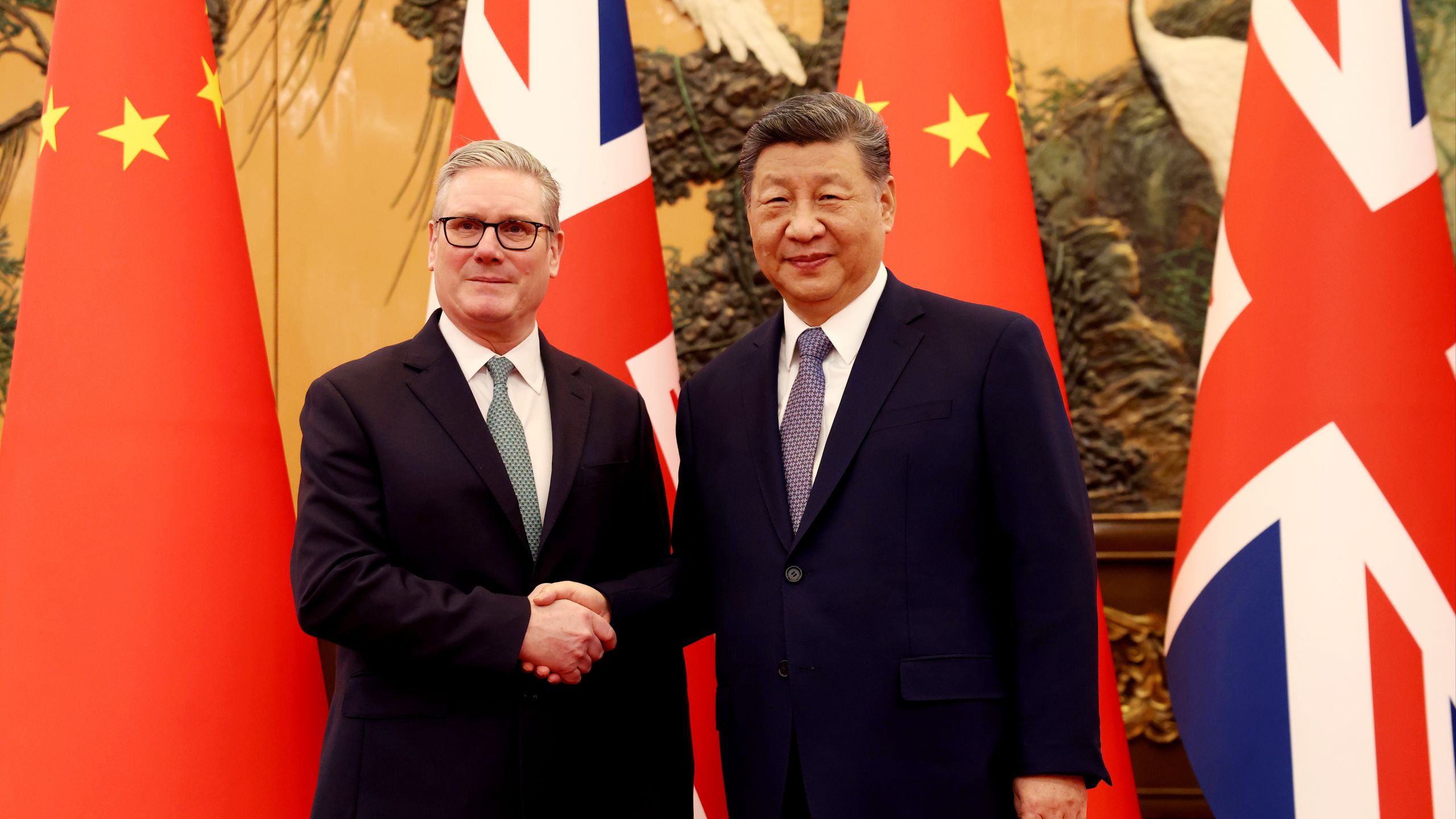


英國首相施紀賢(Keir Starmer)訪華,不僅標誌着英國對華外交政策在經歷了8年的冷淡關係後回歸務實,也表明在日益強勢的美國外交政策背景下,英國試圖採取折衷方案處理與中國的貿易和商業關係。作為美國最親密的盟友,英國對華政策的轉變具有重要的地緣政治意義。
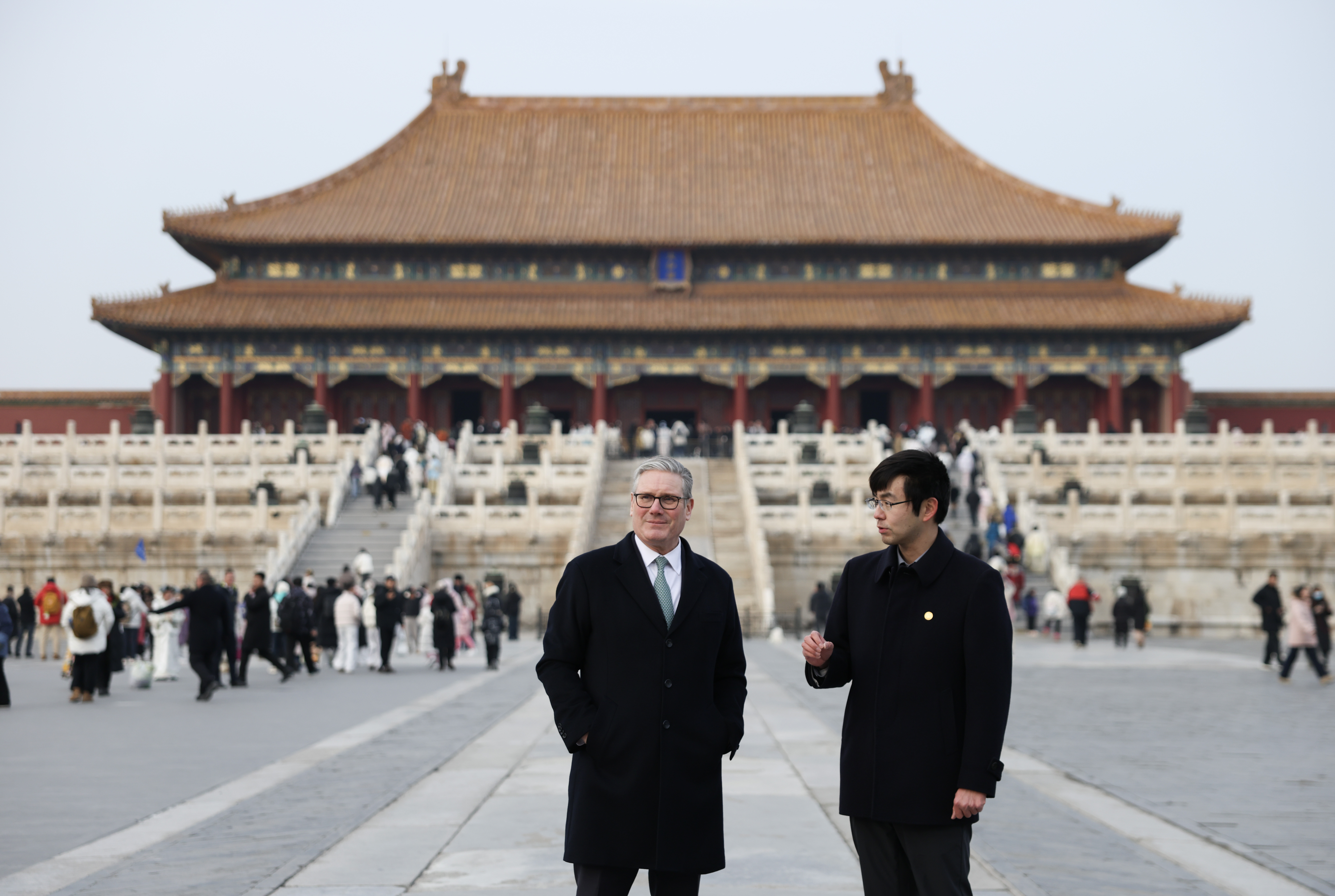
1月28日,施紀賢率領一個由60名成員組成的代表團,為英國達成了價值數十億英鎊的出口和投資協議。具體而言,中國同意將威士忌關稅從10%降至5%,預計未來5年將為英國經濟帶來2.5億英鎊的收益。中國是蘇格蘭威士忌的第十大市場,因此,關稅調整將極大地幫助蘇格蘭釀酒商在國際市場上提升競爭力。
現時中國仍是英國第三大貿易夥伴,為英國提供了37萬個就業機會,相信中英關係回暖,將有助兩國關係的深化,創造了雙贏局面,尤其對自2016年脫歐以來經濟表現不佳的英國而言,更是如此。難怪施紀賢表示:「作為長期戰略的考慮,我們正在為中英交往帶來穩定性和清晰度,以便讓企業和勞動者都能從中受益。」
與華合作 為刺激經濟和維護國家安全
他又稱:「與中國開展合作,目的是確保英國企業成長,製造國內優質就業職位和維護國家安全。」顯然英國工黨政府重視與中國的合作,認為此舉對提振英國經濟至關重要。
英國商業貿易大臣靳秉德(Peter Kyle)也表示,英國代表團「將帶着加強我們與世界最大經濟體之一的關係、為英國釋放數十億英鎊的資金,以及為新的商業夥伴關係奠定基礎的成果離開中國」。
習近平主席29日會見施紀賢時表示,英國和中國都是聯合國常任理事國,因此兩國應共同維護和平與安全,加強對話與合作。他也指出,互信是國家間關係的基礎,中國致力於和平發展。
習近平強調,中國從未發動戰爭,也從未侵佔他國一寸土地。他由始至終向施紀賢傳遞的訊息始終清晰明確:無論是過去、還是現在,所謂「中國威脅論」仍然是一個謬論。
在訪問上海期間,中英貿易全國委員會與江蘇省蘇州市簽署了諒解備忘錄,旨在擴大新創企業在中國的設立。英中兩國也就多個商業領域簽署了合作協議,涵蓋奢侈時尚品牌博柏利(Burberry)、食品飲料出口商帝亞吉歐(Diageo)、健康食品公司荷蘭與巴雷特(Holland & Barrett)以及捷豹路虎(Jaguar Land Rover)等。
匯豐、渣打、施羅德同訪華
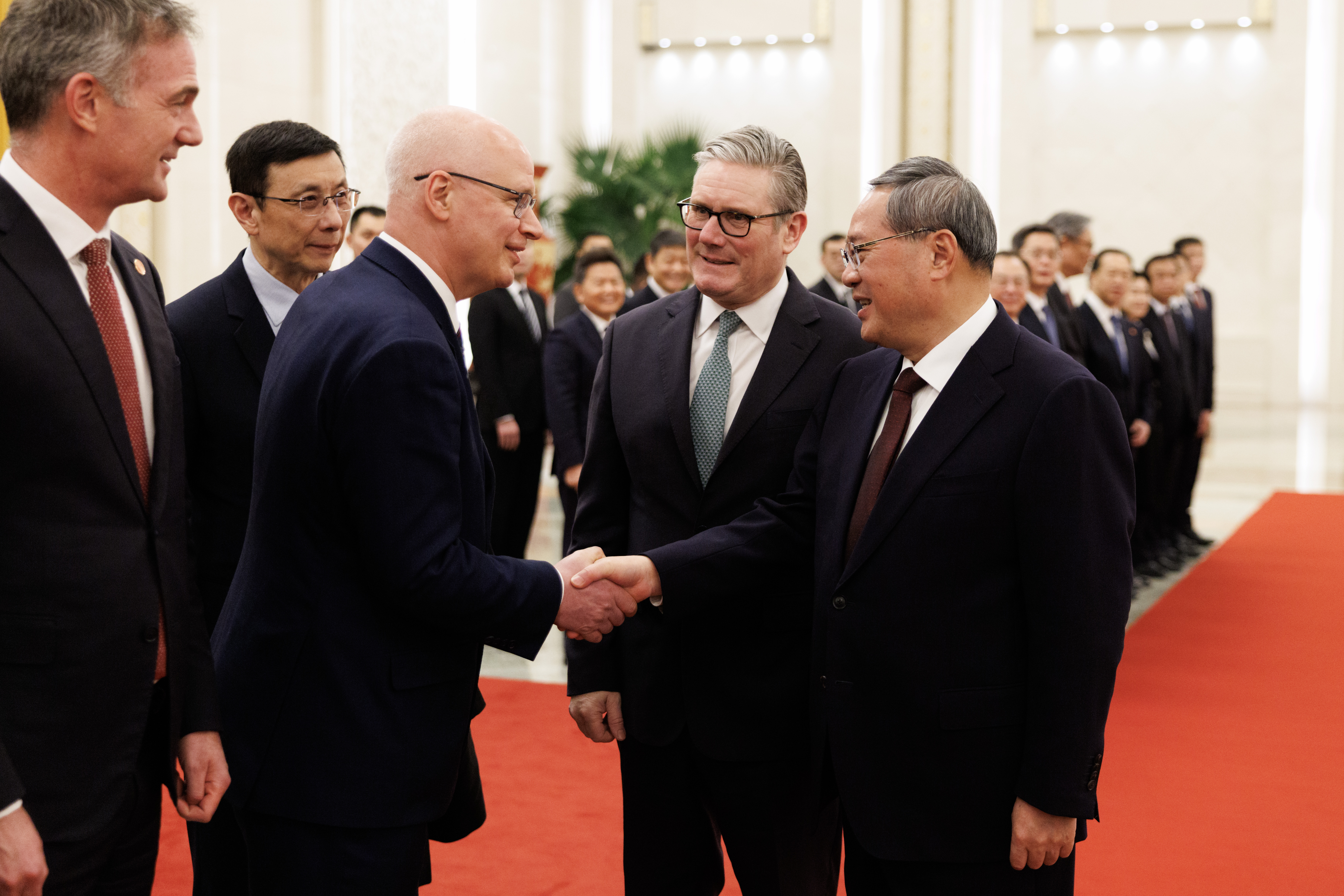
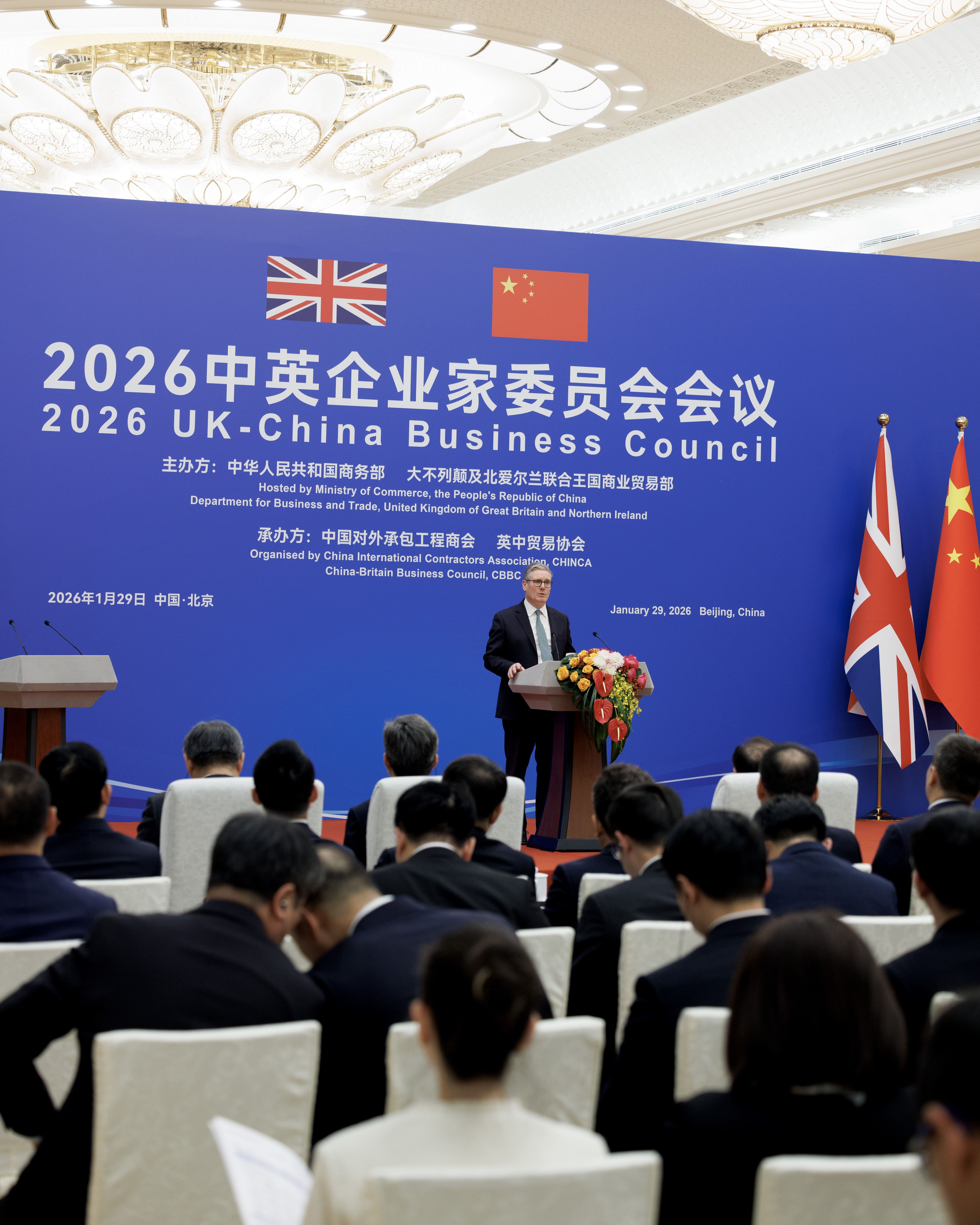
施紀賢也陪同其他眾多英國商界代表訪問中國,包括滙豐銀行、渣打銀行、施羅德投資集團、章魚能源和培生集團的執行長。英中經濟貿易聯合委員會的角色將加強,雙方將舉行部長級會議,以推動未來幾年雙邊貿易的發展。
國務院總理李強表示,中國願與英國政府共同努力,營造良好的營商環境,促進雙方更緊密的合作與人文交流。他呼籲企業家和各界人士為中英雙邊關係發展作出更大貢獻。
事實上,倫敦證券交易所和中國工商銀行已簽署協議,將整合其在全球金融市場、數據分析、跨境人民幣交易,以及可持續金融和金融創新發展等領域的業務。
英國金融行為監管局主席歐達禮(Ashley Alder)會見了中國證監會和國家金融監督管理委員會的官員,討論加強英國與上海、深圳之間跨境貿易和股票聯通的措施。
儘管英中關係在2015年習主席訪問倫敦時達到頂峰,但此後兩國關係受到2019年香港局勢動盪以及英國國內所謂「中國威脅論」的影響。在政治意識形態凌駕於務實考量之上的時期,英中關係的惡化令人遺憾。
儘管施紀賢在訪華期間確實向中方提出了人權問題,但英國對華接觸的重視已經傳遞出積極訊號,並為英方在談判桌上向中方提出此類政治和意識形態敏感問題,創造了有利環境。
特朗普全球弦耀軍力 對外關稅施壓
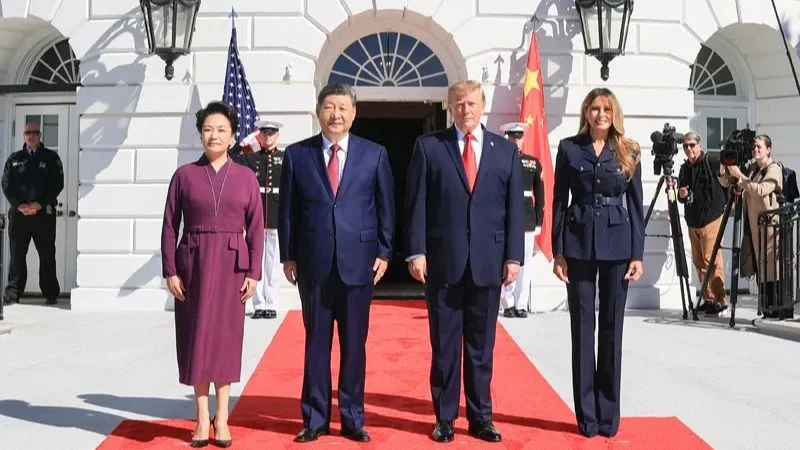
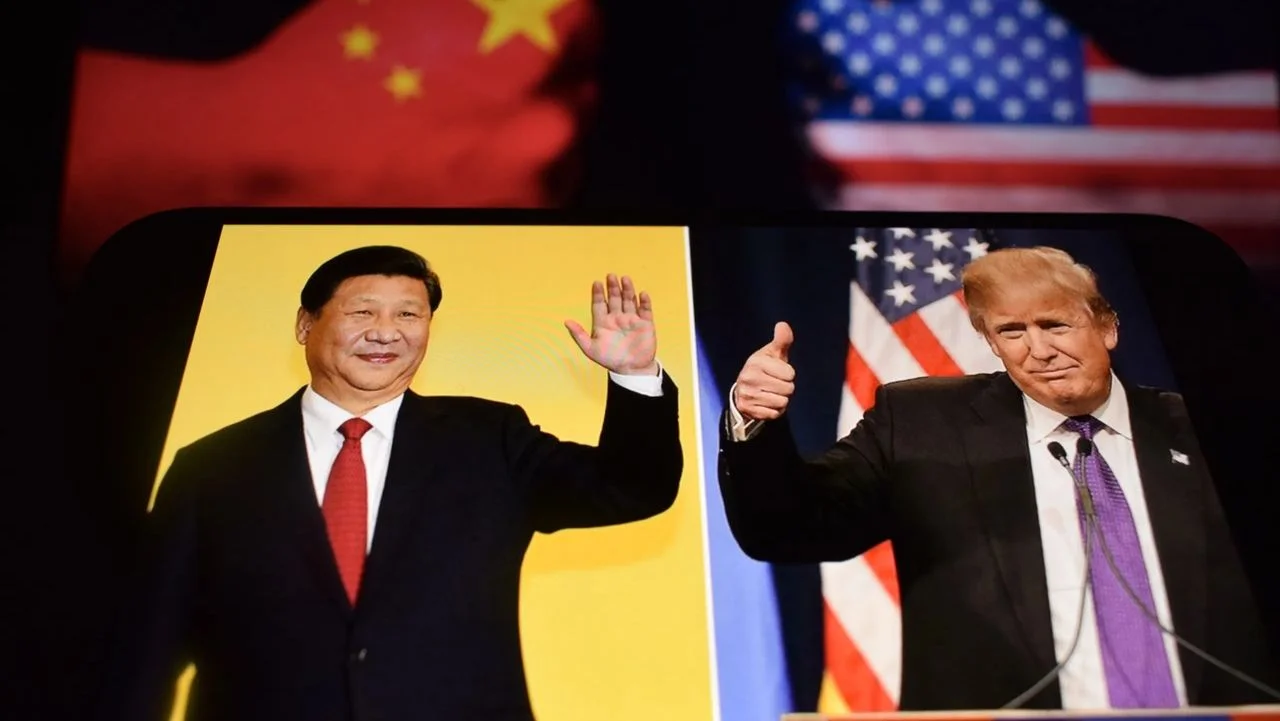
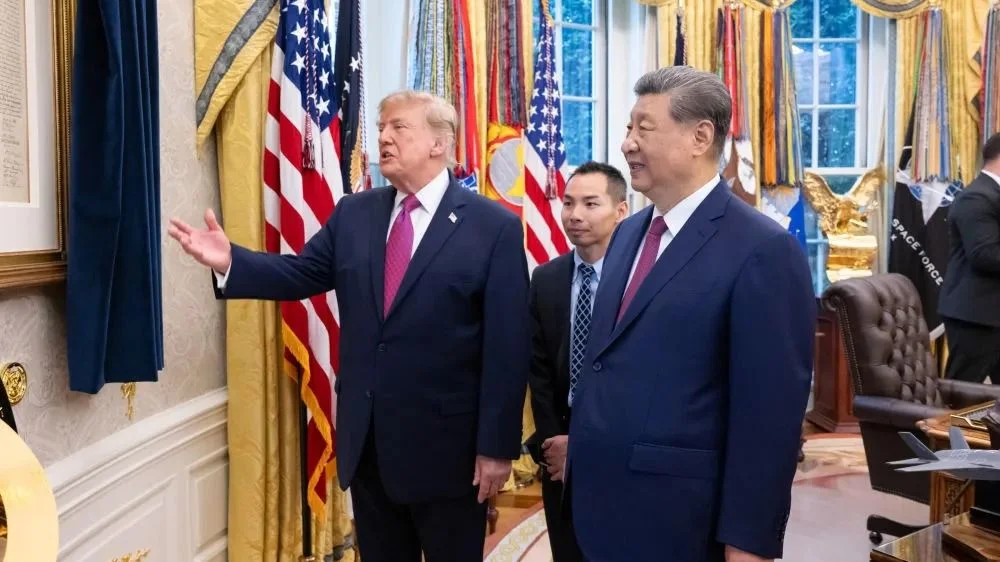
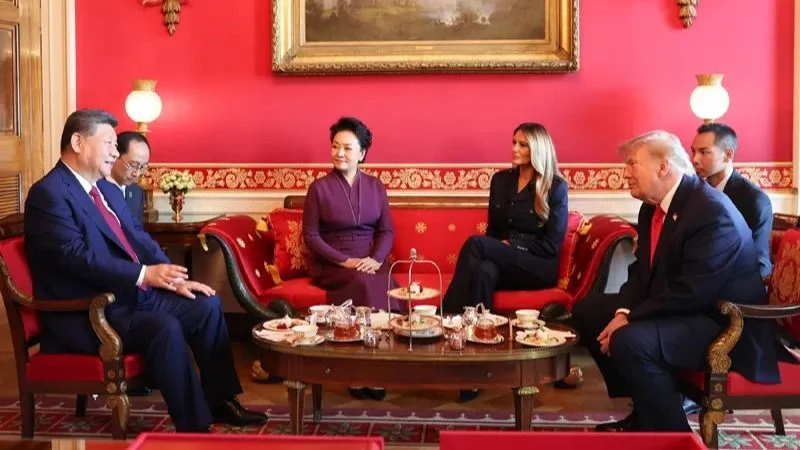
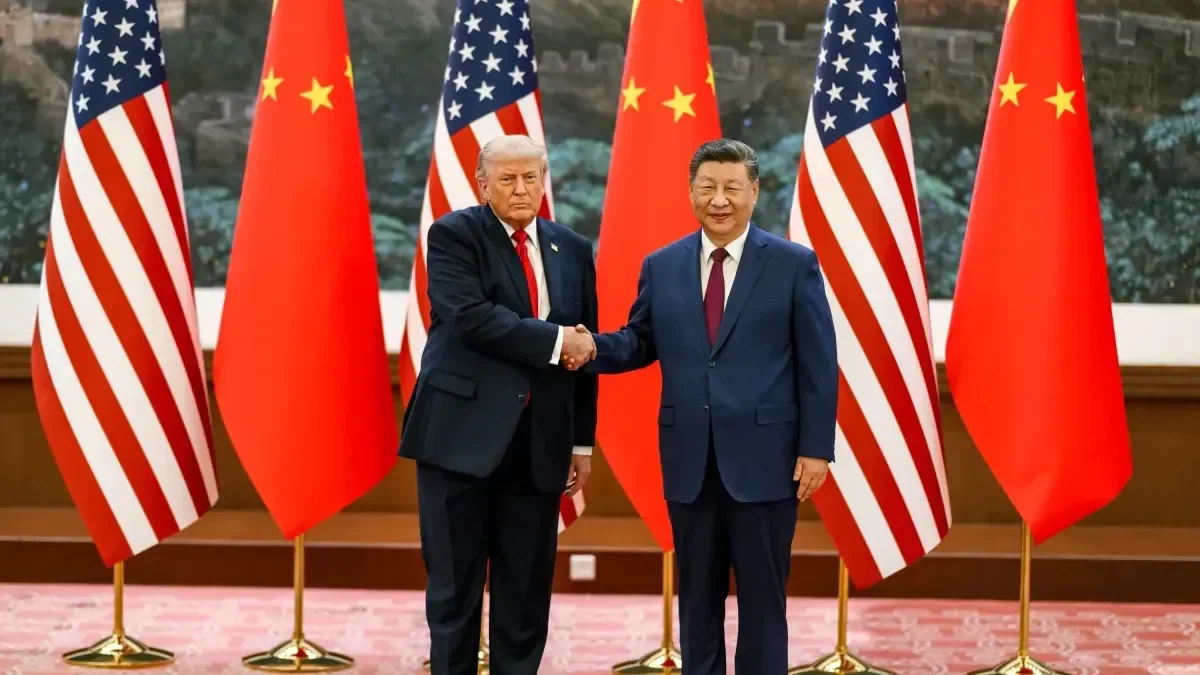
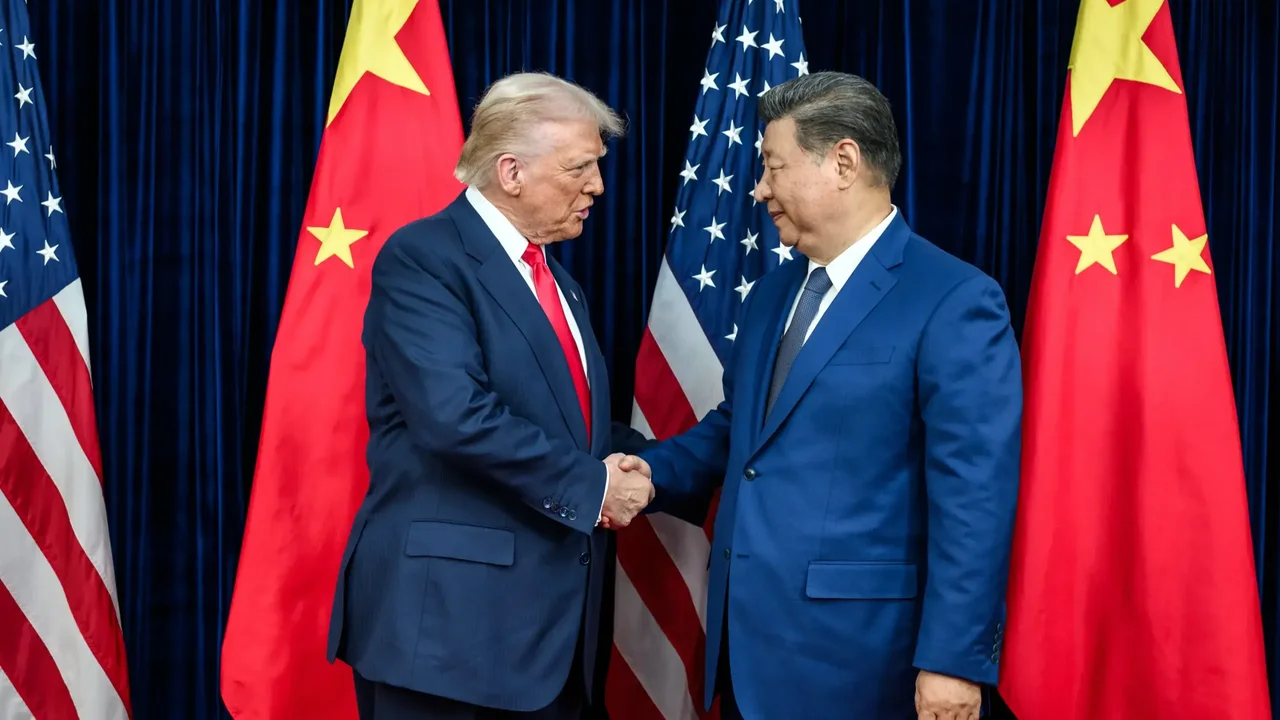
其次,在特朗普總統領導下,美國在全球範圍內耀武揚威,並將關稅作為懲罰性貿易武器對外施壓,相比之下,施紀賢率領的英國代表團則表現出傾向於經濟務實而非意識形態鬥爭,並強調友好外交、而非高調外交的重要性,因此英中雙方達成的各項協議和協定似乎卓有成效,標誌著倫敦和北京在2018年後時隔八年重歸更加和諧友好的關係。
事實上,施紀賢處理對華政策的方式似乎受到了加拿大總理卡尼的影響。卡尼一方面決心減少加拿大對美國的經濟依賴,一方面積極與中國重新接觸。
然而,施紀賢及其下屬和顧問都意識到,英國政界某些群體,尤其是極右翼和保守派人士,對「中國威脅論」存在擔憂。
因此,施紀賢應對中國的策略是達成務實的商業協議,同時避免給人留下英國政府向所謂的「中國威脅」敞開大門的印象。事實上,就在施紀賢訪華前幾天,英國政府就已透過支持中國在倫敦建造超級大使館,展現了對中國的善意。英國領導層也對台灣問題表現出高度敏感,並重申了一個中國政策,避免冒犯中國領導層。
對華友好 未能阻止工黨支持度下滑
施紀賢試圖吸引中國投資英國的努力或許能幫助他贏得更多英國大企業的支持;然而,這卻無法阻止工黨支持率的下滑。
工黨在英國的民調中支持低迷顯而易見,許多民眾對工黨政府的經濟政策感到不滿。英國改革黨(Reform UK)的支持率正在上升,因此,儘管施紀賢竭盡全力與中國達成有利於英國的富有成效的經濟協議,但他的對華政策卻無法阻止工黨在國內的支持度低迷。
施紀賢訪華標誌着英國對華外交政策發生了顯著變化,放棄了先前將中國視為威脅的敵對言論,轉而採取更務實的經濟政策和更溫和的對華政策。
與加拿大一樣,英國對華外交政策也比以往任何時候都更加務實,意識形態色彩也淡化。然而,施紀賢及其商業代表團最近一次訪華,證明了那些親美的歐洲國家有必要重新思考如何以比以往更加務實、更加理性、更加富有成效的方式對待中國。
Pragmatic move in UK’s relations with China and its implications
The three-day visit of UK Prime Minister Keir Starmer to China has marked not only a pragmatic return in British foreign policy toward China after eight years of frosty relations, but also the attempt by the UK to steer a middle-of-the-road approach to dealing with its trade and business relations with China amid an increasingly hegemonic US foreign policy. As the closest partner of the US, the UK’s policy shift toward China has important geopolitical implications.
Starmer brought with him a 60-member delegation, reaching billions of pounds’ worth of exports and investment deals for the UK. Specifically, China has agreed to cut tariffs on whisky from 10 per cent to 5 per cent – an estimate of £250 million profits to the UK economy in the coming five years. China is the tenth largest market for Scottish whisky, and as such, the tariff adjustment will tremendously help Scottish distillers to compete in the international market.
On the other hand, the Chinese entertainment brand, namely Pop Mart, which produces the popular toy Labubu, has agreed to establish London as its European hub, and which will open twenty-seven stores in the coming year – a move that will create at least 150 jobs in the UK. The Chinese Chery Commercial Vehicles confirms its move to open a headquarters in Liverpool. The Chinese company’s Chief Executive Officer, Yin Tongyue, said that he is committed to supporting the creation of jobs in the UK and the revival of the green supply chain in the UK.
The rapprochement of Sino-UK relations can also be seen in the energy sector, where HiTHIUM agrees to invest in energy storage in the UK. The company also aims at bringing about £200 million of investment in the UK and creating almost 300 jobs, building up its sovereign capability, and making the local economy and energy sector stronger.
At present, China remains the UK’s third largest trading partner, supporting 370,000 British jobs. As such, the deepening relations between the two countries create a win-win situation, especially for the UK where its economy has not been performing well since Brexit in 2016. No wonder Starmer said: “We are bringing stability, clarity and a long-term strategy to how we engage with China, so we can bring home the benefits for businesses and for working people.” Engaging with China is necessary to boost the UK economy. As he admitted openly: “Engaging with China is how we secure growth for British businesses, support good jobs at home, and protect our national security” (UK government press release, 30 January 2026).
Peter Kyle, the Secretary for Business and Trade, also said that the UK delegation “will leave China having put our relationship with one of the world’s biggest economies on a stronger footing, unlocking billions for the UK, and setting the course for new commercial partnerships.”
Bike manufacturer Brompton is going to export its products to China, reaching £111.5 million in the coming three years after its Chief Executive Officer’s visit to Beijing. The World Snooker Tour, which has a global audience of 1.8 billion, has a new event in two Chinese cities that will be worth £15 million in the coming five years. Given the large Chinese market for the British sport sector, the potential for further bilateral development and business in sports is huge.
In the area of health, Cultech – a Welsh manufacturer – will cooperate with China Resources to generate more exports and create new jobs at Port Talbot, while Birmingham Biotech is hoping for £20 million in sales of its innovative and drug-free health products in the large Chinese market.
In 2025, Glasgow Prestwick Airport opened three direct cargo routes to China, reaching £76 million in new business and creating 250 jobs in 2026. Such expansion will also support the exports of Scottish salmon and seafood. At the same time, Asymchem has expanded its research operation in life sciences, while pharmaceutical giant AstraZeneca invests in its research programme in China with a commitment of £15 billion and the creation of 10,000 jobs across Cambridge, Macclesfield, Speke, Luton and London.
When President Xi Jinping met Starmer on 29th, he said that the UK and China are permanent members of the UN, and as such, both countries should safeguard peace and security and strengthen dialogue and cooperation. He also said that trust is the foundation of state-to-state relations, adding that China is committed to pursuing peaceful development. China, according to President Xi, has never started a war and has never taken an inch of foreign land. The message of President Xi to Starmer was and is clear: the so-called “China threat” was and is a myth.
President Xi also told Starmer that China is keen to pursue multilateralism and economic globalisation – a strong message implying that the UK’s close partner, the US, was and is pursuing isolationism and economic protectionism.
During the visit to Shanghai, a Memorandum of Understanding between the China-Business Council and Suzhou of Jiangsu province was reached, expanding the establishment of start-up companies in China. Agreements were also signed between the UK and China on various businesses, ranging from luxury fashion brand Burberry to food and drink exporter Diageo, and from health food company Holland and Barrett to Jaguar Land Rover. Many other British business representatives went to China with Starmer, including the Chief Executive Officers of HSBC, Standard Chartered, Schroders, Octopus Energy and Pearson. The role of the UK-China Joint Economic and Trade Commission will be strengthened, with ministerial-level meetings to be held for both sides to propel their bilateral trade forward in the coming years.
Chinese Premier Li Qiang said that China is willing to work with the UK government to create a good business environment for closer cooperation and people-to-people exchange. He appealed to entrepreneurs and people from all walks of life to contribute more to the development of Sino-UK bilateral relations.
In fact, the London Stock Exchange and the Industrial and Commercial Bank of China have signed an agreement to consolidate their operation across global financial markets, data analytics, cross-border yuan transactions, and the development of sustainable finance and financial innovation.
Ashley Alder, the chairman of the UK’s Financial Conduct Authority, met officials of the China Securities Regulatory Commission and the National Financial Regulatory Administration to discuss measures for strengthening cross-border trade and stock connections between the UK on the one hand, and Shanghai and Shenzhen on the other.
The Chinese side is exploring whether a framework may be created, like the Greater Bay Area’s wealth management connect scheme in 2021, to allow mainland Chinese investors to have access to UK-based asset management and retirement products. If this plan can be realised, cross-border wealth management products and investment will achieve a breakthrough, especially as the ageing population in China may be interested in exploring retirement provisions in the UK.
Discussions were also held on how to improve the London–Shanghai and London–Shenzhen stock connect framework, which was introduced in 2019 to allow and support cross-border listings through depository receipt mechanisms (South China Morning Post, 31 January 2026). At present, six Chinese firms are listed on the London Stock Exchange and both the UK and Chinese sides are exploring whether the number of stocks will expand and what measures should be taken to attract more trading. Cross-border data sharing has also been discussed for the sake of enhancing governmental capability to supervise the emerging cross-border stock market more effectively.
The recent rapprochement in UK–China relations is geopolitically significant.
First, while UK–China relations were at an apex in 2015, when President Xi Jinping visited London, relations between the two sides were later affected by the 2019 turbulence in Hong Kong and, most importantly, the perception of the so-called China threat in the UK. The deterioration in UK–China relations was unfortunate at a time when political ideologies were dominant over pragmatic considerations. Although Starmer, in his three-day visit to China, did raise the issue of human rights to the Chinese side, the emphasis on UK engagement with China has already sent a positive message and provided a favourable environment for the British side to raise such politically and ideologically sensitive matters to the Chinese hosts on the negotiating table.
Second, at a time when the US under President Trump flexed its military muscle worldwide and showed its ability to utilise tariffs as punitive trade weapons, the UK delegation led by Starmer has shown its tendency to drift toward economic pragmatism over ideological struggles, and to stress the importance of cordial diplomacy over megaphone diplomacy. As such, the deals and agreements reached by the UK and Chinese side appear to be very productive, marking a return of a more harmonious and cordial relationship between London and Beijing eight years after 2018.
Third, Starmer’s approach to dealing with China has appeared to be affected by Canadian Prime Minister Mark Carney’s determination to reduce Canada’s economic dependency on the US on the one hand, and to reengage China assertively on the other. Geographically, the UK is not located in either the front yard or backyard of the US. As such, the UK could be bolder in its rapprochement with China. Nevertheless, Starmer and his subordinates and advisers are aware of the perception of the “China threat” in some sectors of UK politics, especially those on the far right and conservative sides.
Therefore, Starmer’s approach to coping with China is to reach pragmatic business agreements without creating an overt impression that his government is opening the door to the so-called “China threat.” In fact, the UK government had already shown its goodwill to China by supporting the construction of the Chinese super-embassy in London just days before Starmer’s visit. The UK leadership has also shown its sensitivity to the Taiwan issue, repeating its one-China policy rather than taking any risks to alienate the mainland Chinese leadership.
Fourth, Starmer has been adopting a tightrope foreign policy in balancing the rapprochement with China and the remarkably close partnership with the US. Shortly after Starmer’s trip to China, Donald Trump said that the UK foreign policy drift is “very dangerous.” However, unlike Canada, which is located at the “front yard” of the US, and which is more militarily vulnerable to the US tendency to adopt its gunboat diplomacy, the UK does not have to encounter such Canadian geopolitical risks.
Therefore, Starmer’s immediate visit to Japan for the sake of reaffirming the UK’s defence relations with Japan was a shrewd move that could allay the fears of Washington. After all, the UK belongs to one of the members of the Five Eyes with close defence and intelligence agreements with the US, Australia, New Zealand and Canada.
Fifth, Starmer’s attempt at wooing Chinese investment in the UK can help him secure the support of more big businesspeople in the UK; nevertheless, this cannot arrest the decline of the Labour Party’s popularity. The Labour Party’s unpopularity can be easily seen in the polls in the UK, where many people are unhappy with the economic policies of the Labour government. The Reform Party in the UK is gaining popularity – a reflection of the increase in popularity of the far right in many countries in the world, especially Europe and the US. Hence, while Starmer has tried his best to engage China with productive economic deals that benefit the UK, his engagement policy with China cannot arrest his Labour Party’s domestic decline.
Sixth, although not a member of the European Union, the UK as a core country in the European continent has adopted a more economically pragmatic policy toward China with the implication that other European countries may follow suit. France under Macron has already maintained far friendlier relations with China than many other countries in Europe. In the coming months, German Chancellor Friedrich Mertz’s visit to China in February will likely adopt a more pragmatic approach to dealing with China, like the UK and Canada. If this analysis is accurate, then Starmer’s visit to China was politically significant as it has served as a rude awakening to Germany, which has seen China as being too close to Russia in the Russo-Ukrainian war.
Seventh, Starmer received clear messages from the Chinese leaders, including President Xi Jinping and Premier Li Qiang, that China is committed to pursuing peace, multilateralism and economic globalisation. As such, maintaining economic globalisation in the world is necessary, and under this environment, it is in the interest of both the UK and China to reach pragmatic business and trade agreements, achieving a win-win situation in the world of international trade. The pragmatic business direction of both the UK and China is the right one, instead of pursuing the paths of hegemonism, isolationism, economic protectionism and megaphone diplomacy with the utilisation of tariffs as threats from time to time.
In conclusion, Starmer’s visit to China has signalled a notable change in UK foreign policy toward China, abandoning the previously hostile rhetoric of seeing China as a “threat” and drifting toward a more economically pragmatic and ideologically diluted approach to coping with China.
Like Canada, which sees China as a rising power that deserves closer engagement rather than ideological discrimination, UK foreign policy toward China has become far more economically pragmatic and less ideologically rigid than ever before. In the era of great geopolitical transformations in which the formerly US-dominated unipolar world after the collapse of the former Soviet Union has been constantly challenged by other newly rising powers, including China, the UK has shown its realistic adaptation to the emerging multipolar world in a relatively slow but inevitable manner.
Yet, the most recent visit by Starmer and his business delegation to China has become a testimony to the necessity of those pro-US European states to rethink how they should treat China in a more economically pragmatic, less ideological, and more diplomatically productive way than before.
原刊於澳門新聞通訊社(MNA)網站,本社獲作者授權轉載。(原文按此)