


若新界北部都會區(下稱北都)的規劃能快速推進,不僅是回應中央訴求的政治進程,也是香港特區從現在到2047年與深圳更深層融合的重要舉措。
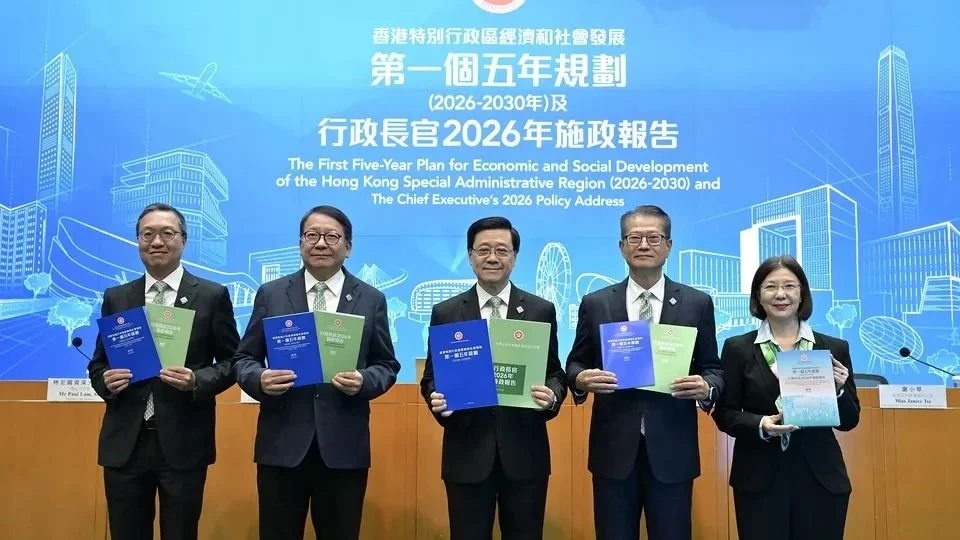
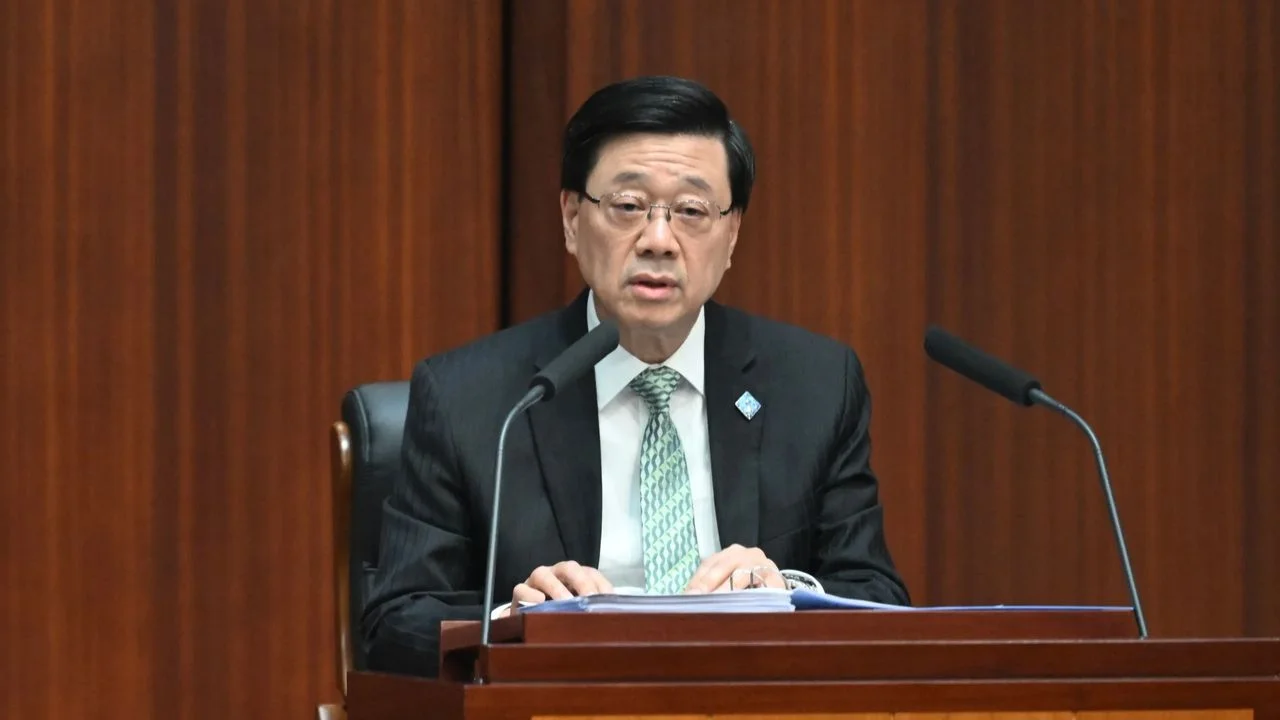
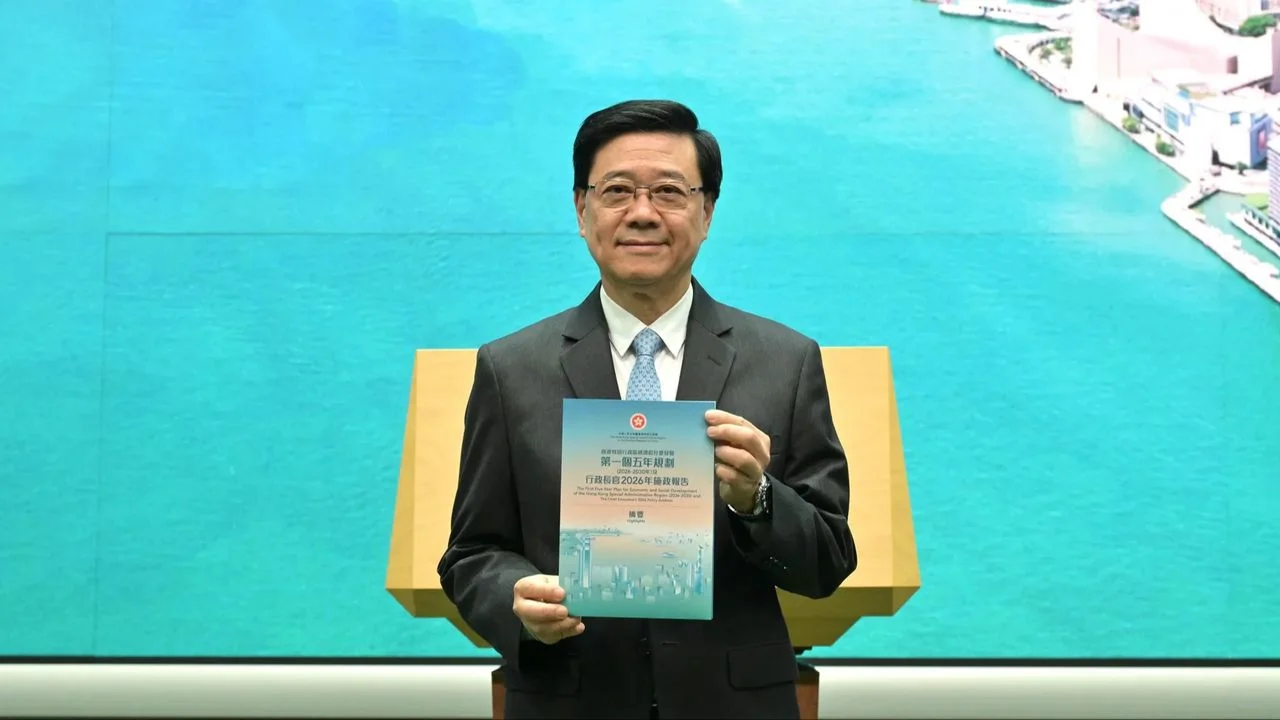
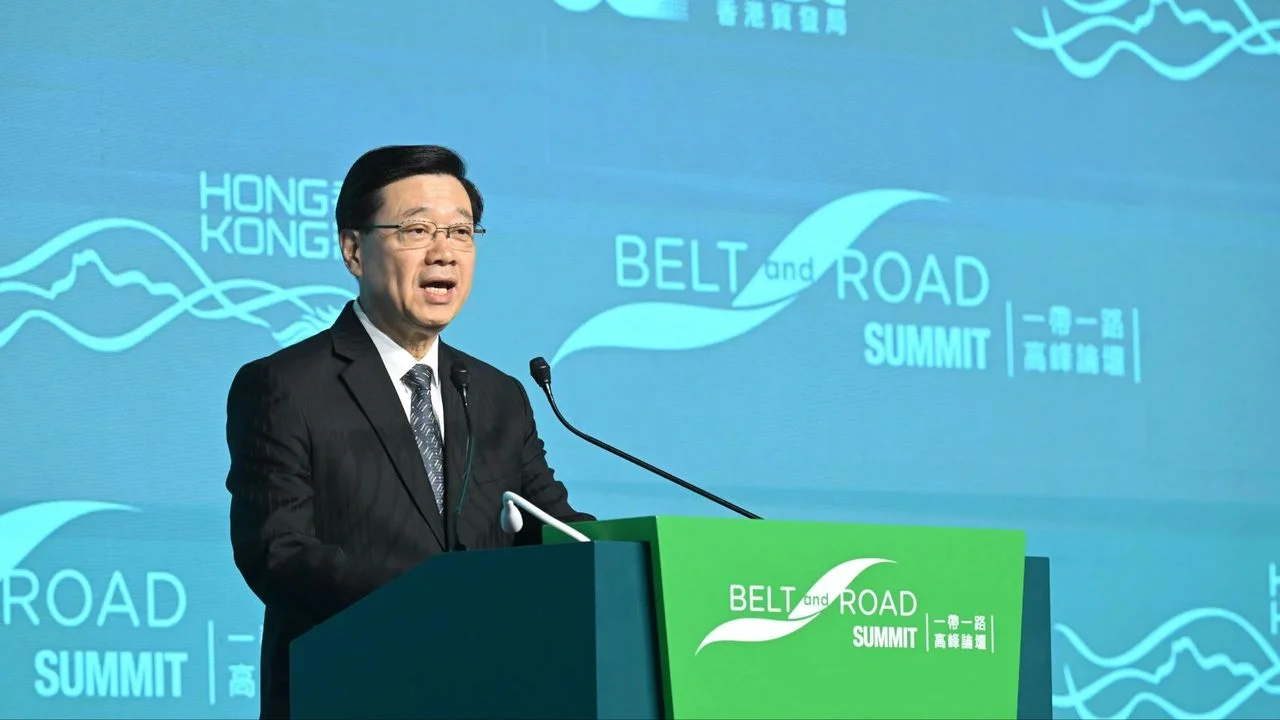
香港行政長官首李家超在2025年施政報告中提到了與北都快速發展相關的幾項重要措施。
首先,李家超成立由他領導的「北都發展委員會」,制訂北都各發展區的營運模式,拆牆鬆綁簡化行政程序,以及訂立加快發展北都的專屬法律。
其次,成立「發展及營運模式設計組」,由財政司司長陳茂波擔任組長,負責工業園區的開發、建立「建設-營運-移交BOT」等公私合作模式,以及引入股權、債券等新的融資方案,以及將土地作為資本投入的模式。
第三,由政務司司長陳國基主持的「大學城籌劃及建設組」,研究大學城的發展,並聽取香港、內地和海外大學校長等意見。
第四,由財政司司長陳茂波主持的「規劃及發展工作組」,負責統籌、執行以及協調工程、土地、交通、環保、創造就業機會和提升生產力等方面的工作。
為加快北都發展,李家超提出多項措施。首先,設立快速審批機制,允許採用內地及海外的建築方法、技術、材料和設備,以降低建築成本。其次,將採取分階段發展的方式,利用內地在零售、娛樂和會展設施方面先行先試的模式,先招商後發展。

(Wikimedia Commons)
允許換地、批地形式參與投資
第三是採取換地、批地等方式促進市場參與,加速發展,並以更靈活的方式向企業提供土地。四是允許以租代租方式批出的土地,年期可超過7年,以吸引企業投資。五是允許土地所有者交回政府規劃的土地,以抵銷原地換地或大規模批地的應繳款項。六是允許土地開發商分期繳納地價。七是委託港鐵公司檢討港鐵車站周邊私人住宅的發展。
李家超也宣布,將制定專門的法例,以加速北都的發展。該法例將授權政府制定法定程序設立工業園區公司,管理跨境人流、物流和資金流,吸引科研機構落戶香港,加快建築圖則審批,放寬分區計劃大綱圖的用途,並加快支付土地收地補償。
最後是佔地約210公頃的新田科技城,它將成為資訊與科技發展的戰略基地。隨着古洞站和洪水橋站分別計劃於2027年和2030年竣工,交通基礎設施網絡的建設將加快。根據港鐵公司與政府的協議,公司將力爭在2034年前兩年完成北都區內一條主要鐵路連接。
事實上,「大學城籌劃及建設組」已於9月底啟動,據教育局局長蔡若蓮透露,參與的大學必須與產業界合作,招收來自100個國家的國際學生,這些學生將分布在八所公立大學的200個課程中。預計這批國際學生主要來自東盟和一帶一路沿線國家。
根據規劃,大學城佔地90公頃,其中52公頃位於牛潭尾新發展區內。城市規劃委員會於2025年10月17日討論了對牛潭尾分區規劃大綱圖的修訂,因為其52公頃土地將為第三所醫學院提供校園園區。另有10公頃土地將保留給一所綜合醫院,為北都提供醫療服務。該醫院預計將集教學、培訓和科學研究於一體,為新田科技城提供支援。

明年提法律框架 加快北都建設
10月3日,發展局局長甯漢豪向立法會議員表示,政府將在2026年初提出一項法律框架,以加速北都的發展,預計法案於2026年由新立法會審議通過。
10月10日,港府就位於北都沙嶺數據園區發展進行公開招標,首次採用「雙信封」投標方式,即投標書將根據非價格標準和價格標準進行評估。非地價投標將佔70%的權重,其技術、品質優勢和良好的規劃將作為評標依據;其餘30%的權重將用於地價投標。沙嶺數據園區預計將提供先進的運算設施,以推動人工智慧產業的發展。
從科技產業發展來看,北都計劃將讓香港充分利用深圳在人工智慧和資訊科技領域快速發展的優勢,提升香港的競爭力,同時鞏固香港作為金融、金融和航空樞紐的傳統優勢。
以資訊科技樞紐為核心,再配合新建的大型住宅區,預計將吸引更多內地和本地人才來北都發展。目前一些內地人才寧選深圳定居,而非香港,原因是香港租金遠高於內地,也有利於促進河套地區IT產業與深圳的深度融合。

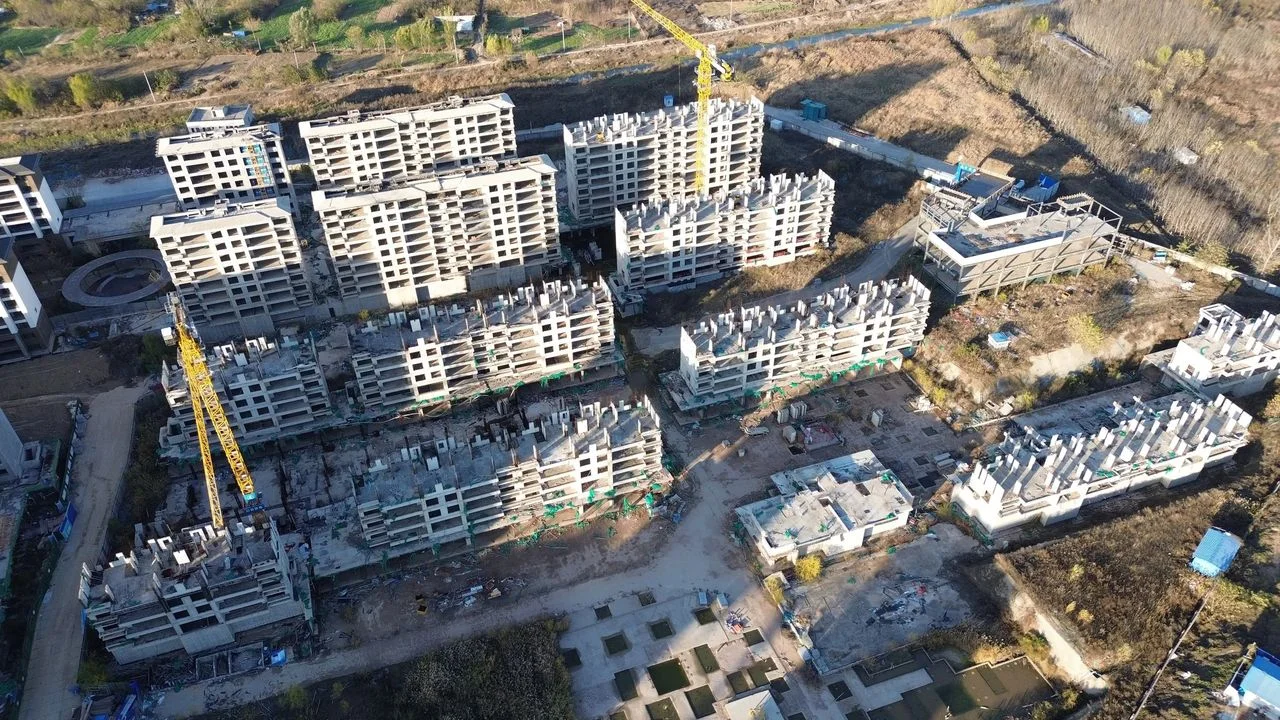
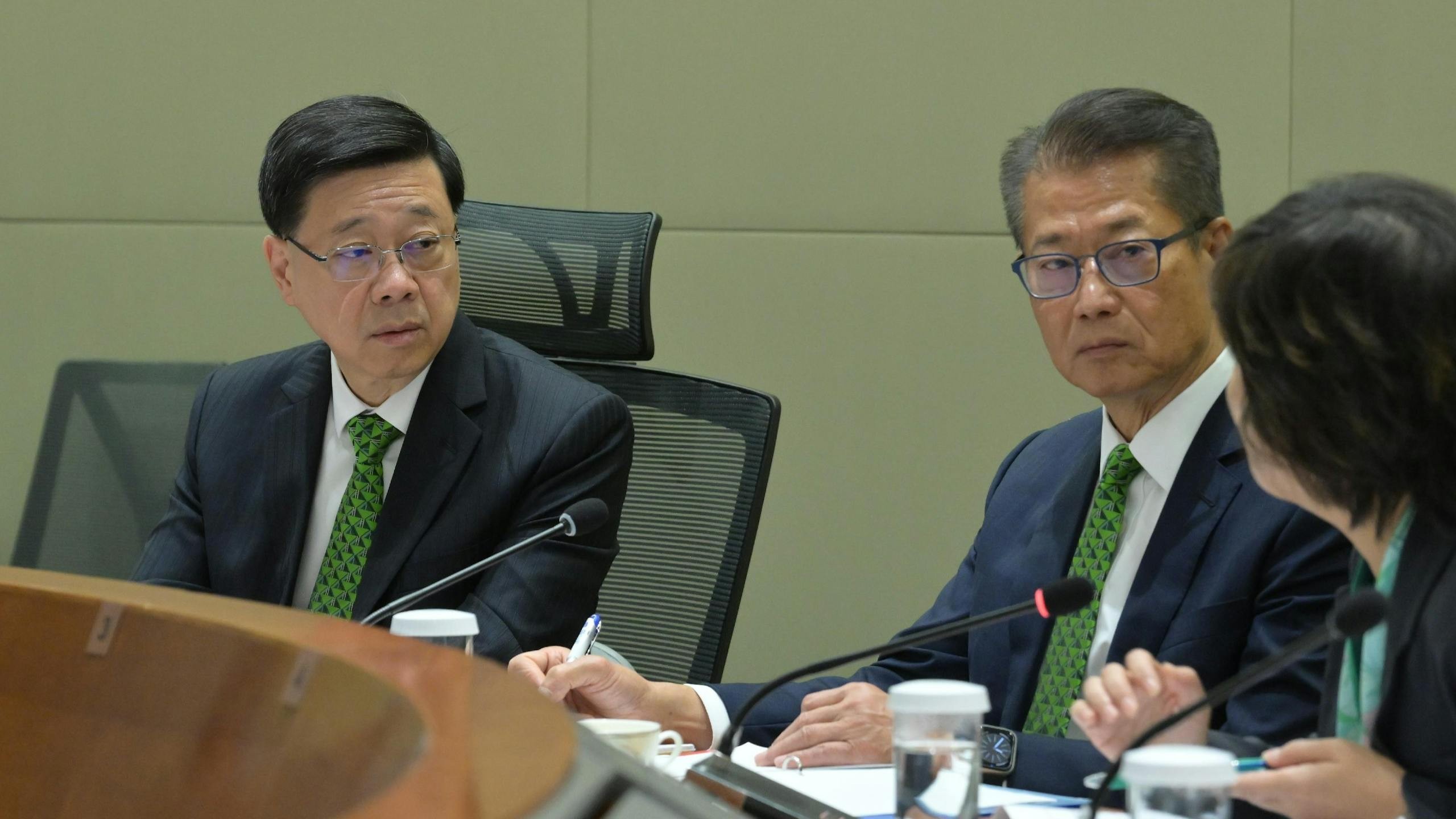
(北都發展委員會網影片截圖)
北都接近深圳 實現深港深度融合
北都區內新市鎮的獨特之處在於將非常接近深圳,從而實現香港與深圳更深層次的融合。約250萬香港人口遷入北都居住,將成為新界其他地區城鎮化速度加速、規模擴大的重要訊號。
換言之,接近2047年,新界將日益都市化,需要發展許多其他公共服務、在區議會和立法會的地區選區下設立新區、興建新的私人和公共房屋單位,以及完成北環線,該線將在北都會的交通網絡中發揮關鍵作用。
鑑於港府面臨財政赤字,開發北都應能夠調動並最大限度地吸引商界投資,是一個更具經濟可行性和務實的選擇。
從政治層面來看,北都的建設將使香港與深圳深度融合的過程中佔據更有利地位。如果橫琴粵澳深度合作區屬於先行先試的重要規劃,那麼在2047年前後,深圳「一線地區」是否會與香港形成另一個深度合作區?
北都另一個政治意義在於,中央政府強調提升香港管治水準的重要性,北都快速發展建設將成為香港管治成效的重要指標之一,相信李家超政府能夠為北都發展奠定基礎。
Accelerating the Northern Metropolis: Political imperatives and early implementation
The Northern Metropolis is central to Hong Kong’s deeper integration with Shenzhen and the Greater Bay Area
Chief Executive John Lee’s latest policy address marks a turning point, accelerating projects and legislative reforms
The plan carries major technological, social, economic and political implications leading up to 2047
The rapid development of the plan of the Northern Metropolis is not only a political process responding to the aspirations of the central authorities but also a significant move leading to the deeper integration of the Hong Kong Special Administrative Region (HKSAR) into Shenzhen from now to 2047.
The recent policy address delivered by Chief Executive John Lee has become a turning point in the development of the Northern Metropolis. He expressed his concern about its progress in the past three years, implying that after the visits of Xia Baolong, the director of the Hong Kong and Macau Affairs Office (HKMAO), to Hong Kong in June 2025, the HKSAR leadership sensed the imperative of speeding up the development of the Northern Metropolis. In June, Xia told the Hong Kong ruling elites to remove the “barriers” that slowed down the process of developing the Northern Metropolis. His remarks exerted some pressure on the HKSAR ruling elites to accelerate the construction of the megacity in the northern part of Hong Kong. Most significantly, John Lee promised Xia that he would accelerate the development of the Northern Metropolis and the Hetao area (TVB News, 22 June 2025).
John Lee’s policy address mentioned several important initiatives relating to the rapid development of the Northern Metropolis. First, he himself chairs a committee to lead the developmental process. Second, a working group on devising the development and operational model will be chaired by the Finance Committee to deal with the development of industrial parks, the establishment of public-private partnerships such as the Build-Operate-Transfer model, and the introduction of new financing schemes such as equity, bonds, and the provision of land as “a kind of capital participation”.
An industrial park company responsible for twenty-three hectares of land in Hung Shui Kiu will be set up. Third, a working group on the planning and construction of the University Town will be chaired by the Chief Secretary for Administration and it will study the development of this town, seeking views from presidents and representatives of local, mainland and international universities. Fourth, a working group on planning and development will be chaired by the Deputy Financial Secretary, dealing with the coordination work, execution work, and coordination in the areas of engineering, land, transportation, environmental protection, job creation, and productivity enhancement.
In response to Xia Baolong’s call for the HKSAR to remove barriers, John Lee mentioned a number of initiatives to speed up the development of the Northern Metropolis. First, a fast-track processing system is set up, allowing for the adoption of construction methods, technologies, materials and equipment from the mainland and overseas for the sake of reducing construction costs. Second, a phased development approach will be adopted by utilising the mainland’s pilot scheme of developing retail, entertainment and convention and exhibition facilities to attract businesses first before any long-term development.
Third, land exchange and land disposal will be adopted to promote market participation and expedite development, while land grants will be given to enterprises in a more flexible manner. Fourth, sites granted as tenancy instead of land lease may have a term exceeding seven years to attract business investment. Fifth, landowners can surrender land that is planned by the government to offset the amount payable for in-situ land exchange or large-scale land disposal. Sixth, the government may allow land developers to pay land premiums in phases. Seventh, the government engages Mass Transit Railway Corporation Limited (MTRCL) to review the development of private housing around the areas at MTR stations.
Infrastructure and institutional frameworks for rapid development
John Lee also announced that dedicated legislation will be introduced to accelerate the development of the Northern Metropolis. Such legislation will empower the government to devise statutory procedures to set up industrial park companies, to manage cross-boundary flow of people, goods and capital, to attract research institutes to set up their presence in Hong Kong, to speed up the approval of building plans, to relax usage in Outline Zoning Plans (OZPs), and to expedite compensation payment for land resumption.
Moreover, the Hetao Shenzhen-Hong Kong Science and Technology Innovation Co-operation Zone (Co-operation Zone), which is now located on both sides of the Shenzhen River (comprising Shenzhen Park and Hong Kong Park), will promote collaboration between the two parks in the development of information and technology. The construction of the first three buildings in Phase One of the Hong Kong Park of the Co-operation Zone (Hong Kong Park) has been completed. Tenants from life and health technology, microelectronics, new energy and Artificial Intelligence are gradually moving into these buildings. The construction of the other five buildings will be completed in the coming years.
In fact, Xia Baolong visited the Hong Kong Park of the Hetao Shenzhen-Hong Kong Science and Technology Innovation Co-operation Zone on 9 February 2025. He was accompanied by Acting Chief Executive Eric Chan and Financial Secretary Paul Chan to listen to the presentations by Secretary for Development Bernadette Linn and by Secretary for Innovation, Technology and Industry Sun Dong on the park’s latest development (Hong Kong Government Information News, 10 February 2025).
Finally, the San Tin Technopole, which occupies some 210 hectares of land, will serve as a strategic base for the development of information and technology. The transport infrastructure network will be developed and expedited with the scheduled completion of the Kwu Tung Station and Hung Shui Kiu Station in 2027 and 2030 respectively. A deal between the government and the MTRC will aim at the completion of a major rail link in the Northern Metropolis at least two years before 2034. According to the Highways Department, mainland Chinese standards of construction will be integrated to build the Northern Link, for this will lower costs by around 20 to 30 per cent (Hong Kong Free Press, 11 July 2025). At the same time, the national Chinese standards for rail lines meet the safety requirements of Hong Kong’s fire services, electrical and building regulations. The Northern Link will be an important project as the Northern Metropolis is expected to provide more than 900,000 homes for some 2.5 million people who will live near the boundary with Shenzhen. Most importantly, the Hong Kong-Shenzhen Western Rail Link (Hung Shui Kiu-Qianhai) will also be developed, connecting Hong Kong with Shenzhen in a more convenient and deeper way.
University town, legal reforms and early market responses
The plan as described in the policy address has been quickly implemented since late September. The working group on planning and construction of the University Town commenced its work in late September, when Secretary for Education Christine Choi revealed that the participating universities must work with industrial sectors, and that they must recruit international students from 100 countries who will be distributed across 200 programmes at the eight publicly funded universities. These international students will be expected to come from ASEAN and Belt and Road countries.
The University Town will occupy ninety hectares of land, including fifty-two hectares within the Ngau Tam Mei New Development Area. The Town Planning Board discussed on 17 October the amendments to the Ngau Tam Mei Outline Zoning Plan as its fifty-two hectares of land will provide for a campus base for a third medical school. Ten hectares of land will be reserved for a comprehensive hospital providing medical services for the Northern Metropolis. This hospital will be expected to integrate teaching, training and research, supporting the San Tin Technopole.
At the same time, Secretary for Development Bernadette Linn on 3 October told legislators that the government would propose a legal framework by early 2026 to speed up the development of the Northern Metropolis. This legislation will be expected to be deliberated and approved by the new Legislative Council, after its election in December 2025, in the year 2026.
On 10 October, the government invited open tenders for the sale of the Sandy Ridge Data Facility Cluster site in the Northern Metropolis, adopting for the first time a “two-envelope” approach, which means that proposals will be evaluated on the basis of non-price and price criteria. Seventy per cent weighting will be assigned to the technical, qualitative merits and good planning of the non-premium proposal, while the remaining 30 per cent will be allocated to the land premium offer (Hong Kong Standard, 10 October 2025). The Sandy Ridge Data Facility is expected to provide advanced computing facilities to propel the development of Artificial Intelligence industries.
Strategic significance: Technology, society, economy and governance
Such tenders are naturally attracting some companies to submit their proposals to develop the site. In late March 2025, it was reported that twenty-two mainland and Hong Kong companies had already expressed their interest in a pilot scheme to develop large land parcels in the Northern Metropolis. Their interest was triggered by the visit of Xia Baolong to Hong Kong and the appeal of the former Liaison Office Director Zheng Yanxiong, who in February 2025 asked the Chinese mainland enterprises in Hong Kong to expand their investment in the construction of the Northern Metropolis.
The development of the Northern Metropolis in the Hong Kong Special Administrative Region (HKSAR) is technologically, socially, economically and politically significant.
Technologically speaking, the Northern Metropolis is going to let the HKSAR capitalise on the strengths of Shenzhen’s rapid development in Artificial Intelligence and Information and Technology (IT) so that the city’s competitiveness will be enhanced, apart from Hong Kong’s traditionally strong status as a financial, monetary and aviation hub. Different pieces of land will be developed in a more flexible way through the double-envelope system, which will allow companies and land developers to submit more innovative proposals rather than relying only on their payment for land premium.
The IT hub that will be constructed in the Northern Metropolis, together with the new and large residential areas, will attract more mainland and local talents to come to work in the Northern Metropolis. At present, some mainland talents have chosen to reside in Shenzhen rather than coming to reside in Hong Kong, where rental costs to some of them are much higher than on the mainland. The full-fledged and faster construction of the Northern Metropolis will allow the HKSAR to develop IT, to attract more mainland talent, and to integrate Hetao IT development with Shenzhen in a more dynamic manner.
Political integration and the future of governance
Socially, the construction of the Northern Metropolis in the HKSAR is going to represent a new wave of new towns parallel to the construction of many satellite towns (like Shatin and Tuen Mun) in Hong Kong under British rule during the 1970s and the early half of the 1980s. What is unique about these new towns in the Northern Metropolis is that they will be remarkably close to Shenzhen, making Hong Kong’s deeper integration with Shenzhen a reality. The migration of some 2.5 million people in Hong Kong to reside in the Northern Metropolis will become an important signal of the faster speed and broader scope of urbanisation of the rest of the New Territories. In other words, approaching 2047, the New Territories will increasingly become urban, necessitating the development of many other public services, the establishment of new districts under the geographical constituencies of the District Councils and Legislative Council, the construction of new private and public housing units, and the completion of the Northern Link that will play a crucial role in the transport network in the Northern Metropolis.
Economically speaking, the development of the Northern Metropolis means that the Lantau Tomorrow Vision is outdated. Given the financial deficits encountered by the HKSAR government, the development of the Northern Metropolis, which can mobilise and maximise private-sector investment, is a more economically feasible and pragmatic option. When asked by legislators on the future of the Lantau Vision in early June, Financial Secretary Paul Chan said that the government’s focus would be on the Northern Metropolis, although research on the reclamation initiative of the Lantau Tomorrow Vision would continue (Hong Kong Standard, 2 June 2025).
Politically speaking, the development of the Northern Metropolis will position the HKSAR well in the process of deeper integration with Shenzhen. If the Guangdong-Macau In-Depth Cooperation Zone in Hengqin belongs to an important move involving the idea of “first implementation, first experimentation”, then it can be anticipated that, around the year 2047, the idea of drawing the first line of Shenzhen, and the second line, that will model along the first and second lines of Hengqin will be a possibility. It remains to be seen whether the “first line” of Shenzhen will form another in-depth cooperation zone with the HKSAR. As long as the boundaries of both the Hong Kong side and the Shenzhen side are increasingly blurred, it will be likely that the Macau-Hengqin cooperation model will also be adopted in the Hong Kong-Shenzhen cooperation zone.
Another political implication of the Northern Metropolis is that, since the central authorities have emphasised the importance of elevating the governing standards of the HKSAR, the rapid development and construction of the Northern Metropolis will become one of the crucial indicators of effective governance of Hong Kong. As such, the John Lee administration is expected to lay down the foundation of the development of the Northern Metropolis.
Land, leadership and the long-term vision
Related to the issue of governance is land resumption and compensation for some rural people in the New Territories – an important matter that will have to be managed with care, communication and political skills. The government adopts the principle of developing different pieces of land, which may imply that some rural farmland and villages will be left untouched, with the coexistence of villages and high-rise buildings in the future. Still, any need for land resumption and compensation will have to be tackled with governing skills, relying on the rural leaders and elites as the effective intermediaries between the government and the rural dwellers in the Northern Metropolis.
In conclusion, the development of the Northern Metropolis will become a crucial indicator of effective governance of the HKSAR, whose administration is expected to accelerate the construction of the Northern Metropolis, ranging from infrastructure projects to transport networks, and from residential to commercial premises. Public-private partnerships will be necessary to bring about the completion of the Northern Metropolis. The Northern Metropolis will be expected to envisage the effective delivery of public services, the provision of clinics and schools, the establishment of a new IT hub, the establishment of new campuses from different universities, and the existence of a comprehensive hospital and the third medical school. Migration from other parts of Hong Kong and Kowloon to the Northern Metropolis will gradually be seen, triggering a new process of the “urbanisation” of the rest of the New Territories. When the Northern Metropolis is finished, Hong Kong will be positioned and ready to integrate more closely with parts of Shenzhen, following the Macau-Hengqin example, thereby making both Hong Kong and Macau key drivers in the socio-economic development of the Greater Bay Area.
原刊於澳門新聞通訊社(MNA)網站,本社獲作者授權轉載。(原文按此)