

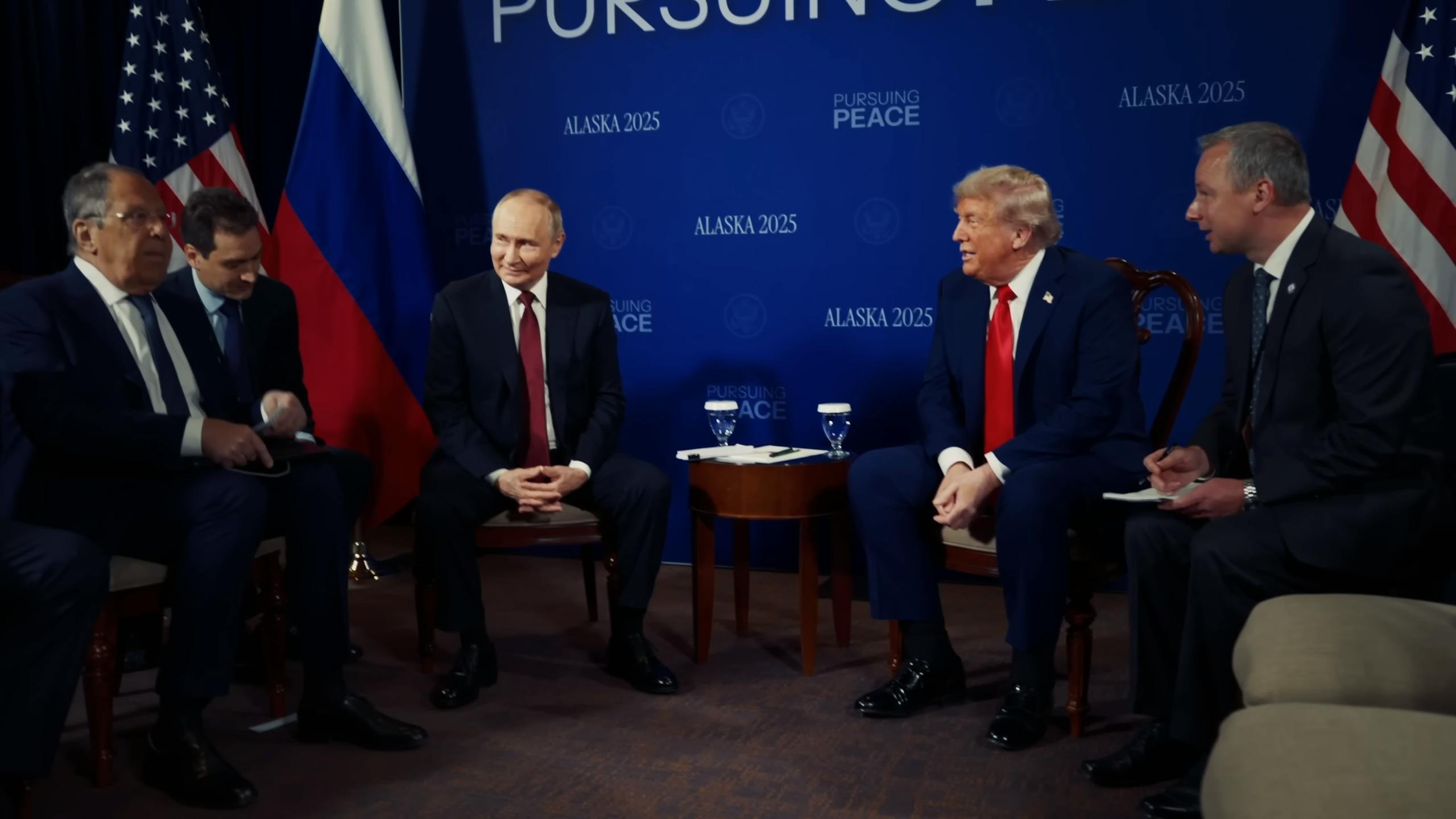


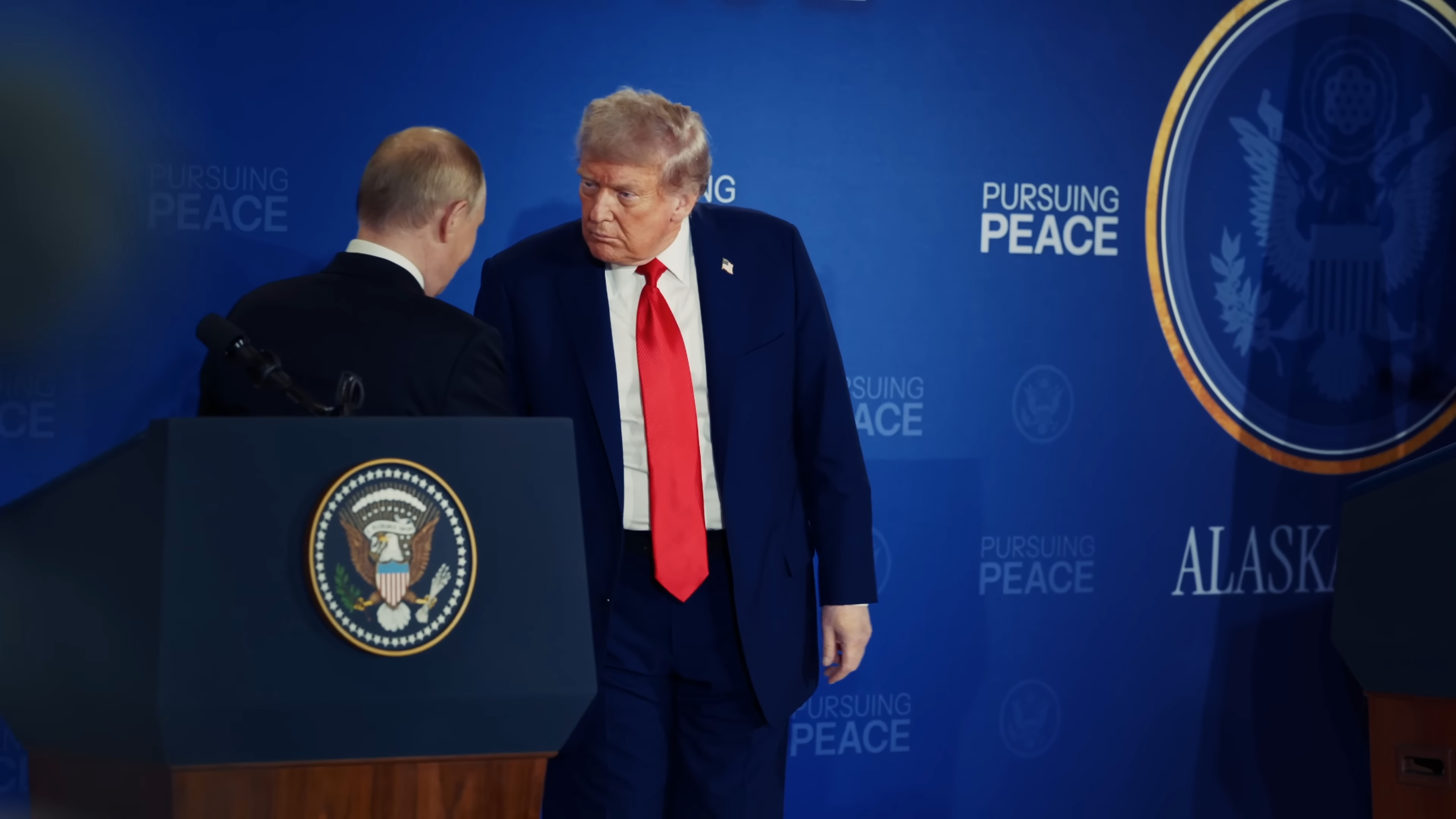
美國總統特朗普與俄羅斯總統普京在阿拉斯加峰會上,一如所料雙方未能就俄烏戰爭達成任何協議,特朗普促使俄烏停火的努力注定無果。
美國在俄烏戰爭的立場不堅定,特朗普先是排除烏克蘭參與,並且漠視其他歐洲國家的安全利益,使今次峰會更像是特朗普與普京合演一場外交表演,而非在烏克蘭戰爭中爭取達致和平的解決方案。
這次峰會召開的時機不佳,烏克蘭正戰輸狀態,烏東大片領土被俄羅斯侵佔。因此在峰會之前,美方呼籲烏克蘭須考慮割讓領土換取和平,予人偏袒俄方的印象;烏克蘭總統澤連斯基當然反對,他揚言不會做任何會讓他成為烏克蘭歷史罪人的事情,顯然峰會開局已經不利。
美方不軍援 烏沒籌碼跟俄周旋
在俄烏戰爭問題上,特朗普政府的外交政策與拜登政府背道而馳。特朗普政府理應堅持拜登的立場,不僅在意識形態上支持烏克蘭,還應為烏軍提供更具殺傷力的武器,將俄軍趕出烏克蘭領土。
假如美方不向烏克蘭提供更強有力的軍援,烏方便沒有任何與俄羅斯討價還價的籌碼,那麼美俄峰會注定以失敗告終。
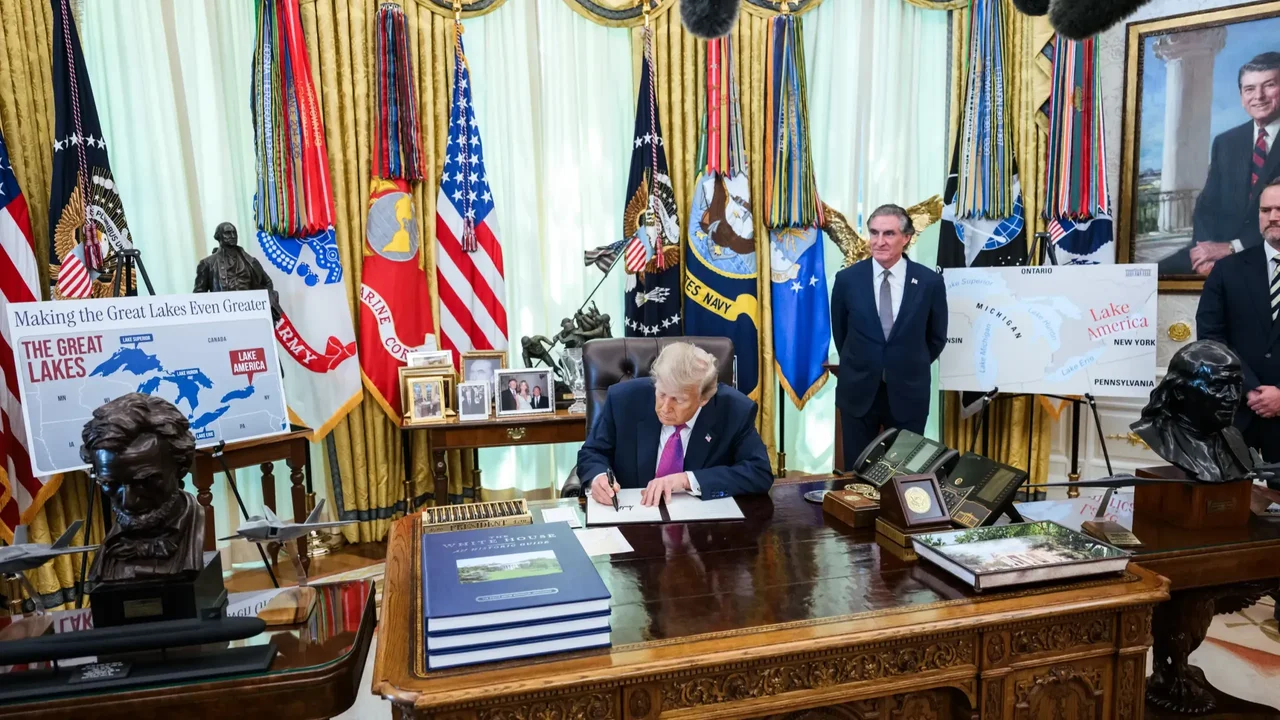
事實上,無協議比倉卒達成協議為好。特朗普政府曾經在白宮橢圓形辦公室公開羞辱澤連斯基,美國對烏克蘭的外交政策在許多國家眼中樹立了不良形象,嚴重損害美國在國際社會受到的尊重和權威,以及相對中立調解人的形象。
不單烏克蘭激烈反對,部分歐洲國家也積極游說美國政府,反對在沒有烏克蘭參與和歐洲利益受到漠視的情況下倉卒達成協議。據報道,阿拉斯加峰會前兩天,一些歐洲國家和澤連斯基曾與特朗普政府舉行會談。
美俄峰會應按五項原則進行
據澤連斯基透露,特朗普與普京峰會應遵循五項原則:
沒有烏克蘭的參與,不應討論涉烏問題;
應開始為美俄烏三方聯合峰會作準備;
停火生效前都不會討論和平協議內容,包括交換領土;
烏克蘭應獲安全保障,俄國不能否決烏克蘭加入歐盟和北約;
若普京在阿拉斯加會議上沒同意停火,俄國須面對新制裁。

美俄峰會應按五項原則進行
如果這五項原則是歐、烏與美的談判底線,那麼它們顯然遏制了特朗普過於倉卒與普京達成協議的意圖。
美國外交決策者也擔心,如果特朗普在沒有顧問的參與下單獨會見普京,有可能會被普京設局。美國前國家安全顧問菲奧娜·希爾認為,2018年特朗普正是沒有其親信顧問的陪同下,與普京單對單會談,最終被普京忽悠;特別是特朗普第二次贏得大選後,解僱了多名美國的俄羅斯問題專家,其外交團隊的執行力明顯比以往弱得多。
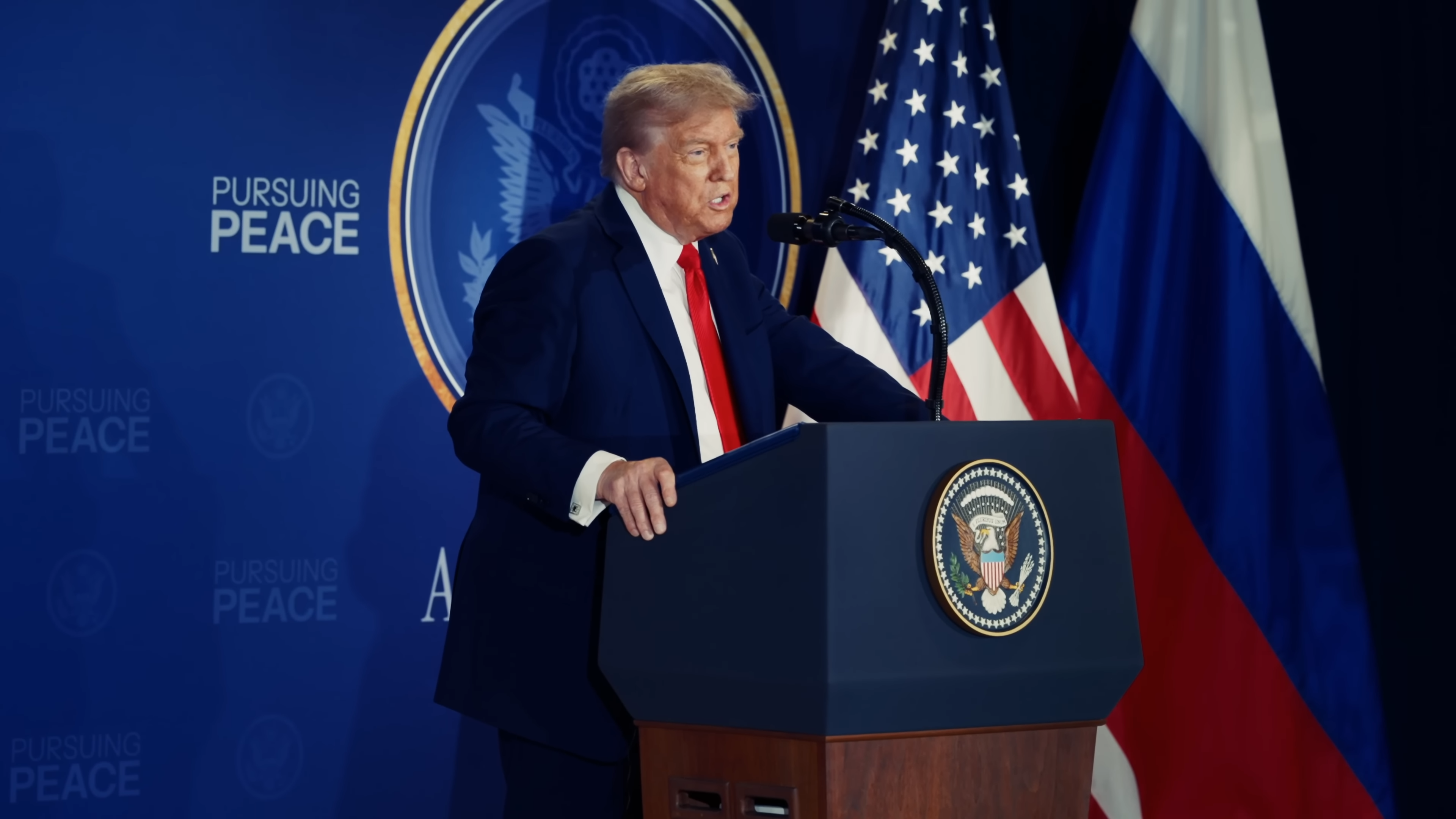
在美俄峰會後,特朗普公開發言時已顯得非常謹慎,或許他的外交團隊已經建議他避免在俄烏戰爭中展現出過分偏袒俄羅斯的形象。
自2022年2月戰爭爆發以來,俄羅斯已經控制着頓涅茨克的大部分地區、盧甘斯克的幾乎全部地區以及赫爾松和扎波羅熱的三分之二地區。即使普京願意將赫爾松和札波羅熱部分地區歸還烏克蘭,澤連斯基及其支持者也會被視為出賣烏克蘭領土利益的罪人。
美俄立場分歧大 會談顆粒無收
特朗普和普京在阿拉斯加進行了三個小時的會談,但最終未達成停火協議,顯示美國與俄羅斯強硬派立場仍然存在巨大分歧。
這次峰會失敗,令特朗普調停俄烏戰爭的努力受挫,但特朗普稱,他與普京取得了一些進展,但具體內容尚不清楚。在峰會前,特朗普曾表示,達成協議的成功機率為75%,結果成功的可能性微乎其微。
阿拉斯加談判的失敗突顯了俄烏之間極度不信任,烏克蘭及其歐洲盟友與美俄之間亦存在深刻矛盾,而美俄關係本身就非常脆弱,雖舉行峰會,但未能為各界解困,俄烏戰爭持續,外交管道因預期落差大、美國外交政策急劇搖擺,以及揮之不去的猜疑而變得緊張。
未來數周,國際社會的注意力將轉向歐洲各國和基輔的反應。一些歐洲官員或許會感到欣慰,因為尚未達成任何可能損害烏克蘭主權或危害歐洲安全保障的倉卒協議。
對俄烏立場搖擺 突顯外交斷層
在沒有澤連斯基參與下,這場美俄峰會再次引發了極大爭議性。美國在俄烏戰爭的立場搖擺不定,突顯了美國的外交政策從拜登政府過度至特朗普政府出現了斷層,損害了美國的國際形象,削弱了其軟實力。
與美國過去懲罰、而非獎勵侵略者相比下,今輪美俄峰會展現了美國的軟弱,而非其作為國際警察的初衷。
阿拉斯加的外交僵局為各方重新調整和反思奠定了基礎。美國政府應該著手審查其談判策略,與歐洲盟友和烏克蘭官員密切磋商,打造更加統一的陣線,而不是為渴望獲得諾貝爾和平獎卻得不到實質內容的總統,上演一場政治秀。
俄不停火 侵略者形象難消
或許美國應該在軍事上支持烏克蘭,協助其將俄軍驅逐出烏克蘭領土外,屆時與俄羅斯的談判將使烏克蘭處於更有利的地位,美國因此贏得更好的名聲;而俄羅斯亦應該反思,與其停火談判缺乏進展,不如考慮是否應該將停火視為向前邁出的一步,否則俄羅斯作為烏克蘭衝突侵略者的形像不太可能在國際社會消失。
然而,從批判和現實政治的角度來看,阿拉斯加峰會的失敗是不可避免。國家本性自私,領土擴張;政客唯利是圖,追逐個人利益和名聲;外交可以被利用來做政治姿態,炫耀權力和影響力。因此,俄烏戰爭將繼續下去,沒有成功調解的前景。
事實上,美俄峰會是一場政治表演,一次外交失敗,也是美國外交政策劇烈轉變的結果,而這種轉變源於其內部黨派鬥爭,以及最重要的,總統的個人主義外交風格。
The Trump-Putin Summit on Russo-Ukrainian War: A bridge too far
The Alaska Summit in which US President Donald Trump failed to reach any deal with his Russian counterpart Vladimir Putin over the Russo-Ukrainian war was destined to be a bridge too far. The poor timing of the summit, the oscillating US diplomacy on the Russo-Ukrainian war, the exclusion of Ukraine’s participation, and the neglect of the national security interests of other European states meant that the Summit was more like a diplomatic show between Trump and Putin than any progress in achieving a breakthrough in a peace settlement over the Ukraine war.
The Summit was held in a poor timing; Ukraine is losing the war with a large chunk of its eastern territories under the Russian occupation. As such, it was not surprising that, prior to the Summit, there were calls from the US, including President Trump, that Ukraine under the leadership of President Zelensky would perhaps have to consider making territorial concessions. In response, Zelensky said that he would not make any concessions that would make him as a “traitor” in the history of Ukraine. As such, the Summit had a poor start; the call for territorial concessions from the US side portrayed an image that Washington seemed to be biased in favour of Russia in a war during which Russia has been seen consistently by most European states as an invader.
The crux of the problem of diplomacy under the Trump administration is that Trump’s foreign policymakers over the Russo-Ukrainian war turned against the foreign policy of the Joe Biden administration. Logically speaking, the US administration under Trump’s leadership should have persisted the Biden position by not only supporting Ukraine ideologically but also providing more lethal military weapons for the Ukrainian forces to repel the Russian aggressors away from the Ukrainian soil. Without stronger military support to Ukraine provided by the Trump administration, and without repelling the Russian forces away from the Ukrainian territories, having a summit in Alaska at a time when Ukraine is losing any bargaining power means that it must fail without any deal.
In fact, “no deal” is better than a deal because the second Trump administration began its foreign policy toward Ukraine by creating an undesirable image to many countries in the world during the public “humiliation” of President Zelensky in the Oval Office. This incident severely affected the international perception of the United States as a respectable global authority and a relatively “neutral” mediator. Even though the US diplomats quickly repaired the international damage by reaching an agreement with Ukraine on its post-war economic reconstruction, the content of the agreement created an image of a “transactional” and “greedy” superpower that seeks to exploit the resources of Ukraine once a peace agreement with Russia would be reached.
Interestingly, once the US side called for Ukraine to consider making territorial concessions, some European states lobbied the US administration quickly against a hurried deal without Ukraine’s participation and without considering the interests of Europe. It was reported that two days prior to the Alaska Summit, some European states and Zelensky had held a meeting with the Trump administration. President Zelensky revealed that five principles should be adopted in the Trump-Putin Summit: (1) matters concerning Ukraine should not be discussed without Ukraine’s participation; (2) the Summit should prepare for a trilateral meeting between the US, Russia and Ukraine; (3) the content of the peace settlement, including territorial concessions, should not be discussed without any ceasefire; (4) Ukraine should have security guarantees and Russia cannot have a veto power over Ukraine’s participation in either the EU or NATO; and (5) Russia must encounter economic sanctions if the Russian side does not agree to the idea of a ceasefire.
If these five principles were the gist of the discussions between the European stakeholders and Ukraine on the one hand and the US on the other hand, then they apparently reined in the behaviour of the Trump administration in reaching a premature deal with the Putin government.
In fact, there were reports saying that the US foreign policymakers were also concerned about the likelihood that, if Trump might meet Putin alone without the participation of the former’s advisers, the US President would perhaps be “trapped” by Putin. According to Fiona Hill, a former US national security adviser on Russia, when Trump had met Putin in 2018 alone without the accompany of his close advisers, the US President could be easily “manipulated.” After Trump won the presidential election the second time, he dismissed many US experts on Russia, making his foreign policy-making team apparently much weaker than ever before.
However, it appears that shortly after the Summit meeting with Putin, Trump looked very cautious in his public remarks, reflecting perhaps that he was advised by his policymakers to avoid creating any image that the US was and is biased in favour of Russia over the Russo-Ukrainian war.
There is no sign that Russia would be willing to make any territorial concessions. After the war began in February 2022 (in fact, Russia had already annexed Crimea in 2014), Russia is now holding most of Donetsk and nearly all of Luhansk as well as two-thirds of the regions of Kherson and Zaporizhzhia. Even if Putin may be willing to leave the Ukrainian-held portions of Kherson and Zaporizhzhia to Ukraine, Zelensky and his die-hard supporters would be defeated and seen as “traitors” surrendering some territories of Ukraine.
After all, Zelensky and his supporters would argue that once Russia gains a foothold in Donetsk and Luhansk, the Russian territorial ambition would grow further, paving the way for further Russian aggrandizement in the long run. Hence, if both Ukraine and Russia see territorial gains as a zero-sum game, territorial concessions would be extremely difficult.
It was reported that one proposal that had been presented to US Special Envoy Steve Witkoff in Moscow included an idea of Ukraine giving up the remaining Donetsk region and Luhansk – together known as the Donbas, in exchange for only a ceasefire. This proposal was arguably a poorly designed one in favour of Russia. Using territorial concessions to exchange for just a ceasefire violated the fifth principle laid out by Zelensky and his European allies.
After a three-hour meeting in Alaska, both Trump and Putin left the Summit without an agreement for a ceasefire. This meant that while the US was refraining from creating an image of siding with Russia, Moscow does not want to make any concessions easily.
It was reported that although Trump wanted a ceasefire, Putin did not wish to make such concession. If so, the gap between the US aspiration and the Russian hardline position remains wide.
The Summit failed with the result that Trump’s ambition of becoming a dealmaker has been thwarted. President Trump said that he and Putin made “some progress,” but the content of such “progress” is unclear. Before the Summit, Trump had mentioned that the chance of success in reaching a deal would be seventy-five percent. As a result, the chance of success was minimal.
The choice of the Summit location – Alaska – was arguably problematic as it raises the legacy of the colonial era. While Alaska is now the territory of America, it was originally a Russian territory that was sold to the US in the 19th century.
Symbolically speaking, did the choice of Alaska hiddenly imply that the Ukrainian territories currently occupied by the Russian forces could also be “sold” or “exchanged” by Ukraine to Russia?
The failed negotiations in Alaska underscored the deep mistrust that continues to define Russo-Ukrainian relations, the profound contradictions between Ukraine/European allies on the one hand and US and Russia on the other hand, and the uneasy friendship between Washington and Moscow. The Summit’s aftermath left all parties in a state of limbo, with the war grinding on and diplomatic channels strained by diverging expectations, changing US foreign policy, and lingering suspicions.
In subsequent weeks, international attention will turn to the reactions within European capitals and Kyiv. Certain European officials may take comfort in the fact that no rapid accord has been established that could compromise Ukrainian sovereignty or jeopardize the continent’s enduring security assurances. Meanwhile, voices in Ukraine’s parliament have already issued renewed calls for steadfast resistance, calling for the continuation of international sanctions against Russia. To Zelensky and his supporters, international economic sanctions on Russia have worked and should persist.
The Summit has reignited debate about the efficacy of high-level meetings between Trump and Putin without Zelensky’s involvement. The drastic U-turn in US foreign policy toward the Russo-Ukrainian war highlights the discontinuities of Washington’s diplomacy from the Biden administration to the Trump government, having an unintended consequence of discrediting the international image of the US and weakening its soft power. The Trump-Putin Summit demonstrated the weakness of the US, rather than its original integrity as international police who formerly punished, rather than rewarding, “invaders.”
The Summit has reignited debate about the efficacy of high-level meetings between Trump and Putin without Zelensky’s involvement. The drastic U-turn in US foreign policy toward the Russo-Ukrainian war highlights the discontinuities of Washington’s diplomacy from the Biden administration to the Trump government, having an unintended consequence of discrediting the international image of the US and weakening its soft power. The Trump-Putin Summit demonstrated the weakness of the US, rather than its original integrity as international police who formerly punished, rather than rewarding, “invaders.”
The Summit also highlighted the absence of a robust preparatory work from US diplomats and the lack of a clear consensus among US and their European allies. It exposed the perils of personalistic style of diplomacy conducted without adequate institutional support or the inclusion of all key stakeholders in the international politics of negotiations.
Looking forward from a more optimistic perspective, the diplomatic impasse at Alaska set the stage for a period of recalibration and reflection on all sides. The US administration should initiate a review of its negotiation strategies, consulting closely with European allies and Ukrainian officials to forge a more unified front rather than staging a political show for its President who yearns for a Nobel peace prize without real substance. Perhaps the US should militarily back up Ukraine to such an extent that the Russian forces would be expelled out of the Ukrainian soil. By that time, negotiations with Russia would place Ukraine in a much better position and the US in a much better image. Russia, in the meantime, should reflect and capitalize on the lack of progress to consider whether it should see ceasefire as a progressive step forward. The perception of Russia as an aggressor in the Ukraine conflict is unlikely to diminish.
From a critical and realpolitik perspective, however, the Alaska Summit’s failure is inevitable. States are selfish and territorially expansive in nature; politicians are self-seeking in their personal gains and fame; and diplomacy can be utilized as a tool for political gestures and a show for power and influences. As such, the Russo-Ukrainian war will continue without the prospect of successful mediation.
Against this backdrop, the human cost of the ongoing conflicts remains starkly visible. Civilians continue to bear the brunt of hostilities, with displacement and humanitarian needs mounting across Ukraine. Diplomatic failure in Alaska is not simply a matter of political show and opportunism. It is a sobering reminder of the profound human consequences when peace proves elusive, compromise unattainable, and conflicts unstoppable.
In conclusion, the Alaska Summit was a bridge too far for the US to attempt at reaching any peace settlement with Russia over the Russo-Ukrainian war. It has proved to be a political show, a diplomatic failure, and a result of the drastic US foreign policy change because of its internal partisan struggle and, most importantly, personalistic style of presidential diplomacy. The positive elements of the Summit embrace the need for the US to consider seriously the national security interests of not only Ukraine but also its European allies rather than a sudden tilt toward Russia for the sake of portraying a façade of peacemaker.
原刊於澳門新聞通訊社(MNA)網站,本社獲作者授權轉載。(原文按此)