
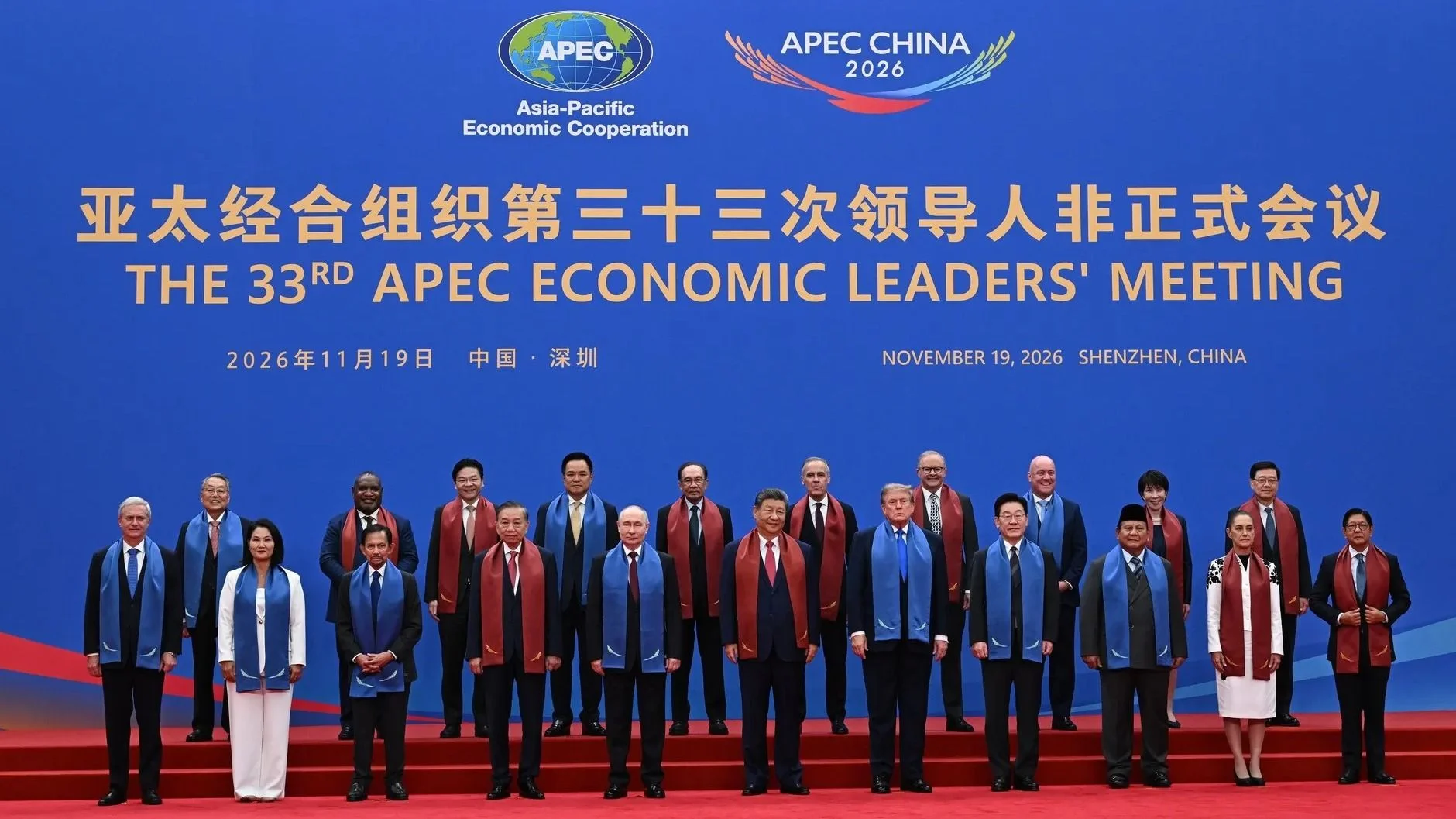
第33屆亞太經合組織經濟體領導人非正式會議於11月18至19日在深圳召開,11月17至18日同步舉辦工商領導人峰會。本次會議不僅對中美俄三強,也對亞太地區21個成員經濟體,都具備重大地緣政治意義。
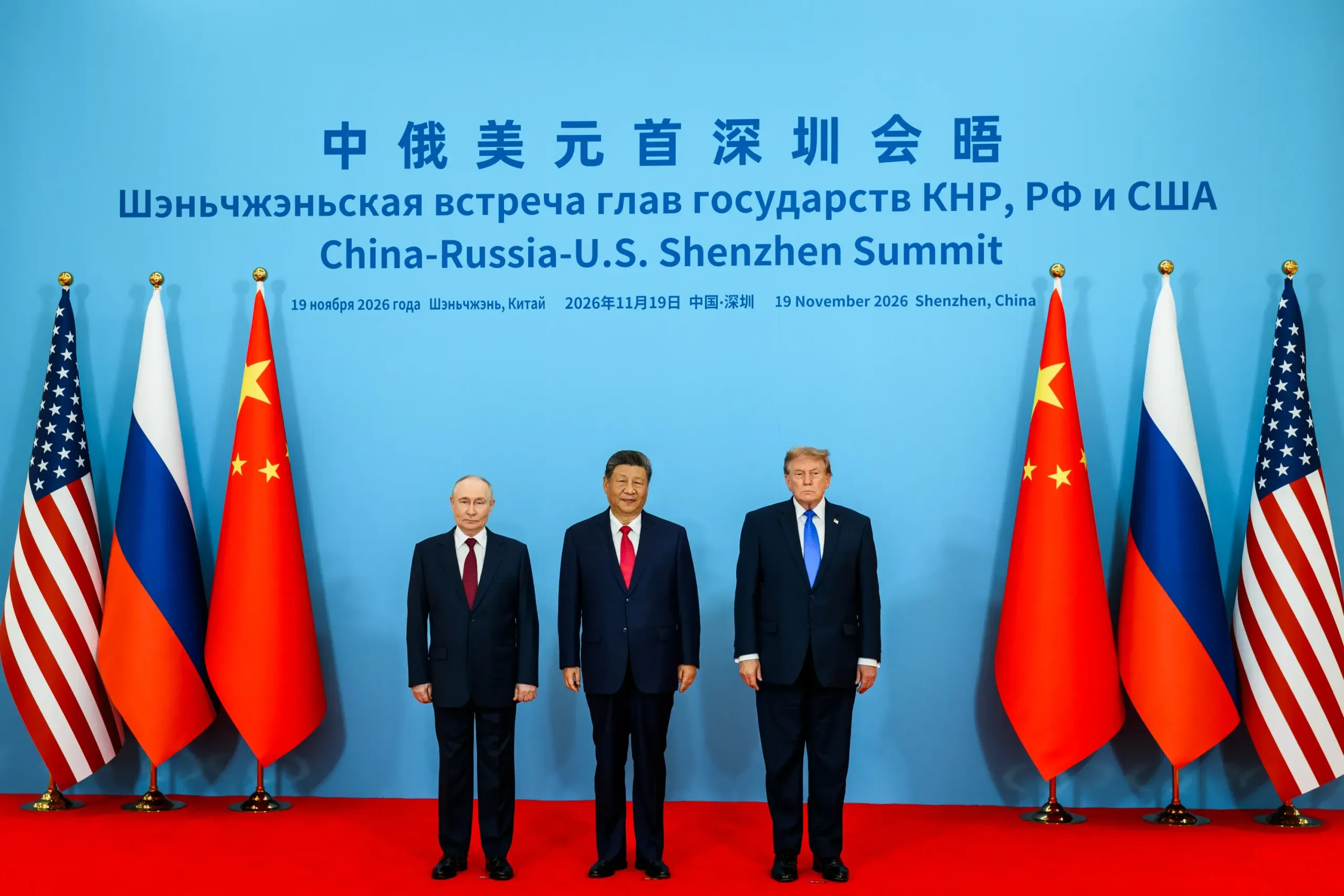
首先,本次會議最大亮點是中美俄三方峰會,峰會形成一份影響深遠的共同宣言。三方和平聯合宣言的內容包括:推動聯合國改革、承諾穩定全球能源供應、降低核風險、防止核擴散;強調國家官員享有豁免權,國際刑事法院及同類機構應當避免濫用管轄權。
大國外交與核領域共識
這場中美俄三方峰會印證了中國的大國地位,中國在國際政治舞台上的外交角色與影響力,已經與美俄兩大強國並駕齊驅。在全球多地出現反全球化思潮的大背景下,中國堅持獨立自主外交政策,大力倡導多邊主義、推動世界和平,成效十分顯著。
習近平主席與特朗普總統、普京總統共同主持本次峰會,意味着聯合國三大常任理事國在深圳完成歷史性會晤,也表明中國在維護地區與世界和平當中扮演關鍵角色。
俄烏戰爭久拖未決、美伊衝突陷入僵局的背景下,三大國達成避免核衝突的共識,是今次峰會最重要的宣言內容。
宣言並未涉及核武器數量上限問題,該議題大概率將留待美俄繼續磋商,但這份文件至少在短期為規避核衝突確立共同共識。
這份防範核風險的共識,也向朝鮮釋放政治信號。報道稱,在美國總統特朗普抵達深圳之際,朝鮮最高領導人金正恩曾前往靠近中國北部的邊境地帶。雖然特朗普本次並未與金正恩會面,但宣言確立了無核化這一理想終極目標,而朝鮮對此持否定態度。
國際法層面與歐洲的關切
中美俄三方宣言另一核心內容是:國際刑事法院及同類機構的管轄權不應遭到濫用。
這一表述背後的含義包括:認為國際刑事法院對普京發出逮捕令存在問題;不認可2016年依據《聯合國海洋法公約》作出的中菲南海島礁主權仲裁裁決;同時,國際刑事法院針對美國涉嫌阿富汗戰爭罪行開展調查一事本身就充滿爭議。
美國盟友以色列總理內塔尼亞胡,也因巴以衝突相關事件收到國際刑事法院逮捕令。由此,國際刑事法院調查、追訴國家領導人的權力受到嚴峻挑戰,其正當性被大幅削弱,該機構介入國際領土爭端的做法也遭到質疑。這份宣言也印證,國際政治仍然充斥權力博弈,缺少真正有效的司法仲裁,外交才是維護世界和平、減少衝突最重要的手段。
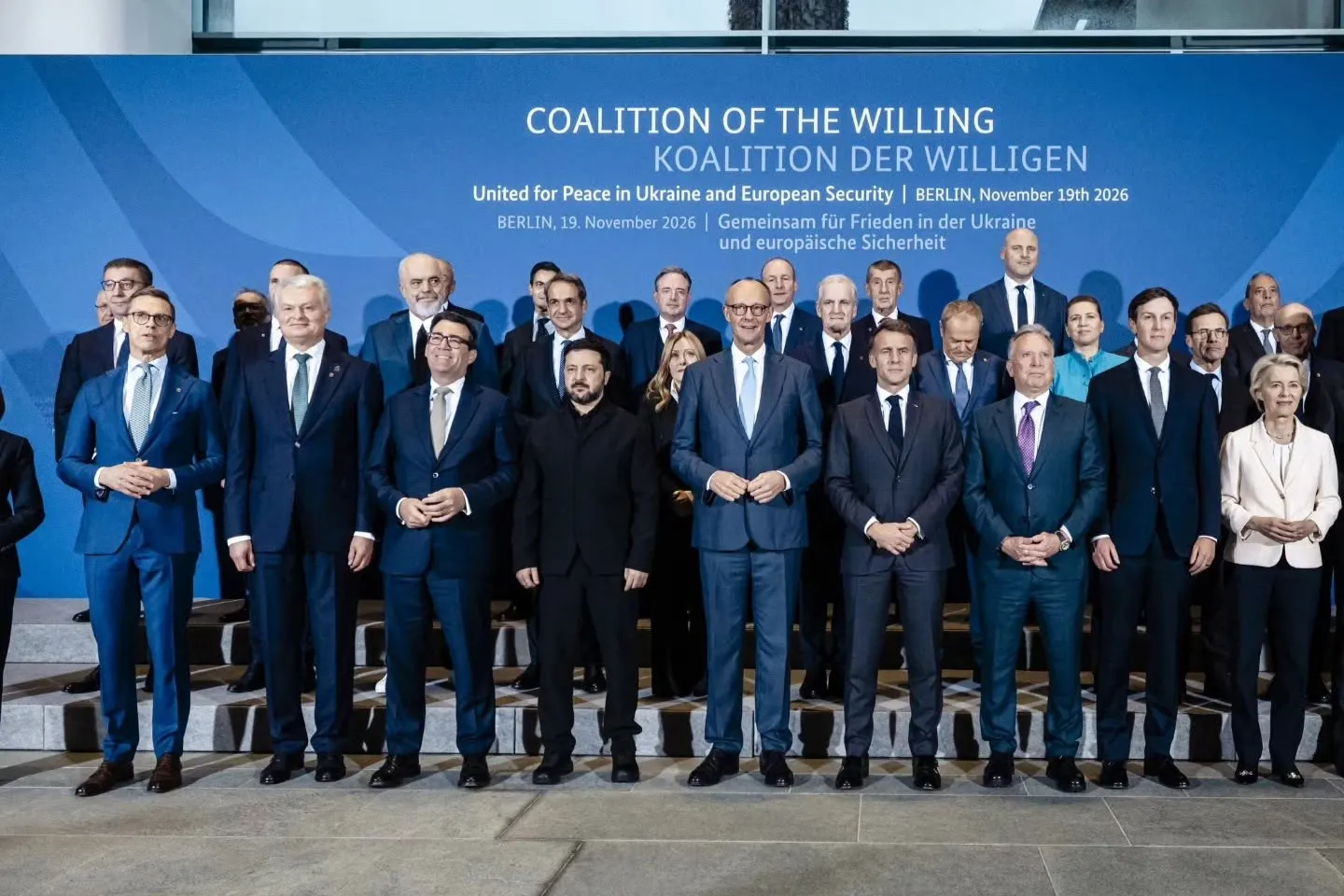
就在三方發布宣言的同一天,11月19日,柏林舉行志願者聯盟峰會。德國總理默茨在會上表示,烏克蘭問題新一輪和平談判即將啟動,任何相關談判都必須有歐洲參與。該聯盟共有40個支持烏克蘭的國家,由德法英共同主持。這也是向在深圳會面的普京與特朗普傳遞明確信息:無論二人私交如何,烏克蘭衝突不能拋開歐洲來解決。
經濟務實主義緩和安全競爭
深圳APEC會議的第二重重要意義,是亞太地區經濟務實主義佔據上風,至少在短期內緩和了安全對抗、領土爭端的緊張氛圍。
2026年11月的APEC會議議程聚焦開放、創新、合作。開放這一主題具備重要外交政治價值:當下特朗普第二屆政府正試圖對多國推行互惠關稅政策,而APEC代表多邊合作。
開放的理念,與特朗普「美國優先」的政策導向形成對照;創新與合作議程,則要求各成員經濟體在人工智能、貿易、物流供應鏈、投資領域探尋協作路徑。這些務實合作領域,能夠緩解部分國家之間領土爭端、安全對峙、軍備競賽的緊張態勢。
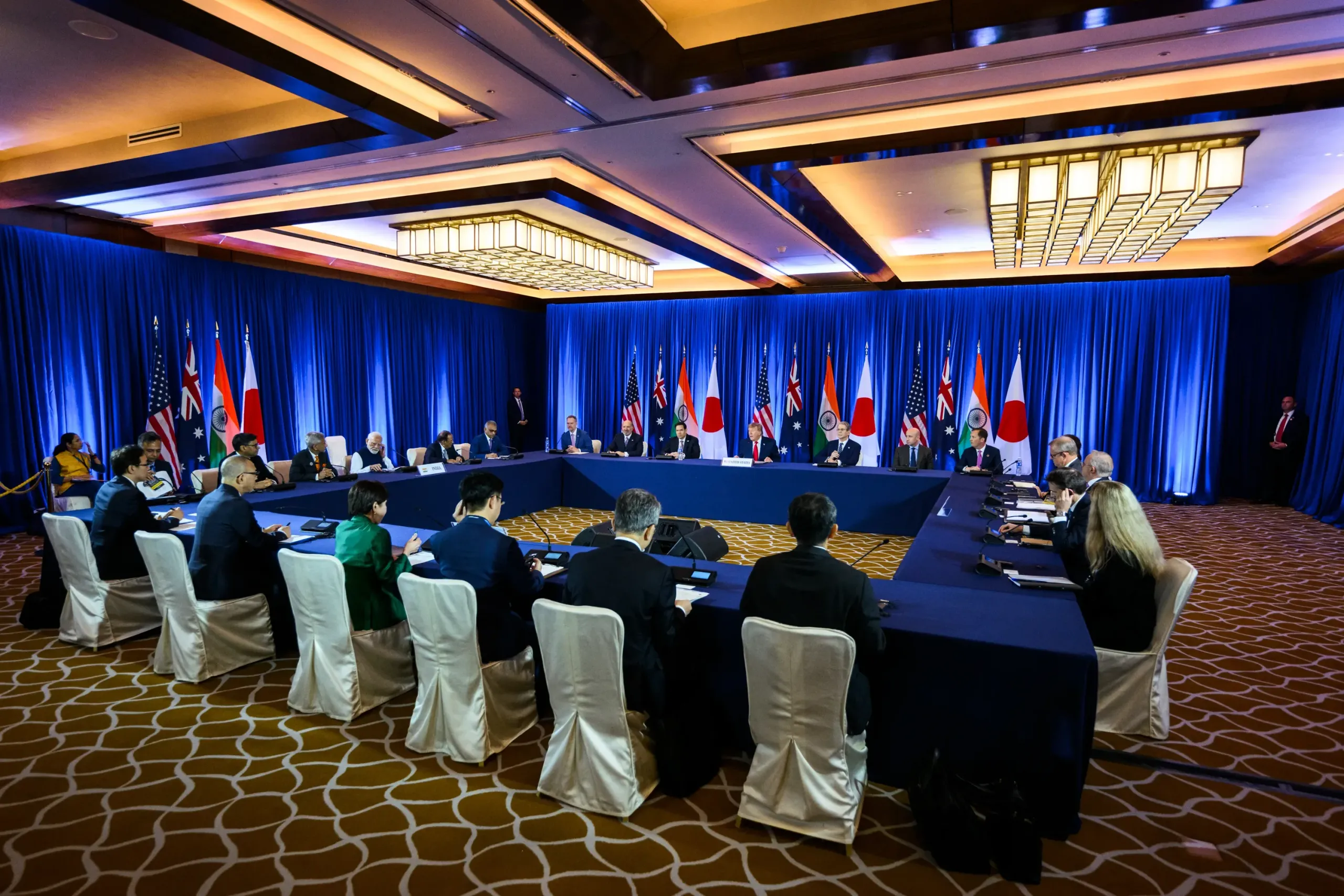
就在深圳APEC會議開幕前一日,美國總統特朗普、日本首相高市早苗、澳洲總理阿爾巴尼斯、印度總理莫迪於馬尼拉舉行四方安全對話(QUAD)領導人會議,探討安全議題,包括反對印太地區海上脅迫與經濟脅迫、開展海上監視、維護供應鏈、合作建設海底電纜等關鍵基礎設施。
四方安全對話的一系列舉措,矛頭指向中國。而中國主辦的深圳APEC則倡導共贏,呼籲各成員聚焦經濟務實合作,客觀上緩和了四方安全對話強調安全威脅、推進安全部署的思路。
中國現代化建設及其技術吸引力
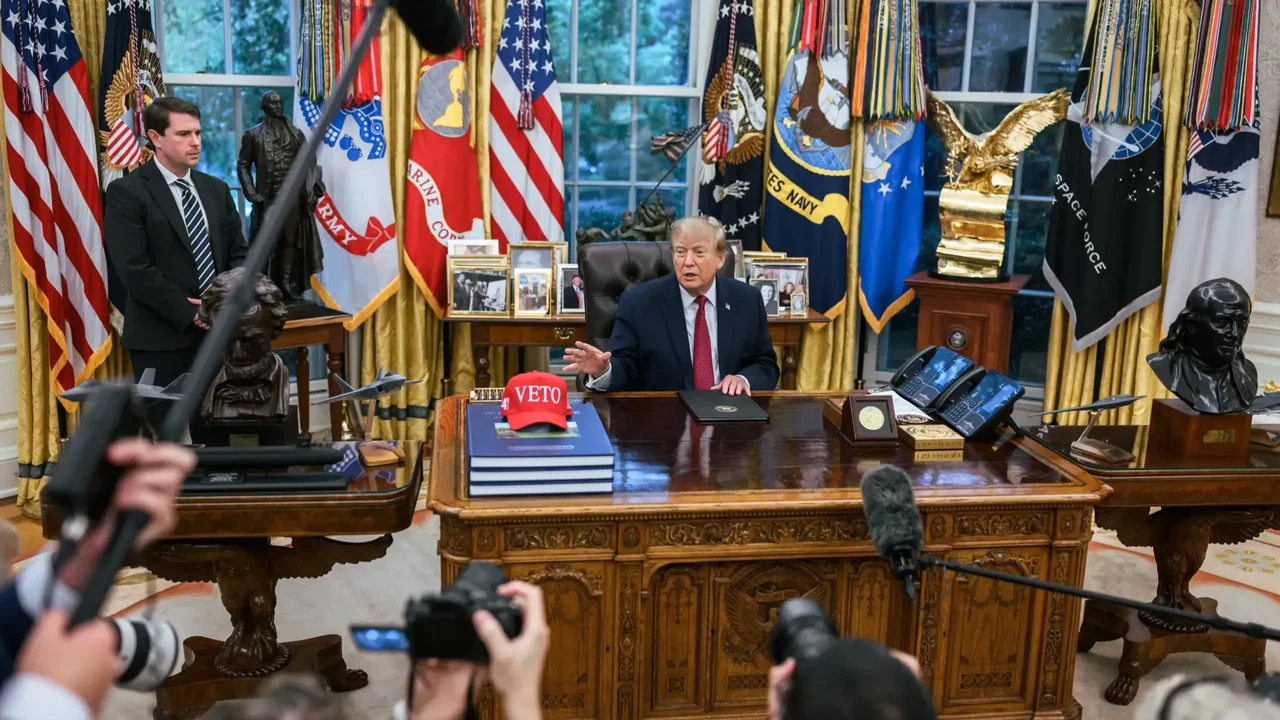
深圳APEC會議的第三重意義,體現出中國作為三大國之一的崛起,以及為地區、世界和平與發展作出的貢獻。儘管國際社會充斥中國威脅論,本次會議向世界展示了深圳從漁村蛻變為經濟強市的發展歷程。特朗普總統返回美國之後的記者會上,也公開承認這一發展成就。
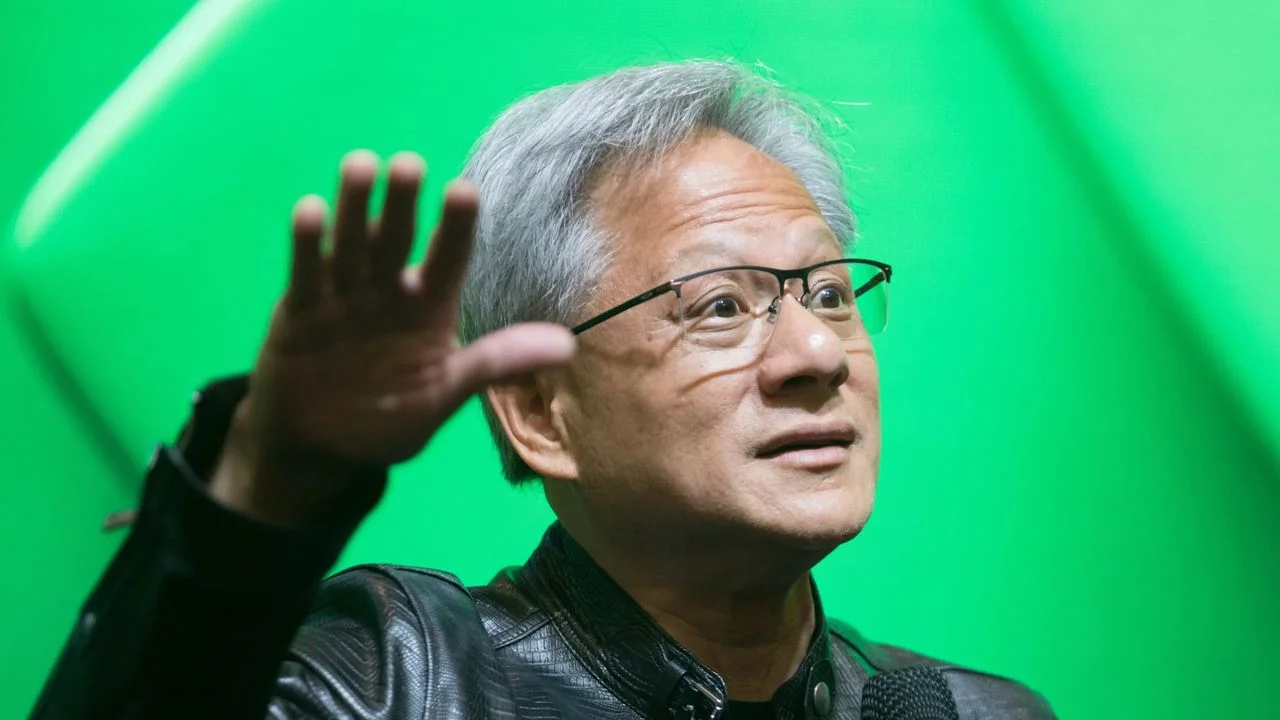
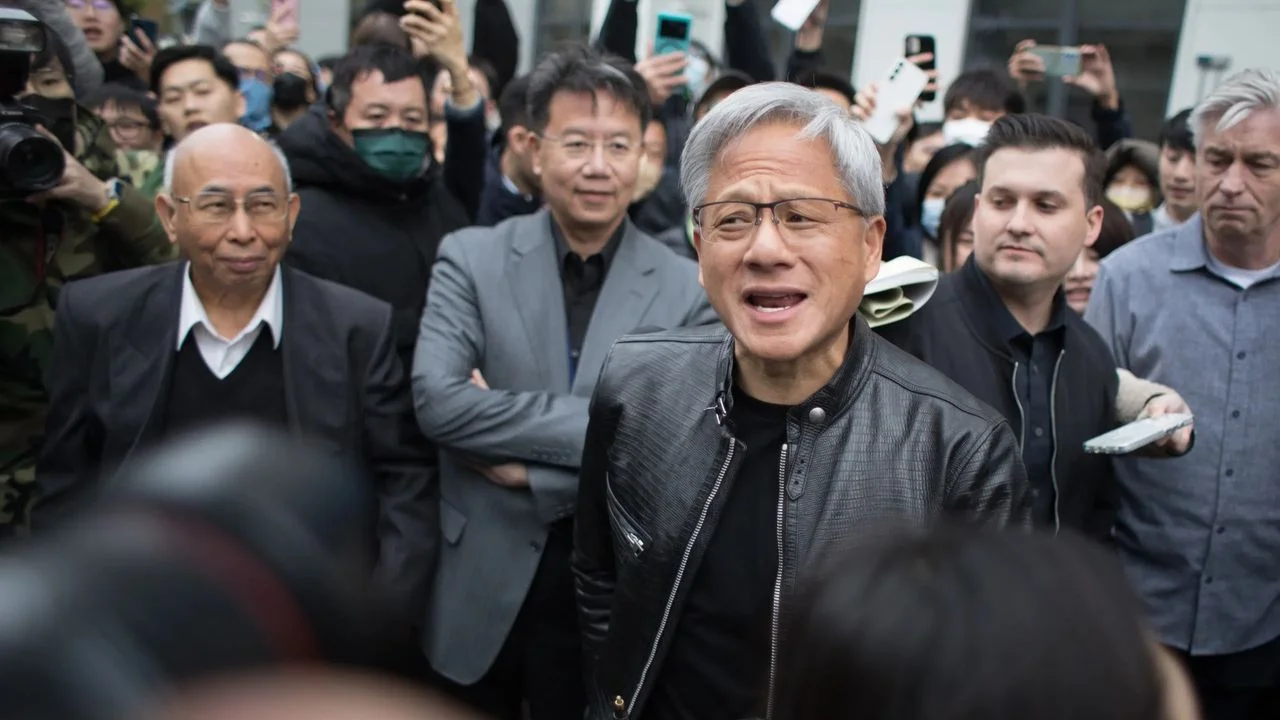
深圳的技術進步,也會吸引外國企業前來開展人工智能領域的投資與合作。在中美科技博弈的大背景下(黃仁勳相關爭議即為縮影),各經濟體之間的人工智能合作主要集中於機器人與電動汽車賽道。
儘管如此,這類合作也為技術競爭的新時代開闢一條和平共贏的道路。深圳的成功,是過去50餘年中國快速發展與現代化的縮影,即便是西方部分對華強硬人士,也不得不承認這一點。
這些批評者一味將中國視作威脅,卻不願認真研究中國歷史,尤其是近代遭受外來干涉、侵略與屈辱的清朝歷史。深圳的成就,不僅代表中國對現代化的追求,也是諸多昔日遭受西方殖民的亞洲國家的共同榮光。
中日、中韓雙邊關係回暖
第四重意義體現在對日外交信號。日本首相高市早苗此前就台灣問題發表過爭議言論,此次借APEC首次訪華。日本媒體報道稱,中方僅派禮賓官員在深圳機場接機,刻意淡化其訪問規格,卻忽略習近平主席同她握手、面帶微笑的細節。這個微妙舉動既是外交禮節,也釋放中日關係有望進一步發展的積極信號。
高市早苗回到日本之後,針對深圳之行發表措辭積極的外交講話,強調日本對華政策保持一貫。由此來看,過往矛盾帶來的隔閡會隨時間消解,中日關係回歸正常只是時間問題。
第五重意義,是中韓自貿協定相關磋商。韓國總統李在明同習近平主席舉行正式會晤。據報道,中韓自貿協定第二階段談判,在服務業、投資、供應鏈、人工智能領域已經取得實質性收尾。
兩岸務實互動與香港的次外交角色
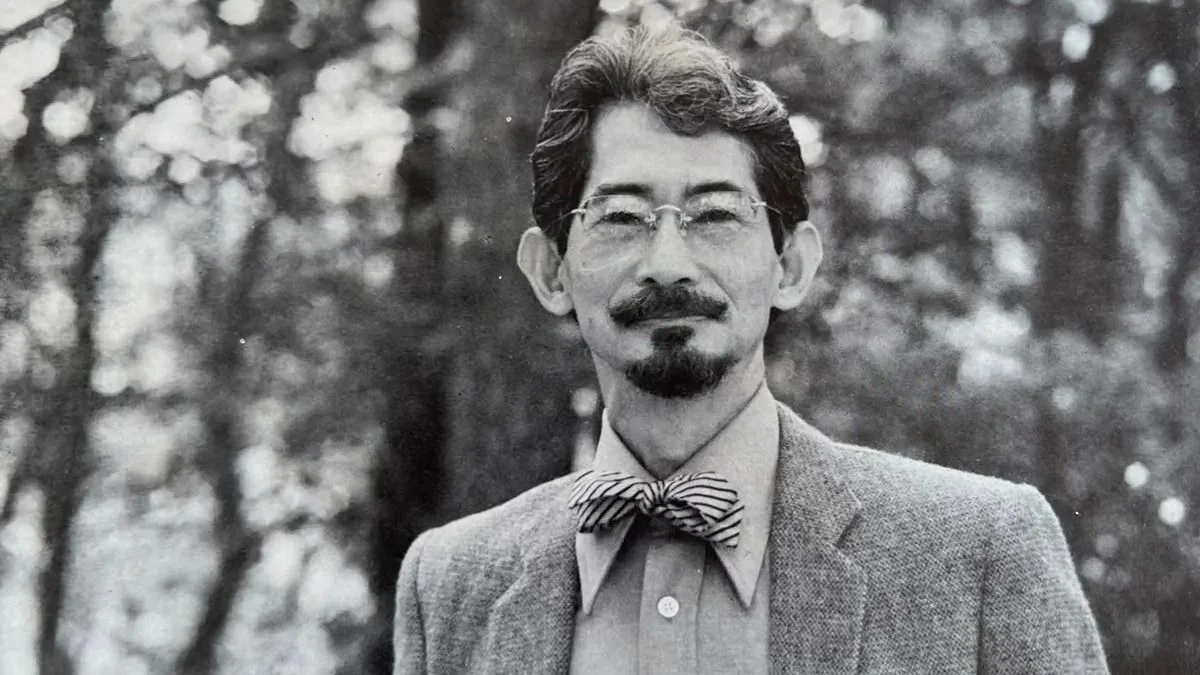
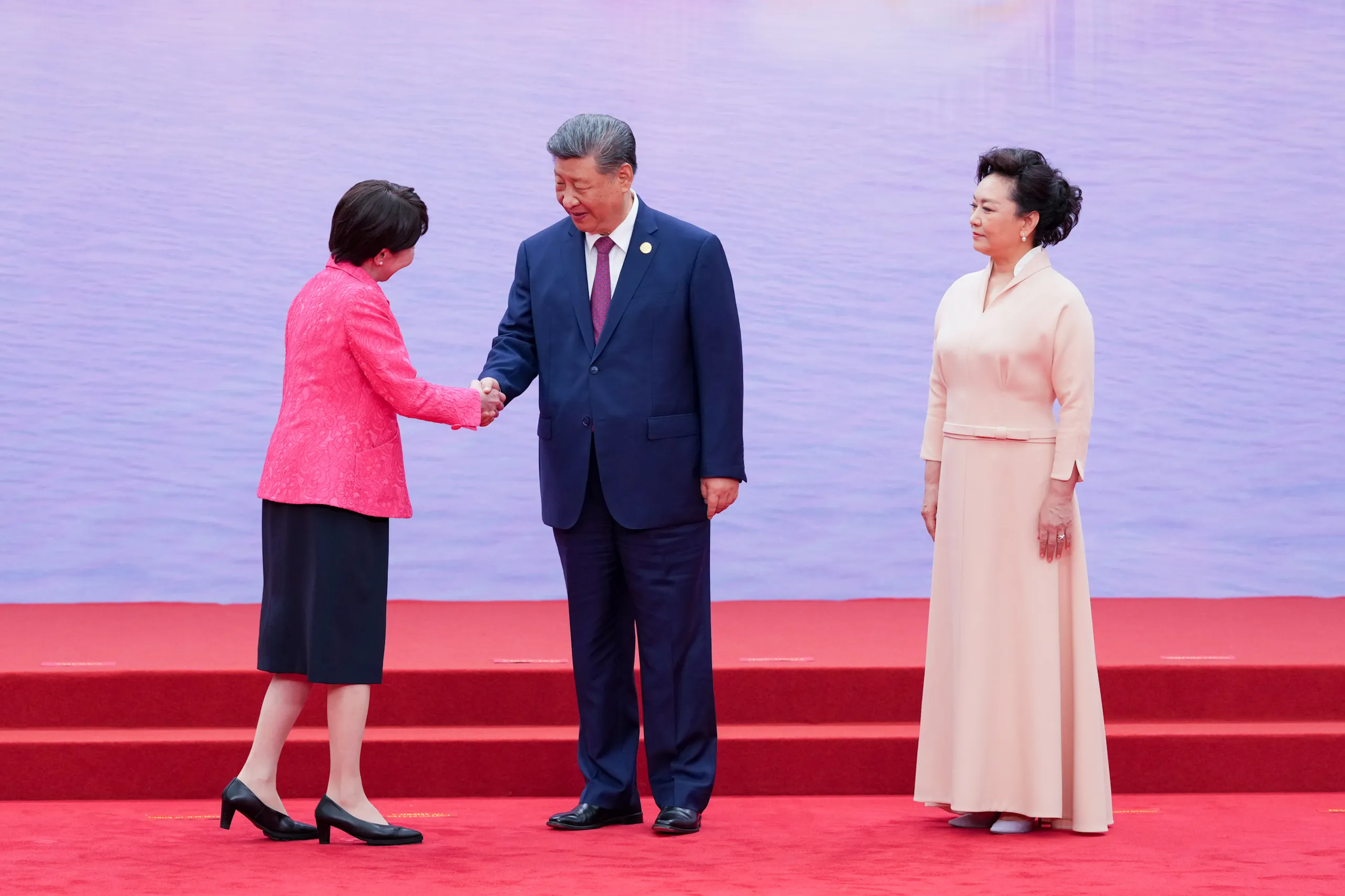
第六重意義關乎大陸與台灣關係。11月18日歡迎晚宴開始前,電視畫面記錄下習近平主席與宏碁集團創辦人、榮譽董事長施振榮握手的場景。
台灣一直以中國台北的名義參與APEC。這套參與模式實踐可行,是兩岸關係的積極信號。某種意義上,台灣以中國台北名義獲得參與國際組織的空間,體現一國兩制模式具備可行性。台灣能夠參與APEC的安排始於1991年,得益於當時韓國作為東道主的外交斡旋;香港回歸後則使用中國香港名稱參與。兩岸關係未來走向仍有待觀察,但深圳APEC再次印證這套機制行之有效。
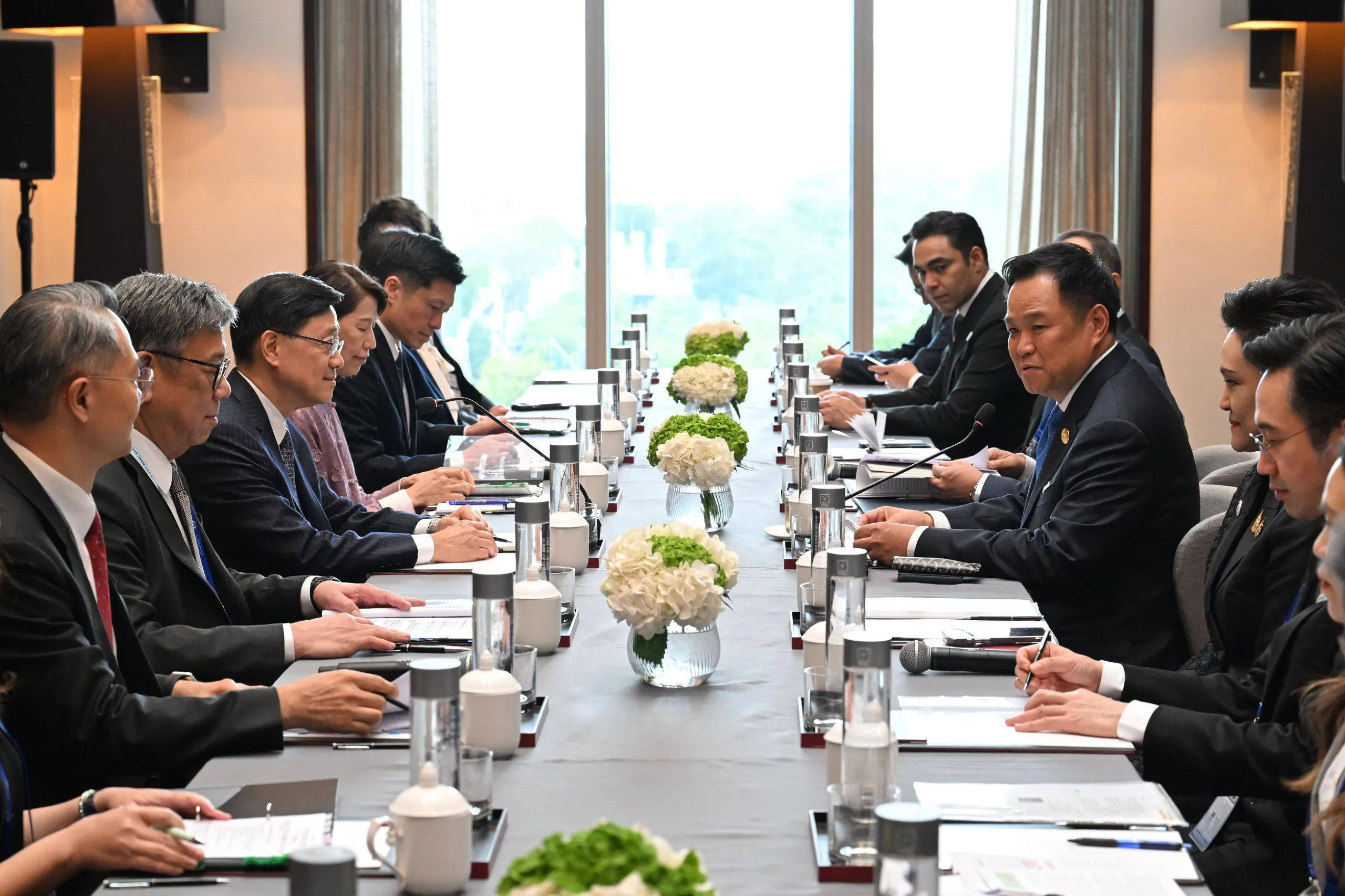
第七重意義,香港的次外交作用得到提升。香港特首李家超與新加坡、秘魯、智利、馬來西亞、越南、文萊、泰國領導人直接會談。特首及代表團得以同亞洲、拉丁美洲多國元首磋商經貿合作,機會十分珍貴。
李家超與七位國家元首的會面,也印證一國兩制實踐成效:在中央政府充分支持與授權之下,香港特別行政區得以開展對外交往。
深圳作為大灣區的發展引擎
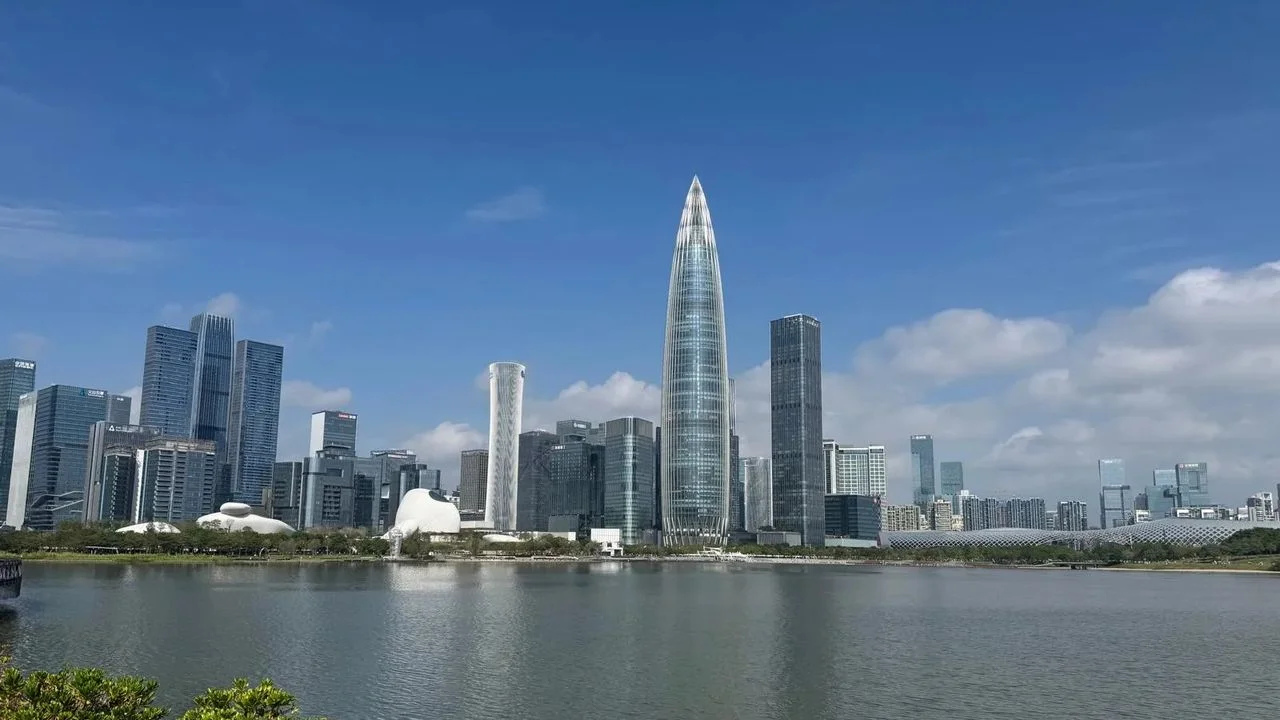
第八重意義,確立深圳作為粵港澳大灣區發展引擎的定位。APEC舉辦前,深圳在治安保障等各方面做了大量籌備工作。早在2019年2月國家發布粵港澳大灣區規劃綱要,就將深圳與香港、澳門、廣州一並定位為華南區域發展的核心引擎。
2026年深圳成功承辦APEC,已經成長為一座國際化都市。未來,深圳將攜手港澳,有能力承辦更多國際大型活動。可以預見,未來數十年,粵港澳大灣區會成為中國承辦國際活動(甚至包括國際體育賽事)的重要平台。
與此同時,港澳可以借力深圳的發展勢頭,結合廣州等大灣區城市既有優勢,拓展各類國際合作,在經濟、科技、社會文化、旅遊領域實現多方共贏。
格局變遷下的務實主義與現實主義
總而言之,2026年深圳APEC會議,對中國、亞洲經濟發展以及中美俄三方關係而言,都是巨大成功。三方聯合宣言反映出三大國的共同利益,其中最重要的議題,就是在核武器不斷擴散的時代推進無核化。
這份旨在避免核衝突的三方宣言意義重大,為化解美伊衝突、俄烏衝突提供新的解決思路。雖然部分歐洲國家認為,三方峰會繞開歐洲處理烏克蘭問題,但歐洲的聲音有望在美俄後續談判當中得到傾聽。
當下歐洲深陷烏克蘭衝突,中東受美伊對抗擾動。而在亞太,務實主義與現實主義壓倒領土爭端矛盾,成為國際關係主流。作為長期遭受西方帝國主義侵害的國家,中國已然成長為受人尊重的世界大國,中國可行的發展模式,也為廣大發展中國家帶來示範效應。
Geopolitical implications of the 2026 APEC meeting in Shenzhen
The 33rd APEC Economic Leaders’ Informal Meeting that took place in Shenzhen from November 18 to 19, and the CEO Summit on November 17 and 18, had important geopolitical implications for not only the three trilateral powers in the world – namely the US, China and Russia – but also the 21 member economies in the Asia-Pacific region.
First, the highlight of the meeting was characterised by the trilateral summit between the three big powers – the US,Russia and China – with a common declaration that has significant impacts.
Their joint declaration of peace focuses on the promotion of United Nations reform, the commitment to stabilise global energy supply, the reduction of nuclear risks and prevention of nuclear proliferation, and the emphasis on the immunity of state officials and the need for the International Criminal Court and similar institutions to avoid abusing their jurisdictions.
Great power diplomacy and nuclear consensus
The trilateral summit is a testimony to the great power status of China, whose diplomatic role and influence in international politics are parallel to the two other powers, the US and Russia. China’s independent foreign policy can be seen as phenomenally successful, championing the policy of multilateralism and the promotion of world peace amid an atmosphere of anti-globalisation in many parts of the world.
The fact that President Xi Jinping chaired the summit meeting with the participation of President Trump and President Putin is a sign that the three permanent members of the United Nations held a historic meeting in Shenzhen – also an indication that China is playing a pivotal role in maintaining regional and world peace.
The most important declaration the three powers made is the consensus on the need to avoid nuclear conflicts – a consensus that comes at a time when the Russo-Ukrainian war has no sight of ending, and when the US-Iranian war is at an impasse.
Although the declaration says nothing about the ceiling of nuclear weapons – an issue that will likely be discussed further between the US and Russia – it does lay out a common consensus of hopefully averting a nuclear conflict in the short run.
The consensus on the avoidance of nuclear risks sends a political signal to North Korea, whose leader Kim Jong-un reportedly travelled to the border near northern China at a time when US President Donald Trump arrived in Shenzhen. Though Trump did not meet Kim this time, the declaration points to the ideal endpoint of denuclearisation – a position rejected by Kim. As such, the political gesture made to North Korea is clear, namely the three powers hope for short-term peace, mid-term talks, and the long-term prospect of denuclearisation.
International law and European concerns
Another crucial point in the trilateral declaration is the role of the International Criminal Court and its similar institutional jurisdiction that should not be “abused.”
The implications are that the ICC arrest warrant on Putin is regarded as “problematic,” that the 2016 arbitral tribunal ruling under the United Nations Convention on the Law of the Sea (UNCLOS) on the sovereignty of the disputed South China Sea islands between China and the Philippines is rejected, and that the ICC investigation into the US connections with alleged “war crimes” in Afghanistan remains controversial (South China Morning Post, November 20, 2026).
The Israeli Prime Minister Benjamin Netanyahu, a US ally, encounters an ICC arrest warrant over his role in the Israel-Gaza war. As such, the ICC role in investigating and targeting state leaders has been severely challenged and substantially delegitimised, while the ICC intervention in international territorial disputes has been questioned. The declaration therefore confirms that international politics remain a jungle of power struggle without effective judicial arbitration except for the reliance on diplomacy as the most important instrument of maintaining world peace and minimising world conflicts.
The trilateral declaration, however, coincided with a Coalition of the Willing summit in Berlin on November 19. There,German Chancellor Friedrich Merz said that new peace negotiations on Ukraine would begin soon and that Europe must be included in any talks. The coalition comprises 40 countries supporting Ukraine and is co-chaired by Germany, France and the UK. Its message to Putin and Trump, who met in Shenzhen, was clear: whatever their personal rapport, they cannot settle the Ukraine conflict without Europe.
Economic pragmatism counters security competition
The second important implication of the APEC meeting in Shenzhen is economic pragmatism in command in the Asia-Pacific region, successfully diluting an atmosphere of security competition and tense territorial disputes at least in the short run.
The agenda items of the APEC meeting in November 2026 focused on the areas of openness, innovation and cooperation. The theme on openness is diplomatically and politically important because APEC represents multilateral cooperation among countries at a time when the second Trump administration has tried to implement its reciprocal tariff policy toward various countries.
Openness speaks contrary to the Trumpian policy of putting America’s interest first, while the twin agenda items of innovation and cooperation refer to the need of member economies to explore ways of collaboration in Artificial Intelligence, trade, logistical supply chains and investment – all areas of practical cooperation that can and will minimise the prevailing atmosphere of territorial disputes, tense security relations and intense arms races among some countries.
Just one day prior to the 2026 APEC meeting, US President Donald Trump, Japanese Prime Minister Sanae Takaichi, Australian Prime Minister Anthony Albanese, and Indian Prime Minister Narendra Modi met in Manila as QUAD leaders to discuss security issues, including the opposition to maritime and economic coercion in the Indo-Pacific region, the necessity of conducting maritime surveillance, the maintenance of supply chains, and the cooperation on critical infrastructure such as the construction of an undersea cable.
All these gestures targeted a potential enemy, namely China. Interestingly, the 2026 APEC held by China speaks directly to the need for a win-win scenario that member economies should focus on practical economic issues of collaboration – a direct but coincidental counter to the QUAD emphasis on its security perception and security moves.
China’s modernisation and technological appeal
The third implication of the 2026 APEC meeting is the rise of China as one of the three big powers and its contribution to regional and world peace and development. Despite the widespread perception of a “China threat,” the meeting showcased Shenzhen as a city that grew from a fishing village into an economic powerhouse, an achievement President Trump publicly acknowledged at his press conference after returning to the US.
Shenzhen’s technological advancement will also make its Artificial Intelligence companies attractive to foreign firms seeking investment and cooperation. Amid the US-China technology war, as illustrated by the Jensen Huang controversy, AI cooperation among member economies centres mainly on robots and electric vehicles.
Even so, such cooperation offers a peaceful and productive path forward in a new era of technological competition. Shenzhen’s success mirrors China’s rapid development and modernisation over the past 50 years, a fact that even some Western “hawks” must admit.
These critics consistently view China as a “threat” without humbly studying its history, especially the Qing dynasty, which was marked by foreign intervention, invasion and humiliation. Shenzhen’s success thus reflects not only China’s pursuit of modernisation but also a proud achievement for Asian countries, many of which were once Western colonies in the age of imperialism.
Bilateral thaws with Japan and South Korea
The fourth implication of the 2026 APEC meeting is the political signalling of China to Japan, whose Prime Minister Takaichi visited China for the first time after her controversial remarks on Taiwan. Although the Japanese mass media have portrayed the PRC side as downplaying Takaichi, who was received by a former protocol official at the Shenzhen airport, they have neglected that PRC President Xi Jinping did shake hands with her and smiled – a subtle gesture of not only observing diplomatic protocol but also a positive sign pointing to possible further development in Sino-Japanese relations.
Upon her return to Japan, Prime Minister Takaichi’s remarks on her visit to Shenzhen were diplomatically positive, emphasising that Japan’s policy toward China has remained consistent. As such, time will heal the wounds of the Chinese side, and it is only a matter of time that Sino-Japanese relations will return to normalcy.
The fifth significant implication of the APEC meeting was the Free Trade Agreement discussion between China and South Korea. South Korean President Lee Jae-myung met President Xi in their formal meeting and discussion. The second phase of the Free Trade talks was reportedly reaching “substantial conclusion” on the areas of services, investment, supply chains and Artificial Intelligence.
In response to Lee’s request that China can play a constructive role in regional peace, President Xi replied that China would ease tensions on the Korean peninsula and promote potential talks between North Korea and the US – positive gestures from both sides pointing to perhaps a prelude to approaching North Korea in the foreseeable future.
Cross-strait pragmatism and Hong Kong’s para-diplomacy
The sixth important implication is the relations between the Chinese Mainland and Taiwan. President Xi was seen on television shaking hands with Taiwan’s representative Stan Shih, the founder and honorary chairman of the Acer group,ahead of the welcoming dinner on November 18.
Taiwan has traditionally been participating in the APEC meeting by using the name “Chinese Taipei” – a model that has proven to be feasible and a positive sign of cross-strait relations. In a sense, the Taiwan model of “one country, two systems” has been working well in that Taiwan can have the space to participate in international organisations if it uses the name “Chinese Taipei.” It remains to be seen how cross-strait relations will evolve, but the 2026 APEC meeting demonstrated that this model is feasible since November 1991,thanks to diplomatic efforts made by South Korea as a host at that time that Taiwan and Hong Kong could join APEC under a special arrangement (Taiwan joined as “Chinese Taipei” and Hong Kong’s name later after 1997 has been updated to “Hong Kong, China”).
The seventh significance of the APEC meeting is the enhanced para-diplomatic role of Hong Kong, whose Chief Executive John Lee had direct talks with the leaders of Singapore, Peru, Chile, Malaysia, Vietnam, Brunei and Thailand – a precious opportunity for the Hong Kong Chief Executive and his entourage to discuss economic and cooperative issues with so many leaders of countries cutting across Asia and Latin America.
In a sense, his meetings with the seven presidential leaders were a testimony to the success of the “one country, two systems” model, which empowers the Hong Kong Special Administrative Region to conduct foreign relations under the full support and approval of the central government in Beijing.
Shenzhen as a Greater Bay Area locomotive
The eighth significance of the APEC meeting is to position Shenzhen as a locomotive in the development of the Greater Bay Area (GBA). Shenzhen had prepared a lot of work before the APEC meeting, particularly in the areas of law and order. In fact, China’s GBA blueprint in February 2019 had already designated Shenzhen as a “core engine,” apart from Hong Kong, Macau and Guangzhou, to develop the entire South China region.
By 2026, Shenzhen has successfully organised the 2026 APEC, and it becomes an international city that will be well positioned to organise more international events, together with Hong Kong and Macau, in the coming years. It can be anticipated that the GBA will become an important platform for China to host more international events, including the possibility of international sports competitions, in the coming decades.
On the other hand, Hong Kong and Macau can and will capitalise on the strong performance of Shenzhen, together with the traditional strength of Guangzhou and other GBA cities, to explore ways of more international collaboration so as to create win-win scenarios for all stakeholders, economically, technologically, socio-culturally and in terms of tourist development.
Pragmatism and realism in a shifting order
In conclusion, the 2026 APEC meeting in Shenzhen is a tremendous success for China, Asia’s economic development, and the trilateral relations between China, the US and Russia. The trilateral declaration points to the common interests of the three great powers to reach their consensus, the most important of which is concerned with denuclearisation amid a world where more countries are equipped with nuclear weapons than ever before.
The trilateral declaration on the avoidance of nuclear conflicts is an important one, signalling a potential step forward to explore further solutions to the US-Iranian conflict and the Russo-Ukrainian war. Although some European countries might see the trilateral summit as pre-empting Europe in dealing with the Ukrainian conflict, their voice will hopefully be heard in the US-Russian negotiations.
Other positive impacts of the APEC meeting in Shenzhen include positive developments in Sino-Japanese and Sino-Korean relations, with the implication that China will play a vital role in being a middleman between North Korea on the one hand and South Korea, the US and Japan on the other hand.
As such, pragmatism and realism prevail in international relations over territorial conflicts in the Asia-Pacific region at a time when Europe is still engulfed in the Ukrainian conflict, and the Middle East remains affected by the US-Iran struggles. As a country long undermined by Western imperialism, China has clearly stood up as a respectable world power and its demonstration effect with a workable developmental model to other developing countries is clear.
Shenzhen as a successful southern Chinese city is poised to become an international city working together with Hong Kong, Macau, Guangzhou and other GBA cities to bid for more international events in the coming decades, generating a win-win situation under the prevailing atmosphere of political realism, diplomatic pragmatism and inter-city cooperation.
原刊於澳門新聞通訊社(MNA)網站,本社獲作者授權轉載。(原文按此)