







香港與澳門在社會經濟融合和安全化的互動軌跡上頗為相近。自2003年7月港澳個人遊(自由行)計劃實施,開放內地居民以個人身份赴港澳旅遊,安全化的進程亦由此逐步展開。本文所指的安全化,是透過制訂或修訂安全相關法規、強化對內地訪客的監管,從而鞏固港澳的安全秩序。
中央一方面要求港澳建構本身的安全體制,另一方面亦推動兩地與深圳、橫琴粵澳深度合作區展開前所未有的深度融合,這意味直至2047年、2049年香港和澳門的憲制期限前,兩個特區將持續、廣泛地融入大灣區發展格局。
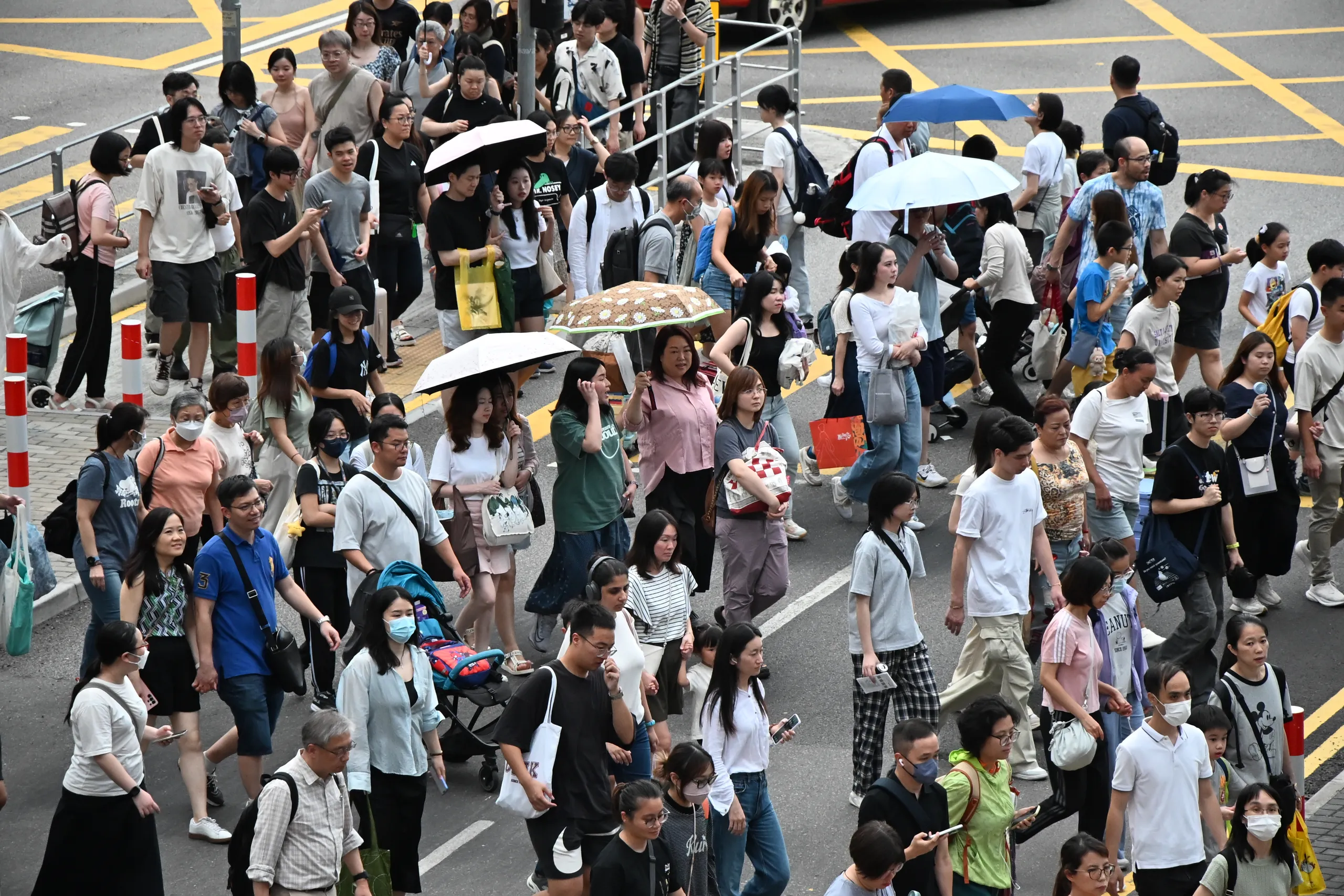
回顧歷史,自由行可視為港澳與內地社會經濟融合提速的轉捩點:內地訪客持續湧入帶動社會經濟結構轉變,繼而促使兩地政府推出規管措施回應衍生問題。
針對旅遊與水貨的監管回應
以香港為例,非典型肺炎(SARS)疫情過後,大量內地遊客到訪,帶動本地經濟復甦,卻同時衍生水貨活動、「生育旅遊」等非預期後果。不少內地與香港居民在港採購貨品,再帶返內地轉售圖利,嬰幼兒配方奶粉成為水貨熱門品項。2008年內地奶粉安全事件爆發後,大批內地民眾來港搶購外國品牌奶粉,觸發香港的「搶奶粉」風波。
與此同時,生育旅遊逐漸興起:不少內地孕婦藉當時相對寬鬆的入境安排,到香港醫院分娩。這類在港出生的嬰兒可取得香港居留權,日後享有本港教育與醫療資源。
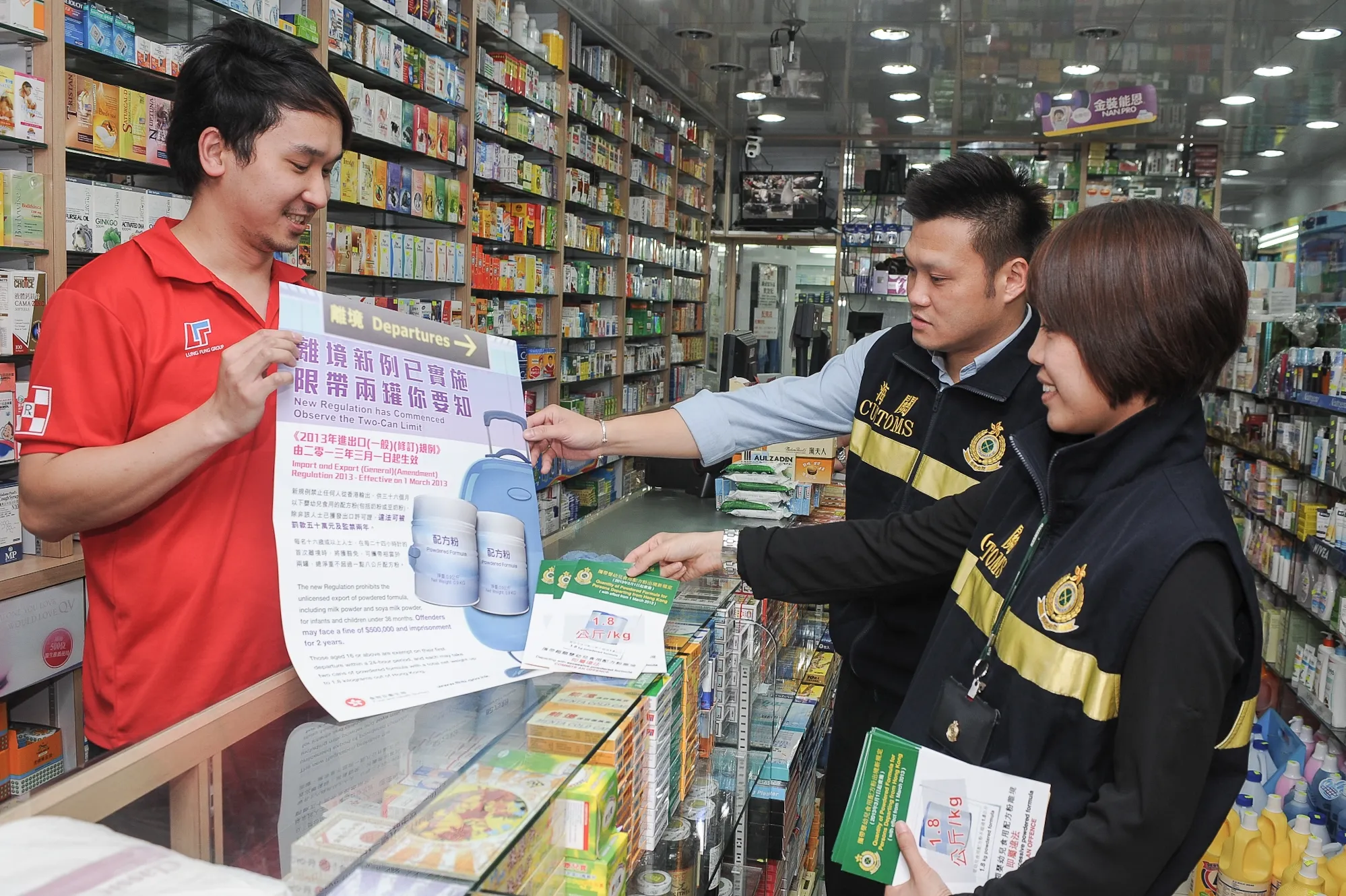
為回應社會憂慮,港府其後推出兩項重要規管政策:其一在2013年3月實施「限奶令」,訂明16歲或以上離港人士24小時內,最多只可攜帶1.8公斤(約兩罐)嬰幼兒配方奶粉;其二是公立醫院產科「零配額」政策,禁止配偶並非香港居民的非本地孕婦預約產科床位。有關政策旨在處理內地孕婦來港產子潮引致的醫療資源緊張,紓緩本地孕婦預約分娩服務的壓力。
應對資本外流與洗錢隱憂
自由行為澳門博彩業帶來繁榮,卻也埋下資本外流與洗錢的隱憂,當中內地居民透過銀聯卡規避資本管制的風險尤受關注。
為遏止內地人士在澳門自動櫃員機大額提款,內地與澳門當局於2016年推出三項屬於安全化的收緊措施。第一,中央訂定每張內地銀行卡每年境外ATM提款上限為每人10萬元人民幣。第二,2016年12月澳門金融管理局將ATM單次提款限額由1萬澳門元下調至5000澳門元。第三,澳門在ATM引入人臉識別系統,內地使用者提款前須完成人臉比對及身份核驗,藉此偵測利用ATM進行的洗錢活動。
第一波社會經濟融合與對應的安全化措施出現於2003至2017年;港澳第二輪安全化與融合進程則由2018延續至2024年,起點是2018年9月香港西九龍站正式啟用。西九龍站採用「一地兩檢」安排,往來香港與內地的旅客可於同一建築物內,一併完成香港及內地的海關、出入境與檢疫手續。這項劃時代的安排,大大便利香港、內地及其他地區的往來旅客。
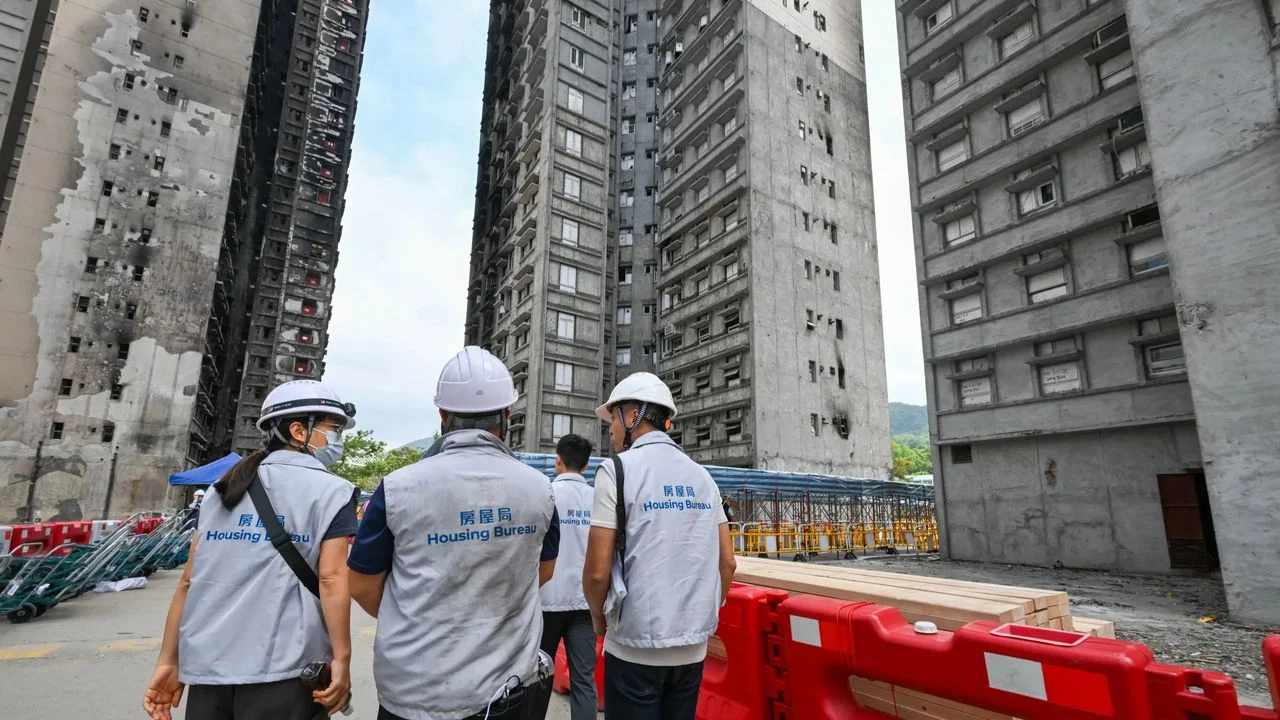
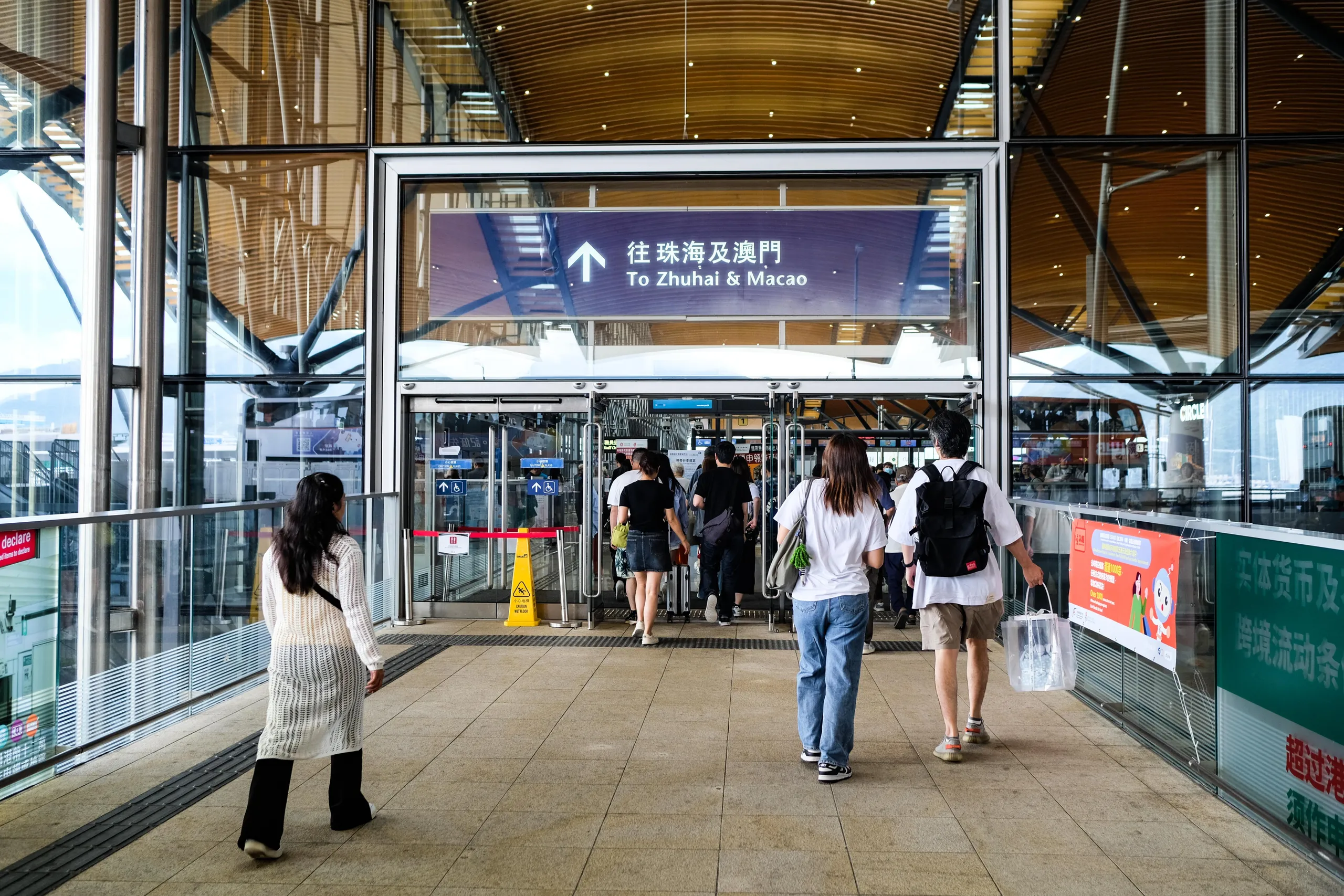
港珠澳大橋於2018年10月通車,令三地社會經濟聯繫更緊密,邊境的安全管控亦同步推進。依據一國兩制原則,香港、澳門、珠海各自在轄下口岸執行本身的海關法規。同時,海關及警務單位持續共享涉嫌違反出入境、海關規例人士的情報。在三地海關聯合執法框架之下,港澳、珠海海關互通資訊,檢查經大橋口岸往來的車輛、貨物與包裹,並利用X光掃描儀器打擊走私。三地傳媒亦不時報道走私案件,涉案貨品觸犯內地、香港或澳門的法例。
港澳制訂國安法及配套
橫琴粵澳深度合作區於2021年9月正式掛牌;2024年3月,合作區落實分線封關制度。第一線設於澳門與橫琴之間,監管相對寬鬆,由澳門輸入橫琴的貨物獲豁免徵稅;第二線分隔橫琴與內地其他地區,貨物由橫琴進入內地時須繳稅,保障內地海關稅務權益。橫琴口岸海關持續開展執法行動,嚴厲打擊有組織走私、集體水貨及「螞蟻搬家」式人身藏私活動。部分走私者將化妝品、未經檢疫食品、手機、銀等貴金屬藏匿於衣物、鞋履之中,企圖蒙混過關。
香港安全化的重要里程碑,是2020年6月30日全國人大頒布《香港國安法》。國安法實施後,立法會與區議會的選舉制度相繼改革,落實「愛國者治港」原則。2024年3月,香港立法會迅速審議、通過並落實《基本法》第23條立法,標誌香港的安全化架構趨於完備。
澳門早於2009年制訂本身的國安法,其後在2023年5月經立法會修訂、更新及通過,澳門的安全化框架亦隨之鞏固完善;這一發展,某程度上參考了2019年底香港的社會動盪及其後《香港國安法》的制訂經驗。
港澳制訂、修訂國安法及其配套規則,對兩地分別至2047年、2049年跟大灣區的社會經濟融合影響深遠。從安全化視角觀之,國安法的制訂與落實,既可保障中央的安全利益、維持港澳經濟繁榮,更重要是在港澳社會培育更強的守法意識。配合香港推行國民教育與中華文化教育,在港澳與內地持續融合的背景下,香港年輕一代對國家發展的理解亦變得更全面、深入。
澳門推行國民教育與中華文化教育起步更早、覆蓋面更廣,故此澳門與橫琴深度合作區的社會經濟融合步伐,一般認為較香港與深圳的融合更快。這也意味香港有必要加快北部都會區的建設,為日後與深圳進入最後階段的深度經濟融合做好準備。
前瞻思維規劃人口政策
簡言之,以安全化的思路處理港澳事務,有助推動兩個特區融入大灣區的社會經濟融合進程。另一方面,兩個特區亦可透過制訂、更新法律規範,管理內地訪客帶來的各類風險,維護自身安全利益。
在港澳分別與內地推進社會經濟融合的過程中,執法機關一直緊密協調,合力打擊跨境犯罪,三地執法單位的貢獻值得肯定。自2003年融合進程展開以來,情報互通、聯合演練、協調會議已成常態。期望這套犯罪情報共享、海關出入境協調、聯合執行行動的機制,在2047年、2049年之後仍可持續運作。
唯港澳需要以更具前瞻性的思維,規劃人口及人才輸入政策。人口老化是兩地共同面對的挑戰,內地人才輸入機制有必要仔細檢討、優化與改革。具體而言,兩地政府須預先辨識,直至2047年與2049年,哪些行業和產業需要依賴內地人才庫。政府亦應定期開展行業人力調查,加強與本地大專院校、職業訓練機構合作,識別不同專業範疇的技術及技能缺口。若部分專業出現人力短缺,便要制訂長遠方案,培育本地人才或有序引入合適的內地專才。
香港政府在首份五年規劃中,將自身定位為「高端人才集聚高地與人才樞紐」;然而從批判視角審視,官方對於如何具體落實此一定位、並善用內地人才資源以鞏固香港競爭力,其政策路線與實踐路徑至今仍顯模糊。無獨有偶,澳門面對經濟適度多元化的轉型壓力,以及未來與橫琴粵澳深度合作區深度融合的戰略目標,相關的內地人才輸入機制檢討與提昇空間,同樣充滿不確定性,有待時間驗證。
從安全化角度看,若港澳銳意發展創新科技與人工智慧,相較於過度倚重外地人才,培育本地人才、輔以有序引入內地人才,會更有利於鞏固內部安全。
隨港澳的國安法及配套安全法規完成制訂、修訂並落地執行,兩個特區正踏入與大灣區深度社會經濟融合的最後階段,這個階段會持續至2047年及2049年。至於融合進程當中最明顯的短板,是尚未建立成熟的人口策略以及針對內地人才輸入的配套制度。故此,港澳政府有必要盡快制訂完善的人口與人才政策。
Socio-economic integration and securitization: developmental trends in Hong Kong and Macau
The interrelationships between socio-economic integration and securitization in both Hong Kong and Macau have demonstrated significant similarities. Since the Individual Visit Scheme (IVS) was implemented in Hong Kong and Macau in July 2003 when mainland citizens could visit the two cities in the capacity as individual tourists, there has been a gradual development of securitization, which is defined here as a process of making Hong Kong and Macau more secure by introducing or revising the security-related law and regulations, and by tightening the rules and regulations on the mainlanders who visit the two cities.
The process of securitization is socially, politically and economically significant: the central government in Beijing ensures that while Hong Kong and Macau as two special administrative regions have to establish their security regime, it also promotes both cities to integrate with Shenzhen and the In-Depth Cooperation Zone in Hengqin much deeper than ever before. The implication is that Hong Kong and Macau, from now to 2047 and 2049 respectively, will be increasingly well positioned to integrate much deeper and more extensively with the Greater Bay Area.
With the benefit of hindsight, the IVS could be regarded as a turning point in the faster process of socio-economic integration of Hong Kong and Macau with the mainland, because the visits of more mainlanders to the two cities led to transformations which in turn necessitated regulatory responses from the two local governments.
In the case of Hong Kong, the massive influx of mainland visitors, who stimulated the economy of the territory after the outbreak and the end of Severe Acute Respiratory Syndrome (SARS), had the unintended consequences of bringing about parallel trading and “birth tourism.”
There were many people, both from the mainland and Hong Kong, buying goods and products in Hong Kong and bringing them back to the mainland for their profits. Milk powder, for example, gradually became a major target of goods that became profitable once it was brought back to the mainland. The scramble for milk powder in Hong Kong was stimulated by the milk safety scandal in the Chinese Mainland in 2008, leading to many mainlanders buying more foreign-branded infant formula in Hong Kong.
Birth tourism also emerged as many mainland women grasped the opportunity of having a more relaxed policy of entering Hong Kong to give birth to babies in the city’s hospitals. These babies would have the right of abode in Hong Kong, having access to the city’s education and health care eventually.
The result was the regulatory response from the Hong Kong government. On March 1, 2013, Hong Kong passed a regulation restricting anyone aged sixteen or above from leaving Hong Kong with more than 1.8 kg (roughly two tins) of infant formula within a 24-hour period. Moreover, the government adopted a “zero-quota” policy to ban non-local pregnant women, whose husbands were not Hong Kong residents, from booking delivery slots in Hong Kong hospitals. This could relieve the demand for hospital beds from local pregnant women, who complained about the difficulties of booking delivery slots due to the sudden and large influx of mainland pregnant women giving birth to babies in Hong Kong.
Regulatory responses to tourism and parallel trading
Macau also encountered an unintended consequence of implementing the IVS. Although the influx of mainland tourists was crucial and beneficial to the businesses of Macau’s casinos and gaming sector, the central government was concerned about too many mainlanders who might launder money easily in the city. The central authorities were particularly concerned about whether the Chinese bank cards — China Union Pay — were utilized by mainlanders to bypass capital control and to transfer billions of Renminbi out of the mainland.
In response to the phenomenon that many mainlanders stood at Automatic Teller Machines (ATMs) where they withdrew huge amount of cash, the mainland and the Macau government stepped in with more restrictions in 2016. First, the central authorities capped the total amount of annual overseas ATM withdrawal limit for any mainland Chinese bank card at 100,000 yuan each person. Second, in December 2016, the Macau Monetary Authority reduced the withdrawal limit from 10,000 Patacas to 5,000 Patacas for every transaction.
Third, to detect mainlanders who might launder money through the usage of ATMs, the Macau authorities rolled out ATMs with facial recognition technologies so that mainlanders would have to scan their faces and verify their identities prior to the process of withdrawing cash. All these measures could be seen as indispensable ingredients of securitization.
While the first wave of socio-economic integration and securitization responses took place from 2003 to 2017, the second wave of securitization and socio-economic integration in Hong Kong and Macau took place from 2018 to 2024. The second wave began in September 2018 as the West Kowloon Station was officially opened in Hong Kong. The co-location arrangement was introduced, meaning that passengers from Hong Kong and the mainland could clear Hong Kong and mainland customs, immigration and quarantine processes inside the same building at the West Kowloon Station. This unprecedented arrangement has become convenient to passengers from Hong Kong, mainland and other places.
Customs checkpoints are extremely important in the process of securitization amid socio-economic integration. They can curb and discover illicit activities. For example, in April 2026, the mainland customs arrested a foreigner who attempted to leave the mainland for Hong Kong by bringing thirty pieces of prohibited Chinese cultural relics. In October 2026, it was reported that the mainland customs at West Kowloon Station detained a male traveler whose luggage stored 398 live exotic animals, including toxic scorpions, mantises, snakes, tarantulas, some of which were damaged in the process of plastic packaging.
In October 2018, when the Hong Kong-Zhuhai-Macau Bridge began operations, the securitization of boundaries proceeded smoothly amid the process of closer socio-economic integration between the three cities. Under the principle of “one country, two systems,” the three cities of Hong Kong, Macau and Zhuhai have been applying their own local customs regulations and law at their checkpoints.
At the same time, the customs and police authorities are constantly sharing intelligence and information about any criminal suspects who violate the customs and immigration regulations. Under the trilateral customs joint enforcement framework, the customs authorities of Hong Kong, Macau and Zhuhai are sharing information and inspecting lorries, cars, goods and packages that cross the three ports at the Bridge. X-ray scanners are used to guard the boundaries so as to smash smuggling activities. In fact, the media in the three places have been reporting quite a lot of cases of smuggling goods and products that violate the mainland, Hong Kong or Macau law and regulations.
Infrastructure integration and customs enforcement
In September 2021, the Guangdong-Macau In-Depth Cooperation Zone in Hengqin was officially inaugurated. In March 2024, the zone officially implemented a two-tier closed customs operation.
The first tier was located between Macau and Hengqin and it was more relaxed with the incoming goods from Macau being exempted from tax. The second tier from Hengqin and the mainland is stricter with tax being imposed on the incoming goods from Hengqin, thereby protecting the interest of mainland customs. The customs authorities at the Hengqin checkpoint have occasionally cracked down on illegal smuggling, organized parallel trading and individual body-packing in which smugglers like to hide items (such as cosmetics, unquarantined food products, mobile phones, precious metals like silver) under their clothes and shoes when they cross the boundary.
From the process of securitization above, closer socio-economic interactions between mainlanders and the Hong Kong and Macau people necessitate security measures adopted by the mainland, Hong Kong and Macau to protect the interests of not only the central government but also the local administration. The regulatory responses from Hong Kong and Macau were necessary for the sake of coping with the unintended but negative consequences of closer socio-economic integration between Hong Kong and mainland.
The apex of securitization in Hong Kong took place on June 30, 2020, when the National People’s Congress of China promulgated the national security law. Following the promulgation of the national security law, the electoral arrangements for the Legislative Council and District Councils were reformed so as to ensure “patriots ruling Hong Kong.” In March 2024, the Legislative Council of Hong Kong fast-tracked, passed and enacted Article 23 legislation, making the process of securitization complete.
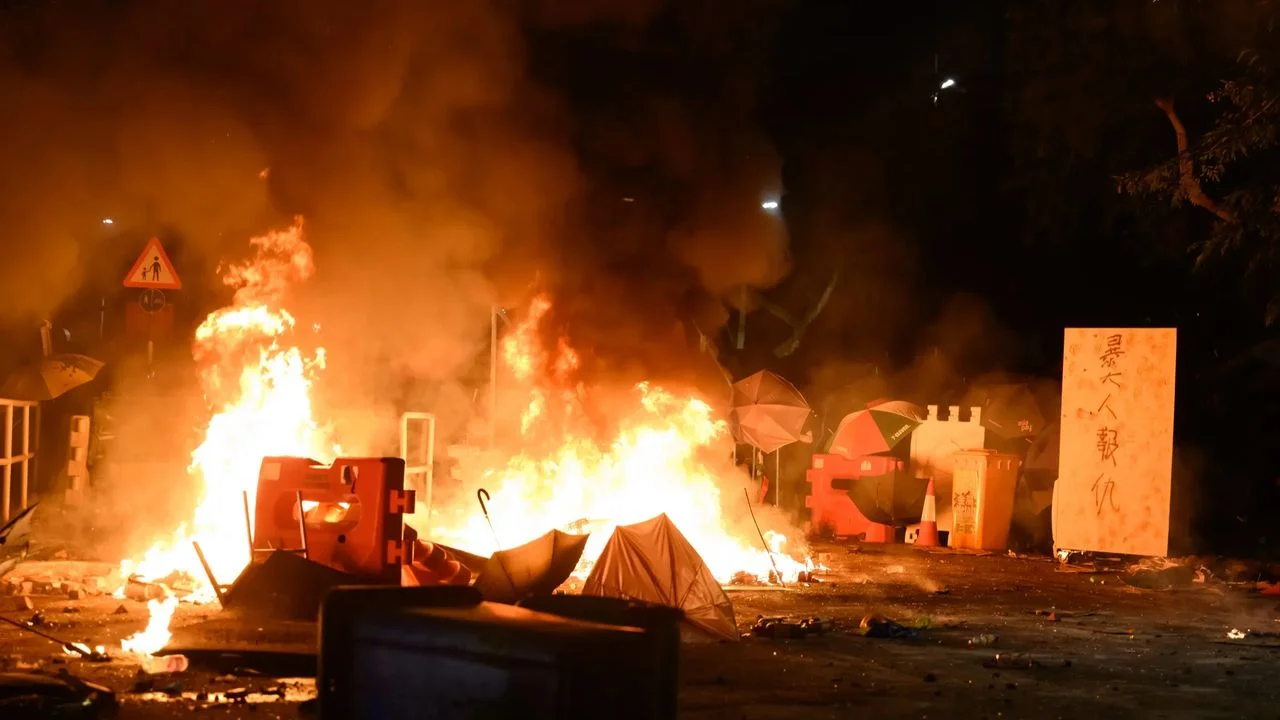
In the case of Macau, the national security law had already been enacted in 2009, but it was amended, updated and passed by the Legislative Council in May 2023. As such, the securitization of Macau was also updated and completed, especially after the promulgation of the national security law in Hong Kong in light of the disruptive and violent protests in late 2019.
The processes of promulgating national security law and its related regulations in both Hong Kong and Macau have tremendous implications for the socio-economic integration of the two cities with the Greater Bay Area from now to 2047 and 2049, respectively.
From a securitization perspective, the promulgation and implementation of the national security law can protect the central government’s security interests, guarantee the economic prosperity of Hong Kong and Macau, and most importantly inculcate a much stronger sense of law-abiding citizenship in the psyche of the people of Hong Kong and Macau. Accompanied by the implementation of national education and Chinese cultural education in Hong Kong, the younger generation of Hong Kong is understanding China’s development much deeply and more comprehensively than ever before amid the ongoing process of socio-economic integration between Hong Kong and the Chinese Mainland.
Macau’s national education and Chinese culture education had been implemented much earlier and more extensively than Hong Kong. As such, Macau’s socio-economic integration with the In-Depth Cooperation Zone in Hengqin has arguably been proceeding in a much faster way than Hong Kong’s economic integration with Shenzhen. The implication is that Hong Kong must accelerate the development and completion of the Northern Metropolis so that it will be well positioned to enter the last phase of closer economic integration with Shenzhen in the years to come.
Legal frameworks and national security enforcement
In brief, the adoption of the securitization approach to dealing with Hong Kong and Macau will facilitate their socio-economic integration with the Greater Bay Area. On the other hand, the two special administrative regions can protect their own security interests by responding to the influx of mainland visitors and tourists through the application and renewal of regulations and laws.
In the process of socio-economic integration between Hong Kong and the mainland on the one hand, and between Macau and the mainland on the other, law-enforcement authorities have been working diligently and coordinating among themselves regularly to curb and control cross-border crime. Credit must be given to the law-enforcement agencies and authorities in the three places. Information-sharing, joint exercises, and coordination meetings have been held since the process of socio-economic integration began in 2003. It is hoped that these good practices of sharing criminal intelligence, coordinating customs and immigration work, and conducting joint exercises will persist in the region beyond 2047 and 2049.
However, Hong Kong and Macau have to plan ahead better in their population policy and talent import policy. As aging is an emerging issue in both cities, the import of talent from the mainland has to be refined, reviewed and reformed with foresight and better planning. Specifically, the governments of Hong Kong and Macau have to figure out which occupational and industrial sectors will need to rely on the vast supply of mainland talents from now to 2047 and 2049,respectively.
The governments should also conduct regular surveys among different occupational sectors; work more closely with local tertiary colleges, vocational institutes and universities; and find out whether the technical and practical skillsets are lacking in some professionals. If there is a gap of manpower supply in certain professional and occupational sectors, a long-term plan has to be designed for the training of locals and/or the import of mainland talents.
In the first five-year plan of the Hong Kong government, the city is portrayed as a “high-caliber and talent hub.” Nevertheless, from a critical perspective, it remains unclear how the government will make the city a “high-caliber and talent hub,” and how it will make use of the mainland talents as a useful pool to maintain and enhance the competitiveness of Hong Kong.Similarly, it is unclear how the Macau government will review, refine and reform its policy of importing mainland talents so that the city will remain equally competitive, especially in light of the need to diversify its economy suitably and to integrate with the In-Depth Cooperation Zone in Hengqin in the coming years.
From the securitization perspective, it will arguably be more internally secure for both Hong Kong and Macau to train their local talents and rely on mainland talents rather than depending on an “excessive” import of foreign talents, especially if the two cities are determined to develop innovative technology and Artificial Intelligence.
Talent policies and future integration pathways
In conclusion, socio-economic integration between Hong Kong, Macau and the mainland since 2003 has triggered the introduction of regulations and law to protect the interests of not only Hong Kong and Macau but also the central government. Socio-economic integration has been stimulated further through the operation of the West Kowloon Station, the Hong Kong-Zhuhai-Macau Bridge, and the In-Depth Cooperation Zone in Hengqin. Credit must be given to the law-enforcement authorities, especially customs, immigration and police, for their efforts at controlling and combating cross-border crime.
After the promulgation, amendment and implementation of the national security law and its related security regulations in Hong Kong and Macau, both cities are currently well positioned to enter perhaps the last stage of closer socio-economic integration with the Greater Bay Area from now to 2047 and 2049, respectively. Nonetheless, the crucial gaps in the socio-economic integration of both cities are arguably a lack of population policy and an absence of a related policy of importing talents from the Chinese Mainland. As such, it is imperative for the governments of both Hong Kong and Macau to devise their population and talent policies as soon as possible.
原刊於澳門新聞通訊社(MNA)網站,本社獲作者授權轉載。(原文按此)