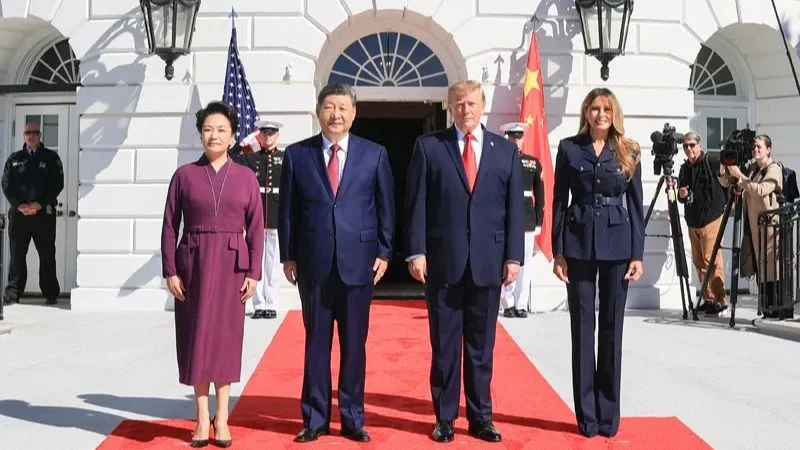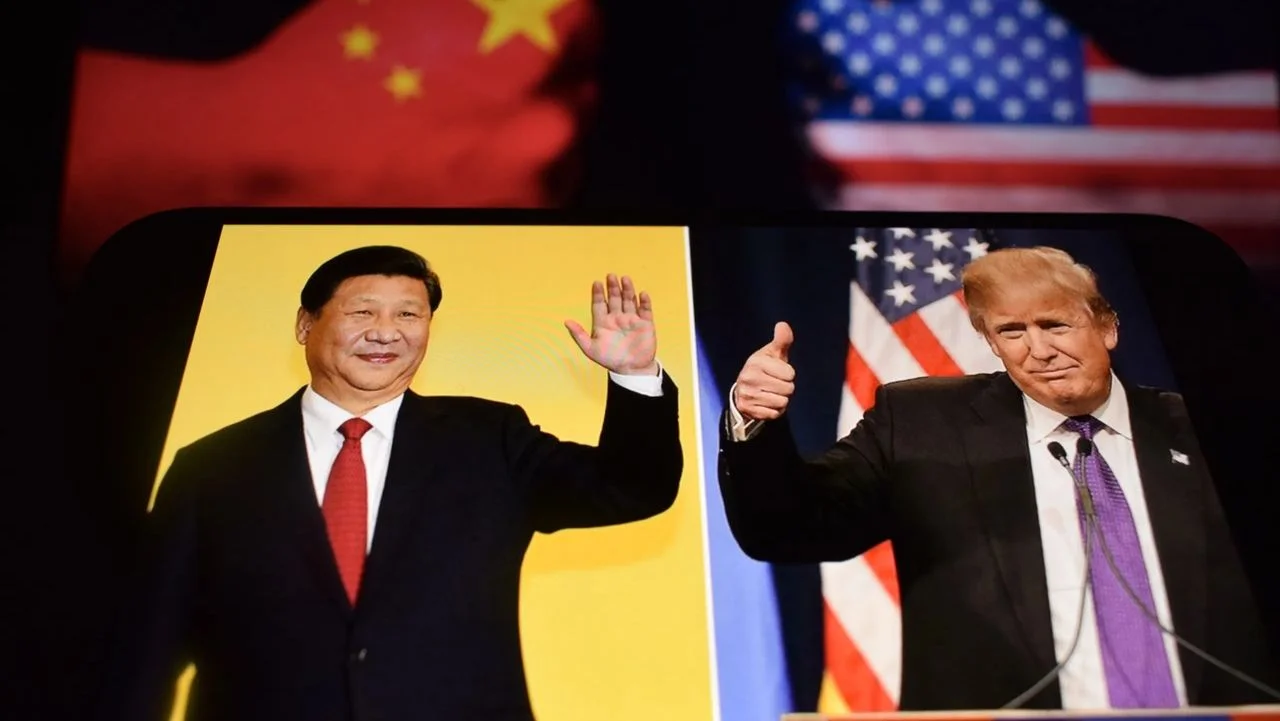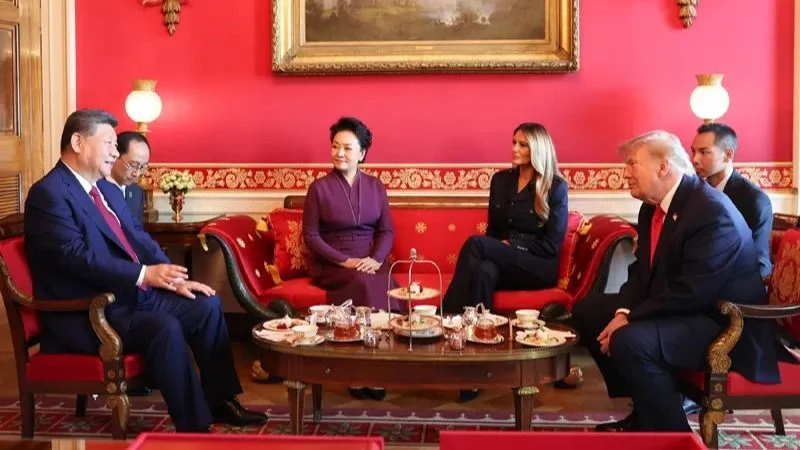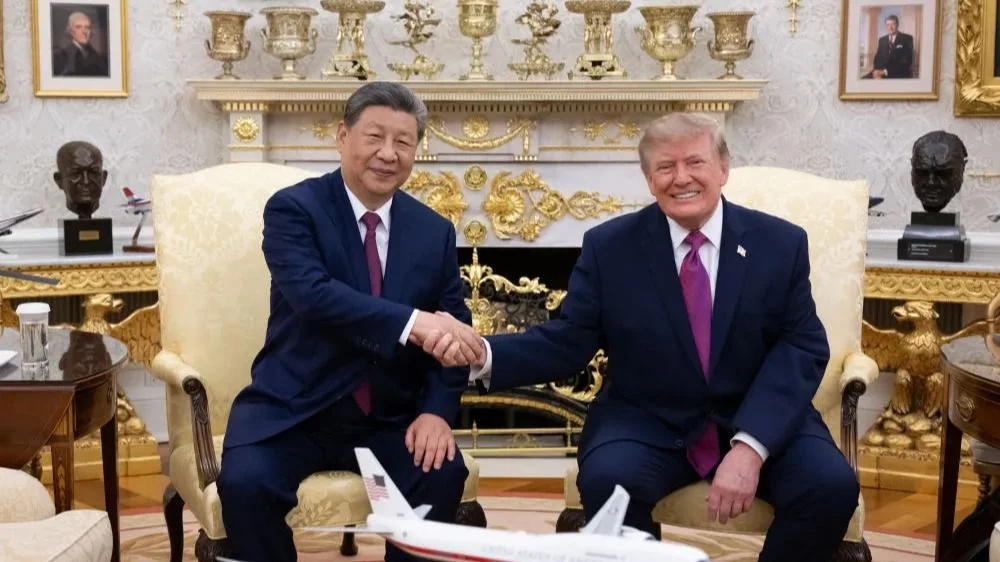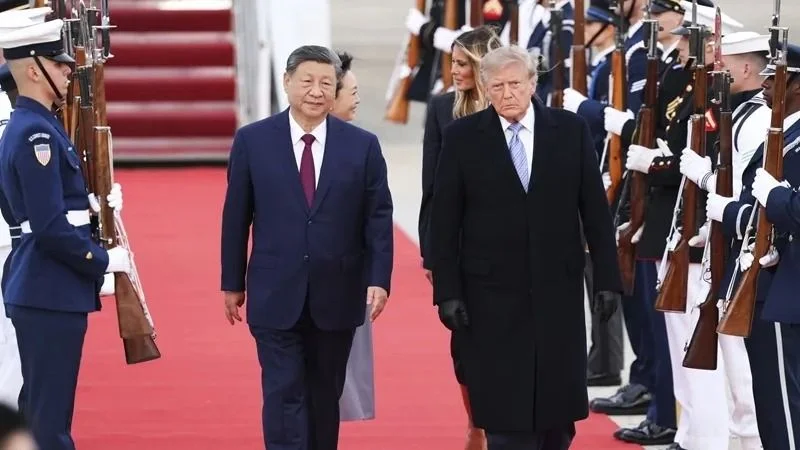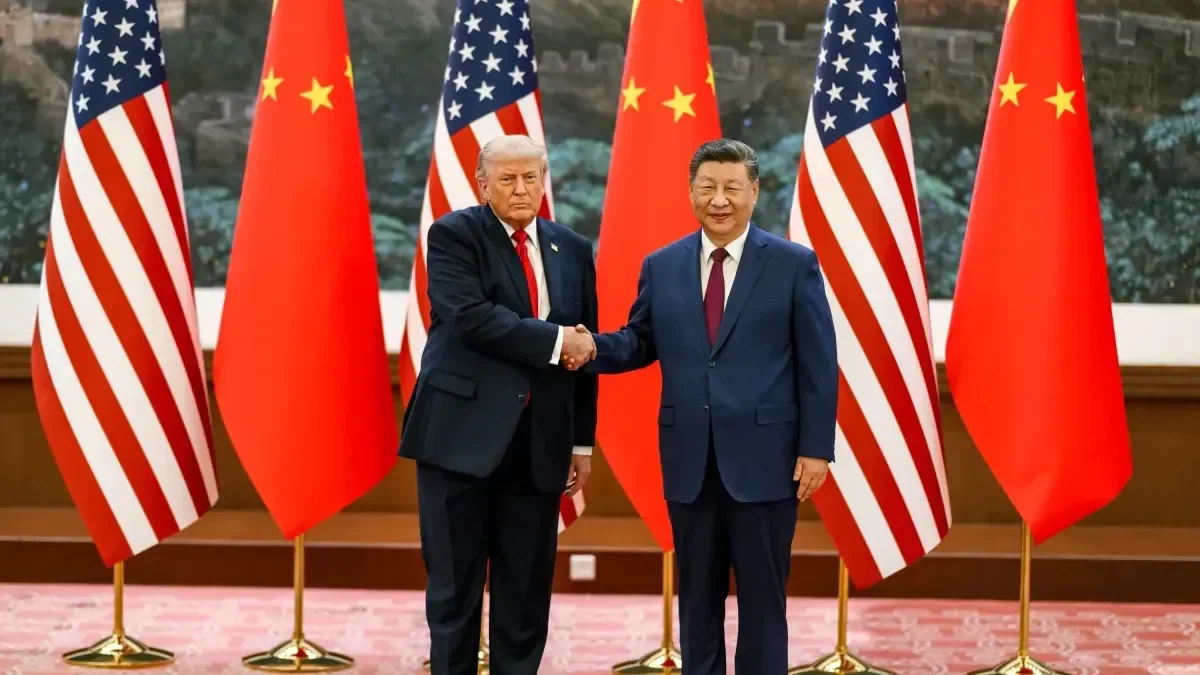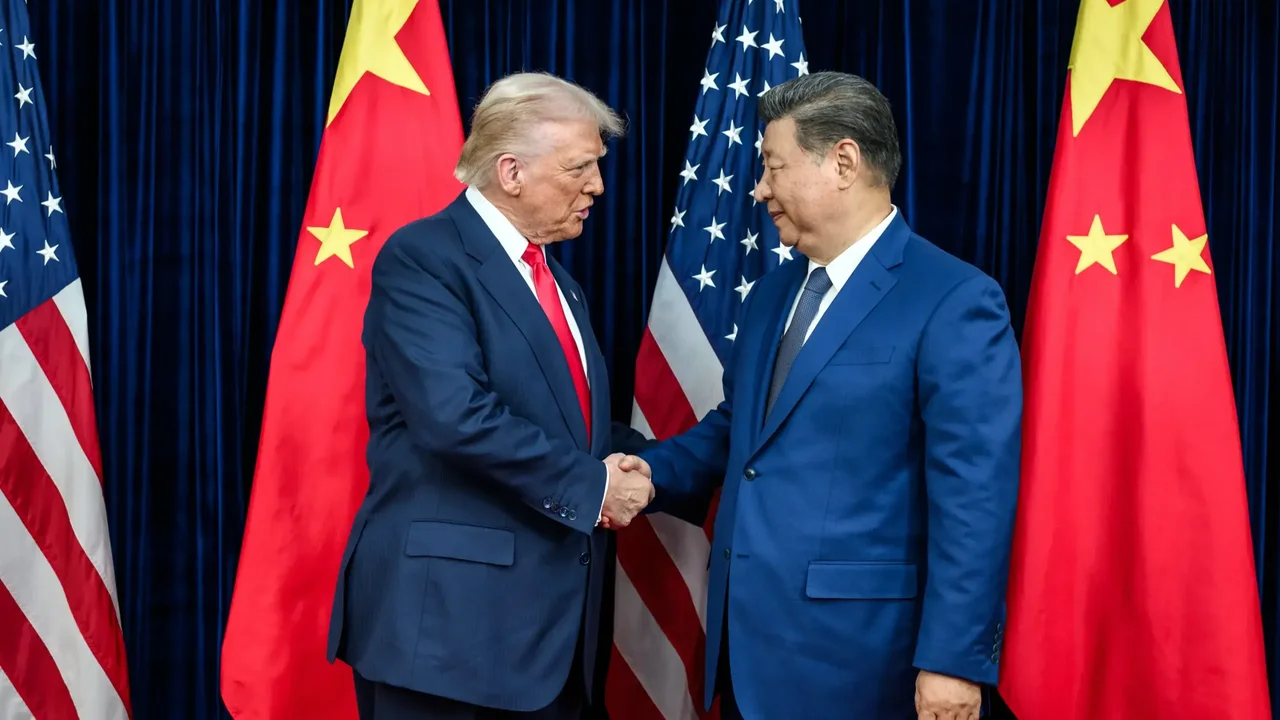


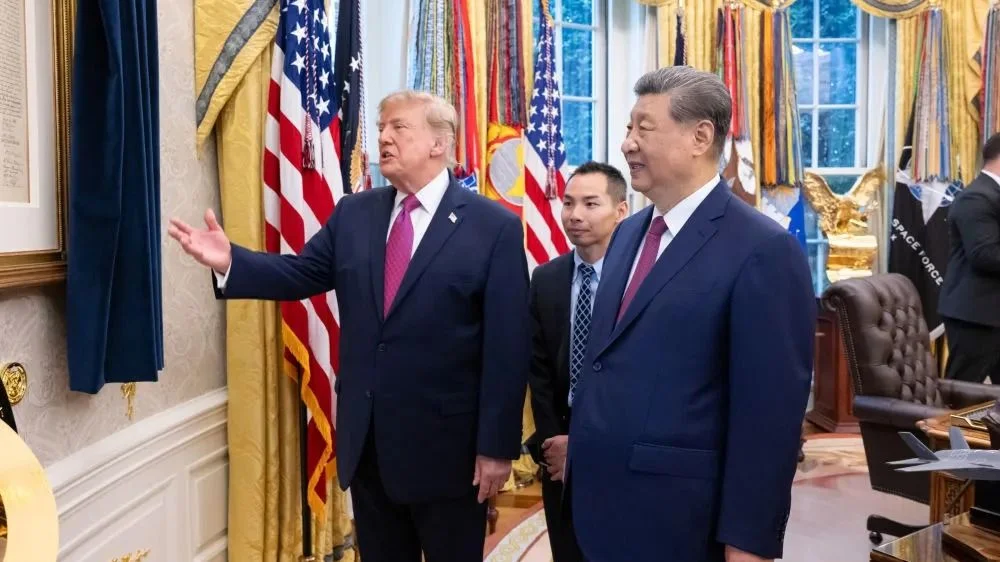

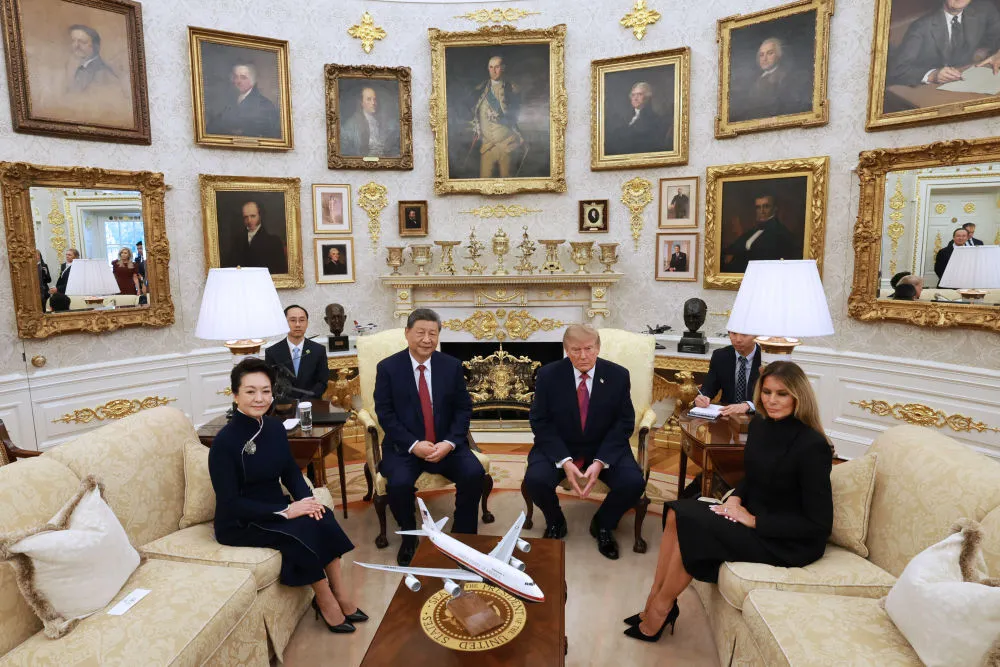
中國國家主席習近平赴華盛頓進行為期三天的國事訪問,跟美國總統特朗普會晤。這場歷史性會晤突顯出中美關係的短期回暖。然而,在日益多極化的世界格局下,一方是快速崛起的中國經濟體,另一方是仍居軍事超級大國地位的美國,中美兩強的長期關係依然充滿變數。
值得慶幸的是,兩國元首的常態化會晤已確立一種良好慣例,可望循此為雙邊關係中層出不窮的問題,尋求解決之道。
脆弱的貿易休戰與複雜的AI安全機制
首先,在習近平訪美之前,中國副總理何立峰與美國財長貝森特的會晤,就已為兩國間的主要障礙敲定若干臨時解決方案:將美國發起的貿易與關稅戰延長三個月、暫緩至2027年1月10日,就建立AI安全通報機制達成共識,並嘗試啟動「美中貿易委員會」以促進進一步的討論與談判。由此可見,貿易談判的框架與內容,在習近平訪美前已有共識。
中美雙方雖已達成貿易休戰,談判窗口亦延長至2027年1月,但在敲定更具拘束力的正式協議之前,雙邊關係依然相當脆弱。
其次,AI安全通報機制的問題依然複雜。美方過去對兩國間的軍事溝通機制評價不高,因媒體報道指美方不滿中方未接聽其緊急軍事來電。然而,AI安全通報機制的細節與操作程序究竟如何制定,仍有待觀察。
AI的快速發展與變革,對部分國家而言已構成國家安全威脅,尤其當私人企業與國家安全機構所掌控的AI陷入失控時。因此,任何AI安全通報機制,都必須同時涵蓋美國的國家安全機構與私人AI巨頭,以及中國的私人AI企業與國有AI企業。這是一張複雜的關係網絡,也是有待克服的一大挑戰。
第三,雙邊貿易關係已出現一些改善。特朗普總統公開表示,美國農民會對其與習主席會談的成果感到滿意,暗示中國很可能會向美國購買更多農產品(如大豆)。另一方面,中國消費品也可能獲准進入美國市場。由此可見,雙方的非敏感農業及貿易產品,都將從習特會中受益。
關稅調整與重啟的文化外交
第四,新華社9月25日報道,雙方同意就「美中貿易委員會」機制深入討論,這份聲明確認了貝森特與何立峰早前會晤的進一步進展。新華社聲明並補充美方同意削減300億美元的對等關稅,這意味美國對華貿易戰暫時擱置,為雙方達成進一步共識與協議爭取了時間。
第五,中美雙方同意加強合作打擊跨境毒品販運。中美兩國近期均拘捕了一批從事跨境毒品販運的犯罪嫌疑人,其實這方面的合作並無多少新意,因為打擊芬太尼一直是兩國自習近平與特朗普歷次峰會以來的共同利益所在。
第六,雙邊文化與教育交流似乎取得更多突破。習近平主席宣布,未來五年將邀請十萬名美國青年學生赴華學習。與此同時,兩隻大熊貓「平平」與「福雙」將入住亞特蘭大動物園的新家,跟美國公眾見面。這是「熊貓外交」的突破,因為該動物園自2024年與中國的協議到期後,便再無大熊貓。
圍繞伊朗與台灣的地緣政治摩擦
事實上,早在習近平訪美之前,美方已歸還64件中國流失文物及古生物化石,這是對華文化關係層面所作的重要姿態。這些珍貴物品由美國國土安全調查局與曼克頓地區檢察官辦公室分兩批交還中國,包括天龍山石窟的一尊菩薩像身軀、兵馬俑、恐龍骨骼化石、魚類化石及恐龍蛋化石。
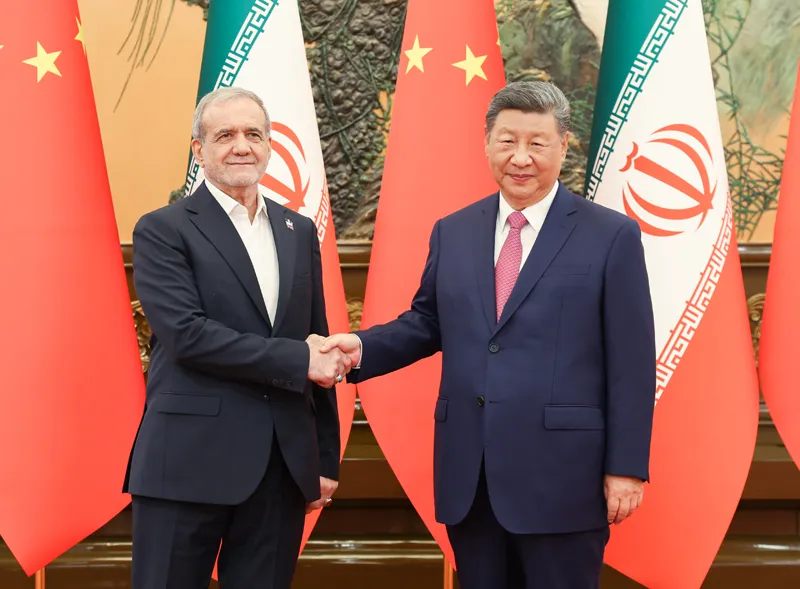
第七,新華社9月25日所載的聲明指,習近平主席與特朗普總統同意,伊朗應履行不發展核武器的承諾,且任何國家不得要求在使用國際航道時繳付費用。不過,跟伊朗友好的中國很可能在習特會期間也曾呼籲美方尋求與伊朗和平解決爭端——儘管美方篤定只會禮貌地聆聽。美伊衝突仍持續,和平解決的前景尚不明朗;除了巴基斯坦已投入斡旋外,中國也有望成為推動和平解決美伊衝突的促進者。
據媒體報道,美方要求中方停止在軍事和經濟上支持伊朗,特朗普認為中國的做法「完全不可接受」。中國仍是伊朗至關重要的經濟支持者,購買其大量石油出口,且兩國存在密切的經濟、文化與教育聯繫。美方的要求是一回事,中國對伊朗的外交政策又是另一回事。
審視美國的義務與北京的統一大業
習特會在台灣問題上亦無突破。據報道,中方以一種或許史無前例的方式,要求美國「反對台獨」;言下之意是要求美方停止向台灣出售和提供武器──這是近幾次習特會中提出的要求。
然而,細讀1979年《台灣關係法》條文書明美國有「責任」向台灣提供武器,保障台島有能力自我防衛。因此,特朗普治下的美國依然奉行「一中政策」,同時向台島提供武器助自衛。
在中方的壓力下,美國的立場並未改變。然而更仔細地研讀中國官方的言論,可以發現北京近期的趨勢是:以各種手段增大統一台灣的努力,包括呼籲台灣方面加強跟大陸的社會經濟互動與融合、推動大陸與在野的國民黨領導人對話,甚至不排除動用軍事封鎖或武力的可能。
據報道,在中美元首會面期間,習近平主席呼籲美方「審慎處理台灣問題」,稱這將有助於「為中美戰略合作及雙邊關係發展奠定堅實基礎」。
華府姿態與區域安全
綜合2022年《台灣問題白皮書》的內容與中方在習特會上的表態,可以清楚看到中國正加大施壓美國,要求美方以更具建設性的方式處理台灣問題。這份白皮書有三個要點:一是就統一前景與台灣展開分階段對話,二是對台灣能否保留軍力隻字未提,三是倡導以一國兩制的台灣模式實現統一。
言下之意,美國不妨考慮一種更具建設性的做法:減少向台灣出售軍武,以換取美方施壓台灣接受一國兩制的台灣模式。倘若這確是中方的隱含訊號,那麼在台灣問題和平解決符合各方利益的前提下,美方(包括其智庫)未來將如何與台灣及中國大陸打交道、談判,仍有待觀察。
戰略穩定與中美關係的前景
在習近平訪美之前,也有報道稱中國準備充當中間人,促成特朗普與朝鮮領導人金正恩會面。鑑於朝鮮現已擁有核武器,華盛頓與平壤之間的任何對話,可能都需要北京從中斡旋;倘若朝方在特金會之前提出任何先決條件,這些條件或須經由中方轉達美方。金正恩似乎發出訊號,要求美方放棄此前「無核化」的既有立場,因為朝鮮已擁有核武器。美方將如何應對朝鮮立場的改變,仍有待觀察,這是攸關東北亞和平與安全的一個關鍵問題。
東北亞安全問題是否為習特會的討論議題之一,目前並不明確。但若習近平曾觸及此議題,那麼作為世界大國與東北亞大國的中國,確實有潛力成為美朝之間有效的中間人。
最後,新華社報道美中同意在相互尊重與平等的基礎上,構建「戰略穩定」關係,這共識在政治、經濟與外交層面都具有重要意義。政治上,雙方能夠也願意尋求化解意識形態分歧;經濟上,雙方必須繼續對話,致力減少將影響兩國人民的貿易戰,這在美國以對等關稅威脅的情勢下,對其他國家具有重要的示範效應。外交方面,中美應堅持常態化的元首互訪與峰會,為包括台灣前途在內的棘手問題尋求解決之道。
An analysis of the Xi-Trump summit: Short-term harmony but long-term uncertainties
The three-day state visit of Chinese President Xi Jinping to meet US President Donald Trump in Washington was a historical event that has pointed to the phenomenon of having short-term harmony in Sino-American relations, but the long-term relations between the two great powers – China as a rapidly rising economic power and US remaining a military superpower in the increasingly multipolar world – remain quite uncertain. However, the regular meetings between the presidents of two countries have already established a good practice that can and will hopefully look for solutions to the evolving problems in the bilateral relations between China and the US.
First and foremost, prior to President Xi’s visit to Washington, the meeting between Chinese Vice Premier He Lifeng and US Treasury Secretary Scott Bessent had already hammered out some temporary solutions to the major bilateral obstacles, including a three-month extension of the US-initiated trade and tariff war until January 10, 2027, a consensus on the need to have Artificial Intelligence (AI) safety notification mechanism, and an attempt at operationalising the US-China Board of Trade to facilitate further discussion and negotiations. As such, the parameters of further trade negotiations were already established prior to the state visit by President Xi Jinping to Washington.
Fragile trade truces and complex AI safety mechanisms
Still, this temporary truce between the two countries will remain fragile until they can reach a more formal agreement from now to January 2027.
Second, the question of having an AI safety notification mechanism remains complicated. The US side regarded the military communication mechanism between the two countries in the past as lacking effectiveness, because media reports pointed to the US dissatisfaction that the Chinese side did not listen to the emergency military calls from the US side. There is no evidence to prove the validity of such rumour. Yet, it remains to be seen how the details and operational procedures of the AI safety notification mechanism will be worked out.
The rapid development and transformation of AI have already become a national security threat to some countries, especially if AI is running out of control by private-sector companies and national security agencies. As such, any AI safety notification mechanism will have to involve not only state security agencies and private-sector AI giants in the US, but also private-sector AI companies and state-owned AI enterprises in China – a huge challenge and complex web that will remain to be tackled.
Third, there are already some improvements in bilateral trade relations. President Trump openly said that the US farmers will be satisfied with the outcome of his talks with President Xi, implying that China will likely buy more agricultural products, like soya beans, from the US. On the other hand, Chinese consumer goods will likely be allowed to enter the US market. As such, the non-sensitive agricultural and trade products from two sides are going to benefit from the Xi-Trump summit.
Tariff adjustments and renewed cultural diplomacy
Fourth, the Xinhua news agency on September 25 reported that both sides agreed to pursue their in-depth discussions over the mechanism of the US-China Board of Trade – a statement confirming the further progress of the earlier meeting between Bessent and He Lifeng (Xinhua, September 25, 2026). The Xinhua statement added that the US side agreed to the arrangement of US$ 30 billion reduction in reciprocal tariffs. This means that the US trade war with China is temporarily withheld, buying more time for both sides to reach further consensus and agreement.
Fifth, on a practical level, both sides agreed to enhance collaboration in the combat against drug trafficking. Both US and China have recently arrested a batch of criminal suspects who were engaged in cross-border drugs trafficking. In this area of cooperation, there is virtually nothing new as the fight against fentanyl was the common US-China interest stemming from the past summits between President Xi and President Trump.
Sixth, there appears to be more breakthrough in bilateral cultural and educational exchange, President Xi announced that 100,000 young American students would be invited to study in China over the next five years. At the same time, two giant pandas – Ping Ping and Fu Shuang – will come to their new home in Zoo Atlanta and meet the Americans – a breakthrough in panda diplomacy as the Zoo Atlanta has not had pandas since 2024, when a deal with China expired. Panda diplomacy was adopted by China in 1957, and it is a goodwill gesture with significant meaning in establishing harmonious bilateral Sino-American relations. After several years of tense US-China relations, especially in the wake of Trump’s second victory in the US presidential election and his reciprocal tariff policy, the cultural and education relations between the two countries are gradually returning to a more normal situation.
Geopolitical friction over Iran and the Taiwan question
Indeed, the US side had already made an important gesture in its cultural relations with China before President Xi’s visit by returning sixty-four Chinese cultural relics and paleontological fossils to the Chinese side (China Daily, September 18, 2026). The precious items were delivered in two batches to the China by the Homeland Security Investigations and the Manhattan District Attorney’s Office (China Daily, September 18, 2026). The items included the torso of a bodhisattva statue from the Tianlongshan Grottoes, terracotta figures, dinosaur skeleton fossils, fish fossils, and dinosaur egg fossils. Rao Quan, the vice minister of China’s National Cultural Heritage Administration, signed a confirmation document of the return and receipt on behalf of the Chinese government. The US move was an important goodwill gesture before President Xi’s visit, and Xi’s announcement of the visit of two panda diplomats to Atlanta could be regarded as a quid pro quo.
Seventh, the Xinhua statement on September 25 stated that President Xi and President Trump agreed that Iran should implement the promise of not developing nuclear weapons, and that no country should demand payment in the utilisation of international water channels (Xinhua, September 25, 2026).
This statement reveals the consensus from both sides; nevertheless, during the Xi-Trump summit, China as a friendly country of Iran also likely asked the US to reach a peaceful solution with Iran – a demand that was bound to be just listened politely by the US side. The US-Iran war continues without a peaceful solution in sight and, apart from Pakistan that has been acting as a middleman, China can be facilitator of a peaceful solution in the US-Iran war.
According to the media reports, the US side asked the Chinese side to stop supporting Iran militarily and economically – a Chinese move that, to President Trump, is “totally unacceptable” (Anadoulu Ajansi, September 25, 2026). China remains a crucial economic supporter of Iran by purchasing a vast amount of its oil exports. As Iran and China have thousands of years of civilisation and history, both countries naturally have close economic, cultural and educational relations. As such, the US demand is one thing, China’s foreign policy toward Iran is another matter.
Examining American obligations and Beijing’s reunification drive
The Xi-Trump summit also has no breakthrough on the question of Taiwan. In a perhaps unprecedented way, the Chinese side was reportedly demanding that the US should “oppose Taiwan independence.” By implication, the Chinese side has asked the American side to stop selling and providing weapons to Taiwan – a demand that was made in the recent Xi-Trump meetings.
However, a closer reading of the Taiwan Relations Act of 1979 shows that the US has the “obligation” to provide weapons to Taiwan for the purpose of making the island capable of defending itself. As such, the US under President Trump is still adopting the one-China policy and simultaneously providing weapons to Taiwan for its self-defence. The US, according to Willian Brown, the Deputy Assistant Secretary of State for East Asia and Pacific Affairs, said in 1983 that “the resolution of the Taiwan issue is a matter for the Chinese themselves to decide,” and that the US “has an interest in having that resolution be peaceful” (Hearing before the Committee on Foreign Relations, the US Senate, November 9, 1983).
Under the Chinese pressure, the US position remains unchanged. However, a more careful reading of official Chinese remarks points to the recent trends of making more efforts by the People’s Republic of China (PRC) at reunifying Taiwan by various means, including the appeals to the Taiwan side for closer socio-economic interactions and integrations with the Chinese Mainland, the promotion of mainland discussions with the opposition Kuomintang (Nationalist Party) leaders, the possibility of utilising military blockade, and even the likelihood of using military force.
During the Xi-Trump summit, it was reported that President Xi called on the US side to “handle the Taiwan question prudently,” and that this would help “lay a solid foundation for Sino-American strategic cooperation and the development of bilateral relations” (South China Morning Post, September 26, 2026).
Rethinking Washington’s posture and regional security roles
Combining the content of the 2022 White Paper on the Taiwan Question with the Chinese side’s remarks in the Xi-Trump summit, it is crystal clear that China is exerting increasing pressure on the US to deal with the Taiwan question in a “more constructive” way. The White Paper is characterised by three major points: a stage-by-stage process of dialogue with Taiwan over reunification prospects, an absence of any statement on Taiwan’s ability to retain its military, and the advocacy of using a Taiwan model of “one country, two systems” to reunify Taiwan.
By implication, a more “constructive” approach that can perhaps be considered by the US is to minimise the selling of weapons to Taiwan in exchange of the US pressure on Taiwan to accept the Taiwan model of “one country, two systems.” If this is the implicit signal given from the PRC side, it remains to be seen how the US side, including its think tank, may have to consider a deal with both Taiwan and the PRC in the future, especially if a peaceful resolution of the Taiwan question is in the interest of all stakeholders.
In other words, William Brown’s comments on the Chinese themselves to decide the resolution of the Taiwan issue may have to be readjusted to adapt to the rapidly changing circumstances: the rise of China economically and militarily, the increasing pressure of China on the US policy of selling weapons to Taiwan, and the perhaps increasingly outdated “neutral” position of the US on how the Taiwan issue is going to be resolved by the Chinese themselves. The Chinese side’s remarks on the need for the US to oppose Taiwan independence means that, by selling weapons to Taiwan, the US is by no means “neutral.”
Overall, the Taiwan question remains unresolved in the Xi-Trump summit, but a cryptic message is emerging again, meaning that the US must reconsider its long-standing policy of selling weapons to Taiwan.
Strategic stability and the path forward for Sino-US relations
Before President Xi visited Washington, there were also reports saying that China would prepare to act as a middleman to promote Trump’s meeting with Kim Jong Un, the North Korean leader. Given that North Korea is now possessing nuclear weapons, any dialogue between Washington and Pyongyang may need Beijing to act as an intermediary. However, if the North Korean side has any precondition before any Trump-Kim meeting, such precondition will perhaps need to be conveyed to the US side through the Chinese side. Kim Jong Un appears to signal that the US side must abandon its previous call for “denuclearisation,” for his country has already possessed nuclear weapons. It remains to be seen how the US side deals with the changed position of North Korea – a critical issue shaping Northeast Asian peace and security.
It is unclear whether the issue of Northeast Asian security was one of the discussion items in the Xi-Trump summit. But if it was touched upon by President Xi, China as a great power in the world and in Northeast Asia does have the potential to act as an effective middleman between the US and North Korea.
Finally, Xinhua reported that US and China agree to construct a relationship of “strategic stability” based on mutual respect and equality (Xinhua, September 25, 2026). This consensus is politically, economically and diplomatically significant. Politically, both sides can and will seek to resolve their ideological differences. Economically, they must continue dialogue to minimise trade war that will impact the peoples of both countries, having important demonstration effects on other countries under the US threat of using reciprocal tariffs. Diplomatically, both powers – economic on the Chinese side and military-security on the US side – should persist in regular presidential-level visits and summits for the sake of looking for solutions to baffling problems, including the notable question of Taiwan’s future.
Strategic stability, common challenges, and the long road ahead
In conclusion, unlike some foreign media which have portrayed the Xi-Trump meeting as having more pomp than substance, the three-day visit of President Xi to meet President Trump in Washington is punctuated by both pomp and substance. The rise of China as an economic powerhouse is formally recognised by the US, which treats President Xi’s visit as of having red carpet treatment.
The US needs China to tackle a whole range of issues, ranging from its initiated trade war to the concerns about the negative aspects of Artificial Intelligence, from its national security over Iran to the unresolved issue of import of Chinese critical minerals, and from the livelihood of American farmers to the interest of American consumers. The nationalistic aggressiveness of the Trump administration as exemplified in its reciprocal tariff policy arguably needs the moderation of China to moderate itself so that the US soft power, which was deeply hurt internationally by the Making America Great Again policy, will be restored in the eyes of ordinary citizens in many parts of the world.
On the other hand, China needs the US support over a multiplicity of issues, ranging from the export of non-sensitive trade products to tariff war, and from security-related matters to the Taiwan question. Based on the principles of mutual respect and equality, both US and China must continue their presidential-level visits, summits and dialogue in their quest for solutions to common problems and security issues shaping world peace.
In the short run, Sino-US strategic stability can bring about peace and security in the world. The question of Taiwan’s future will likely be the most critical issue in US-China relations in the coming years, for China under President Xi is very keen to have its national rejuvenation and renaissance. As such, in the long run, it remains to be seen how the strategic “stability” between China and the US will be maintained through regular president-level visits and summits.
原刊於澳門新聞通訊社(MNA)網站,本社獲作者授權轉載。(原文按此)