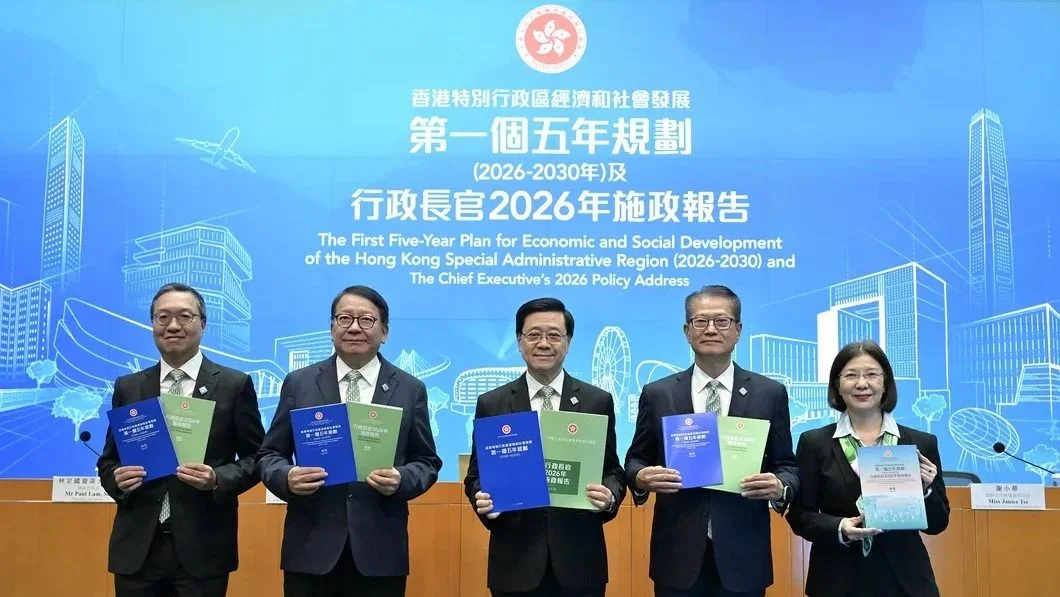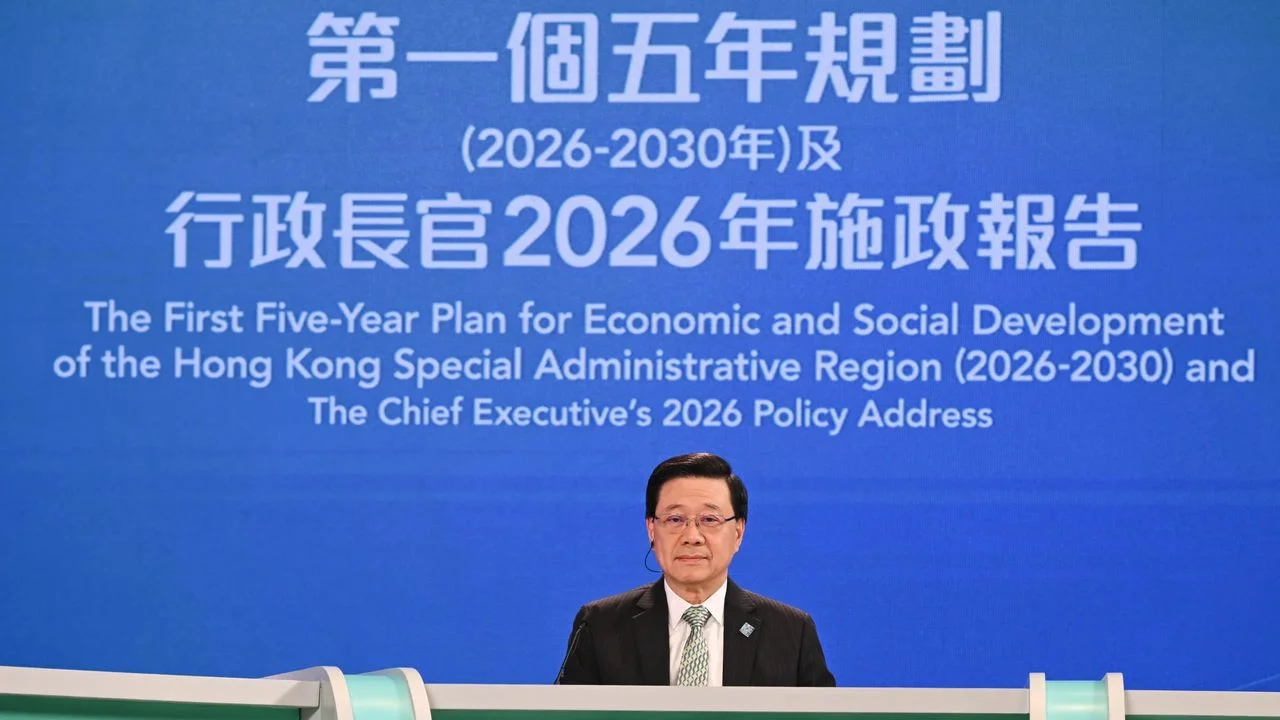


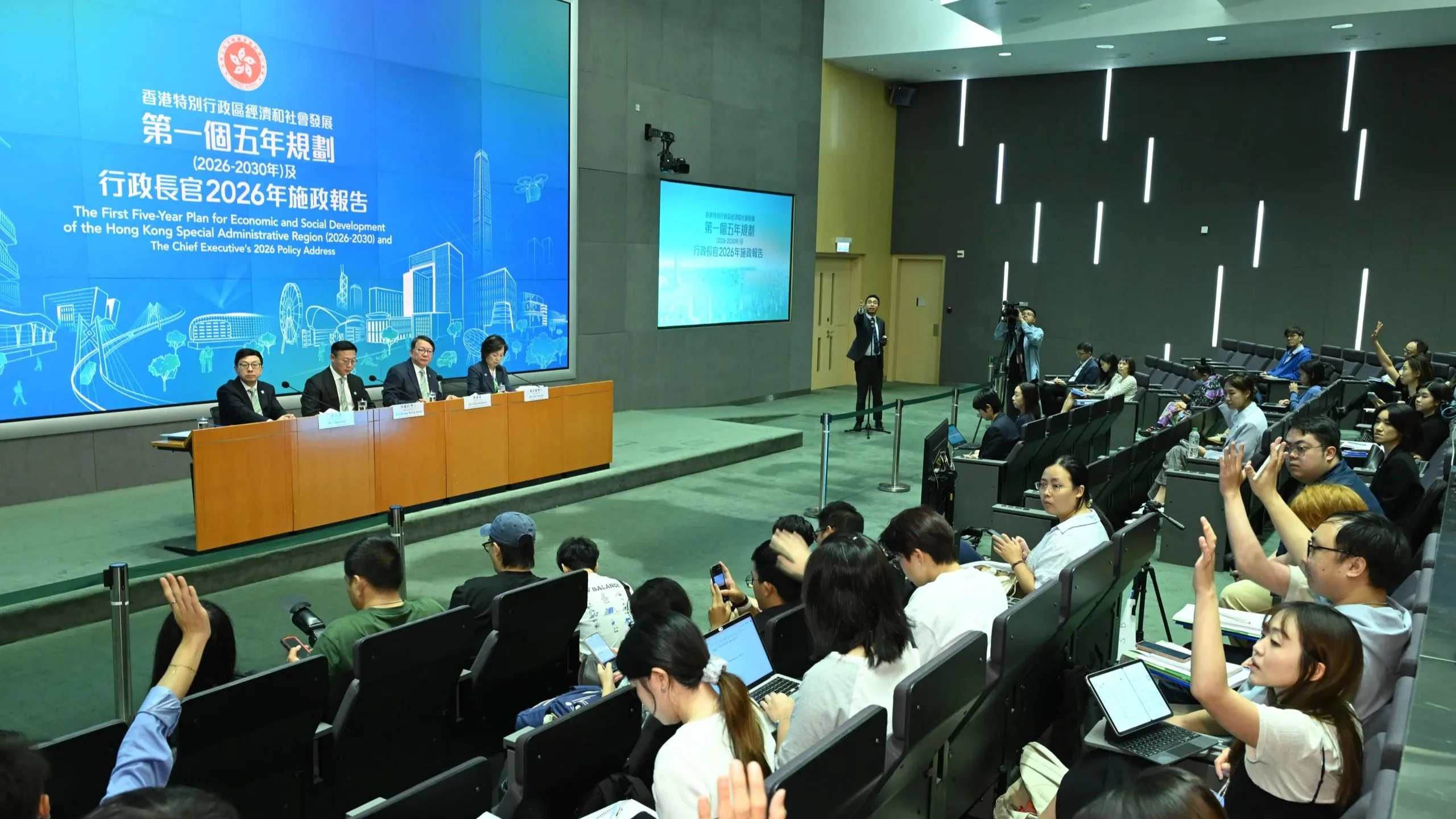


香港首份五年規劃,是我們一代人期間最重要的政策宣示。不少目光聚焦北部都會區──這宏大的都市藍圖旨在重塑本港的城市地理格局。然而更深層的核心,不在土地與規劃分區,而在於香港能否首次搭建一套真正的「教育—創新生態系統」,培育硬科技產業集群。
北部都會區是骨架,科技發展是魂,教育是根基。土地與基礎設施固然不可或缺,但它們只是承載載體。關鍵在於,教育與科技能否為這片空間注入活力,讓香港從金融樞紐,轉變為名副其實的創新重點。
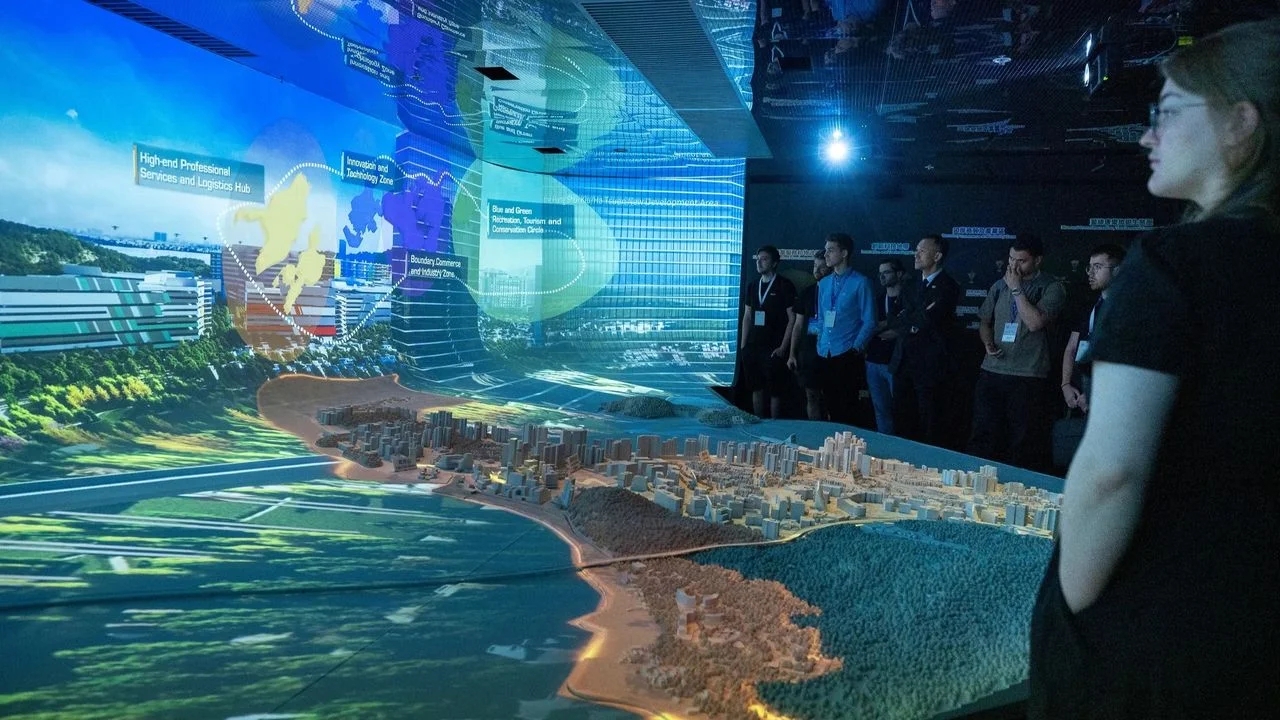
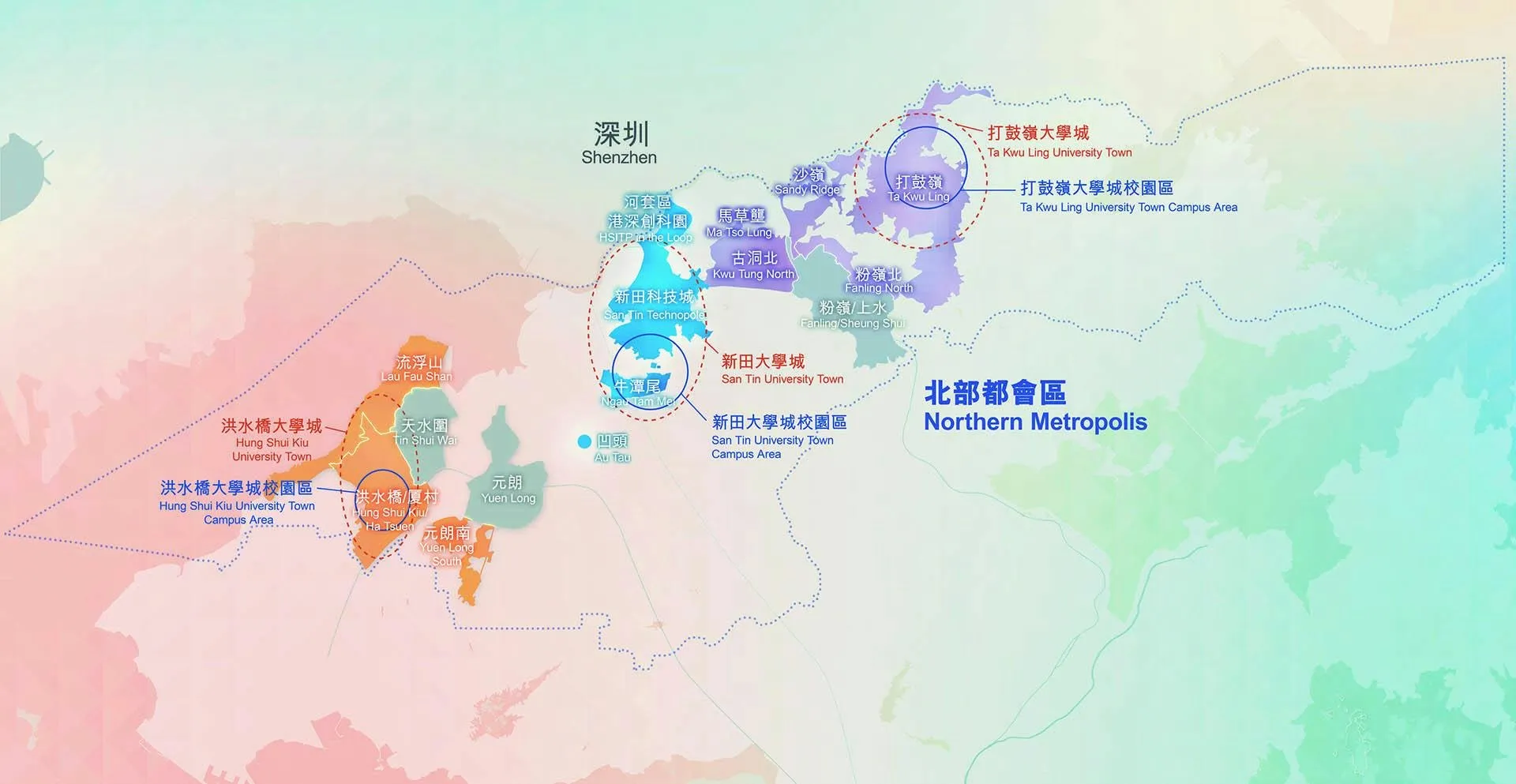
特區政府決定設立三大大學城──新田、洪水橋以及打鼓嶺,這是香港創新版圖的結構性重組。三座大學城各有明確定位:新田主攻醫藥、生命健康科技、人工智能、機器人與微電子;洪水橋聚焦先進製造與全球人才培育;打鼓嶺則側重藝術、藍綠產業與文化融合。
香港向來擁有世界一流大學,長期欠缺的是一套緊密連結的生態體系:實驗室、中試製造、創投資本與先進產業,彼此可以近距離銜接。大學城有機會打造出這類環境──前提是它們被設計成創新生態圈,而非孤立的校園。這份規劃認識到,創新無法在封閉環境中茁壯成長。真正的考題,是香港能否把這些新城規劃成研究、產業、人才日常互動的場域。
成敗關鍵在於制度 而非地理布局
全球經驗證明,教育驅動的生態圈可以帶動頂尖創新集群。矽谷並非單靠土地分區規劃誕生,而是源於史丹福大學、加州大學柏克萊分校、創投圈與敢於承擔風險的文化互相激盪。德國的網絡谷(Cyber Valley)則示範大學、科研機構與產業巨頭如何透過「雙聘制」共建協作,把合作機制嵌入制度設計。
事實上,波士頓128公路曾經領先,後來被矽谷超越,原因就在於其迷你電腦巨頭固守僵化模式,該項目其後得以復興,皆因重心轉移至隔河的肯德爾廣場,劍橋市的麻省理工、初創企業與創投聚落匯聚於此,彼此步行可達。這啟示至為清晰,地理從來不是決定因素,制度才是成敗關鍵。
內地的經驗更能說明問題。上海同濟知識經濟圈有機生長,始於1980年代師生在同濟大學周邊集聚,屬於校園外圍自然成型的模式,依靠空間鄰近效應推動發展。
與此不同,上海零號灣以上海交通大學為核心,在2015年採用制度化設計,構建政府、大學、企業三方合作模式,是一套主動規劃的集群,由政府介入推動,而非純粹自然演化。西安的中國西部科技創新港走得更遠,園區距離西安交通大學主校區約30公里,打破物理邊界,融合校園、產業園與社區,形成功能一體化模式。憑藉該校的工科實力,吸引華為、國家電網等企業落戶設立聯合研發中心。創新港證明「大學牽頭」的創新園區,關鍵不在距離遠近,而在創新要素集聚的效率。
但香港不能直接照搬這些模式,有三個核心差異需要留意。第一,香港缺少龍頭支柱企業。創新港之所以成功,有華為、國家電網共同投入;矽谷興起,得益於惠普、英特爾,後來再有谷歌、蘋果本土成長。香港沒有同類型本土巨企,因此本港的大學城必須憑獨特優勢吸引龍頭機構:國際化人才、完善的知識產權保護,以及在可信法律框架下跨境數據與資本的流動能力。
創投基金運作未必匹配科技研發周期
第二,香港的問題不在距離,而在制度抵觸。本港大學坐落於密集市區,交通、資本、國際人才條件齊備;缺的不是空間鄰近,而是制度連通。阻礙來自體制:教授考核重視論文發表,而非專利成果;學生難以跨校修讀課程;創投基金的運作模式,未必匹配硬科技漫長的研發周期。興建新園區解決不了這些問題,需要改革大學管治與資助機制。
第三,香港的設計目標應當是持續迭代,而非只負責招商引才。128公路當年已有龍頭企業,仍舊失去領先地位,原因就是綁定單一產業、企業模式固化。香港的大學城起步階段需要龍頭機構,但更要建立制度彈性,當技術基礎迭代時,能夠擺脫對原有龍頭的依賴。
因此,香港的大學城必須打通科研與產業,鼓勵教授把研究成果商業化,容許學生跨校修課,同時把住宅、實驗室、初創公司與產業設施布置在步行範圍內。
政府已經邁出相關步伐:升級大學城委員會以作高層協調,承諾投入 100 億港元長期資本,在打鼓嶺預留策略用地,把各個大學城和鄰近產業園連結,並在河套試行生物樣本、資本與數據的跨境流動。這些都是必要的投入,但不等於成果。它們只是創造要素集聚的條件,無法保證集聚必然發生。
要讓首份五年規劃發揮最大效用,香港不應只是複製海外模式,而要打造屬於自己的獨特創新路線。這意味着要優先發展香港具備比較優勢的跨學科領域──生物醫學、金融科技監管、微電子,並把國際合作嵌入全新的教育生態。同時,要培育容許試錯的創新文化,改革大學評核機制,獎勵創業與有現實影響力的研究,而不是只看重論文。最後,香港要定位為粵港澳大灣區的議程設定者,為硬科技集群制訂標準與框架,而非單純跟隨深圳的步伐。
衡量成敗的指標,不是改劃多少土地、建成多少樓宇,而是香港能否重燃科技抱負,終於建成長久以來欠缺的教育—創新生態系統。
HK’s first five-year plan: education and hard tech as the real engine
Hong Kong’s first five-year plan is the most important policy announcement in a generation. Much attention has focused on the Northern Metropolis, a vast urban blueprint meant to reshape the city’s geography. Yet the deeper story is not about land or zoning. It is about whether Hong Kong can, for the first time, build a genuine education-innovation ecosystem and ignite hard-tech industrial clusters.
The Northern Metropolis is the form; tech development is the soul; education is the root. Land and infrastructure are necessary, but they are only the carrier. What matters is whether education and technology can animate that form, transforming Hong Kong from a financial hub into a genuine innovation node.
The special administrative region government’s decision to establish three university towns — San Tin, Hung Shui Kiu, and Ta Kwu Ling — is a structural reorganization of Hong Kong’s innovation geography. Each town has a distinct focus: San Tin on medicine, life and health technology, artificial intelligence, robotics, and microelectronics; Hung Shui Kiu on smart manufacturing and global talent cultivation; Ta Kwu Ling on arts, blue-green industries, and cultural integration.
Hong Kong has long had world-class universities, but what it has lacked is a connected ecosystem where laboratories, pilot manufacturing, venture capital, and advanced industry sit within walking distance of one another. The university towns have the potential to become exactly that — if they are designed as innovation ecosystems rather than isolated campuses. The framework recognizes that innovation cannot thrive in isolation. The question is whether Hong Kong can design these towns as places where research, industry, and talent interact daily.
Global experience shows how education-driven ecosystems can power advanced innovation clusters. Silicon Valley was not built by zoning laws but by the interaction of Stanford, Berkeley, venture capital, and a culture of risk-taking. Germany’s Cyber Valley shows how universities, research institutes, and industrial giants can cocreate through “dual appointments”, embedding collaboration into institutional design. Boston’s Route 128 lost dominance to Silicon Valley because its minicomputer giants clung to rigid models. Its revival came by recentering in Kendall Square, where the Massachusetts Institute of Technology, startups, and venture capital cluster are within walking distance of each other. The lesson is clear: Institutions, not geography, drive success.
The Chinese mainland’s experience sharpens the point. Shanghai’s Tongji Knowledge Economy Circle grew organically from faculty and students clustering around Tongji University in the 1980s — a campus-periphery model where proximity did the work. By contrast, Shanghai’s Zero Bay, anchored by Shanghai Jiao Tong University, was institutionally designed in 2015 as a tripartite partnership between government, university, and enterprise — a designed cluster where the State substituted for organic growth. In Xi’an, the Western China Science and Technology Innovation Harbour (iHarbour) went further. Located roughly 30 kilometers from Xi’an Jiaotong University’s main campus, it breaks physical boundaries through the integration of campus, industry park, and community, forming a functionally integrated model. Drawing on the university’s engineering strengths, it attracted firms such as Huawei and State Grid to establish joint research and development centers. IHarbour proves that the core of a “university-anchored” innovation zone is not distance, but the efficiency of innovation-factor aggregation.
But Hong Kong cannot simply copy these models. Three differences matter. First, Hong Kong lacks anchor firms. IHarbour worked because Huawei and State Grid co-invested. Silicon Valley worked because Hewlett-Packard, Intel, and later Google and Apple grew locally. Hong Kong has no equivalent. Its university towns must therefore attract anchors by offering something unique: international talent, robust intellectual property protection, and cross-border data and capital flows under a trusted legal system.
Second, Hong Kong’s problem is not distance but friction. Hong Kong’s universities sit in a dense urban fabric with access to transport, capital, and international talent. What they lack is not proximity but connection. The barrier is institutional: Professors are rewarded for publications, not patents; students cannot easily cross-register; and venture capital is not structured for deep-tech timelines. Building new towns will not solve any of this. Reforming university governance and funding structures will.
Third, Hong Kong must design for reinvention, not just attraction. Route 128 had anchor firms and still lost its lead — because it was locked into a single industry and a static corporate model. Hong Kong’s university towns will need anchors to get started. The test is whether they also build the institutional flexibility to move beyond those anchors when the technological base shifts.
Hong Kong’s university towns must therefore integrate research with industry, encourage professors to commercialize discoveries, allow students to cross-register across institutions, and embed housing, labs, startups, and industry within walking distance.
The government has already taken steps in this direction: upgrading the University Town Committee for top-level coordination, committing HK$10 billion ($1.27 billion) in patient capital, reserving strategic space in Ta Kwu Ling, linking each university town to adjacent industry parks, and piloting cross-border flows of bio samples, capital, and data in the Hetao zone. These are necessary inputs — but they are not outcomes. They create the conditions for aggregation without guaranteeing it.
To maximize the impact of the first five-year plan, Hong Kong should go beyond replicating global models and design its own distinctive innovation agenda. That means prioritizing cross-disciplinary research in areas where the city has comparative strengths — biomedical sciences, fintech regulation, and microelectronics — while embedding international partnerships into the new education ecosystem. It also requires cultivating a culture of risk-taking by reforming university governance to reward entrepreneurship and research with real-world impact, not just publications. Finally, Hong Kong must position itself as the Guangdong-Hong Kong-Macao Greater Bay Area’s agenda-setter, shaping standards and frameworks for hard-tech clusters rather than merely following Shenzhen’s lead.
The measure of success will not be hectares rezoned or buildings constructed, but whether Hong Kong can reignite its technological ambition and finally build the education-innovation ecosystem it has long lacked.
原刊於中國日報國際版網站,本社獲作者授權轉載。(原文按此)