







8月下旬的一次晚宴上,我對面坐着一位在中國內地出生、畢業於麻省理工學院的量化分析師。他曾在紐約供職七年,為美國一間對沖基金管理交易策略,最近剛搬遷至香港,其所屬機構正擴編至600名員工。他的理由十分明確:香港不僅擁有具吸引力的稅制,更難得地匯聚了項目資源、地理位置與資本市場資源,這些要素將共同塑造亞洲金融的新時代。
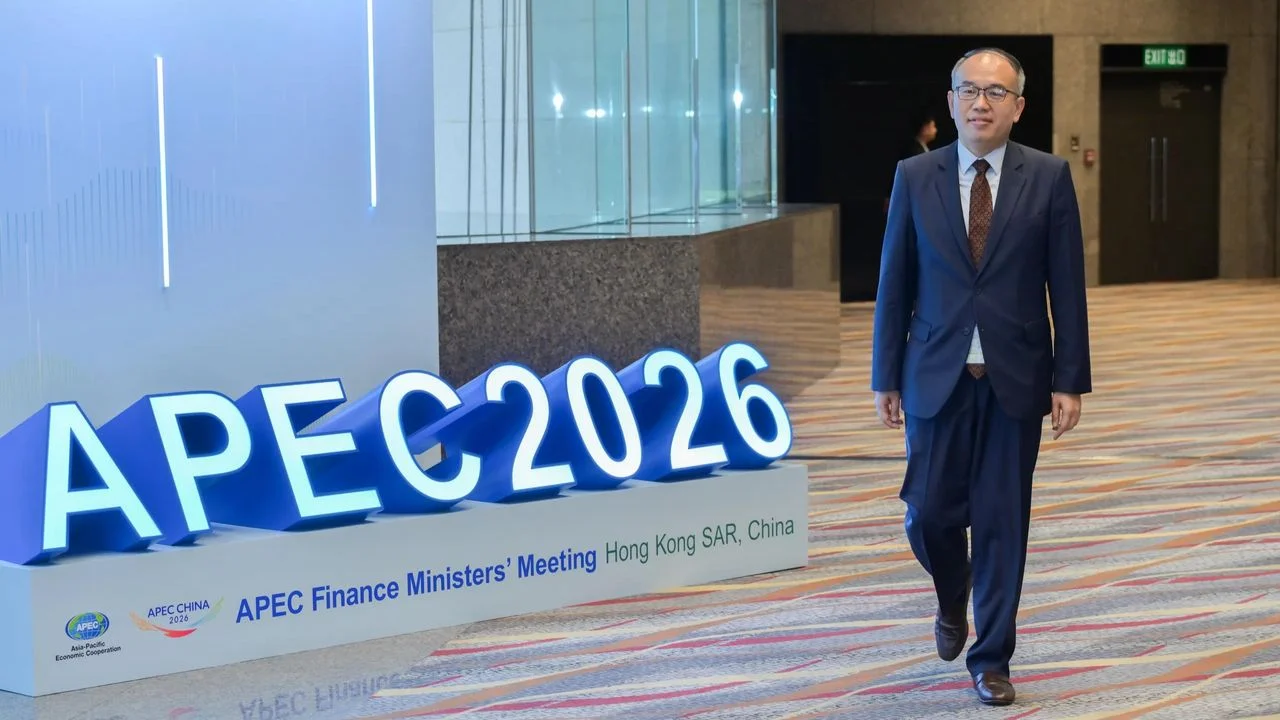
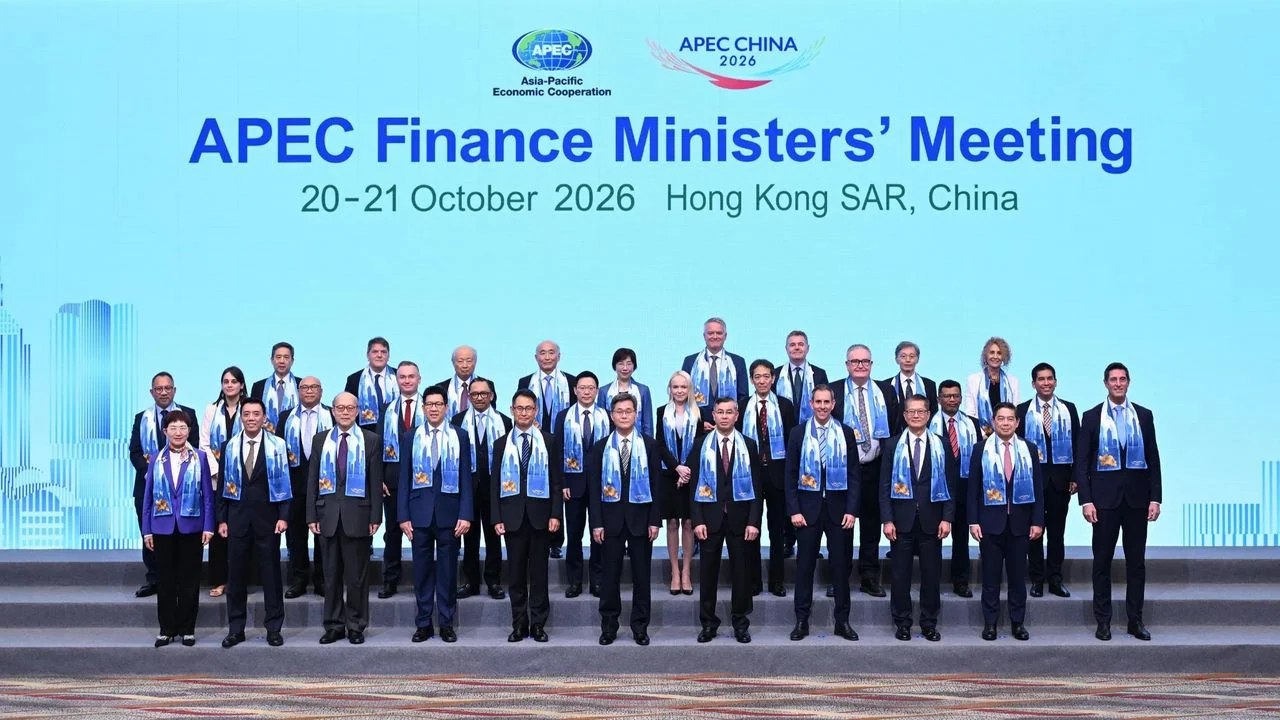
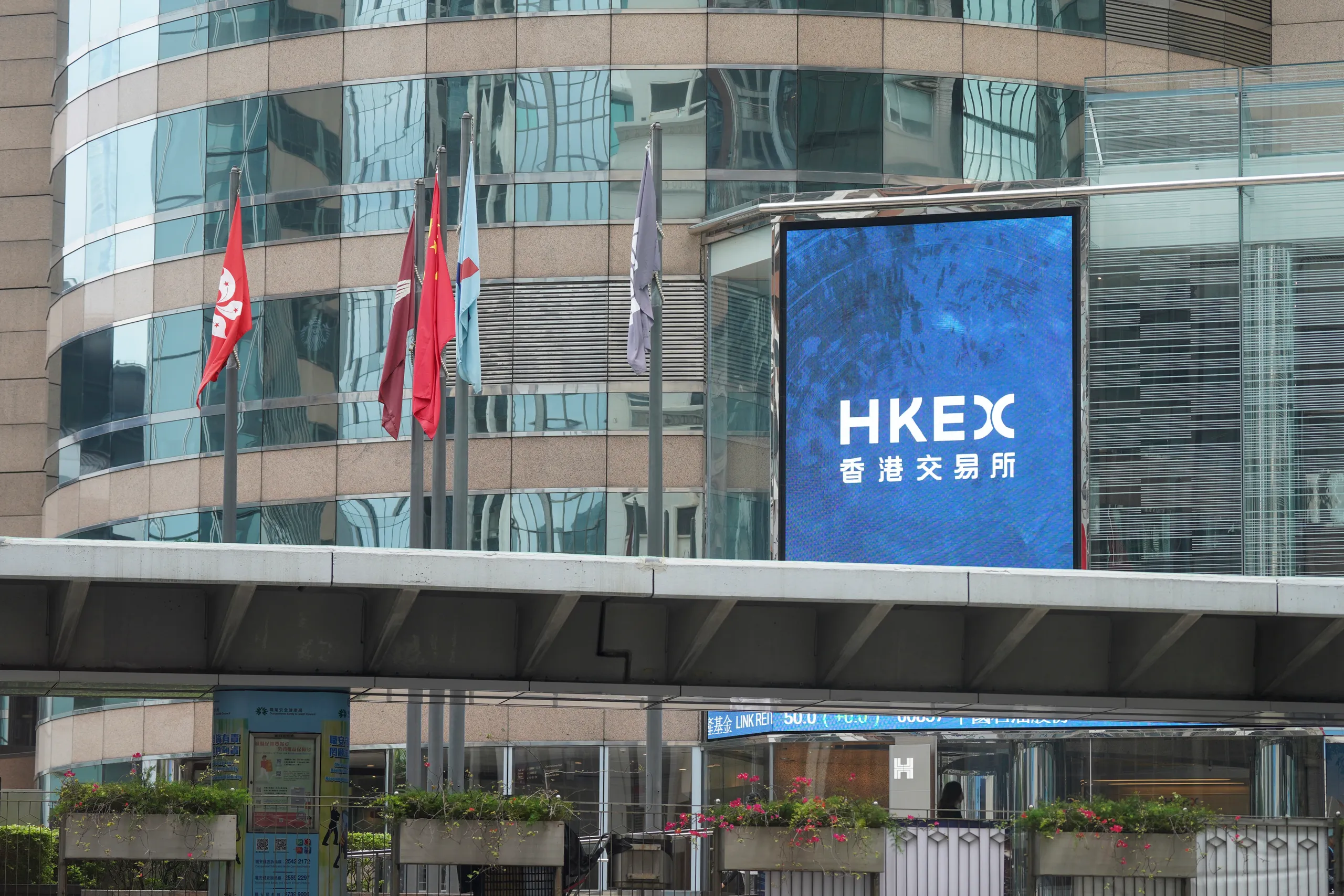
機構層面的數據,正印證了這場晚宴上的觀察。下月19至21日,香港將首次主辦亞太經合組織(APEC)財長會議,這是一個標誌里程,突顯香港作為亞太地區金融對話核心平台的地位。截至今年7月,港交所已有101家企業完成上市,累計募資3260億港元(約415.7億美元),僅七個月便已超越2025年全年規模。港交所上半年公布的業績同樣創下新高,利潤按年增長24%,達106億港元。這些亮眼數據固然振奮人心,但短期勢頭不等同於長遠領導地位。當前的關鍵問題:香港能否將這輪周期性上行,轉化為可持續的結構性優勢。
三大支柱:互聯、人民幣與數碼基建
這份機遇,正建立在三大關鍵支柱之上。首要支柱是東南亞資本市場的加速互聯。今年7月簽署的港馬協議,不僅簡化了雙重上市機制,更將ETF與REIT納入互認基金範圍。9月起,企業進行同步雙地上市只需提交一份招股書,效率大幅提升。放眼未來,2030年前東盟每年的基礎設施融資需求將突破2100億美元,綠色轉型更是重中之重。香港實力雄厚──2025年綠色及可持續債券發行規模高達377億美元,連續八年稱霸亞洲;配合5月財政部發行60億元人民幣離岸綠色主權債券的標誌舉措,香港絕對有條件也有優勢,躍升為東盟基建項目的首選綠色債券融資平台。
第二大支柱是人民幣國際化。8月3日,五年期人民幣國債期貨正式上市,填補了離岸市場利率風險管理工具的關鍵空白,跟債券通、互換通形成良性互補。與此同時,香港金管局7月將人民幣流動性工具規模由2000億元人民幣擴充至5000億元人民幣,令香港擁有歷史上最深厚的離岸人民幣資金池。若能再擴大東盟大宗商品貿易的人民幣直接結算,將更穩固香港在區域資金清算流轉中的核心地位。
第三大支柱是數字支付基礎設施。截至2026年年中,多邊央行數字貨幣平台mBridge累計處理的批發類交易規模約4700億元人民幣,商業化落地籌備工作已進入後期,預計手續費僅為環球銀行金融電信協會(SWIFT)的一半,而香港將承擔平台營運實體的角色。除批發支付外,香港亦應複製快速支付系統(FPS)與泰國PromptPay打通跨境聯通的成功模式,在整個東南亞拓展實時零售匯款互聯。
然而,任何客觀研判都不能無視眼前逆風。只看機遇而忽略風險,算不上真正的戰略。香港當前需應對三個不同層面的挑戰:
一、適應清晰的監管格局:5月22日,中國證監會聯合七個政府部門,針對三家在內地無牌開展業務的離岸券商採取執法處置。政策設立兩年寬限期,允許現有客戶平倉離場,既保護投資者權益,也整頓市場秩序。事件揭示了一項結構性事實:香港獨特的「超級聯繫人」角色,始終運行在內地監管導向所構建的制度框架之內。把握好其中邊界,是維持自身競爭優勢的關鍵。
二、來自新加坡的競爭:新加坡金融管理局於8月推出多項新舉措,包括對基金經理的收益分成給與稅務豁免、推出全新對沖基金投資計劃,並升級「一站式」(ONEPass)審批機制,直接回應香港6月提出的擴大基金業界稅務優惠立法建議。截至2025年底,香港跨境財富管理規模約2.95萬億美元,為全球最大跨境財富管理樞紐;而新加坡的資產管理總規模則達5.2萬億美元。兩地競爭大部分膠着,實力旗鼓相當,勝負取決於執行力,而非空泛口號。
美國長臂管轄 或削弱港金融樞紐角色
三、地緣政治風險:美國的對外投資管制以及二級制裁威脅,可能削弱香港作為中立金融樞紐的能力。這些並非純粹假設,而是機構投資者配置資金時切實考量的現實因素。一套可信的發展戰略,必須直面並妥善管理這些風險。
10月舉行的APEC會議,為推進香港的各項議程提供了難得的平台。但真正的價值,在於把舉辦會議的號召力,轉化為持續的制度動能。香港應當推動具體實效成果:舉辦亞太綠色債券標準對接研討會、召開「財富通2.0」圓桌會議,以及開展AI金融監管沙盒互認對話。各國財長與央行行長離港之時,帶走的應是合作備忘錄,而不僅僅是一紙聯合聲明。
歸根究柢,香港面臨的難題不在於機遇匱乏,而在於工作優序的取捨:
首務是釐清跨境監管的不確定性,爭取更清晰、長效的內地資本准入制度框架;
其次是全力敲定與東盟交易所的雙重上市協議,同時豐富人民幣產品矩陣,順應區域去美元化的趨勢;
最後是完成mBridge的商業化推廣,並把FPS的成功經驗複製到東南亞,確立香港作為亞太數字支付營運樞紐的地位。
這不是一份可選清單,而是一套有先後順序的必要任務。按照次序落地,香港不僅能在區域競爭中站穩腳跟,更能主導未來十年亞太金融的規則制定。如果次序混亂,即使眼前機遇看似廣闊,窗口期關閉的速度也將遠超預期。
決定香港未來的,從來不是機遇的多寡,而是推進事務的戰略紀律。無論金融還是戰略,若能釐清先後輕重,就能真正掌握亞太的領導地位。
From momentum to leadership: Hong Kong’s financial imperatives
Over dinner in late August, I sat across from a Chinese mainland-born, Massachusetts Institute of Technology-trained quantitative analyst who had spent seven years in New York running strategies for a US hedge fund. He has just relocated to Hong Kong, where his firm is scaling to 600 employees. His reasoning was unambiguous: Hong Kong offers not merely a favorable tax regime, but a rare convergence of deal flow, geographic position, and proximity to capital markets that will define the next era of Asian finance.
The institutional data confirms what the dinner table suggests. Next month, Hong Kong will host the APEC Finance Ministers’ Meeting for the first time — a watershed moment validating its role as a premier platform for Asia-Pacific financial dialogue. As of July, 101 companies had listed on the Hong Kong stock exchange (HKEX) with cumulative fundraising of HK$326 billion ($41.57 billion), already surpassing the entire 2025 total in seven months. HKEX posted record first-half results, with profit rising 24 percent to HK$10.6 billion. These are impressive numbers. But momentum is not leadership. The question is whether Hong Kong can convert this cyclical upswing into a durable structural advantage.
The opportunity rests on three pillars. The first is Southeast Asian capital market connectivity. The Hong Kong-Malaysia agreement signed in July simplifies dual initial public offering frameworks and expands mutual fund recognition to include exchange-traded funds and real estate investment trusts. From September, companies seeking simultaneous listings can submit a single prospectus. The Association of Southeast Asian Nations (ASEAN) bloc represents infrastructure financing needs exceeding $210 billion annually through 2030 — and green finance must be central. Hong Kong arranged $37.7 billion in green and sustainable bonds in 2025, ranking first in Asia for eight consecutive years. The May issuance of 6 billion yuan ($892.5 million) in offshore green sovereign bonds by China’s Ministry of Finance was a landmark event. Hong Kong should position itself as the default green bond issuance platform for ASEAN infrastructure projects.
The second pillar is renminbi internationalization. The launch of five-year RMB government bond futures on Aug 3 fills a critical gap in the offshore interest-rate risk management tool kit, creating a virtuous cycle with Bond Connect and Swap Connect. Combined with the Hong Kong Monetary Authority’s expansion of its RMB facility from 200 billion yuan to 500 billion yuan in July, Hong Kong now possesses the deepest offshore RMB liquidity pool in history. Scaling direct RMB invoicing for ASEAN commodity trade would embed Hong Kong at the heart of regional settlement flows.
The third pillar is digital payments infrastructure. The mBridge multi-central bank digital currency platform had processed cumulative wholesale transactions of approximately 470 billion yuan by mid-2026. Commercial launch preparations are advanced, with fees projected at half those of SWIFT. Hong Kong will host the operational entity. Beyond wholesale payments, the city should replicate its Faster Payment System (FPS) cross-border linkage model — first established with Thailand’s PromptPay — to expand real-time retail remittance connectivity across Southeast Asia.
However, no serious assessment can overlook the headwinds. Opportunity without risk awareness is not strategy. Hong Kong faces three distinct layers of challenge.
The first is the need to navigate a clearly defined regulatory landscape. On May 22, the China Securities Regulatory Commission and seven government departments announced enforcement actions against three offshore brokers for unlicensed mainland operations. A two-year grace period allows existing clients to unwind positions, protecting investor interests while rectifying market order. For Hong Kong, this underscores a structural reality: The city’s unique superconnector role operates within a framework shaped by mainland regulatory priorities. Navigating those boundaries will be essential to sustaining its competitive edge.
The second is competition from Singapore. In August, the Monetary Authority of Singapore announced tax exemptions for fund managers’ profit-related returns, a new Hedge Fund Investment Programme, and an expanded ONE Pass framework. These measures directly respond to Hong Kong’s June legislative proposal expanding carried interest tax concessions. Hong Kong’s cross-border wealth management industry stood at approximately $2.95 trillion at end-2025 — making it the world’s largest cross-border wealth hub — while Singapore’s total assets under management reached $5.2 trillion. The race is close — and the outcome will be determined by execution, not rhetoric.
The third is geopolitical exposure. US outbound investment restrictions and the threat of secondary sanctions could constrain Hong Kong’s ability to serve as a neutral financial hub. These risks are not hypothetical — they are operational realities that institutional investors weigh when allocating mandates. A credible strategy must acknowledge them openly.
The APEC meeting in October provides an unparalleled platform to advance Hong Kong’s agenda. But the real value lies in converting convening power into sustained institutional momentum. Hong Kong should drive specific deliverables: an Asia-Pacific green bond standards alignment workshop, a Wealth Management Connect 2.0 roundtable, and an AI financial regulatory sandbox mutual recognition dialogue. When finance ministers and central bank governors leave Hong Kong, they should carry away cooperation memorandums of understanding, not just joint statements.
Hong Kong’s challenge is not a lack of opportunity but the sequencing of imperatives. It must first resolve cross-border regulatory uncertainty by securing clearer, permanent frameworks for mainland capital access. It must then aggressively finalize dual-listing agreements with ASEAN exchanges while scaling RMB product offerings to capture the region’s de-dollarization momentum. Finally, it must commercialize mBridge and replicate its FPS success across Southeast Asia, embedding Hong Kong as the operational backbone of Asia-Pacific digital payments.
This is not a menu of options but a hierarchy of necessity. Execute in order, and Hong Kong will not merely survive regional competition — it will define the rules of Asia-Pacific finance for the next decade. Fail to sequence them, and the window of opportunity, however wide it appears today, will close faster than many expect. Hong Kong’s future will be determined not by the abundance of its opportunities but by the discipline of its sequencing. In finance, as in strategy, those who master order will master Asia-Pacific leadership.
原刊於中國日報國際版網站,本社獲作者授權轉載。(原文按此)