

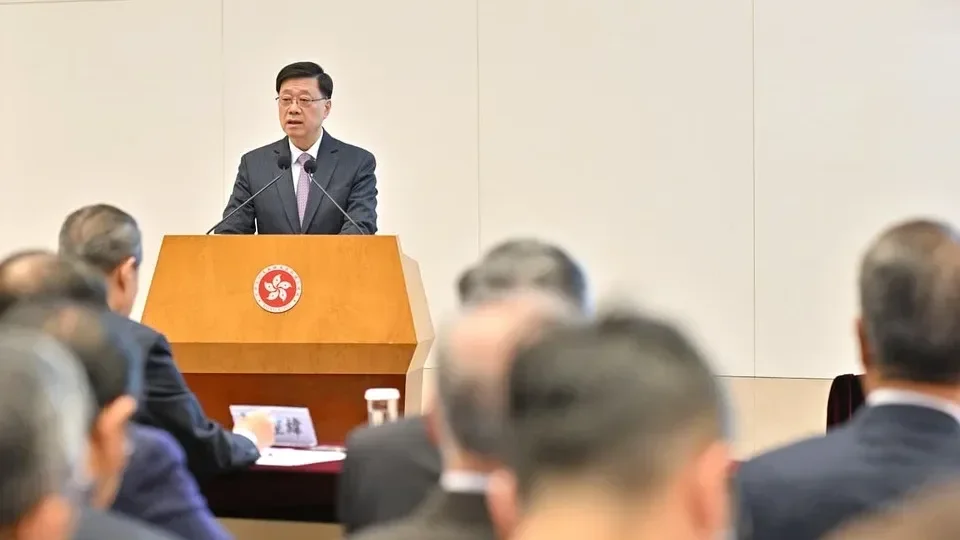

港府近期向立法會提交了一份關於部門首長責任制的文件,建議建立一套調查政府部門運作的制度,並提議修訂《公務員敍用委員會規例》,擴大委員會的調查權限,這些提案將對香港公務員體系產生重大的政治與行政影響。該體系長期以來以韋伯式官僚模式運作,在公眾問責層面明顯存在缺失。
該文件分為三部分展開論述:(1)在公務員考核制度中引入績效問責概念的重要理由;(2)透過兩層調查框架對部門首長責任制度實施二級調查的具體操作方法;(3)修訂《公務員敍用委員會條例》的提案要點。
《施政報告》明確建立部門首長責任制
政府在文件中強調,其致力於強化管治效能、優化部門管理,尤其注重推動管治文化的革新。2025年行政長官李家超在《施政報告》宣布建立部門首長責任制,核心目標是釐清部門主管在推動部門績效提升、提升行政效能與效率,以及構建完善部門問責體系中的角色與責任。
具體而言,各部門負責人須切實提升管理效能,營造積極服務社區的組織文化,着力打造「以人為本」和「成果導向」的部門運作模式。
為培育部門負責人的優秀領導能力,公務員學院將專門為各部門負責人及其副手開設專項培訓項目,培訓內容涵蓋公共部門領導與治理、問責制度、運營管理、積極主動的部門文化建設及人才發展等關鍵議題。
文件第二部分重點探討了擬建立的兩級調查制度。其中,一級調查針對「情節較輕微」的問題,由相關部門主管直接負責處理;若「嚴重」問題出現反覆發生的情況,則將啟動由公務員敍用委員會牽頭的二級調查。《公務員敍用委員會規例》(第93章)第14條為該調查小組的運作提供了明確的法律依據。

特首、司局長均有權啟動二級調查
根據部門首長責任制的相關規定,行政長官、各司局長均有權啟動二級調查。公務員敍用委員會主席將與一名委員會成員共同制定調查職權範圍,隨後正式啟動調查工作。
調查的核心目標是查明問題根源、明確各方責任,並指出政府公務員在履職過程中二級調查小組將由公務員敍用委員會主席及至少一名委員會成員組成,政府將安排輔助人員協助調查小組完成報告撰寫工作。調查報告將提交給啟動此次二級調查的行政長官或相關的司局長。調查小組可根據實際需要,委任獨立專家就調查事項提供專業意見。
若調查發現任何官員涉嫌行為不當,政府將立即啟動公務員紀律處分機制。如果涉及須作出紀律處分的個案報告,必須提交公務員敍用委員會審議,但委員會主席及參與調查的小組成員須迴避該個案的審議工作。為此,行政長官將邀請一名未參與調查小組的委員會成員擔任臨時主席,確保審議過程的公正性。
最後,該文件簡要提及了擬議的法規修訂內容,重點是擴大公務員敍用委員會的職能,使其能夠依法組建調查小組開展二級調查,並在調查的公正性與效率之間實現平衡。因此,公務員敍用委員會開展的每一項調查,都將嚴格遵循明確的職權範圍。
修例後委員會可要求涉事人答辯
修訂後,公務員敍用委員會的調查職能主要包括以下方面:有權要求任何相關人員提供所需訊息或文件,允許查閱此類訊息或文件、要求相關人員解釋訊息或文件內容、在調查小組面前接受問詢、書面答覆相關問題,並配合調查小組開展工作;有權檢查、複製相關訊息或文件,進入並檢查任何政府場所以協助調查,同時可委派包括專家在內的人員協助調查工作。受調查的政府公務員必須積極配合調查小組的各項工作,若未能遵守相關要求,將「依照公務員紀律機制處理」(第6頁)。
需要明確的是,所有調查均屬於內部調查。若調查報告可能批評任何個人或機構,受影響方應有機會提出申辯(調查小組可根據實際情況,允許其以書面或口頭形式申辯)(第7頁)。《公務員敍用委員會條例》修訂案將提交立法會審查審議,預計於2026年10月中旬正式生效。
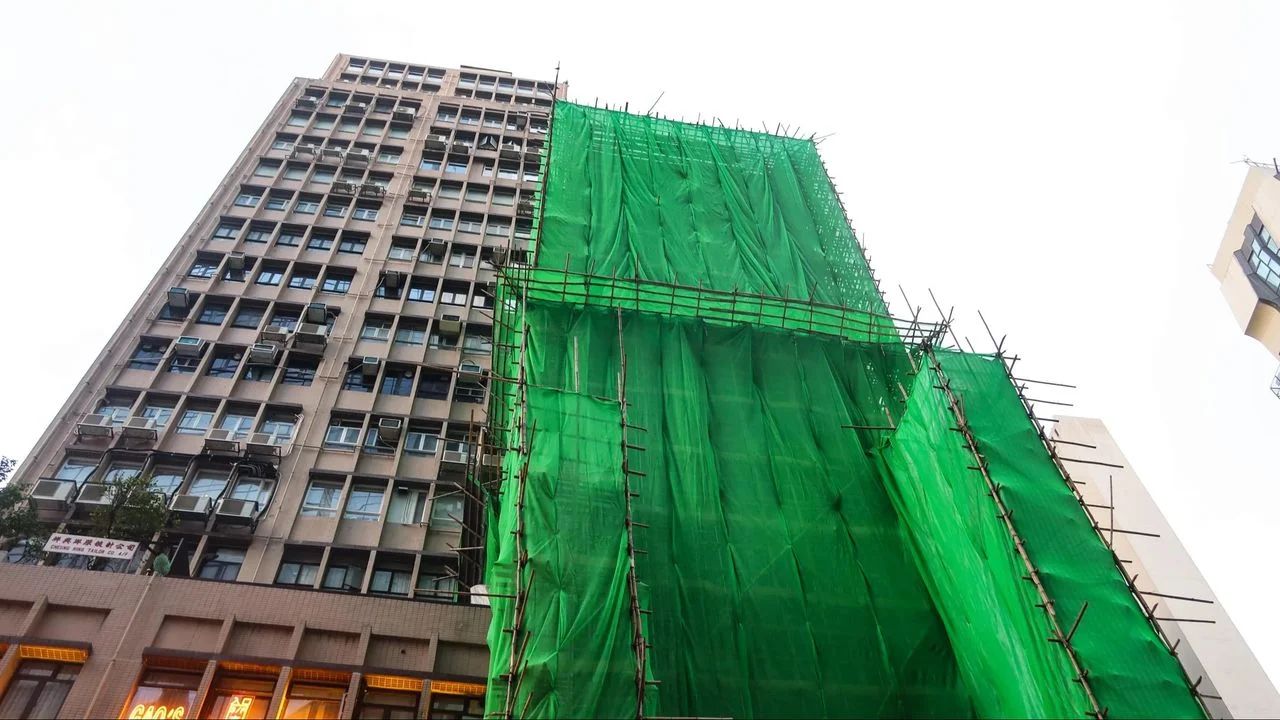
引入部門首長責任制度,在香港早已勢在必行。行政長官李家超早在2022年競選期間,就曾明確提出公務員制度改革的必要性。2025年11月宏福苑火災的發生,進一步突顯了推動公務員制度改革的迫切性;即使在宏福苑慘劇之前,2025年3月的政府辦公室瓶裝飲用水醜聞也已引發公眾對政府部門管理與問責缺失的廣泛關注。
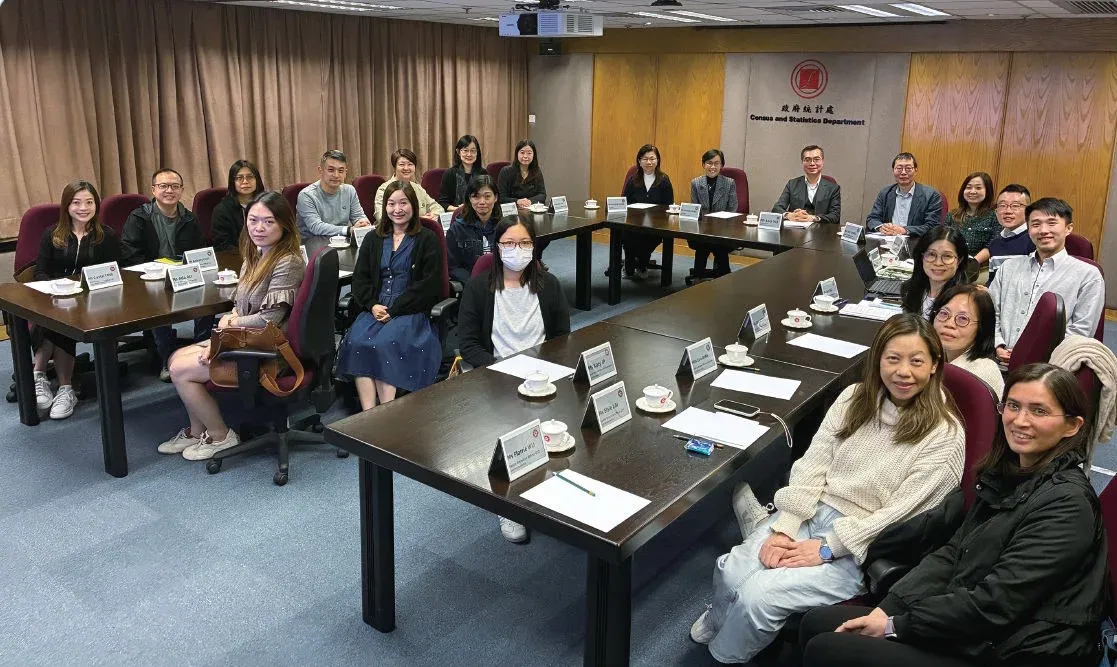
文件未具體界定案件的判斷標準
儘管部門首長責任制度的提出具有積極意義,但該文件仍存在一些模糊之處,須進一步完善:
第一,文件未明確界定政府部門運作中「較輕微」與「嚴重」案件的判斷標準。雖然可初步認為,對公共利益造成重大影響的案件(如造成大量政府開支浪費、導致人員死亡或引發公眾強烈抗議等)屬於「嚴重」案件,但對於兩類案件的具體界定標準,文件尚未作出明確說明,可能導致實踐中出現執行偏差。
第二,調查小組的人員構成尚不明確。雖然由公務員調查下級同事理論上可保障一定的專業性,但從公眾公信力角度出發,理想的調查小組應至少包含一定比例的非公務員成員。調查小組的公正形象,直接關繫到其在公眾眼中的公信力與合法性,不可忽視。
第三,調查報告作為內部文件,意味着大眾媒體與公眾大概率無法獲取其內容。理想情況下,在不損害相關方合法權益、不洩露個人隱私的前提下,可謹慎公開報告的部分內容。換言之,政府須在調查報告的透明度與被調查方的權益保護之間尋求平衡,否則易讓民眾產生政府優先維護自身形象的質疑。
調查內容全部保密難以服眾
第四,若調查報告不向公眾公開,至少應向立法會公開部分內容。立法會議員由市民選舉產生,代表社會各行業的利益與訴求,理應了解調查詳情。若所有調查報告均嚴格保密,易給人調查由上級自上而下發起,立法會未承擔真正監督責任的印象,不利於強化橫向問責。
第五,建議公務員敍用委員會在年度報告中,納入一級、二級調查的案件數量,並簡要介紹案件情況,以此建立並維護一定程度的透明度。否則,部門首長責任制可能淪為單純的垂直問責機制,僅實現部門主管與其上級的責任聯動,而無法真正實現對公眾的問責。
第六,公眾普遍期待公務員學院能夠有效提升部門主管的領導能力與問責意識,但關鍵在於,部門主管的危機應對意識可能不足以應對各類突發危機。若危機管理是香港政府的薄弱環節,那麼公務員學院的培訓課程應重點涵蓋這一議題;此外,建議公務員學院邀請外部專家,採用更具創新性的培訓方式開展教學,摒棄傳統官僚化的培訓模式,提升培訓實效。
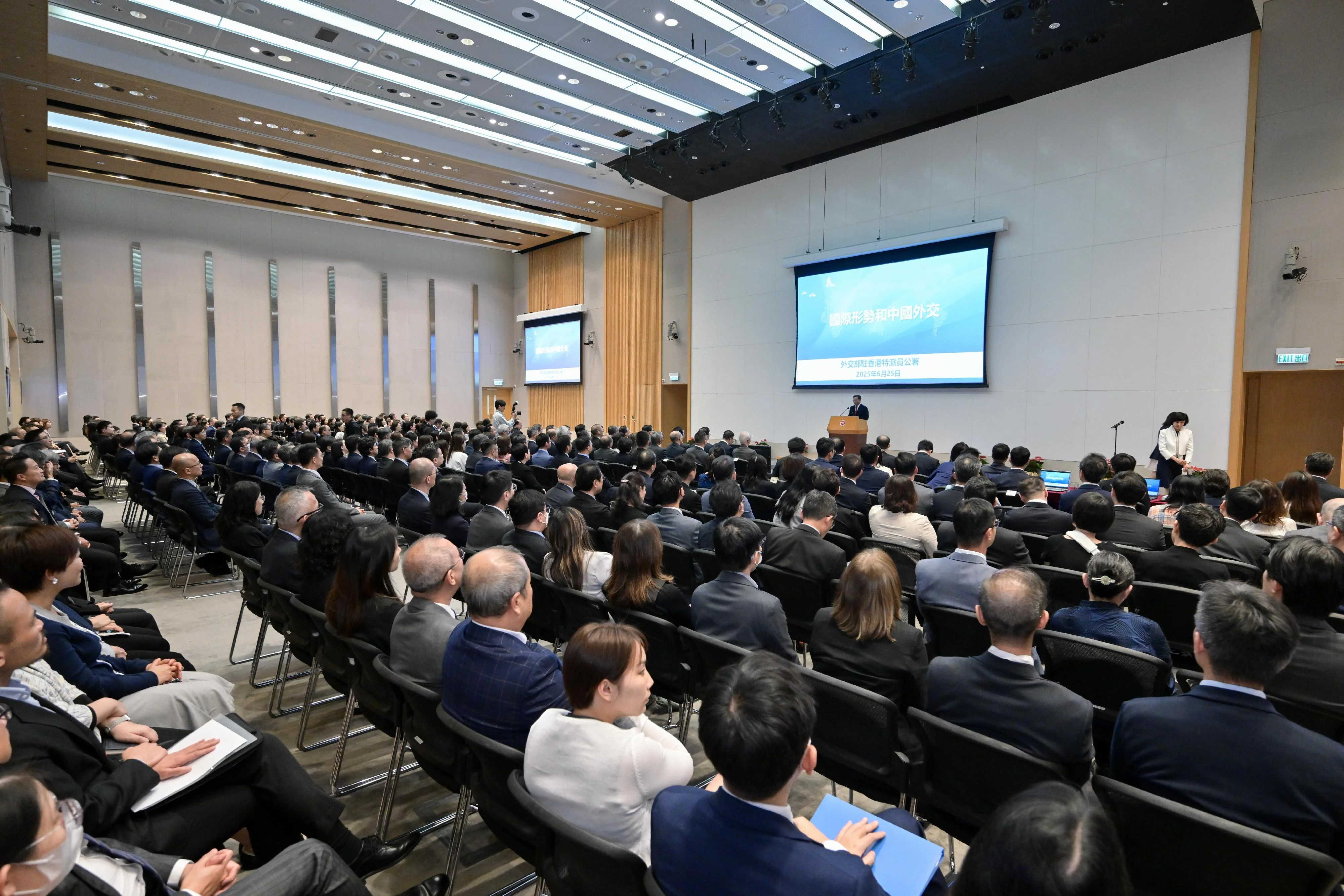
要根本性改變港府管治文化
擬議的部門首長責任制度,旨在推動香港政府管治文化的根本性轉變,但說易行難,其落地過程仍面臨諸多挑戰。
首先,香港政府及各部門的運作模式深受韋伯官僚理論影響,強調等級森嚴、權威至上與分工明確,其中最突出的問題是部門之間缺乏有效協調。以宏福苑居民意見聽取會上的獨立調查小組披露的情況為例,部分居民憤怒地表示,他們撥打999報警熱線後,等待了15分鐘才由警務處轉接至消防處,更有警員要求一位老婦人稍後再撥打電話。這一案例充分暴露了警務處與消防處之間僵化的官僚壁壘,也反映出部門協調能力的嚴重不足。
韋伯式官僚弊端缺乏危機意識
宏福苑火災慘劇的發生,徹底暴露了香港特區韋伯式官僚體制的弊端——紀律部門運作高度官僚化,缺乏足夠的自我反思能力與危機意識,未能及時審視並彌補協調與運作中的薄弱環節。
社會學家馬克斯·韋伯所描述的古典官僚機構呈現等級制度、尊重權威和勞動分工等特點,但這些特點已被證明難以應對政府面對的各類突發危機,而政府尚未以客觀的視角去審視自身在運作、協調與溝通方面的不足,尤其是在危機應對過程中的短板。
希望部門首長責任制度能夠成為政府官僚作風向積極主動領導模式轉變的重要轉折點,推動政府能夠快速應對危機,採取更具前瞻性、預防性的管理方式。儘管該制度文件存在一些模糊之處與漏洞,或許可透過立法會議員的審議與修訂來彌補,但這仍然是香港特區改善管治的一項積極舉措。
若人身安全是國家安全不可或缺的組成部分,那麼宏福苑火災慘劇便殘酷地揭示了香港政府部門問責制度的滯後性。加強政府部門對上級及最高政治領導人的縱向問責固然必要,但更須拓寬部門負責人與部門的問責範圍,使其真正對包括立法會在內的公眾負責,唯有如此,才能避免類似的悲劇再次發生。
The Heads of Department Accountability System in Hong Kong: Political and administrative implications
The Hong Kong government has recently submitted a paper on the Heads of Department Accountability System (HoD Accountability System) to the Legislative Council (LegCo) Panel on Public Service, proposing a system of investigations into departmental operations and suggesting the need to revise the Public Service Commission (Investigation) Regulation (hereafter PSC Regulation). The proposed moves will have significant political and administrative implications for the civil service system, which has traditionally been operating in a Weberian-style bureaucratic mode without much accountability to the public.
The paper is divided into three parts: (1) the rationale of introducing the concept of accountability for performance in the civil service; (2) the modus operandi of Tier Two investigation of the HoD Accountability System; and (3) the gist of the proposal of revising the PSC Regulation.
The 2025 policy address and leadership goals
The Hong Kong government asserts that it is committed to strengthening its governance, improving departmental management, and most importantly reforming the governance culture (LC Paper No. CB(3)313/2026(03). The 2025 Chief Executive Policy Address announced the establishment of the HoD Accountability System, aiming to clarify the role and responsibilities of the HoD in driving and leading departmental performance, improving departmental effectiveness and efficiency, and institutionalising departmental accountability.
Specifically, HoDs will have to enhance managerial efficiency, foster a positive organisational culture of serving the community, and build the “people-focused” and “result-oriented” departments. They must put in place delegation and monitoring mechanisms at various levels so that there will be strong managerial oversight of staff members. Appropriate managerial actions should also be taken to address deficiencies of staff, while internal guidelines and procedures should be formulated robustly for staff members to follow and to adapt the changing governing circumstances. The HoDs should lead departments to conduct effective human resources and fiscal management, producing risk management plans. They should consolidate their “proactive” leadership and supervise “the work of their staff tier by tier” (p. 2), putting in place effective reporting, monitoring and auditing mechanisms.
To train better leadership, the Civil Service College will establish training programmes for HoDs and their deputies, covering issues like public-sector leadership and governance, accountability, operational issues, proactive departmental culture, and talent development.
The two-tiered investigation framework
Part Two of the paper goes deeper into two-tiered investigations in which Tier One refers to those “less serious” problems that should be taken up by the HoD concerned. But when a “serious” problem occurs repetitively, a Tier Two investigation will be conducted by an Investigation Team led by the PSC. Section 14 of the PSC Ordinance (Cap. 93) will provide the legal basis for the operation of the Investigation Team.
Most importantly, under the HoD Accountability System, the Chief Executive, the Secretaries of Departments (SoD) or the Director of Bureau (DoB) can activate Tier Two investigations. The Chairperson and a member of the PSC, which is an independent statutory body, will begin the investigation once the Terms of Reference (TOR) for such investigation are drawn up. The investigation will identify the causes of the problems concerned, attributing the responsibilities to the parties, pointing out any inadequacies of government employees.
The PSC Chair will form an Investigation Team together with at least one member. The government will arrange supporting staff to assist the Investigation Team to compile a report, which will be furnished to the Chief Executive or the SoD or DoB who activates Tier Two investigation. The Investigation Team may appoint independent experts to give advice on the matters under investigation.
If the investigation reveals alleged misconduct of any officer, then the government will follow up with the civil service disciplinary mechanism. The report on the cases that warrant disciplinary measures must be considered by the PSC, but the PSC Chair and member(s) who are in the Investigation Team should be excused from taking part in the PSC’s consideration of the relevant disciplinary work. As such, the Chief Executive should be invited to appoint a PSC member who is not in the Investigation Team to become a temporary chairperson.
Statutory powers and procedural fairness
Finally, the paper touches briefly on the proposed Regulation, making sure that the PSC functions will be expanded for its formation of the Investigation Team to conduct Tier Two investigation and for its need to strike a balance between investigatory fairness and efficiency. As such, each PSC’s investigation will be guided by a set of TOR.
The key components of the PSC’s investigative functions include several aspects. The PSC will be empowered to require any person to produce any relevant information or document, to give access to such information or document, to explain the information or document, to answer questions before the Investigation Team, to answer written questions, and to assist the Investigation Team in its investigatory work. The PSC will also be empowered to inspect and make copies of relevant information or document, to enter and inspect any government premises to facilitate investigation, and to appoint persons, including experts, to assist in the process of investigation. Government employees who are investigated must cooperate with the Investigation Team.
Failure to do so “will be followed up in accordance with the civil service disciplinary mechanism (p. 6).” All investigations will be internal. If an investigatory report may criticise any person or organisation, the affected parties “should be given an opportunity to make representations (be it written or oral as the Investigation Team thinks fit) (p. 7).” After the amendment of the PSC Regulation, it will go through the Legislative Council for vetting and deliberation, and it will come into effect by mid-October 2026 if the period of scrutiny is extended.
Vertical accountability without sufficient public accountability?
The move to introduce the HoD Accountability System was long overdue. Chief Executive John Lee mentioned the need for civil service reform as early as 2022 when he ran for the Chief Executive election. After the Tai Po fire tragedy in November 2025, the imperative of pushing for civil service reform was clear. Even before the Tai Po fire tragedy, the water bottle scandal in March 2025, when the Logistics Department was suddenly found to enter a problematic contract with a company to supply bottled water to government offices, raised the eyebrows of the public.
The proposal of setting up the HoD Accountability System is naturally and generally supported by the public. However, there are several issues that may be raised by critics or some LegCo members, who are expected to provide constructive criticisms and suggestions.
First, it is unclear about the criteria of distinguishing “less serious” from “serious” problems relating to the government’s departmental operations. A problem is considered “serious” if it significantly impacts public interest, such as creating or wasting major government expenses, causing many deaths, or sparking public outcry. At present, the paper does not specify the criteria of categorising a “less” serious problem and a “serious” problem.
Second, it is unclear whether the Investigation Team will still mainly be composed of civil servants. Although civil servants who investigate their colleagues at the lower level will surely be impartial, an ideal composition of the Investigation Team will comprise at least a fixed number of non-civil servants. The image of being impartial will be extremely important to the credibility and legitimacy of the Investigation Team in the eyes of the members of the public.
Third, the Investigation Team’s reports will be internal ones, implying that the mass media and members of the public will likely have no access to its content. Ideally, parts of the reports may be carefully disclosed without affecting the interests and names of the parties concerned. In other words, the government should ideally strike a balance between the transparency of the investigatory reports and the interests of the parties who were investigated. Otherwise, an image of upholding a tacit principle of protecting the good image of the government will be created in the minds of the public.
Fourth, if the Investigation Team’s reports will not be accessible to the public, then will such reports be released partially at least to the LegCo, whose members elected by the ordinary citizens and whose representatives from various occupational sectors will be able to be informed of such investigations? Otherwise, keeping every investigatory report confidential will create an impression that the investigation will be initiated by the higher authorities in a top-down manner without genuine accountability to the LegCo.
Fifth, the annual report of the PSC should ideally cover the number and perhaps a very brief content of the cases being investigated in Tier One and/or Tier Two so that some degree of transparency will be adopted and respected. Otherwise, the HoD Accountability System will likely be a vertical accountability mechanism binding the relations of the HoDs to their superiors only without genuine accountability to the public.
Sixth, it is assumed that the Civil Service College can and will train better leadership and stronger accountability of the HoDs. The crux of the problem is that the crisis consciousness of HoDs may not be strong enough to deal with all kinds of crises. If crisis management is a major weakness of the Hong Kong government, then the training programmes to be provided by the Civil Service College should cover such an important topic. Moreover, the Civil Service College should ideally invite outsiders to train HoDs in a more innovative way rather than adopting the traditional way of training them on the bureaucratic procedures and operations.
Challenge of changing governance culture
The proposed HoD Accountability System aims at transforming the governance culture of the Hong Kong Special Administrative Region (HKSAR). However, it is easier said than done.
First, the HKSAR government and its departments have been run in a Weberian fashion, with the emphases on hierarchy, authority and division of labour. The most problematic issue is the lack of coordination among government departments. Take the example of the ongoing independent panel that is hearing the views of the residents of the Tai Po fire tragedy. A few residents complained angrily that they had to wait for fifteen minutes for the hotlines of 999 call centre to shift from the police to the fire services department (Ming Pao, April 16, 2026). The bureaucratic relations between the police and fire services department were fully revealed in such cases in which one police even asked an elderly woman to call back (Ming Pao, April 16, 2026).
Perhaps embarrassingly, the government reveals that it will replace fax messaging between police and firefighters with a digital system and to increase phone lines at emergency call centres. Secretary for Security Chris Tang said in the LegCo’s Finance Committee meeting on April 17: “We do think it is undesirable to fax the information to the fire department. In the next one to two months’ time, we will establish a mechanism to pass on the information we have obtained digitally to the fire department (South China Morning Post, April 18, 2026).”
The hearing revealed that the police emergency centre has 200 phone lines, while the fire department only has 30. It was easy to encounter a “bottleneck” when the residents of the Wang Fuk Court called the police’s emergency line, while the thirty lines of the fire services department were inadequate to manage so much emergency reports. If disciplinary forces operated in a highly bureaucratic fashion without sufficiently self-critical perspective, without crisis consciousness, without a much earlier review of their coordination and operational weaknesses, then the Tai Po fire tragedy fully exposed the weaknesses of the Weberian-type bureaucracy of the HKSAR.
Second, the HKSAR bureaucracy has traditionally been ill-equipped to deal with crises. The outbreak of the avian flu in 1997-98, the occurrence of the severe acute respiratory syndrome in 2003, the outbreak of Covid-19 and its variants from 2020 to 2022, and the 2025 Tai Po fire tragedy exposed a consistent pattern: namely many departments of the HKSAR government were weak and sluggish in coping with sudden crises.
Take the recent example of the Tai Po fire tragedy. The Fire Services Department defensively responded to the independent panel’s question about why 100 Shenzhen firefighters and 20 fire engines on standby at the border were not called to help with the Wang Fuk Court rescue. The reply from the Fire Service Department was that the two teams of firefighters were “incompatible,” emphasising the differences in the use of equipment, language and practice (South China Morning Post, April 18, 2026). For example, the Hong Kong firefighters use the emergency signal “mayday” to call for help, but the mainlanders use different term. Such justification was unconvincing in the minds of some people; a careful and humble reading of the views of the netizens in social media platforms shows that many ordinary citizens are still truly angry and upset about the performance of the government in the Tai Po fire tragedy.
The characteristics of the classical bureaucracy as depicted by sociologist Max Weber – hierarchy, respect for authority, division of labour – have proven to be ill-equipped for the HKSAR government to deal with various sudden crises since the transfer of sovereignty from Britain to China on July 1, 1997. Nevertheless, the HKSAR government has not yet adopted a more objective perspective to probe its own operational, coordination, and communication weaknesses, especially in the event of crises.
Toward a more proactive leadership
Hopefully, the HoD Accountability System will become a turning point in transforming the bureaucratism of the HKSAR government to a more proactive leadership punctuated by swift responsiveness to crises and a far more pre-emptive style of management than ever before. Although the paper on the HoD Accountability contains some ambiguities and loopholes, which may be plugged and addressed by the LegCo members, it is a small positive step toward better governance in the HKSAR. As Director Xia Baolong of the Hong Kong Macau Affairs Office said, the improvement in the governance of the HKSAR, especially national security, is crucial.
If human security is an indispensable ingredient of national security, the Tai Po fire tragedy served as a rude awakening to the backwardness of “accountability” of the government departments in Hong Kong. Strengthening the vertical accountability of government departments to their superiors and political leaders at the top is necessary, but widening the concept of accountability of departmental heads and departments to make them truly accountable to the members of the public, including the LegCo, will be necessary so that another Tai Po fire tragedy must be avoided.
原刊於澳門新聞通訊社(MNA)網站,本社獲作者授權轉載。(原文按此)