


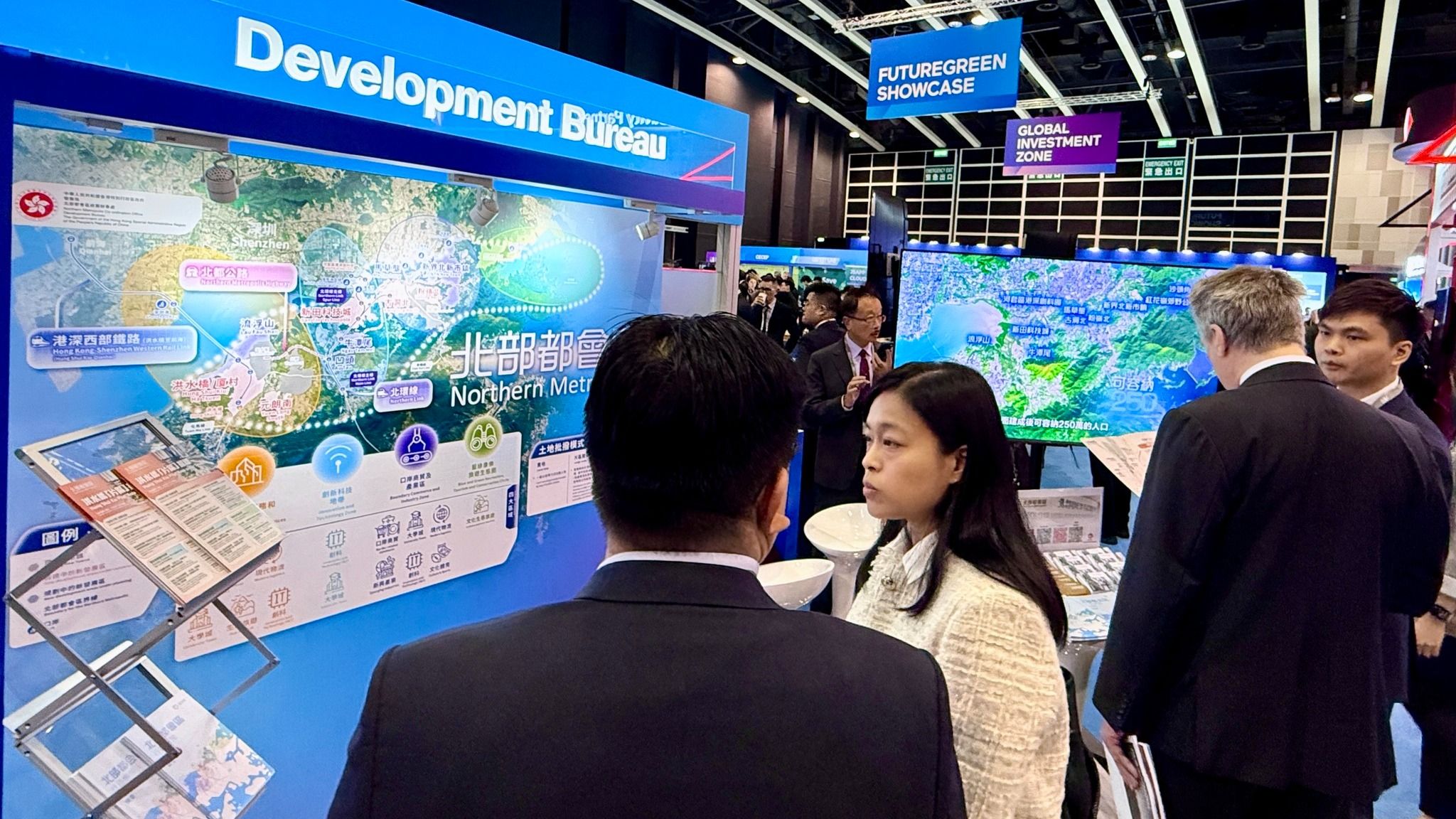


新界北部都會區(簡稱北都)的開發,不僅標誌着新界地區城市化進入收官階段,更折射出香港特區政府的施政重點。無論從地緣政治、還是技術經濟層面來看,加快北都發展對深化港深兩地融合具有至關重要的意義,同時也清晰體現了其與橫琴粵澳深度合作區(簡稱橫琴合作區)的發展差異。
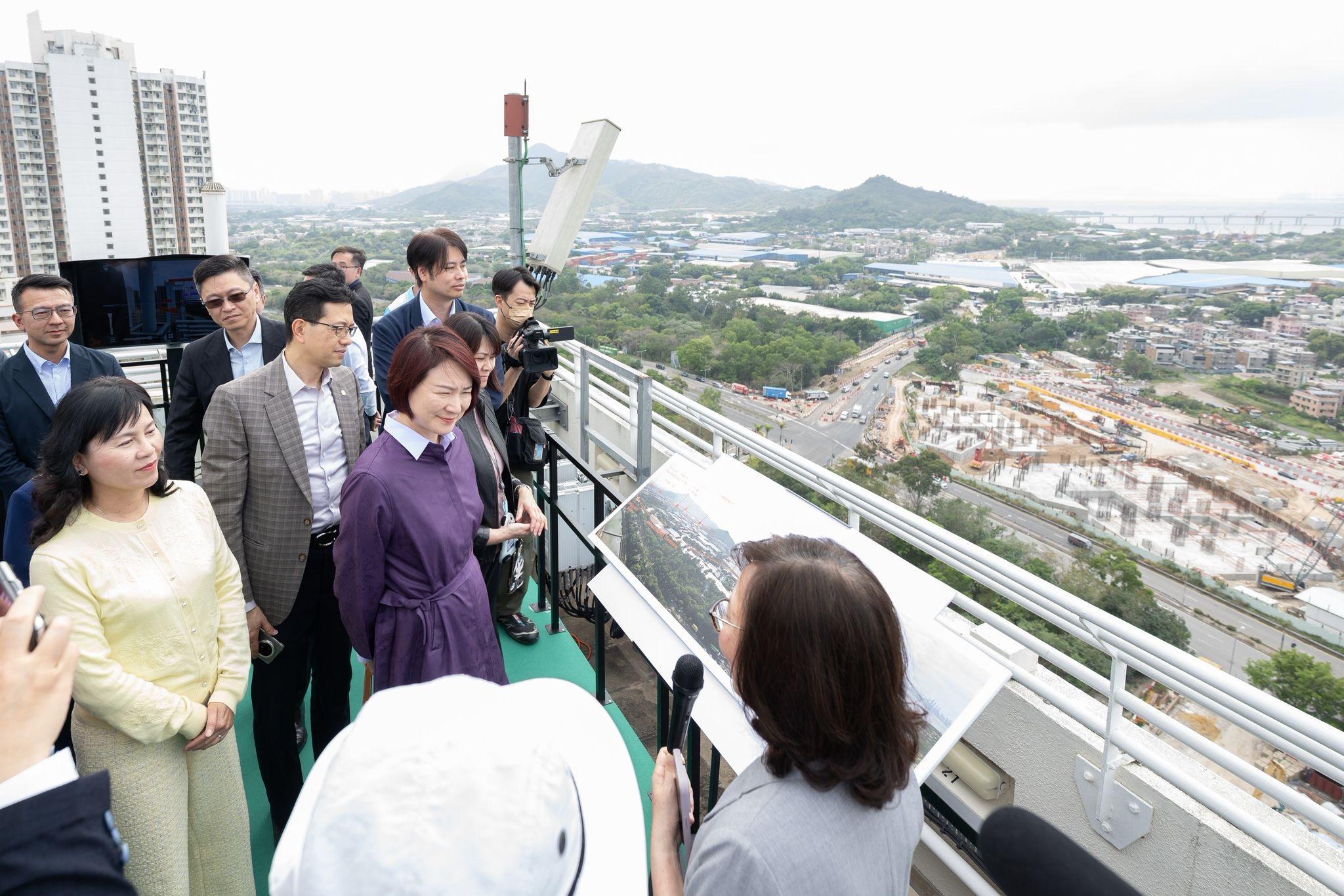
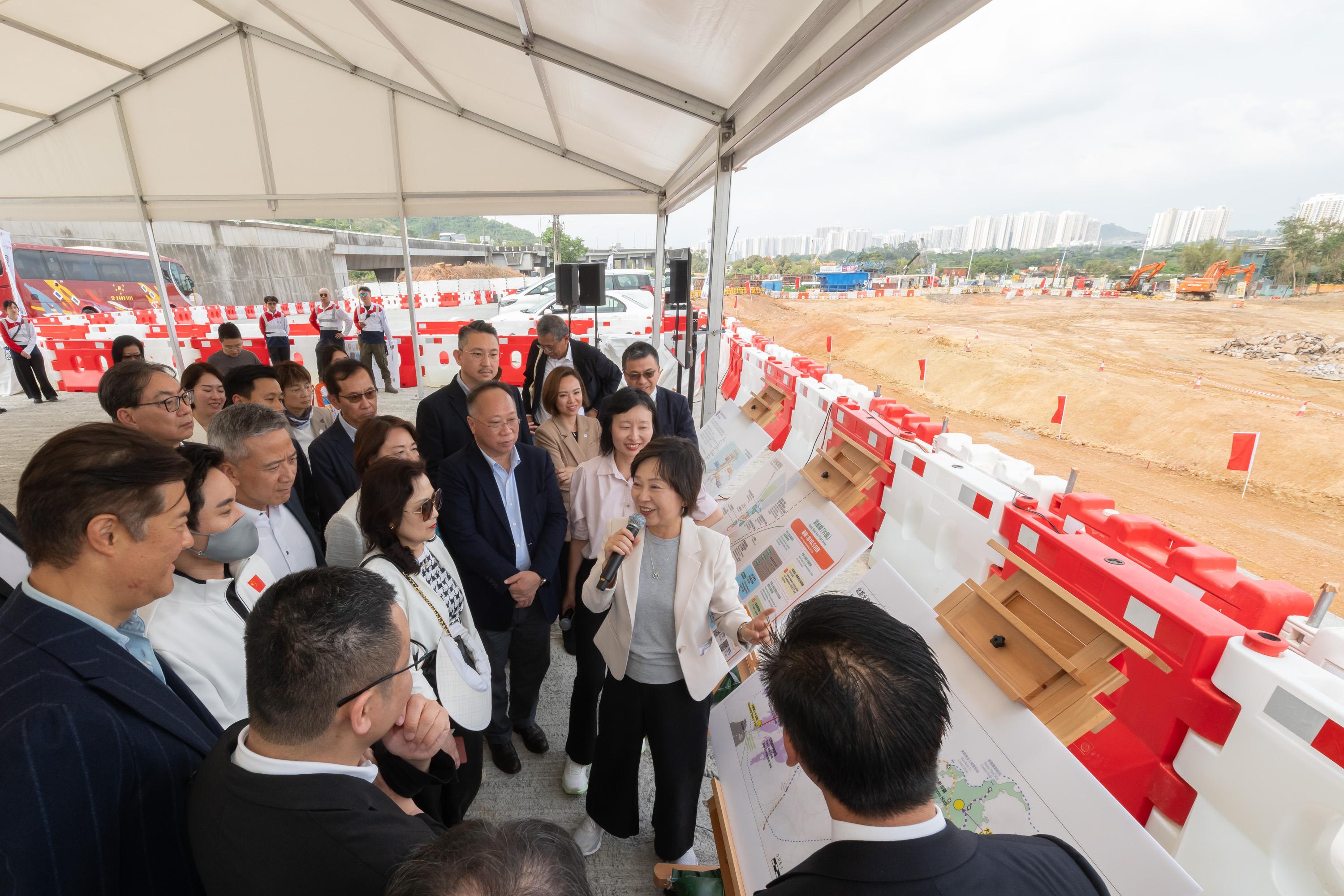
3月26日,由46名立法會議員及政府官員組成的代表團,走訪了北都轄下的洪水橋及厦村新發展區,詳細了解該區的整體規劃布局與最新建設進度。
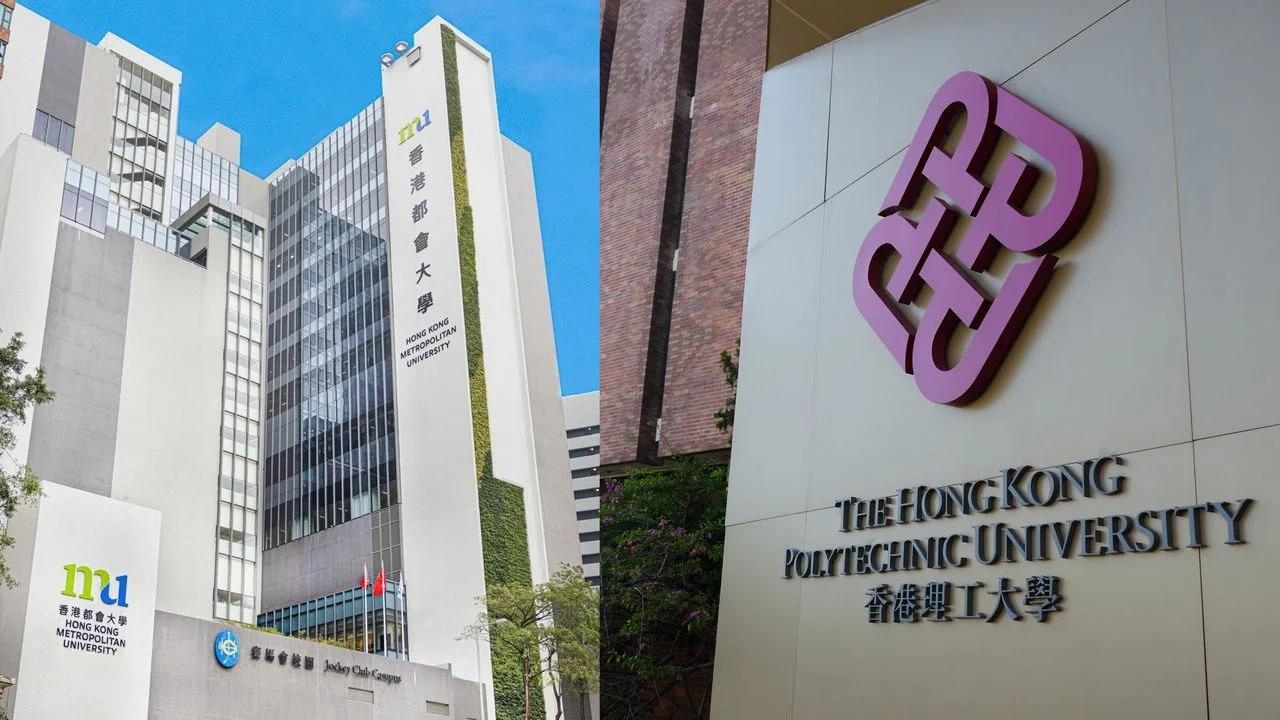
據了解,洪水橋產業園有限公司將於2026年中期正式投運,其核心職能在於加速該區發展進程,助力香港經濟實現多元化發展。代表團期間參觀了區內的北都大學城,大學城的建設有望進一步鞏固香港作為國際專上教育樞紐的核心地位。
資料顯示,洪水橋與厦村地區規劃提供約250公頃土地資源,其中100公頃用於工業發展,剩餘土地則用於住宅建設,以兼顧產業發展與民生需求。
潤江智算獲批沙嶺數據園區50年營運權
2026年3月2日,創新科技及工業局對外宣布,已將新界北區沙嶺數據園區用地批予唯一入標企業——香港潤江智算科技,批租期為50年。該園區預計2029年投入運營,頭三年初始投資額達238億港元,預計帶來46億港元的經濟產出,並創造180個以技術為核心的新增就業崗位;到2032年,該數據集群將可提供高達180 exaflops的運算能力。
創新科技及工業局局長孫東表示,沙嶺數據園區的建設將鞏固香港作為連接中國內地與世界的數據樞紐的領先地位,並推動人工智慧與產業發展的深度融合,為香港創新科技產業注入新動能。
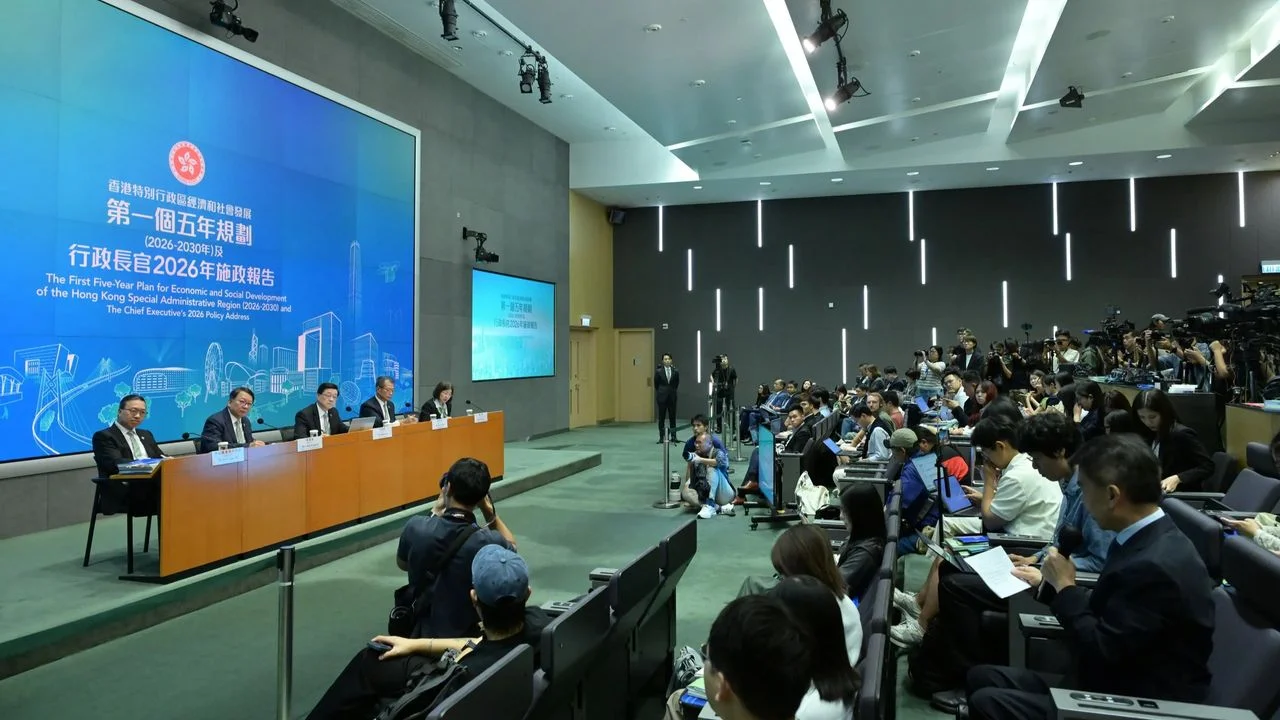
3月29日,發展局局長甯漢豪向媒體透露,即將展開公眾諮詢的北都專屬法例,將授權政府簡化相關法定程序,力爭讓北都各項建設項目提速一年。事實上,北都開發計劃早在2021年便已宣布,但其後一段時間的發展進度相對緩慢,此次專屬法例的推出,正是為了破解這一困境。
專屬法例涉六大範疇 加快土地用途變更
北都專屬法例涵蓋六大核心範疇,包括成立法定園區公司、加快土地徵收補償的支付進度、引入內地標準建設鐵路等新技術應用等。此外,城市規劃委員會的審查輪次將由兩輪減少至一輪,諮詢期相應縮短至兩個月,以此加快土地用途變更的審批效率。
此次訪問北都的代表團成員中,包含北都發展委員會下屬大學城籌劃及建設組成員,香港八所政府資助大學亦派代表參與其間。這一安排充分體現了特區政府積極動員本地高校,借鑒內地建設經驗,高效推進北都大學城建設的決心。
北都大學城規劃佔地面積達101公頃,橫跨洪水橋、厦村、牛潭尾及北都核心區域。其中,洪水橋及厦村大學城第一期工程已擴展至9公頃,首批三幅地皮計劃於2026年推出。為支持大學城建設,特區政府已設立100億港元貸款基金,用於資助自籌資金院校的基礎設施建設。
為加快大學城發展 港大探索發債可行
3月30日,香港大學開始探索發行債券以資助其在大學城發展的可行性,為此舉行了為期兩天的非交易路演,該路演由滙豐銀行安排。若港大參與大學城融資方案屬可行的話,將可減輕公共財政的壓力。
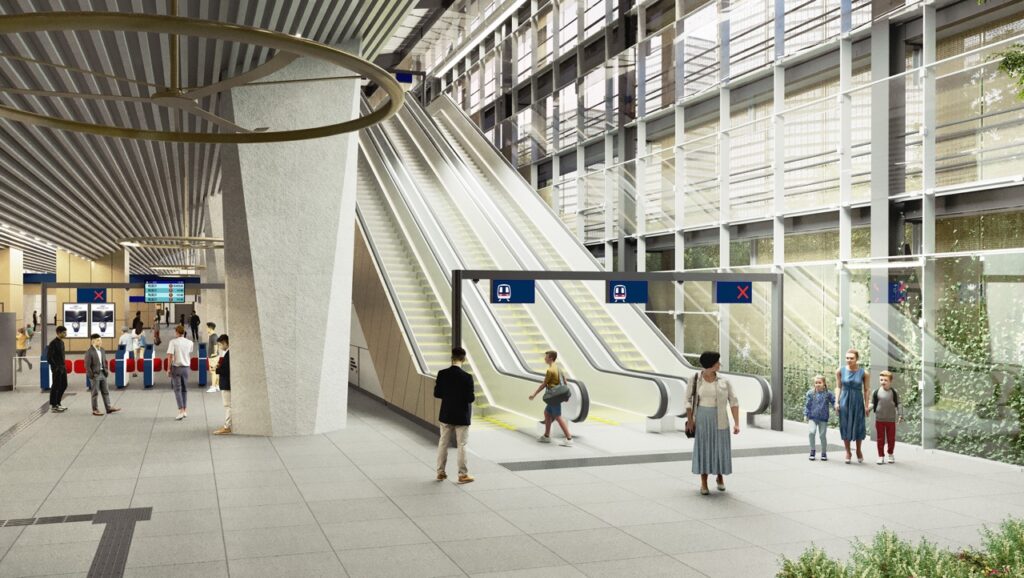
在交通網絡建設方面,運輸及物流局局長陳美寶表示,多項重點工程正加速推進。其中,港深西部鐵路香港段的勘測工作有序開展,目標是2027年完成詳細設計及施工招標,計劃2034年竣工、2035年投入使用;此外,古洞站預計2027年完工,洪水橋站則計劃2030年建成。
值得注意的是洪水橋站將定位為現代化物流樞紐,以智慧、綠色為核心特色構建公共運輸系統,其第一階段工程預計於2026年底啟動招標。同時特區政府計劃在2026年推動低空經濟發展,並探索開通連接北都與深圳、廣州的跨境物流及客運航班,提升跨境交通布局。
自2023年特區政府公布北都發展計劃以來,該區發展進程明顯加快,尤其在李家超於2025年9月主持召開北都發展委員會第一次工作會議後,各項工作更是按下「加速鍵」。
與此同時,北都發展仍面臨諸多挑戰:首要挑戰是加快大學城建設進度,為產業發展提供人才支撐;其次是提速交通網絡建設,否則難以吸引其他地區居民遷居北都;而要應對這兩大挑戰,必須加快住宅用地開發,否則本地土地開發商的投資動力將難以保障。
最優解是為四大區域制定具體建設時間表
北都發展面臨的最大挑戰,在於如何實現四大功能區域的均衡建設,這四大區域分別是:(1)高端專業服務與物流中心;(2)創新科技區;(3)邊界商業與產業區;(4)藍綠休閒、旅遊及自然保護圈。目前創新科技區的建設速度遠超其他三個區域,對此,最優解決方案是為四大區域分別制定具體建設時間表,並在每個發展階段設定明確的關鍵績效目標,確保協同發展。
中央政府充分瞭解香港的發展特殊性,包括其更為複雜的土地使用協商程序,尤其不同於澳門─橫琴合作區的法律體系──後者採用內地制定的法律、法規及公告,這也解釋了為何內地政府一直強調行政主導在香港治理中的重要性。
澳門─橫琴合作區的顯著特點是實行共同治理的組織架構,由澳門與廣東兩地高級官員組成最高管理委員會,統籌推進各項建設。
相比之下,北都位於香港特區境內,特區政府本應更易管控與開發,但受傳統土地使用協商模式、土地收回與徵用的現實需求,以及調動本地土地開發商投資積極性的難度等因素影響,北都開發的複雜性與耗時程度遠超澳門─橫琴合作區。
北都開發複雜超橫琴 須加強與深圳協商
與此同時,香港遲早須進一步加強與深圳的跨境溝通協調,才能更高效地推進港深西部鐵路等跨境基礎設施的建設與落成。
北都與橫琴合作區的發展,具有更為深遠的全域意義,涉及地緣政治、社會經濟、技術創新等多個層面。從地緣政治角度來看,兩者的發展均屬於中國內地長期發展藍圖的重要組成部分,其中香港與澳門分別承擔着與深圳、珠海深度融合的特殊功能。
在中美貿易與技術緊張局勢延續的背景下,中央政府已將粵港澳大灣區打造成為中國南方的經濟強極,而北都與橫琴合作區的建設,正是推動大灣區一體化發展的重要支撐。
總而言之,北都發展目前已進入突破發展的關鍵階段,但其進一步推進仍需在強有力的領導下,加強政府內部的協調配合。不同於橫琴合作區易於構建聯合治理模式的特點,北都發展面臨的場景更為複雜,但只要具備堅定的政治意願與強有力的領導力,北都的順利建成只是時間問題。屆時,香港將能更快、更深入地融入粵港澳大灣區的功能一體化與地域一體化進程,為自身長遠發展注入持久動力。
New developments of the Northern Metropolis: Comparisons and contrasts with Macau-Hengqin Cooperation Zone
The most recent developments in the Northern Metropolis(NM) in the Hong Kong Special Administrative Region (HKSAR) signal not only the final stage of the urbanisation of parts of the New Territories, but also the policy priority of the John Lee administration. The development of the NM is geopolitically and techno-economically significant for Hong Kong’s deeper and faster integration with Shenzhen. It also illustrates important similarities and differences in comparison with the Guangdong-Macau In-Depth Cooperation Zone in Hengqin (hereafter Macau-Hengqin CZ).
On March 26, a group of 46 members from the HKSAR Legislative Council (LegCo) and government officials visited the NM to comprehend the overall planning and latest development of the Hung Shui Kiu and Ha Tsuen’s New Development Area, which is located at the NM’s western part (Government Press Release, March 26, 2026). Starry Lee, the LegCo President, and four secretaries were among the forty-six members of the group, including Secretary for Development Bernadette Linn, Secretary for Transport and Logistics Mable Chan, Secretary for Education Christine Choi, and Acting Secretary for Constitutional and Mainland Affairs Clement Woo.
LegCo members learnt that the Hung Shui Kiu Industry Park Company Limited would commence operation in mid-2026, and that the company will accelerate the development of the NM and promote Hong Kong’s economic diversification. They visited NM’s University Town, which is expected to consolidate Hong Kong’s role as an international higher education hub. Members also inspected the New Development Area’s Community Liaison Centre, where they were briefed on the developmental blueprint and the green transportation network.
Accelerating infrastructure and data hub ambitions
During the March 26th visit of LegCo members to NM, Bernadette Linn revealed that the Hung Shui Kiu and Ha Tsuen areas are expected to supply around 250 hectares of land, in which 100 hectares will be devoted to industrial development while others will be used for housing construction (RTHK, March 26, 2026). The visit of the LegCo members was arranged obviously to let them understand deeper on the NM’s development, expecting them to support and give constructive feedback to the forthcoming government legislation dedicated to developing the NM in a more rapid, efficient and effective manner.
On March 27, it was announced that a new data centre park at Sandy Ridge – an important project for NM’s development – is going to be constructed (Hong Kong Standard, March 27, 2026). The computing power will be boosted by 36 times, and NM will be poised to become a leading regional and international data hub.
A groundbreaking ceremony for the Range (Hong Kong) Sandy Ridge Data Facility Cluster was held and hosted by the Range Intelligent Computing Technology Group Company Limited – a significant event pinpointing the development of a new technology and innovation policy in the HKSAR. Government officials who attended the ceremony included Permanent Secretary for Innovation, Technology and Industry, Kevin Choi, and Acting Commissioner for Digital Policy, Daniel Cheung. The Range’s chairman, Zhou Chaonan, and general manager, Li Li, also attended. The Sandy Ridge Data Facility Cluster, which occupies 110,000 square metres, is a critical part of NM’s innovation and technology strategy.
Legislative streamlining and higher education integration
The land for the advanced data cluster was awarded through a public tender on March 2, 2026. The Range got a 50-year land grant, and it was the sole bidder of the project (South China Morning Post, March 28, 2026). The cluster will operate in 2029 with an initial investment of HK23.8 billion in the first three years, and with an expected economic output of HK4.6 billion and 180 new technology-focused jobs. In 2032, the cluster will provide a massive 180 exaflops of computing power.
According to Secretary for Innovation, Technology and Industry Sun Dong, the cluster will “solidify the city’s leading position as a data connectivity hub connecting China and the world” and it will “strengthen the deep integration of artificial intelligence and industrial development, which resonates with our country’s strategy of implementing AI Plus” (South China Morning Post, March 28, 2026). Obviously, NM is a crucial part of the innovation and technology policy of making full use of the HKSAR as a super-connector, connecting the mainland with the world on the one hand and tapping into the Chinese Mainland’s fast and advanced technological advantage on the other.
On March 29, Bernadette Linn told the media that dedicated legislation that would streamline statutory procedures would speed up the projects and development of the NM by one year (South China Morning Post, March 29, 2026). The proposed legislation would include six subsidiary laws that would aim at removing obstacles to the process of developing the NM, while increasing the residential components of some developmental sites to lure investment from land developers. The megaproject of developing the NM was announced in 2021 but its process of development was relatively slow.
Mobility, connectivity, and policy learning
Chief Executive John Lee has decided to expedite NM’s development by aligning it with the mainland’s five-year plan. New measures to speed up the NM include the establishment of statutory firms, the faster process of land resumption payments and the adoption of new technologies of railway construction by using the mainland’s standards. Moreover, the process of changing land use is going to be streamlined by reducing the review by the Town Planning Board from two to one round, thereby shortening the consultative process to two months. At the same time, the green belt land, country parks and areas of ecological value will be excluded to strike a balance between development and sustainability.
On March 31, Chief Secretary Eric Chan led a delegation, including Secretary for Education Christine Choi, Undersecretary for Commerce and Economic Development Bernard Chan and Head of the Chief Executive’s Policy Unit Stephen Wong, to Zhejiang, Beijing and Xiong’an New Area (Hong Kong Standard, March 30, 2026).
The delegation included members of a working group on the planning and construction of the University Town under the Committee on Development of the NM. Most importantly, the representatives of the eight HKSAR government-funded universities joined the delegation – a sign showing that the government is keen to mobilise local universities to learn from the mainland’s experiences to develop the NM’s University Town in a more effective way. In particular, the Xiong’an New Area in Hebei is regarded as China’s national developmental strategy and, as such, learning from its rapid development has implications for policy learning in the construction of the University Town in NM.
Strategic financing and strategic challenges
The University Town, according to Secretary for Education Christine Choi, is planned to cover 101 hectares across Hung Shui Kiu, Ha Tsuen, Ngau Tam Mei and the New Territories North (Hong Kong Standard, March 26, 2026). The initial phase of University Town in Hung Shui Kiu and Ha Tsuen has been expanded to nine hectares with the first three plots to be released in 2026. The government has established a HK$10 billion loan fund to support the infrastructure development of self-financing institutions.
With regard to transport networks in the NM, Secretary for Transport and Logistics Mable Chan stated that multiple projects are accelerated, including the surveying process of the Hong Kong section of the Hong Kong-Shenzhen Western Rail Link with the objective of tendering for detailed design and construction in 2027 for a targeted completion in 2034 and opening in 2035 (Hong Kong Standard, March 26, 2026). Other projects include the new Kwu Tung station, which is expected to be completed in 2027, and Hung Shui Kiu Station, which is targeted for 2030. Hung Shui Kiu will be positioned as a modern logistics hub and be characterised by a smart and green mass transit system, with the first phase expected to be tendered in late 2026. At the same time, the government will promote the development of the low-altitude economy in 2026 and explore the development of cross-boundary logistics and passenger flights connecting NM with Shenzhen and Guangzhou more easily.
On March 30, the University of Hong Kong (HKU) started to explore a potential bond issuance to finance its expansion into the University Town by holding a two-day non-deal roadshow (NDR) arranged by HSBC (Hong Kong Standard, March 30, 2026).
Comparing the Northern Metropolis and Hengqin models
Objectively speaking, since the HKSAR government published its action plan for the development of the NM in 2023, the process of development has been accelerated prominently, especially after John Lee’s chairmanship of the first work meeting of the Committee on Development of the Northern Metropolis in September 2025. The most recent developments can be hailed as a successful breakthrough. Challenges remain. The first challenge is to speed up the process of developing the University Town. Another challenge is to speed up the transportation networks without which people from other areas cannot and will not easily move to reside in NM. This second challenge must be tackled by a more rapid development of the residential sites without which local land developers may lack sufficient incentives.
The most important challenge to the NM’s development is how to make the construction of the four zones more balanced: (1) high-end professional services and logistics hub; (2) innovation and technology zone; (3) boundary commerce and industry zone; and (4) blue and green recreation, tourism and conservation circle. At present, the innovation and technology zone is developed in a much faster way than the other three zones. Ideally, a specific timeline for completing the four zones will have to be delineated with key performance targets set within their own timeframe.
Perhaps the central authorities in Beijing fully understand the complexities of Hong Kong, including the more complicated consultative process of land use in the HKSAR and especially the different legal system compared with the Macau-Hengqin CZ which utilises the mainland-initiated laws, regulations and notices. Therefore, this explains why mainland authorities often emphasise the importance of the executive-led governance in the HKSAR.
Governance, integration, and GBA vision
The Macau-Hengqin CZ is characterised by a co-governing structural mechanism in which there is a top-level management committee with top officials from Macau and Guangdong sides. The Northern Metropolis is located within the HKSAR. Theoretically and practically speaking, it should be much easier for the government to control and develop. Yet, the traditional approach of deliberation consultation in land use, the need for resumption and requisition of land, and the difficulties of mobilising local land developers to invest make NM’s development even more complicated and time-consuming than the Macau-Hengqin CZ. Sooner or later, the HKSAR side will have to enhance cross-boundary communication with Shenzhen so that the Hong Kong-Shenzhen Western Rail Link will be built and completed in a more efficient way.
The broader implications for the development of the Northern Metropolis, and that of the Macau-Hengqin cooperation Zone, are geo-politically, socio-economically and technologically significant. Geopolitically, the development of NM and Macau-Hengqin CZ belong to the Chinese Mainland’s long-term developmental blueprint in which Hong Kong and Macau have their special functions that are going to integrate with Shenzhen and Zhuhai respectively. Amid US-China trade and technological tensions, the GBA has already been designed by Beijing to become a southern Chinese economic powerhouse.
In conclusion, the development of the Northern Metropolis in Hong Kong has entered a breakthrough stage, but its further development will necessitate more efforts of intra-governmental coordination amid a strong leadership. Unlike the Macau-Hengqin Cooperation Zone in which a joint co-governing model has been formulated more easily, the Northern Metropolis is ironically more developmentally complicated. Still, with political will and leadership in place, the completion of the Northern Metropolis will be a matter of time, thereby equipping the HKSAR well into a more speedy and much deeper functional and territorial integration into the GBA.
原刊於澳門新聞通訊社(MNA)網站,本社獲作者授權轉載。(原文按此)