


2025年12月7日立法會換屆選舉,對香港政治新形勢構成重大影響。親北京的民建聯在立法會選舉慘勝,取得20個席位,跟上屆立法會選舉相比,該黨損失了近24.8萬張地區直選選票。今屆選舉稍堪告慰的是31.9%的直選界別總投票率,略高於2021年的30.2%。
投票率略有上升,主要是因為政府動員公務員投票,以及親北京組織鼓勵成員去投票,這抵銷了受大埔火災悲劇心理影響而棄權的登記選民人數。
在全港十個直選選區中,民建聯每個選區都只贏得了一個席位,而且支持票大減,前主席李慧琼的得票從2021年的95976票下降到2025年的53529票,減少了42447票。現任主席陳克勤以41612票直選當選,但仍比他2021年獲得的62855票減少了21243票,支持度甚至落後於新民黨的李梓敬,後者獲得了42749票。
大火悲劇累選情 黃碧嬌角色惹爭議
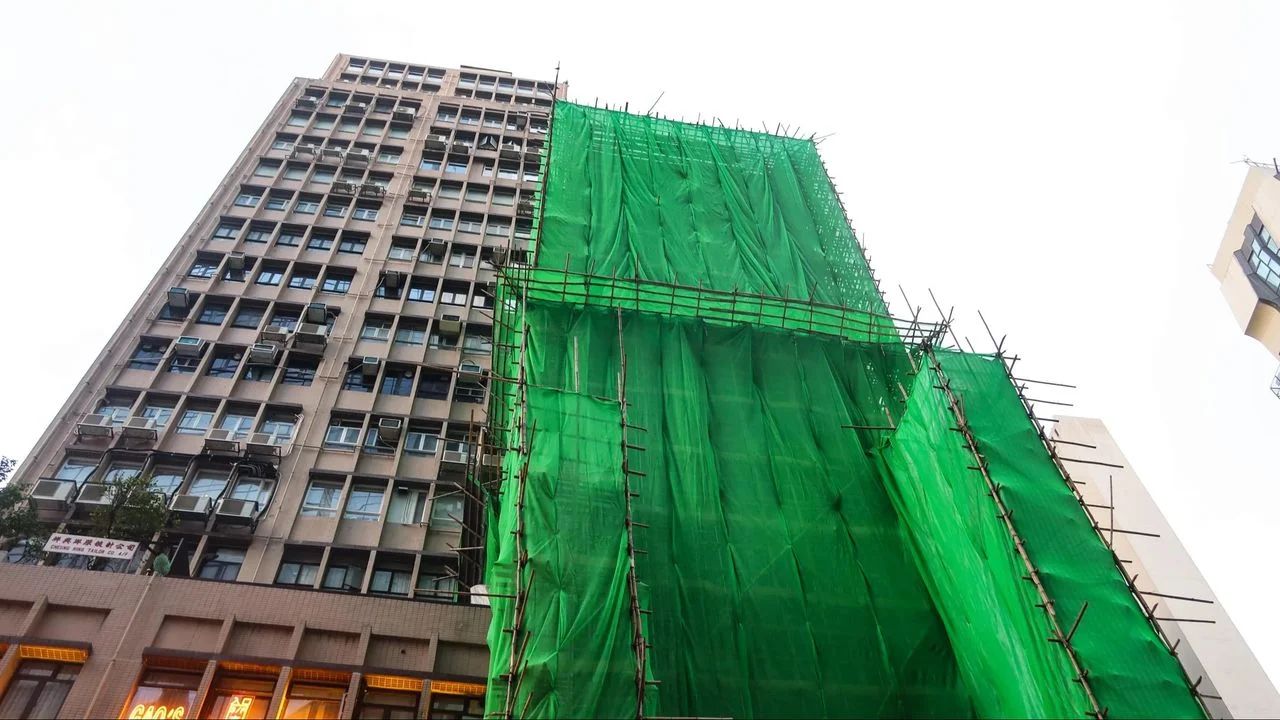
11月發生的大埔火災悲劇引發了關於民建聯議員黃碧嬌在事件中扮演角色的爭議。黃碧嬌曾向媒體表示,她會就宏福苑業主立案法團的潛在貪污問題,向廉政公署提交報告。這場爭議導致民建聯遭到普羅大眾嚴厲批評,其直選票數的下降可能至少部分歸因於外界對該黨的負面看法。
儘管民建聯在這些選區各有一名參選人當選,但他們的得票數卻不如工聯會的候選人。這一結果表明,民建聯透過將參選人名單拆分為兩份名單,稀釋了自身的選票,從而使工聯會候選人受益。 九龍東直選,民建聯新人張培剛與全港男票王工聯會的鄧家彪勝出,分別以29116和 53675當選。曾在2021年以64275高票當選的現任議員顏汶羽今次大量流失40025票,部分更相信是流往同為民建聯卻當選的張培剛,顏的得票甚至比報稱無黨派的梁思韻還低。自1990年代以來,工聯會被視為民建聯選舉的輔助組織,協助其對抗泛民主派勢力。隨着2021年後泛民主派被排除和消滅,愛國陣營內部的分裂日益明顯。
此外,方國珊在新界東南選區的勝選,表明選民認可其堅持不懈,而其他無黨派候選人也表現出色。隨着無黨派候選人和小黨派候選人的崛起,可以體現香港政治的多元化。
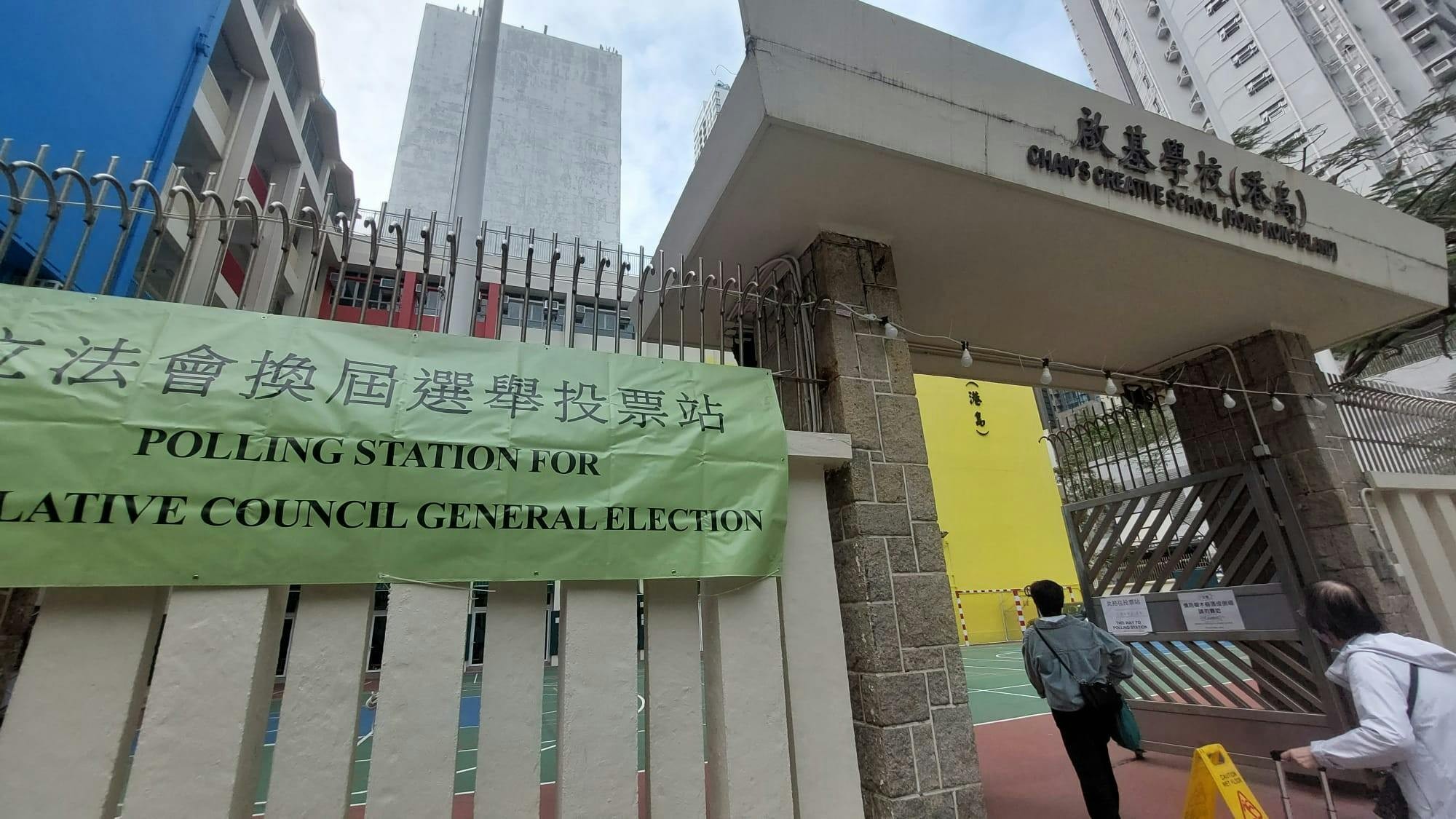
2025年立法會選舉共有1317682名選民投票,投票率31.9%,較2021年略升。考慮到政府廣泛動員公務員和建制派團體,此投票率可謂令人滿意。投票站設在內地邊界附近、醫院和安老院,同時關愛隊也協助選民,免費交通接駁讓選民更方便前往投票站。

部分界別政治熱情下降 後國安法時代政治格局
今屆立法會投票開始時間較2021年提前,票站關閉時間較晚。儘管大埔火災悲劇可能影響了選民的投票熱情,但動員工作似乎彌補了棄權率的下降,然而高強度的動員活動可能導致選民感到困惑,尤其是在老年選民中。而包括白票或廢票的無效票數量顯著增加,顯示一些積極參與投票的選民對投票程序不夠熟悉。
五個投票率相對較低的功能界別為社會福利、教育、醫療衛生、會計和法律。儘管社會福利界別的投票率比上屆有所上升,但無效選票數量表明選民可能存在不滿或中立態度。這些界別歷來競爭激烈,但自2021年以來,選民的政治熱情有所下降。
整體而言,各政黨政團在新一屆立法會的90席中贏得50席,其中民建聯仍為第一大黨,大家緊迫任務包括修訂與消防安全相關的法律、以及審查新界北都相關的法案。新一屆立法會既有現任議員、也有新面孔,包括奧運冠軍江旻憓。
若內部多元持續 直選呼聲或漲
本屆立法會有40位新議員,體現了香港政治體制的革新。許多資深政治人物選擇不參選,標誌着後國安法時代香港政治格局。隨着社會秩序的鞏固,年輕候選人在各選區更積極參與選舉。在此背景下,內部多元化可被視為香港式民主發展進程中的健康訊號。
總言之,愛國陣營內部分化仍然是2025年立法會選舉的顯著特徵。民建聯的慘勝以及無黨派候選人的崛起,標誌着立法會內部多元化的出現。新立法會既具有政治上的愛國主義色彩,又兼具多元化特徵,在協助政府的同時,也在進行體制改革。
如果立法會內部多元化持續下去,要求增加直選席位的呼聲可能會更加高漲。然而,現在提出這些提議可能為時過早。新一屆立法會的當務之急是成為一個和諧而有效率的立法機構。展現有效的治理能力或許能夠逐步贏得中央政府的信任,最終促使中央政府重新考慮擴大直選在政治上是否穩健、可行且可取。
A political analysis of the 2025 Legislative Council elections in Hong Kong
The 2025 Legislative Council (LegCo) elections, held on 7 December, have important implications for the new political landscape of the Hong Kong Special Administrative Region (HKSAR). Although the pro-Beijing political flagship, the Democratic Alliance for the Betterment and Progress of Hong Kong (DAB), secured 20 seats in total, this amounted to a Pyrrhic victory, as the party lost nearly 248,000 votes in direct elections compared with the 2021 LegCo elections. Voter turnout in 2025 stood at 31.9 per cent, slightly higher than the 30.2 per cent recorded in 2021.
The slight increase in turnout was largely due to the government’s mobilisation of civil servants to vote, as well as pro-Beijing organisations encouraging employees to go to the polls, which offset the number of registered voters who abstained following the psychological impact of the Tai Po fire tragedy.
The DAB’s victory can be described as Pyrrhic in the sense that it managed to secure one seat in each of the ten geographical constituencies. However, in terms of vote numbers, Starry Lee’s tally fell from 95,976 in 2021 to 53,529 in 2025 — a drop of 42,447 votes. Although DAB chairperson Gary Chan was directly elected with 41,612 votes, this represented a decrease of 21,243 from the 62,855 votes he received in 2021. Chan even trailed behind Dominic Lee Tsz-king of the New People’s Party, who secured 42,749 votes. Holden Chow Ho-ding obtained only 42,345 votes, compared with 93,195 in 2021 — a decrease of 50,840. Vincent Cheng Wing-shun received 41,767 votes, representing a fall of 22,586 from his 64,353 votes in 2021.
The DAB’s strategy of splitting itself into two teams in three of the ten geographical constituencies produced mixed results. On Hong Kong Island, DAB candidate Elaine Chit Kit-ling secured 22,054 votes and was elected, trailing Ng Chau-pei of the Federation of Trade Unions (FTU), who obtained 39,707 votes. However, another DAB candidate, Lee Ching-har, received only 16,458 votes and was defeated. In Kowloon East, DAB candidate Cheung Pui-kwong secured 29,116 votes and was elected, but again trailed behind FTU candidate Tang Ka-piu, who received 53,675 votes. Another DAB candidate, Ngan Man-yu, was defeated with 24,250 votes — fewer than non-affiliated candidate Leung Sze-wan, who received 28,834 votes. Ngan had obtained 64,275 votes in Kowloon East in 2021, representing a drastic loss of 40,025 votes, some of which may have been “transferred” to the victorious Cheung Pui-kwong.
In New Territories South West, where the DAB fielded two candidates — Kwok Fu-yong and Lo Yuen-ting — Kwok secured 37,020 votes and was elected, but trailed FTU candidate Chan Wing-yan, who obtained 52,900 votes. Lo, meanwhile, received 34,138 votes and was defeated. Overall, the DAB’s strategic decision to split its slate into two lists in three geographical constituencies produced three key outcomes: first, it still secured one seat in each of the three constituencies; second, the leading DAB candidate in each constituency was unable to match the FTU opponent, as the FTU did not divide its vote by running two lists; and third, the combined votes of the two DAB candidates in each of the three constituencies in 2025 failed to reach the total number of DAB votes recorded in 2021.
Table 1: Votes Obtained by Candidates in Direct Elections in 2025 as Compared with 2021

The asterisk* refers to the candidate who was eventually elected. Sources: Election websites: www.elections.gov.hk, 2021 and 2025. Also see South China Morning Post, December 8, 2025.
Abbreviations: DAB: Democratic Alliance for Betterment and Progress of Hong Kong; FTU: Federation of Trade Unions; NPP: New People’s Party (led by Regina Ip who stepped down in the 2025 LegCo elections); LP: Liberal Party; BPA: Business Professional Alliance; PP: Professional Power; NTFA: New Territories Federation of Associations; RT: Roundtable (led by Michael Tien who stepped down in the 2025 LegCo elections)
As mentioned earlier, the DAB scored a Pyrrhic victory. Although it obtained 20 seats in total in the new LegCo, the ten directly elected seats it retained in the 2025 elections witnessed a drastic decline of almost 248,000 votes. The three constituencies in Kowloon alone saw a drop of around 100,000 votes, including losses suffered by Starry Lee, Vincent Cheng and the defeated Ngan Man Yu. Gary Chan’s vote support in 2025 also decreased by almost 20,000 votes. This suggests that the DAB became detached from ordinary citizens after the 2021 LegCo elections, having failed to provide sufficient explanation of its work to voters in many directly elected constituencies.
The Tai Po fire tragedy that took place in November led to controversy over the role of DAB councillor Peggy Wong, who told the media that she would file a report with the Independent Commission Against Corruption (ICAC) concerning potential corruption involving the incorporated owners of Wang Fuk Court. This controversy led to severe criticism of the DAB among netizens, and the decline in the number of directly elected votes may be attributable, at least in part, to public perceptions of the party.
The DAB’s strategic split into two lists in three geographical constituencies — Hong Kong Island East, Kowloon East and New Territories South West — turned out to benefit the FTU. Although the DAB candidates in these constituencies still had one candidate elected in each constituency, their vote totals failed to match those of FTU candidates. This outcome indicates that the DAB diluted its own votes by dividing its slate into two lists, thereby benefiting FTU candidates, even though the FTU has traditionally acted as an auxiliary organisation assisting the DAB in contesting pan-democratic forces since the 1990s. With the exclusion and elimination of pan-democrats after 2021, internal fragmentation within the new patriotic camp has become increasingly evident.
This internal pluralism can be observed in the rise of non-party-affiliated candidates and those from smaller political groups. Christine Fong’s victory demonstrated that her success was attributable to voters’ recognition of her persistence. Other non-party-affiliated candidates also recorded strong performances, including Leung Sze Wan, whose vote total exceeded that of defeated DAB candidate Ngan Man Yu. Allan Wong’s second attempt in New Territories North East saw an increase of 6,000 votes, while Chong Ho Fung of Roundtable nearly retained the relatively high vote total previously secured by Michael Tien.
Voter turnout in the 2025 LegCo elections was 31.9 per cent, with 1,317,682 voters casting ballots — a slight increase compared with 2021. This turnout could be regarded as satisfactory given the government’s extensive mobilisation of civil servants and pro-establishment organisations. Polling stations were established near the Mainland boundary, hospitals and elderly centres, while care teams provided free transport to polling stations.
Polling hours were extended, with an earlier opening time and a later closing time than in 2021. Although the Tai Po fire tragedy might have dampened voter enthusiasm, mobilisation efforts appear to have offset abstention. However, heavy mobilisation may have contributed to voter confusion, particularly among elderly voters. The number of invalid votes increased significantly, suggesting that some mobilised voters lacked familiarity with voting procedures. While some parties provided guidance materials, the precise breakdown of invalid votes remains unclear.

The five functional constituencies with relatively low turnout included social welfare, education, medical and health, accountancy and law. Although turnout in social welfare increased, the number of invalid votes suggested possible voter discontent or neutrality. Traditionally competitive, these constituencies have exhibited political apathy since 2021.
Overall, political parties and groups secured 50 of the 90 seats in the new LegCo, with the DAB remaining the largest party. The patriotic coalition is expected to act as a constructive partner to the executive, with urgent tasks including legislative amendments related to fire safety and scrutiny of bills concerning the Northern Metropolis. The new LegCo includes a mixture of incumbents and newcomers, including Olympic champion Vivian Kong Man-wai.
The legislature comprises 40 newcomers, reflecting a deliberate renewal. Many veteran politicians chose not to contest the elections, marking a generational transition in the post-national security law era. With social order consolidated, younger candidates participated more actively across constituencies. In this context, internal pluralism may be regarded as a healthy sign in the evolution of Hong Kong-style democracy.
In conclusion, fragmentation within the patriotic camp remained a defining feature of the 2025 LegCo elections. The DAB’s Pyrrhic victory and the rise of non-party-affiliated candidates signalled the emergence of internal pluralism. The new LegCo is politically patriotic yet diverse, assisting the government while undergoing institutional renewal.
If internal pluralism continues, demands for reinjecting more directly elected seats may intensify. However, such proposals may be premature. The immediate priority of the new LegCo is to function as a harmonious yet productive legislature. Demonstrating effective governance may gradually build trust with the central authorities, who may eventually reconsider whether expanding direct elections would be politically secure, acceptable and desirable.
原刊於澳門新聞通訊社(MNA)網站,本社獲作者授權轉載。(原文按此)