
自香港和澳門分別於1997年和1999年回歸中國以來,體育政策在這兩個特別行政區政府的年度《施政報告》中從未佔據重要地位。
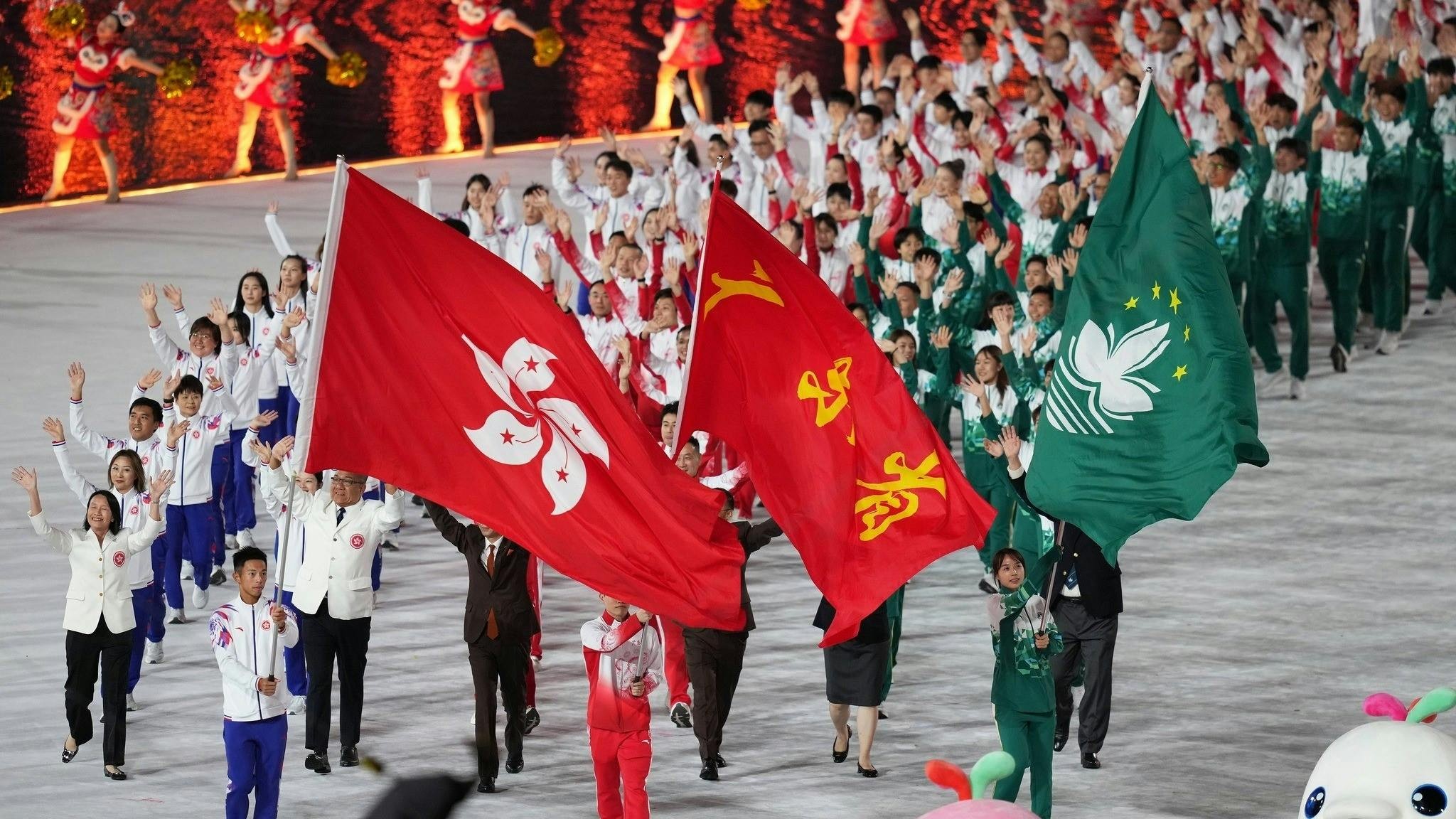
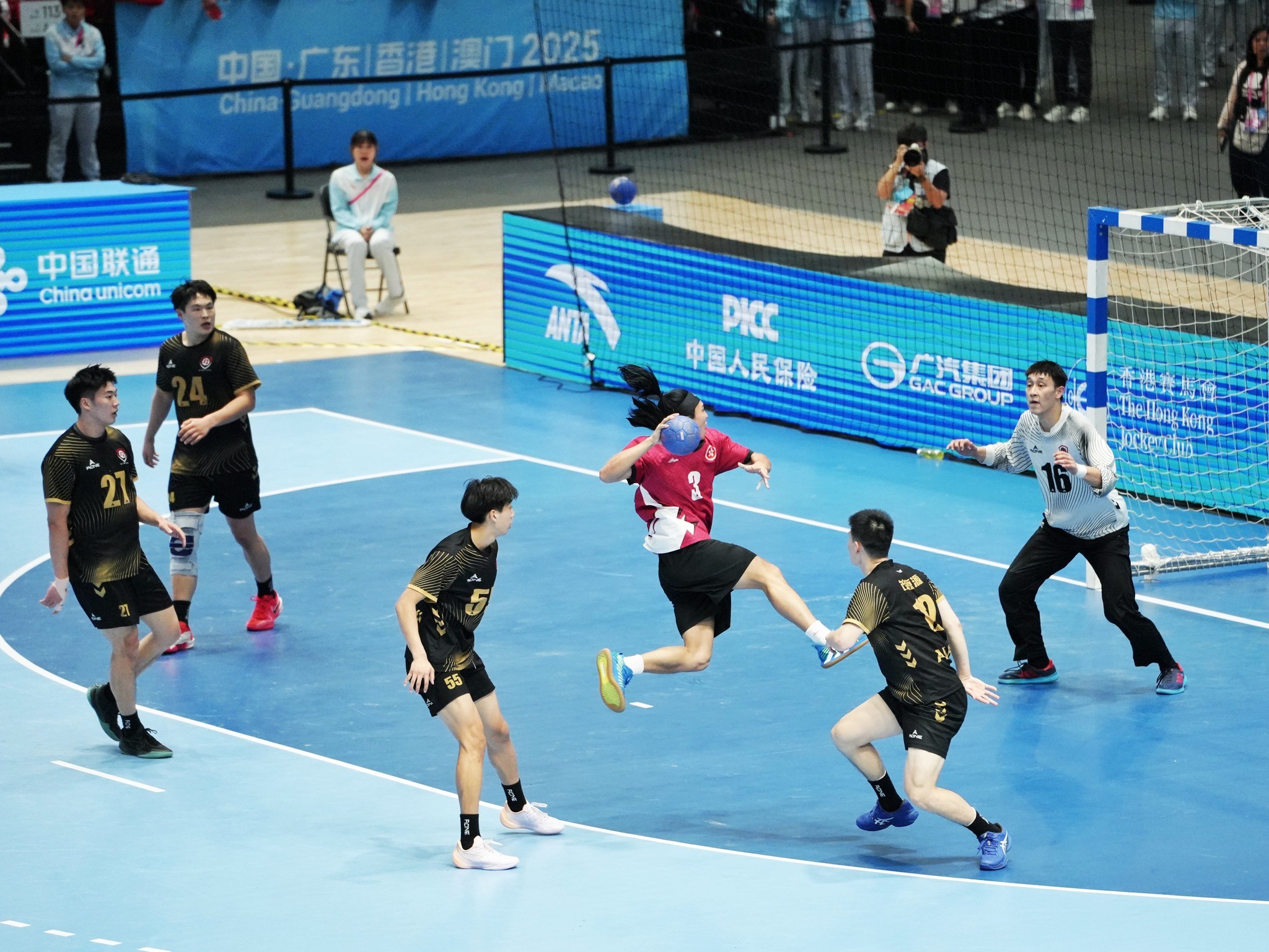
鑑於香港和澳門積極參與了第15屆全國運動會,並且借鑒港澳兩地與廣東省共同舉辦此次全國運動會的經驗,現在正是港澳的體育官員以更長遠的眼光審視、改進和發展兩地體育政策的好時機。
體育在港澳特區具有重要的社會和經濟功能。首先,體育運動能夠促進本地社區的認同感,尤其當港澳運動員在全國、區域和國際體育賽事中斬獲獎牌時,更是如此。
其次,像本屆全運會般的體育賽事能夠激發中華民族的認同感,使本地運動員能夠了解並學習內地運動員的快速發展和優異表現,港澳居民也可以為本地運動員的成就感到自豪,並欣賞內地各省市運動員的精彩表現。
第三,包括運動員精神、尊重比賽規則、公平競爭、反興奮劑以及追求卓越等價值觀能夠被培養,並深深植根於所有運動員和普羅大眾的心底中。
體育賽事能促進當地經濟發展
第四,體育賽事能夠刺激地方政府和體育總會的經濟發展,並帶來豐厚的收入。澳門成功舉辦的年度大獎賽以及香港的年度七人橄欖球賽都對旅遊業起到了促進作用。
第五,體育可以促進社會凝聚力,並有可能帶來外交突破。鑑於目前粵港澳大灣區正在舉辦全運會,我們可以大膽預測,如果台灣當局有朝一日能夠秉持「九二共識」的精神,台灣也必將受到中國大陸歡迎參與全運會。
第六,中國大陸運動員在奧運會上的出色表現,可以激起中國民族主義的情懷,促進社會和政治團結,帶來高度的民族自豪感和興奮感。
作為社會主義國家,中國於1995年8月頒布了《體育文化法》,該法於2022年修訂,並於2023年生效;修訂內容主要集中在體育仲裁、反興奮劑和高風險賽事安全等。
內地體育自上而下管理結構
中國一直採用相對集中的體育管理體系,以國家體育總局為主導,實行自上而下的管理結構。隨着時間的推移,中國大陸的體育政策不斷演變,逐漸融入了市場競爭和體育商業化的兩大要素。
港澳兩地歷來都採用相對分散的體育管治體系,由兩地的體育總會負責制定和實施體育政策。近年來,兩地均呈現採用混合模式的跡象,將中央管治與協會層面的管理結合,例如香港的體育管治以文化、體育及旅遊局為主導,制定了一系列政策,涵蓋地區體育、體育資助計劃、學校體育和城市體育的推廣、足球運動的發展、全港市民體能調查以及體育發展基金的實施等。
截至目前,香港已在全運會上獲得六面金牌,分別來自欖球、單車、游泳和帆船等項目。然而,香港也會受到一些本地批評,例如部分體育協會在賽事管理方面存在問題。
儘管香港在國家、地區和國際體育賽事中都取得了不錯的成績,但體育當局似乎有必要更全面、更深入審查所有體育協會的表現。
澳門採用中央與地方分散管理模式
澳門一直採用中央管理與體育總會分散管理相結合的混合模式。體育局的職責、願景、使命和信念在其官方網站上均有明確闡述。體育局每年出版四期《澳門體育》,報告可透過其網站查閱。澳門在全運會中表現出色,其空手道隊員斬獲三枚金牌和兩枚銅牌。
然而,澳門部分體育協會在管理方面或許還有進步空間,例如2019年,澳門足總因未參加2022年世界盃亞洲區外圍賽首輪對陣斯里蘭卡的第二回合比賽,受到國際足總紀律委員會的處分,最終該場賽事被判斯里蘭卡以3比0獲勝。當時一些球員和球迷抱怨澳門足總對外溝通的方式不夠完善。
如果港澳兩地少數的體育協會管理能夠得到改善,從而促進當地體育事業的發展,那麼兩地的體育主管部門就應該考慮採取更加積極主動、互動性更強的方式來管理各類體育協會。
首先,各體育協會必須向政府提交年度報告,並接受定期審計和年度監督。理想情況下,公眾可以透過各體育協會或體育聯合會的網站查閱這些年度報告。
其次,如果媒體曝光與體育協會有關的任何爭議性問題或醜聞,也需要提交緊急報告。
第三,各體育協會的撥款機制,理想情況下應採用自上而下和自下而上相結合的方式,由政府的體育主管部門制定年度關鍵績效指標,用於對各協會進行年度或定期評估。表現優異的體育協會,例如在國家、地區或國際體育賽事中獲得獎牌的協會,其績效評級可以更高,從而獲得更多政府撥款支持。
政府宜對體育總會年度審查
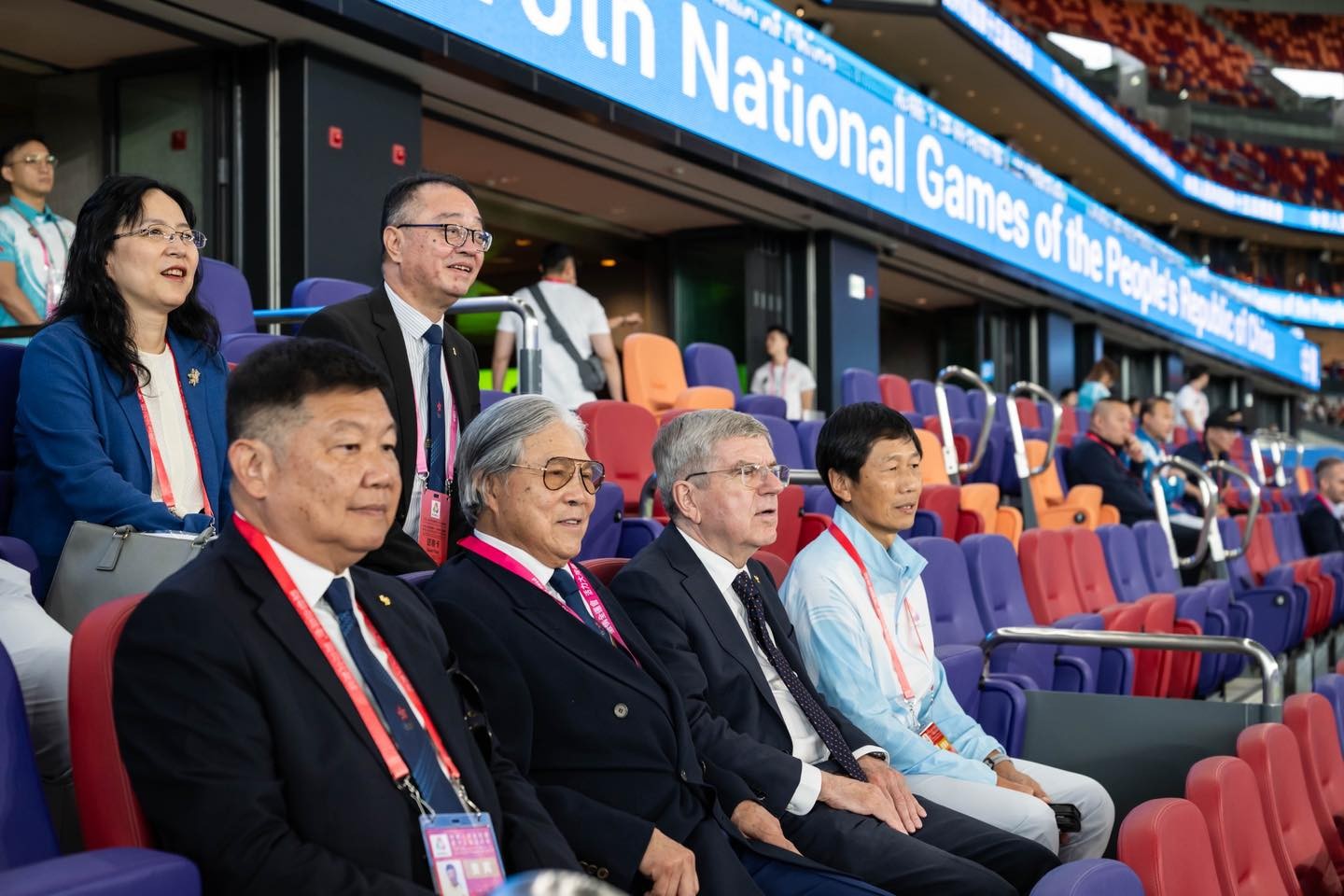
第四,港澳兩地的立法會議員,特別是代表體育界的理應積極要求政府對體育總會進行年度審查,並要求體育總會提交年度報告。若缺乏立法會的審查,體育政策和發展往往會被擱置,除非它們被兩地政府視為更高的政策優先事項。
第五,雖然港澳特區不像中國內地那樣擁有專門的體育法,但體育政策及其制度建設和績效,今後應被視為一項更為重要的政策,尤其是在香港和澳門上層精英呼籲粵港澳大灣區申辦未來區域性、亞洲乃至奧運會賽事的背景下。
第六,體育設施必須每年審查,以確定其是否充足,並由政府或體育總會或兩者共同提交報告,以改善體育硬件。
第七,如何鼓勵私人企業參與運動,在澳門和香港仍然是一個被忽視的問題。鑑於港澳在體育方面傾向於採取相對自由放任的政策,盡量減少干預,那麼便需要更務實地探討如何激勵私營企業參與體育運動。
第八,香港和澳門的許多大學都在發展體育教育,但體育總會如何最大限度地發揮這些課程畢業生的潛力,以及整個體育界如何利用年輕畢業生的豐富資源和潛力,這些問題似乎仍不太受政府重視。
第九,要充分利用全運會的成功舉辦和組織,兩地所有體育協會應更加積極主動地與內地同行聯繫,組織各種比賽,以提高本地運動員的水平,並提高普通市民和體育愛好者的興趣。
體育外交可納入評估特區績效指標
第十,如果體育外交是港澳實行一國兩制時一個常被忽視的發展領域,這兩個特別行政區可以考慮如何結合各自的經驗、優勢和實力,在未來幾年共同舉辦區域性比賽,這些比賽可以納入港澳政府用來評估其關鍵績效指標。
粵港澳三地首度聯合舉辦全運會,為港澳的體育主管部門和體育總會提供了一個絕佳的機會,讓他們反思、改進和完善香港和澳門的體育政策、機構和協會。現在正是兩地政府及其體育精英和領導者反思經驗、審視不足、考慮新的改革措施、制定適當且公開的關鍵績效指標,以及最重要的是,學習中國內地高效、且集權與管理相結合的體育政策模式的最佳時機。
簡言之,體育治理對於港澳特區至關重要,它有助於增強社會凝聚力、強化地方認同感、塑造國家認同感、創造經濟效益、促進公私合作以及發展體育外交。因此,在全運會舉辦之後,體育理應且必然會成為未來幾年香港和澳門政府的重要政策議題。
Time to review and improve sports policy in Macau and Hong Kong
Since the return of Hong Kong’s sovereignty and Macau’s administrative right to the Chinese Mainland in 1997 and 1999 respectively, sports policy has never played a prominent role in the annual policy address of the governments of the two Special Administrative Region (SARs).
With the active participation of both Hong Kong and Macau in the 15th National Games in China, and in light of the experiences of the two cities in co-hosting this important National Games with the Guangdong province, it is high time for the sports officials of the two SARs to review, improve and develop the sports policy of both Hong Kong and Macau in a much longer-term manner.
Sports have important social and economic functions in Hong Kong and Macau. First, it can foster the consolidation of local identities, especially when the athletes of the two cities gain medals in national, regional and international sports competition. Second, sports events like the current National Games can stimulate the growth of national Chinese identity, allowing local athletes understand and learn from the rapid development and good performance of the mainland Chinese athletes. At the level of audience, ordinary citizens in Macau and Hong Kong can take pride in the performance of their local athletes and appreciate the performance of the mainland athletes in various provinces and cities. Third, the spirits of sports – sports professionalism, the respect for the rules of the game, fairness, anti-drugs ethics, and persistent improvement – can be fostered and entrenched in the psyche of all athletes and ordinary citizens. Fourth, sports events can stimulate and bring about handsome income to the local governments and sports associations. Macau’s success in organising the annual Grand Prix event has traditionally promoted tourism, so has Hong Kong’s annual rugby sevens tournament.
Fifth, politically, sports can bring about social cohesion and possible diplomatic breakthrough. In 2018, after a meeting between the North Korean leader Kim Jong Un and South Korean President Moon Jae-in in Pyongyang, both sides agreed to submit a joint candidature to host the 2032 Olympics Games – a sign of warming relations between North Korea and South Korea at that particular moment. In the current context of the National Games hosted by Guangdong, Hong Kong and Macau, it can be boldly anticipated that, if Taiwan’s authorities agree to the spirit of the 1992 consensus one day, Taiwan would surely be welcome by the Chinese Mainland to participate in the National Games.
Sixth, sports performance can trigger nationalism; the impressive performance of the mainland athletes in Olympics could stimulate the rise of Chinese nationalism, promoting social and political unity and bringing about a high degree of national pride and excitement.
As a socialist country, China promulgated its Law on Physical Culture and Sports in August 1995 – a law that underwent amendments in 2022 that took effect in 2023. The amendments focused on sports arbitration, anti-doping and safety for high-risk events. China has also been adopting a relatively centralised system of governing sports, with a top-down structure led by the General Administration of Sport. With the passage of time, the mainland Chinese sports policies have evolved by incorporating the twin elements of market competition and sports commercialisation.
Because of the huge size of the country, it has never been easy for the Chinese government to manage all sports in an effective manner. Since the decentralisation of sports administration began at the beginning of the Deng Xiaoping reform era, sports associations at the national level have been playing a crucial role in sports development. However, the question of scrutinising the governance of these associations has become increasingly significant. Football, for example, has shown the problem of corruption at the level of national-level football federation, including at one time some referees, coaches and chief executives of a minority of football associations. After the imprisonment of the former national football coach Li Tie in 2024, it is hoped that China’s football development is taking a turn for the better. Other sports in the Chinese Mainland, however, have been developing very rapidly and successfully. Swimming and table tennis, for instance, remain the elite sports that outshine many other countries in international competition.
The model of sports governance in Hong Kong and Macau is different from the Chinese Mainland. Both Hong Kong and Macau have been traditionally adopting a relatively decentralised system of sports governance, delegating the formulation and implementation of sports policies to specific sports associations at the city level. In recent years, both cities have shown signs of adopting a hybrid model, combining central-level governance with associations-level administration. Hong Kong, for example, is characterised by the leadership of the Culture, Sports and Tourism Bureau, which has developed a whole range of policies relating to district sports, sports subvention scheme, the promotion of school sports and urban sports, the recent development of football, the conduct of territory-wide survey of physical fitness of the Hong Kong people, and the implementation of sports development funds.
Sports policies in Hong Kong have shown some degree of imbalanced development. It has won a number of gold medals in recent years, notably in the Tokyo 2020 Olympics (one gold), the 2024 Olympics (two gold medals) and the 2018 Asian Games (eight gold medals). As of November 2025, the city has got six gold medals in the National Games, namely in areas such as rugby, cycling, swimming and sailing. However, occasionally, there were local criticisms of how a minority of sports associations managed sports-related events, such as the swimming association’s three-tiered membership structure (full, observer and competition members) which was once criticised for excluding talented athletes from competing in top events (Hong Kong Standard, July 17, 2024).
Hence, although Hong Kong SAR has been performing well in sports nationally, regionally and internationally, there appears to be a need for the sports authorities to conduct a more comprehensive and in-depth review of the performance of all sports associations.
Macau has been also adopting a hybrid model of centralised sports administration combined with decentralised governance by sports association. The Sports Bureau has its duties, vision, mission and beliefs clearly delineated on its official website (Sports Bureau of Macao SAR Government Introduction). It published Macau Sport four times per year and the report is accessible through its website. Macau has been performing quite well in the National Games, with its karate team members grasping three gold medals and two bronze medals (see: CE congratulates Macao karate team on outstanding achievement of 3 gold and 2 bronze medals at 15th National Games – Macao SAR Government Portal).
However, a minority of sports associations in Macau could perhaps have performed better in terms of their management. In 2019, for example, the FIFA Disciplinary Committee sanctioned the Macau Football Association (MFA) for failing to play the second leg of Macau’s first-round match against Sri Lanka in the AFC’s FIFA World Cup 2022 preliminary competition. The MFA was fined and the match between Sri Lanka and Macau was declared a 3-0 forfeit victory for Sri Lanka. Some players and fans complained at that time that the MFA could communicate with them in a better way.
If the management of a minority of sports associations can perhaps be improved in both Hong Kong and Macau so that their sports can make progress further, then the sports authorities in both SARs should consider a more dynamic and interactive approach to dealing with a variety of sports associations. First, annual reports of the sports association must be submitted to the government, followed by regular auditing and annual supervision. Such annual report should ideally be accessible to the members of the public through the website of each sport association or sport federation at the territorial level.
Second, emergency reports are also required if the media expose any controversial issues or scandals relating to sports associations.
Third, the funding formula of each sports association can ideally be a combined top-down and bottom-up process in which the sports authorities at the governmental bureau level come up with annual key performance indicators, which are used to assess each sport association annually or regularly. Sport associations, whose performance is very good or outstanding like gaining medals in national or regional or international sports competition, can have their performance being rated much better for the sake of gaining more governmental funding support. Ideally, such governmental funding support of sports federations or associations at the territorial level should also be published in the sports bureau’s official website, allowing a high degree of transparency and public accountability.
Fourth, members of the Legislative Councils in both Macau and Hong Kong, especially those indirectly elected representatives representing the sports sectors, should ideally seek to question the government for such annual scrutiny of sports associations and for the annual reports from sports associations. Without the legislature’s scrutiny, sports policy and development tend to be put on the backburner, unless they are regarded as of higher policy priority of the governments of the two SARs.
Fifth, the policy address of the Chief Executives of both Macau and Hong Kong can perhaps elaborate further on their sports policies annually, with the secretaries responsible for sports to hold further press briefings to delve into the details and key performance indicators of sports policies. Even though Hong Kong and Macau do not have a specific sports law, unlike the Chinese Mainland, sports policy and its institutional development as well as performance should be regarded as a policy with a much higher priority from now on, especially if some elites in Hong Kong and Macau are calling for the Guangdong–Hong Kong–Macau authorities to bid for the holding of regional and Asian and even Olympics in the future.
Sixth, sports facilities must be reviewed for their adequacies and inadequacies every year, with a report from either the government or the sports association or both for the sake of improving the hardware of sports.
Seventh, how to stimulate private-sector involvement in sports remains a neglected issue in Macau and Hong Kong. Tax incentives, in the form of reducing the amount of corporate tax, can be considered if any corporation participates or invest in sports in varying ways, like forming a team for its employees to compete in formal sports competition, or donating to support and develop sports clubs within a specific timeline. If both Hong Kong and Macau tend to adopt a relatively laissez-faire policy toward sports with minimal intervention, then how to incentivise private-sector participation in sports requires more thoughtful considerations and practical discourse.
Eighth, sports education has been developing in many universities in both Hong Kong and Macau, but how do sports associations maximise the potentiality of graduates from these programmes, and how the sports sector as a whole will utilise the rich resources and potential of young graduates have been put under the carpet, leaving the matters to sports educators and graduates to find internships and jobs, respectively, in the sports market.
The role of the government in Hong Kong and Macau in the facilitation and maximisation of sports education has been relatively neglected in both SARs. Research fundings have been traditionally shaped in a way that favours the development and advancement of science, engineering and medicine, but sports research is arguably an interdisciplinary and multidisciplinary subject that should be given higher priority by research grant agencies in Macau and Hong Kong.
Ninth, capitalising on the successful operation and organisation of the National Games, all sports associations in the two SARs should reach out to their counterparts in the mainland in a more proactive manner, organising various competitions so as to elevate the standards of local sport athletes and raise the rising interest of ordinary citizens and fans.
Tenth, if sports diplomacy is a neglected area of development in the ‘one country, two systems’ of Hong Kong and Macau, both SARs can consider how to combine their experiences, strengths and advantages to co-host regional competitions in the coming years, competitions that can be built into the key performance indicators used by the two local governments in assessing their performance and their needs for more funding support.
In conclusion, the co-hosting of the National Games by Macau, Hong Kong and Guangdong is generating a golden opportunity for the two SARs, their sports authorities, and sports associations to ponder how to review, improve and perfect the sports policies, institutions, and associations of the Hong Kong and Macau SARs. It is high time for the local governments and their sports elites and leaders in the two places to reflect on their experiences, ponder their inadequacies, consider new reform measures, design appropriate and open key performance indicators, and most importantly learn from the highly effective and combined centralised-delegated model of sports policies in the Chinese Mainland.
The governance of sports is extremely important in developing social cohesion, strengthening local identity, forging national identity, yielding economic benefits, facilitating public-private partnerships, and developing sports diplomacy for the Macau and Hong Kong SARs. As such, after the holding of the National Games, sports should and, logically speaking, will become an important policy agenda of the governments of Hong Kong and Macau in the years to come.
原刊於澳門新聞通訊社(MNA)網站,本社獲作者授權轉載。(原文按此)