

南韓總統李在明近期務實調整南韓外交政策,不僅針對中國和日本,也對美國採取了同樣的政策,背後原因與特朗普總統推行的交易型外交政策和美國優先的外交政策對南韓的國家利益,構成了質疑、挑戰和推動有關。
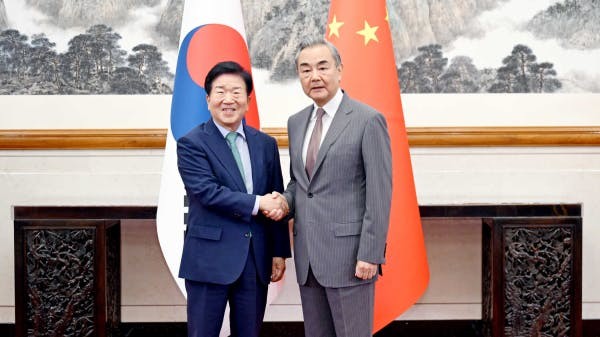
8月下旬,李在明派出由前國會議長朴炳錫率領的特別代表團訪華,朴炳錫在與中國外長王毅的會見中,轉達了李在明致中國國家主席習近平的親筆信,信中誠邀習近平主席出席10月底南韓慶州舉行的亞太經合組織(APEC)峰會,屆時他可能與特朗普會面。朴炳錫向王毅表示,南韓願意維繫區域和平穩定,同時與中國及其他主要大國發展關係。這番話暗示,南韓將同步發展與日本和美國的關係,以維護東北亞地區的穩定。
王毅表示中韓關係正處於改善發展的關鍵時期,中國維持對韓政策的穩定和連續性,堅持友好,拓展共同利益,改善雙邊關係,妥善處理敏感議題。
南韓冀中國充當兩韓中間人
朴炳錫與王毅的會面正值兩國建交33周年之際,南韓政府意識到與朝鮮關係密切的中國在朝鮮半島事務中發揮的重要作用,認識到跟中國保持友好關係是十分重要,以便獲得北京支持,使其能夠充當韓朝之間的中間人。
然而,北韓方面尚未對南韓作出任何對等的友好姿態。北韓領導人金正恩的妹妹金與正批評南韓在南北韓關係問題上誤導大眾。
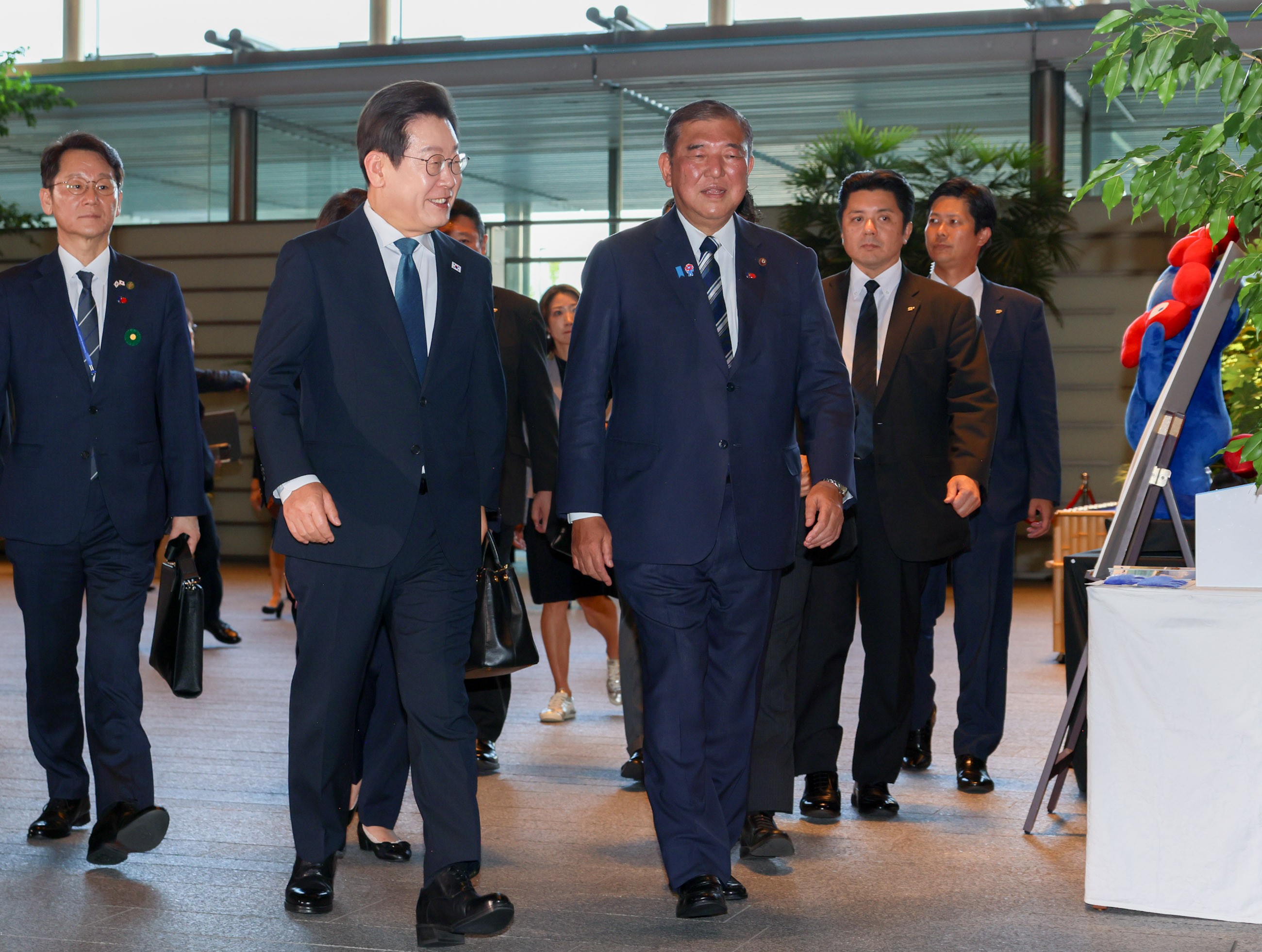
8月23日,李在明訪問東京,與日本首相石破茂舉行會晤,商討如何加強日韓關係,以及在韓日美三邊安全協定框架下加強合作。
石破茂表示,在東北亞戰略情勢愈發嚴峻的背景下,日韓雙邊關係以及日韓美三邊合作仍在不斷發展。石破茂與李在明均重申,恢復高層外交交流、加強國防合作、改善經濟安全和人工智慧合作,以及應對人口下降等共同問題對雙方來說都十分重要。兩國也同意加強協調,共同應對北韓的核武威脅和飛彈威脅。
韓日支持朝鮮半島無核化
李在明與石破茂的會面具有重要的外交意義。韓日兩國雖然確認了日美三邊安全協議取得進展的重要和必要,但也同意務實合作,並將北韓的核威脅和飛彈威脅視為首要關切。韓日兩國都強調朝鮮半島無核化的必要性,但北韓自然會拒絕這種無核化舉措,因為平壤不僅將其核武計劃的發展作為保護自身國家安全的工具,也將其作為未來與美國談判的籌碼。
這項調整是對特朗普總統交易型外交政策的回應。特朗普的政策降低了美國對南韓商品的關稅,並一直推動南韓增加對美直接投資。此外,李在明了解特朗普與北韓領導人金正恩會晤的意圖,並了解特朗普在特朗普第一任政府時期曾與金正恩三度會面,因此,在華盛頓東北安全政策動盪的不確定時期,南韓外交政策朝着更加謹慎地對待美國、略微友好地對待朝鮮、並與日本和中國建立更緊密的關係的方向發展。
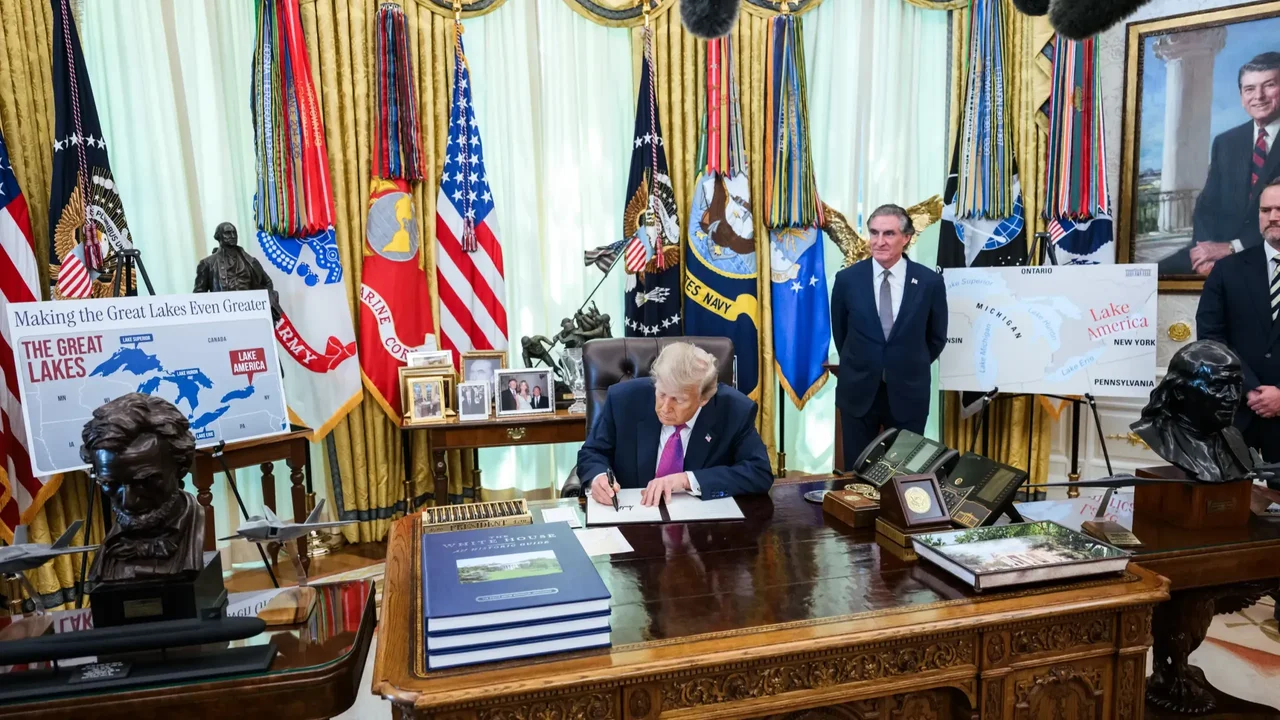
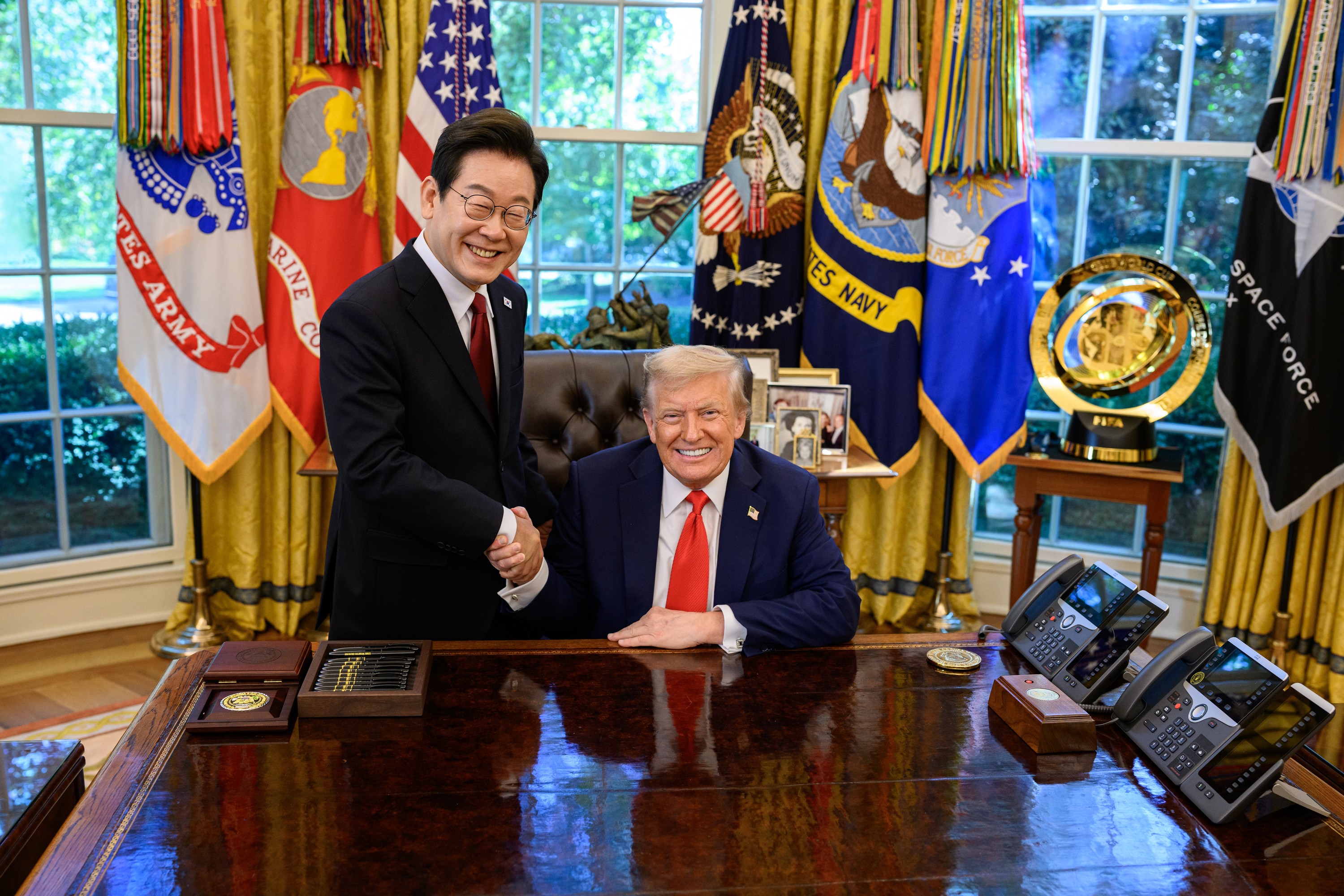
當地時間8月25日,特朗普在白宮橢圓形辦公室與李在明會面,獲後者稱讚是和平締造者,李在明希望特朗普為韓朝和平作出貢獻。
對此,特朗普積極回應,稱讚李在明從善如流,並稱希望稍後與金正恩會面。特朗普補充說,核戰將是朝鮮半島的一場災難,無核化是一場大博弈,而中國和俄羅斯亦同意這麼做。
美利用韓航運業優勢與華競爭
然而,南韓與美國的關係在經濟和軍事方面錯綜複雜。在美韓貿易談判中,美國將南韓產品關稅從25%降至15%,南韓則同意在美國投資3500億美元,其中至少1500億美元將用於美國造船援助,突顯美方正利用南韓航運業的優勢與華競爭的意圖。
李在明與特朗普會晤後,大韓航空宣布將購買103架波音飛機。經濟上,美國需要南韓,軍事上南韓也需要美國的保護,但特朗普政府自然希望看到南韓承擔更多軍費。
自特朗普今年初重返白宮,南韓對美、日、中、朝外交政策出現了務實調整的跡象。李在明顯然正在利用特朗普的總統外交政策以及與金正恩的私人關係,希望這位美國總統能夠實現朝鮮半島的和平與無核化。
總而言之,在李在明任期內,南韓對美採取了更為複雜的外交政策,依賴美國實現朝鮮半島和平,並透過航運業的知識轉移和直接投資,在經濟上對美國做出更多貢獻。
相比下,南韓與中國的關係也更加友好,將北京視為首爾和平壤之間的中間人,並將其視為一個經濟強國,吸引更多遊客前往南韓。南韓也一直在與日本發展更務實的關係,在經濟、安全和技術領域開展合作,但將歷史問題如強迫勞動和慰安婦和領土爭端如獨島(韓稱)和竹島(日稱)擱置一旁。
美壓韓大增軍費 與日友好
面對特朗普政府的交易型外交,南韓正在增加軍事開支,並加強與日本的關係,而不是只依賴美國。南韓在外交政策作出微妙而務實的調整是有其必要的,因為其目的是保護自己的國家安全,抵禦和減少來自北韓的軍事威脅,並謹慎而巧妙地平衡與中國、日本和美國的關係。
展望未來,東北亞的外交棋局依然充滿不確定性,但也出現了新的對話管道。李在明努力調整南韓的立場,平衡陰晴不定的美國要求、與日本的歷史敏感性、中國的經濟吸引力以及北韓始終存在的反覆無常,這預示著南韓外交的新紀元。
未來幾年,南韓可能會繼續其務實、多方面的外交政策在東北亞複雜的安全格局中,它既是橋樑,又是盾牌,有時甚至是緩衝。隨着朝鮮半島正處於十字路口,現在做出的選擇或許將在未來數十年產生深遠的影響,塑造整個地區和平、繁榮與穩定的前景。
South Korea’s pragmatic shift in its Northeast Asian foreign
President Lee Jae Myung of South Korea has recently been adopting a pragmatic readjustment of its foreign policy toward not only China and Japan, but also the United States mainly because President Donald Trump’s new transactional and “America First” diplomacy has questioned, challenged and stimulated the national interests of South Korea.
In late August, President Lee Jae Myung sent a special delegation led by former South Korean National Assembly Speaker Park Byeong Seug to meet the Chinese Foreign Minister Wang Yi in China. Wang Yi told Park that the relationship between China and South Korea was at a critical juncture for improvement and development. Wang added that China’s policy toward South Korea maintained stability and continuity, upholding friendship, expanding common interests, improving bilateral ties, and handling sensitive issues.
Park echoed Wang, saying that Seoul was ready to bring the strategic cooperative partnership between South Korea and China back on track by enhancing high-level exchanges, pragmatic cooperation, and people-to-people ties. Park conveyed President Lee’s personal letter to Chinese President Xi Jinping during the meeting, saying that Lee would like to invite Xi to attend the Asia-Pacific Economic Summit in late October. The APEC summit will take place in the city of Gyeongju, expecting a possible summit between President Xi and President Donald Trump of the US. Park told Wang that South Korea was willing to develop relations with China and other main powers “in parallel” to the process of maintaining regional peace and stability. Such remarks implied that South Korea would simultaneously develop relations with Japan and the US to maintain Northeast Asian stability.
The Park-Wang meeting coincided with the 33rd anniversary of the establishment of diplomatic relations between the two countries. Aware of the important role of China, which has warm relations with North Korea, President Lee Jae Myung and his think tank realised the significance of maintaining friendly relations with China so that Beijing’s support would be secured to act as a possible middleman between South Korea and North Korea.
President Lee Jae Myung has adopted a more friendly gesture toward North Korea by dismantling some loudspeakers along the border with the northern socialist neighbour; nevertheless, the North Korean side has not yet made any reciprocal and friendly gesture toward the South. Kim Yo Jong, the sister of North Korean leader Kim Jong Un, criticised South Korea for misleading the public about the relations between the North and the South. She said: “It is their foolish calculation that if they manage to make us respond to their actions, it would be good, and if not, their actions will at least reflect their ‘efforts for détente,’ and they will be able to shift the responsibility for the escalation of tensions onto the Democratic Republic of Korea and win the support of the world” (Aljazeera, August 14, 2025: North Korean leader’s sister says South Korea lying about thaw in ties | Conflict News | Al Jazeera). Her response came after the South Korean side had claimed that North Korea had removed some loudspeakers following a similar act on the southern border.
After the inauguration of President Lee Jae Myung in South Korea in June, he has tried to adopt a gesture of rapprochement with North Korea, unlike his predecessor Yoon Suk Yeol who implemented a more hardline attitude toward North Korea. The remarks made by Kim Yo Jong in response to the loudspeakers’ removal from South Korea clearly showed that the relations between North Korea and South Korea remain frosty, especially as North Korea is seeing South Korea as an enemy state cooperating with the US militarily and Japan economically and technologically.
On August 23, President Lee Jae Myung visited Tokyo and met Japanese Prime Minister Shigeru Ishiba, discussing how to enhance bilateral ties and how the two countries could cooperate further under a trilateral security pact between South Korea, Japan and the US in Camp David in August 2023. Ishiba said that when the strategic circumstances of Northeast Asia are becoming more severe, the bilateral relations between Japan and South Korea, and the trilateral cooperation between the two countries and the US, continue to develop. Ishiba and Lee affirmed the importance of resuming high-level diplomatic exchange, enhancing defence collaboration, improving economic security and artificial intelligence cooperation, and dealing with the common problem of population decline. Both sides also agreed to enhance coordination against North Korea’s nuclear and missile threats.
The Lee-Ishiba meeting was diplomatically significant. While South Korea and Japan affirmed the importance and the need for progress in the trilateral security pact with the US, they agreed to cooperate pragmatically and see North Korea’s nuclear and missile threats as of utmost concern. Both South Korea and Japan affirm the need for denuclearisation of the Korean Peninsula, but North Korea naturally rejects such denuclearisation move as Pyongyang is using the development of its nuclear weapon programme as not only a tool of protecting its own national security but also a bargaining chip in any future negotiations with the US, especially as Donald Trump said that he would like to meet President Kim Jong Un later.
President Lee Jae Myung’s adjustment in his pragmatic foreign policy toward Japan is noteworthy. In 2023, Lee criticised his predecessor for attending the Camp David summit with Japan, saying that President Yoon Suk Yeol was a “puppet” of Japan. But on August 15, 2025, a day marking South Korea’s Liberation Day from the Japanese colonial rule, Lee who became the new President referred to Japan as an “indispensable partner” for economic growth.
Such an adjustment was a response to President Donald Trump’s transactional diplomacy, which has reduced the US tariffs on South Korean goods, and which has been pushing Seoul to increase its foreign direct investment in the US. Furthermore, knowing Trump’s intention of meeting with President Kim Jong Un and understanding that Trump had met Kim three times in the first Trump administration, President Lee Jae Myung has been changing the South Korean foreign policy toward a more cautious approach to dealing with US, a slightly friendly attitude toward North Korea, and a closer relationship with Japan and China in an uncertain era during which Washington’s Northeast security policy has fluctuated.
On August 25, President Lee Jae Myung met President Trump in the Oval Office. Interestingly, Lee praised Trump as the maker of peace, asking the latter to bring about peace between South Korea and North Korea. President Lee said the only remaining divided nation in the world is now in the Korean Peninsula and he would like to see Trump’s efforts at achieving peace. President Lee looks forward to seeing Trump’s meeting with Kim Jong Un – a remark that showed how South Korea has shifted to a pragmatic approach to dealing with Northeast Asian security and peace by relying on Trump’s presidential diplomacy toward North Korea.
In response, Trump was positive in praising Lee’s “better” approach and he would like to meet Kim Jong Un later. Lee also remarked that he would be a “pacemaker” in Trump’s efforts at bringing about peace in the Korean Peninsula. Trump added that a nuclear war would be a “disaster” in the Korean Peninsula and that US remains the most powerful country in the world. He said denuclearisation is a big game, but China and Russia agree to do it. Given Trump’s determination to bring about peace through denuclearisation, it is not surprising that Lee Jae Myung is keen to utilise Trump’s personal friendship with Kim Jong Un to push for a peace deal in the Korean Peninsula.
However, South Korea’s relations with the US are complex in the economic and military aspects. Seoul negotiated US tariffs on South Korean products downward from 25 per cent to 15 per cent. South Korea agrees to invest US$350 billion in the US, with at least US$150 billion going into the assistance of US to build ships. Washington is utilising Seoul’s strength in the shipping industry to compete with China. After Lee’s meeting with Trump, Korean Air announced that it would buy 103 Boeing planes. Economically, the US needs South Korea. Militarily, South Korea needs US protection, but the Trump administration would naturally like to see Seoul shouldering more military expenses.
Trump toyed with the idea of letting the US own a piece of land housing the Osan Airbase, which is located at the southern part of Seoul – a touchy issue to South Korea’s sovereignty although Trump did not say this openly in his meeting with Lee Jae Myung.
South Korea’s foreign policy towards the US, Japan, China, and North Korea has showed signs of pragmatic readjustment in the context of the return of Donald Trump to the US presidency. President Lee Jae Myung is clearly capitalising on Trump’s presidential diplomacy and personal relations with Kim Jong Un, hoping that the US President would bring about peace and denuclearisation in the Korean Peninsula – a window of opportunity in the second Trump government. However, South Korea is economically bound by the US, which needs its shipping industry’s expertise on the one hand, and which requires Seoul’s investment on the other. At the same time, South Korea needs to hold onto the trilateral security pact with the US and Japan to protect itself against North Korea, whose nuclear weapons programme remains a serious national security threat to Seoul and Tokyo. As such, the trilateral security alliance between South Korea, Japan and the US will persist in Northeast Asian security development.
On the other hand, South Korea needs to cultivate better relations with China, who can become an intermediary between Seoul and Pyongyang, and whose 4.6 million tourists in 2024 contributed immensely to South Korea’s economy. From a pragmatic perspective, the economic ties between South Korea and China must be fostered further.
In conclusion, under the presidency of Lee Jae Myung, South Korea has been adopting a more complex foreign policy towards the US, depending on Washington to achieve peace in the Korean Peninsula and contributing more to the US economically through not only knowledge transfer in the shipping industry but also direct investment. It has been adopting a more friendly relationship with China, seeing Beijing as an intermediary between Seoul and Pyongyang, and as an economic power bringing about more tourists to visit South Korea. South Korea has also been cultivating a more pragmatic relationship with Japan, collaborating in economic, security and technological areas but putting aside their historical issues (like forced labour and sexual slavery) and territorial disputes (like Dokdo and Takeshima). Facing the Trump administration’s transactional diplomacy, South Korea is increasing its military spending and strengthening ties with Japan instead of depending solely on the US. The subtle and pragmatic readjustment of South Korea’s foreign policy is necessary because it is designed to protect its own national security, fend off and minimise military threat from North Korea, and balance its relations with China, Japan, and the US in a cautious and skilful manner.
Looking ahead, the diplomatic chessboard of Northeast Asia remains fraught with uncertainties but also marked by new channels of dialogue. President Lee’s efforts to recalibrate Seoul’s position—balancing the demands of an unpredictable and oscillating Washington, the historical sensitivities with Tokyo, the economic lure of Beijing, and the ever-present volatility of Pyongyang—herald a new era of South Korean diplomacy. This approach is not without its critics, who caution that aligning too closely with any one actor may provoke suspicion or retaliation from others, particularly as great power competition intensifies across the region. The shadow of North Korea’s nuclear ambitions continues to loom, with Pyongyang’s leadership steadfast in leveraging its arsenal for deterrence and negotiating leverage. The willingness of South Korea to engage, symbolised by gestures such as the removal of loudspeakers or the reframing of Japan as a partner, has to be matched by concrete steps from the North if any real thaw is to occur. At the same time, the trilateral pact with Japan and the United States remains a cornerstone of regional security, one whose durability will be tested as leaders pursue their national interests in an evolving global order.
Meanwhile, the economic interdependence in the region is deepening. South Korea’s robust investments in the US and its growing dependence on Chinese tourism and trade create both opportunities and vulnerabilities. The ongoing challenge for President Lee’s administration will be to maintain a delicate balance, leveraging opportunities for dialogue and cooperation while safeguarding national security and sovereignty. The coming years are likely to see South Korea continuing its pragmatic, multifaceted diplomacy—at once a bridge, a shield, and sometimes a buffer in the complex security landscape of Northeast Asia. As the peninsula stands at this crossroads, the choices made now will perhaps reverberate for decades, shaping the prospects for peace, prosperity, and stability across the region.
原刊於澳門新聞通訊社(MNA)網站,本社獲作者授權轉載。(原文按此)