

自1980年代初至中期中英、中葡就香港和澳門前途展開談判以來,兩地的政經發展呈現出「路徑趨同、功能各異」的態勢。所謂「路徑趨同」,是指兩地回歸中國的過程。此後兩地的政治發展路徑出現了分化,直到2020年中迎來轉捩點。
跟香港相比,澳門的公民社會發展相對較弱,反對派的聲音較小,大眾媒體也較為順從。然而,香港反對派在2019年下半年的抗議活動與暴力事件,促使中央政府下定決心,於翌年6月下旬出台《香港國安法》,不僅恢復了法治與秩序,也推動澳門在2023年修訂《國安法》。自此兩地在去政治化與安全化方面日益趨同。「安全化」即提升國家安全的重要性,強化警務職能,並為兩地與中國內地(特別是大灣區)更深層次的社會經濟融合做好準備。
至於兩地在功能定位上則呈現明顯差異。香港透過維持其作為金融、貨幣及航空樞紐的地位,在服務中國內地的過程中發揮超級聯繫人的作用。澳門則發揮橋樑作用,協助中國加強與葡語國家之間的關係。這兩個特區都被賦予了行使「準外交」職能的權責,其中包括利用香港在普通法系方面的優勢,拓展國際調解院的相關活動;並擴大澳門的「準外交」工作,將其觸角延伸至西班牙、瑞士和比利時等其他歐洲國家。
1980年代初至港澳回歸
1984年12月簽署的《中英聯合聲明》、1987年4月簽署的《中葡聯合聲明》,開啟了兩地去殖民化進程。在香港,英方在立法局增加民選席位;而在澳門,葡方則加速了公務員隊伍本地化,培養並提拔了更多的華人公務員、並更多地使用中文,以及翻譯葡文法律法規。
二者的共同目標,是為兩地民眾做好準備,以便他們在回歸後實現港人治港與澳人治澳;整體而言,這方面進程較為順利。在香港,立法局逐步推行的民主改革,促進了民主派的發展,這股力量後來成為了具影響力的政治勢力,直至2020年中期。而港英政府另一貢獻,或許在於其大規模投資基建,不僅包括赤鱲角新機場,還涵蓋了公共房屋。
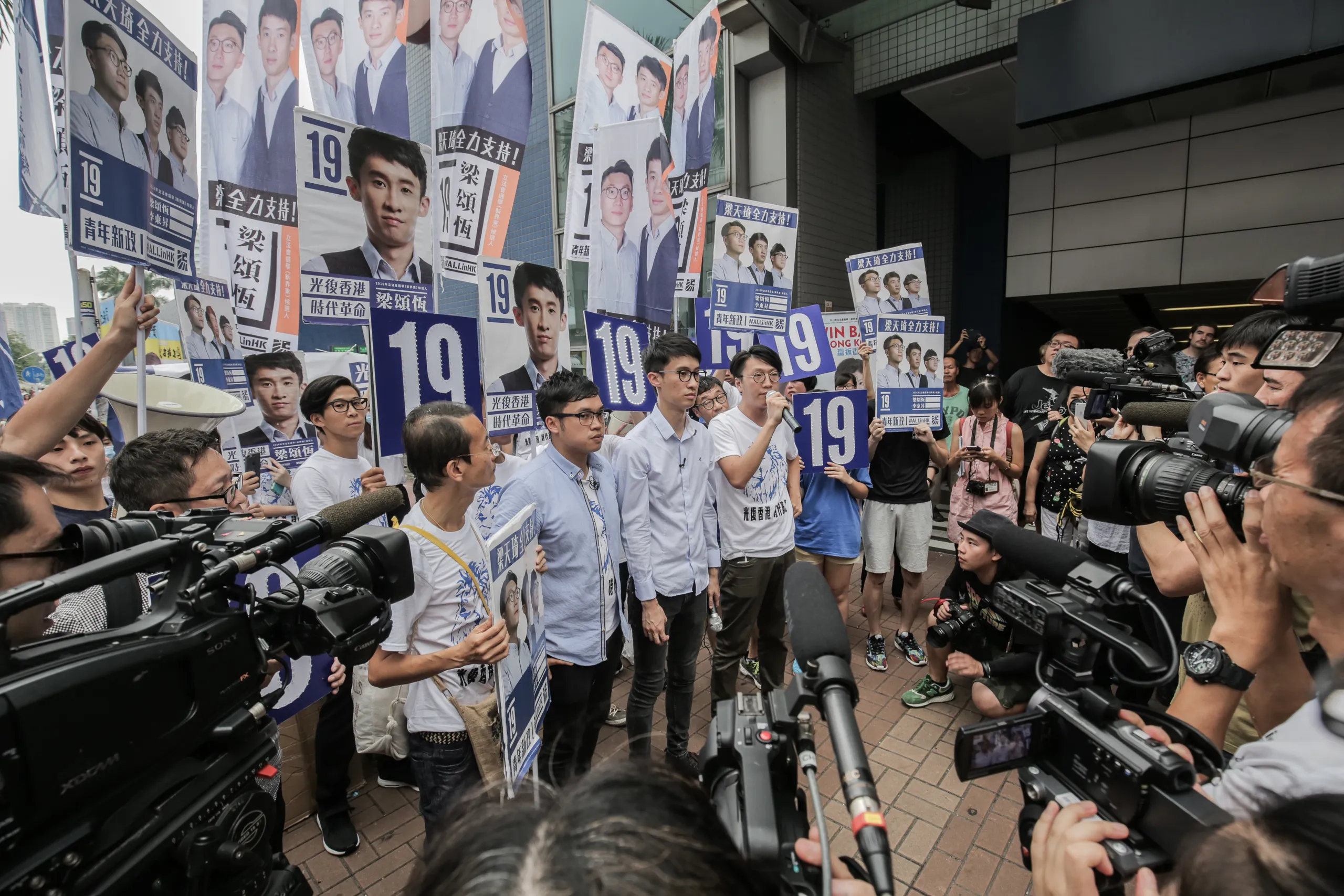
但在澳門回歸前夕,博彩業一度脫離了葡方掌控,當時一些犯罪分子在賭場內外活動猖獗,直至後來在中國政府的支持下,澳門當局採取行動打擊。當時部分賭場將博彩廳外包給了涉嫌犯罪的人員,他們為了攫取巨額利潤,彼此展開了激烈的爭鬥。這促使澳門特區政府在1999年後打破了賭場壟斷局面,轉而向多家競爭者開放博彩經營權。
港澳從殖民統治到特區政府的過渡期相對較短,這在一定程度上制約了技術創新與社會經濟改革;這些任務最終都留待香港和澳門特區政府去處理。此後,香港繼續保持其作為金融、貨幣及航空樞紐的活力;而澳門的犯罪活動,也在1999年12月20日之前得到了有效遏制。
回歸後至2020年中的港澳發展
1997年7月香港回歸中國,1999年12月澳門回歸中國,此後兩地的政治發展路徑出現了分化。香港的政治反對派迅速壯大,圍繞民主化進程,不斷挑戰特區政府的合法性,導致社會政治兩極化,並引發了關於如何推進立法會及行政長官普選的持續爭論。相較之下,澳門的情況則平穩得多,這主要是因為當地的反對力量相對較弱。
香港的高度政治化體現於一系列社會政治運動,例如2012年反對國民教育政策、2014年末為推動民主化而發起的雨傘運動、2015年反對政府政改方案,以及最為關鍵的、2019年下半年反對修訂《逃犯條例》的抗爭運動。它們導致社會運動人士與建制派力量之間的尖銳對立。
鑑於反修例運動中出現的暴力事件,中央政府決定於2020年6月下旬頒布《香港國安法》,從內地的角度來看,這種安全化措施有助於實現香港的社會穩定與經濟繁榮。這也促使澳門修訂其國安法,兩者背後一項重要卻常被忽視的功能:推動並加速港澳與中國內地(特別是大灣區)在社經層面的融合。
兩地居民被期望成為守法的公民,不僅在特區內如此,在前往中國內地時亦然。因此,《國家安全法》在兩地的實施構成了兩地在未來(分別至2047年和2049年)與中國大陸實現更緊密融合的前提條件。香港側重於與深圳的融合,而澳門側重於在橫琴粵澳深度合作區。
中央領導層認為,一旦香港恢復秩序,特區政府的工作重點便應轉向發展經濟。為此,港府在2026年制定了首個五年規劃,使其與國家「十五五」規劃中關於香港的發展藍圖保持一致。同樣,澳門在2026年推出的第三個五年規劃,推動橫琴合作區實現更緊密的融合,從而加速經濟適度多元化,北京方面認為這是減少依賴博彩業的必要舉措,同時鼓勵並支持澳門發展社會福利政策,以惠及貧困及弱勢群體。
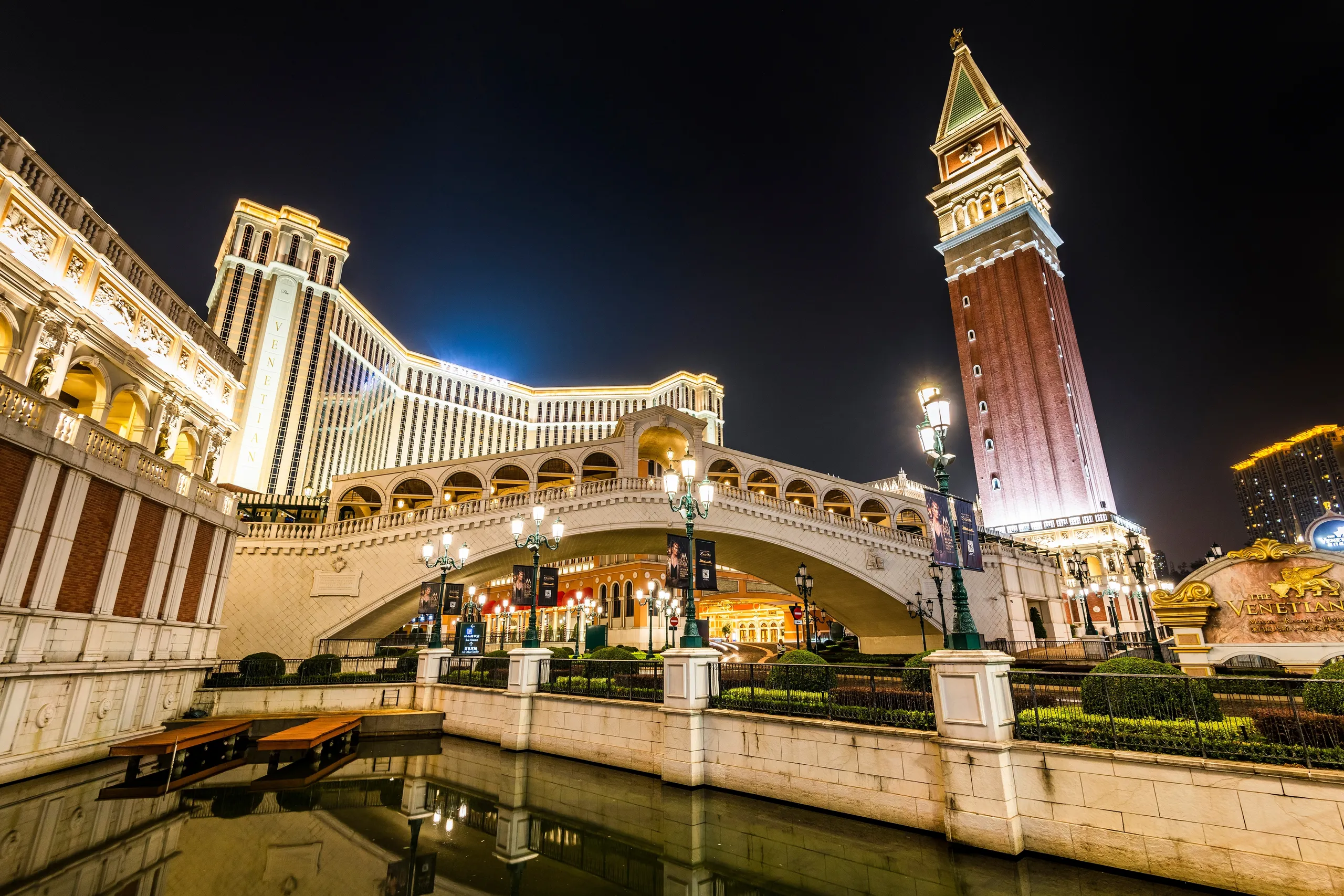
政治格局澳門化
另一方面,北京對港澳有着不同的功能定位。在澳門積極拓展對歐「準外交」聯繫,以吸引外商直接投資的同時,香港則透過建立新的黃金交易中心,進一步鞏固了其作為金融和貨幣中心的地位。2025年5月在香港成立的國際調解院,旨在提供調解服務以解決國家之間、以及國家與私人實體之間的爭端;同時,它也使香港成為一個「準外交」平台,幫助其與一帶一路沿線國家建立聯繫。
香港、澳門作為中西文化交匯之地,能夠吸引來自世界各地(尤其是亞洲國家)的遊客,目前的挑戰在於兩地的旅遊部門應如何加強合作,一起打造兼具吸引力的聯遊產品,以實現各方共贏。
同時,香港與澳門的安全化進程促成了兩地政治格局的趨同。在香港,反對派曾熱衷於發起各類社會與政治運動,但那樣的時代已成過去。曾經活躍且強勢的公民社會已成往事,取而代之的是一個更為「和諧」的社會,其中愛國精英發揮着至關重要的作用,尤其在建構行政主導的政治體制。在此體制下,在意識形態上親西方的民主派已成為一個必須避開的負面標籤;他們不僅被排除在現有的政治體制之外,其政治生存空間也受到極大壓縮。
自2020年6月下旬以來,香港的大眾媒體一直在學習如何適應新的政治環境;在提出批評意見時,它們開始仿效澳門建制派主流媒體的傳統做法,即同時附帶提出建設性的建議。香港政治「澳門化」已成為必然且不可逆轉的趨勢。
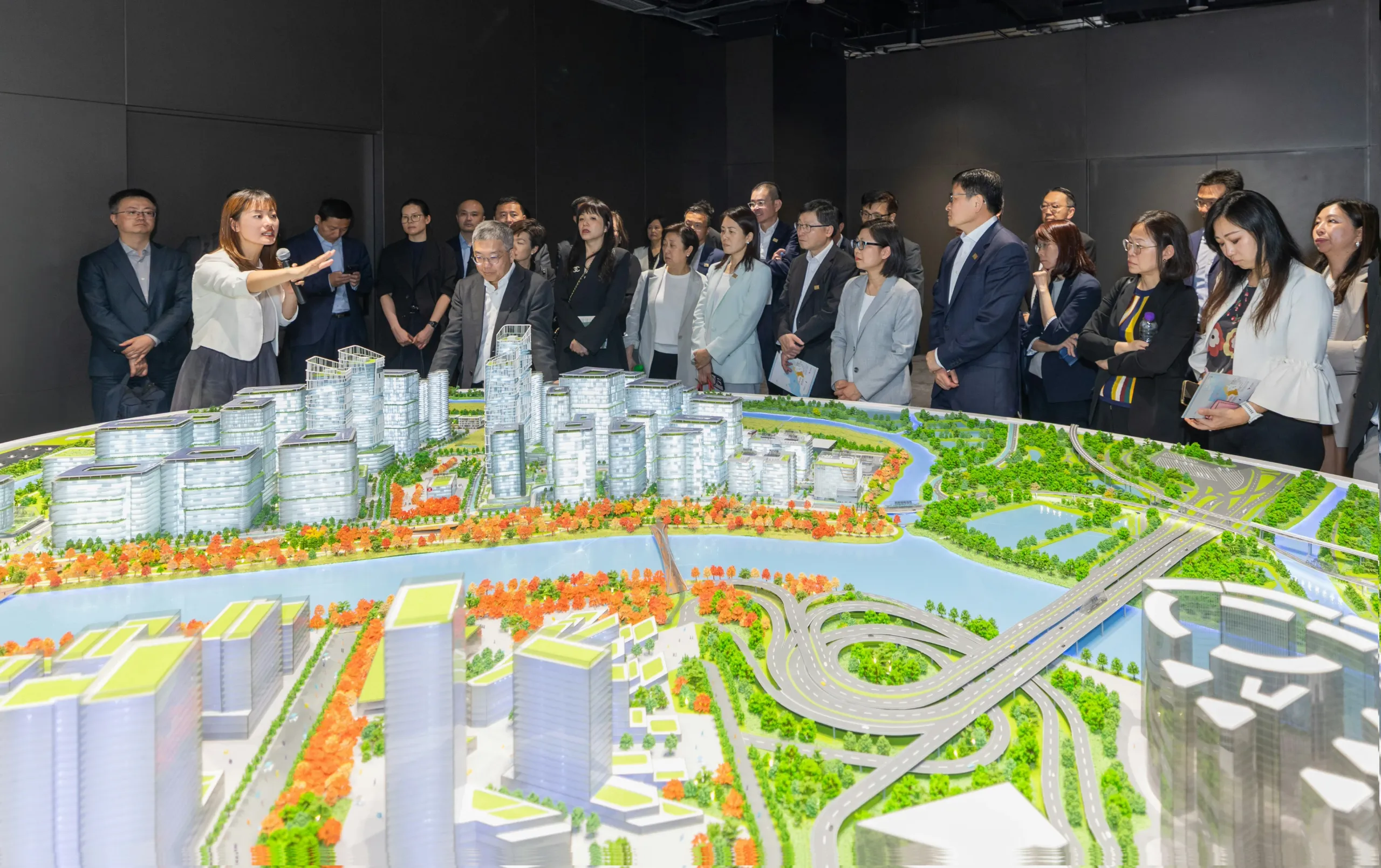
與內地融合:港深連動與澳琴連接
香港、澳門與中國內地之間的社會經濟融合,主要聚焦於兩大空間發展方向:港深合作與澳琴連結。為實現港深融合,香港正加速北部都會區的建設,致力打造人工智能樞紐,透過引入內地企業的參與和投資、建造大學城,並吸引全球及內地人才在此工作。交通與基建項目可望提速,包括採用內地建設標準及材料興建新鐵路線,並吸引更多城市居民遷往新界居住。然而,與橫琴粵澳深度合作區相比,北都的建設進度相對較慢。
橫琴粵澳深度合作區的融合模式較為獨特,涉及部分澳門居民在合作區內居住。但部分房地產項目存在過度開發及空置率較高的問題,反映出發展不平衡的現狀;由澳門與珠海高層官員組成的執行委員會已將此問題列為亟待改善的領域。
儘管港深之間更緊密的融合,需待北都建設完成且部分城市人口遷入後方能實現,而橫琴合作區建設同樣需要時間推行更完善的規劃及均衡發展,經過20年的社經與科技發展,北都可望取得豐碩成果,橫琴合作區也將迎來更多澳門居民。到2047年前後,北都很可能會湧現出更多重大交通基建,從而與深圳更緊密、直接地連接起來;同時,在2049年前後,橫琴合作區或許會展開是否併入澳門的討論。
值得注意的是,珠海部分人士表達異議:鑑於珠海在開發橫琴上投入大量心血,不應輕易劃歸澳門。若此類區域整合在政治層面遭遇阻力,可以預見,廣東省政府乃至中央政府最終將介入,參與香港與深圳、澳門與橫琴之間更深層區域整合的討論之中。

港澳整合過程中的新挑戰
隨着兩地與大灣區的融合不斷推進,其治理工作正面臨諸多重大挑戰。首先,兩地亟須制定更完善、更明確的人口政策,並將其與從中國內地及世界各地引進人才的政策有機結合。長期以來,兩地在人口長期預測以及引進內地人才的政策方面均有所欠缺。
若兩地人口呈現成長趨勢,政府必須制定全方位的配套政策:涵蓋制定更科學的人口與人才引進政策,優化教育與學科規劃,持續推進公務員隊伍改革,與廣東省領導層建立更常態化的溝通機制,以及在明確指標體系的指引下,持續推動可持續發展。然而迄今為止,兩地行政長官的《施政報告》尚未充分觸及這些核心議題。未來須進行更多普查,以更精準掌握人口發展趨勢。
考慮到兩地正迎來大量攻讀高等教育的內地學生,港澳政府必須提前做好規劃,明確未來五至十年內應該及能夠接納多少內地學生、須重點擴充的學科領域,並與大專院校協作,設計出切實可行的課程,以培養青年人才。針對市場人才缺口,兩地必須對各產業領域進行深入的研究與調查,同時,各大學也應透過改革課程,確保所培養的人才真正契合兩地未來20年的發展需求。在擴展過程中必須嚴格把關,以維護港澳高等教育的良好聲譽。
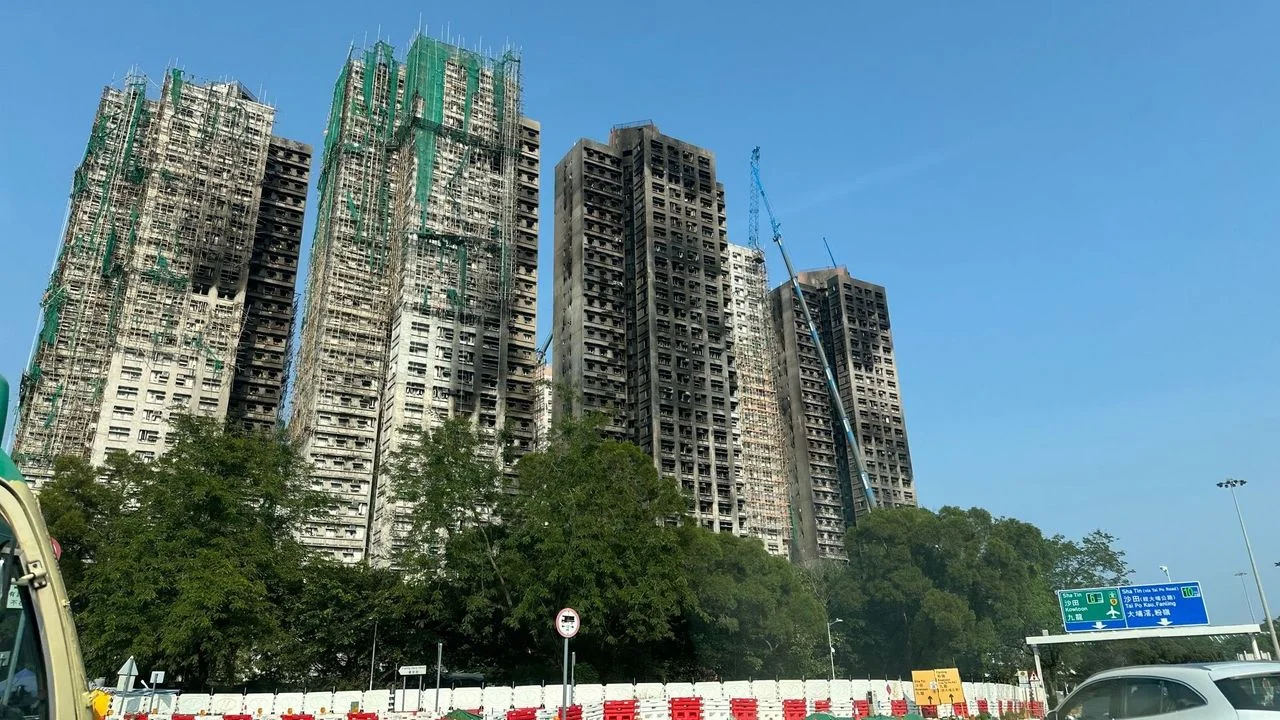
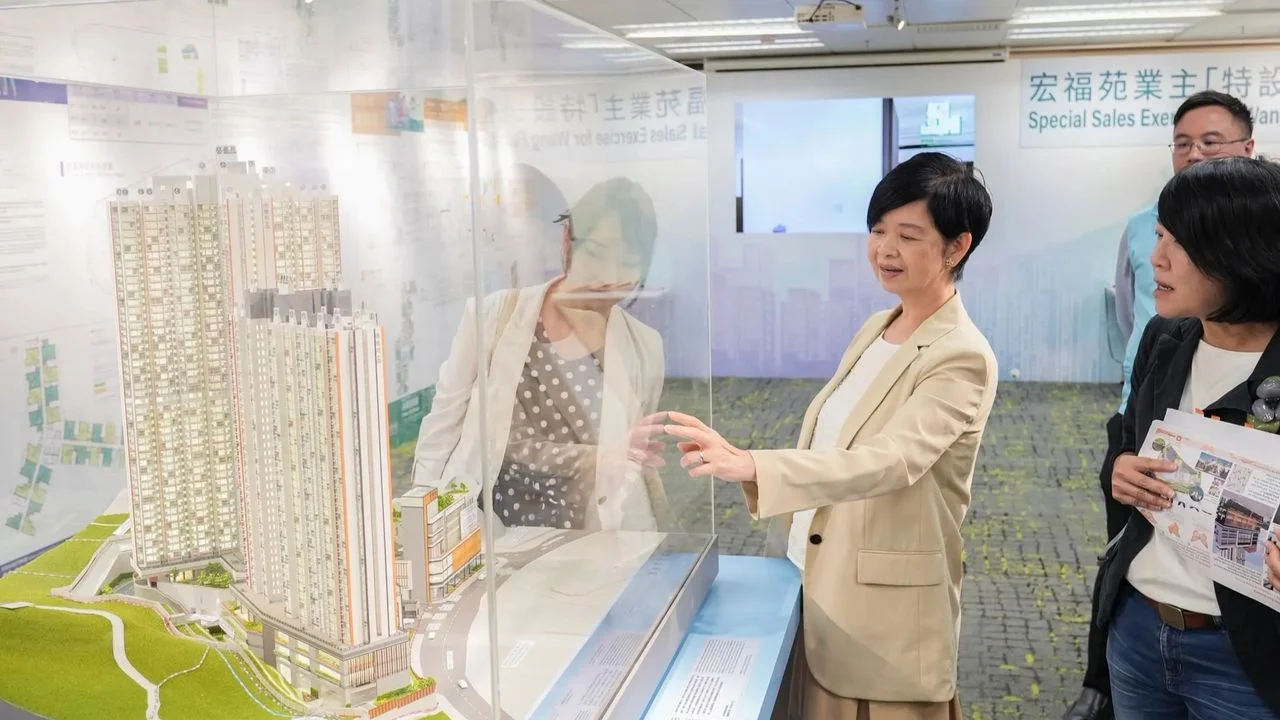
第三,公務員隊伍必須推行更深層的改革,以適應社會與經濟不斷變化的需求。香港的宏福苑火災是一場悲劇,隨後成立的獨立委員會在調查報告中指出,政府必須採取後續跟進及補救措施。為提升治理效能,香港必須改善公務員隊伍的表現——儘管在許多市民眼中,其現有表現總體尚可。理想情況下,所有公務員都應接受嚴格培訓,尤其是在跨部門協調以及危機管理等弱點。澳門公務員隊伍近期進行了部門重組,但這本身並不能確保實現令人滿意的施政表現。可靠的施政表現也取決於政策的科學制定與有效執行,而兩地政府在這些方面常常暴露出不足。
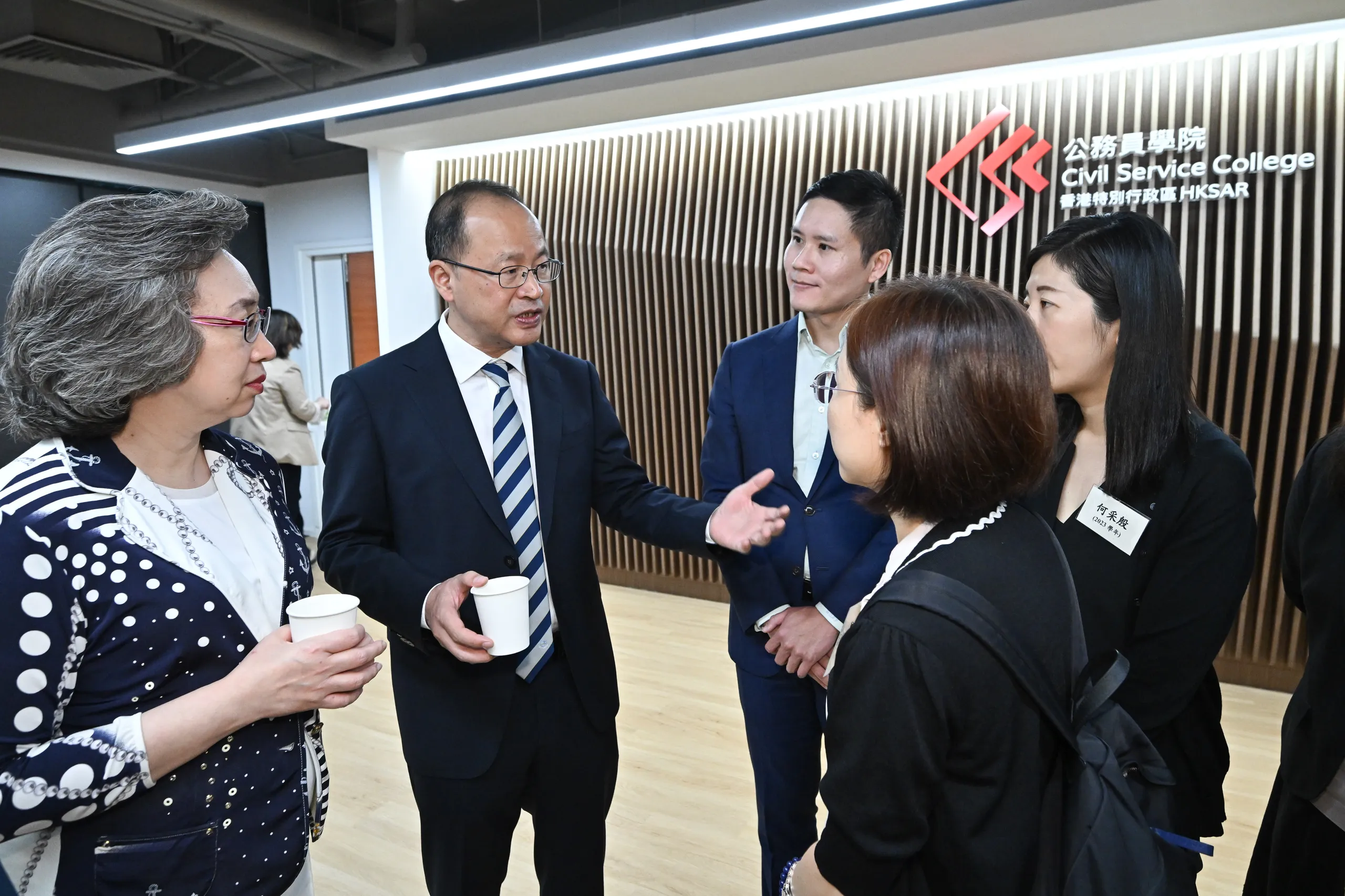
澳琴融合 省協調港澳和內地部門
第四,鑒於兩地與內地加速融合,港澳政府高層應與廣東省當局保持更頻繁的溝通。值得注意的是,廣東省人大常委會於2023年1月9日通過了《橫琴粵澳深度合作區發展促進條例》,表明中央政府已將澳門與橫琴合作區之間部分融合的權限下放給廣東省,廣東省政府將在港澳特區政府與大陸相關部門之間發揮關鍵協調作用。因此,無論這種更緊密的融合採取何種形式,兩地政府都應與廣東省領導層建立年度會晤機制,從而確立一種穩固的三方溝通制度化實踐。
第五,香港和澳門必須將可持續發展置於政策議程的優先事項。目前,兩地都在推動都市更新,不僅需要政府投入資金,還需要精準辨識那些亟需活化的區域。香港透過建立過渡性房屋來緩解貧困問題,而澳門則透過提供經濟適用房及各類補貼來應對貧困挑戰。兩地均致力於保護文化遺產建築,保留舊式建築設計的獨特魅力,吸引遊客。電動車的日益普及與推廣,為兩地在未來改善空氣品質指明了正確方向,但兩地未來仍須建立更完善的關鍵績效指標系統。
結語
港澳的政治體制日益趨同,均強調穩定性、行政主導,並由愛國精英參與各類政治機構。然而,兩地的功能定位各異:香港保持金融、貨幣及航空樞紐的地位;澳門則作為中國加強與葡語國家關係的平台。香港繼續維持資本主義制度,以低稅率吸引外資並保持良好的營商環境;澳門則是一個旅遊樞紐,其體制呈現出賭場資本主義與社會福利主義相結合的特徵。對澳門而言,經濟多元化至關重要,北京認為不應過度依賴以博彩業為驅動的資本主義模式。
自2020年6月下旬香港《國家安全法》頒布,以及2023年5月澳門相關法律修訂以來,兩地均朝着去政治化的方向邁進。在香港,社會發展、經濟建設及科技創新已成為當前的工作重點。
兩地安全化進程,顯然旨在為兩地更深入地融入大灣區做準備——香港專注於與深圳的融合,澳門則側重於橫琴粵澳深度合作區。儘管如此,兩地的治理仍面臨諸多重大挑戰,包括:制定更有效的人口與人才引進政策,為本地及內地學生優化教育與專業培養方案,持續推進公務員制度改革,與廣東省領導層建立更常態化的溝通機制,並透過明確指標持續推動可持續發展。這五大領域無疑將影響香港與深圳之間(從即日起至2047年)以及澳門與橫琴之間(從即日起至2049年)在社會經濟和技術層面融合的速度與廣度。
Comparing the development of Hong Kong and Macau: Convergent pathways and divergent functions from now to 2047 and 2049
Since the Sino-British and Sino-Portuguese negotiations over the future of Hong Kong and Macau in the early and mid-1980s, the political and socio-economic development of the two cities has witnessed convergent pathways and divergent functions. Convergent pathways refer to the process of making Hong Kong’s sovereignty and Macau’s administrative right return from colonial rule to the People’s Republic of China (PRC) by 1 July 1997 and 20 December 1999, respectively.
After the retrocession of Hong Kong and Macau to the Chinese mainland, the two cities envisaged divergent political development until a watershed came in mid-2020; Macau witnessed a relatively weaker civil society, a less vociferous opposition, and a more compliant mass media than Hong Kong.
Yet, the over-aggressiveness of the opposition in Hong Kong erupted into political turbulence in the latter half of 2019, when protests and violence made the central government in Beijing determined to introduce the national security law in late June 2020. The promulgation of the national security law in Hong Kong not only brought about law and order but also stimulated Macau to update its national security law in 2023.
Since mid-2020, Macau and Hong Kong have seen convergent pathways in depoliticization and securitization. Securitization is hereby defined as a long-term process of elevating the importance of national security, enhancing the role of policing, and preparing the two cities for a faster process of socio-economic integration with the Chinese mainland, especially the Greater Bay Area.
Hong Kong and Macau since mid-2020 have seen a prominent phenomenon of having divergent functions. Hong Kong is serving the Chinese mainland as a “super-connector” by maintaining its role as a financial, monetary, and aviation centre. Macau is acting as a bridge for China to enhance its relations with Portuguese-speaking countries.
Both Special Administrative Regions (SARs) are entrusted and empowered to perform para-diplomatic functions, including the utilization of Hong Kong’s common-law advantage to expand the activities of the International Organization for Mediation (IOMed), and the expansion of Macau’s para-diplomatic activities to reach out to other European countries like Spain, Switzerland, and Belgium.
Early 1980s to the return of sovereignty of Hong Kong and administrative right of Macau
The signing of the Sino-British Joint Declaration over Hong Kong in December 1984 and the initiation of the Sino-Portuguese Joint Declaration over Macau in April 1987 triggered a process of decolonization in the two places. Decolonization refers to a process of making a place less colonial in its political and socio-economic systems. In Hong Kong, the British prepared for their departure by introducing more elected seats in the Legislative Council (LegCo), while the Portuguese administration accelerated the process of localising the civil service (more Chinese civil servants were groomed and promoted), localising the language used in the civil service and society (more usage of the Chinese language), and localising the law (the translation of law and regulations from Portuguese to Chinese).
The shared common objective of decolonization in Hong Kong and Macau was to prepare the local people to govern themselves in the two cities after 1 July 1997 and 20 December 1999, respectively. By and large, the process of decolonization proceeded smoothly. In Hong Kong, the gradual process of democratic reforms introduced in the LegCo stimulated the development of the pro-democracy opposition, which later would become an influential force in the Hong Kong SAR until mid-2020.
The most important contribution of the British administration to Hong Kong shortly before the retrocession in July 1997 was perhaps the extent of infrastructure development, including not only the completion and operation of a new airport in Chek Lap Kok but also the implementation of public housing projects.
In Macau, decolonisation proceeded also smoothly, but casino governance was out of the control of the Portuguese administration shortly before December 1999, when criminal elements were active inside and outside some casinos until they were cracked down on by the government with the support of PRC authorities.
The crux of the problem of crime control in Macau was that some of its casinos contracted out gaming rooms to suspected criminal elements, who struggled among themselves for lucrative profits. In a sense, the balance of power inside casinos was tipped in favour of some criminal groups and elements — a phenomenon that led the post-1999 government to open up the casino franchises to various competitors rather than retaining an outdated phenomenon of casino monopoly.
Socio-economically speaking, the transition period from the colonial administration to the SAR government was relatively short, hampering innovative technological change and socio-economic reforms, which were all left to the post-1997 government of Hong Kong and the post-1999 authorities of Macau. Hong Kong remained a vibrant financial, monetary, and aviation centre, while Macau’s criminal activities were eventually controlled shortly before 20 December 1999.
Post-1997 politics of Hong Kong and post-1999 development in Macau until mid-2020
After the return of Hong Kong’s sovereignty in July 1997 and that of Macau’s administrative right to China in December 1999, the two cities witnessed divergent political development. Hong Kong’s political opposition grew rapidly, challenging the legitimacy of the Hong Kong SAR government from time to time over the pace and scope of democratisation. In fact, the overpoliticization of Hong Kong led to political polarization and incessant debates over how reforms should be introduced to the LegCo and the Chief Executive election. Macau’s situation was much better than Hong Kong’s, mainly because the former’s opposition forces were relatively weaker.
The hyper-politicization in the Hong Kong SAR took the form of a series of socio-political movements, like the opposition to the national education policy in 2012, the launch of the Umbrella Movement to push for democratization in late 2014, the opposition to the government’s political reform plan in 2015, and most importantly the resistance movement against the extradition bill in the latter half of 2019. All these socio-political movements had the consequences of politicizing and polarizing Hong Kong ideologically, and of pitting activists against pro-establishment forces.
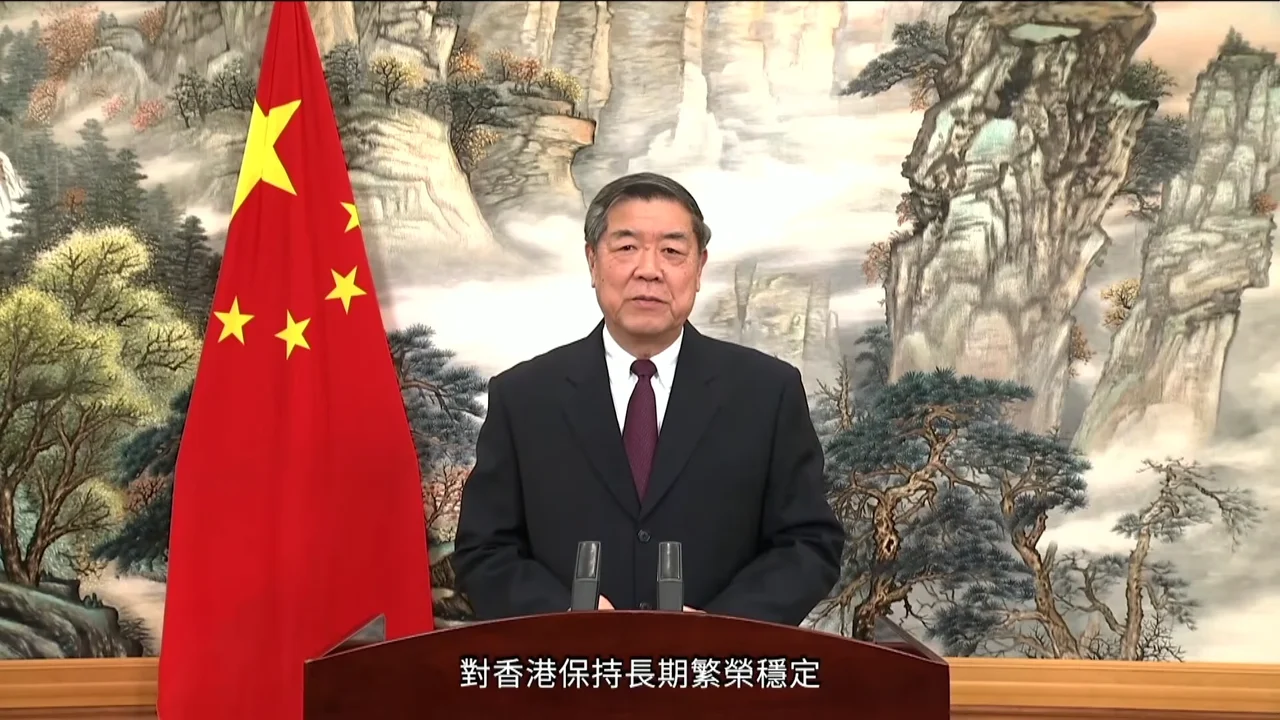
Due to the violence in the 2019 anti-extradition movement, the central government in Beijing decided to promulgate the national security law in late June 2020 with the aim of stabilizing the law and order of Hong Kong. Securitization could therefore bring about the Hong Kong SAR’s social order and economic prosperity from the PRC perspective.
The promulgation of the national security law stabilized Hong Kong and triggered Macau to update and amend its national security legislation. The securitization of the two cities has another important but neglected function: promoting and accelerating the socio-economic integration of both cities into the Chinese mainland, especially the Greater Bay Area.
The people of Hong Kong and Macau are expected to be law-abiding citizens, not only in the two SARs but also when they visit the mainland. As such, the implementation of the national security law in the two cities — Hong Kong since mid-2020 and Macau since 2009 — was a precondition for the closer socio-economic integration of the two cities into the Chinese mainland from now to 2047 and 2049, respectively.
The central leadership in Beijing believes that once the Hong Kong SAR changed its chaotic society to order, the new focus of the local government is to develop and achieve economic prosperity. As such, Hong Kong in 2026 prepared its first five-year plan in conformity with the developmental blueprint of China’s 15th five-year plan on Hong Kong. Similarly, Macau’s third five-year plan in 2026 pushes the city to integrate closer with the In-Depth Cooperation Zone in Hengqin so that its economic diversification will be achieved soon.
Beijing has seen Macau’s economic diversification as a necessary move to reduce the city’s reliance on casino capitalism, while encouraging and supporting Macau to maintain and develop its social welfare policies to benefit the poor and the needy. As such, Macau has been exhibiting a hybrid model of governance that combines a capitalist mode of production with socialist emphases on poverty alleviation, social welfare, and the protection of the livelihood of ordinary people.
On the other hand, Beijing expects Hong Kong and Macau to perform divergent functions. While Macau is expanding its para-diplomatic outreach to European countries to solicit foreign direct investment, Hong Kong’s financial and monetary centres are consolidated with the establishment of a new gold exchange centre. The IOMed, which was established in Hong Kong in May 2025, aims at providing mediation services to settle disputes among states and between states and private entities, and utilizing the city as a para-diplomatic platform to reach out to countries along the Belt and Road Initiative.
Traditionally, Macau as a city where Chinese culture has been interacting with Western cultures can attract more tourists from various parts of the world, especially those from Asian countries. Similarly, Hong Kong as a city with a long history of East-West cultural interactions can lure many foreign tourists. The challenge is how tourism officials in the two cities cooperate to make tourist-visiting packages to both Hong Kong and Macau equally attractive, thereby bringing about a win-win scenario for all stakeholders.
Meanwhile, the securitization of Hong Kong and Macau has brought about their political convergence. Gone are the days in Hong Kong when its opposition was active in launching social and political movements. The assertive civil society was outdated, and it is now replaced by a more harmonious society with “patriotic” elites playing a crucial role.
The “patriots” are also occupying a vital role in shaping the “executive-led” political systems in both Hong Kong and Macau, where the ideologically pro-Western “democrats” have become a negative label that must be avoided, where they are bound to be excluded from participation in existing political institutions, and where they have very limited political space.
The mass media in Hong Kong have been learning how to adapt to the new political circumstances since late June 2020, voicing criticisms with constructive suggestions along the traditional line of the pro-establishment mainstream media in Macau. The Macaunization of Hong Kong politics is an inevitable and irreversible trend.
Integration with the Mainland: Hong Kong-Shenzhen Nexus and Macau-Hengqin link
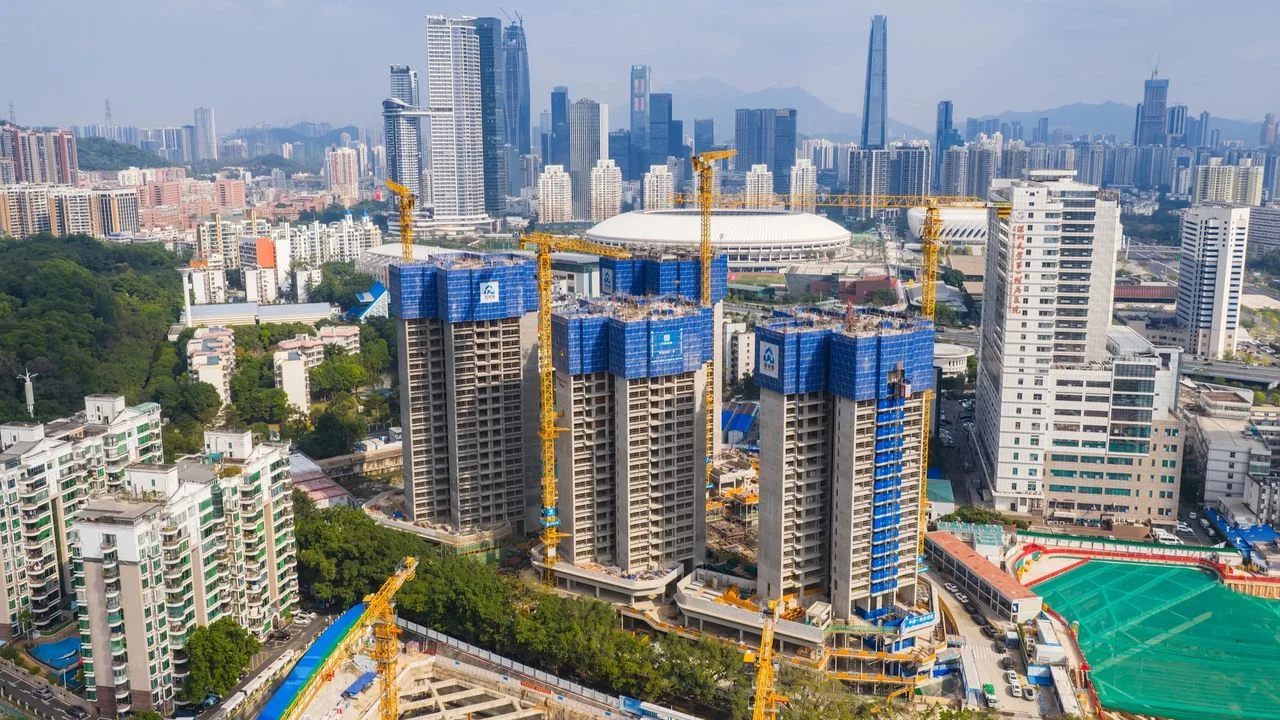
The socio-economic integration between Hong Kong and Macau on the one hand and the Chinese mainland on the other hand is focusing on two spatial developments: Hong Kong-Shenzhen cooperation and the Macau-Hengqin connection. To achieve Hong Kong-Shenzhen integration, the Hong Kong SAR is expected to accelerate the construction and completion of its Northern Metropolis, which is now embracing the development of an artificial intelligence hub, with the participation and investment of mainland firms, the construction of university towns, and the attraction of global and mainland talents to work there.
Transport and infrastructure projects are expected to be accelerated, including new railway lines through the usage of mainland construction standards and materials, and the attraction of more urbanites to move to reside in the New Territories. Nevertheless, the speed of constructing the Northern Metropolis remains relatively slow in comparison with Macau’s In-Depth Cooperation Zone with Hengqin.
Macau’s integration with the In-Depth Cooperation Zone is unique, for it involves the establishment and residence of some Macau people in the new Macau neighbourhood, but some of the properties were overdeveloped with considerable vacancies — a reflection of imbalanced development in the Cooperation Zone and an area identified as requiring improvement by an executive committee composed of top officials from Macau and Zhuhai.
While the closer Hong Kong-Shenzhen nexus of integration will take place only after the completion of the Northern Metropolis and the migration of some urban people to reside there, the development of Macau’s In-Depth Cooperation Zone with Hengqin will also require some time, better planning, and more balanced development.
Having said that, twenty years of socio-economic and technological development will be suffice for the Northern Metropolis to see fruitful results and for the Macau In-Depth Cooperation Zone with Hengqin to witness more Macau people residing there. As such, it will be likely that around 2047, Hong Kong’s Northern Metropolis will envisage more significant infrastructure projects, like bridges, underground tunnels, and the West Rail linking the newly urbanised areas with Shenzhen in a more coherent and direct way.
At the same time, around 2049, there would likely be discussions between Macau and Hengqin as well as Zhuhai and Guangdong on whether the In-Depth Cooperation Zone would be “absorbed” territorially into Macau. Interestingly, some people in Zhuhai have already voiced their views saying that since Zhuhai devoted lots of time to developing Hengqin, the newly developed areas neighbouring Macau should not be “given” to Macau easily. If the politics of territorial integration encounters obstacles, it can be anticipated that the provincial government in Guangdong and the central government in Beijing will eventually be involved in discussions of closer territorial integration between Hong Kong and Shenzhen, and between Macau and the In-Depth Cooperation Zone.
New challenges of integration to the governance of Hong Kong and Macau
Looking ahead from now to Hong Kong in 2047 and Macau in 2049, there are some substantial challenges to their governance in light of the gradual pace of socio-economic and technological integration with the Greater Bay Area.
First, both cities must have a better and clearer population policy that is tied to the policy of importing talents from the mainland and other parts of the world. So far, both cities have been lacking long-term population projections with clear-cut policies relating to the import of talents from the Chinese mainland. If the population of both Hong Kong and Macau is gradually growing, both cities must figure out a full range of policies, including the composition of the population, the needs of the youth, elderly policies, poverty alleviation, and the policy of stimulating local birth rates.
All these policies are and will be interrelated, but so far, the policy addresses of the Chief Executives of the two cities have not yet tackled the issues concerned. More surveys and censuses will have to be conducted to get a more accurate picture of population projections for both cities.
Second, as the population is gradually increasing, especially as both cities are witnessing the influx of mainland students to pursue higher education studies, the governments of Hong Kong and Macau must plan ahead on how many mainland students should and can be admitted in each of the coming five to ten years (an issue affecting student accommodation capacity), whether some of them (and how many of them) would be allowed to reside in the city after graduation to contribute to its economic and technological development, and what educational programs should be launched and revamped to fit the needs of the city’s developmental blueprint.
Specifically, the governments of Hong Kong and Macau must figure out the educational disciplines that will be required to be expanded in both cities in the coming five to ten years, coordinating with local vocational training colleges, tertiary institutes, and universities that will design appropriate programs for nurturing young people.
Gaps in the market will have to be filled by the import of talents from the mainland and other countries. As such, studies and surveys will have to be conducted among different occupational sectors, while universities have to open, reform, and redesign their programs in a way that will really fit the needs of the two cities in the coming two decades. In the process of expanding educational programs, their qualities will have to be upheld to maintain the respectable reputation of higher education in Hong Kong and Macau.
Third, the civil service as a pivotal institution in both Hong Kong and Macau will have to undergo more substantial reforms to meet the changing needs of society and the economy. The outbreak of the Tai Po fire in Hong Kong in November 2025 was a tragedy that led to an independent committee’s report necessitating follow-up and remedial actions from the government. To strengthen the effectiveness of governance, Hong Kong must improve the performance of its civil service, although its performance was in general satisfactory in the eyes of many citizens.
Still, complacency cannot bring about effective governance. Civil service reforms will have to continue in both Hong Kong and Macau. All civil servants should ideally be required to undergo rigorous training, especially in the weak areas of interdepartmental coordination, communication, and crisis management. The Macau civil service has recently undergone departmental restructuring, which alone cannot guarantee satisfactory performance.
Reliable performance must also stem from proper formulation of policies and effective implementation of policies — areas that show gaps in both cities from time to time. As such, the training of civil servants has to be improved persistently.
Fourth, the top leaders of Hong Kong and Macau should communicate with the Guangdong authorities more regularly, given the imminent deepening of Hong Kong-Shenzhen integration and Macau-Hengqin cooperation. Notably, the Standing Committee of the Guangdong Provincial People’s Congress adopted the Regulations on Promoting the Development of the Guangdong-Macau In-Depth Cooperation Zone in Hengqin on 9 January 2023; they were promulgated on 8 February and took effect on 1 March 2023.
This suggests that Beijing delegated the authority for “partial” integration between Macau and the Cooperation Zone to the Guangdong Provincial People’s Congress. It implies that the Guangdong provincial government will play a crucial coordinating role between the local governments of Hong Kong and Macau and their mainland counterparts in any further integration of Hong Kong with Shenzhen and Macau with Hengqin.
Therefore, whatever form closer integration takes, whether a new bridge or underground tunnel between Hong Kong and Shenzhen, or the “absorption” of parts of the Cooperation Zone, such as the first line, into Macau, the Hong Kong and Macau governments should ideally hold annual meetings with the Guangdong leadership to establish a sound constitutional practice of tripartite communication.
Fifth, as the cities of Hong Kong and Macau grow, sustainable development has to be put on the top priorities of their policy agenda. Urban renewal has been underway in both Macau and Hong Kong, and it requires governmental investment and accurate identification of the sites that require rejuvenation.
Poverty alleviation has been tackled in Hong Kong through the establishment of transitional housing units, while Macau has coped with the issue of poverty through the provision of economic housing units and various subsidies. Cultural heritage buildings have to be preserved in the two cities, retaining the glamour of old architectural designs so as to attract tourists. The increasingly popular usage and purchase of electric vehicles point in the right direction in which both cities will reach their better air quality targets in the years to come. The goals of sustainable development need better key performance indicators in the two cities in the years to come.
Conclusion
Both Hong Kong and Macau have witnessed a converging political system that emphasizes stability, an executive-led nature, and “patriotic” elites participating in various political institutions. The two cities, however, have divergent functions, with Hong Kong retaining its financial, monetary, and aviation centres while Macau remains the platform for China to enhance its relations with Portuguese-speaking countries. Hong Kong remains a capitalist city with relatively low taxes to attract foreign investment and maintain a favourable business environment, whereas Macau remains a tourist hub mingled with a hybrid system that is characterized by a mixture of casino capitalism and social welfarism. Economic diversification is necessary for Macau, which, to Beijing, should not depend excessively on casino-driven capitalism.
Both cities have been moving in the right direction of depoliticisation after the promulgation of the national security law for Hong Kong in late June 2020 and the revision of the parallel law for Macau in May 2023. In Hong Kong, more efforts are now spent on the development of society, the economy, and technological innovation.
The securitisation of both Hong Kong and Macau is clearly preparing for the deeper integration of the two cities into the Greater Bay Area: Shenzhen in the case of Hong Kong, and the In-Depth Cooperation Zone in Hengqin for Macau. Still, there are substantial challenges to the governance of Hong Kong and Macau: the development of better population and talent import policies; the better planning and design of educational and disciplinary programs for locals and mainland students; persistent efforts at civil service reforms; more regular communication with the Guangdong leadership; and the continuation of sustainable development with clear indicators. These five areas of challenges will undoubtedly shape the speed and scope of socio-economic and technological integration between Hong Kong and Shenzhen from now to 2047 on the one hand and between Macau and Hengqin from now to 2049 on the other hand.
原刊於澳門新聞通訊社(MNA)網站,本社獲作者授權轉載。(原文按此)