




北京視上海合作組織為推進多極化、提升「全球南方」代表性以及促進歐亞大陸經濟一體化的主要平台。相比之下,中國對太平洋島國論壇(PIF)的參與,則因台灣的參與問題以及太平洋地區的軍事隱憂等地緣政治摩擦而受到限制。
中國近期對上合組織與太平洋島國論壇這兩個區域組織的不同回應,展現了其鮮明的外交政策優先事項與目標,同時也突顯出這兩個地緣政治集團截然不同的性質。
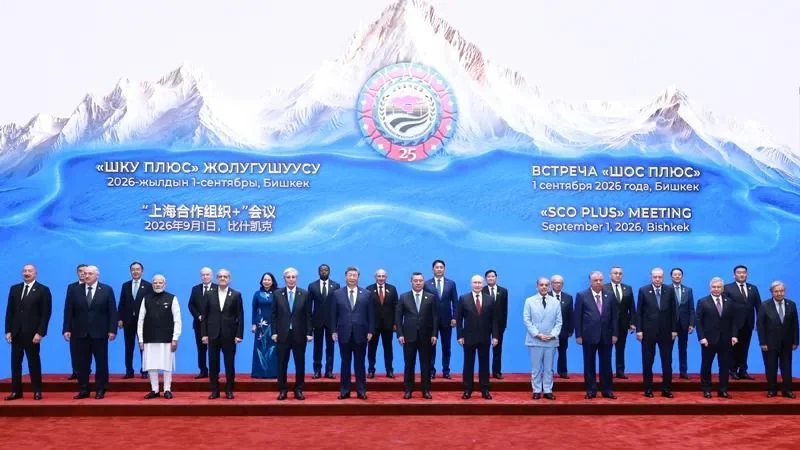
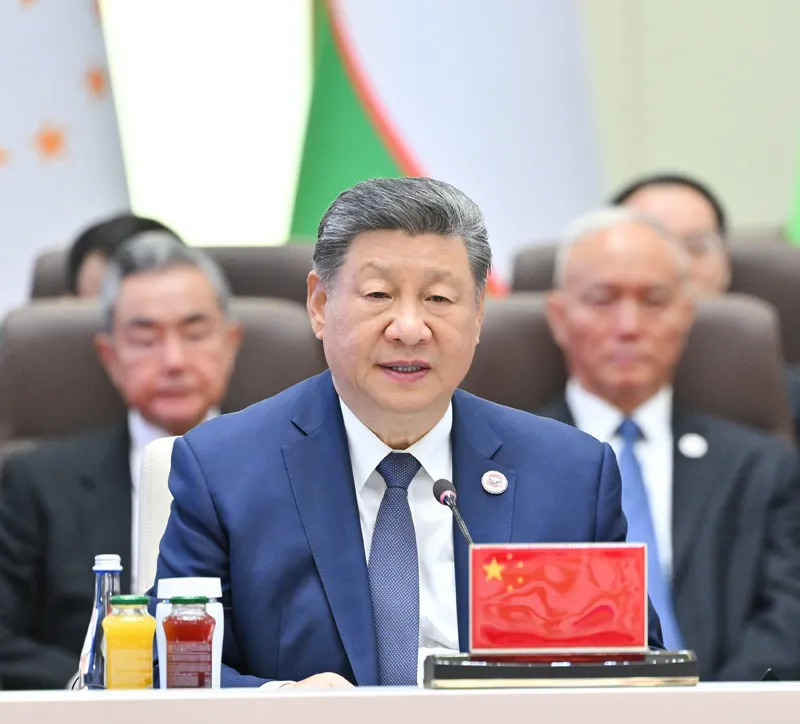
9月1日,中國國家主席習近平前往吉爾吉斯首都比什凱克,出席上合組織成員國元首理事會第26次會議。會上,習主席強調「全球南方」需要在國際政治中發揮關鍵作用,以維護權力平衡,並且呼籲所有國家支持《聯合國憲章》,拒絕雙重標準,拋棄霸凌行徑與叢林法則,反對外部干涉,並推進國際關係法治化。
習主席講話的基調反映了中國外交政策框架中的社會主義視野,強調公平、平等、正義、「全球南方」的更大代表性,以及構建共享的全球社區。可以說,邁向多極化的願景同樣植根於這一概念背景之中。
上合組織內部動態演變與務實聯盟
這一願景自然與以西方主導和西方價值觀普遍性為核心的美國主導秩序形成對比。中國的視角不僅納入了社會主義原則,還兼顧了「全球南方」各國在文化、歷史和傳統上的差異,背後原因與這許多國家曾是西方帝國主義和殖民體系的歷史受害者有關。
目前,上合組織擁有十個成員國:白俄羅斯、中國、印度、伊朗、哈薩克、吉爾吉斯、巴基斯坦、俄羅斯、塔吉克和烏茲別克。儘管某些成員國之間(如印度與巴基斯坦、中國與印度)存在領土爭端,但所有成員國往往聚焦於從貿易、安全,以至功能性合作以及可持續發展等務實領域的合作。
作為五個創始成員國之一,自1996年4月開始初步籌備以來,北京在上合組織中的優先事項發生了顯著演變。蘇聯解體最初推動了該組織的孕育,當時的重點是實現邊境非軍事化和建立互信。隨着上合組織於2001年正式成立,受中亞邊境極端主義運動的擔憂牽動,中國的工作重心轉向打擊恐怖主義和維護區域安全,最近北京的關注焦點擴大至一帶一路倡議,重點在於能源、貿易、交通和基建設施。
印度外交遊走各方 謀戰略平衡
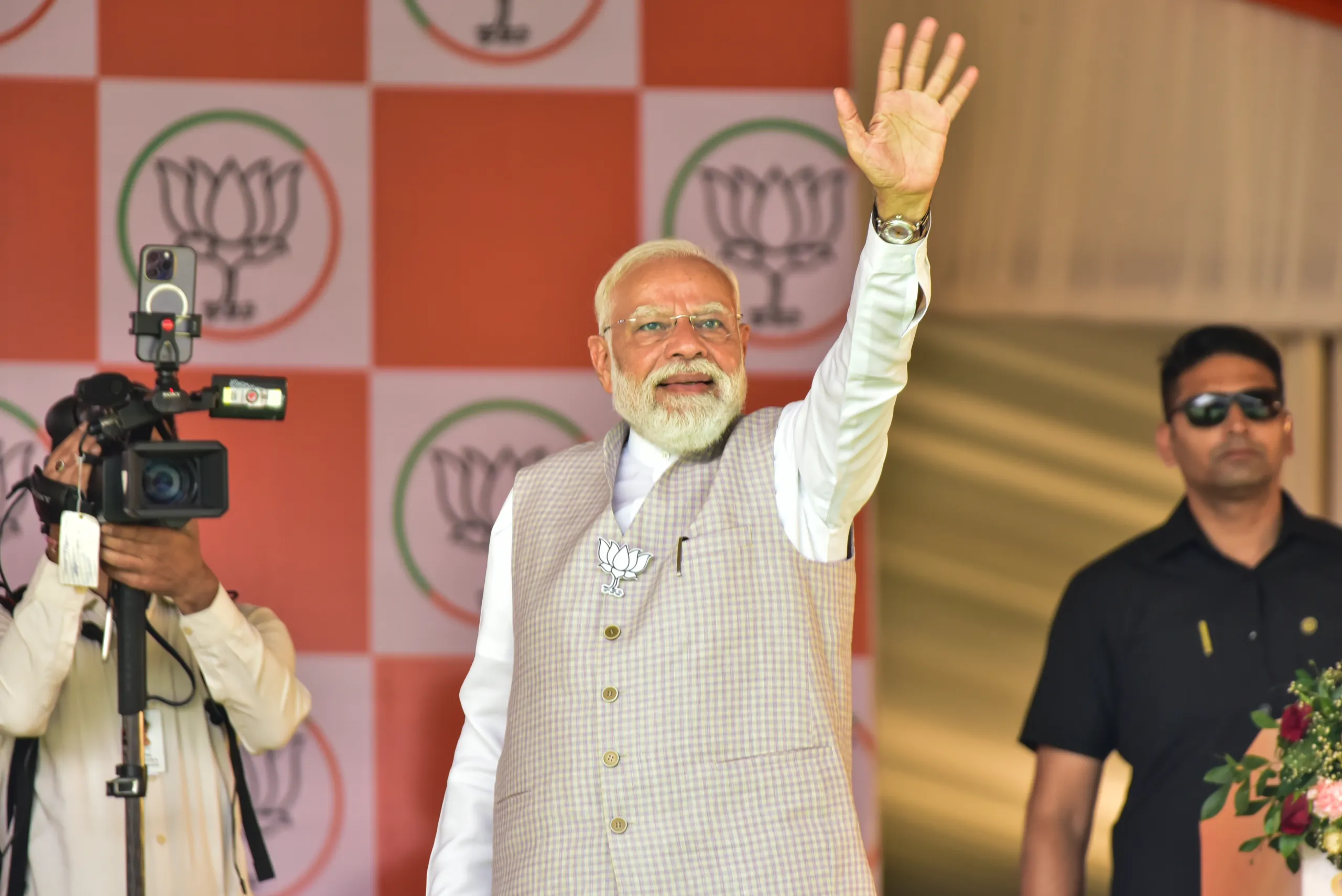
印度是唯一一個不背書中國一帶一路倡議的上合組織成員國,但新德里的參與在地緣政治上依然意義重大。作為一個不結盟國家和西方風格的民主國家,印度的存在為一個原本由俄羅斯、中國和中亞國家主導的集團引入了親西方的視角。
印度同時也是「四方安全對話」(QUAD)的成員(與美國、日本和澳洲並列),該機制發揮平衡中國在印太地區軍事態勢的安全安排作用。因此,印度的上合組織參與具有獨特性,要求新德里必須在其西方安全同盟關係與傳統的不結盟外交政策立場之間不斷尋求平衡。
台灣問題在太平洋引發外交反響
相比之下,中國在2026年對太平洋島國論壇的參與,則因論壇對台灣參與而引發了正式抗議。
太平洋島國論壇與上合組織峰會同期舉行,但其18個成員國中有五個缺席:吉里巴斯、斐濟、萬那杜、薩摩亞和索羅門群島。政治上,本次活動由台灣在太平洋的少數幾個官方盟友之一帛琉主辦。值得注意的是,吉里巴斯、斐濟、萬那杜、薩摩亞和所羅門群島均奉行「一個中國」原則。各界普遍認為,五國不參與本次論壇,是為避開台灣出席所引發的外交糾葛。
針對部分成員國的缺席,紐西蘭外交部長溫斯頓·彼得斯(Winston Peters)質疑代表團缺席的動機,而澳洲總理安東尼·阿爾巴尼斯(Anthony Albanese)則坦言,圍繞台灣的爭論淡化對能源、氣候變遷和跨國犯罪等核心實質議題的注意力。
中國太平洋事務特使錢波表示,北京對會議給予台灣的參與表示嚴重關切,並確認中國政府已直接向帛琉當局轉達了中方立場。
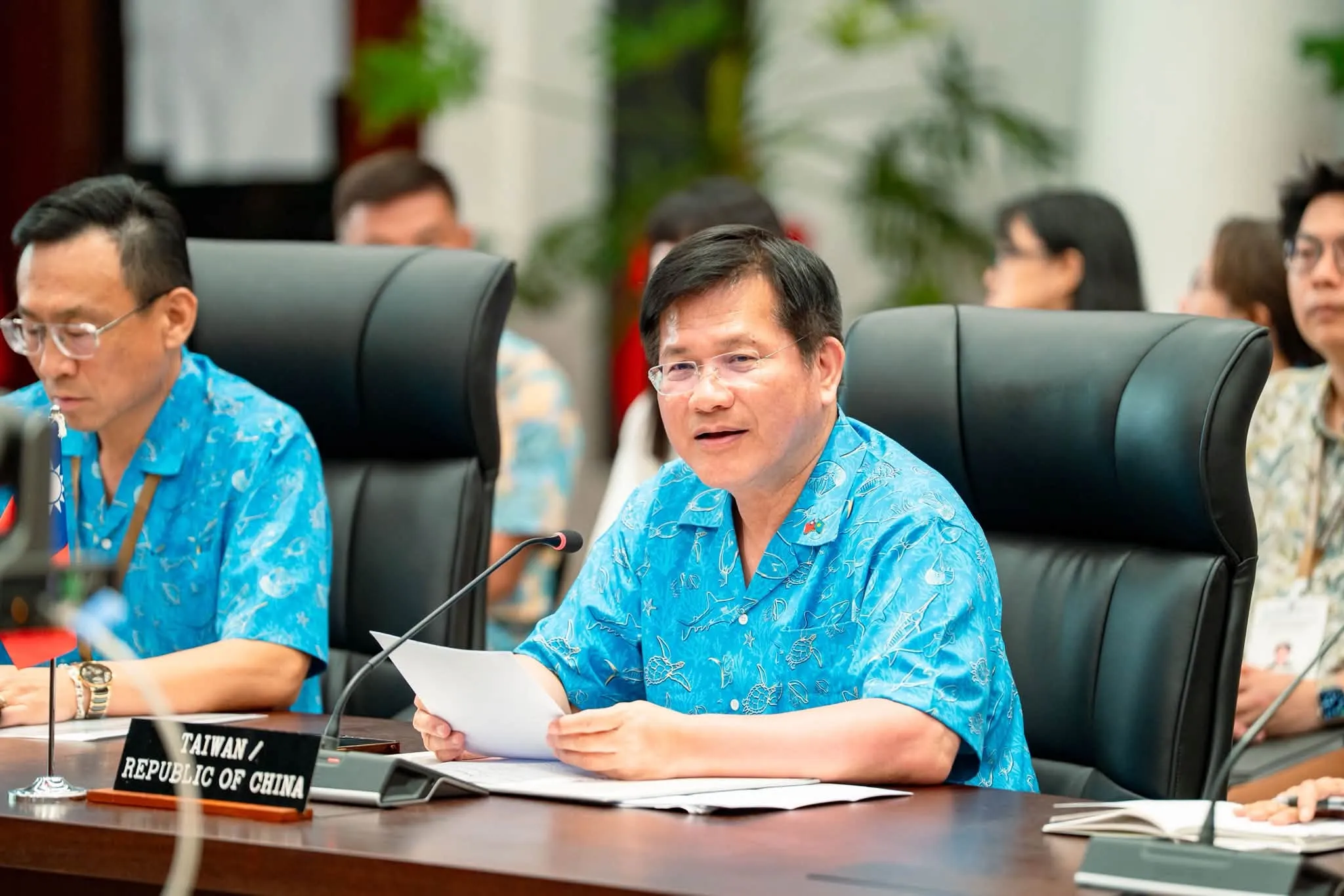
台灣的外交部長林佳龍率領由台灣企業領袖組成的大型代表團前往帛琉商業中心科羅爾出席論壇。他們的出席符合台北旨在深化與太平洋島國經濟和務實聯繫的「新南向政策」。
帛琉總統兼太平洋島國論壇新任輪值主席惠普斯(Surangel Whipps)對記者表示,中國曾試圖阻撓台灣參與,他堅稱不會被霸凌。
歷史先例與太平洋島國論壇的共識授權
有趣的是,在2025年的太平洋島國論壇會議上,所羅門群島總理馬內萊(Jeremiah Manele)曾提議將所有21個外部對話和發展夥伴(包括美國、中國、英國和台灣)排除在參會名單之外。官方理由是該論壇變得過於繁瑣,需要審查夥伴關係結構,這是一個切實將北京和台北雙雙邊緣化的務實舉措。
同樣,在2024年太平洋島國論壇峰會上,所羅門群島以台灣不是主權國家、並引用國際法規範為由,主張將台灣自組織中除名。中國對此動議表示支持。然而,與台灣保持正式外交關係的三個太平洋國家帛琉、吐瓦魯和馬紹爾群島反對該倡議。
由於太平洋島國論壇嚴格奉行共識原則,該動議未能獲得一致支持,論壇最終重申了維護現狀的1992年公報。隨後,台灣與太平洋島國論壇祕書處簽署了一項為期三年(2024-2027年)的發展協議。
針對2024年的決定,大使錢波主張應當糾正1992年公報,並指出:「形勢很明朗;在太平洋島國論壇的18個成員中,有15個國家與中國建立外交關係,有15個國家明確表示堅持『一個中國』原則」。因此,台灣在太平洋島國論壇中的地位,依然是成員國之間持久的摩擦根源。
太平洋安全焦慮與截然不同的外交成果
無獨有偶,中國於2026年7月6日在太平洋海域試射一枚潛射洲際彈道導彈。此舉隨即引起日本、澳洲及新西蘭的憂慮,放大9月太平洋島國論壇峰會的地緣政治敏感度。新華社指出,本次試射屬例行演練,過程安全且符合專業規範。
然而,對於那些對中國不斷擴大的軍事足跡抱持戒心的太平洋島國而言,導彈試射加劇了區域焦慮。因此,帛琉總統惠普斯於9月3日峰會最後一天呼籲太平洋島國論壇成員國作出統一回應。
中國對上合組織與太平洋島國論壇的戰略投入形成了鮮明對比。北京賦予上合組織巨大的制度價值,將其視為推動全球治理、促進多極化以及加強反對單邊霸權主義的非西方多邊聯盟的工具。
總而言之,北京在參與上合組織和太平洋島國論壇時展現出截然不同的經歷,突顯了前者在中國大戰略中的核心地位,以及後者圍繞台灣問題持續不斷的摩擦。
China’s response to regional organizations: Contrasts between SCO and PIF
China’s recent responses to two regional organizations – the Shanghai Cooperation Organization (SCO) and the Pacific Islands Forum (PIF) – have shown its distinct foreign policy priorities and objectives, whilst also highlighting the varying nature of the two geopolitical groupings.
On 1 September, President Xi Jinping traveled to Bishkek, the capital of Kyrgyzstan, to attend the 26th meeting of the Council of Heads of State of the SCO. He delivered a speech emphasizing the importance of global governance amid an increasingly multipolar world (Xinhua, 1 September 2026).
First, President Xi stressed the significance of strengthening the work of the United Nations and building a multipolar world, asserting that the SCO can contribute to the reform and improvement of global governance.
Second, as in his speeches on various other occasions, Xi criticized hegemonism, unilateralism, and protectionism, adding that most countries in the world do not embrace power politics, conflict, confrontation, isolation, or backwardness (Xinhua, 1 September 2026). He emphasized the need for the Global South to play a crucial role in maintaining the balance of power in international politics – a trend toward the inevitability of multipolarity.
Third, to move the world toward multipolarity, President Xi advocated the need for countries to build consensus, maintain equality and order, and uphold sovereignty and mutual respect. Regarding equality, he referred to the right of Global South countries to enjoy greater representation and a stronger voice in international affairs – a reflection of the socialist tone in Chinese international relations discourse.
Xi outlines vision for Global South and Eurasian cooperation
Fourth, President Xi appealed to all nations to support the UN Charter, to reject double standards, to jettison “bullying and the law of the jungle,” to oppose foreign interference, and to advance the rule of law in international relations.
Fifth, he asserted that global governance dominated by one country, a few countries, or a single bloc is by no means true multilateralism. As such, mutual respect, win-win outcomes, and inclusiveness represent the way forward.
Sixth, with its 25-year history, the SCO, according to President Xi, should advance prosperity and unleash its potential given that its member states straddle Asia and Europe. In other words, the SCO serves as a pragmatic platform for Eurasian countries to develop their economies, strengthen human interactions, and foster cross-border cooperation.
Seventh, the SCO can and should nurture a Global South spirit, foster South-South cooperation, and fulfill its mission of making global governance equitable and just through dialogue rather than confrontation.
Eighth, President Xi appealed to SCO member states to adopt a people-centred and action-oriented approach to build “a community with a shared future for humanity” (Xinhua, 1 September 2026).
The tone of President Xi’s speech reflects a socialist outlook in China’s foreign policy framework, emphasizing equity, equality, justice, greater representation for the Global South, and the construction of a shared global community. Arguably, the vision of advancing toward multipolarity is similarly rooted in this conceptual context.
Evolving dynamics and pragmatic alliances within the SCO
This vision naturally contrasts with the US-led order focused on Western dominance and the universalism of Western values. China’s perspective not only incorporates socialist principles, but also takes into account the cultural, historical, and traditional differences of nations across the Global South—many of which were historically victims of Western imperialism and colonialism.
Currently, the SCO has ten member states: Belarus, China, India, Iran, Kazakhstan, Kyrgyzstan, Pakistan, Russia, Tajikistan, and Uzbekistan. Although some member states, such as India and Pakistan, or China and India, maintain territorial disputes, all members tend to focus on pragmatic areas of collaboration, ranging from trade and security to functional cooperation and sustainable development. As such, the SCO serves as a useful forum for discussing practical matters, emphasizing consensus, and mitigating bilateral tensions.
As one of the five original founding members—alongside Russia, Kazakhstan, Kyrgyzstan, and Tajikistan—Beijing’s priorities within the SCO have evolved significantly since initial preparations began in April 1996. The disintegration of the Soviet Union initially drove the group’s gestation, focusing on demilitarizing borders and building mutual trust. Following the SCO’s formal establishment in 2001, China’s focus shifted toward counter-terrorism and regional security, triggered by concerns over extremist movements bordering Central Asia. More recently, Beijing’s focus has expanded toward the Belt and Road Initiative, emphasizing energy, trade, transport, and infrastructure development.
India’s diplomatic balancing act between West and East
Although India is the only SCO member state that does not endorse China’s Belt and Road Initiative, New Delhi’s participation remains geopolitically significant. As a non-aligned nation and a Western-style democracy, India’s presence introduces a pro-Western perspective into a bloc otherwise dominated by Russia, China, and Central Asian states. India is also a member of the Quadrilateral Security Dialogue (QUAD)—alongside the US, Japan, and Australia—which functions as a security arrangement balancing China’s military posture in the Indo-Pacific. Consequently, India’s participation in the SCO is unique, requiring New Delhi to continually balance its Western security ties with its traditional non-aligned foreign policy stance.
By contrast, China’s engagement with the Pacific Islands Forum (PIF) in 2026 was marked by formal protests regarding the forum’s handling of Taiwan, particularly given Taipei’s participation in the summit (Asia Times, 2 September 2026). The PIF took place concurrently with the SCO summit but witnessed the absence of five of its eighteen members: Kiribati, Fiji, Vanuatu, Samoa, and the Solomon Islands. Politically, the event was hosted by Palau, one of Taiwan’s remaining diplomatic allies in the Pacific (The Australian, 1 September 2026). Notably, Kiribati, Fiji, Vanuatu, Samoa, and the Solomon Islands all adhere to the one-China principle. It was widely observed that these nations skipped the event to avoid the diplomatic complications surrounding Taiwan’s presence.
Diplomatic friction over Taiwan’s standing in the Pacific
Addressing the absences, New Zealand Foreign Minister Winston Peters noted he was “suspicious” of the missing delegations, whereas Australian Foreign Minister Penny Wong remarked: “There are Pacific Island countries which have a different position, and we respect that they have that position” (The Australian, 1 September 2026).
Australian Prime Minister Anthony Albanese, who attended the PIF meeting alongside Energy Minister Chris Bowen and Pacific Islands Affairs Minister Pat Conroy, commented that the summit was well attended, adding that the debate surrounding Taiwan “distracted” from core substantive issues such as energy, climate change, and transnational crime (The Australian, 1 September 2026).
China’s ambassador to the Pacific, Qian Bo, stated that Beijing expressed “serious concern” regarding the platform afforded to Taiwan during the meeting (ABC News, 1 September 2026), confirming that the Chinese government had conveyed its position directly to Palauan authorities.
Taiwan’s Foreign Minister, Lin Chia-lung, led a large delegation of Taiwanese business leaders to the forum in Koror, Palau’s commercial centre. Their attendance aligned with Taipei’s “New Southbound Policy” aimed at deepening economic and practical ties with Pacific island nations.
Palau President and incoming PIF Chairman Surangel Whipps told reporters that China had attempted to block Taiwan’s participation, asserting that he “would not be bullied” (ABC News, 1 September 2026).
Historical precedents and the consensus mandate at the PIF
Interestingly, at the 2025 PIF meeting, Solomon Islands Prime Minister Jeremiah Manele proposed that all twenty-one external “dialogue partners” and “development partners”—including the US, China, the UK, and Taiwan—be excluded from attending. The official rationale was that the forum had grown overly cumbersome and required a review of partnership structures—a pragmatic move that effectively sidelined both Beijing and Taipei.
Similarly, at the 2024 PIF Summit, the Solomon Islands argued that Taiwan should be removed from the organization on the grounds that it is not a sovereign state, citing international legal norms. China supported the motion. However, three Pacific nations maintaining formal diplomatic ties with Taiwan—Palau, Tuvalu, and the Marshall Islands—opposed the initiative. Because the PIF operates on strict consensus, the motion failed to secure unanimous support, and the forum ultimately reaffirmed its 1992 communiqué maintaining the status quo (ABC News, 30 August 2024). Taiwan subsequently signed a three-year development agreement (2024–2027) with the PIF Secretariat (Island Times, 3 September 2024).
In response to the 2024 decision, Ambassador Qian Bo argued that the 1992 communiqué should be “corrected,” noting: “The situation is obvious; among the eighteen members of the PIF, fifteen countries have diplomatic relations with China, and fifteen countries have categorically stated they stand by the one-China principle” (ABC News, 30 August 2024).
Consequently, Taiwan’s status within the PIF remains a persistent source of friction, both among member states themselves and between Beijing and Taipei’s regional allies.
Pacific security anxieties and contrasting diplomatic outcomes
Compounding the geopolitical sensitivity of the early September 2026 PIF summit was China’s testing of a submarine-launched intercontinental ballistic missile into the Pacific Ocean on 6 July—an action that raised immediate concerns in Japan, Australia, and New Zealand (The Straits Times, 6 July 2026). Xinhua reported that the test was a routine, safe, and professional exercise.
However, for Pacific nations that view China’s expanding military footprint with apprehension, the missile test heightened regional anxieties. As a result, Palauan President Surangel Whipps called on 3 September 2026 for a “unified” response from PIF member states on the final day of the summit (The Straits Times, 3 September 2026).
The contrast between China’s strategic engagement with the SCO and the PIF is stark. Beijing places immense institutional value on the SCO, viewing it as a vehicle to foster global governance, advance multipolarity, and strengthen a non-Western multilateral coalition opposed to unilateral hegemonism.
In conclusion, Beijing’s divergent experiences with the SCO and the PIF highlight the former’s central role in Chinese grand strategy and the persistent friction surrounding Taiwan at the latter. While the SCO provides a reliable platform for China to deepen ties with Russia and Central Asia—advancing economic integration, regional security, and its vision of a multipolar world order—the PIF illustrates the limits of Beijing’s influence in sub-regions where Taipei retains diplomatic recognition. As long as Palau, Tuvalu, and the Marshall Islands maintain formal ties with Taiwan, the PIF will remain a challenging venue for Beijing to exert full diplomatic leverage.
原刊於澳門新聞通訊社(MNA)網站,本社獲作者授權轉載。(原文按此)