

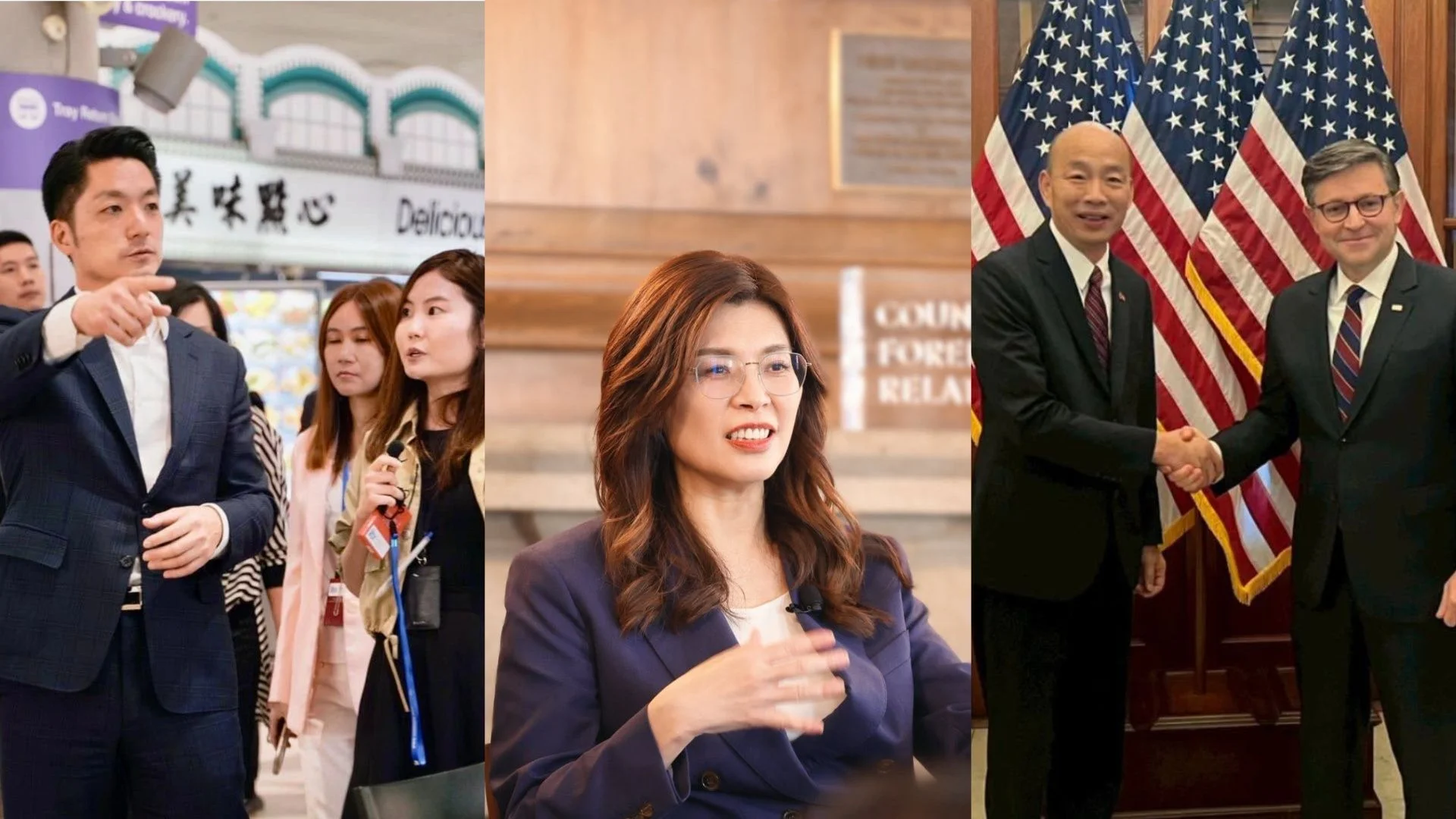

國民黨主席鄭麗文、立法院院長韓國瑜近期相繼訪美,台北市市長蔣萬安則出訪新加坡,一系列外事行程突顯台灣在野陣營對外動作趨於活躍,這對國民黨在2028年台灣地區領導人選舉的關鍵過渡期,推進黨內領導層迭代布局上具備深遠的政治意義。
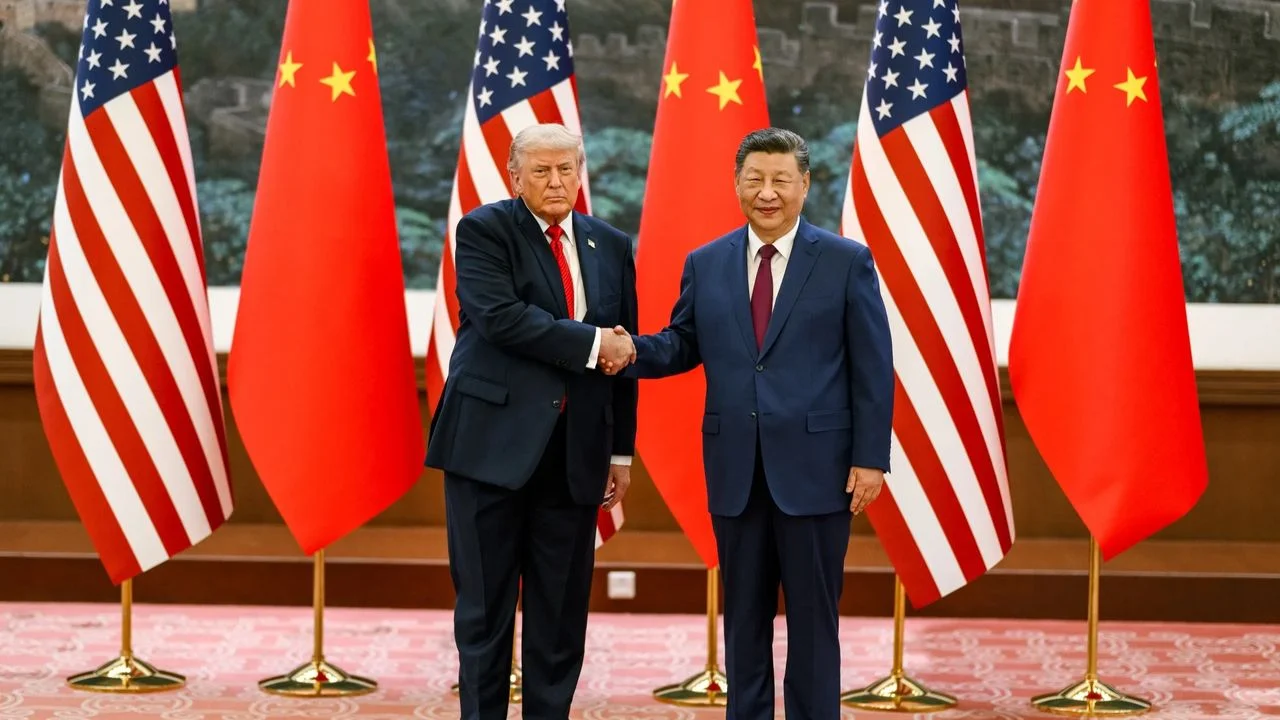
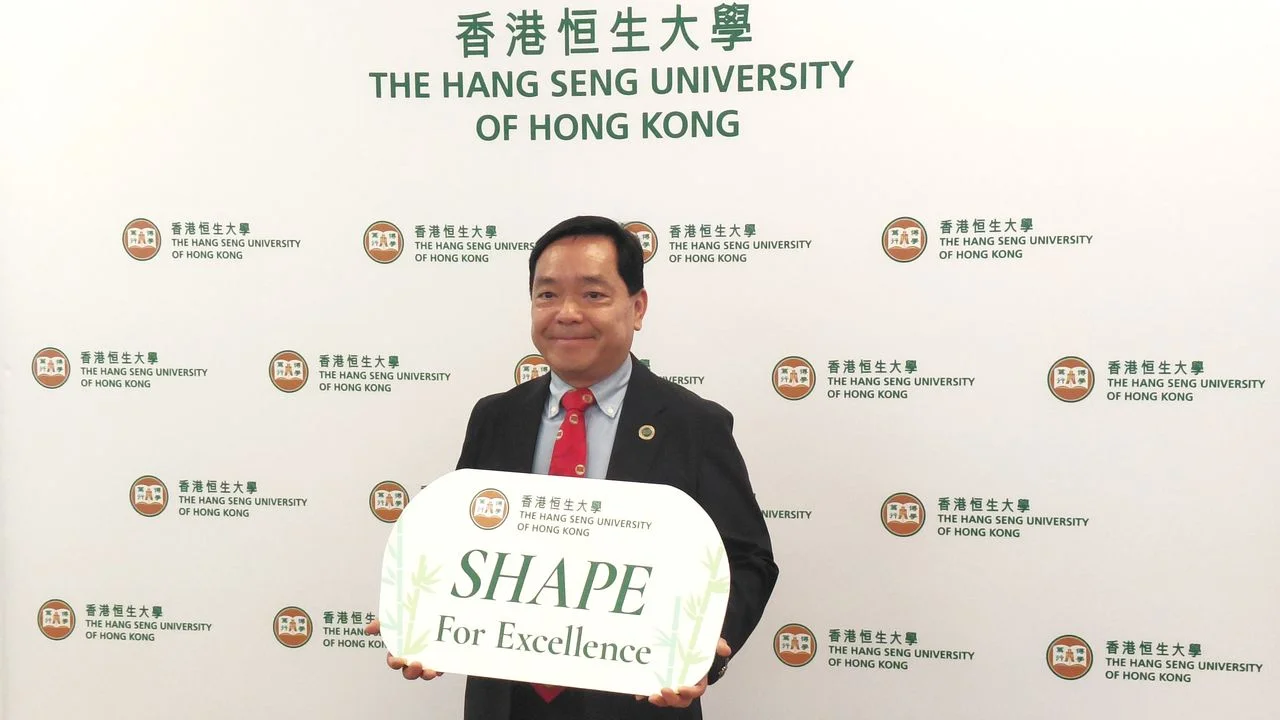
6月1日,國民黨主席鄭麗文啟程對美國進行為期15天的訪問。她先後訪問了舊金山、波士頓、紐約、華盛頓和洛杉磯,並會見了國會議員、學者、海外台灣人士以及美國政策制定者。她強調制度化的和平發展與繁榮遠優於零和式的地緣政治對抗,透過持續對話溝通穩定兩岸局勢,避免重演類似烏克蘭的衝突危機。
一些批評者認為,美方對鄭麗文的訪問態度相對冷處理。鄭麗文與美國國家安全委員會(國安會)的會晤突然取消,會晤地點也從白宮降級至位於華盛頓的美國在台協會總部。此外,與鄭麗文會面的官員級別也低於3月接待台中市市長盧秀燕的官員。
鄭麗文訪美之旅遭美方降格
有傳言稱,鄭麗文及其國民黨削減台灣國防預算的立場可能是導致與國安會會晤突然取消的原因之一。此外,鄭麗文曾表示,第一島鏈沿線國家和地區的安全合作體現了冷戰思維,這或許會讓美方感到不安。
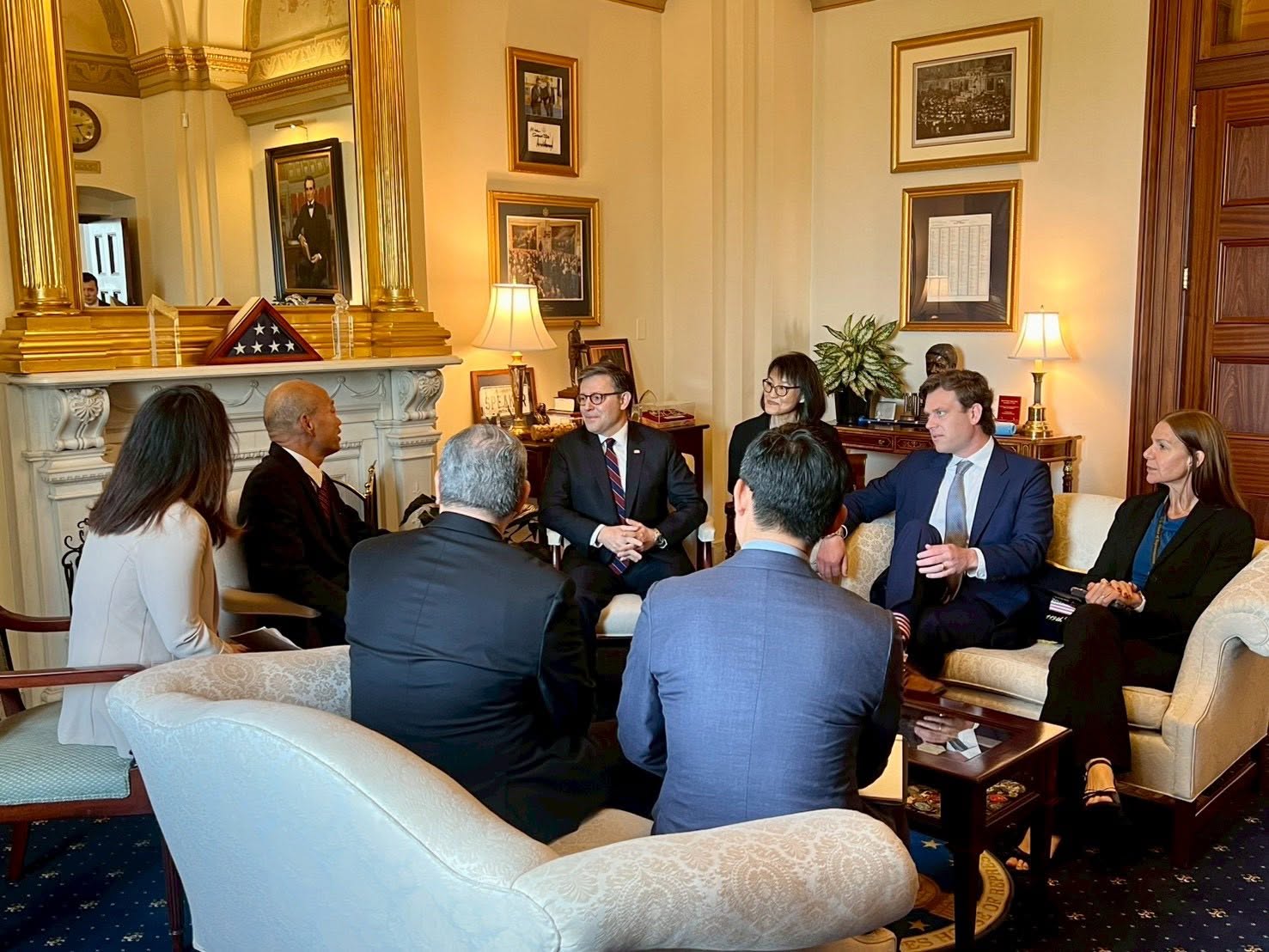
韓國瑜以台灣立法院院長身份訪問華盛頓時,他與各政黨代表一同訪問了華盛頓。美方給予了熱情接待,30餘位眾議員接見了韓國瑜代表團,其中包括民主黨、共和黨議員。
民主黨參議員發表聲明,表達了對台灣的堅定支持。聲明稱,他們將繼續致力於與台灣保持密切友好關係,並向台灣提供武器用於自衛。這聲明發表之際,正值特朗普政府重新審視其提出的140億美元對台軍售方案。該方案雖獲國會支持,但遭到中國的強烈批評,被指干涉中國內政。
韓國瑜率領的八人代表團訪問了亞利桑那州,台積電正在當地建造新工廠,其中包括一個全新的芯片製造集群,以滿足美國客戶的強勁需求。台積電是英偉達和蘋果的主要供應商,該公司公布2025年10月至12月的淨利潤為5060億新台幣,比2024年同期增長35%。
韓方代表團訪問亞利桑那州暗示,台灣各黨派已達成一項重要共識,台積電在美國新建晶圓廠並生產先進芯片是締造雙贏,一方面有利於人工智能的發展,另一方面也透過其在亞利桑那州的多元化投資降低了台灣地緣政治風險。一旦台灣與大陸發生衝突,台積電在台灣的地位和安全很可能成為雙方談判的籌碼。
議會外交有助台灣走向國際
韓國瑜鼓勵台灣立法委員多出訪海外,因為他認為台灣在國際上相對孤立,所以他對「議會外交」有這樣的期許,希望透過美國國會中支持台灣的議員,能夠幫助台灣參與全球事務。韓相信,即使台灣各黨派的立法委員在立法院辯論激烈,在處理外交事務時也必須展現出更加團結一致的姿態。
台北市長蔣萬安於2026年6月呼籲廢除台灣政治體制中的監察院,暗示立法院的反對黨可以否決所有監察院候選人,並凍結監察院的運作。對於總統府近日公布了第七屆監察院的29名候選人名單,他認為國民黨和民進黨都可以無視這些提名,原因是監察院已淪為黨派鬥爭的舞台,對影響民生的問題漠不關心。
從務實的角度來看,蔣萬安提倡廢除監察院的意義重大,因為他關注的是監察院的弊端,而非與民進黨之間的意識形態分歧,若然蔣萬安能夠在一些實際問題上與民進黨達成共識,這對他未來競選國民黨領導權大有裨益。
當被問及是否會參加2028年總統大選時,蔣萬安回應媒體提問稱,他目前專注於競選連任台北市長。顯然,蔣萬安是一位老練的政治家,暫時對2028年總統大選保持低調。
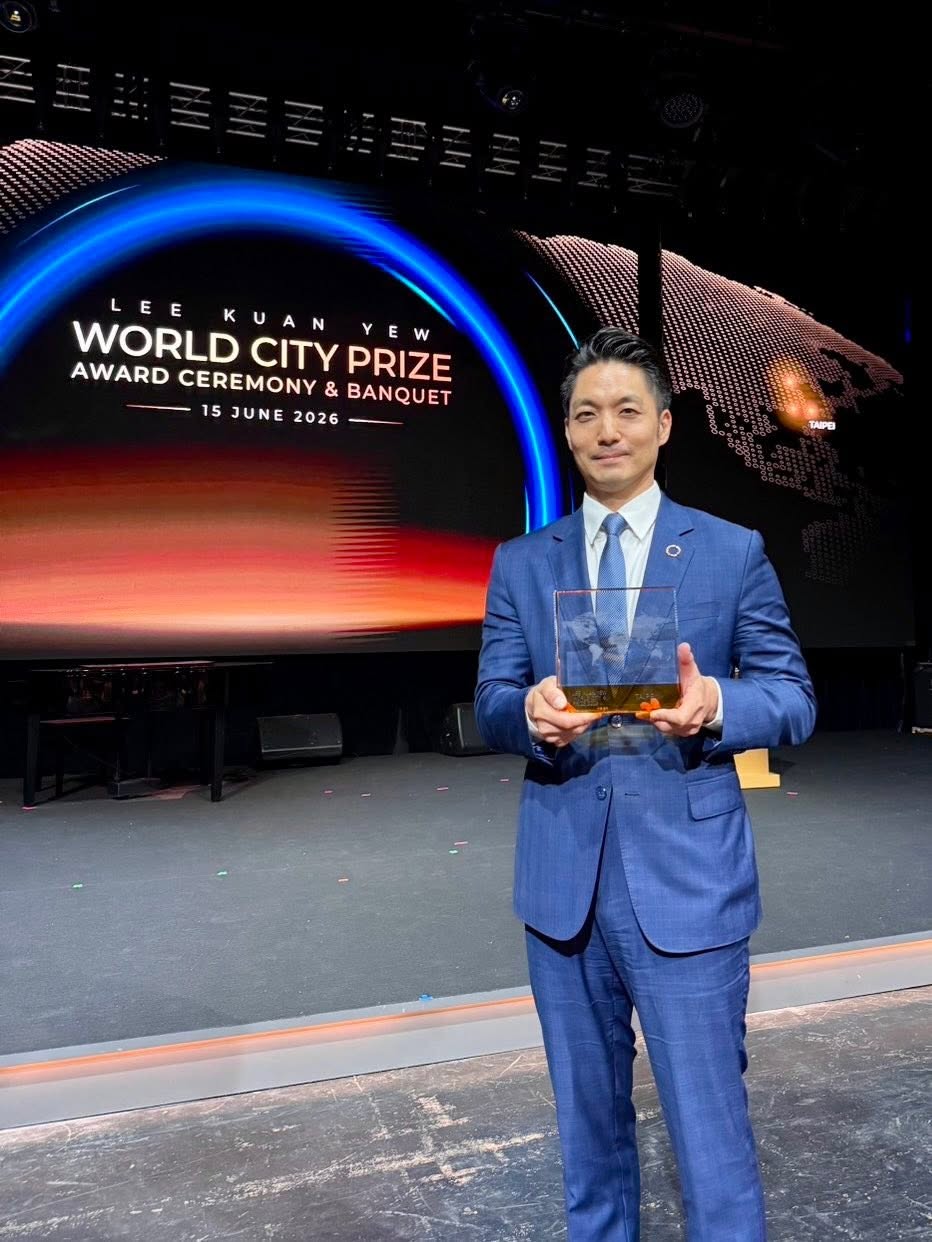
蔣萬安於6月中旬出席了在新加坡舉行的世界城市峰會,並表示台北將打造科技走廊,為下一代創新驅動型經濟奠定基礎。他也參觀了新加坡的國家體育設施,了解其吸引大型娛樂活動的策略,並探討兩地未來進一步合作的可能性。
2028台灣大選 盧鄭蔣成總統大熱
韓國瑜在2020年總統大選中落敗,他再參加2028年的總統大選的機會不大,而國民黨其他三位政治新星——64歲的盧秀燕、56歲的鄭麗文和47歲的蔣萬安則很有可能角逐總統寶座。蔣萬安雖然年紀較輕,但他似乎更有能力吸引年輕選民的支持。
盧秀燕是政壇冉冉升起的新星,她能夠吸引女性選民的支持,但她的人氣能否與民進黨總統候選人匹敵甚至超越,仍有待觀察。可以肯定的是,她訪問美國和歐洲,以及她主張維持更高國防預算的立場,旨在提升她作為國民黨對外大使的形象,同時保持親台立場以爭取台灣選民的支持。
鄭麗文的政治弱點在於她相對親中。她近期出訪大陸,自然被綠黨陣營的批評者視為政治立場太「紅」。然而,鄭麗文的優點在於她能夠與大陸當局輕鬆自如地溝通,因此她或許繼續擔任國民黨主席,成為下一任國民黨總統候選人的造王者之一,比競選2028年總統大選更為有利。
與民眾黨聯手 是國民黨執政關鍵
目前尚不清楚誰將成為國民黨的總統候選人,但有一點可以肯定:如果國民黨想要在2028年總統大選中擊敗民進黨,就必須與黃國昌領導的民眾黨結成政治聯盟。妥協的政治博弈對2028年總統大選至關重要,否則,國民黨內部的分裂以及與民眾黨的暗鬥,極有可能在政治上有利於民進黨。
值得一提的是,盧秀燕、鄭麗文和韓國瑜的訪美之行意義重大。盧秀燕、鄭麗文此行旨在爭取美國對台灣的支持,而韓國瑜的代表團則更傾向跨黨派合作。韓國瑜的訪美之行黨派色彩較鄭麗文的更為淡薄。因此,美國官方對韓國瑜代表團的接待力道自然也高於鄭麗文代表團。
就2028年總統大選而言,盧秀燕、鄭麗文和蔣萬安在國民黨內部的競爭機會均等。然而,在贏得更多年輕選民支持方面,蔣萬安明顯優於盧秀燕和鄭麗文,但目前蔣萬安尚未做好公開表態的準備,因為他在2027年之前在國民黨內外的權力基礎尚未穩固。 2028年總統大選國民黨最終將由誰代表仍未可知,但有一點可以肯定:國民黨與台灣民眾黨結盟,對於擊敗民進黨、進而實現與中國大陸緩和關係至關重要。
KMT’s external relations and internal leadership politics
The recent visits of Kuomintang (KMT) chairwoman Cheng Li-wun and Legislative Speaker Han Kuo-yu to the US, and of its Taipei mayor Chiang Wan-an to Singapore have shown an externally active opposition party in Taiwan, having an important bearing on how the KMT would deal with its leadership succession in the current transition to the politically important 2028 presidential election.
Before the visit of Cheng and Han to the US, KMT Taichung mayor Lu Shiow-yen had visited the US from 11 to 21 March. Lu supported the need for Taiwan to have higher defence spending – a view that her critics in Taiwan said was slightly different from some KMT politicians. Lu has been regarded as one of the contenders for the KMT presidential candidate in 2028. As such, her visit to the US was seen as a move to drum up support for her political leadership contest within the KMT in the coming year.
In mid-June, Lu also led a delegation to visit Germany, the Czech Republic, and Austria, strengthening the ties of Taichung city with various cities, including Berlin, Brandenburg, Saxony, Dresden, Prague, Baden, and Vienna (Taiwan News, 5 June 2026). These cities have strong industries in machine tools, precision machinery, semiconductors, and bicycles – areas that match Taichung’s strength as one of the dense precision machinery clusters in the world.
Divergent receptions in Washington
On 1 June, KMT chairwoman Cheng Li-wun embarked on a 15-day visit to the US. She visited San Francisco, Boston, New York, Washington, and Los Angeles, meeting members of the Congress, academics, overseas Taiwanese, and US policymakers. She emphasized the importance of “institutionalizing peace and prosperity” instead of having geopolitical confrontation in the Taiwan Strait, adding that dialogue would contribute to peace and that this would avoid “Taiwan becoming the next Ukraine” (Global Taiwan Institute, 24 June 2026).
Cheng’s visit was seen by some critics as one treated by the US side in a relatively “light” manner (The Diplomat, 17 June 2026). Cheng’s meeting with the US National Security Council (NSC) was suddenly cancelled (Taipei Times, 12 June 2026). The meeting was “downgraded” from the White House to the American Institute in Taiwan’s Washington headquarters (Taipei Times, 12 June 2026). Moreover, officials who met Cheng were of a lower rank compared with those who had received Taichung mayor Lu Shiow-yen in March. According to past political practices, the heads of Taiwan’s local governments and the chiefs of Taiwan’s political parties met with NSC members at the Eisenhower Executive Office Building next to the White House (Taipei Times, 12 June 2026).
It was rumoured that the position of Cheng and her KMT to slash the Taiwan defence budget might be one of the reasons why the meeting with the NSC was suddenly cancelled. Moreover, Cheng’s comment that the security cooperation of the countries and places along the first island chain represented a mentality of the Cold War might make the US side perhaps feel a bit uneasy (Taipei Times, 12 June 2026). Still, Cheng managed to meet and discuss with Republican Senator Steve Daines, Republican representatives John Rose, Chuck Fleischmann, and Brian Mast, and Democratic representative Thomas Suozzi (Taipei Times, 12 June 2026). Some US politicians expressed their support of the KMT’s stance of backing the development of nuclear energy in Taiwan.
Bipartisan reception for legislative diplomacy
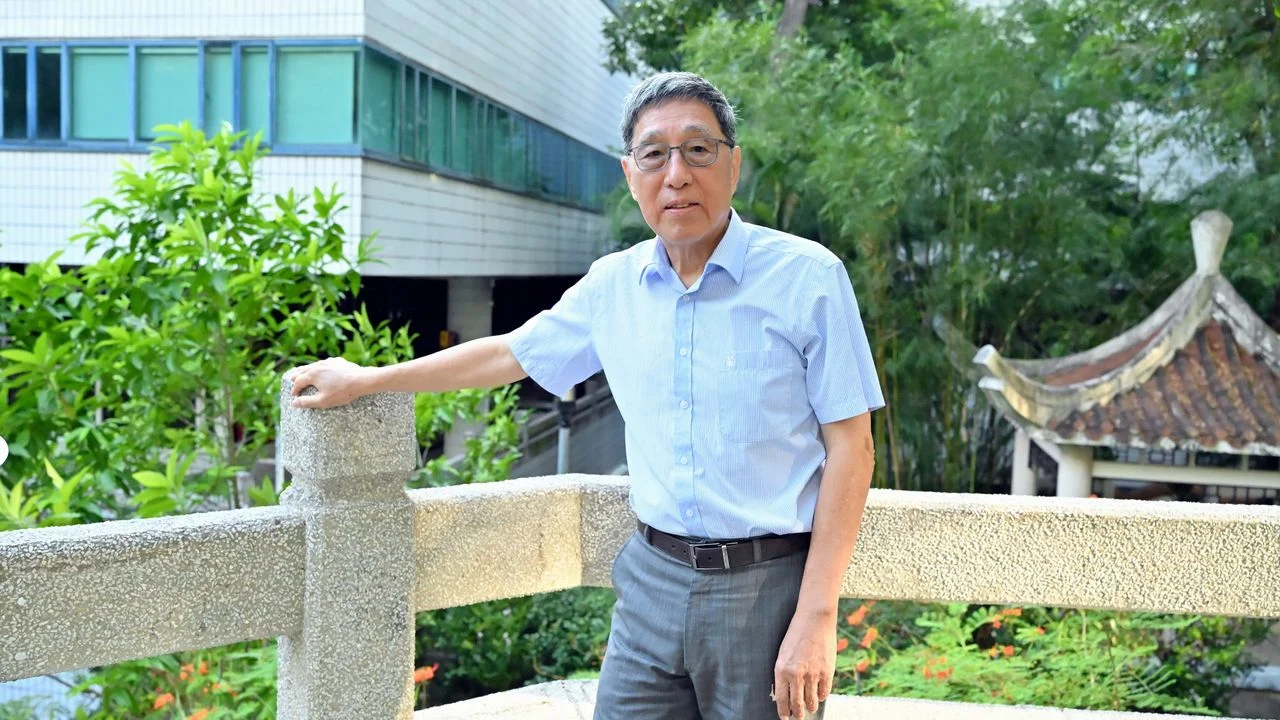
When Han Kuo-yu visited Washington in his capacity as the Speaker of the Taiwan Legislative Yuan, together with members of other political parties, the US side showed a large and warm reception with more than thirty members of the House of Representatives, including members of the Democratic Party and Republican Party, meeting his delegation. These US politicians included Speaker Emerita Nancy Pelosi, Michael McCaul from the Republican Party and former chairman of the House Foreign Affairs Committee, and Ted Lieu from the Democratic Party and currently vice chairman of the House Democratic Caucus (AP, 25 June 2026). McCaul said that he loved Taiwan and that it is important for the US to support Han Kuo-yu, while Pelosi remarked that the US support for Taiwan is “bipartisan” and “bicameral” (AP, 25 June 2026). Pelosi added that US support is about peace in the Taiwan Strait and that maintaining the safe passage of commercial ships to travel there is crucial.
The senators from the Democratic Party issued a statement showing its staunch support of Taiwan. It said that they remain committed to maintaining close and friendly relations with Taiwan, providing Taiwan with arms for “self-defence” (Taipei Times, 26 June 2026). This statement was released at a time when the Donald Trump government is reviewing its proposed US$14 billion arms sales package to Taiwan after the proposal was supported by the Congress and yet heavily criticized by China as interfering with Chinese domestic affairs.
Semiconductor consensus and strategic de-risking
Han’s eight-member delegation went to Arizona where the Taiwan Semiconductor Manufacturing Company is building its new plants, including a new fabrication plant cluster to meet strong demands from US customers. TSMC is a main supplier to Nvidia and Apple, reporting a net profit of 506 billion new Taiwan dollars for October–December 2025 – a 35 per cent increase from the same period in 2024 (AP, 16 January 2026). The relocation of factories of TSMC from Taiwan to Arizona once triggered a debate in Taiwan, where localists argued that Taiwan should protect its own chips production, while pro-US elites contended that a certain degree of business diversification would not only bring more profits to TSMC but also reduce Taiwan’s geopolitical risks through its partial industrial relocation to the US.
The Han delegation that visited Arizona implied an important cross-party consensus that TSMC’s move to build new fabs and produce advanced chips in the US is a win-win situation empowering artificial intelligence development on the one hand and de-risking Taiwan’s geopolitical circumstances through its diversified investment in Arizona on the other hand. In the event of any conflict between Taiwan and the Chinese Mainland, the status and security of TSMC in Taiwan would quite likely be a bargaining chip from both sides. As such, the relocation of TSMC facilities to Arizona is a strategic move and it can arguably be a safety valve enhancing Taiwan’s bargaining power.
Han and his delegation also met the members of the Heritage Foundation and attended a banquet organized by the Taipei Economic and Cultural Representative Office in the US. Members of the Heritage Foundation told the Taiwan delegation that Taiwan should swiftly develop its asymmetric defence capabilities for the need to defend the island, according to one member of the Taiwan delegation (Taipei Times, 26 June 2026). As an ideologically conservative think tank, the advice from the Heritage Foundation was perhaps natural.
Parliamentary diplomacy and domestic neutrality
Han encouraged more overseas visits by Taiwan’s legislators because he believes that the island is relatively “isolated” internationally (Focus Taiwan, 26 June 2026). Han reiterated the importance of conducting “legislative diplomacy” and his delegation also attended a ceremony marking EVA Airline’s inception of direct flights between Taiwan and Washington – an indication that the KMT heavyweight believed that Taiwan’s international space is both economically and politically significant.
Han’s perception of “parliamentary diplomacy” entails an idea that Taiwan’s supporters in the US Congress can and will “help us participate in global activities” (Taipei Times, 26 June 2026). As such, the internationalization of Taiwan is, according to Han, a collective effort made not only by the cross-party legislators in Taiwan but also by the US politicians. Han believes that even if lawmakers from different parties in Taiwan debate fiercely in the Legislative Yuan, they must present a more united front in dealing with external affairs (Taipei Times, 26 June 2026).
As a speaker in the Legislative Yuan, Han has acted in a more neutral and diplomatic way. He was seen shaking hands with Democratic Party legislator Chen Kuan-ting at the Taiwan airport before his delegation flew to the US for a six-day visit (Taipei Times, 22 June 2026). His delegation included three other KMT members (Lai Shyh-bao, Lin Shih-ming, and Yang Chiung-ying), three from the ruling DPP (Chen Kuan-ting, Leland Lee, and Jean Kuo) and one from the smaller Taiwan People’s Party (TPP) (Hung Yu-hsiang). Han’s relative neutrality implies that he can perhaps be one of the crucial kingmakers of the future contenders of the KMT for the final nominee who will represent the party to run for the 2028 presidential election.
Structural reforms and pragmatic governance
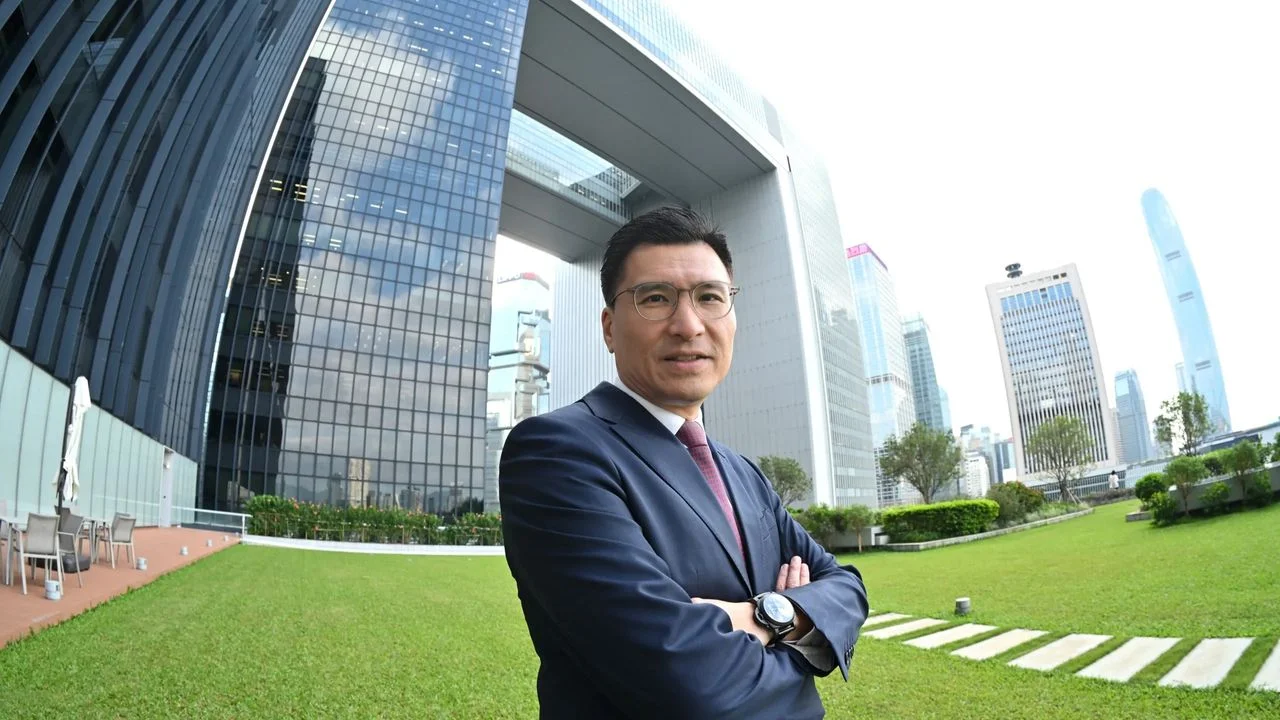
Taipei mayor Chiang Wan-an in June 2026 called for the abolition of the Control Yuan in Taiwan’s political system, suggesting that the Legislative Yuan’s opposition caucuses could reject all nominees to the body and then freeze its operation. As such, he implied the need for a cross-party constitutional amendment to change the Taiwan political system (Taipei Times, 13 June 2026). Chiang believed that the Control Yuan had shown little concern about the issues affecting the public as it has become an arena for partisan struggles. The ruling DPP has already supported a move to amend the constitution and to remove the Control Yuan, including the Control Yuan President Chen Chu from the DPP who said that she wanted to be the last president of the body.
The term of the Control Yuan members would expire by the end of July, while the Presidential Office has recently announced twenty-nine nominees for the seventh term of the body. Chiang believed that both the KMT and TPP can ignore the nominations, with a cross-party consensus to abolish the Control Yuan. DPP Representative Puma Shen criticized Chiang’s move as if the latter were like “running for president” (Taipei Times, 13 June 2026). However, from another angle, Chiang’s move of advocating the abolition of the Control Yuan is significant as he focuses on the futility of the body rather than on any ideological disputes with the DPP. Therefore, it can be argued that Chiang can reach a consensus with the DPP on issues of a practical nature – an advantage for him to compete for future KMT leadership.
Chiang is a popular politician in Taipei, as demonstrated when he promised compensation for the victims of homes that were flooded by heavy rain. He visited the disaster response centres quickly immediately after the torrential rainfall, saying that the city would stop work and schools during natural disasters in accordance with the Taiwan crisis response regulations (Taiwan News, 26 June 2026). His governance of Taipei is quite effective, launching trials of autonomous buses on fifteen dedicated bus lanes in the second half of 2027 after an initial test of self-driving buses in enclosed areas such as the Taipei Zoo (Taipei Times, 23 June 2026). The pilot operation of self-driving buses is accompanied by upgrading work to road infrastructure, traffic signals, and sensor systems – a move to prepare for Taipei to host the 2029 Intelligent Transport Systems World Congress.
Lineage, history, and urban diplomacy
When asked whether he would run for the 2028 presidential election, Chiang responded to the media question by saying that he focused on the quest for re-election as the Taipei mayor. Obviously, Chiang is a skilful politician buying his time on the one hand and keeping a low-profile attitude toward the 2028 presidential election on the other. As a great-grandson of the late president Chiang Kai-shek and the grandson of the late Chiang Ching-kuo, Chiang Wan-an is interestingly quite pro-Taiwan, as shown when he apologized in February 2026 to the victims of the 228 Incident at the 228 Peace Memorial Park – an event that marked the KMT military’s suppression of local Taiwanese dissidents in 1947 (Focus Taiwan, 28 February 2026).
The bloody crackdown followed a brutal KMT effort at beating up a tobacco vendor in Taipei, leading to the death of 18,000 to 28,000 and triggering the rise of Taiwan nationalism. As the mayor of Taipei, Chiang said that he asked the Department of Cultural Affairs to renovate the Memorial Museum, digitalize exhibitions, and publish monographs after he had become the mayor in 2022 – a move that demonstrated his pro-Taiwan sentiments without a blind ideological adherence to KMT history. As such, his actions were politically wise and pragmatic, perhaps winning the hearts and minds of more local Taiwanese.
Chiang Wan-an attended the World Cities Summit in Singapore in mid-June, saying that Taipei would build a technology corridor to lay the foundation for the next generation of the innovation-driven economy (Focus Taiwan, 15 June 2026). His Taipei delegation also visited Singapore’s national sports facilities to learn about the strategies of attracting entertainment megaevents and to explore how the two cities would cooperate further.
Chiang will likely win the Taipei mayor election in November 2026, after which the local media spotlight will turn to who will represent the KMT in the 2028 presidential election. As such, the influential former leaders of the KMT will have a crucial say, including the current Legislative Speaker Han Kuo-yu, who tends to be more populist and more likely to attract the support of working-class voters.
Evaluating the rising stars of 2028
While Han Kuo-yu, who was defeated in the 2020 Taiwan presidential election, will be very unlikely to compete again in the 2028 presidential contest, the other three KMT rising stars – 64-year-old Lu Shiow-yen, 56-year-old Cheng Li-wun, and 47-year-old Chiang Wan-an – will likely stand a good chance to compete among themselves in 2027. In terms of age, Chiang is younger, but his political ability to attract the support of younger voters appears to be stronger. Chiang’s ability to reach a consensus with the rival DPP, like on the future of the Control Yuan, shows that he can and will be a crucial consensus-maker in Taiwan’s domestic politics. Despite the lineage from the Chiang family, Chiang Wan-an’s prominently pro-Taiwan stance will likely help him grasp more local support in elections.
Lu has been a rising star, and she can attract the support of female voters, but it remains to be seen whether her popularity will be able to rival and excel any DPP presidential candidate. One thing is certain: her trips to the US and Europe and her stance on the need to maintain a higher military defence budget aimed at boosting her credentials as a KMT external ambassador while maintaining a pro-Taiwan stance to grasp the support of Taiwanese voters.
Cheng Li-wun’s political liability is her relative “redness.” Her recent visit to the Chinese Mainland and her position of engaging mainland Chinese authorities are naturally seen by critics from the green camp, especially from the DPP side, as politically too “red.” The colour of being “dark blue” will not be favourable to Cheng if she wants to run for the KMT presidential election. However, Cheng’s strength is that she can comfortably and easily communicate with the mainland Chinese authorities. As such, it may be even better for her to stay as the KMT chair, being one of the kingmakers of the next KMT presidential candidate rather than running for the 2028 presidential election.
The necessity of a coalition strategy
Whoever will become the presidential candidate representing the KMT remains unclear at this moment. However, one thing is certain: if the KMT is keen to defeat the DPP in the 2028 presidential election, a political coalition with the TPP led by Huang Kuo-chang will be necessary. The politics of compromise will be critical to the 2028 presidential election, partly because selecting the strongest and best candidate among the KMT will be the first hurdle, and partly because the KMT–TPP coalition will be necessary for a defeat of the DPP. Otherwise, the fragmentation within the KMT and a split between the KMT and TPP will highly likely benefit the DPP politically and continuously.
In conclusion, the recent visits of KMT politicians – Lu Shiow-yen, Cheng Li-wun, Han Kuo-yu, and Chiang Wan-an – to various countries have shown how they have been building up their political capital. In particular, the visits to the US by Lu, Cheng, and Han were significant. While Lu and Cheng tried to drum up US support for Taiwan, Han’s delegation tended to be cross-party and to boost Taiwan’s legislative diplomacy. Han’s visit was less partisan than Cheng’s visit to the US. Inevitably, the level of US official treatment of Han’s delegation was higher than that of Cheng.
Yet, it did not mean that Cheng’s visit to the US was politically insignificant; her visit to the US presented an alternative to the US foreign policy toward Taiwan, namely that the US may and should consider a more pro-KMT approach to engaging with the Chinese Mainland, utilizing the KMT as an indispensable intermediary between the US and China on the one hand, and between Taiwan’s ruling authorities and the mainland Chinese counterpart on the other hand.
In terms of the 2028 presidential election, Lu, Cheng, and Chiang will stand an equal chance to compete among themselves within the KMT. However, in terms of the chance of winning the support of more young voters, Chiang will have a clear competitive edge over Lu and Cheng. Yet, the time is not politically ripe now for Chiang to express his preference until his power base within and outside the KMT is much stronger in 2027. It remains to be seen who will represent the KMT in the 2028 presidential election, but one thing is certain: an alliance between the KMT and TPP will be necessary to unseat the DPP and then to bring about a rapprochement with the Chinese Mainland.
原刊於澳門新聞通訊社(MNA)網站,本社獲作者授權轉載。(原文按此)