





中國對美以衝突的回應始終如一,即拒絕使用武力,呼籲各方立即停火,並向伊朗提供人道援助。中國的外交立場和政策根植於中伊之間的巨大石油貿易利益,自2021年3月以來,中伊已建立全面戰略夥伴關係,中國購買了伊朗約90%的石油出口,因此盡快結束伊朗戰爭符合中國的國家利益。
2026年3月1日,當被問及伊朗最高領袖哈梅內伊在美以空襲中喪生一事時,中國外交部發言人回應稱:「襲擊和殺害伊朗最高領袖是對伊朗主權和安全的嚴重侵犯,並且踐踏了《聯合國憲章》的宗旨和原則以及國際關係基本準則」。中國呼籲各方立即停止軍事行動,避免中東緊張局勢進一步惡化。
3月16日,當被問及特朗普總統與中國、法國、日本、韓國、英國等國商討共同成立護航聯盟,以保障霍爾木茲海峽的航道安全時,中國外交部發言人林劍略過有關問題,僅強調霍爾木茲海峽的緊張局勢影響了國際貨物和能源貿易的通道,破壞了和平與穩定。
中國向伊朗、約旦等國提供緊急人道援助
林劍認為,美以對伊戰爭為該地區人民和國家帶來了極其慘重的人道災難。因此,中國不僅將向伊朗,還將向約旦、黎巴嫩和伊拉克提供緊急人道援助。
3月19日,伊朗最高國家安全委員會秘書拉里賈尼在以色列空襲中喪生而且以色列國防部長卡茨更揚言,已授權國防軍毋須額外授權即可殺害任何伊朗官員,王劍表示中方對此感到震驚,他重申,中方一貫反對在國際關係中使用武力,殺害伊朗領導人和攻擊平民目標絕不能接受。
2023年3月,中國成功斡旋伊朗和沙特地阿拉伯恢復外交關係,該協議被喻為中國在中東國際關係中發揮調解作用的突破,也引起了西方一些反華鷹派人士的關注。近期一些西方批評者指出,在美以空襲伊朗之際,中國不願全力援助伊朗,但這些評論家未能客觀地看待中伊關係的特徵。
首先,儘管中國購買了伊朗近90%的石油出口,但中國若捲入當前美以對伊戰爭,將使北京不必要地陷入中東政治和軍事鬥爭之中,因此中國應對伊朗戰爭的最佳策略是保持相對中立,並呼籲立即停戰。
中巴提俄烏和平方案 爭取全球南方支持
其次,中伊關係與中俄發生衝突時期的關係類似,中國始終避免與美國及其盟國結盟。在俄烏戰爭期間,儘管一些西方批評者認為中國站在俄羅斯一邊,但中國一直保持着相對中立的立場。中國與巴西就俄烏戰爭提出的和平方案,正是中國試圖爭取全球南方國家的支持,強調維護世界和平的重要性。
儘管中國明確譴責了美以空襲,但它並不想在軍事上站在伊朗一邊。中國這一立場符合北京傳統的反霸權主義以及其刻意與美國軍事聯盟保持距離的做法。
隨着特朗普第二任期政府繼續將中國視為最大的經濟、技術和軍事威脅之一,中國在應對上採取了審慎的戰略,一方面與美國展開競爭,另一方面在稀土等關鍵礦產出口問題上採取強硬立場,跟美方討價還價。
中方否認向伊出售超音速反艦導彈
中國也採取平衡策略來應對美國,努力贏得非西方陣營,特別是全球南方國家的支持。然而,在軍事上支持伊朗很容易激怒美國,因此在美以對伊朗發動攻擊前不久,當有報道稱伊朗正在與中國談判購買CM-302超音速反艦巡航飛彈時,中國否認了這些報道,並稱其為虛假資訊。
第三,中伊關係的特徵是兩國擁有悠久的文明和人文交流歷史,彼此之間存在着特殊的連結。因此,中國對伊朗的政治支持以及對美以空襲的譴責是自然而然的。古代中國與波斯(帕提亞帝國和薩珊王朝)保持了數個世紀的密切外交、貿易和商業關係。
鑑於中伊兩國擁有悠久的文明歷史和特殊的友好關係,中國將伊朗的石油進口視為重要的貿易和戰略關係。因此,中國自然而然呼籲立即停止兩伊戰爭。
最重要的是儘管中美在貿易、技術和軍事武器領域競爭激烈,中國在處理與美國的貿易關係時仍採取了相對靈活的外交策略。美國已經控制了中國石油進口來源地之一的委內瑞拉,也向巴拿馬施壓,要求解除中國對一些戰略港口的控制。
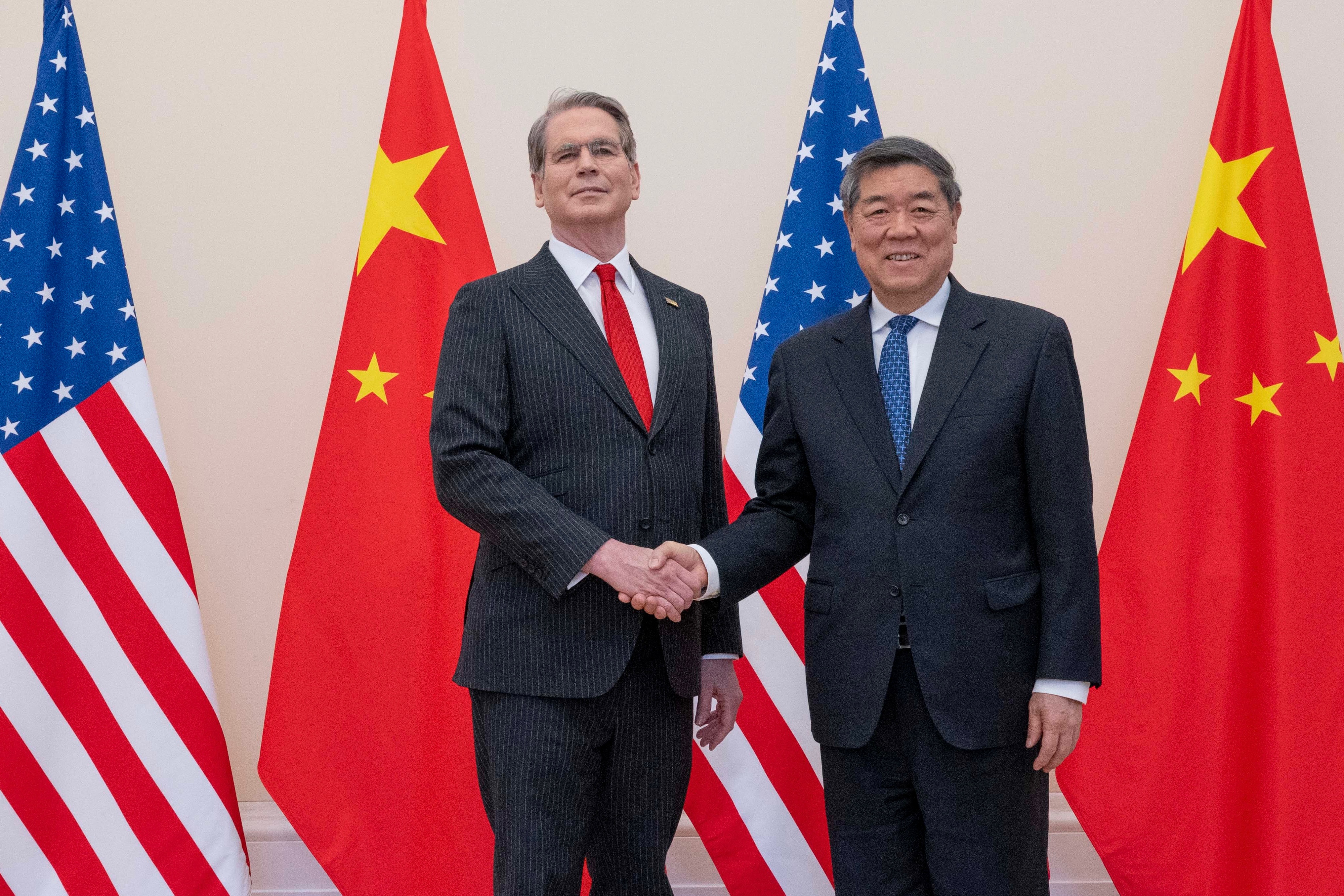
面對美國對中國在中東和中美洲的石油資源和港口控制權的扼殺,北京採取了一種不亢不卑的務實態度。今年3月,中國國務院副總理何立峰與美國財政部長貝森特舉行了會談,討論如何管控雙方的貿易關係。
中國外交支持伊朗 軍事取態審慎
他們討論了關稅安排、雙邊貿易和投資,並保持着相互對話。中國對美外交策略清晰明確:儘管美方視中方為經濟和軍事威脅,但中國仍與美國方面保持接觸。在中美競爭激烈的背景下,北京對伊朗採取了支持性外交,但在軍事方面也採取了審慎政策,避免明確地在伊朗問題上站隊,以免疏遠美國。中國在美伊之間尋求平衡的策略可謂微妙。
中國正密切關注伊朗戰爭,從中學習美以軍事行動背後的策略,以及伊朗方面如何負隅頑抗。這個軍事學習過程對中國軍隊現代化至關重要,尤其是在習近平主席強調提高解放軍戰力、軍隊反腐以及軍隊聽黨指揮等重要議題的當下。
簡而言之,中國在美以對伊戰爭議題上的立場始終如一,反對霸權主義,呼籲各方立即停火。鑑於中伊兩國悠久的文明淵源和友好關係,中國必須在當前戰爭期間向伊朗提供人道主義援助,給予其政治支持。
鑑於中國從伊朗進口大量石油,中國渴望伊朗戰爭盡快結束。然而,伊朗並非委內瑞拉,伊朗正在頑強抵抗美以的攻擊,這一現象得到了中國軍事專家的密切關注,他們可以從伊朗戰爭中汲取軍事經驗。
但是,鑑於中美在經濟、軍事和科技領域競爭激烈,中國不希望給人留下公開支持伊朗的印象,以免激起美國對北京採取更敵對的態度。儘管如此,跟俄羅斯的外交政策相比,中國在當前美以對伊衝突中採取了更中立的外交策略。
China’s response to the US-Israeli war with Iran: analysis and observations
China maintains a relatively neutral stance, calling for an immediate ceasefire and providing humanitarian support while safeguarding strategic oil and trade interests with Iran
Beijing balances anti-hegemonic diplomacy and humanitarian commitments while avoiding direct military entanglement with the US-Israel coalition
China’s response to the US-Israeli war with Iran has been marked by its consistency in rejecting the use of force, calling for an immediate ceasefire, and providing humanitarian aid to Iran. Underlying the Chinese position and diplomacy are the features of Sino-Iranian relations, which have been marked by a comprehensive strategic partnership since March 2021 and by the Chinese purchase of roughly ninety per cent of Iran’s exported oil. As such, it is in China’s national interest to witness an end to the US-Israeli war with Iran as soon as possible.
Shortly after the US-Israeli military strike on Iran, Phoenix TV during a press conference of the meeting of the National People’s Congress asked for Foreign Minister Wang Yi’s reaction. Wang said that the war should not have happened and that China calls for an immediate ceasefire. He emphasised that the principles of respecting sovereignty, rejecting the abuse of force, adhering to non-interference in internal affairs, and of promoting the political settlement of hotspot issues should be observed. Wang also stressed that China supports the two-state solution for the Palestinian question and that the UN has a greater responsibility to play a leading role to drive this process. He pointed to China’s desire to build a multipolar world in which all countries will be equal members of the international community.
On 1 March, when asked about the death of Iran’s Supreme Leader Ayatollah Ali Khamenei who was killed in the US-Israeli air strikes, the Chinese Foreign Ministry spokesperson replied that “the attack and killing of Iran’s supreme leader is a grave violation of Iran’s sovereignty and security” and that “it tramples on the purposes and principles of the UN Charter and basic norms in international relations” (Foreign Ministry website, 1 March 2026). China called for an immediate stop to the military operations and no further escalation of tensions in the Middle East.
On 10 and 11 March, Chinese Foreign Minister Wang Yi had phone calls with his counterparts from Kuwait, Bahrain, Pakistan and Qatar to exchange views on the Iran war. Wang Yi reiterated that the war should not have happened and that the war “does no one any good” (Foreign Ministry website, 12 March 2026). Moreover, “without the UN’s authorisation, the US and Israel attacked Iran in the process of ongoing US-Iran negotiations, which clearly violates international law” (Foreign Ministry website, 12 March 2026). Wang called for a cessation of conflict, the return to dialogue and the restoration of peace.
Humanitarian focus and Strait of Hormuz
On 12 March, when asked about sixteen ships and fuel oil tankers that had been attacked by Iran and whether the China-flagged vessels at or near the Strait of Hormuz had been hit by drones, Chinese Foreign Ministry official Guo Jiakun said that the Strait of Hormuz is an important route for international goods, energy and trade. Therefore, keeping the Strait safe and stable serves the common interests of the international community (Foreign Ministry website, 12 March 2026).
On 13 March, when asked about an air strike that killed 160 girls in a primary school in Iran’s Hormozgan province, Chinese Foreign Ministry spokesman Guo Jiakun said that while China condemns all indiscriminate attacks against civilians and non-military targets, the attacks on the school violated international humanitarian law and breached the basic principles of human conscience. As such, the Red Cross Society of China decided to provide the Red Crescent Society of Iran with US$200,000 in emergency humanitarian aid (Foreign Ministry website, 13 March 2026).
On 16 March, when asked about President Trump’s idea of forming a coalition with countries like China, France, Japan, South Korea, the UK and others to escort ships through the Strait of Hormuz, Chinese Foreign Ministry spokesman Lin Jian bypassed the question on the coalition. He replied that the tension in the Strait of Hormuz impacted the route for international goods and energy trade and disrupted peace and stability.
On 17 March, when asked about the report that US President Donald Trump would delay his visit to China if China does not assist with the Strait of Hormuz, Chinese Foreign Ministry official Lin Jian took note of the US clarifications and added that such a report was completely “false,” because the US side had remarked that Trump’s visit was unrelated to the issue of the Strait of Hormuz.
Lin also stressed that China stays committed to the vision of building a community with “a shared future for humanity, internationalism and a humanitarian spirit” (Foreign Ministry website, 17 March 2026). The US-Israeli war with Iran, to Lin, “inflicted an excruciating humanitarian disaster on people and countries in the region.” As such, China is going to provide emergency humanitarian assistance to not only Iran, but also Jordan, Lebanon and Iraq.
Diplomatic mediation and global perception
On 19 March, when asked about the death of the Iranian Secretary of the Supreme National Security Council Ali Larijani, who was killed in the Israeli strikes, Lin Jin said that China was shocked by the remark of the Israeli Defense Minister Israel Katz, who commented that he authorised the Israeli Defense Forces to kill any Iranian official without the need for additional authorisation (Chinese Foreign Ministry website, 19 March 2026). Lin added that China is often against the use of force in international relations, and that the killing of Iranian leaders and attacks on civilian targets are by no means acceptable. Lin said: “As the conflict rages on in the Middle East and tensions continue to escalate and spill over, the international community is widely calling for an early ceasefire and end to hostilities” (Chinese Foreign Ministry website, 9 March 2026).
Moreover, Lin stressed that the Chinese government’s Special Envoy Zhai Jun visited the foreign ministers of Saudi Arabia, the United Arab Emirates, Bahrain, Kuwait, Egypt and the secretaries-general of the Gulf Cooperation Council and the League of Arab States, and that he elaborated the Chinese position. Zhai, according to Lin, called for dialogue and negotiation while pointing out the need for respect for the principles of the UN Charter, the sovereignty, security and territorial integrity of the Gulf countries. Furthermore, non-military targets should not be attacked; the safety of shipping lanes should be protected; and all parties should promote peace. Lin told reporters that China is committed to conducting mediation among the conflicting parties.
In March 2023, China successfully brokered an agreement between Iran and Saudi Arabia to restore their diplomatic ties, ending a seven-year rift between the two major Middle Eastern rivals. The agreement was hailed as a victory for China’s success in being a mediator in Middle East international relations, raising the eyebrows of some anti-China hawks in the West. Some Western critics of China have recently pointed to China’s “reluctance” to assist Iran fully amid the US-Israeli strikes. However, these anti-China Western commentators and researchers have failed to appreciate the characteristics of Sino-Iranian relations in an objective manner.
First, although China purchases almost ninety per cent of Iran’s exported oil, any involvement of China in the current US-Israeli war with Iran would plunge Beijing unnecessarily into Middle Eastern political struggles and military controversies. As such, the best strategy for China toward the Iran war is to stay relatively neutral, calling for an immediate cessation of conflict. China does not want to get entangled in the conflicts between the US and Israel on the one hand, and Iran on the other.
Balancing strategy and historical relations
Secondly, the relationship between China and Iran mirrors that between China and Russia during periods of conflict, as China refrains from aligning itself with the United States and its allied coalition. During the Russo-Ukrainian war, China has maintained a relatively neutral stance, even though some Western critics have argued that China sided with Russia. In fact, China also did not and does not want to antagonise Ukraine, while calling for a peace settlement between Ukraine and Russia. The Sino-Brazilian peace proposal on the Russo-Ukrainian war was an attempt by China to woo the support of the Global South, to stress the importance of maintaining world peace, and to create an image of a peaceful China amid a strong anti-China geopolitical atmosphere.
In the current Iran war, China does not want to militarily side with Iran, although it has explicitly denounced the US-Israeli strikes. Such a Chinese position is in conformity with Beijing’s traditional anti-hegemonism and its deliberate distance from the US and the US-led military alliance. At a time when the second Donald Trump administration has continued to see China as one of the biggest economic, technological and military threats, China has adopted a cautious strategy by competing with the US, standing tough toward Washington on the export of critical minerals like rare earths, and arguing with the US side at the negotiating table through bargaining for mutual concessions.
China also adopts a balancing strategy toward the US by winning the hearts and minds of the non-Western bloc, especially countries of the Global South. Yet, supporting Iran militarily would antagonise the US easily. Hence, shortly before the US-Israeli strikes on Iran, when there were reports saying that Iran was negotiating with China to acquire CM-302 supersonic anti-ship cruise missiles, China denied such reports and said that they were misinformation (The Pioneer, 3 March 2026).
Third, Sino-Iranian relations are characterised by a special bond between two countries with a long history of civilisations and human interactions, and as such, China’s political support of Iran and denunciation of the US-Israeli strikes are natural. Ancient China and Persia (Parthian and Sassanid Empires) maintained strong diplomatic, trade and commercial relations for centuries. Persia was a key intermediary on the Silk Road that connected ancient China with Rome, having a great impact on the cultural development of the Tang dynasty. Given the long historical civilisations and special harmonious relations with Iran, China sees its oil imports from Iran as important trade and strategic relations. Hence, the Chinese call for an immediate cessation of the Iran war is natural and understandable. Given the large amount of Iranian oil being exported to China, Beijing is eager to see the termination of the Iranian war as soon as possible.
Strategic diplomacy and military observation
Above all, China adopts a relatively resilient diplomatic finesse in dealing with the US amid their intense rivalries over trade, technology and military weapons. The US has already “captured” one of China’s sources of oil imports, namely Venezuela, and the US has also exerted pressure on Panama to remove Chinese control of some strategic ports. Under the US strangling of China’s oil resources and ports control in the Middle East and Central America, Beijing is adopting a resilient but competitive attitude toward Washington. In March, Chinese Vice Premier He Lifeng and US Treasury Secretary Scott Bessent held talks to manage the trade relations between the two sides.
They discussed tariff arrangements, bilateral trade and investment, and maintained mutual dialogue. The Chinese diplomacy toward the US is clear: engaging the US side even though Washington sees Beijing as an economic-military threat. Amid intense US-China rivalries, Beijing has adopted a supportive diplomacy toward Iran, but also a cautious policy without taking sides with Iran so explicitly in the military aspect, in order not to alienate the US. China’s balancing act between the US and Iran can be seen in a subtle way.
China is observing the Iran war carefully to learn militarily from how the US-Israeli strikes have been conducted, and how the Iranian side is resisting the US-Israeli attacks quite resiliently. This military learning process is important to Chinese military modernisation, especially at a time when President Xi Jinping has emphasised the importance of increasing the military strength of the People’s Liberation Army, the necessity of purging corrupt and non-compliant military generals, and the significance of the military’s subordination to the leadership of the Communist Party of China.
China’s stance on the Iran war is relatively more neutral and more reserved than Russia’s. It was reported that Iran’s new supreme leader Mojtaba Khamenei was transferred to Moscow for medical treatment after he had been severely injured in the Israeli air strike that killed his father on 28 February. It was also reported that Russia was providing Iran with military intelligence about the locations and movements of US troops, ships and aircraft (CNN, 7 March 2026).
In conclusion, China’s position on the US-Israeli war with Iran has been quite consistent, anti-hegemonic, anti-conflict, and pro-peace. Given the long history of civilisations and harmonious relations between China and Iran, China must politically support Iran with the provision of humanitarian aid during the current war. China is eager to witness a cessation of the Iran war as soon as possible given its huge imports of oil from Iran. Yet politically, Iran is not Venezuela and Iran is resisting the US-Israeli attacks both resiliently and quite successfully – a phenomenon under the close observation of Chinese military experts who can learn militarily from the Iran war. However, China does not want to create an image of openly supporting Iran militarily for fear of pushing the US to adopt a more hostile attitude toward Beijing amid the intense US-China economic, military and technological rivalries. Still, in comparison with Russia’s diplomacy, China has adopted a far more neutral diplomacy toward Iran during the current US-Israeli conflicts with Iran.
原刊於澳門新聞通訊社(MNA)網站,本社獲作者授權轉載。(原文按此)