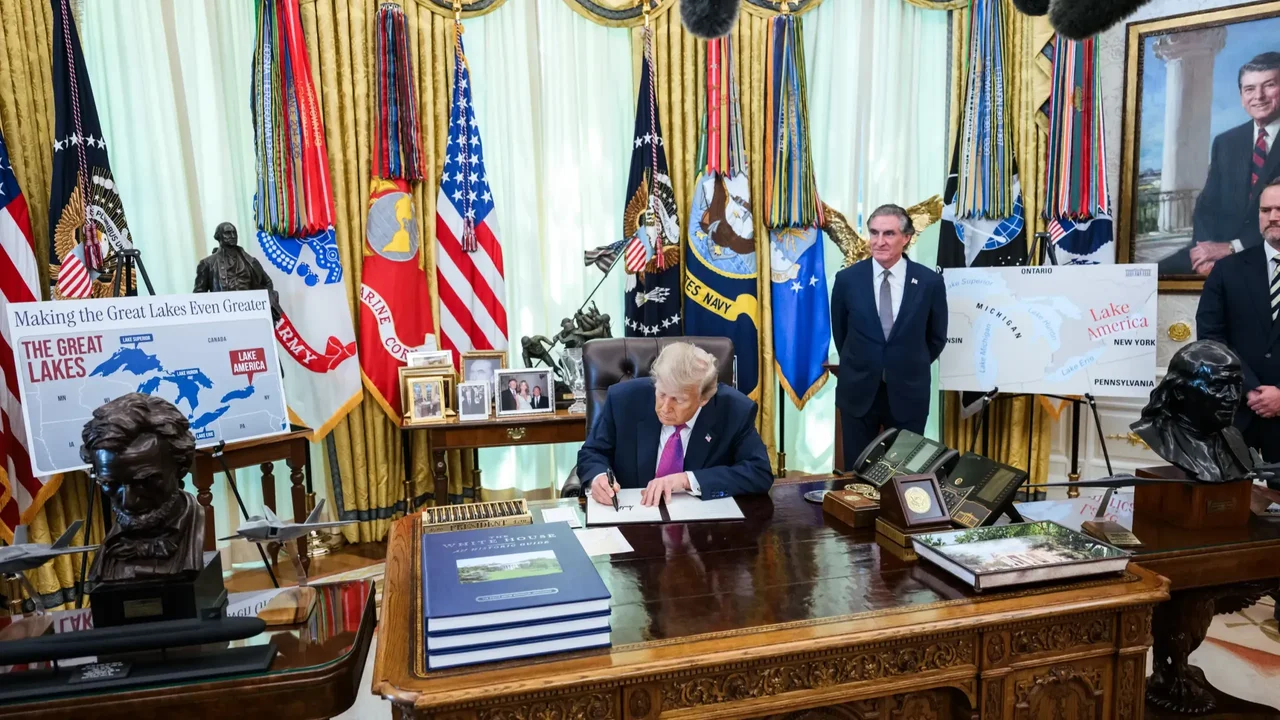




1月3日,美國三角洲部隊迅速採取軍事行動,抓獲委內瑞拉總統馬杜羅及其妻子,並隨即移送美國候審,這項行動對全球地緣政治具有重大的影響。
早於2020年初,馬杜羅已被美國政府指控其參與毒品恐怖主義陰謀,並向美國出口可卡因,由於他當時未真正被捕,美國法院只能對他進行缺席審訊。
今次馬杜羅的被捕與1990年美國抓捕巴拿馬強人諾列加將軍有很多相似之處。兩次逮捕都發生在1月3日,但逮捕馬杜羅過程利落,相比下逮捕諾列加時更為轉折,美軍在1989年12月20日進攻巴拿馬,諾列加在數天後,即12月24日藏匿於梵蒂岡大使館,直到1月3日才被迫向美國緝毒署投降。
美一向視拉美、中美為後花園
另一相若之處是,委內瑞拉屬於拉丁美洲,巴拿馬則位於中美洲,美國歷來都將拉丁美洲和中美洲視為其後花園,這意味着美國必須在這些地區維護其政治和軍事的影響力。
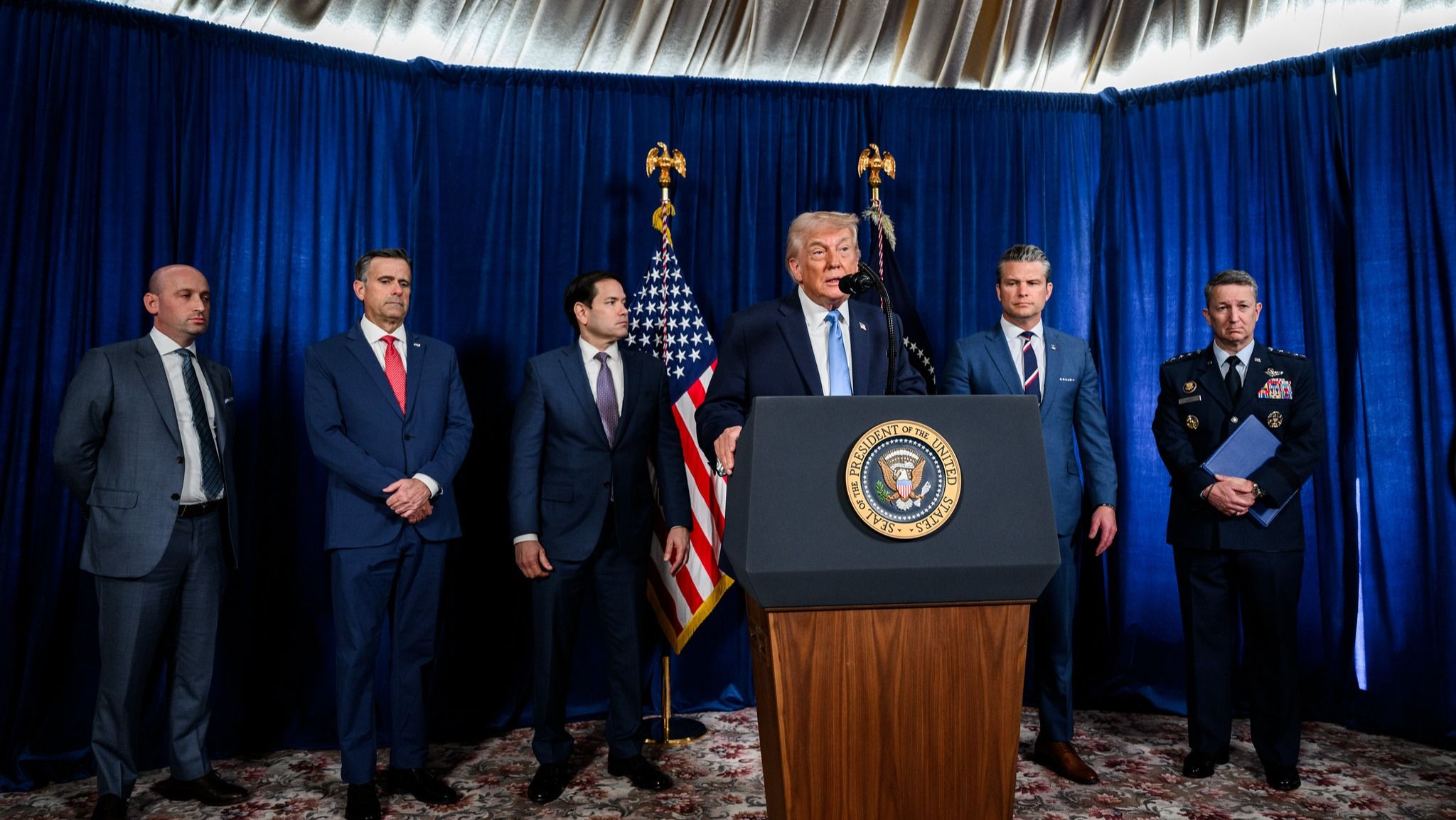
美國總統特朗普和國防部長赫格塞斯稱讚今次代號「絕對決心」的軍事行動非常成功,取得零傷亡、零戰損的戰果。
據了解,「絕對決心」的巨大成功得益於美軍滲透到馬杜羅的安保隊伍中,並成功收集了馬杜羅及其妻子藏身安全屋的詳細訊息。就軍事行動而言,這毋疑是個巨大的成功。
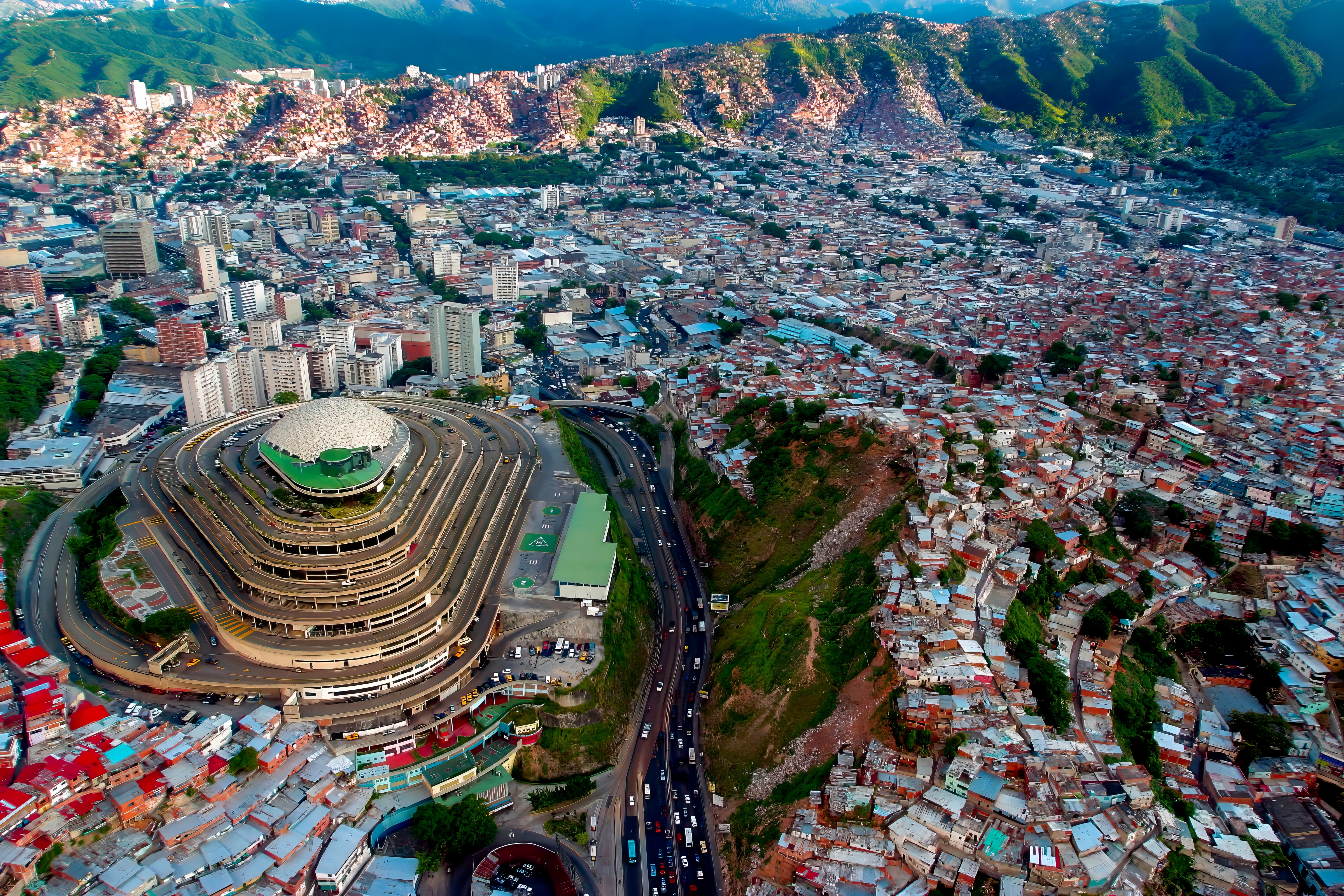
多國強烈譴責美違國際法
然而,美國對委內瑞拉的軍事干預,引發了多國對其行動是否違反國際法的譴責。俄羅斯、中國、古巴、伊朗和西班牙公開批評美國的行動侵犯了委內瑞拉的主權。儘管美國當局辯稱此次軍事行動是自衛,但一些批評人士已經指出《聯合國憲章》第二條第四款規定,會員國不得以武力威脅或使用武力侵害任何國家的領土完整或政治獨立。
值得注意的是,1989年底至1990年初,在共和黨總統布殊的領導下,美國軍方對諾列加採取行動時,國際輿論相當薄弱且反應冷淡。然而,現今資訊全球化以及美國企圖吞併格陵蘭引發的爭議,國際輿論對美國在委內瑞拉的行動反應強烈。丹麥已公開反對美國吞併格陵蘭。格陵蘭擁有豐富的礦產資源,例如稀土和石油,其位於北冰洋和大西洋之間的戰略位置自然備受美國決策者的覬覦,他們希望以此遏制俄羅斯和中國在北冰洋的影響力。
美國抓捕馬杜羅的行動突顯另一個令人關注的現象,就是美國覬覦委內瑞拉極其豐富的石油蘊藏量。無論美國石油公司是否真的有意投資委內瑞拉的石油產業,對石油的渴望為其決心在委內瑞拉建立一個親美政權提供了重要的經濟和政治動力,從而遏制其他競爭對手,特別是中國和古巴的影響力。
美點名哥墨古三國好自為之
美國軍事干預推翻馬杜羅政權,也對哥倫比亞、墨西哥和古巴發出警告。哥倫比亞的社會主義政權被認為在打擊毒品集團和可卡因走私方面力度不足,而墨西哥也被視為軟弱無力,未能遏制毒品跨境走私到美國。古巴仍然是美國的意識形態敵人,其經濟注定會受到馬杜羅政權突然垮台以及美國即將接管委內瑞拉石油工業的影響。古巴從委內瑞拉進口石油,自馬杜羅下台以來,石油運輸已受到影響。
在馬杜羅統治下,委內瑞拉長期積弱,貪腐猖獗,糧食供應嚴重不足,而通脹更加劇了這一困境,許多委內瑞拉民眾飽受經濟苦難。委內瑞拉新領導階層亟需進行改革,以從內部解決經濟亂局。
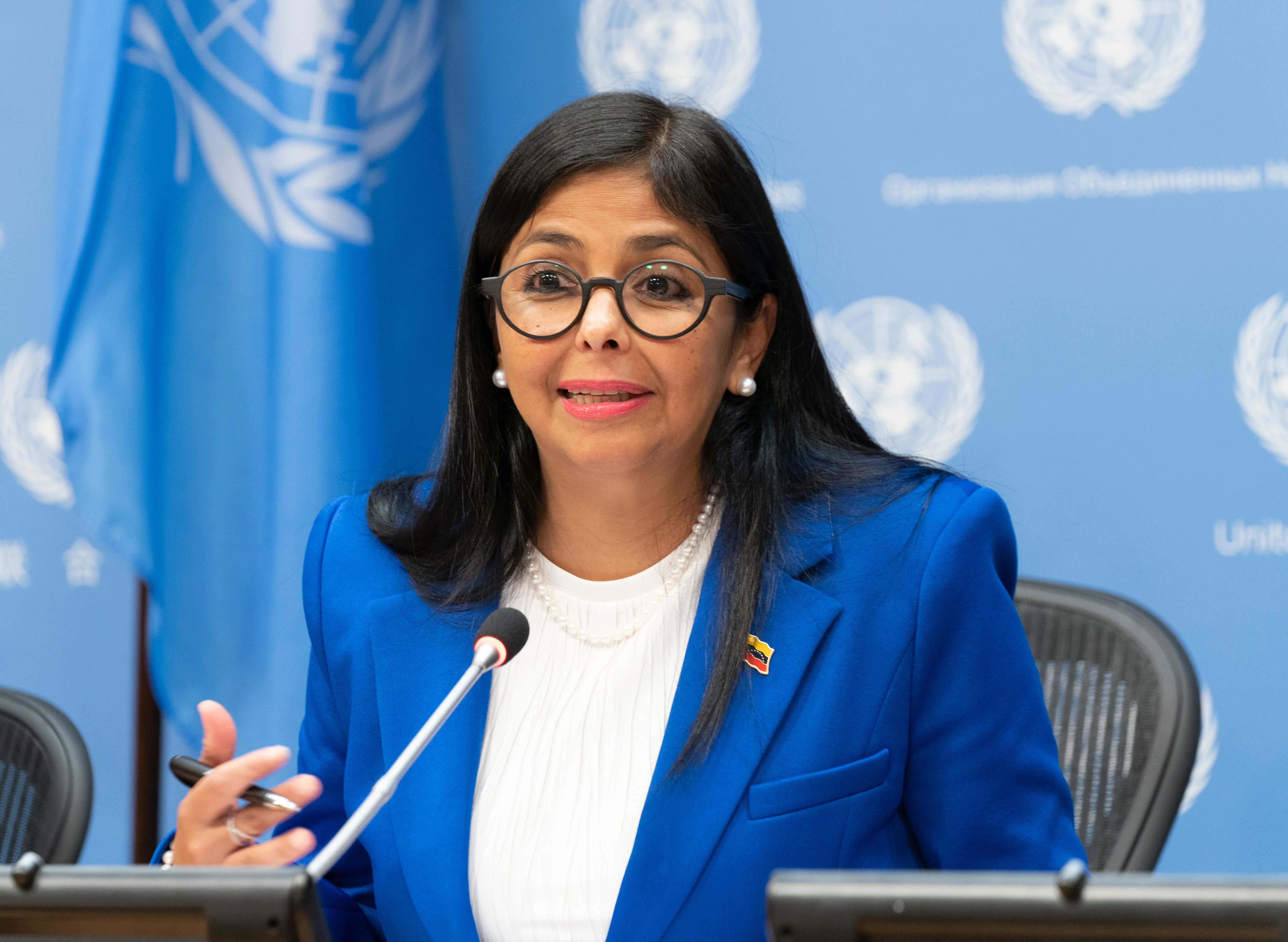
從政權更迭的角度來看,美國將如何精心策劃政權轉型,建立一個比以往任何時候都更親美的政府,着實令人關注。新宣誓就職的臨時總統羅德里格斯已從略帶對抗的姿態轉變為承諾與美國合作,尤其是在她承受着來自美國的政治壓力,被迫屈從於美國意願的情況下。
反對派馬查多政治前途未明
目前尚不清楚何時舉行新的總統選舉,也不清楚馬查多最終是否會成為美國的屬意候選人。擁有一個更合作的社會主義政府確實符合華盛頓的國家安全利益,但一個更反社會主義、更資本主義的政權毋疑更能維護美國的利益。
特朗普第二任內美國的新外交政策引起了世界許多國家的警覺。其退出與美國利益相違背的國際組織的政策突顯了其「美國優先」的意識形態。
雪上加霜的是,特朗普也推行了門羅主義,該主義歷來認為任何外部勢力對拉丁美洲的影響,在地緣政治和經濟上都是不可以接受的。
意識形態方面,特朗普第二任期的外交政策高度保守和民族主義,傾向於在全球化、民主化和經濟自由化方面的倒退,轉而採取去全球化、去民主化和經濟保護主義的新方向。
此外,軍事干預已明顯被視為美國維護國家安全利益的手段,這一趨勢在近期發布的《美國國家安全戰略》中有所體現。文件指出:「我們將阻止非西半球競爭對手在我們的西半球部署軍隊或其他威脅性能力,或擁有或控制具有戰略意義的重要資產。這對門羅主義的特朗普推論(Trump Corollary),是符合常理且強有力的美國實力和優先事項的恢復,符合美國的安全利益」。
總之,1989至1990年美國對巴拿馬的軍事干預與2026年初對委內瑞拉的軍事干預既有許多相似之處,也有顯著差異。在這兩起事件中,保護美國國家安全利益都是其軍事干預的理由。然而,在當前美國外交政策強調美國主義、去全球化、去民主化和經濟保護主義的背景下,近期對委內瑞拉的干預仍極具爭議。
入侵委國是霸權主義餘毒
批評者認為,美國在委內瑞拉的行動是霸權主義和帝國主義的餘毒,是將門羅主義延伸到當今時代,一個由美國主導的多極世界正在形成。在當今的多極世界中,中國、俄羅斯和伊朗等國被視為美國的意識形態、政治和技術競爭對手。
日益多極化的世界格局也呈現出新興大國湧現的特徵,這些大國不僅擁有核子能力,也具備發展核武的潛力。對這些新興大國而言,核威懾是對抗軍事霸權美國的必要手段。
反之,華盛頓也視日益多極化的世界格局,為高度危險且競爭激烈的局面,因此必須迅速採取行動,打擊那些被認為損害美國安全利益的國家,並加強其在包括委內瑞拉和格陵蘭島在內的多個地區攫取礦產資源的決心。
美國外交政策將如何發展尚待觀察,但有一點可以肯定:世界日益衝突不斷,意識形態高度敏感,軍事局勢動盪不安,經濟上也更加注重自我保護。
如各國依賴軍事行動和衝突來解決問題,外交的重要性就會降低,這引伸出一個嚴肅的問題:未來幾年世界是否注定會爆發更多軍事衝突?
US military intervention in Venezuela and its implications for international politics
The US military’s capture of Nicolás Maduro marks a significant escalation in Washington’s involvement in Latin America, raising concerns over legality and sovereignty.
The operation underscores US strategic interests in oil, regional influence, and the enforcement of a more assertive foreign policy amid a changing multipolar world.
The swift military intervention of the US Delta Force in capturing Nicholas Maduro, the former President of Venezuela, and his wife on January 3 had significant geopolitical and global implications.
The arrest of Maduro on the charge of drug trafficking could be traced back to October 2020, when he was indicted by the US court of allegedly engaging in narco-terrorism and in the export of cocaine to the US.
The capture of Maduro had interesting similarities and differences with how the US captured Panama’s strongman General Manuel Noriega on January 3, 1990. Both “arrests” took place coincidentally on January 3, but Noriega was hiding in the Vatican Embassy on December 24 shortly after the US military invasion on December 20 until January 3, when he surrendered to the US authorities of the Drug Enforcement Administration.
From the perspective of comparative politics, the “arrest” of Maduro and Noriega had commonalities and differences. The striking similarity is that the US has traditionally regarded both Central America, in the case of Panama, and Latin America, in the case of Venezuela, as its “backyard,” meaning that the US politico-military sphere of influence has to be maintained there.
As such, when both Noriega and Maduro were regarded as leaders engaging in drug trafficking, their fate was sealed, and it was a matter of time that both would be “captured” and brought to “justice” on the American soil.
Key differences between the Panama and Venezuela cases
Yet, there were substantial differences in the two cases. First, Noriega was not a socialist as with Maduro, who inherited the socialist tendency of the late Venezuelan President Hugo Chávez and whose anti-US sentiments provoked the US military intervention. Noriega at one time worked with the US authorities in not only the provision of military intelligence in the region but also the assistance of the US to train the rebels of Nicaragua to undermine their socialist regime under the Sandinista leadership. However, Noriega’s political line was ambiguous and shady; he and his subordinates were suspicious of providing intelligence to Cuba, the enemy of the US, and arranging the US weapons purchased by Panama to be shipped to the Sandinista forces. The US government tolerated Noriega’s shady activities until December 16, 1989, when an American soldier was killed in the Panama City – an event that provided the justification for the US military invasion.
The Operation Absolute Resolve that led to the arrest of Maduro did not see any loss of American life; it was conducted with remarkable success as hailed by President Donald Trump and Secretary of War Pete Hegseth. However, the operation that arrested Noriega involved more than 27000 US soldiers and three hundred aircrafts. It was reported that twenty-three US soldiers were killed and 324 were injured. The tremendous success of the Operation Absolute Resolve was reportedly conducted by US infiltration into Maduro’s bodyguards and the successful gathering of the details of the safehouse where Maduro and his wife stayed. In terms of military operation, it was undoubtedly an immense success.
Legal controversies and international reactions
Nevertheless, the US military intervention in Venezuela has triggered criticisms of whether the US action might violate the international law. Russia, China, Cuba, Iran and Spain have openly criticized the US action as a “violation” of Venezuela’s sovereignty. Although the US authorities defended the action by saying that the military move was an act of “self-defence,” some critics have already pointed to Section 4 of Article 2 of the UN Charter, which says that member states are prohibited from the threat or use of force against the territorial integrity or political independence of any state.
It is interesting to note that when the US military under the Republican President George H. W. Bush took action against Noriega in late 1989 and early 1990, the international public opinion was quite weak and muted. Today, with globalization of information and with the emergence of a dispute over the US attempt at grasping Greenland, the international public opinion appears to react quite negatively to the US action in Venezuela. Demark has already expressed its opposition to any US attempt at “grasping” Greenland, where rich mineral resources such as rare earth and oil and where its strategic location between the Arctic and Atlantic Oceans are naturally under the covetous eye of US policymakers, who want to curb the influence of the Russia and China in the Arctic Ocean.
Energy interests and regional signalling
Another interesting phenomenon of the recent US action against Maduro is that the US desire for oil development there is obvious. No matter whether the American oil companies are interested in investing in and developing the oil industry in Venezuela, Washington’s quest for oil in Venezuela has provided an important economic and political incentive to transform the Maduro regime to a more friendly one toward the US, thereby curbing the influence of other competitors, especially China and Cuba.
The US military intervention to remove Maduro also serves as a warning to Columbia, Mexico and Cuba. The socialist regime of Columbia is seen as not doing enough to fight against the drugs cartel and cocaine trafficking, while Mexico is also regarded as a weak state failing to curb drug trafficking across the border to the US. Cuba remains an ideological foe of the US, and its economy is destined to be affected by the sudden downfall of Maduro and the imminent US capture of Venezuelan oil industry. Cuba imported oil from Venezuela and the shipment has been affected since Maduro’s downfall.
Venezuela remained a weak state under Maduro. Corruption was rampant and food supply was woefully inadequate. Compounded by inflation, many people in Venezuela have been enduring economic hardships. It is urgent for the new Venezuelan leadership to undertake reforms to tackle the economic chaos internally.
Regime change and the new US foreign policy doctrine
From the perspective of regime change, it is interesting to observe how the US is going to engineering a regime transformation to a government that will be far more pro-Washington than ever before. The newly sworn-in Interim President Delcy Rodriguez has shifted from her slightly defiant stance to one that promises collaboration with the US, especially as she has been under the political pressure to conform to the US wishes. It is unclear when a new presidential election will be held soon and whether Maria Corina Machado would be a favored candidate by the US eventually. Having a more “cooperative” socialist government is indeed in the national security interest of Washington, but a more anti-socialist and more capitalist regime would undoubtedly protect the US interests.
The new US foreign policy under the second Donald Trump administration has raised the alarm of many countries in the world. Its foreign policy of withdrawing from international organisations that are contrary to the interests of the US has highlighted its America First ideology. Compounding this mentality is the Trump version of the Monroe Doctrine, which has traditionally seen any external influences on Latin America as geopolitically and economically “undesirable.” Ideologically speaking, the second Trump administration is highly conservative and nationalist in its foreign policy, preferring a retrenchment in globalization, democratization and economic liberalization and adopting a new orientation of de-globalization, de-democratization, and economic protectionism.
A more conflict-ridden multipolar world
Moreover, military intervention is increasingly seen as a means to the end of preserving the US national security interests – a tendency that can be seen in the recently published US National Security Strategy. As the document says, “We will deny non-Hemispheric competitors the ability to position forces or other threatening capabilities, or to own or control strategically vital assets, in our [Western] Hemisphere. This ‘Trump Corollary’ to the Monroe Doctrine is a common-sense and potent restoration of American power and priorities, consistent with American security interests” (National Security Strategy of the United States of America, 2025, p. 15: see 2025-National-Security-Strategy.pdf (whitehouse.gov)).
In conclusion, there were substantial similarities and differences in the US military intervention in Panama in 1989-1990 and that in Venezuela in early 2026. The protection of the US national security interests provided the justification for its military intervention in the two cases. However, the recent intervention in Venezuela remains highly controversial amid the changing US foreign policy that is emphasizing Americanism, de-globalization, de-democratization, and economic protectionism. Critics of the new US foreign policy regard the US action in Venezuela as a legacy of “hegemonism” and “imperialism,” expanding the Monroe Doctrine to the current era in which a more multipolar world rather than a unipolar world led by the US is emerging. In the current multipolar world, countries like China, Russia and Iran are seen as the ideological, political and technological competitors of the US.
The increasingly multipolar world is also characterized by newly emerging powers with not only the nuclear capability but also the potential of developing their nuclear weapons. Nuclear deterrence, to these newly emerging powers, is necessary to counter the military hegemon, the US. In turn, Washington has seen the increasingly multipolar world as a highly dangerous and competitive, necessitating its actions to take swift action against countries whose activities and actions are deemed to undermine the US security interesting, and strengthening its determination to grasp mineral resources in various places, including Venezuela and Greenland.
It remains to be seen how the US foreign policy will unfold, but one thing is certain: the world is increasingly conflict-ridden, highly ideological, militarily unstable, and economically self-protective. If countries rely on military actions and conflicts to solve their problems, diplomacy is of secondary importance, raising a serious question whether the world is bound to witness more military conflicts in the coming years.
原刊於澳門新聞通訊社(MNA)網站,本社獲作者授權轉載。(原文按此)