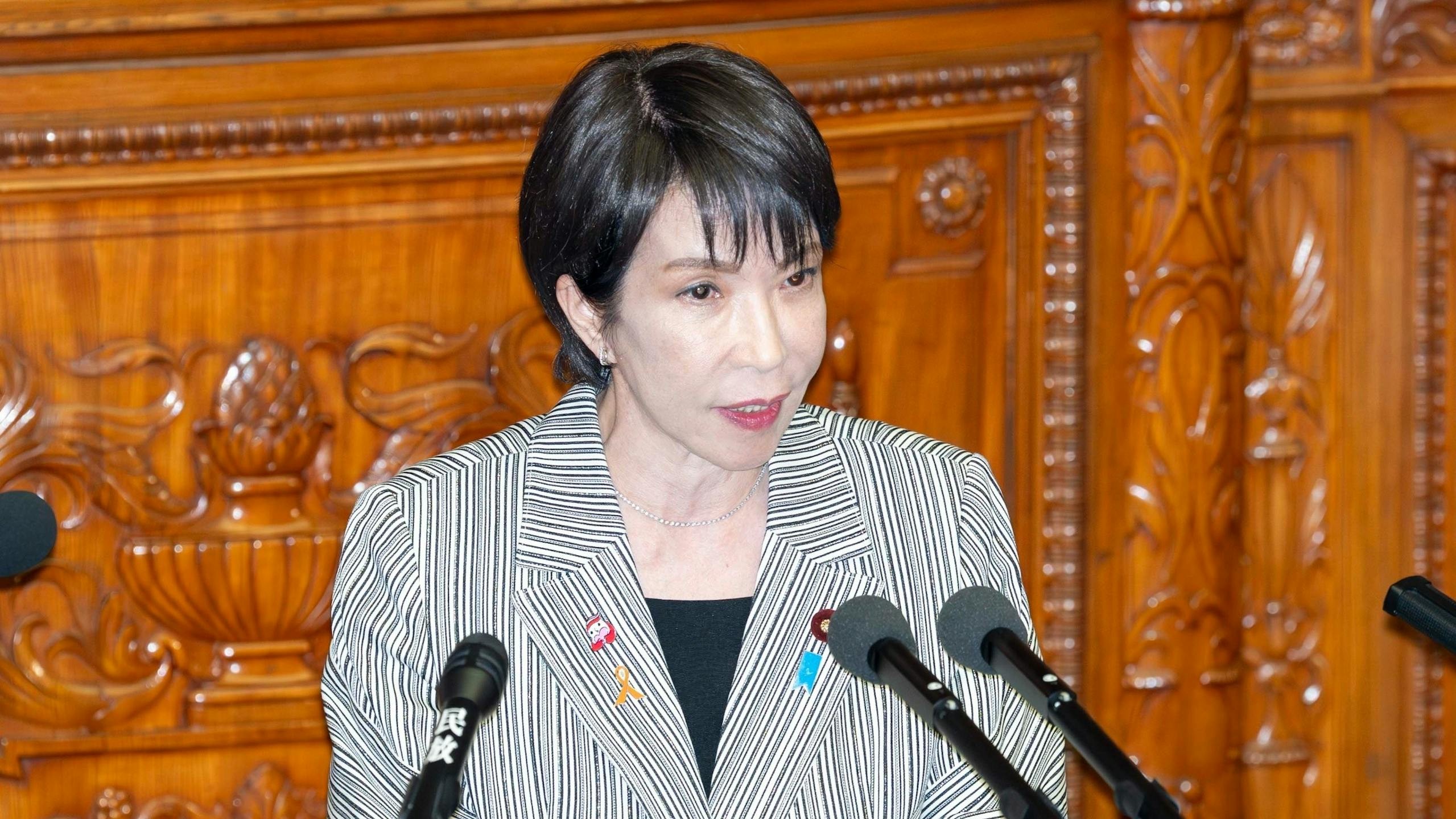

11月7日,高市早苗在日本國會表示,如果中國對台灣使用武力,日本將視此舉為「存亡危機」的情況。這番言論引發了中國當局的強烈反應。
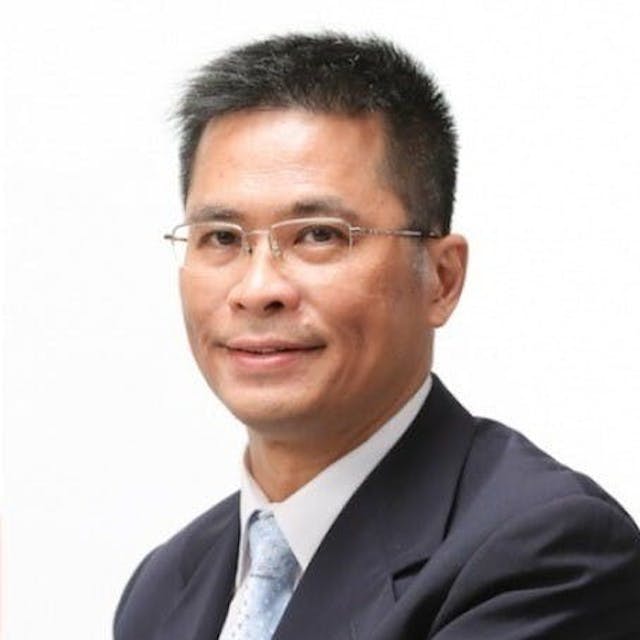
11月12日,中國外交部發言人林劍表示,高市的涉台言論是錯誤的,因為台灣問題是中國核心利益中的核心,中國不允許外部勢力干涉。他補充指高市的言論公然挑釁了二戰後的國際秩序,如果日本膽敢動用武力干涉台灣問題,那就是侵略行為,中國將根據《聯合國憲章》堅定行使自衛權,捍衛國家主權,警告日方在台灣問題上玩火自焚。
中方質疑日本再次走向軍國主義
此外,林劍質疑高市所謂「存亡危機」的說法是否意味日本再次走上軍國主義的道路,這種暗示違反了一中原則,也違背了中日簽署的四份歷史性文件的精神和國際原則。
另一位中國外交部發言人毛寧也指出,高市的言論嚴重破壞了中日關係的政治基礎,惡化了兩國間的輿論氛圍,中方對高市言論提出強烈抗議,要求日方反思錯誤言論。
11月17日,毛寧詳細提及了四份中日文件。1972年,《中日聯合聲明》三次涉及台灣問題。聲明序言中指出,日本充分理解中日關係正常化的原則。換言之,日本承認中華人民共和國是中國唯一合法政府,而台灣是中國不可分割的一部分,日本對此充分理解並尊重這立場。

(中國政府網)
日方對薛劍不當言論提強烈抗議
11月14日,日本外務省事務次官船越健裕召見中國駐日大使吳江浩,就中國駐大阪總領事薛劍發表的極度不當言論提出強烈抗議。據悉,薛劍於11月8日在X平台上發文稱,應該斬首日本首相高市。
11月21日,中國常駐聯合國代表、特命全權大使傅聰致函聯合國,譴責高市的言論極其危險,日本對其在二戰中的行為毫無悔意。傅聰在信中表示,如果日本膽敢干涉台灣問題,中國將堅決捍衛台灣主權。傅聰寫道:「如果日本膽敢武力干涉兩岸局勢,那就是侵略行為⋯⋯中國將堅決行使《聯合國憲章》和國際法賦予的自衛權,堅決捍衛國家主權和領土完整。」
高市的言論引發的這場風波最重要的政治影響是雖然日方認為中國可能對台灣採取行動,但中方也同樣認為日本構成威脅。
若台遭襲 日自衛隊或施援
日本為干預台灣問題而進行的軍事準備或許並不令人意外,因為美國、日本和韓國已經結成軍事同盟,以遏制來自中國、北韓以及俄羅斯的軍事威脅。如果一場新的冷戰即將爆發,那麼一旦台灣遭到中國的攻擊,日本自衛隊可能會被派往台灣提供援助,這並不令人意外。
1994年,時任議員的高市在國會質詢已故日本首相村山富市:為何承認日本在二戰中對中國發動了侵略戰爭。
高市當時表示:「我不希望你們未經授權就以我們代表的身分道歉。」看來高市認為,日本年輕一代不應為他們上一代在二戰期間對中國所犯下的罪行承擔責任,這種信念或許影響了她今年11月7日在國會的發言。
1995年8月15日,村山發表內閣聲明稱:「日本奉行錯誤的國家政策,走上了戰爭之路⋯⋯並通過其殖民統治和侵略,給許多國家的人民,特別是亞洲國家的人民,造成了巨大的損害和苦難。」
2025年10月,村山去世,享年101歲。他的去世或許標誌着即將上任的日本首相高市的態度發生了轉變。

高市言論非口誤 實對歷史觀扭曲
遼寧大學日本問題專家陳陽表示,高市在國會發表的涉台的錯誤言論顯然並非口誤或一時判斷失誤,而是體現她長期以來扭曲的歷史觀。
高市的言論不幸地恰逢中國將台灣主權視為其政治核心要務之際。正值中國批評美國向台灣提供軍事武器,北京視民進黨台灣領導人為阻礙中國大陸經濟一體化、政治對話和統一的分離主義者之時,高市關於台灣的言論自然會引發中國官方的強烈反應。
鑑於中國官方要求日本首相撤回其言論,高市也表達了希望改善中日關係的意願,打破僵局的途徑目前仍存在。然而,由於中國已停止進口日本食品,並警告公民和留學生謹慎前往日本旅遊和留學,兩國間的文化和社會交流勢必會受到影響,這令人遺憾。中國顯然正在加大向日本施壓,促使其正視高市的言論所帶來的社會經濟影響。
或許打破當前僵局的辦法是,日本首相在與中國領導人會晤時可以考慮採取更外交的措辭,但在目前兩國緊張的氣氛下,這一選項似乎已被排除。
另一個選項是高市可以考慮派遣一位日本前首相擔任特使,由特使向中國最高領導人習近平遞交她的信函。運用特使可以有效化解中、日之間的任何外交僵局。
第三個選項是充分利用居中的團體,即日中友好團體,向中國領導人傳遞和解訊息。
然而,鑑於高市的言論措辭嚴厲,這些友好團體很可能在其特使訪華之後才能發揮作用。
中日相互疑忌 緊張局勢或升級
儘管日方擔憂中國可能對台灣採取軍事行動不無道理,但中方對日本軍事干預令台灣也有戒心,雙方都認為對方言論反映了背後的真實意圖和政策藍圖,未來中日緊張局勢的升級屬不可避免。
問題的關鍵在於雙方如何緩和緊張局勢,尤其是日方如何思考打破當前僵局的出路,例如派遣特使攜同高市的信函前往北京,即使在政治高度敏感的時期,日本首相可能不會收回其挑釁性言論,目前只能寄望雙方能夠運用政治智慧,使中日關係重回正軌。
Decoding the Chinese responses to Takaichi’s remarks: threat perceptions as real
Strong Chinese reactions to Prime Minister Sanae Takaichi’s Taiwan remarks reflect deep mutual threat perceptions between Beijing and Tokyo
The controversy has widened diplomatic tensions, reverberating across politics, society, culture, and bilateral exchanges
Potential pathways out of the impasse hinge on diplomatic tact, special envoys, or intermediary friendship groups
The remarks made by the new Japanese Prime Minister, Sanae Takaichi, on Japan’s attitude and policy toward Taiwan in the Diet on November 7 have provoked strong responses from the official Chinese authorities in Beijing.
The recent and ongoing Chinese responses to Takaichi’s remarks, from a political science perspective, are a manifestation that while the Japanese government perceives China’s possible hard-line action against Taiwan as real, the perception of the People’s Republic of China (PRC) on how Japan would approach the Taiwan question is also a real one, leading to China’s strong reactions. It remains to be seen how Tokyo can and will defuse the tensions with Beijing, including perhaps an option of sending a special envoy from among the former Japanese prime ministers to meet the top Chinese authorities sooner rather than later.
Takaichi’s remarks and the official Chinese reactions
On November 7, Takaichi said in the Diet that if China uses force to deal with Taiwan, then Japan would perceive such an act as a “survival-threatening” situation.
This remark sparked strong reactions from the Chinese authorities. On November 17, Masaaki Kanai, the Director-General of the Asian and Oceanian Affairs Bureau of the Japanese Ministry of Foreign Affairs, went to Beijing to meet his Chinese counterpart, Liu Jinsong of the PRC Foreign Ministry’s Asian Affairs Bureau. But apparently, the meeting had no concrete result, as Liu was seen putting his hands in his pockets publicly after their dialogue. Liu told the Chinese media that the Chinese side was indeed dissatisfied with the Japanese explanation.
On November 12, the Chinese Foreign Ministry spokesman Lin Jian said that Takaichi made a “mistake” in her remark because Taiwan belongs to the core interest of the PRC, and that China does not allow external interference with the Taiwan issue. Lin added that Takaichi “openly provoked” the post-World War Two international order. He said if Japan dares to use force to involve itself in the Taiwan situation, then this would constitute “an act of aggression.” Under these circumstances, according to Lin, China would assertively exercise its self-defensive right under the United Nations Charter to defend Chinese sovereignty. As such, Lin warned the Japanese side of the danger of “playing with fire” over the Taiwan question and said that those “playing with fire” would “burn” themselves.
In the same press briefing, Lin questioned whether the term “survival-threatening” situation meant that Japan would repeat its “militarism” and become China’s enemy again. He took Takaichi’s remarks as “implying” that Japan would have the likelihood of using force to intervene in the Taiwan question. Such an implication, according to Lin, constitutes a violation of the “one China” principle and a breach of the spirit and international principles of the four historical documents reached by China and Japan. After all, the year 2025 marks the eightieth anniversary of China’s victory over fascism, and it also marks the recovery of its sovereignty over Taiwan for eighty years.
Lin also criticised Takaichi’s stance on nuclear weapons development as “ambiguous” because Japan would likely embrace the development of nuclear submarines, thereby sending a “dangerous signal” to the international community.
Another Chinese Foreign Ministry spokeswoman, Mao Ning, made a series of comments that deserve our attention. As with Lin, Mao commented that Takaichi’s remarks “seriously undermine the political foundation of Sino-Japanese relations,” worsening the atmosphere of public opinion between the two countries. Mao added that the Chinese side “seriously protested” against Takaichi’s remarks, that China requests the Japanese side to reflect on the mistaken remarks, and that Beijing demands the retraction of Takaichi’s comments.
On November 17, Mao Ning mentioned the four Sino-Japanese documents in detail. In 1972, the Joint Declaration between China and Japan had three places touching on Taiwan. In the preface, the Joint Declaration said that Japan “fully understands” the principles of Sino-Japanese normalisation of their relations. In other words, Japan admits that the PRC is the only legitimate government of China. Moreover, Taiwan is an inseparable part of the PRC – a position that Japan fully understands and respects.
In 1978, the Sino-Japanese Friendship Treaty said that the 1972 Sino-Japanese Joint Declaration is the basis for their peaceful and friendly relations. In 1998, both China and Japan reached another Joint Declaration on their common stance on the question of Taiwan, namely that there is only one China, and that Japan would only maintain people-to-people and regional contact with Taiwan. As such, Japan does not have official relations with Taiwan. In 2008, China and Japan reached a Joint Declaration on their strategic and mutually beneficial relations, saying in Article 5 that Japan maintains its position on Taiwan in accordance with the Sino-Japanese Joint Declaration.
As with Lin, Mao said that the Japanese side should retract the remarks of Prime Minister Takaichi and that it should show its “profound reflections.”
On November 16, four Chinese maritime police vessels went to the waters surrounding the Diaoyu (Senkaku in Japanese) Islands. Mao responded to a reporter’s question by reiterating that the Diaoyu Islands’ sovereignty belongs to China, and that Japan should not disturb the patrol of the Chinese maritime police vessels.
Deteriorating relations
Takaichi’s remarks have already triggered other Chinese reactions. On November 14, the Chinese Foreign Ministry’s Vice-Minister, Sun Weidong, summoned the Japanese ambassador Kenji Kanasugi, expressing strong dissatisfaction and opposition to Takaichi’s remarks.
On the same day, Funakoshi Takehiro, the Vice-Minister of the Japanese Foreign Ministry, summoned Wu Jianghao, the Chinese ambassador to Japan, and made a strong protest against the “highly inappropriate remarks” made by the Chinese Consul General in Osaka, Xue Jian. It was reported that Xue posted a message on X on November 8 saying that Prime Minister Takaichi’s neck should be “sliced right off.” (See: Consul General’s Record of Inflammatory Remarks Comes Under New Scrutiny in Japan | JAPAN Forward.)
Suddenly, there was no plan for the Chinese Premier Li Qiang to meet Japanese Prime Minister Takaichi at the forthcoming G20 Summit, while other ministerial-level meetings have been delayed.
At the UN level, the Chinese Ambassador Fu Cong on November 21 wrote a letter to UN Secretary-General António Guterres saying that Takaichi’s remarks were “highly dangerous” and that Japan was “unrepentant” over its behaviour in World War Two. If Japan dares to intervene in the Taiwan issue, China will be determined to take action to defend its sovereignty over Taiwan. Fu wrote: “If Japan dares to attempt an armed intervention in the cross-strait situation, it would be an act of aggression … China will resolutely exercise its right of self-defence under the UN Charter and international law and firmly defend its sovereignty and territorial integrity.” (See: China takes spat with Japan over Taiwan to UN, vows to defend itself | Arab News.)
Many mainland Chinese cancelled their tours to Japan, and so did some Hong Kong Chinese. The Japanese cultural activities in China have been terminated or delayed, including the postponement of the Japanese animation films Crayon Shin-chan and Cells at Work. Demon Slayer, which was already released in mainland China, has seen a decline in the number of audience members.
On November 16, the PRC Ministry of Education warned mainland Chinese students of their need to assess security if they go to study in Japan. Three days later, the Chinese authorities stopped the import of Japanese seafood products.
At the same time, some Hong Kong Chinese have cancelled their visits to Japan, albeit traditionally many Hong Kong people have seen Japan as their favourite destination for travel and tours.
Decoding the political significance: mutual perception of threats as real
The most important political implication of the saga over Takaichi’s remarks is that while Japan perceives the PRC’s possible action against Taiwan as a real one, the same perception of the Japanese threat can be seen on the PRC side.
In other words, Takaichi appeared to leak a Japanese plan of “coming to the rescue” of Taiwan if the PRC attack on Taiwan were to become a reality. As such, Japan perceives the PRC military force against Taiwan as not only a real one but also a “survival-threatening” situation. In such a situation, the Japanese military would likely be deployed – a point that was mentioned by the Chinese authorities in response to Takaichi’s remarks.
This Japanese military preparation for intervening in the Taiwan issue is arguably not surprising, because the US and Japan have already formed a military alliance, together with South Korea, to deter the military threats from China and North Korea, and Russia as well. If a new Cold War is looming, it is not surprising that the Japanese Self-Defence Force may be sent to assist Taiwan if the island is attacked by the PRC, even though Beijing has been emphasising the utilisation of the Taiwan model of “one country, two systems” to appeal to the Taiwan people for reunification.
Perhaps Takaichi’s political advisers failed to brief her on the sensitivity of making remarks on Taiwan. The mainland Chinese media, such as WeChat videos, kept showing Takaichi’s question to the late Japanese Prime Minister Tomiichi Murayama in the Diet in 1994, asking why the latter admitted that Japan had committed an act of aggression in the Second World War against China (See: Footage from 1990s shows Takaichi challenging then PM Murayama on war responsibility, ‘displaying erroneous historic views’ – Global Times).
Takaichi said at that time: “I don’t want you apologising as our representative without authorisation.” It seems that Takaichi believed that the younger generation of the Japanese should not be held responsible for what their ancestors had done to China in the Second World War – a belief that might have shaped her November 7 remarks in the Diet. Still, it was puzzling why her political advisers might not have briefed her sufficiently on the high degree of political sensitivity over the question of Taiwan, especially in 2025 when China is celebrating the 80th anniversary of the victory against fascism.
On August 15, 1995, Murayama issued a cabinet statement saying that “Japan, following a mistaken national policy, advanced along the road to war … and, through its colonial rule and aggression, caused tremendous damage and suffering to the people of many countries, particularly to those of Asian nations.”
In October 2025, Murayama died at the age of 101. His death perhaps marked a change in the attitude of the forthcoming Japanese Prime Minister Sanae Takaichi. Chen Yang, a Japan specialist at Liaoning University, said that Takaichi’s “misguided remarks about Taiwan in the Japanese Diet are clearly not accidental slips of the tongue or momentary lapses in judgement but rather a manifestation of her long-standing distorted historical perspective” (Global Times, November 16, 2025).
Takaichi’s remarks unfortunately coincided with a period during which China is seeing its sovereignty over Taiwan as of paramount political importance. At a time when the PRC is criticising the US for providing military weapons to Taiwan, and at a time when Beijing sees the Taiwan leaders from the Democratic Progressive Party as separatists hindering mainland Chinese efforts at economic integration and political dialogue and reunification, Takaichi’s remarks on Taiwan are naturally provoking strong official Chinese responses.
Any way out of the impasse?
Given the official Chinese demand that the Japanese Prime Minister should retract her statement, and that Takaichi has expressed her view that she wants to see better relations with China, there are still ways out of the current impasse. Because of China’s actions of terminating the import of Japanese food products to the Chinese mainland, and in light of its warning to citizens and students about visiting Japan and studying there, the cultural and social interactions between the two countries are bound to be affected, unfortunately. China is clearly exerting more pressure on Japan to recognise the socio-economic impacts of Takaichi’s remarks.
Perhaps the way out of the current impasse is that, ideally, the Japanese Prime Minister may consider saying something more diplomatically when she meets the Chinese leaders – an option that is seemingly ruled out in the current atmosphere.
Another alternative is that she can consider sending a former Japanese Prime Minister to become a special envoy, who may deliver a letter from her to the top Chinese leader Xi Jinping. The utilisation of special envoys can be an effective way of managing any diplomatic impasse between Japan and China.
The third alternative is to make full use of the intermediary groups, namely the Japan–China friendship groups, to bring conciliatory messages to the Chinese leaders.
In March 2025, PRC Foreign Minister Wang Yi met the representatives of seven Japan–China friendship groups in Tokyo. The representatives included the Chairman of the Japan–China Friendship Parliamentarians’ Union and Secretary-General of Japan’s Liberal Democratic Party Hiroshi Moriyama, President of the Japanese Association for the Promotion of International Trade Yohei Kono, and other leaders of the Japan–China Friendship Association, Japan–China Cultural Exchange Association, Japan–China Economic Association, Japan–China Association, and the Japan–China Friendship Centre (See: Wang Yi Holds a Group Meeting with Representatives of Japan–China Friendship Groups – Ministry of Foreign Affairs of the People’s Republic of China). Yet, given the severity of Takaichi’s remarks, it seems that these friendship associations would likely play a follow-up role after an important visit by her special envoy to China.
Conclusion
While the Japanese perception of China’s possible military action against Taiwan is real, the official Chinese perception of Japanese military intervention in the Taiwan question is also genuine. Under the circumstances that both sides perceive each other’s remarks as reflective of the real intentions and policy blueprint behind the scenes, the recent and ongoing escalations of Sino-Japanese tensions are inevitable and natural. The crux of the problem is how both sides can defuse their tensions, especially how the Japanese side can ponder a way out of the current impasse, like sending a special envoy to Beijing with a letter from Takaichi even if the Japanese Prime Minister may not retract her provocative statement in a highly politically sensitive year. It is hoped that political wisdom will bring Sino-Japanese relations back to normalcy.
原刊於澳門新聞通訊社(MNA)網站,本社獲作者授權轉載。(原文按此)