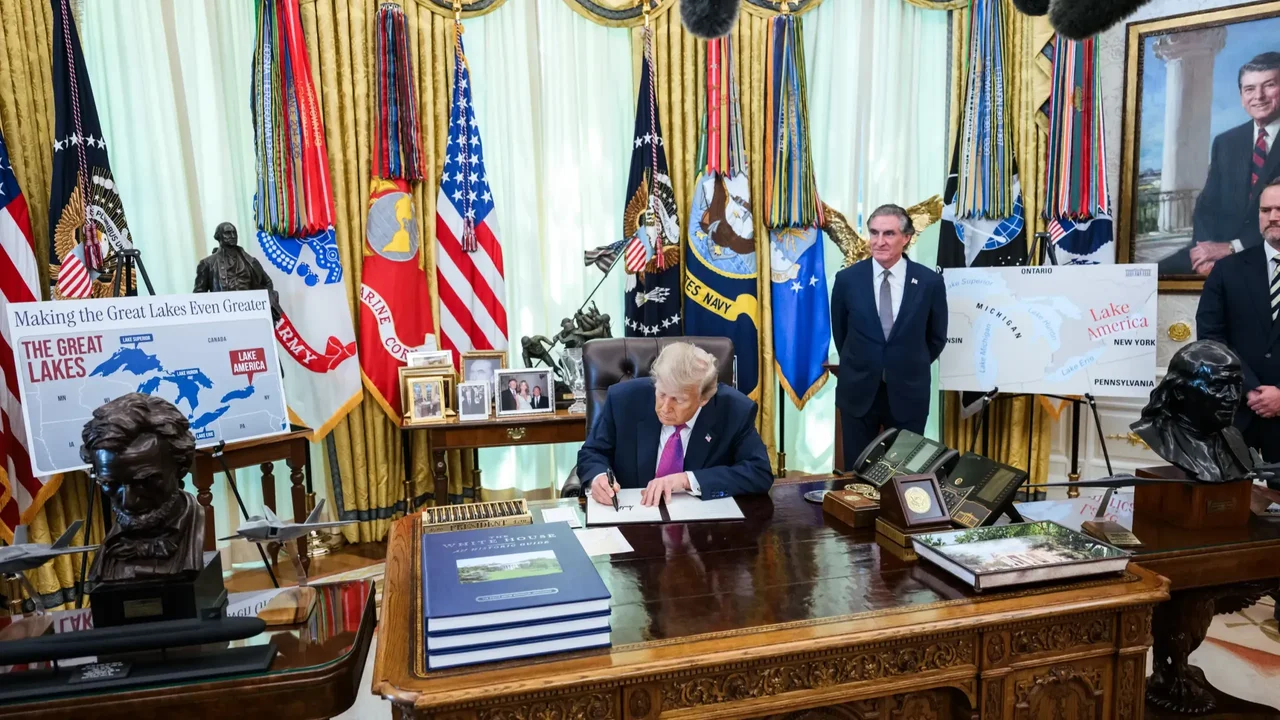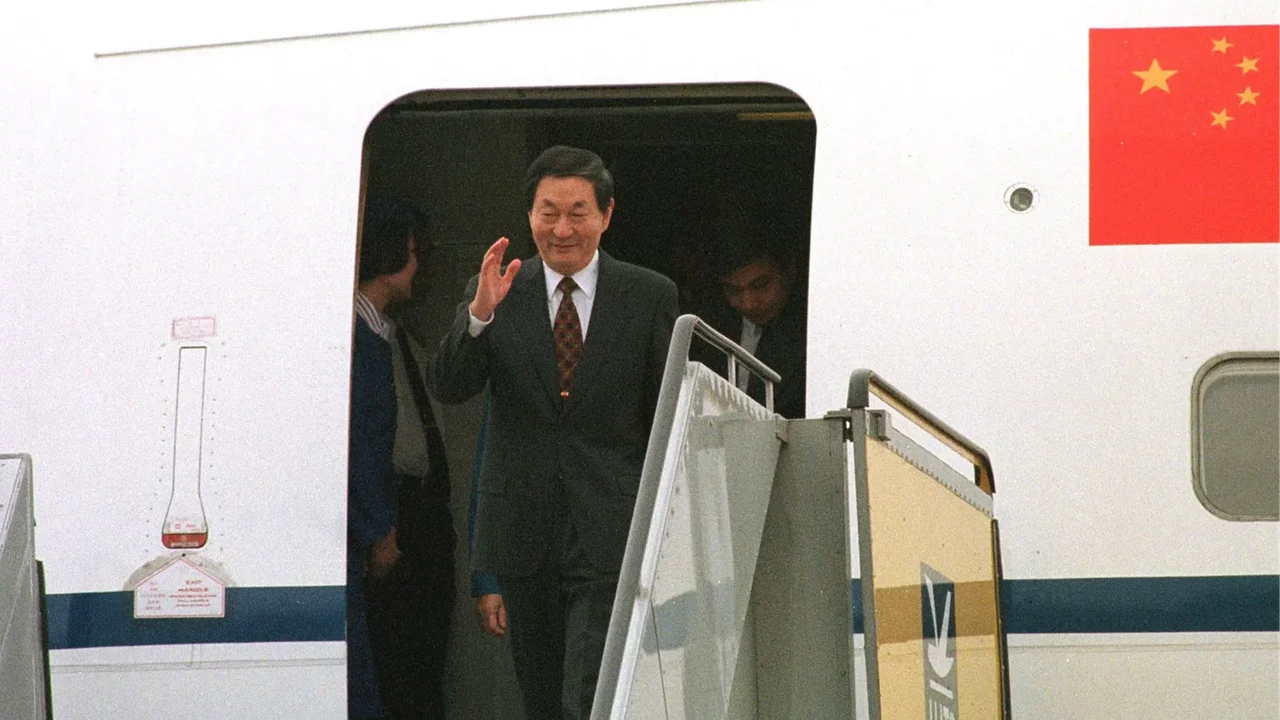





國家主席習近平出席在韓國慶州舉行的亞太經合組織(APEC)峰會,並與美國總統特朗普會晤,突顯了中國日益自信、果斷和建設性的外交政策立場。這不僅體現了中國施行「大國外交」,也體現了其積極主動的外交政策,這對國際政治,特別是亞洲安全,具有重要意義。
首先,中美兩位領導人的會晤促成了雙方的暫時休戰。中國同意向美國購買大豆和其他農產品,並管控芬太尼流向美國;美方則決定將對華商品24%的對等關稅凍結一年,並將芬太尼相關關稅從20%降至10%。
此外,中國決定暫停對稀土出口的管制一年,而美國則暫停對中國海事、物流和航運業的「301調查」一年。中國同意啟動從阿拉斯加購買能源和天然氣的程序,而美國則暫停對華部分公司出口管制一年。不過,這只是中美暫時的休戰,雙方都希望爭取更多時間。
暫時休戰 勝利得不償失
特朗普政府宣稱取得了勝利,但實際上這是一場得不償失的勝利,因為在採取恐嚇和令人不安的對等關稅措施後,美國的軟實力正在迅速下降。儘管特朗普在公開場合滔滔不絕,並與習近平熱情互動,但習主席卻顯得內斂冷靜,只報以禮貌式笑容,這表明中方對特朗普政府的所作所為相當不滿。
習主席在談判桌上公開對特朗普表示,儘管兩國在外交關係中必然存在分歧,他期望雙方仍應朝着正面的方向前進。

他的積極基調十分突出,但中國的外交政策也始終貫徹一種自信,這種強烈的自信反映了當代中國深受衰弱的清朝歷史遺留問題的影響,也體現了習近平領導下的中國力圖避免被視為對美軟弱。
事實上,中美雙方各退一步,表明中國已經成為一個大國,能夠自信且積極地與美國在談判桌上平起平坐,這在當今國際政治中實屬罕見,因為美國正努力塑造其霸權主義和單邊主義的形象,而中國則積極反對霸權主義,支持多邊主義。
其次,中國的大國外交顯然強調多邊主義,正如習主席在APEC峰會上的演講所說,她強調開放的經濟環境、全球供應鏈的穩定以及相互包容的發展。可以看出中國致力於維護經濟自由化的世界秩序和穩定的供應鏈。這意味跟特朗普政府2.0時期所展現的明顯自我保護的做法不同,北京支持自由化的經濟秩序,並重視以規則為基礎的世界秩序。
中國管控稀土出口是自衛行動
維持穩定的全球供應鏈意味着,中國最近試圖控制稀土出口實際上是一種自衛行為,而不是像那些對中國持鷹派批評態度的人所描述的那樣是一種進攻行為,以回應美國試圖透過對等關稅脅迫其他國家作出重大經濟讓步。
第三,在中國強硬的外交政策中,積極因素不容忽視。積極性意味着,儘管其他國家對北京有各種看法和誤解,但正如特朗普所言,中國領導人和談判代表一直保持強硬的態度,同時積極尋求解決方案。據報道,中方提到了台灣問題,並表示日本應該對中國在歷史和台灣問題上的立場有正確的理解。
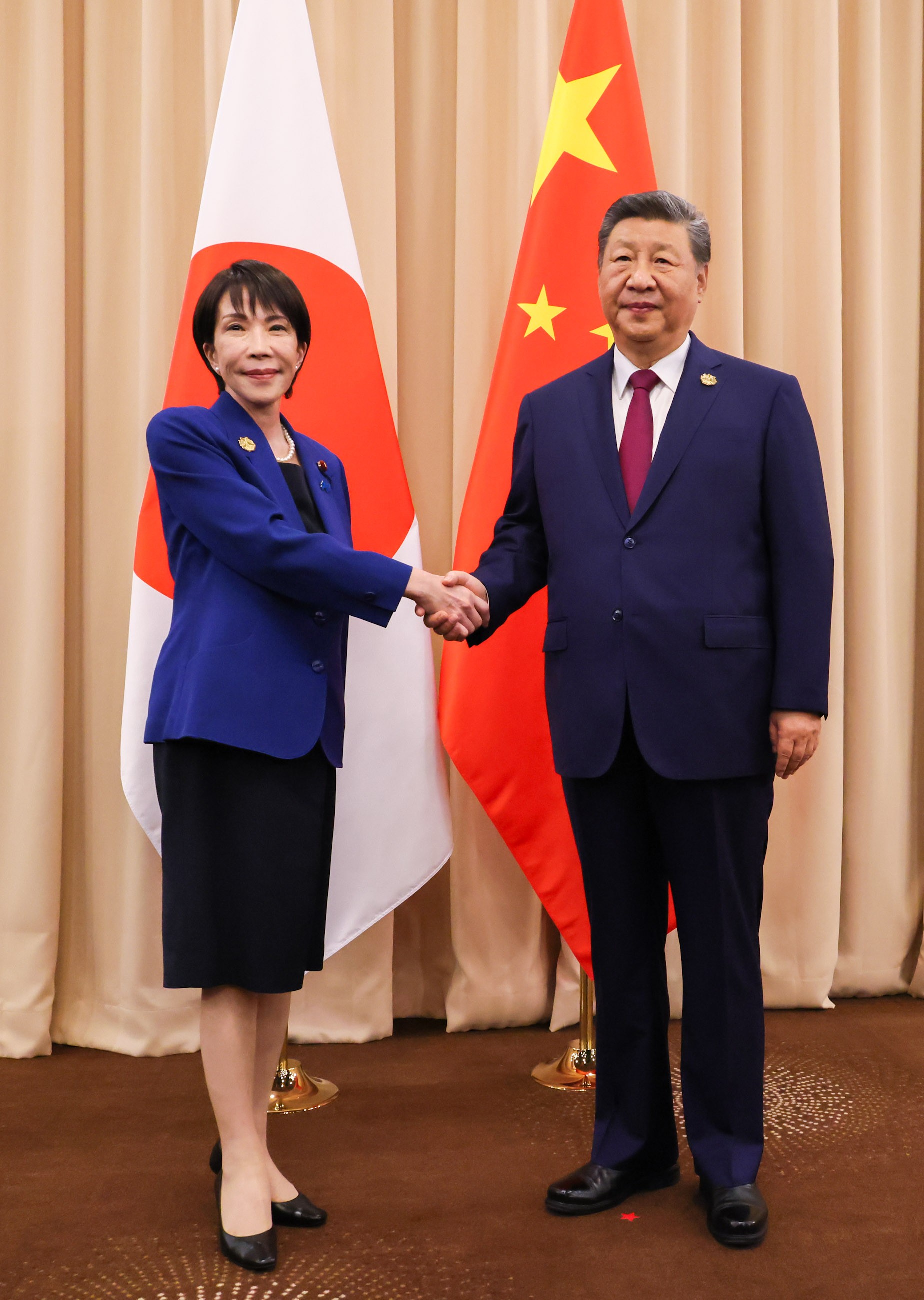
日本在新任首相高市早苗的領導下,也提出了釣魚台(尖閣諸島)、稀土以及日本農產品對華出口等問題。顯然,中日雙方在短短30分鐘的會談中都闡明了各自的立場。由此可見,自信和積極是習主席時代中國外交政策的兩大支柱。
同樣,這種自信和積極的態度也體現在中國國防部長董軍10月31日在馬來西亞與美國國防部長赫格塞斯的會晤中。美方對中國在南海和台灣海峽的軍事活動表示關切,而中方則重申,美國不應採取遏制中國的具體行動,中方也不尋求衝突。
美國對中國持有負面看法是可以理解的;然而,它可能並不完全理解中國傳統的國家主權觀念,這種觀念深深植根於中國的歷史,甚至早於清朝。
積極主動外交政策讓香港受惠
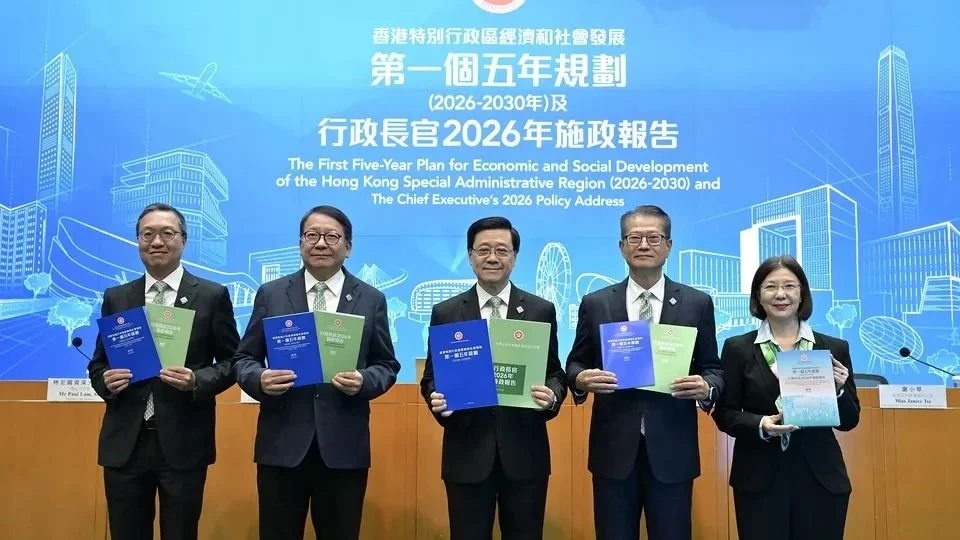
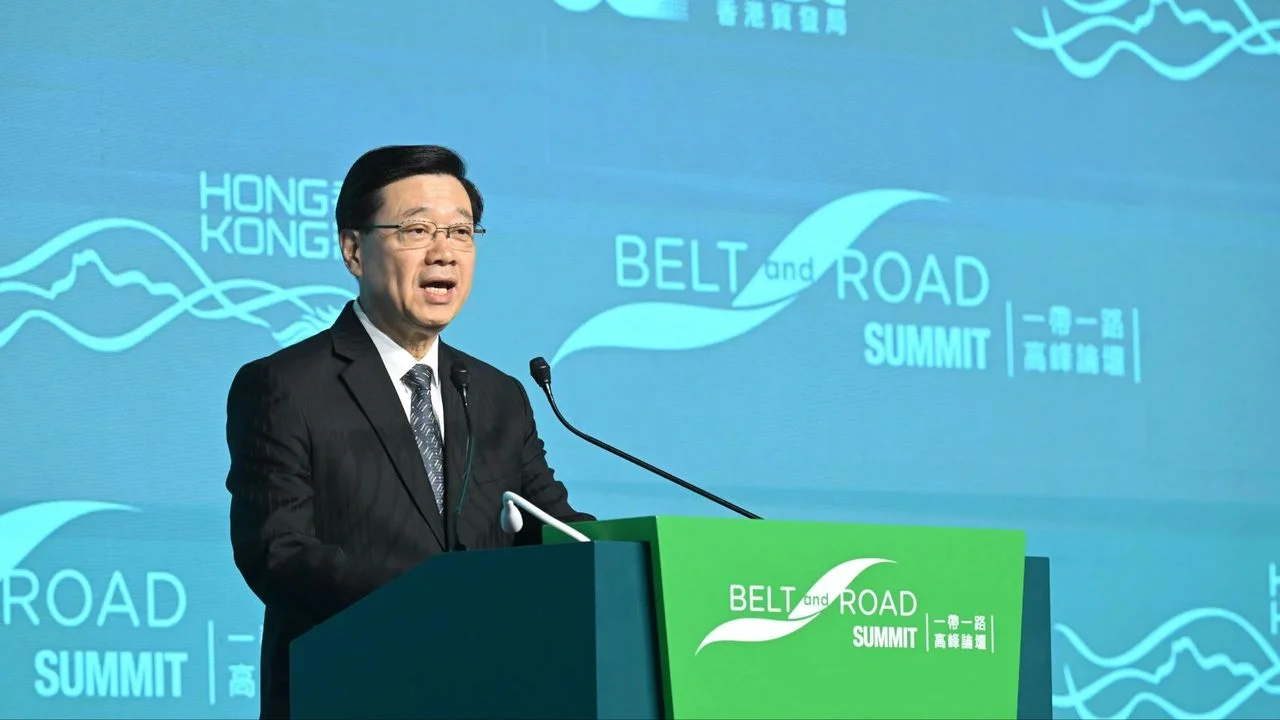
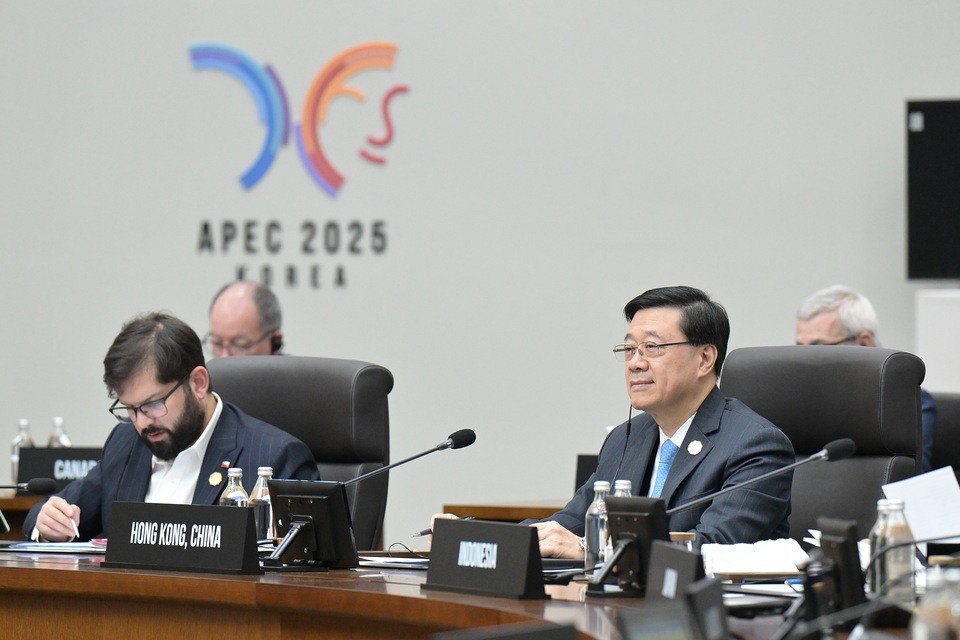
第四,中國的崛起及其積極主動的外交政策使香港受益。特首李家超與習主席並肩而坐,並會見了多位亞洲領導人,有效地展現了一國兩制的形象。在這制度下,香港特別行政區在中央政府的授權下,擁有自主處理對外事務的權力。
第五,中國對維護世界和亞洲自由經濟秩序的重視,對全球和亞洲安全具有重要意義。在全球範圍內,中國期望延續自由多邊貿易體制,強調永續發展與世界和平。在區域層面,中國積極協助東協建立自由貿易區,並探討建立中日韓三邊自由貿易區的可能性。
與東盟建立自由貿易區毋疑能夠且將惠及更多亞洲國家,而由中國、日本和韓國組成的任何自由貿易集團的發展,都可能在維護東北亞和平方面發揮穩定作用。朝鮮一直在謹慎地關注着亞太經合組織峰會的進展。
當然,中國的和平崛起也面臨巨大的挑戰。那些對中國歷史了解不足的人很容易誤以為中國是一個咄咄逼人的國家,威脅着西方世界的安全和經濟利益。
這種誤解非常普遍,對中國持懷疑態度的人和批評者需要時間來研究和理解清朝的弱點如何影響了中國的經濟和軍事現代化進程,以及在當今動盪不安的世界中,習近平領導下的中國如何將自信和積極融入其高效且受人尊敬的外交政策,相比下,當今世界正經歷美國外交政策善變、霸權和不尊重對手的外交政策所影響。
美國日益將中國視為國家安全威脅,尤其是中國試圖利用稀土礦產控制權來對抗美國對等關稅的大膽舉措之後。美國已開始透過其在七國集團的聯盟、與烏克蘭的協議、與澳洲的良好關係以及與馬來西亞、泰國、加拿大和巴西的外交關係來尋求更多的稀土供應。
據報道,美國正與包括芬蘭、法國、德國、意大利、瑞典、挪威和英國在內的礦產安全夥伴關係成員國合作,以確保稀土礦產供應鏈的安全和多元化。然而,美國減少對中國稀土礦產的依賴需要時間。
積極和自信是中國外交兩大支柱
總之,中國領導人在亞太經合組織峰會與美方會晤中的表現,足證自信和積極是中國大國外交的兩大支柱。
中國在涉及國家安全、主權和發展利益等根本性議題上,毫不猶豫地表明立場。同時,當中國與包括日本在內的其他國家在存在根本分歧的問題上相遇時,中國領導人和外交官也採取積極的態度,希望對方能夠真正理解中國的立場,並真誠地探討如何透過對話、討論和尋求解決方案,將分歧引向和平解決之路。
從中國的角度來看,矛盾往往被視為自然現象,正如習近平對特朗普所說,而挑戰在於中國和其他立場、意見不同的國家如何求同存異,建立互信,在互利共贏的局面下走向和平發展道路。
China' s assertive foreign policy and APEC: Implications and challenges
President Xi Jinping' s participation in the APEC Summit in Busan and his meeting with US President Donald Trump underscored China' s increasingly confident, assertive, and constructive foreign policy stance
China' s approach combines firm defence of national interests with a willingness to maintain dialogue, cooperation, and multilateral engagement amid tensions with the US and regional partners.
The Chinese delegation led by President Xi Jinping in the APEC Summit in Busan and his meeting with US President Donald Trump have illustrated not only the implementation of China' s great power diplomacy, but also the assertive and positive Chinese foreign policy with important implications for international politics in general and Asian security in particular.
First, the meeting between President Xi and President Trump led to a temporary truce on both sides. While China has agreed to buy soya beans and other farm products from the US and to control the outflow of fentanyl to the US, the US side has decided to freeze the 24 per cent reciprocal tariffs on the Chinese products for one year and to lower fentanyl-related tariffs from 20 per cent to 10 per cent. Moreover, China has decided to stop its control on the export of rare earth for one year, while the US temporarily stops the 301 investigations into China' s maritime matters, logistics and shipping industry for one year. China has agreed to trigger the process of buying energy and natural gas from Alaska, while the US has frozen its export control to China for one year. It is a brief truce as both sides seek more time.
Although the reception of the news from the US farmers is indeed positive, the international stock markets have not reacted excitedly to the temporary rapprochement in US-China relations. Many investors in the world are perhaps aware of the unstable US foreign policy, which has been suddenly marked by the utilisation of reciprocal tariffs since the 2.0 Trump administration.
The Trump administration claims victory, but it is in fact a Pyrrhic victory in the sense that the soft power of the US has been declining rapidly after the intimidating and disturbing usage of reciprocal tariffs. While Donald Trump appeared to talk continuously and embrace Xi Jinping in public appearance, President Xi looked cool and smiled in a polite but far more reserved manner – an indication that the Chinese side was quite unhappy with what the US side has been doing since Trump' s 2.0 presidential victory. President Xi said to President Trump on the negotiating table openly that both sides should steer forward in a positive direction despite the fact that the two countries must have opinion differences in their diplomatic relations.
The positive tone of the Chinese President was prominent, but China' s foreign policy has been punctuated by assertiveness — a strong element of assertiveness reflecting the fact that contemporary China is affected by the long historical legacy of the decadent and weak Qing dynasty, and that China under Xi Jinping is keen to avoid being seen as a weak state vis-à-vis the US. In fact, the ways in which both China and the US made concessions prove that the People' s Republic of China (PRC) has already become a great power sitting in equality with confidence, assertiveness and positivity towards the American side on the negotiating table — a remarkable phenomenon in the era of international politics when the US is projecting an image of a hegemon and a champion of unilateralism and when China is eager to oppose hegemonism and to support multilateralism.
Second, China' s great power diplomacy is clearly shaped by the emphases on multilateralism, as President Xi delivered his speech in the APEC meeting, on an open economic environment, on the stability of global supply chain, and on mutually accommodating development. A more careful reading of these emphases points to China' s drive to maintain an economically liberal world order and to maintain stable supply chain. This means that Beijing is supporting a liberalised economic order and attaching importance to the rules-based world, unlike the explicitly self-protective way in which the 2.0 Trump administration has demonstrated.
The maintenance of stable global supply chain implies that China' s recent attempt at controlling the export of rare earth was actually a self-defensive approach, instead of an offensive one as described by those hawkish critics of China, in response to the US attempts at using reciprocal tariffs to coerce other countries to make substantial economic concessions.
Third, amid China' s assertive foreign policy is the ingredient of positivity. Positivity means that despite other countries' perceptions and misperceptions of Beijing, the Chinese leaders and negotiators have been “tough”, in the words of Trump, and yet positive in the quest for solutions. It was reported that the Chinese side mentioned the issue of Taiwan, and that Japan should have a “correct understanding” of China' s position on history and Taiwan (Sing Tao Daily, 1 November 2025).
Japan under the new Prime Minister, Sanae Takaichi, also raised the issues of Senkaku Island (Diaoyu Island in Chinese), rare earth and the export of Japanese farm products to China. Clearly, both China and Japan stated their positions in the relatively brief 30-minute meeting. The positive attitude of the Chinese side can be seen in the way its diplomatic remarks were made and the manner in which it expressed to the other negotiating side to “understand” Beijing' s stance. As such, assertiveness and positiveness are the dual pillars of Chinese foreign policy in the President Xi Jinping era.
Similarly, such assertiveness and positiveness can be seen simultaneously in Chinese Defence Minister Dong Jun' s meeting with the US counterpart Pete Hegseth in Malaysia on 31 October. While the US side expressed its concerns about the Chinese military movement in the South China Sea and the Taiwan Strait, the Chinese side reiterated that the US should take concrete action of not containing China and that it does not seek conflicts (South China Morning Post, 25 November 2025).
The United States' perception of an “aggressive” China is understandable; however, it may not entirely understand the traditional Chinese views on sovereignty — a perspective deeply rooted in China' s history, predating even the Qing dynasty.
Fourth, the rise of China and its assertive and positive foreign policy has benefited Hong Kong. Hong Kong' s Chief Executive John Lee was seen sitting beside President Xi Jinping and he has met Asian leaders, projecting an effective image of “one country, two systems” under which the Hong Kong Special Administrative Region (HKSAR) is empowered by the central government in Beijing to conduct its own external affairs.
Fifth, China' s emphasis on the maintenance of a liberal economic order in the world and in Asia has important bearings on global and Asian security. Globally, China expects to envisage the continuation of the liberal and multilateral trade regime, emphasising sustainable development and world peace. Regionally, China is eager to help create a free trade regional zone in ASEAN and to explore the possibility of developing a trilateral free trade zone between China, Japan and South Korea.
The creation of a free trade zone with ASEAN can and will undoubtedly benefit more Asian countries, while the development of any free trade bloc composed of China, Japan and South Korea will likely have a stabilising function in maintaining peace in Northeast Asia, where North Korea has been watching how the APEC Summit is unfolding cautiously.
Of course, China' s peaceful rise is encountering tremendous challenges. Those people who do not fully understand Chinese history are vulnerable to the misperception that China is an “aggressive” country threatening the security and economic interests of the Western world. This misperception is very common and it takes time for the China sceptics and critics to study and understand how the Qing dynasty' s weaknesses have been impacting on the PRC' s drive for economic and military modernisation, and on how China under the Xi Jinping era has seen assertiveness and positivity as the twin pillars of an effective and a respectable Chinese foreign policy in a turbulent world marked by sudden US foreign policy changes, hegemonism, regional conflicts and profound distrusts.
The US has increasingly seen China as a national security threat, especially in the bold way in which China has attempted to use the control of rare earth minerals to counter the US reciprocal tariffs. The US has started a search for more rare earth supplies through its alliance in G7, its agreement with Ukraine, its harmonious relations with Australia, and its diplomatic relations with Malaysia, Thailand, Canada and Brazil.
The US is also reportedly collaborating with members of the Minerals Security Partnership that comprises member states like Finland, France, Germany, Italy, Sweden, Norway and the UK to secure and diversify the rare earth minerals' supply chains. It takes time for the US to reduce its dependence on China for rare earth minerals.
In conclusion, the ways in which China has shown in the APEC Summit and in the Xi–Trump meeting in South Korea have demonstrated that the elements of assertiveness and positiveness are the twin pillars of China' s great power diplomacy. Assertiveness and positiveness are clearly the linchpin of Chinese foreign policy.
China is not shy to assert its stance over issues that it believes are of fundamental national security, sovereignty and developmental interests. At the same time, when China encounters other countries, including its neighbour like Japan, on issues with fundamental differences, its leaders and diplomats adopt a positive attitude towards the others, hoping that the other countries can really understand the Chinese perspective and that all sides sincerely explore how to navigate their differences into a peaceful pathway through dialogue, discussions and the search for solutions.
From this Chinese perspective, contradictions are often regarded as natural, as what President Xi told President Trump at the beginning of their negotiation in Busan, and the challenge is how China and other countries with differences of positions and opinions can agree to disagree, to build up their trust, and to steer towards the path of peaceful development in a win-win situation.
原刊於澳門新聞通訊社(MNA)網站,本社獲作者授權轉載。(原文按此)