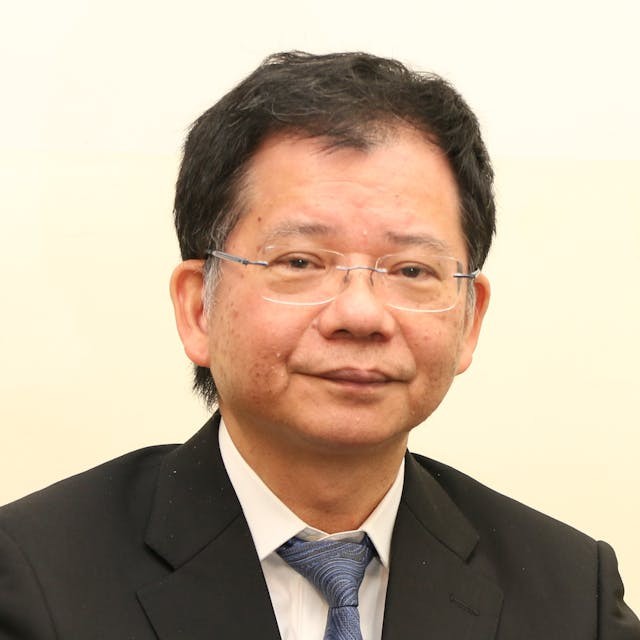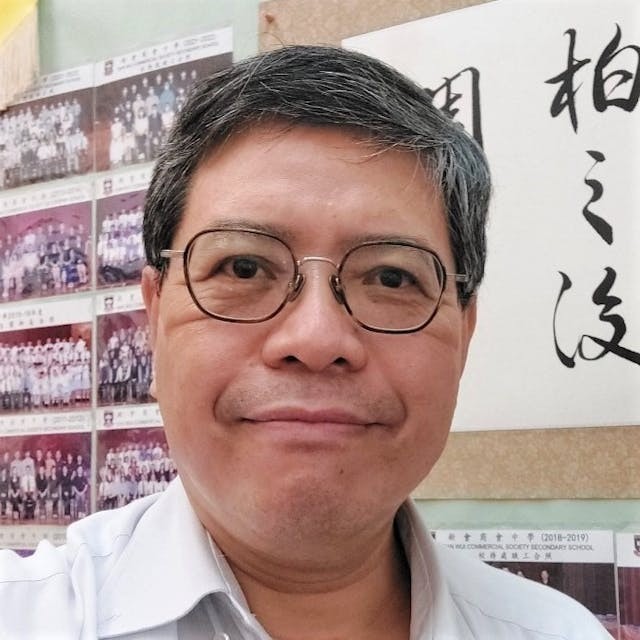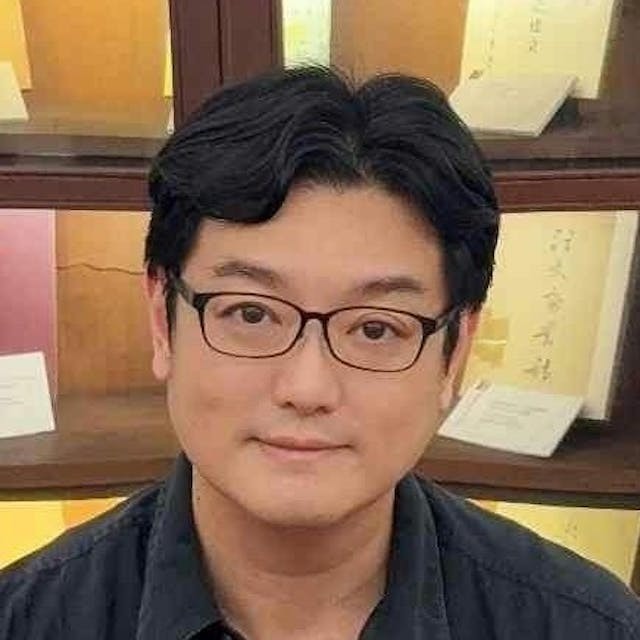

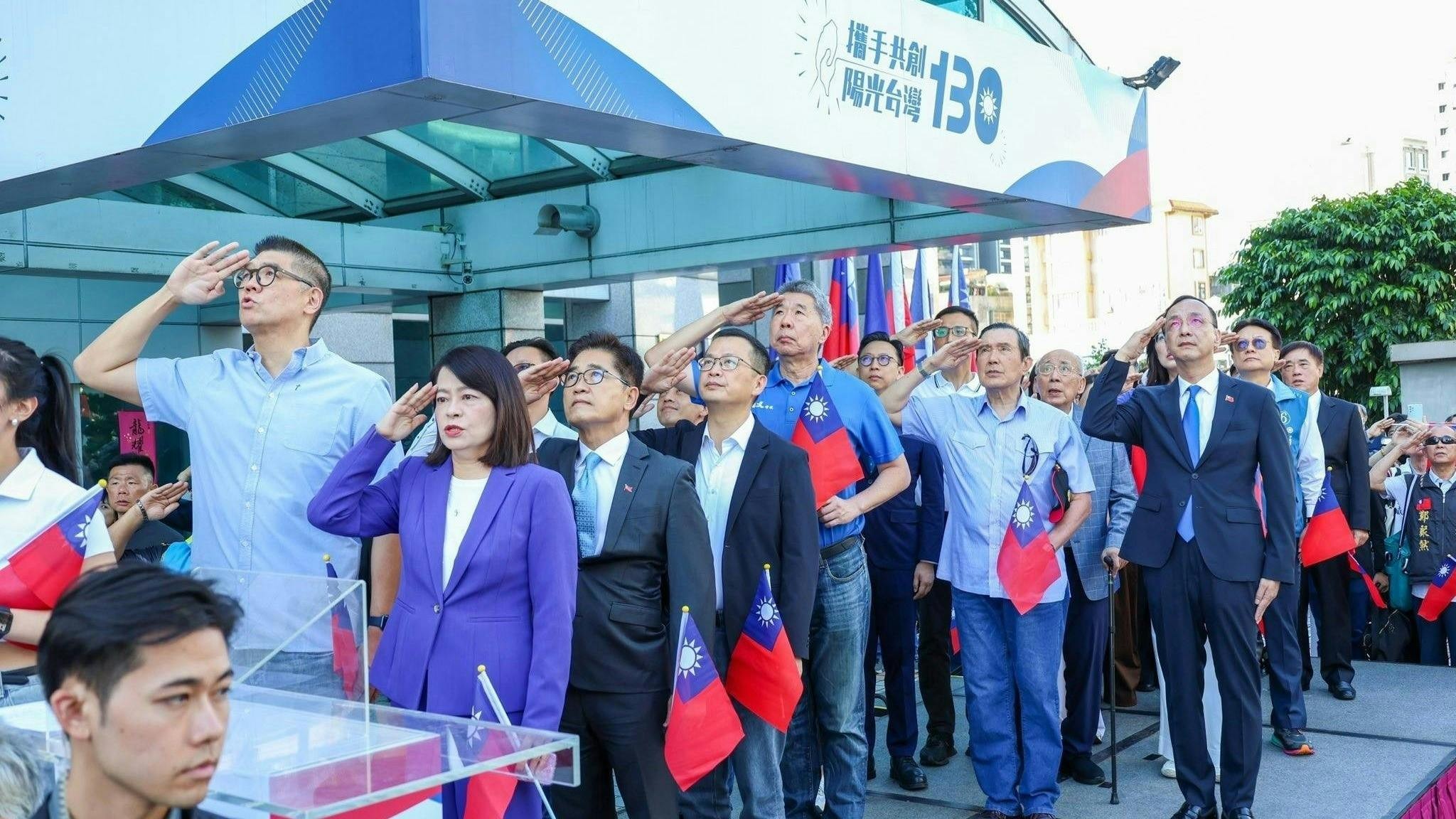

2025年10月18日,國民黨將選出新的黨主席,他將在國民黨參與2028年台灣大選中發揮關鍵作用,因此吸引了六位候選人參與,競爭氣氛激烈,值得密切關注。他們分別為前台北市長(2006–2014)郝龍斌、前立委(2005–2024)鄭麗文、台北市大安區立委羅智強、台灣國際政治學者張亞中、前彰化縣前縣長卓伯源、前國大代表蔡志弘。
鄭麗文支持度近三成 暫領先
國民黨內部民調顯示,鄭麗文獲得近三成支持率,郝龍斌約佔17%,羅智強為16%。然而,該民調的代表性及準確性受到質疑,而郝龍斌在選舉論壇上亦公開質疑為何其支持度落後於鄭麗文。
從六位候選人在辯論時闡述的政見和主張來看,鄭麗文作為唯一女性候選人,她流暢的言論和對民進黨的直接攻擊,展現出言辭尖銳、清晰、善於表達的形象。此外,她經常以政治評論員的身份現身於台灣各大政治平台,也為她贏得了人氣。
另一方面,郝龍斌提出了一個獨特的政綱,強調利用人工智慧分析黨內數據、重振國民黨青年參與和支持,以及最重要的是國民黨與民眾黨之間的合作。羅智強批評民進黨政府應對近期花蓮超強颱風「樺加沙」的無能,該颱風導致數十年未見的堰塞湖缺堤造成17人死亡。然而,他平庸的表現似乎並未對兩位領先的候選人鄭麗文和郝龍斌構成嚴重威脅。
鄭麗文曾退黨 被張亞中抨擊
儘管鄭麗文獲得較大的支持度,但她曾於2002年退黨,於2005年重回國民黨之前,曾是民進黨成員,故此受到國際政治學者、孫文學校總校長張亞中猛烈抨擊。張亞中質疑了鄭麗文缺乏政治一貫性。
他也提出一項結束兩岸在社會和政治的敵對狀態、加強對話的方案。然而,張亞中對鄭麗文的人身攻擊在投票過程中可能不會打動國民黨成員。他的「紅色」形像也降低了他當選國民黨主席的可能性。
郝龍斌提出並得到媒體評論員呼應的最有趣的觀點,是關於國民黨與民黨未來關係的問題。 2024年台灣總統大選前幾個月,國民黨侯友一與民眾黨柯文哲組成的聯合參選組閣破裂。主要原因是柯文哲陣營出於政治私利,試圖在不與國民黨真正合作的情況下確保總統職位。

反對黨應從2024年敗選汲取教訓
2024年領導人選舉結果反映了這個失敗聯盟的代價:民進黨候選人賴清德以40.05%的得票率輕鬆獲勝,侯友宜獲得33.49%的得票率,柯文哲獲得26.49%的得票率,如果國民黨和民眾黨在2027年下半年仍然分裂,那麼2028年總統大選仍然有利於民進黨。這兩個反對黨必須從2024年的慘敗中汲取教訓。
郝龍斌提議在2026年縣選與民進黨合作,這將是未來合作的關鍵考驗,可能增強反對黨在2028年擊敗民進黨的可能性。然而,柯文哲的政治影響力因涉嫌腐敗醜聞而減弱。即使他復出,也不太可能取代現任民眾黨主席黃國昌。據報道黃國昌正積極競選新北市長。
國民黨將如何與黃國昌領導下的民眾黨進行合作仍有待觀察。如果國民黨願意提名一名黨員與黃國昌一同擔任副市長候選人,這將標誌着國民黨與民眾黨在政治合作上取得突破。否則,如果沒有這樣的聯盟,民進黨很可能會繼續保持其在台灣三黨制中的主導地位,尤其是在至關重要的2028年總統大選期間,北京和華盛頓都將密切關注這場選舉。
值得一提的是,鄭麗文的一些支持者提出,如果她當選主席,可以與前高雄市長(2018-2020)韓國瑜搭檔,參加2028年大選。韓國瑜曾參加2020年大選,但敗於民進黨候選人蔡英文,得票率為38.61%,而蔡英文得票率為57.13%。不過,這種想法似乎源自於鄭韓雙方的支持者,他們無視兩大反對黨團結的必要性。
這次選舉中另一位值得關注的人物是現任台中市長盧秀燕。此前曾有猜測稱她可能會競選主席,但她最終拒絕了,焦點轉向了其他候選人。六位候選人都對盧秀燕表示敬意,並承認她是2028年國民黨總統候選人的潛在人選。然而,鑑於政治人氣的波動性,盧秀燕能否在2028年總統大選中保持目前的號召力仍不確定。
國民黨另一位潛在的總統候選人是現任台北市長、蔣經國之孫蔣萬安。蔣萬安需要時間累積經驗、提升知名度和聲望,以便在未來更合適的時機為總統競選做好準備。
黨主席選舉 充斥派系仇恨
目前國民黨主席競選中一個令人不安的現象是候選人及其支持者之間充斥着人身攻擊,這反映出黨內根深蒂固的不信任和派系仇恨。如果這種內部分歧持續下去,將損害國民黨的團結,並阻礙其在2028年之前與民眾黨進行建設性談判。
總而言之,10月18日舉行的國民黨主席選舉將成為衡量該黨能否修復派系鬥爭和人身攻擊所造成內部損害的關鍵指標。無論誰人最終勝選,新任黨主席都必須透過加強組織來重建和振興黨,探索在2026年新北市長選舉中與民眾黨的合作空間,並在2027年前與民眾黨結盟,為2028年的選舉做好準備。因此,新任國民黨主席的政治領導力、個人魅力、遠見卓識和政治手腕,將對2028年之前的台灣政治發展具有重大的歷史意義。
The politics of the KMT chairmanship election in Taiwan
On October 18, 2025, the Kuomintang (Nationalist Party) will elect its party chairperson, who will play a crucial role in leading the opposition party into the 2028 Taiwan leadership election. As such, the current election campaign, which has attracted six candidates competing fiercely, deserves close attention.
The six candidates running for the KMT chairperson position are as follows: (1) former Taipei mayor (2006–2014) Hau Lung-pin, (2) former legislator (2005–2024) Cheng Li-wun, (3) Taipei city council member Lo Chih-chiang, (4) political scientist Chang Ya-chung, (5) former magistrate Cho Po-yuan, and (6) former National Assembly member Tsai Chih-hung. According to an internal KMT opinion poll, Cheng Li-wun secured almost 30 per cent of respondents’ support, while Hau received about 17 per cent and Lo captured 16 per cent. However, the poll was questioned for its representativeness and accuracy. Hau Lung-pin also expressed doubts about its validity during an election forum after the results showed him trailing behind Cheng.
Judging from the debate forums in which the six candidates presented their platforms and ideas, Cheng Li-wun projected a sharp, clear, and articulate image as the only female candidate. Her fluency and direct attacks on the Democratic Progressive Party (DPP) were both clear and effective. Moreover, her frequent appearances as a political commentator on Taiwan’s politics have helped her gain popularity.
Hau Lung-pin, on the other hand, presented a unique platform emphasising the utilisation of Artificial Intelligence in analysing party data, the revival of KMT youth participation and support, and, most importantly, cooperation between the KMT and the Taiwan People’s Party (TPP). Lo Chih-chiang criticised the DPP administration’s incompetence in responding to the recent super typhoon Ragasa in Hualien, where seventeen people died after a decades-old barrier lake burst. However, his performance was mediocre and did not appear to pose a serious threat to the two leading candidates, Cheng Li-wun and Hau Lung-pin.
The remaining three candidates did not constitute a serious challenge to Cheng, except for political scientist Chang Ya-chung, principal of the Sun Yat Sen School, who severely criticised Cheng for her past membership in the DPP before she left the party in 2002 and joined the KMT in 2005. By implication, Chang questioned Cheng’s political “integrity” and consistency. He also emphasised his proposed solution of bridging the communication and socio-political gap between the Chinese Mainland and Taiwan. However, Chang’s personal attacks on Cheng may not impress KMT members in the voting process. His “red” image has also reduced his chances of becoming chair.
The six candidates running in the KMT Chairmanship election
The strangest platform came from Cho Po-yuan, who suggested that, if elected, he would invite Chinese leader Xi Jinping and former US President Donald Trump to Taiwan to discuss relocating the UN headquarters to the island. The idea, though unrealistic, might have been a deliberately exaggerated proposal intended to highlight Taiwan’s “special status” and attract attention within the party.
The most interesting point raised by Hau Lung-pin, and echoed by media commentators, concerns the future relationship between the KMT and TPP. Several months before the 2024 Taiwan presidential election, the proposed joint ticket of KMT’s Hou You-ih and TPP’s Ko Wen-je collapsed. The main reason was that Ko Wen-je’s camp was politically self-seeking, attempting to secure the presidency without genuine collaboration with the KMT.
The 2024 leadership election results reflected the cost of this failed coalition: DPP candidate William Lai easily won with 40.05 per cent of the votes (5,586,019 votes), while Hou You-ih garnered 33.49 per cent (4,671,021 votes) and Ko Wen-je received 26.46 per cent (3,690,466 votes). If the KMT and TPP remain divided by the latter half of 2027, the 2028 presidential election will again favour the DPP. The two opposition parties must learn from the 2024 debacle.
Hau’s proposal for cooperation with the TPP in the 2026 county elections will be a crucial test for future collaboration, potentially enhancing the opposition’s chances of unseating the DPP in 2028. However, Ko Wen-je’s political influence has waned due to an alleged corruption scandal. Even if he makes a comeback, it is unlikely he will replace the rising star Huang Kuo-chang, now the TPP chair, who is reportedly eager to run for mayor of New Taipei City.
It remains to be seen how the KMT will collaborate with Huang’s TPP. If the KMT were willing to nominate one of its members as deputy mayor alongside Huang as the mayoral candidate, this would mark a political breakthrough in KMT–TPP cooperation. Otherwise, without such an alliance, the DPP would likely maintain its dominance in Taiwan’s three-party system, particularly during the critical 2028 presidential election, which will be closely watched by both Beijing and Washington.
Cheng Li-wun has also suggested potential KMT–TPP cooperation, though her platform is less explicit than Hau’s. Interestingly, some of Cheng’s supporters have floated the idea that, if elected chairwoman, she could partner with former Kaohsiung mayor (2018–2020) Han Kuo-yu to run in 2028. Han ran in the 2020 election but was defeated by DPP’s Tsai Ing-wen, receiving 38.61 per cent (5,522,119 votes) against Tsai’s 57.13 per cent (8,170,231 votes).
However, the proposed Cheng–Han ticket underestimates the importance of a KMT–TPP alliance, which remains essential for defeating the incumbent DPP. This idea seems to originate from Cheng’s or Han’s supporters, disregarding the necessity of unity between the two opposition parties.
Another notable figure in this election is Lu Shiow-yen, the current mayor of Taichung. Early speculation suggested she might run for chairperson, but she eventually declined, shifting the spotlight to other candidates. The six contenders have all expressed respect for Lu, acknowledging her as a potential KMT presidential candidate for 2028. However, given the volatility of political popularity, it remains uncertain whether Lu will maintain her current appeal by then.
Another potential KMT presidential contender is Chiang Wan-on, the current Taipei mayor and grandson of Chiang Ching-kuo. Chiang needs time to gain further experience, exposure, and popularity before being groomed for a future presidential bid at a more opportune moment.
One unsettling aspect of the current KMT chairperson campaign is the prevalence of personal attacks among candidates and their supporters, reflecting deep mistrust and factional animosities within the party. If such internal divisions persist, they will undermine KMT solidarity and hinder constructive discussions with the TPP ahead of 2028.
In conclusion, the October 18 election of the KMT chairperson will be a crucial indicator of whether the party can repair internal damage caused by factional struggles and personal attacks. If reconciliation is achieved, the new chair – whether Cheng or Hau – must rebuild and rejuvenate the party through stronger organisation, explore cooperation with the TPP in the 2026 New Taipei City mayoral election, and forge an alliance with the TPP by 2027 in preparation for the 2028 race. The political leadership, charisma, foresight, and skill of the new KMT chairperson will thus carry immense historical significance for Taiwan’s political development leading up to 2028.
原刊於澳門新聞通訊社(MNA)網站,本社獲作者授權轉載。(原文按此)