

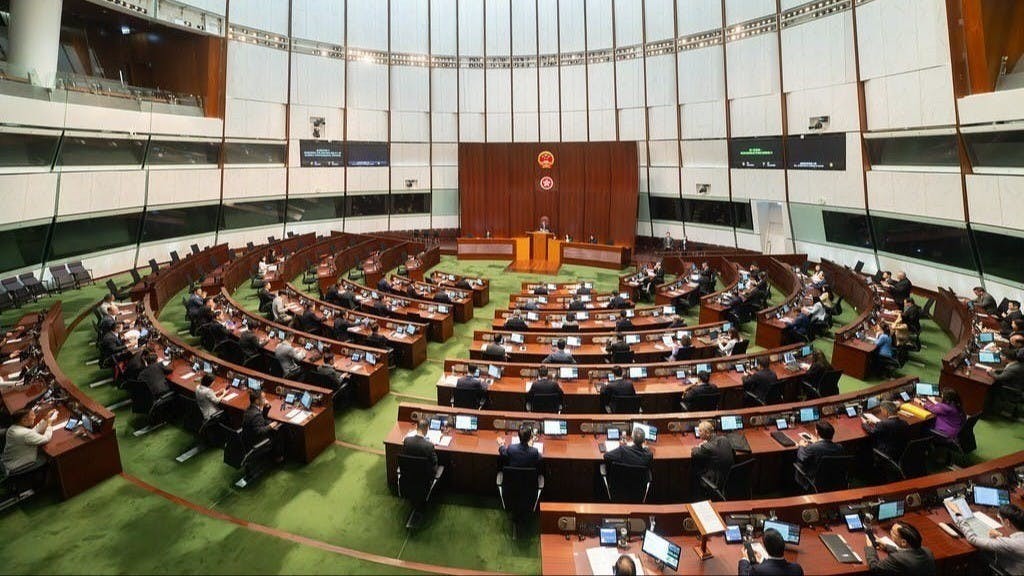

香港立法會從2025年9月10日一連兩日對同性伴侶關係、籃球博彩合法化及煙草管制三項法案投票,我們從投票結果可以推斷,香港在同性伴侶關係問題上是一個保守的社會,但對合法博彩的容忍度也相對較高,而對煙草的管控則較為嚴格。
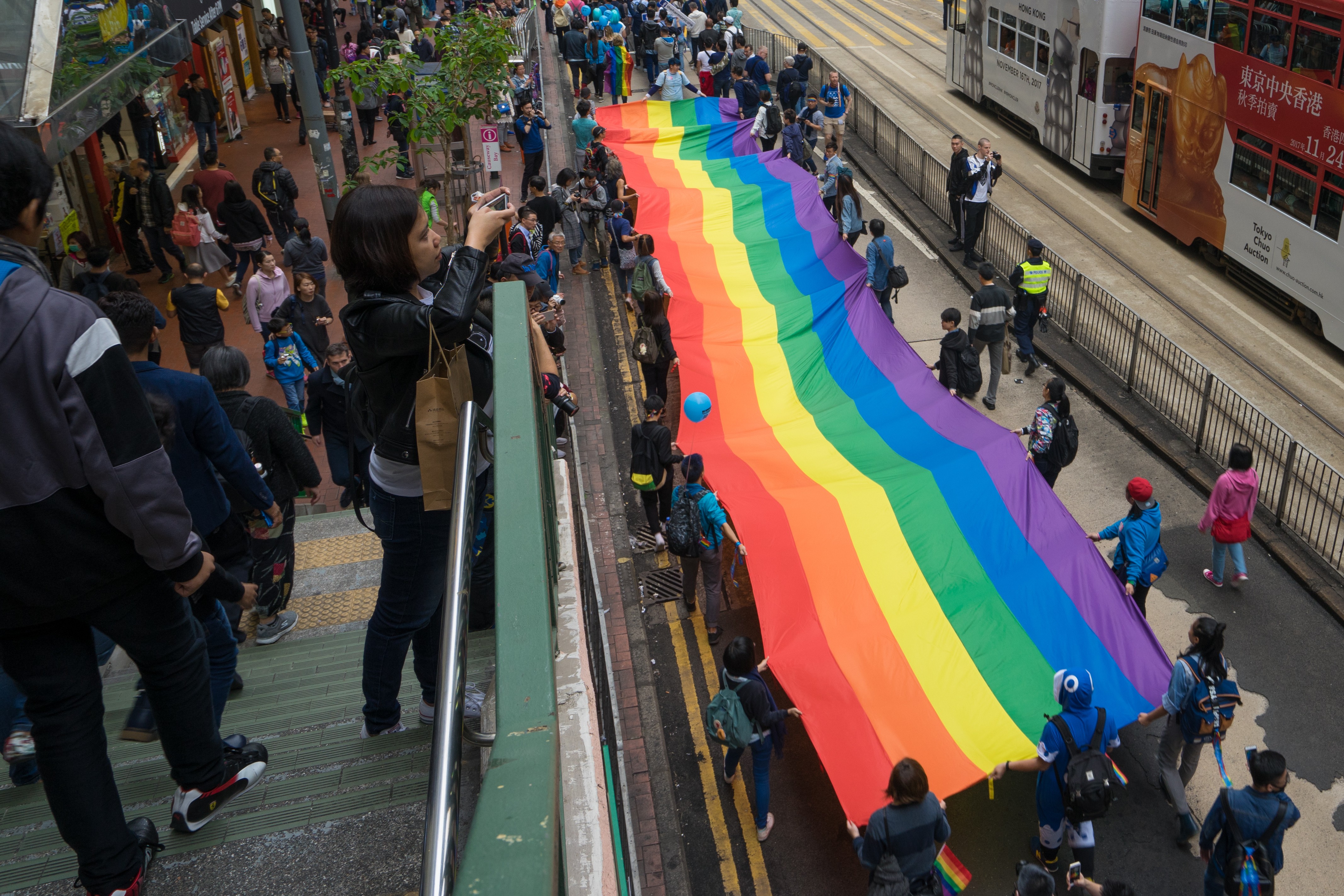
9月10日,由香港政府提出的《同性伴侶關係登記框架條例草案》(《草案》)遭71名立法會議員否決,僅14名議員支持。這是在2020年6月底《香港國安法》頒布後,一項由政府提出的草案被大多數親政府議員反對,對於香港政治愛國主義氛圍濃厚的立法會來說,這是史無前例的。
政府指《草案》並未將同性伴侶關係等同於婚姻,也不代表同性伴侶可以在香港結婚。《草案》是政府對終審法院2023年9月一項裁決的回應,該裁決要求政府在岑子杰發起司法覆核後建立同性婚姻登記架構。
事緣岑子杰於2013年與其伴侶在紐約結婚,並質疑政府未採取任何行動承認他們的結合。終審法院給予政府兩年時間,即2027年10月的最後期限,以執行法院的裁決。
相關的公眾諮詢已於今年7月進行,政府收到10775份書面意見,其中 80%表達了反對意見。
投票結果體現行政立法互相制衡
立法會議員陳曼琪表指《草案》動搖異性婚姻制度及社會家庭傳統價值觀,且缺乏社會共識,強調否決《草案》並不構成憲制危機,反而體現行政立法互相制衡與配合的原則,亦突顯立法會並非橡皮圖章。另一位立法會議員梁美芬認為,立法會將在香港政治體制的三權分立中發揮關鍵作用,這意味着立法機關可以不同意政府執行法院裁決的方式。
立法會議員何君堯表示,政府不應該提出這《草案》,因為同性伴侶可以透過多種方式保護自己,例如訂立遺囑和互相委任為授權委託人。何指透過上述操作,同性伴侶就能保障並提升自身權益。據報道,法案被立法否決後,政府將考慮透過行政程序執行法院裁決。
有趣的是支持《草案》的議員往往採取更社會自由的立場。身兼行政會議成員的廖長江提醒立法會議員,世界上許多地方都允許同性伴侶結婚,例如加拿大、美國、阿根廷、台灣和泰國。廖補充說承認同性伴侶關係將為社會帶來對同性伴侶的公平對待。另一立法會議員謝偉俊贊同廖長江的觀點,並表示草案尊重人權和社會多樣性。
《草案》被否決後,立法會於9月11日通過了一項將籃球博彩合法化的政府法案。《博彩稅條例》的修訂案獲得了77名立法會議員的支持,僅有2名議員投了反對票,另有2名議員棄權。
擔心籃球博彩鼓勵賭博
法案通過將鞏固香港賽馬會作為唯一持牌博彩商的地位,可以對籃球博彩的淨收入徵收50%的博彩稅。民政及青年事務局局長麥美娟認為,籃球博彩合法化將有助於政府打擊非法博彩。代表教育界的立法會議員朱國強認為,允許籃球博彩將提供另一種賭博選擇;另一位立法會議員狄志遠亦擔心,這項法案甚至會刺激更多市民參與博彩。朱國強和狄志遠都投了反對票。
馬會歡迎法案通過,並表示將配合香港政府打擊非法博彩活動,同時將利用籃球博彩業務支持香港慈善事業和體育事業的發展。

同日,立法會亦通過了一項加強吸煙管制的法案,即《2025年控煙法例(修訂)條例草案》,該法案將禁止持有電子煙和加熱煙製品等替代性吸煙產品。該法案還將法定禁煙區擴大到更多公共場所,並規定向18歲以下人士提供或出售吸煙產品屬違法行為。
除薄荷醇外,其他口味的香煙也將被禁止販售。74名議員支持法案,1人反對,7人棄權。立法會議員何敬康認為新措施不會影響旅遊業,而朱國強則是出於保障青少年健康的考量而支持該法案。鑑於香港的吸煙率約為9.1%,這意味着香港有58萬煙民,該法案的通過只會影響少數市民。
法案通過後,政府將加重對在公共場所非法吸煙的市民的處罰。自2026年1月1日起,在公共場所排隊吸煙的市民將被處以3000港元的非法吸煙罰款,除非他們在公共交通場所、電影院、醫院、診所和幼兒園的指定吸煙區吸煙。
主流社會未準備接受同性戀關係
立法會就同性伴侶關係、籃球博彩和煙草管制這三項法案的投票結果,對香港社會價值觀的演變具有重要意義。同性伴侶關係法案的否決意味着香港主流社會尚未準備好接受同性伴侶關係。
因此,政府很可能會考慮採取有助於落實終審法院裁決的行政措施。立法會否決《草案》也表明在同性伴侶關係這個社會爭議性議題上,中央政府已為所有立法者自由表達意見開了綠燈。
在《同性伴侶關係登記框架條例草案》被否決後,港澳辦指投票結果反映香港政治的制衡機制運作順暢,暗示中央政府認同投票結果體現了司法、行政和立法機構的良好運作,並妥善保護了少數族群的利益。
立法會支持籃球博彩,這意味着香港主流社會對博彩合法化的積極支持,反映了香港社會對博彩文化的包容。由於香港賽馬博彩合法化歷來備受歡迎,而足球博彩合法化也日益普及,籃球博彩法案輕鬆獲批也就不足為奇了。
綜合分析三項法案的投票結果(一項反對,另兩項通過),可以看出香港的社會價值觀一直演變,其顯著特徵是在同性伴侶問題上相當保守,但在合法博彩領域相當開放,而在煙草管制方面則相對溫和合理。
Hong Kong’s social values and LegCo’s voting results
Judging from the voting behaviour of legislators on three bills – same-sex partnership, basketball betting and tobacco control – in Hong Kong’s Legislative Council (LegCo) on 10 and 11 September 2025, we can infer from the voting results that Hong Kong is a conservative society on same-sex partnership, but it is also characterised by relatively liberal tolerance on legalised betting and yet tighter control over tobacco.
On 10 September, the Hong Kong government’s proposed bill of recognising same-sex partnership was voted down by seventy-one lawmakers and supported by only fourteen legislators – an unprecedented move by most pro-government legislators in a politically patriotic LegCo to oppose a government bill after the promulgation of the national security law in late June 2020. The government proposed that registration of same-sex partnership would be limited to those people who reached the age of eighteen and who had a civil union outside the territory of Hong Kong. One of the couples had to be a Hong Kong resident.
The government said that the bill was not equating same-sex partnership with marriage, and that it would not mean that same-sex couples would be allowed to marry in Hong Kong. The bill was a government response to a ruling of the Court of Final Appeal (CFA) in September 2023, which said that the government would have to establish a framework of registering same-sex marriage after a judicial review had been launched by Jimmy Sham, who got married with his partner in 2013 in New York and who challenged the government’s absence of any action to recognise their union. The CFA gave the government two years, namely a deadline in October 2027, to implement the court’s ruling. Public consultation was conducted in July and the government received 10,775 written opinions in which eighty per cent expressed opposing views (Hong Kong Free Press, 10 September 2025).
The voting behaviour of LegCo members was noteworthy. The table below shows that while six Executive Council (ExCo) members supported the bill, six members of the New People’s Party also did so, together with Paul Tse and Tony Tse. However, the legislators who opposed the bill came from not only the pro-government and pro-Beijing Democratic Alliance for the Betterment and Progress of Hong Kong (DAB), but also the Federation of Trade Unions (FTU), Business and Professionals Alliance (BPA), A4 Political Group, Liberal Party, and the Federation of Hong Kong and Kowloon Labour Unions. It was rare to witness the DAB and FTU oppose a government bill in such a “united” manner.
The absence of Stanley Ng in the voting process was criticised by ExCo convenor Regina Ip, who asked him to explain to the Chief Executive under the principle of collective responsibility of ExCo members. In response, Ng said that he had applied for leave from LegCo. With the benefit of hindsight, in the political history of the Hong Kong Special Administrative Region, no ExCo convenor publicly asked a member of ExCo to explain to the Chief Executive his or her absence in LegCo’s voting – perhaps an indication that the principle of collective responsibility has shifted from a previously relatively loose practice to a kind of constitutional convention that is expected to be observed more rigorously by those ExCo members who are also LegCo members.


Source: Ming Pao, September 11, 2025, p. A1
The dominant atmosphere of social conservatism can be seen in the LegCo debate. Legislator Maggie Chan said that the bill “rocks the foundation of the monogamous and heterosexual marriage system in Hong Kong” (Hong Kong Free Press, 10 September 2025). She added that if the bill were voted down, it would witness not only an effective check and balance against the government but also a myth of LegCo as a rubber-stamp. Priscilla Leung, another lawmaker, had said before the voting that LegCo would play a crucial role in the “separation of powers” in Hong Kong’s political system, implying that the legislature could disagree with the way in which the government would implement the ruling of the court.
Legislator Junius Ho said that the government should not have proposed the bill, because there were ways for same-sex couples to protect themselves, like writing wills and appointing each other as their powers of attorney. In this way, Ho said, the couples would be able to protect and enhance their rights. It was reported that after the bill was rejected by LegCo, the government would consider the idea of utilising administrative procedures to carry out the court ruling.
Interestingly, those legislators who supported the bill tended to adopt a more socially liberal stance. Martin Liao reminded LegCo members that many places in the world allow same-sex couples to get married, such as Canada, the US, Argentina, Taiwan and Thailand. He added that recognising same-sex partnership would bring about fairness in society’s treatment of same-sex couples. Tony Tse echoed Liao and said that the bill respected human rights and social diversity.
After the bill was rejected, LegCo on 11 September approved a government bill to legalise basketball betting (RTHK, 11 September 2025). The amendments made to the Betting Duty Ordinance were supported by seventy-seven legislators, while only two lawmakers voted against it and two others abstained. The smooth passage of the bill will envisage the Jockey Club’s enhanced role as the only licensed betting operator, with a 50 per cent duty being charged on the net revenues from basketball betting. The Secretary for Home and Youth Affairs Alice Mak argued that the legalisation of basketball betting would help the government to combat illegal betting. Nevertheless, legislator Chu Kwok-keung, who represented the educational functional constituency, contended that allowing basketball betting would offer another gambling alternative. His legislative colleague, Tik Chi-yuen, argued that the bill would even stimulate an increase in the number of citizens who participate in betting. Both Chu and Tik voted against the bill.
The Jockey Club welcomed the passage of the bill, saying that it would co-operate with the Hong Kong government in tackling illegal betting. At the same time, it would utilise the operation of basketball betting to support the development of charity work and sports in Hong Kong.
On the same day, LegCo approved a bill to tighten control on smoking, for the Tobacco Control Legislation (Amendment) 2025 is going to ban the possession of alternative smoking products, such as e-cigarettes and heated tobacco products (RTHK, 11 September 2025). The legislation also expands the statutory non-smoking areas to cover more public places and makes it illegal to provide or sell smoking products to those under the age of eighteen.
The sale of cigarettes with flavours other than menthol would also be disallowed. Seventy-four members supported the bill, while one voted against it and there were seven abstentions. Legislator Adrian Ho said that he thought the new measures would not affect tourism, while Chu Kwok-keung supported the bill for the sake of protecting the health of the youth. Given the fact that the smoking rate of Hong Kong is about 9.1 per cent, which means 580,000 smokers are present in Hong Kong, the bill’s passage affects a minority of citizens.
After the bill’s passage, the government is going to increase its penalties on citizens who illegally smoke in public places. From 1 January 2026 onwards, those citizens who line up in public places will be penalised HK$3,000 for illegal smoking unless they smoke in designated smoking areas in public transport premises, cinemas, hospitals, clinics and kindergartens.
LegCo’s voting results on the three bills – same-sex partnership, basketball betting and tobacco control – have important bearing on the evolution of social values in Hong Kong. The vote against the same-sex partnership bill means that the mainstream society of Hong Kong is still unprepared to accept same-sex partnership. As such, the government is likely to consider administrative measures that will help implement the CFA ruling. LegCo’s vote against the bill also showed that with regard to such a socially controversial issue of same-sex partnership, the central authorities in Beijing gave a green light to all legislators to express their views freely.
As such, different pro-government and pro-Beijing groups exhibited varying voting tendencies, with the New People’s Party becoming the most vocal supporter of the bill, but all other pro-Beijing groups like the DAB, FTU, Liberal Party and FHKLU tended to oppose it. Most interestingly, the Hong Kong and Macau Affairs Office carried a commentary immediately after the rejection of the bill, saying that the voting result was a testimony of the smooth operation of checks and balances in Hong Kong’s political system. This comment implied that the central authorities saw the LegCo debate and its voting result as a manifestation of how the judiciary, executive and legislature worked quite well in Hong Kong with the proper protection of minority interests (Ming Pao, 12 September 2025, p. A2).
LegCo’s support of the basketball betting operation means that the mainstream society of Hong Kong is overwhelmingly supportive of legalised betting – an indication of Hong Kong society’s embrace of a gambling culture. As legalised horseracing betting in Hong Kong has been traditionally highly popular, and as legalised football betting has been growing in popularity, it was unsurprising that the bill on basketball betting was approved easily. Hence, it can be said that Hong Kong society is quite liberal in dealing with the question of legalised betting, ranging from football to basketball.
LegCo’s approval of tighter tobacco control points to a society which cherishes the need for the protection of public health, which is sensitive to the harmful effects of smoking, and which is vigilant of the environmental impact of smoking. With a small percentage of the population who are smokers, the passage of the tobacco control legislation was an easy one, reflecting the dominant value system of Hong Kong to favour a tighter grip on tobacco. Specifically, the minority interest cannot harm the majority interest in society.
In conclusion, putting the voting results on the three bills together, with one being opposed and the other two approved, the social values of Hong Kong have been evolving with the prominent features of being quite conservative on the topic of same-sex partnership, but quite liberal in the scope of legalised betting, and relatively moderate and reasonable in the control of tobacco. If so, the society of Hong Kong has already exhibited a hybridity of the values of social conservatism on the issue of same-sex partnership, social liberalism on the legalisation of basketball betting, and social moderation on how tobacco should be tightened.
原刊於澳門新聞通訊社(MNA)網站,本社獲作者授權轉載。(原文按此)