

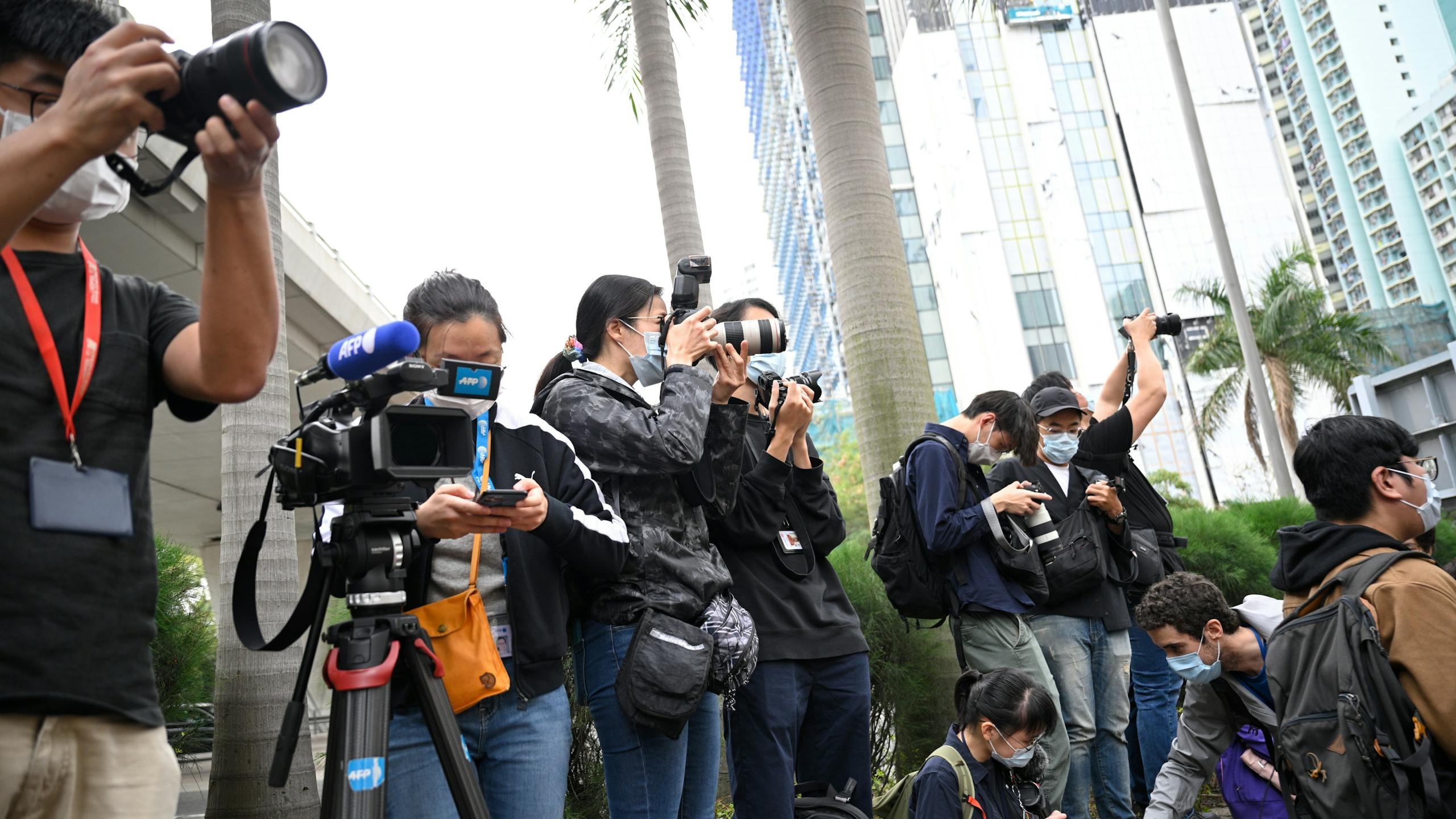

香港於2020年年中實施《香港國安法》,其後澳門於2023年5月修訂現有《澳門國安法》,自此港澳傳媒出現一個有趣的現象,就是逐漸變成為新的「忠誠反對派」,或稱政府第五部門,他們巧妙地適應了不斷變化的政治環境,突出社會民生事務,強調公共行政失當的問題,促使政府回應並採取補救措施。
由此看來,兩個特區的傳媒正取代以往民主派的角色,扮演更溫和但有效的第五權力機構。
最佳例子莫如近期香港政府採購樽裝水引起的軒然大波,事件受本地中英文媒體深入報道。不少報紙的社論和評論文章批評政府,矛頭直指物流部門,最令人詬病的是政府在未核實鑫鼎鑫貿易的背景下,向該公司批出為期三年、為政府辦公室供應樽裝飲用水的合約。鑫鼎鑫的經營活動已被執法部門以涉嫌詐騙行為,並違反了《商品說明條例》,拘捕其董事和股東呂子聰、陳碧琳夫婦。
政府急設專責小組定補救措施
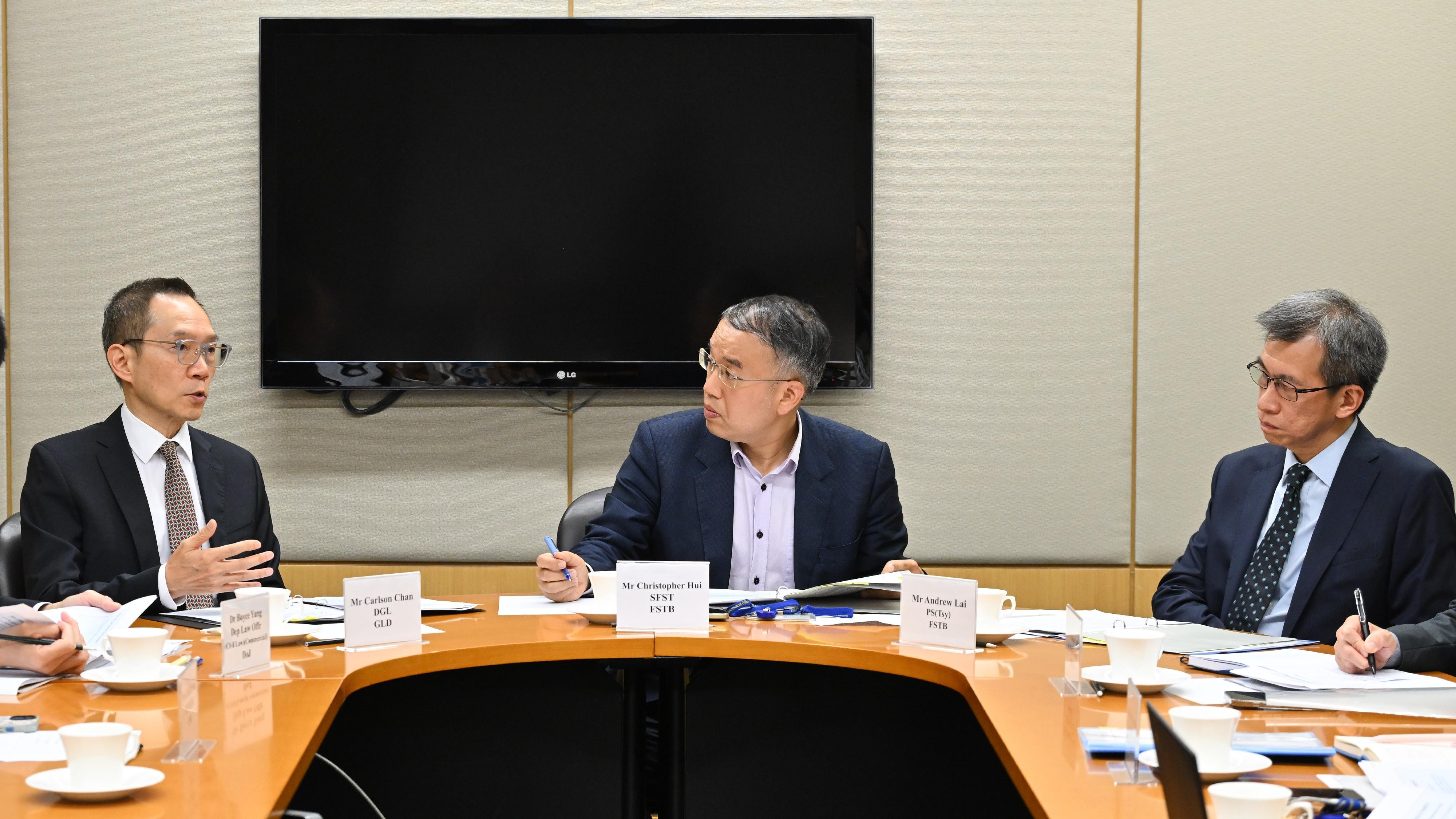
財經事務及庫務局局長許正宇表示,政府已立即成立專責小組,制定補救措施,而不是等待審計署的報告。被認為要負主體責任的物流服務署署長陳嘉信向公眾道歉。
不過,香港媒體對樽裝水風波的批評仍然不絕於耳。一篇社論呼籲從這起公共行政失當事件中汲取教訓,並要求官員承擔具體責任。當調查該事件的專案小組成員與媒體見面時,記者提出尖銳的質問,包括鑫鼎鑫為何中標、物流部門如何向公眾負責、反貪會否是應該調查的方向,以及該公司在向政府辦公室供水之前是否有足夠的複核機制。
單非童湧港 黑雨超前部署
香港傳媒緊貼受大眾關注且急須政府介入的民生議題已經成為趨勢。即使由報章作出的前瞻性報道,也引來社會熱烈的討論。近日有報章預計,未來幾年將有15萬至20萬名、其父母一方為香港居民的內地兒童湧入香港,擔心香港出生的學童更難進入本地大學的門檻。
鑑於愈來愈多內地父母和專才對香港的知名大學趨之若鶩,希望其子女能接受本港的優質教育,香港教育當局必須制定長遠計劃,分階段允許內地兒童入境,從而有序地規範此類人口流動,確保香港繼續作為高等教育中心,並兼顧內地出生兒童和香港出生本地學生的利益。
7月29日上午香港天文台突然將黃色暴雨信號升為黑色暴雨信號,一些媒體質疑政府應對極端天氣督導委員會在沒有開會下作出此項決定。同樣爭議出現在7月10日,當日狂風暴雨,委員會擔心翌日天氣持續惡劣,提早一天宣布當日停課,但最終多區無降雨,這惹來許多家長和老師在社交媒體上批評政府,認為決定毫無道理。
一些家長抱怨他們已經支付了孩子學校活動的費用,另一些人則批評這項決定過於倉卒,沒有考慮到暑假前最後一天的課程安排,這表明許多香港市民透過社交媒體發洩了對當局的憤怒。
澳門反對黨被取消資格惹爭議
利用社群媒體發洩對政府的憤怒、沮喪或不滿並非僅限於香港,這種現像同樣發生在澳門。在即將舉行的立法會直選,兩個選舉團體被取消資格後,不少網友表達了不滿。雖然許多網民支持選舉當局以維護國家安全為由取消這兩個團體資格的決定,但也有很多網民質疑其原因,並指出這是動員了另一方的支持者。社交媒體顯然已成為澳門民意的風向標之一。
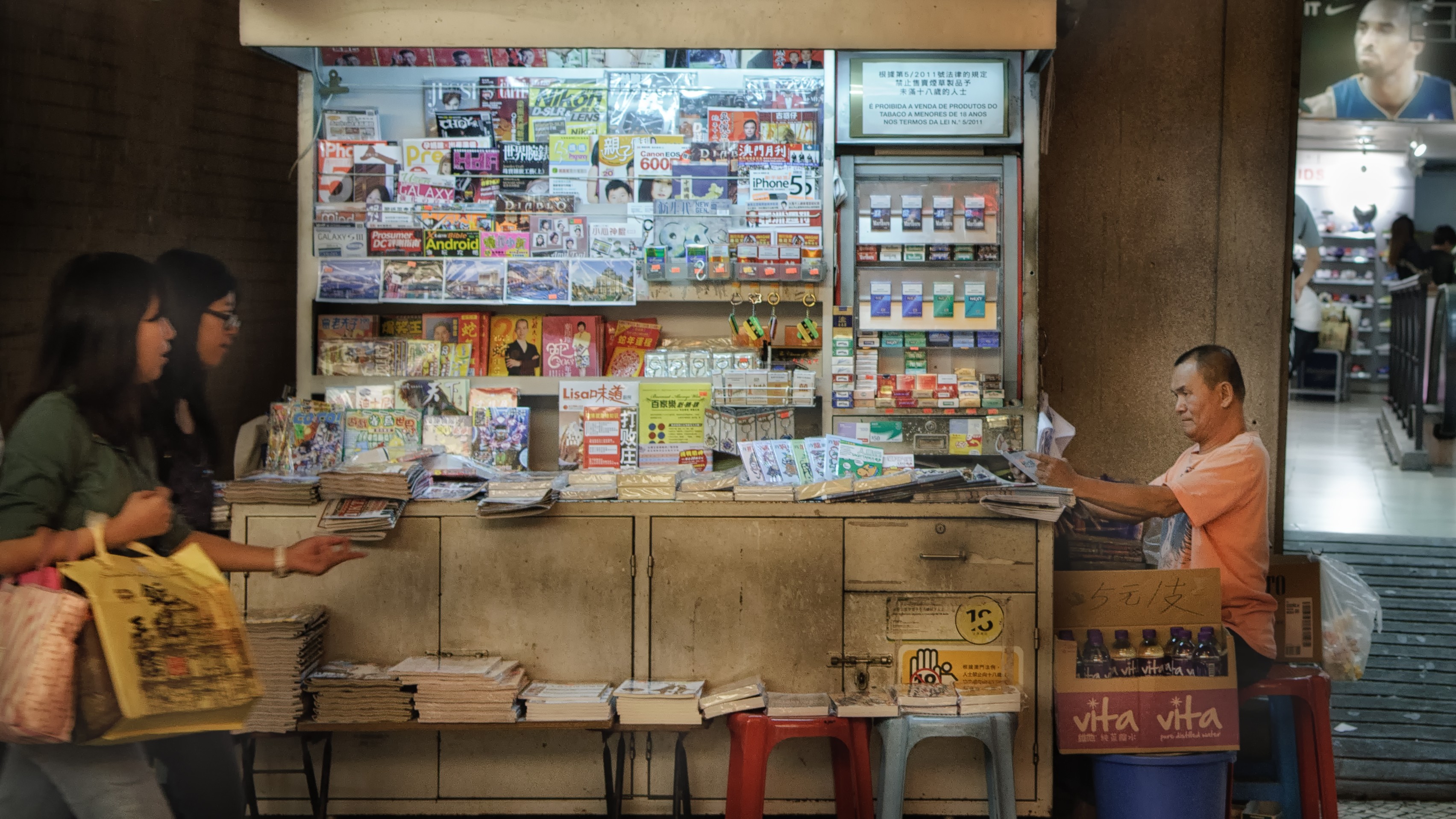
今年6月底,澳門媒體廣泛報道有關審計署抨擊政府對特別的士服務不問不管的態度。由於這些服務缺乏妥善監管,乘客的預訂被置之不理,事件也反映澳門媒體這種忠誠、甚至可能反對的特質。
澳門公共行政失當 京媒也關注
澳門這宗公共行政失當事件耐人尋味之處在於,就連親北京的媒體也紛紛報道此事,因為這事關民生,導致政府不得不嚴肅處理此類行政失當失職的行為。
如果傳媒被視為政府第五部門,監督港澳當局的權力和行政表現,以往它們確實表現出色。再進一步講,更多網友已要求政府給予妥善和嚴肅的回應。這些網友都是一般民眾,他們會迅速表達對公共事務和公共行政的不滿。
綜上所述,港澳傳媒已在多個方面成為有效的政府第五權力機構。
一是能突顯民生問題的報道,有助政府迅速回應和採取行動。
第二,社交媒體仍然是重要的輿論風向標,即使一些政府部門不喜歡,它也能提出質疑,表達對政府部門有重要參考價值的觀點。
傳媒為一國兩制重要支柱
第三,如果一國兩制不僅是保留現有的生活方式和自由,也意味着良政善治的話,那麼包括社群媒體在內的傳媒就是一國兩制的重要支柱,因為它們對公共事務的認真報道和對治理漏洞的揭露,能夠促使政府妥善回應,從而改善港澳特區的治理。
第四,港澳媒體忠誠度高,支持兩地政府,提供建設性的批評與建議,挖掘被執政當局漠視的問題。
第五,港澳媒體也發揮着建設性的反對派的作用。兩地的激進民主派全部被取消選舉資格並被排除在選舉之外之後,傳媒及其從業人員已經成為不可或缺的溫和派,定期制約政府權力,為良政持續作出貢獻,這正是北京中央領導層所要求的。
Mass Media as the Fifth Branch of Government in Hong Kong and Macau
One interesting phenomenon of both Hong Kong and Macau, after the former’s implementation of the national security law in mid-2020 and the latter’s amendment of the already existing national security law in May 2023, has been the emerging role of the mass media as a new “loyal opposition”, or the fifth branch of the government. The mass media in Hong Kong and Macau have quite skilfully adapted to the changing political circumstances, highlighting social and livelihood-related affairs and emphasising issues of public maladministration that propel the government to respond and to take remedial action.
As such, it can be said that the mass media in both special administrative regions are playing the role of a new “loyal opposition”, replacing the already obsolete “pro-democracy” activists to become a more moderate and yet effective fifth branch of the government.
The case of Hong Kong is perhaps more prominent than that in Macau. A recent saga concerning the government procurement of water bottles has been highlighted by the local mass media, including both Chinese and English. Many newspapers’ editorials and commentaries were critical of how the government, especially the logistics department, ordered bottles of water without checking the background of a Hong Kong company, Xing Ding Xing Trade, which won a three-year contract to supply bottled drinking water to some government offices, and whose operations were suspected of scamming the logistics supply department and of breaching the Trade Description Ordinance.
The event led to a public apology from Carlson Chan, the logistics department director. He admitted that the government had already taken steps to tighten the procurement procedures, including the need for contractors to provide water test reports every two months. The Treasury Secretary, Christopher Hui, said that a task force was set up at once to come up with remedial measures rather than waiting for a report from the audit commission.
Christopher Hui and Eric Chan, the Chief Secretary, both said that if human factors might be involved, the civil servants’ disciplinary mechanism would be followed in accordance with proper procedures.
A couple associated with the Xin Ding Xin company was arrested quickly for allegedly defrauding the government. Police were sent to investigate the company’s operation in Dongguan and Shenzhen. What was puzzling was that although Xin Ding Xin had claimed that the water was manufactured by Robust (Guangdong) Drinking Water’s Guangzhou branch, the Robust executives told the Hong Kong media that Xin Ding Xin had listed its name without authorisation.
The whole saga raised some interesting issues. If the provision of water touched on cross-boundary water-bottle production and cross-boundary companies’ operation, it was unclear whether the Hong Kong government authorities did investigate the complexities of cross-boundary companies’ relations and operations. Nor was it clear whether the documentation provided by the tendered firms was solid and comprehensive enough.
The mass media in Hong Kong were overwhelmingly quite critical of the incident. One editorial called for the lessons learnt from this incident of public maladministration, asking for specific responsibility in the civil service (Hong Kong Economic Times, August 22, 2025, p. A6). Some mass media dug out the details of the provision of water bottles for not only the logistics department but also the fire services department. When the members of the task force that investigated the incident met the media, reporters asked sharp questions, including why the Hong Kong-based company won the tender, how the logistics department made itself accountable to the public, whether the anti-corruption commission should investigate, and whether there were sufficient double-checking mechanisms before the company provided water for government offices (Hong Kong Economic Journal, August 22, 2025, p. A9).
The media were not just one-sided against the government. They were quite balanced in covering the incident. A report referred to the fact that Carlson Chan had already retired in May, but he was asked to stay for four additional months as the chief (Ming Pao, August 22, 2025, p. A13). Some pro-establishment legislators called for the public to be fair to the government, saying that government officials had already responded to the incident promptly with transparency.
There has been a trend for the Hong Kong mass media to follow up very quickly with various livelihood-related issues that need the government’s immediate attention and action. Another good example includes the media revelation of the hiring of mainlanders as drivers in a private-sector taxi service platform. Such reports led to the immediate investigation by the police.
Other examples included the imminent influx of some of the 150,000 to 200,000 children, one of whose parents is a Hong Kong resident, into Hong Kong in the coming years – a prediction that would lead to the difficulties of local-born children to study in local universities (Ming Pao, August 20, 2025, p. A4). Given the increasing attractiveness of Hong Kong to many mainland parents and special talents who want their children to be educated in Hong Kong’s prestigious universities, the education authorities in Hong Kong must have a long-term plan to let the entry of mainland children in stages so that such population movement would be regulated orderly for Hong Kong to remain and operate as a higher education hub, taking care of the interests of both mainland-born children and Hong Kong-born local students.
On the morning of July 29, when the Hong Kong Observatory changed the rain signal from yellow to black suddenly, many residents did not go to work, but some mass media questioned why the Hong Kong government’s committee that dealt with extreme weather did not meet at all. Many netizens used social media to praise an ordinary citizen, who said in front of a television interview in a cynical but witty manner that “he could not say things wrongly” but that he thanked the Observatory for giving him a one-day holiday. If political cynicism and humour have emerged as a feature of netizens discussing Hong Kong’s public affairs in social media, this characteristic appears to mark the “new” Hong Kong.
The situation on July 29, when the government raised the black rain signal without the committee’s meeting, according to the government’s critics, was very different from the phenomenon on the morning of July 10, when the same committee chaired by Chief Secretary Eric Chan met and decided to cancel the classes of all schools. Many parents and teachers criticised the government’s decision on social media as “unjustifiable” because there was surprisingly no rain at all (Ta Kung Pao, July 11, 2025).
Some parents complained that they had already paid for the fees of their children’s school activities; others criticised the decision as rushed, without considering the last day of classes before the summer holidays. The extent of criticism of the government’s decision was explicitly seen on Eric Chan’s Facebook, showing that many citizens of Hong Kong vented their anger at the authorities through social media.
The utilisation of social media in venting anger, frustration or dissatisfaction with the government has not been restricted to Hong Kong. This phenomenon can also be seen in the case of Macau. Once two electoral groups were disqualified from participation in the upcoming Legislative Assembly direct elections, quite a lot of netizens voiced their frustration. While many netizens supported the decision of the election authorities to disqualify the two groups on the grounds of supporting national security, many others asked why and pointed to the “mobilisation” of supporters from the other side. Social media have clearly become one of the indicators of public opinion in Macau.
Social media have also played a crucial role in highlighting the areas of flooding in Macau when black rain affected the city on the morning of August 14. The Macau government had done a lot of work to improve the drainage system after the attack of Typhoon Hato in August 2017. Still, social media remain an important barometer reflecting public opinion in Macau during abrupt weather changes, including torrential rainfall and typhoon attacks.
This “loyalist” and perhaps “oppositionist” feature of the Macau media can also be seen in covering how the local media reported extensively the criticisms of the audit commission in late June over the government’s laissez-faire attitude towards the special taxi services, which were not properly regulated, with passengers’ bookings being ignored (Macau Business, June 27, 2025). Even when passengers’ bookings were confirmed, they were not guaranteed the vehicles. In other words, the transport department failed to check rigorously whether the operators of the special taxi services met the requirements in their contracts.
What is interesting in this case of public maladministration in Macau is that even the pro-Beijing media picked up the issue as it was related to the people’s livelihood. As a result, the government had to tackle such maladministration or administrative negligence in a serious manner.
If President Xi Jinping and his subordinates responsible for Hong Kong and Macau affairs appealed to the two local governments for their need to improve governance and attach great importance to the betterment of the people’s livelihood, the ways in which the mass media in both Hong Kong and Macau dug out, highlighted and pursued the government authorities on issues related to public maladministration and performance gaps were undoubtedly legitimate.
If the mass media can be seen as the fifth branch of government checking the power and performance of the ruling authorities in Hong Kong and Macau, they have been doing their tasks quite well. Even more, netizens have raised questions that demanded proper answers and serious responses from the government. Many netizens on social media are ordinary citizens, raising their concerns immediately and expressing their frustrations quickly over public affairs and public administration. Since the improvement of governance is the top priority of both Hong Kong and Macau, as President Xi Jinping reminded their ruling authorities, it is necessary for the governmental authorities to take into serious consideration the issues covered and highlighted in the mass media and the frustrations and questions raised by ordinary citizens on social media.
In conclusion, the mass media in Hong Kong and Macau have emerged as the effective fifth branch of the government in several aspects.
First, they cover and highlight issues relating to the people’s livelihood, and these areas necessitate prompt governmental response and actions.
Second, social media remain an important barometer of public opinion, raising questions even though some government authorities may dislike them, and expressing views that are of important reference to government departments.
Third, if “one country, two systems” entails not only the preservation of existing lifestyle and freedom but also good governance, then the mass media, including social media, represent an essential pillar of “one country, two systems” because their diligent coverage of public affairs and their exposure of governing loopholes can and will increase governmental responsiveness, which in turn brings about improved governance in the two special administrative regions.
Fourth, the mass media in Hong Kong and Macau are loyalist in the sense that they support the governments of the two cities, providing constructive criticisms and suggestions and digging out issues neglected by the ruling authorities.
Fifth, the mass media in both cities are also playing the role of constructive “oppositionists” in the sense that, after the disqualifications and exclusion of all those “radical democrats” from electoral participation in the two cities, the mass media and their professionals have emerged as arguably the indispensable moderates checking the power of the government regularly and contributing to good governance consistently, as required by the central leadership in Beijing.
原刊於澳門新聞通訊社(MNA)網站,本社獲作者授權轉載。(原文按此)