

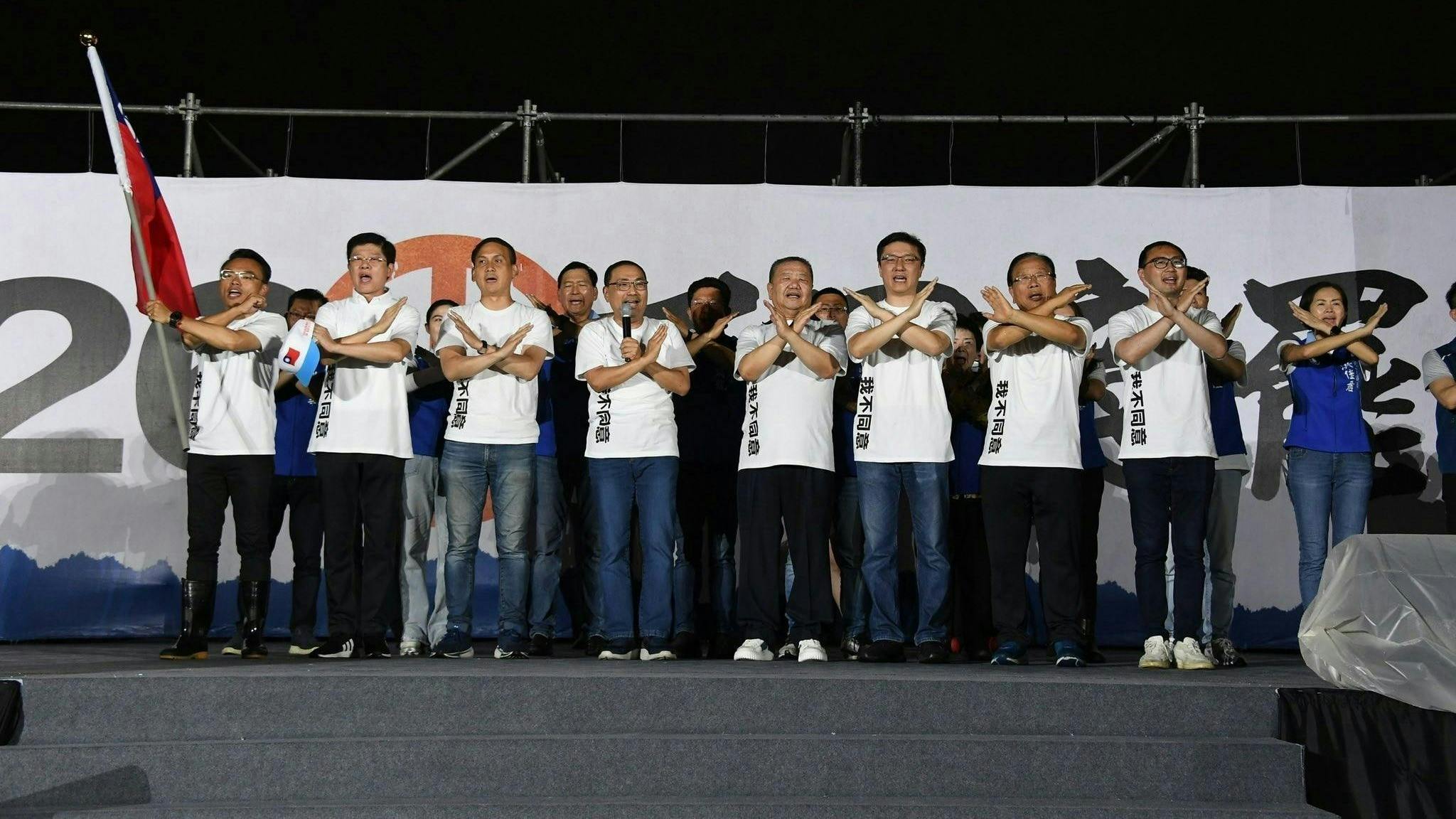

近日由民進黨主導、針對多位國民黨直選立委和民眾黨新竹市市長高虹安的大罷免事件慘遭滑鐵盧,此事對台灣內部和兩岸關係都具有重要的政治影響。
首先,國民黨能夠守住現有立委議席,代表着該黨取得巨大成功,甚至可能有望復興。
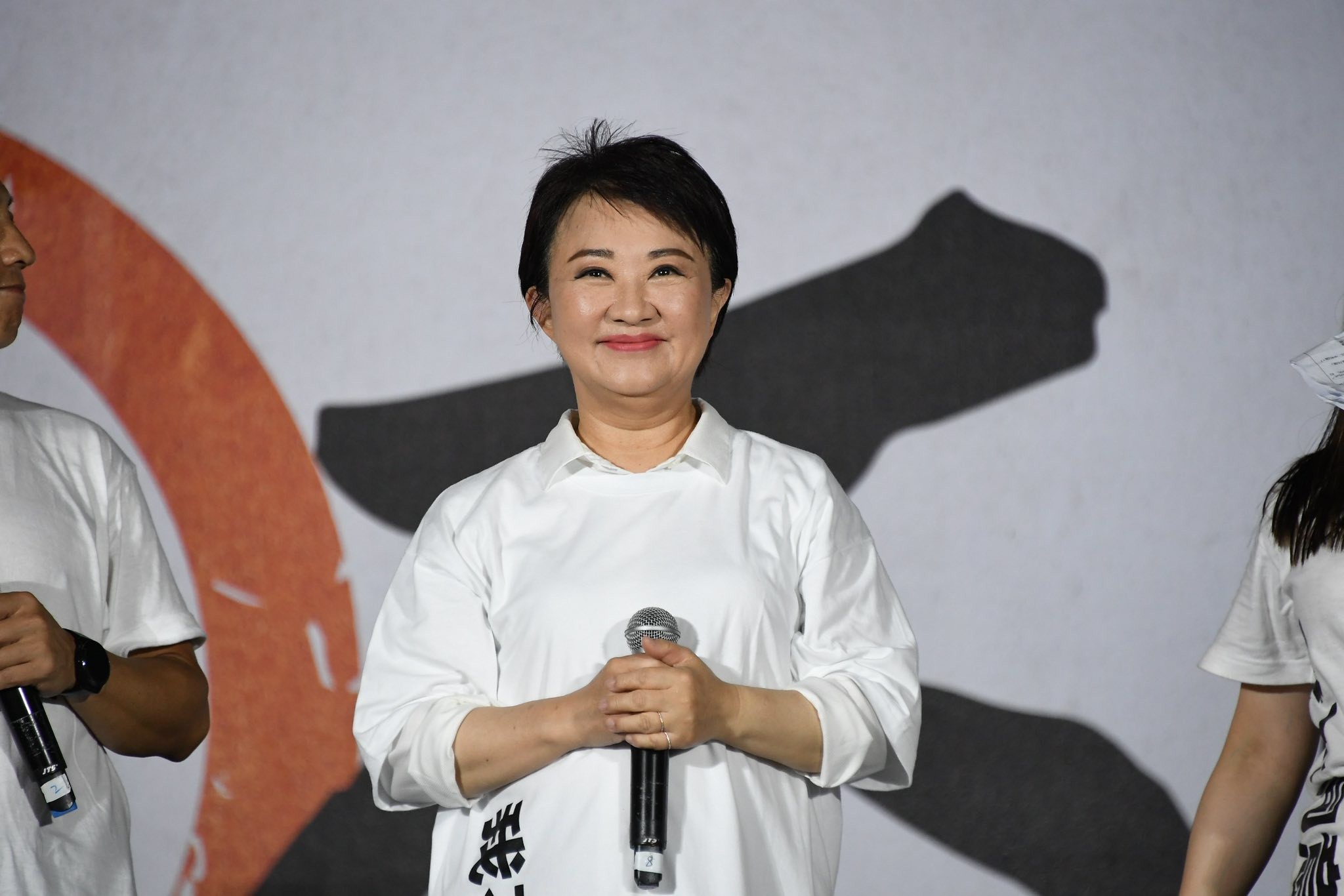
盧秀燕成功抵制罷免 人氣急漲
有傳言稱,台中市市長盧秀燕成功動員國民黨支持者和選民抵制大罷免運動,人氣持續高漲,很可能在10月份角逐國民黨主席一職,而現任國民黨主席朱立倫可能會卸任,或退居黨內較受尊重的職位。
無論盧秀燕是否會競選國民黨主席,隨着其知名度不斷提升,不單意味着國民黨在政壇所展現的韌性,更有可能在2028年台灣下屆大選中捲土重來。
其次,國民黨勝選,民進黨的銳氣受挫,或許讓大陸當局鬆了一口氣,因為由國民黨和民眾黨所組成的強大聯盟已經在台灣立法院成為有效制衡民進黨陣營的中堅力量,短期內台灣政治應可維持穩定,兩岸緊張局勢也會得到一定程度的緩和。
濫用民主程序 八二三罷免或失敗
第三,如果這次罷免運動的失敗如實地反映民意,那麼8月23日針對其他7名國民黨立委的罷免運動很可能也會以失敗告終,主因是選民普遍認為罷免運動實際上是在浪費時間,是「濫用」台灣政治民主程序。
第四,罷免運動的調查結果顯示,相當一部分民意並未將罷免運動與中國大陸連結起來。這項調查結果反映出民進黨激進派將國民黨立委稱為「賣台叛徒」已是徒勞。
根據台灣民意基金會的調查結果,49%的受訪者不同意「國民黨立委在政治和憲制上製造混亂」的說法,但41%的受訪者表示同意。最重要的是,53%的受訪者不同意「罷免運動可以促進反共保台進程」的說法,但只有36%的受訪者表示同意。
難認同罷免與「抗中護台」掛鈎
此外,54%的受訪者不認為罷免運動是關乎台灣未來的存亡,但只有38%的受訪者對此表示同意。顯然,大多數台灣選民在政治上表現相當理性和冷靜,沒有將罷免運動與兩岸關係畫上等號。多數選民傾向將罷免運動視為台灣內政,而非對兩岸關係的公投,因此民進黨將罷免運動與兩岸關係掛鈎的策略犯了政治誤判。
第五,如果罷免運動迫使民進黨批判性反思其戰略,那麼其對大陸的政策或許也需要重新考量。民進黨強硬派將兩岸關係視為零和遊戲的博弈,這觀念未免過於簡單化。反之,如果沒有國民黨核心領導人充當兩岸交流的橋樑,雙方關係可能變得更緊張。
第六,或許北京會因為看到罷免運動受挫而鬆一口氣,但大陸對台政策始終如一,就是向台灣民眾推行「一國兩制」的台灣模式。
當2028年台灣舉行大選,預計屆時兩岸關係都是大選中重要的議題,國民黨總統候選人遲早要面對這些問題。從大陸的角度來看,一位來自國民黨的民選台灣領導人無疑對兩岸關係、乃至台灣未來的談判有利。
與國民黨協商 會否調整台灣模式
然而,從民進黨強硬派及其意識形態支持者的角度來看,一國兩制的台灣模式是出賣台灣自身利益。因此,從現在到2028年,國民黨領導人及其候選人是否會討論這一台灣模式,或者再進一步,大陸與國民黨代表進行兩岸協商時,會否考慮修改其內容,使其更易為台灣民眾所接受,上述事件的發展將成為2028年台灣大選前兩岸關係走向的關鍵指標。
第七,罷免運動的結果無法改變一種政治可能性:就是美國總統特朗普很可能在未來幾個月訪問中國,並與國家主席習近平會面,以他習慣於交易型外交的思路,或許會利用台灣的政治前途作為籌碼,推進美國的戰略和國家利益,若然民進黨過度依賴美國政府來維護台灣利益,可能又是一個政治誤判。
畢竟,特朗普的交易型外交旨在與世界上所有國家和政權談判,以推動美國的國家、戰略和經濟利益。
第八,如果2022年國台辦發布的《台灣問題與新時代中國統一事業》白皮書提到未來兩岸「協商談判可以有步驟、分階段進行」,那麼國民黨和民進黨的溫和派可能會考慮在兩岸融合的第一階段與大陸建立文化聯盟。文化指的是兩岸民眾擁有共同的文化根基。
文化交流先行 徐圖擴至其他
事實上,兩岸文化交流的重點一直集中在青年和宗教領域。文化共融很容易與白皮書中關於未來中華民族復興的討論相契合,隨後或許會發展經濟聯盟,台灣和福建省將加強經濟融合,在經濟和旅遊方面實現雙贏。
隨着2028年大選臨近,這些複雜的動態預示着台灣政壇將迎來一個關鍵時刻。當前的政治格局不僅是爭奪政黨霸權的戰場,更是選民不斷變化的優先事項和情緒的體現。罷免案的失敗突顯了社會對無休止的政治博弈的普遍厭倦,以及對優先考慮務實解決方案而非民粹主義表演的治理的渴望。
總而言之,罷免運動的失敗促使民進黨反思其零和政治觀及兩岸政策,而國民黨的勝利則為該黨領導人提供了一個絕佳的契機,讓他們能夠重新思考2028年總統大選前的兩岸政策,藉機重塑其反對黨的形象。
揮舞民粹主義旗幟 吸引力有限
在罷免運動中,大多數台灣選民保持着相當理性和冷靜的態度,將國內政治與兩岸關係區分開來,將罷免行動視為對他們在不同選區效力的立委投贊成票或反對票。然而,民進黨強硬派卻容易犯下戰略錯誤,瘋狂揮舞民粹主義旗幟,並以過度政治化的方式動員政治光譜接近的公民社會團體。
不過,在台灣掀起反大陸的民粹主義始終吸引力有限,因此處理兩岸關係更具建設性和理性的方式,是重新思考一個大多數台灣民眾都能接受的兩岸關係模式。事實上,在特朗普交易型外交的背景下,過度依賴美國並非台灣可靠的長期戰略,這意味為了實現美國的國家和經濟利益,台灣的戰略利益是可以被犧牲。
Taiwan’s election recall fiasco and its internal and cross-strait implications
The recent fiasco of the Democratic Progressive Party-led election recall of the directly elected legislators and a mayor in Hsinchu, who were composed of the opposition Nationalist Party and Ann Kao Hung-an of the People’s Party respectively, has important political implications for not only Taiwan internally but also cross-strait relations.
First and foremost, the ability of the opposition Kuomintang (KMT) to hold onto the existing legislators’ seats represents its great success and even revival. Rumours are rife that Lu Shiow-yen, the mayor of Taichung city, would likely compete for the KMT chairperson position in October after her popularity in mobilising the KMT supporters and voters to resist the DPP-led recall movement. Eric Chu, the existing KMT chairman, may either step down or retreat to a more respectable position in the party. No matter whether Lu would run for the KMT party chair position, her increasing popularity is pointing to the KMT’s revival, resilience and possible comeback in the transition to the next Taiwan leadership election in 2028.
Second, the KMT victory and the DPP failure are perhaps a relief to some mainland authorities dealing with Taiwan affairs, for Taiwan’s Legislative Assembly remains an arena in which the KMT and the People’s Party (PP) remain a powerful coalition checking the DPP legislators and the DPP-led executive branch of the government quite effectively. A kind of political stability is therefore retained in Taiwan in the short run, reducing cross-strait tensions to a certain extent. If most of the members of the Legislative Assembly in Taiwan remain more friendly towards mainland China, cross-strait relations can be harmonised at least in the current transition leading to the 2028 key election.
Third, if the most recent failure of the recall movement is an accurate indication of Taiwan’s public opinion, another recall movement on August 23 targeting seven other KMT legislators would likely fail, mainly because most voters are now believing that the recall movement is actually a waste of time, and that it represents an “abuse” of democratic procedures in Taiwan’s politics. Although the DPP leader William Lai and his supporters asserted that the recall movement represented a victory of Taiwan’s procedural democracy, the electoral outcome clearly illustrates a necessity of DPP’s critical self-reflection of whether some of its core members blindly supported those civil society groups that initiated the recall movement.
The DPP rose up in the late 1980s and 1990s partly because of its ability to mobilise civil society groups in its populist movement. However, the failure of the 2025 recall movement demonstrated that the DPP-led populism had its utmost limits; a significant number of voters did not support such a populist move to unseat existing legislators, and they believed that over-politicisation in Taiwan was unnecessary, time-consuming and wasting public expenditure.
Fourth, the recall movement’s results showed that a large segment of public opinion did not link the movement to mainland China – a survey result that reflected the failure of DPP activists who labelled the KMT legislators as “traitors” selling out Taiwan. According to the survey findings of the Taiwan Public Opinion Fund, while 49 per cent of the respondents disagreed with the statement that KMT legislators created chaos politically and constitutionally, 41 per cent agreed with it (Liberty Times, July 27, 2025). Most importantly, while 53 per cent disagreed with the statement that the recall movement could facilitate the process of “anti-communism and protecting Taiwan,” only 36 per cent agreed with it. Also, 54 per cent did not feel that the recall movement represented “a war of life or death for Taiwan’s future,” while only 38 per cent agreed with it. Clearly, most Taiwan voters tended to be quite politically rational and calm, separating the recall movement from cross-strait relations. Most voters tended to see the recall movement as Taiwan’s domestic politics rather than a vote on cross-strait relations. As such, the DPP strategy of connecting the recall movement with cross-strait relations committed an error of political judgement.
Fifth, if the recall movement necessitates a critical self-reflection of DPP’s strategy, its policy toward the mainland may have to be reconsidered. In recent years, as the DPP has been dominated by hardliners dealing with mainland China, all contacts of the KMT core leaders with mainland China, such as the late KMT chair Ma Ying-jeou’s visits to the mainland, were seen by the DPP and its supporters as suspicious “traitors.” This zero-sum view of cross-strait relations by the DPP hardliners and their supporters is over-simplistic. Without some KMT core leaders acting as the bridge between Taiwan and the mainland, cross-strait relations could have been turned into a much worse and tense manner. Therefore, the failure of the DPP-led recall movement calls for a calm and critical self-reflection of whether some DPP hardliners have gone too far in their zero-sum view of not only politics but also the KMT contacts with the mainland.
Sixth, although mainland authorities dealing with Taiwan might be relieved in seeing the results of Taiwan’s recall movement, the mainland’s policies toward Taiwan have remained quite consistent, namely promoting a Taiwan model of the “one country, two systems” to the Taiwan people. The 2022 White Paper on Taiwan reiterated that Taiwan is part of China, and that the mainland can “phase in flexible forms of consultation and discussion” (White Paper: The Taiwan Question and China’s Reunification in the New Era). The Taiwan model was delineated clearly in the White Paper, including the elements of accepting the 1992 consensus, fostering peaceful cross-strait development, promoting integrated development between Taiwan and the mainland, retaining Taiwan’s existing systems and rights, allowing foreign consulates to set up their offices in Taiwan, and embracing Taiwan to participate in the international community.
Sooner or later, the KMT presidential candidates will have to address them in 2028, a year expected to bring significant cross-strait challenges. From the mainland perspective, an elected Taiwan leader who comes from KMT will surely be beneficial to cross-strait relations and even negotiations over Taiwan’s future. But, from the perspective of DPP hardliners and their ideological supporters, the Taiwan model of “one country, two systems” represents a “sell-out” to the interests of Taiwan. As such, whether this Taiwan model will be discussed by KMT leaders and/or its candidates from now to 2028, and whether the mainland authorities dealing with Taiwan will discuss with KMT’s middlemen and consider modifying the content to make the model more palatable and more attractive to the people of Taiwan will be critical indicators of the changing cross-strait relations from now to 2028.
Seventh, the recall movement’s results cannot alter a political possibility that US President Donald Trump and his Sinologists, who will likely visit China in the coming months and who will meet President Xi Jinping, will adopt a transactional diplomacy that will perhaps utilise Taiwan’s political future as a bargaining chip to advance the US strategic and national interests. As such, the DPP’s overdependence on the US administration to protect Taiwan’s interests could be another error of political judgement. Washington has already avoided a short stay of William Lai of the DPP in the US during his planned trip to Central America – a decision likely based on the US move to avoid antagonising China. If this was true, Taiwan’s DPP authorities cannot over-rely on the US as Taiwan’s protector. After all, Trump’s transactional diplomacy aims at bargaining with every country and regime in the world for the advancement of US national, strategic and economic interests. As such, a wise DPP strategy is to consider a Taiwan model of cross-strait relations that would be acceptable to not only the people of Taiwan but also the Sino-US leadership, achieving a win-win scenario in cross-strait relations especially when mainland China’s 2022 White Paper openly calls for practical solutions to improve its proposed Taiwan model of the “one country, two systems.”
Eighth, if the 2022 White Paper mentioned “phase-in consultation and discussion” between the mainland and Taiwan in the future, both the KMT and DPP softliners may consider a cultural union with the mainland in the first stage of cross-strait integration. By cultural, it refers to the same cultural roots of the citizens in both the mainland and Taiwan. In fact, the cultural contacts of mainland and Taiwan have been focusing on youth and religions. A cultural union can easily fit into the White Paper’s discussion of a Chinese renaissance in the future, followed by perhaps an economic union in which Taiwan and the Fujian province will enhance economic integration, bringing about a win-win scenario economically and in terms of tourism.
In the first two stages of union, including cultural and then economic, politics can be put aside until the last stage during which more substantial talks and dialogue will be fostered, after the first two stages of continuous trust-building processes. If the recall movement’s fiasco demonstrated that the DPP’s hardline attitude toward the mainland had limited appeals in Taiwan, it must review, revisit and rethink its policy toward mainland China. If the recall movement’s victory shows that the KMT is in a process of revival, KMT’s Young Turks should reconsider its new proposals for a democratic and autonomous Taiwan so that its 2028 campaign will become another possible comeback of the party in local politics.
These complex dynamics signal a pivotal moment for Taiwan’s political actors as the island approaches the 2028 election. The current political landscape is not simply a battleground for party supremacy but a reflection of the evolving priorities and sentiments of the electorate. The recall’s failure underscores a broader societal fatigue with relentless political manoeuvring and a desire for governance that prioritises pragmatic solutions over populist theatrics.
Taiwan’s political parties now face the imperative to recalibrate their strategies. The KMT, buoyed by renewed public support, is positioned to redefine its narrative, potentially focusing on pragmatic engagement with both the mainland and international stakeholders. The DPP, conversely, confronts internal pressures to shift away from hardline positions that alienate centrist voters and to reconstruct its approach to both domestic governance and cross-strait dialogue. Public opinion points to a maturing democratic ethos—one that values stability, open debate, and a clear separation between internal political contests and the broader question of Taiwan’s relationship with mainland China. This rational mood among voters offers a unique opportunity for leaders across the varying ideological spectrum to engage in cross-strait policy innovation and constructive discourse on “one country, two systems” or even “one country, three systems (the third system refers to Taiwan).”
In conclusion, the recall movement’s fiasco calls for the DPP’s rethink of its zero-sum view of politics and its cross-strait policy, while the KMT victory provides a golden opportunity for KMT leaders to revive and rejuvenate the opposition’s image by reconsidering a new policy toward the mainland from now to the 2028 presidential election. A majority of voters in Taiwan remain quite rational and calm, separating domestic politics from cross-strait relations in the recall movement, seeing the recall initiative as a vote for or against the legislators working for them in different constituencies. However, the DPP hardliners tended to make strategic errors, waving the populist banner frantically and mobilising like-minded civil society groups in an over-politicised manner.
Yet, anti-mainland populism has a limited appeal in Taiwan. If so, a more constructive and rational way to deal with cross-strait relations is to rethink a Taiwan model of cross-strait relations acceptable to most Taiwan people. After all, over-dependence on the US will not be a reliable long-term strategy for Taiwan under the context of Trump’s transactional diplomacy, which means that Taiwan’s strategic interests can be sacrificed for the sake of achieving the US national and economic interests.
原刊於澳門新聞通訊社(MNA)網站,本社獲作者授權轉載。(原文按此)