

近年澳門和香港政府在原有主要官員問責制(Principal Officials Accountability System)的基礎上,自上而下加強了高級公務員對內和對外的問責制。本文將從主要官員和高級公務員這兩個層面,比較澳門和香港兩地問責制的異同。
7月初,澳門新一屆政府開始人事布局,官場掀起新一輪音樂椅!先是7月2日,行政公職局舉行了新任局長梁穎妍和副局長陳淑貞的宣誓就職典禮。梁穎妍自2023年5月起擔任法務局局長,陳淑貞則自2025年2月起擔任行政公職局代副局長,兩人均出身自公務員體系。
同一日,招商投資促進局行政管理委員會(IPIM)主席余雨生,與科學技術發展基金行政委員會(FDCT)主席謝永強互換位置。另外,陳露似乎已卸去其任職6年的政府新聞局局長職務,但她獲續任當地廣播公司澳廣視(TDM)的董事,任期至2026年8月31日。
還有一宗饒有趣味的人事傳聞,但先交代一份由澳門媒體通報的審計署報告,報告批評交通部門未能妥善管理市民對網約車服務的呼籲和訴求,無力解決澳門的士短缺的問題。

傳交通局局長林彥申離職
接着是《澳門日報》報道,指任職交通事務局局長達10年的林彥申快將離職,考慮到他之前在民航局的工作經驗,有可能會被輪調到澳門港口股份有限公司工作。
整體而言,澳門高級公務員的改組似乎顯示:(1)人事變動愈益顯眼;(2)此舉旨在提升政府能力;(3)高級公務員的內部問責日益重要,對外問責也日益重要,尤其是在內部審計報告對其能否有效提供公共服務的結果評估時。
畢竟,高級公務員的職位變動被認為是一種正常現象,以適應他們的工作表現,使他們擁有更廣泛的專業知識和更深的知識底蘊,並在處理不同職務時更有經驗。
澳高官須宣誓效忠《基本法》及澳門特區
2025年7月初,澳門立法會討論了修改第15/2009號法律,即領導班子和主要工作人員基本規章制度公務員隊伍。這些修訂旨在根據國家安全法的要求更新法例。其中包括高級公務員必須宣誓效忠《澳門特別行政區基本法》和中華人民共和國澳門特別行政區。
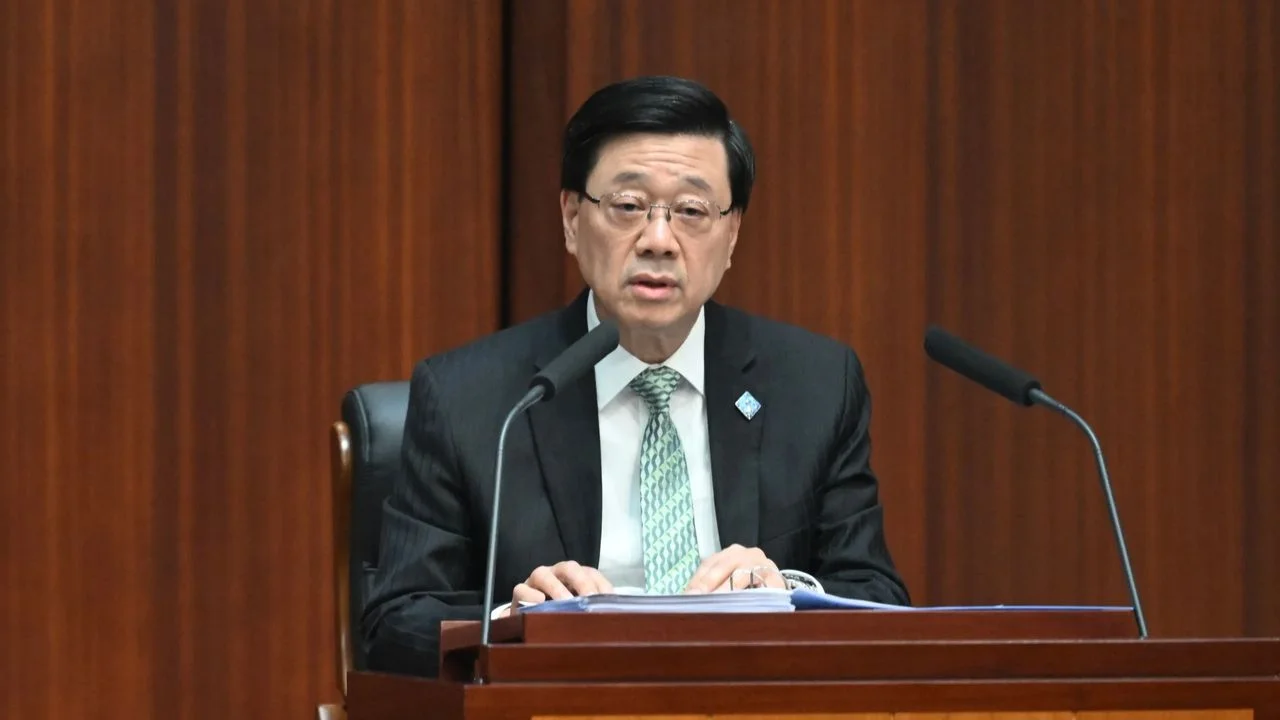
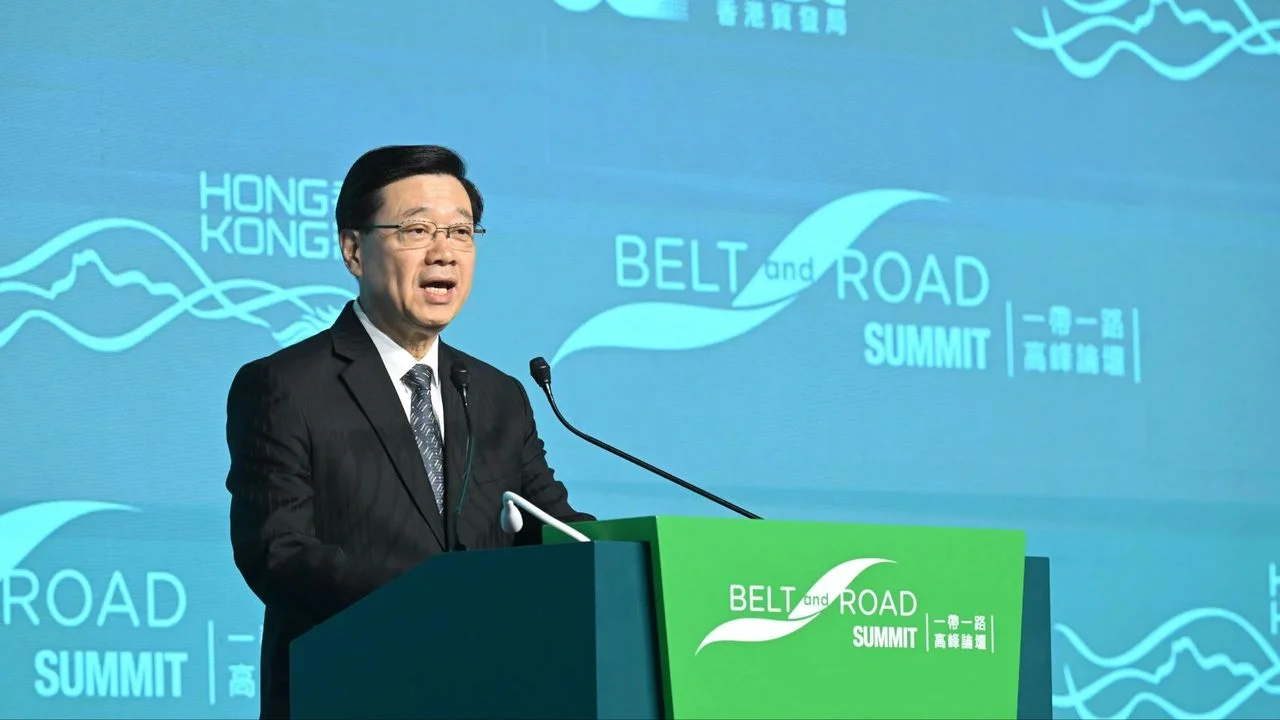
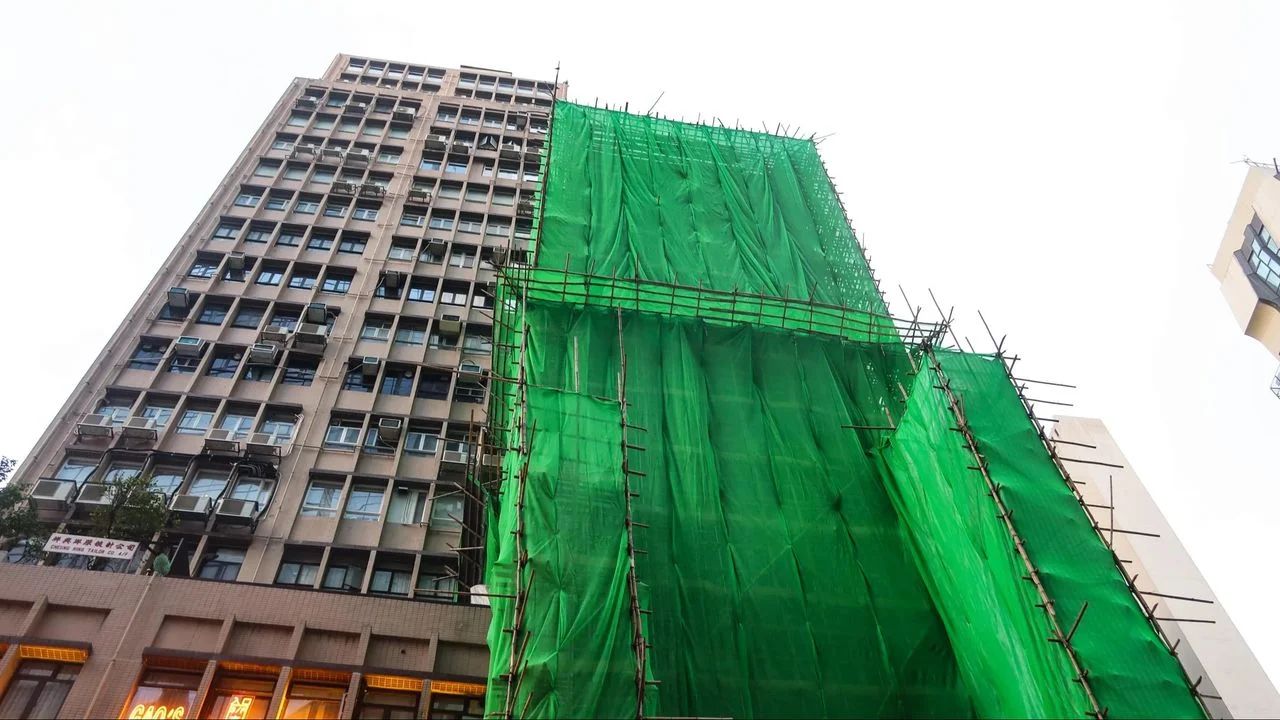
無獨有偶,香港媒體報道稱,特首李家超一直研設「高級公務員問責制」。據報道,在申訴專員揭露屋宇署10年以來未對58宗工業意外展開調查後,李家超對高級官員問責制的不足深感不滿。毫無疑問,李家超對「機構文化」和「管治力度不足」感到不滿。
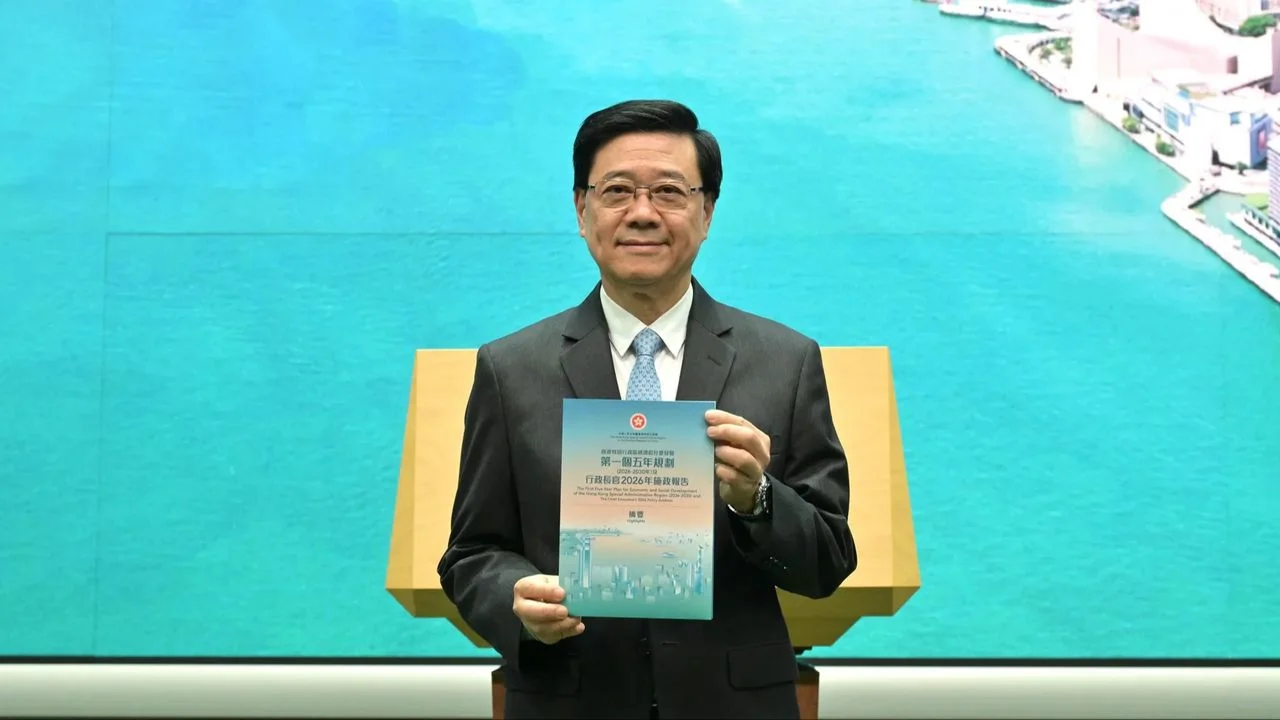
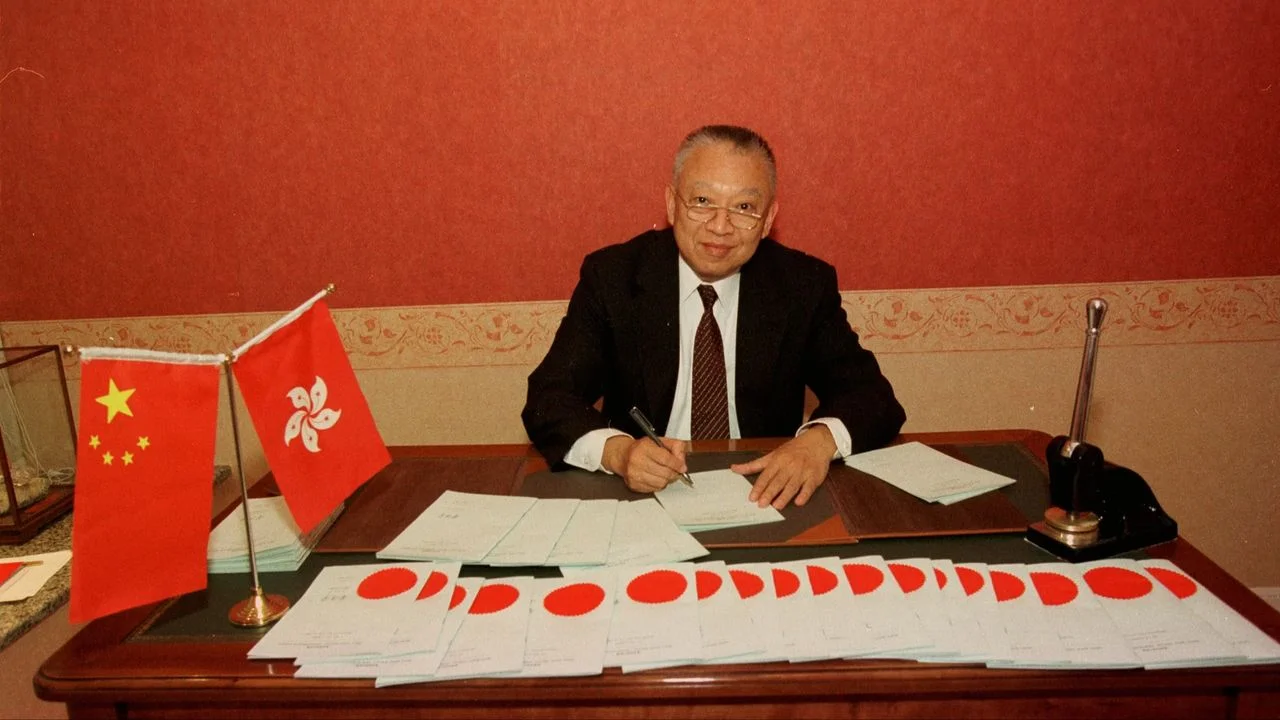
至6月中旬,特首李家超提出「高級公務員問責制」將併入2002年7月推出的「主要官員問責制」。主要官員問責制由香港特首董建華於第二屆任期(2002年7月1日至2005年3月12日)開始推行,這些官員由特首提名,然後由北京的中央政府批准和任命。

港府正研高級公務員問責內容
據悉,香港政府正研究「高級公務員問責制」的建議內容,提升高級公務員的領導能力和管治能力,明確其職責,並考慮設立包括終止加薪的懲罰機制。申訴專員公署和審計署的報告結果,將有望對高級公務員的績效評估發揮關鍵作用。
綜觀以上所述,香港和澳門的兩層問責制度既有相同之處,也有相異地方:一個是主要官員層面的問責,另一個是高級公務員層面的問責。
香港的主要官員遠多於澳門,不僅有主要官員,還有副局長和政治助理。澳門只有9名主要官員(行政法務司司長、經濟財政司司長、保安司司長、社會文化司司長、運輸工務司司長、廉政專員、審計長、警察總局局長、海關關長)和檢察長。
香港有21名根據問責制任命的主要官員,澳門也沒有副局長和政治助理等層級,所以通過問責制任命的官員數目不及香港。由於澳門的高級公務員之上沒有更多政治任命的官員,為了在政府職務有更突出的表現,澳門官員似乎比香港同行面臨更大的壓力。
港澳高官同被上級和公眾問責
第二,香港的公務員制度自1997年7月1日起已出現數名局長辭職的情況,而澳門自1999年12月20日起就未再發生此類事件。不過,澳門曾於2006年12月因涉嫌貪腐而逮捕前運輸工務司司長歐文龍。因此,雖然香港和澳門對不履行職責的司局長處罰看似不同,但他們同樣要被公眾和上級問責。
第三,近期澳門和香港加強高級官員內外問責的趨勢表明,在兩地新的政治體制下,高級公務員應展現高標準的績效,並向其上級垂直問責。在香港和澳門,申訴專員(澳門將申訴專員的工作與反腐敗機構合併)和審計署的報告及其調查結果,對於加強高級公務員的內外問責,具有日益重要的政治意義。
雖然澳門和香港已設立了一批政治任命的高級官員,但兩地都強調良政善治的重要性,這要求相應加強高級公務員的內部和外部問責制。換言之,澳門和香港都巧合地見證了加強高級公務員內部和外部問責制的趨勢。
隨着香港和澳門通過政治任命的主要官員和高級公務員的兩層問責制日益交織融合,其報告和調查結果在內外問責的政治環境中,注定具有愈來愈重要的政治和行政意義。
Two layers of accountability in Macau and Hong Kong: Principal officials and senior civil servants
Recently, the Special Administrative Regions of Macau and Hong Kong have witnessed a top-down initiative from the government of the two cities to enhance the internal and external accountability of senior civil servants, while the accountability of the politically appointed principal officials, who were nominated by the Chief Executive and then approved and appointed by the central government in Beijing, persists. This article compares and contrasts two layers of accountability in Macau and Hong Kong: one at the top principal officials’ level and the other at the layer of the senior civil servants.
On 3 July, the Macau government started a leadership reshuffle across some departments. The Public Administration and Civil Services Bureau (SAFP) witnessed the swearing-in ceremony of a new director, Leong Weng, and a deputy director, Chan Sok Cheng. Both women are career civil servants (The Macao News, 3 July 2025), with the former serving as the head of the Legal Affairs Bureau (DSAJ) from May 2023, and with the latter assuming the role of SAFP’s acting deputy head from February 2025.
Meanwhile, another swearing-in ceremony was held on 2 July when Che Weng Keong and U U Sang were appointed as the chair of the Commerce and Investment Promotion Institute (IPIM) and the head of the Science and Technology Development Fund (FDCT), respectively.
At the same time, Ines Chan Lou seemed to leave her position as the head of the Government Information Bureau (GCS) after serving for six years. Yet, according to the government’s information, Chan was reappointed for another term as a board member of the local broadcaster TDM, and her term will last until 31 August 2026.
Perhaps a noteworthy change was an expectation, according to Macau Daily News, of Lam In San, the head of the Transport Bureau (DSAT), to vacate his position after ten years of work there, but he may be rotated to work in Macauport given his previous experience in the Civil Aviation Bureau (The Macao News, 3 July 2025).
Recently, the Macau media have covered a report of the Commission of Audit, which criticised the transport department for its failure to manage the citizens’ calls and demands for the radio taxi services and its inability to address the lack of taxis in Macau (The Macao News, 3 July 2025).
Overall, the reshuffle of senior civil servants in Macau appears to show that (1) their rotation is increasingly prominent, that (2) such a move aims at enhancing the capability of the government, and that (3) the internal accountability of senior civil servants is increasingly and externally significant, especially in response to internal auditing report’s findings on whether they can deliver public services effectively.
After all, rotation of the positions of senior civil servants has been described as a normal phenomenon in coping with their performance, making them much broader in their expertise, much deeper in their knowledge, and more experienced in dealing with different portfolios (Jornal San Wa Ao, 5 July 2025).
In early July 2025, the Macau Legislative Assembly discussed how to amend Law No. 15/2009, namely The Basic Stipulations and Rules of the Leading and Main Staff in the civil service. The amendments aim at updating the legislation in accordance with the requirements of the national security law. They include the need for senior civil servants to swear allegiance to the Basic Law of the Macau SAR and to the Macau SAR of the People’s Republic of China. Moreover, the leading and main staff members, who refer to the senior civil servants, will have to take the official positions in an acting capacity until a ripe and suitable time when they will be formally appointed to take over such positions. The most interesting amendment proposed to Law No. 15/2009 is that if the leading staff members fail to implement the directives from above, if they fail to achieve the required targets, and if they affect the image of the department concerned and undermine the authority of the government, then their appointment can and will be terminated by the supervisory authority.
Furthermore, if the leading staff members violate discipline, the supervisory office’s legal personnel will conduct investigations after which the investigatory reports will be given to the supervisory authority for its final decision (see Legislative Assembly’s No. 2 Standing Committee, No. 3/VII/2025 Opinion Paper, in al.gov.mo/uploads/attachment/2025-06/626836862534fade8e.pdf, access date: 5 July 2025).
Coincidentally, Hong Kong media have reported that Chief Executive John Lee has been considering a question of how to introduce “an accountability system for senior civil servants” (HK01.com, 3 July 2025). It was reported that after the Ombudsman revealed the Buildings Department’s lack of investigation on fifty-eight industrial accidents in ten years’ time, Mr Lee was dissatisfied with the inadequacy of the accountability system for senior officials (HK01.com, 3 July 2025). Specifically, Lee was described as being unhappy with “the organisational culture” and the “inadequate efforts at governance” (HK01.com, 3 July 2025).
In mid-June, Chief Executive John Lee had already remarked that the “accountability system for senior civil servants” would be integrated into the “Principal Officials Accountability System” (POAS), which was introduced in July 2002. At that time, the first Chief Executive, Mr Tung Chee-hwa, was keen to develop his own batch of appointed officials to defend, explain and promote government policies. The POAS is focusing on the accountability of those politically nominated and appointed officials, who were nominated by the Chief Executive and then approved and appointed by the central government in Beijing.
In the history of the POAS, a few ministers in the Hong Kong SAR did apologise and even resigned after they were criticised for making mistakes. A controversial case was the former Financial Secretary Anthony Leung, who resigned in July 2003 after he was criticised for “avoiding” a tax on his new vehicle. A recent case involved Mr Casper Tsui, a former Secretary for Home Affairs, who resigned after he attended a birthday party for a delegate to China’s National People’s Congress – a move that was suspected to be in “violation” of the Covid-19 social distancing rules in late January 2022 (Hong Kong Free Press, 1 February 2022).
After the Hong Kong Macau Affairs Office (HKMAO) under Director Xia Baolong took a far more active role in governing Hong Kong and Macau than ever before, including paying inspection visits to Hong Kong and Macau and meeting in Beijing the visiting officials from the two cities, two Hong Kong secretaries were removed in December 2024, namely former Secretary for Culture, Sports and Tourism Kevin Yeung and former Secretary for Transport and Logistics Lam Sai-hung. It was speculated at that time that the performance of the two officials could have been much better. However, the dedicated services of Yeung and Lam have recently been recognised by the Hong Kong government as they were both bestowed upon the title of Justices of the Peace on the list of honours on 1 July 2025.
It is reported that the Hong Kong government is studying the proposed content of the “accountability system for senior civil servants,” enhancing their leadership and governance, clarifying their duties and responsibilities, and considering a penalty mechanism that includes the termination of salary increase. The findings of the reports of the Ombudsman and the Audit Commission will likely play a crucial role in the performance appraisal of senior civil servants.
If so, there are several similarities and differences between the two layers of accountability system in both Hong Kong and Macau: one at the principal officials’ level and the other at the senior bureaucrats’ layer.
On the level of principal officials, Hong Kong has far more principal officials than Macau, including not only principal officials but also undersecretaries and political assistants. Macau only has nine principal officials (Secretary for Administration and Justice; Secretary for Economy and Finance; Secretary for Security; Secretary for Social Affairs and Culture; Secretary for Transport and Public Works; Commissioner Against Corruption; Commissioner of Audit; Commissioner General of the Unitary Police Service; Director-General of the Macau Customs Service) and one Prosecutor-General (Macau Government Information Bureau, 30 November 2024). Macau does not really have the layer of undersecretaries and political assistants, unlike Hong Kong, where there are 21 principal officials appointed under the accountability system. Without a larger batch of politically appointed officials above them, senior civil servants in Macau appear to face more pressure to perform well in their government portfolios than their counterparts in Hong Kong.
Second, while Hong Kong’s POAS system has seen the resignation of a few ministers since 1 July 1997, Macau has had no such incident since 20 December 1999. But Macau witnessed the arrest of the former Secretary for Transport and Public Works Ao Man Long for suspected corruption in December 2006. Ao was found guilty in June 2008 and was sentenced to 27 years [see The 7 accused involved in the corruption case of the ex-Secretary for Transport and Public Works Ao Man Long were sentenced today (4th June) by the Collegial Bench of the Court of First Instance(ccac.org.mo)]. Hence, although the penalties to ministers who failed to perform were seemingly different in the cases of Hong Kong and Macau, they have been held not only externally accountable to the members of the public but also internally accountable to their superiors.
Third, the recent trend of enhancing internal and external accountability of senior bureaucrats in Macau and Hong Kong has indicated that under the new political systems of the two cities, senior civil servants are expected to demonstrate their high standards of performance and be held vertically accountable to their superiors for their performance. In both Hong Kong and Macau, the reports of the Ombudsman (Macau merges the work of the ombudsman with the anti-corruption agency) and Audit Commission and their findings are, and will be, increasingly politically significant to enhance both the external and internal accountability of senior civil servants.
In conclusion, it is an interesting coincidence that both Macau and Hong Kong have witnessed a trend towards the enhancement of the internal and external accountability of senior civil servants. While the two cities have already established a politically appointed batch of principal officials at the top level, the emphasis on good and effective governance of both Macau and Hong Kong is calling for a corresponding increase in the internal and external accountability of senior civil servants. Internally, senior civil servants have to be held more accountable to their senior authorities, including the politically appointed principal officials, for their performance.
Externally, senior civil servants have to perform well to ensure the effective delivery of services to the members of the public. The crucial linkage that enhances their external and internal accountability is the work and role of the Audit Commission and the ombudsman (or the Commission Against Corruption in Macau as it merges the dual functions of fighting against corruption and dealing with public maladministration), whose reports and findings are destined to be increasingly politically and administratively significant in the politics of external and internal accountability in both Hong Kong and Macau, where the two layers of accountability of politically appointed principal officials and of the senior civil servants are now increasingly intertwined and integrated.
原刊於澳門新聞通訊社(MNA)網站,本社獲作者授權轉載。(原文按此)