

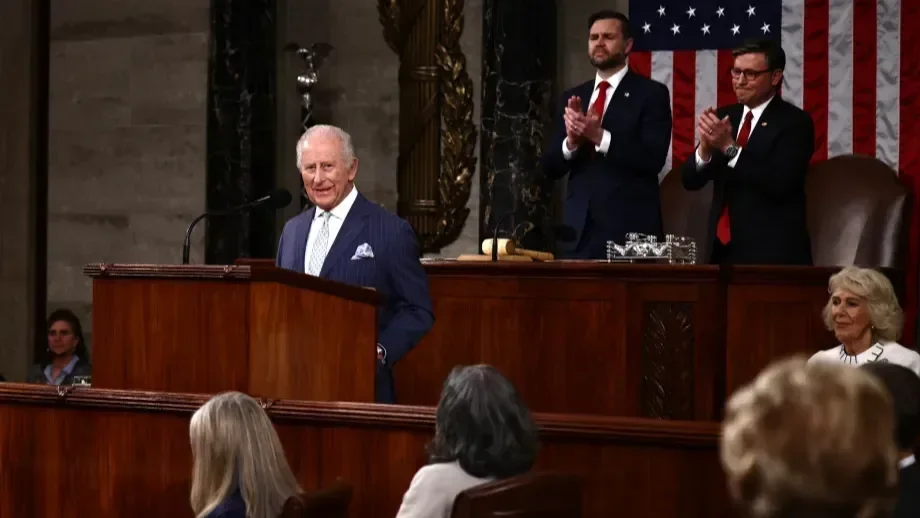


為紀念美國脫離英國獨立250周年,4月29日英王查理斯借在美國國會發表歷史性演說之機,委婉倡導權力制衡與法治的共同核心價值,並含蓄地呼籲制衡特朗普第二屆政府下「帝王式總統權」的擴張傾向。
英王跨洋向最鐵杆的盟友喊話,背後突顯出一道日益加深的制度裂痕,大西洋一方的英國仍在恪守憲政自我約束的悠久傳統,而另一方的美國卻在外交愈發走向內傾保守的路線,且不斷動搖大西洋同盟與北約體系的穩定根基。
這篇演說措辭圓融、立場鏗鏘有力,且政治意涵深遠。這場演講向美國民眾與國會議員重申:英美共享一套自由民主政治傳統,囊括民主理念、法治體系、自由精神、文明共識,其中尤為關鍵的兩大支柱,便是權力制衡機制與跨大西洋英美同盟。
譴責白宮記者晚宴襲擊事件撕裂社會
英王以幽默的外交辭令開篇,引用愛爾蘭詩人王爾德名言調侃:「如今英美兩國除卻語言之外,實則萬事共通。」他直指從歐洲到中東持續不斷的衝突,正為國際社會帶來嚴峻挑戰;並將話鋒扯上4月25日白宮記者晚宴上針對特朗普總統的暴力襲擊事件──他譴責事件意在打擊美國國家領導層,散播恐慌、撕裂社會共識。
隨後,英王語調沉穩地強調,英美兩國共同堅守「捍衛民主、守護國民安全、致敬為國奉獻者」的信念。這番表態贏得全場議員起立鼓掌:既呼籲全社會抵制暴力,也緬懷英美兩國在歷次戰爭中捨身奉獻的軍民先烈。
英王查理斯盛讚美國國會為「民主堡壘」,並明確點出:美國諸多核心民主價值,本源承襲自英國。英美同盟誕生於歷史分歧,卻扎根於共通的民主制度、法治體系與社會傳統,至今仍是兩國治理的共同根基。他援引特朗普本人的表述,稱英美之間血脈相連、價值相通的紐帶,珍貴永恒、無可替代、牢不可破。
為喚醒美國社會的歷史共識,英王回溯歷史:美國開國先賢繼承並發揚了英倫啟蒙思想,以及源自英國普通法與《大憲章》的古老理念。他強調,這套同源的法治根基源遠流長、至今存續。英王援引美國最高法院歷史學會的數據佐證:自1789年以來,《大憲章》在美國最高法院判例中被引用至少160次,足見普通法精神早已成為美國法治的底層基石。
《大憲章》限制君主強權 奠法治基石
1215年誕生的《大憲章》,初衷便是限制君主強權、確立法律至上原則——即便掌權者,也必須受制於法律約束。
英王並未深究《大憲章》的王權博弈起源,而是巧妙提煉其核心要義:行政權力必須接受制衡。這一溫和卻尖銳的點撥,正是整篇歷史性演說的核心要義。
英王向第119屆國會議員致意:國會殿堂之內,每一次議事、每一輪投票,都延續着美國開國先賢的自由理想。他繼而闡述,英美同盟是橫跨歐美兩大支柱的大西洋夥伴體系重要一環,而這套跨大西洋合作框架,在當下動盪時局中,比以往任何時期都更為關鍵。
英王回顧佐治六世的訪美往事:彼時法西斯勢力席捲歐洲,美國尚未參戰,英美便已攜手守護自由防線。
二戰中,兩國共通價值最終取勝;時至今日,這套價值理念依舊存續。當下世界格局動盪加劇、危機四伏,遠比他的摯母伊利沙伯女王1991年在此演講的時代更為複雜。撰稿團隊以古今對照的敘事手法,委婉警示全球危機,同時錨定英美共同價值,為攜手應對全球難題奠定外交共識。
為英相伊朗立場護航 特朗普不接受
針對英國首相施紀賢與特朗普在美以對伊軍事行動上的立場分歧,英王援引首相講話表態:「英美夥伴關係不可或缺,我們不能拋棄過去80年的合作根基,更應在此基礎上持續深化協作。」 不過,這番委婉表態並未獲得美方完全認同。2026年4月30日,特朗普公開直言:倘若英國由英王主導對伊政策,或許會更貼合美國訴求。
英王借911恐襲25周年契機,緬懷這場震驚全球的人道主義災難,同時巧妙地指出:北約當年首次啟動《第五條集體防禦條款》,正是英美攜手共抗恐怖主義的標誌性時刻。針對俄烏衝突,他明確呼籲西方陣營堅定立場、全力捍衛烏克蘭,謀求公正且持久的和平。
從遼闊的大西洋,到北極冰川加速消融的生態危機,美軍及其盟友始終是北約核心力量,恪守集體防禦承諾,守護歐美民眾安全與共同利益,抵禦各方共同威脅。
在英王的敘事中,英美關係的本質,是和解、革新與深度協作的歷程。他由衷期盼:未來英美能攜手歐洲、英聯邦及全球夥伴,共同捍衛普世價值,摒棄封閉孤立的內傾思維,堅守多邊合作道路。
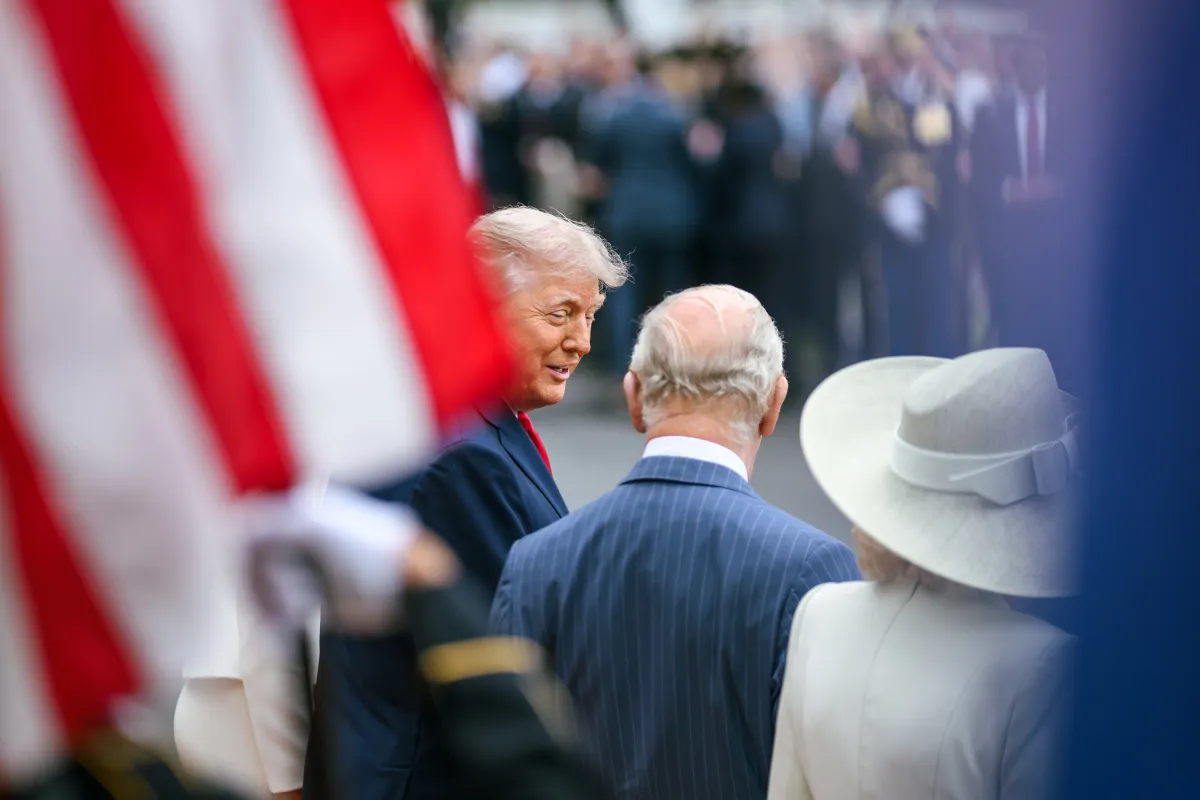
制衡行政強權只能靠司法體系與媒體
當下美國正深陷深層憲政危機。相較於英國歷經數百年打磨、以權力自我約束為核心的成熟民主體系,僅有250年歷史的美國民主仍顯稚嫩。美國政治研究長期聚焦國會、政黨、利益集團等顯性制衡機制,但特朗普執政暴露出諸多短板:共和黨掌控參眾兩院、民主黨群龍無首、民間社會組織碎片化,難以形成有效監督。如今,司法體系與小眾媒體,幾乎成為制衡美國行政強權的唯一力量。
透過文字深層解讀不難發現,英王查理斯的演說暗藏雙重深意,委婉批判特朗普第二屆政府的內政外交路線。
第一,重申行政權力制衡的英美政治傳統,直指美國當下制度的隱患。2026年2月,美國最高法院駁回特朗普政府單邊關稅政策,以政府超越了《國際緊急經濟權力法》賦予的權限為由,裁定行政部門越權立法,徵稅權應歸屬國會。在英王看來,司法制衡行政,正是英美憲政傳統的核心體現,也是守護民主秩序的關鍵防線。
第二,批判特朗普政府的孤立主義外交轉向。英王秉持全球化、多邊主義的自由理念,與特朗普「美國優先」的保守路線形成鮮明反差。特朗普事後也坦言,英王演說能收獲民主黨全場起立支持,而這恰恰是自己難以做到的。
美國優先背離二戰後外向型外交傳統
第三,英美同盟正深陷意識形態裂痕。英國長期堅守自由憲政理念,而美國共和黨極端化趨勢加劇,「美國優先」政策徹底背離二戰後美國引領全球、協同盟友對抗獨裁與法西斯主義的外向型外交傳統,英王以歷史對照,含蓄點出這一倒退。
第四,明確站隊烏克蘭議題,認定俄羅斯為衝突發起方,呼籲西方保持統一立場、抵禦共同威脅。演講刻意不點名具體對手,以留白式表述凝聚歐美共識,強化跨大西洋安全綁定。
第五,直指美方對北約的消極態度。特朗普政府長期牴觸增加北約防務開支、不滿盟友配合度不足;反觀英國,已主動加碼冷戰以來最大規模國防預算,聯合美國研發F-35戰機、聯合澳洲推進奧庫斯核潛艇計劃,以實際行動踐行同盟義務。
此外,因英美在對伊政策上的分歧,美方曾放出風聲,重新審議英國海外領地主權問題,其中直指福克蘭群島。儘管英國政界強硬捍衛主權,但英王在演說中刻意回避該爭議議題,盡顯外交克制:承認分歧客觀存在,堅持以夥伴協作化解矛盾。
整場演說始終以英美共同政治傳統為紐帶,緩和雙邊分歧。從比較政治學視角來看,英國議會制的制衡設計,遠比美國總統制更為成熟完善。英國議會體系下,執政黨長期受到反對黨有效監督;而美國總統制極易放大行政首腦權力,若執政黨掌控國會兩院,反對黨力量渙散,行政權便容易陷入缺乏約束的擴張狀態。
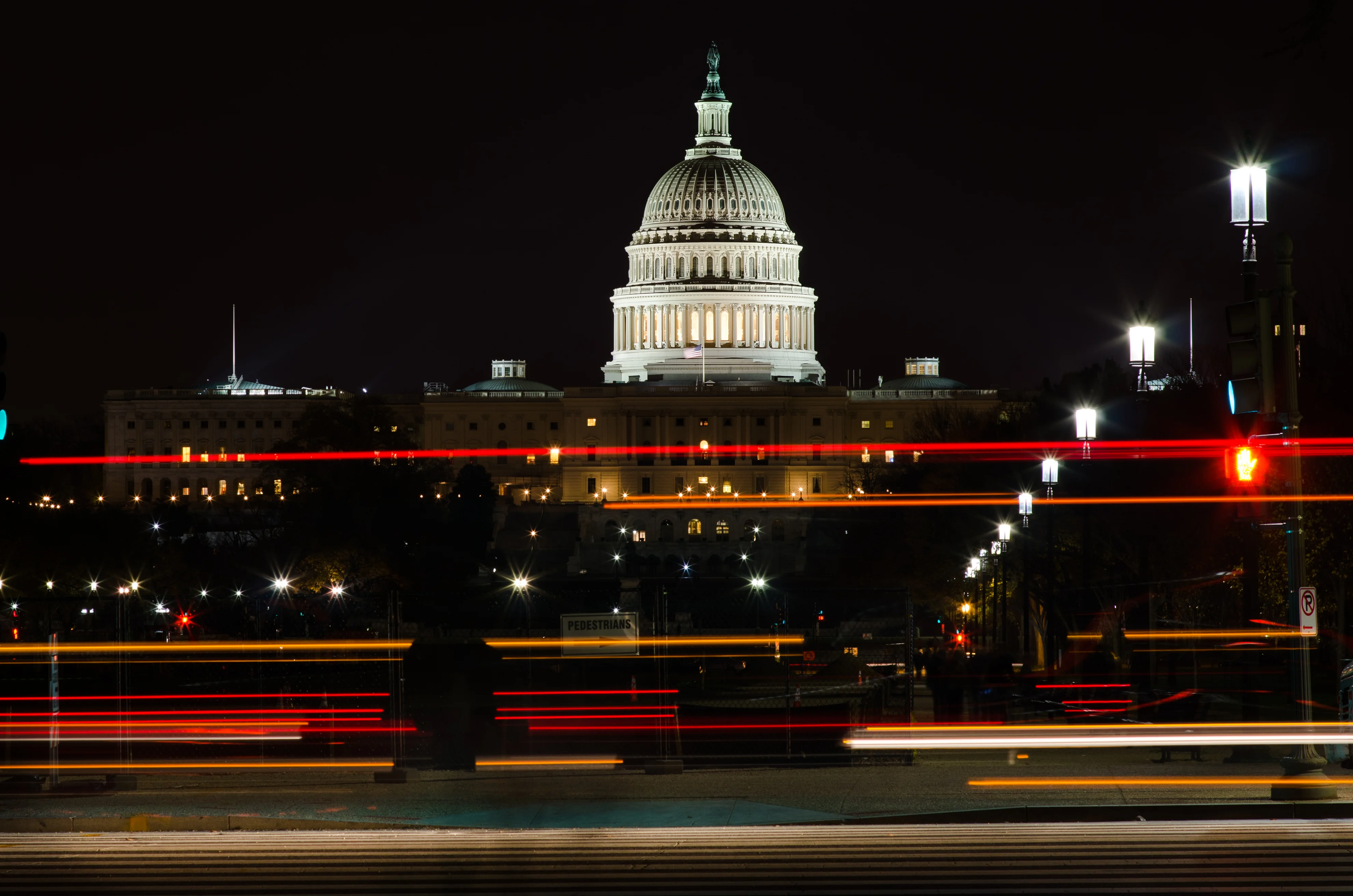
憲政慣例非法律 能約束行政強權
更核心的差異在於憲政慣例的約束力。英國數百年沉澱下不成文的政治傳統:君主嚴守政治中立、內閣集體負責、部長個人問責、議會信任投票機制、上議院權力自我克制……這些無法律強制力卻世代恪守的憲政慣例,構成約束行政強權的隱形防線。
抗獨裁與法西斯主義的外向型外交傳統,英王以歷史對照,含蓄點出這一倒退。
反觀美國政治,托克維爾在《論美國的民主》中早已警示「多數人的暴政」風險。如今特朗普憑借民意支持不斷擴張總統權限,正是歷史學家施萊辛格所言「帝王式總統權」的極致體現,行政部門頻繁突破憲法邊界,屢次遭到司法機構與在野陣營質疑。
2020年大選後,特朗普拒絕發表敗選感言、打破權力和平交接的百年政治慣例,便是美國民主傳統鬆動的關鍵訊號,嚴重侵蝕民主制度的根基。
憲政慣例具備天然脆弱性,極易隨時代變遷瓦解。諸多前英國殖民地國家獨立後,拋棄執政者自我約束的政治傳統,最終滑向個人集權與威權治理。這也印證了阿克頓勳爵的經典論斷:權力使人腐化,絕對權力絕對使人腐化。民主制度的存續,本質依賴執政精英的自我克制與規則敬畏。
美國民主制度正深陷一場深刻的憲政危機。儘管擁有250年的歷史,美國的民主制度仍然很年輕,不像英國那樣歷史悠久、運作良好。在英國,統治者和統治菁英的自我約束的憲政慣例已經根深蒂固。在美國政治的研究中,人們一直強調正式的權力制衡機制,包括國會、政黨和利益團體。
共和黨把持參眾兩院 民主黨群龍無首
但不幸的是,特朗普第二任期的執政實踐表明,國會的權力嚴重受限,參眾兩院均由共和黨把持;反對黨民主黨群龍無首;而分散的利益團體也未能發揮強大的公民社會力量來制衡行政權力。除了媒體之外,似乎只有司法機構才能有效地制衡行政權力,媒體的角色也有限。
英王查理斯的演說,深刻折射出特朗普政府封閉保守、強硬好戰的外交弊端。二戰後,美國憑借反法西斯的正義立場與強勁綜合實力,坐擁全球道德話語權與領導力;但如今,對內權力無序擴張,對外奉行孤立主義,貿然發動對伊對抗、撕裂歐美同盟,嚴重損害了美國的道德合法性和世界地位。
在多極化加速演進的當下,新興大國全面崛起、地區強權抬頭、核擴散風險加劇,美國愈發難以適應全新國際格局。對內,帝王式總統權持續膨脹;對外,戰略收縮卻又動輒訴諸武力,強硬外交思維僵化,最終導致全球領導力失靈。
綜上所述,英王查理斯的國會演說,兼具歷史份量、外交智慧、政治鋒芒與現實反思。它深刻喚醒美國社會,重溫英美同源的自由民主根基、法治精神、權力制衡原則,以及「存異求同、協作共生」的同盟內核,演說猶如醍醐灌頂,必將載入外交史冊。
英美最核心的制度鴻溝,根植於憲政慣例,尤其體現在掌權者的權力克制意識上。就此而言,英國的制度設計、政治文化與治理邏輯,相較美國更具穩定性與優越性。美國「帝王式總統」的發展傾向,既破壞國內民主秩序,也拖累外交布局、削弱全球影響力、阻礙全球化進程。美國亟需正視制度缺陷、推進憲政改革,而非沉溺於「民主堡壘」的自我吹捧。
A diplomatic speech that reminds us of the Anglo-American political tradition
Marking the 250th anniversary of American independence from Britain, the speech delivered by King Charles to the US Congress on 29 April was diplomatic, powerful and highly political in reminding the US, including its people and members of the Congress, of the Anglo-American political tradition of liberal democracy. Such a tradition, as King Charles elegantly put it, embraces democratic values, the legal system, liberty, identity, and most importantly, the twin pillars of checks and balances and the Anglo-American alliance.
The King began his speech diplomatically by humorously pointing to the fact that “we have really everything in common with America except, of course, language.” He referred to the conflicts from Europe to the Middle East that pose “immense challenges for the international community.” Then King Charles condemned the violent incident in which an American citizen attempted to target President Trump on 25 April during the White House Correspondents’ Dinner – an event that “sought to harm the leadership of your nation and to foment wider fear and discord.”
The King tactfully shifted to the Anglo-American commitment to “uphold democracy, to protect all our people from harm, and to salute the courage of those who daily risk their lives in the service of our countries.” Such a statement won the standing ovation of members of the Congress as it appealed not only to the need for non-violence, but also to the necessity of honouring those heroes sacrificing their lives for the US and UK, including in wars and conflicts.
Roots of the common law tradition
King Charles then praised the US system as the “citadel of democracy” and emphasised “a shared democratic value which you inherited from us” – a phrase that reminded the US of its political tradition inherited from the UK.
The King turned to the question of the Anglo-American partnership, which was “born out of dispute,” and which represents “a product of the common democratic, legal and social traditions in which our governance is rooted to this day.” He quoted President Trump’s words that the Anglo-American bond of kinship and identity is “priceless,” “eternal,” “irreplaceable” and “unbreakable.”
To inspire the American audience and listeners, King Charles reminded them that the founding fathers of America“carried with them, and carried forward, the great inheritance of the British Enlightenment – as well as the ideals which had an even deeper history in English common law and Magna Carta.” He also reminded all Americans that “these roots run deep, and they are still vital.”
Immediately, the King gave the example of the US Supreme Court Historical Society that had calculated that Magna Carta was cited in at least 160 Supreme Court cases since 1789 – a statement implying the common-law tradition of safeguarding the rule of law in the US. Magna Carta was a foundational document forced on King John by his barons to limit royal power and to establish the rule of law, namely that even the king is subject to the law.
King Charles did not remind the Americans of the political origin of Magna Carta, but instead he stressed that it was “the foundation of the principle that executive power is subject to checks and balances” – a very skilful and elegant twist that points to the heart of his historical speech.
The importance of the Atlantic partnership
He appealed to the members of the Congress in the following way: “Distinguished members of the 119th Congress, it is here in these very halls that the spirit of liberty and the promise of America’s founders are present in every session and every vote cast.”
The King then turned to the Anglo-American alliance that is part of an “Atlantic partnership” based on the “twin pillars” of Europe and America. He said that this partnership is “more important today than it has ever been.”
King Charles reminded the Americans of King George VI’s visit to the US during which “the forces of fascism were on the march” and some time “before the United States had joined us in the defence of freedom.” The Anglo-American shared values prevailed in the Second World War and “those values remain” in the current era that “is more volatile and more dangerous than the world to which my late mother spoke, in this chamber, in 1991.” The King and his speech writers skilfully combined the past with the present, highlighting the dangers to world peace albeit Anglo-American values remain – a tactful diplomacy emphasising common values for both the UK and US to solve the problems of the world.
The King then switched his support to the British Prime Minister Keir Starmer, who disagreed with President Trump over the handling of the US-Israeli war with Iran. King Charles quoted Starmer’s words: “ours is an indispensable partnership. We must not disregard everything that has sustained us for the last eighty years. Instead, we must build on it.” The King’s remarks, however, were treated sceptically by President Trump, who interestingly said on 30 April that King Charles “would have probably helped us with Iran” if he had been in charge of the British response to the war (Politico, 30 April 2026).
Global challenges and NATO resolve
King Charles used the 25th anniversary of 9/11 to express the pain and shock felt around the world, but he skilfully pointed to NATO invoking Article 5 for the first time to respond to the terrorist attack. The King then turned to the Ukrainian war and said that “unyielding resolve is needed for the defence of Ukraine.” He remarked: “From the depths of the Atlantic to the disastrously melting icecaps of the Arctic, the commitment and expertise of the United States Armed Forces and its allies lie at the heart of NATO, pledged to each other’s defence. Protecting our citizens and interests, keeping North Americans and Europeans safe from our common adversaries.”
According to the King, the Anglo-American story is about “reconciliation, renewal and remarkable partnership.” He prays “with all my heart that our alliance will continue to defend our shared values, with our partners in Europe and the Commonwealth, and across the world, and that we ignore the clarion calls to become ever more inward-looking.”
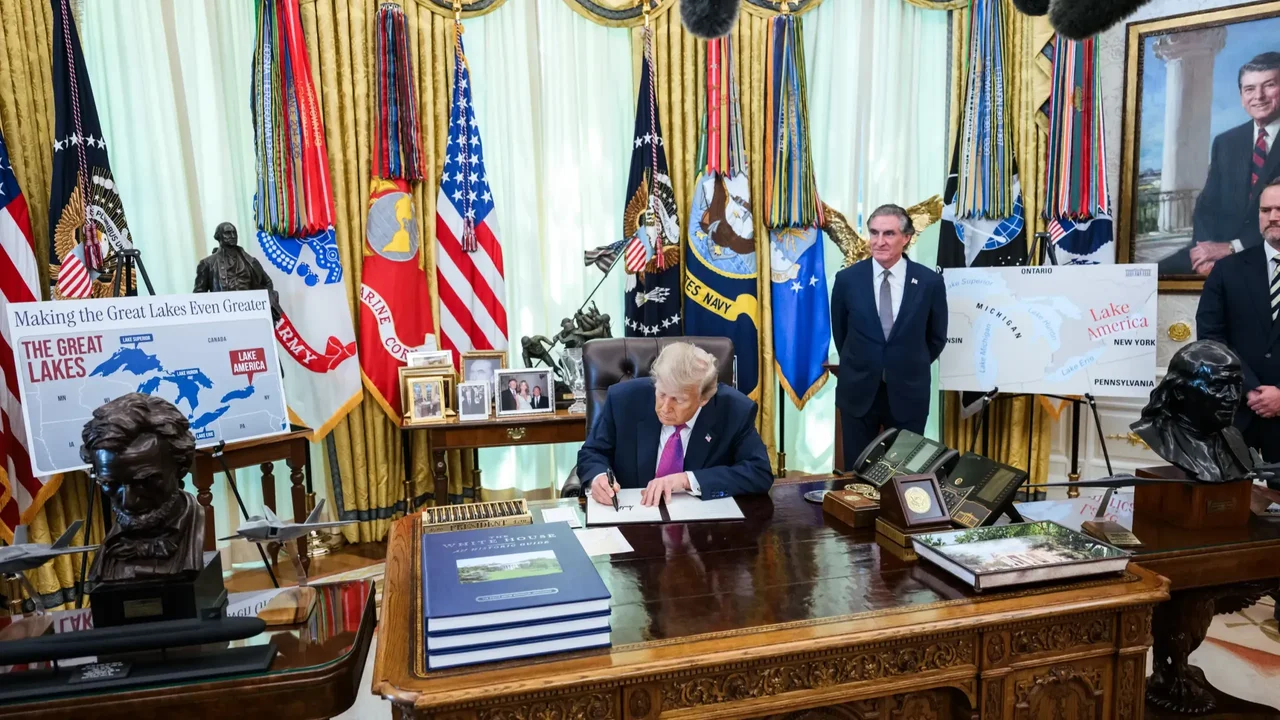
Reading between the lines, King Charles delivered a powerful and double-edged critique of the US political system and foreign policy under the second Donald Trump administration.
First, the appeal to maintaining the Anglo-American political tradition of checks and balances against the executive represents a hidden critique of the US political development. In February 2026, the Supreme Court struck down the reciprocal tariffs formulated and implemented by the second Donald Trump administration, adding that the government exceeded its authority under the International Emergency Economic Powers, because the US constitution vests tariff-setting power in the Congress. That the Supreme Court checked the power of the executive was, in the eyes of King Charles, an important Anglo-American political tradition that empowers the judiciary to check the executive.
Inward versus outward foreign policy
Second, the “inward-looking” tendency of the second Donald Trump administration led to Anglo-American differences. Clearly King Charles adopted a far more liberal and pro-globalisation outlook than President Trump. No wonder Trump later said that King Charles delivered a speech that could elicit the standing ovation of the Democrats in the Congress – a phenomenon that he as the president could not do.
Third, ideologically, the Anglo-American alliance and partnership are at stake, because while the UK political system adheres to liberalism, its US counterpart has been drifting toward extreme Republicanism to the extent that the America First Policy can be seen as “an inward-looking” foreign policy rather than the outward-looking American foreign policy which helped the European countries and the world to fight against and defeat fascism, as implied skilfully and tactfully by King Charles in his speech.
Fourth, King Charles adopted an attitude that sees Ukraine as a victim of the war initiated by Russia, and he appealed to the need for “unyielding resolve” in the defence of Ukraine and the necessity of keeping North America and Europe “safe from our common adversaries.” Without naming the countries and dangers that can be regarded as “common adversaries,” King Charles and his speech writers skilfully let the listeners and readers guess the targets, but they appeal to the US to understand the real enemies in both Europe and North America.
Fifth, the King clearly expressed his disagreement with how the US under the second Trump administration has been dealing with NATO. NATO, to the King, is an alliance representing not only the Atlantic partnership with Anglo-American involvement, but also the necessary bond, identity and values shared by the UK and US. While the Trump administration is reluctant to spend more money to buttress the NATO defence, the UK government, as the King mentioned in his speech, has already committed to defence spending, like building F-35s together with the US and having the submarine programme in partnership with Australia.
The Trump administration was unhappy with NATO allies for not supporting the US war against Iran. Several days before the King’s visit to the US, an unnamed US official told Reuters that an internal US government email had discussed a US review of its position on “imperial possessions,” including the UK possession of the Falkland Islands near Argentina. Although the UK Foreign Minister Yvette Cooper joined other British politicians to assert that the sovereignty of the Falkland Islands belonged to the UK, King Charles was very diplomatic in his speech without touching on the Falklands at all – an illustration that he expects Anglo-American disagreements but partnership in solving disputes and problems.
Systemic differences
King Charles adopted an approach that emphasises the Anglo-American political tradition and partnerships in dealing with their differences. From the perspective of comparative politics, the British-style parliamentary system is much better designed in instituting the practice of checks and balances than the US presidential system. Specifically, the British-style parliamentary system installs a ruling party with more powerful checks from its opposition, while the US presidential system can empower the president and his ruling party tremendously without sufficient checks and balances from their political opposition.
Most importantly, the UK parliamentary system is built on the long practices of constitutional conventions – political habits and practices that are not legally binding, but are non-legal rules observed for centuries. Such conventions include, for example, the monarch being politically neutral without interfering with politics, the principle of the collective responsibility of cabinet ministers, the tenet of individual ministerial responsibility, the vote of confidence in the parliament, and the self-restraint on the part of the Senate.
The role of constitutional conventions
These constitutional conventions were practised for such a long time in the UK that they have become hidden but powerful checks and balances against executive power.
However, in the US presidential system, one great danger is, according to what Alexis de Tocqueville reminded the Americans in his Democracy in America, “the tyranny of the majority.” Such tyranny of the majority emerged in the US where voters elected Donald Trump as the president with immense power. From a political science perspective, Trump and his supporters have already pushed the “imperial presidency,” to borrow a term from Arthur Schlesinger, to its utmost limit. In other words, the Trump leadership has attempted to exercise executive powers to such an extent that is challenged by the court and opponents for exceeding constitutional limits.
In fact, shortly after Democratic Party candidate Joe Biden’s victory in the 2020 presidential election, President Trump broke with the long-standing US political tradition by refusing to deliver a traditional concession speech – a significant political departure from the tradition of a graceful transfer of power (The Washington Post, 8 November 2020). This event was by no means a good sign for the development and sustainability of American democracy.
From a comparative perspective, constitutional conventions can easily change over time. Some African countries after their independence from the UK quickly ignored the constitutional conventions of political self-restraint on the part of the chief executive and the ruling party, resulting in personal rule and authoritarian governance.
The fragility of democratic regimes
The fragility of constitutional conventions means that the survival and sustainability of democratic regimes relies on the political will of individual ruling elites to restrain themselves and to respect the traditional rules of the game. Most importantly, as British historian Lord Acton warned us, “power tends to corrupt, and absolute power corrupts absolutely. Great men are almost always bad men.”
The US democratic system is enmeshed in a profound constitutional crisis. With 250 years of history, the US democracy remains a young one, rather than the long-established and well-run democracy in the UK where the constitutional convention of self-restraint on the part of rulers and ruling elites has become quite deeply entrenched. In the study of US politics, emphasis has been paid to the formal checks and balances, including the Congress, political parties and interest groups. The second Donald Trump administration and its practices, unfortunately, demonstrate the severe limitations of the Congress, whose upper and lower houses are dominated by the Republican Party; the opposition Democratic Party that is leaderless; and the fragmented interest groups that have failed to act as a powerful force in civil society to check executive power. The only effective check against the executive appears to be the judiciary, apart from and to a limited extent the media.
Future of the imperial presidency
The elegant and powerful speech delivered by King Charles points to the self-protective and “inward-looking” foreign policy adopted by the second Donald Trump administration. Immediately after the Second World War, the moral legitimacy and the politico-economic standing of the US in the world were very high; it was a crucial actor saving the world from authoritarianism, totalitarianism, fascism and dictatorship. The overly self-protective foreign policy adopted by the second Trump administration, its war against Iran, and its rift with some European allies, including the UK, has sadly damaged US moral legitimacy and standing in the world. The US under the second Trump administration has exhibited great difficulties in adapting to an increasingly multipolar world in which more countries are economically strong, regionally powerful, and militarily ascending with the high probability of developing nuclear weapons. The internal drift toward “imperial presidency,” the external change to a more “inward-looking” and yet combative mode, and the adoption of gunboat diplomacy toward Iran have all illustrated a tremendous problem for the US leadership to respond to a rapidly changing world amid globalisation.
In conclusion, the speech delivered by King Charles in the US Congress was historic, diplomatic, political, and yet poignant. Its reminders to Americans of the Anglo-American political tradition of liberal democracy, democratic values, the rule of law, checks and balances, and an alliance with disagreement but partnership will be profoundly remembered in history. Yet, the most important systematic difference between the political system in the UK and that in the US, comparatively speaking, lies in the practice of constitutional conventions, notably self-restraint in the exercise of political power by powerholders themselves. In this aspect, the UK system is politically, institutionally, and culturally superior to the US system. The drift toward an “imperial” presidential system in the US has already undermined not only American domestic politics but also its foreign policy, soft power, and the thrust of globalisation. It is time for the Americans themselves to ponder the question of constitutional reforms rather than finding easy pride as living in the “citadel of democracy.”
原刊於澳門新聞通訊社(MNA)網站,本社獲作者授權轉載。(原文按此)