


近來台灣政壇醜聞頻傳,國民黨與民眾黨之間的競爭也日益白熱化,這些事件帶出了一個核心問題:兩大反對黨能否在即將到來的地方選舉,甚至在關鍵的2028年總統大選中結盟,合力對抗執政的民進黨?
國民黨面臨的第一個醜聞是馬英九基金會前執行長蕭旭岑和副執行長王光慈涉嫌涉及財務不當的行為。據報道,基金會代理執行長戴遐齡正在牽頭其他董事就蕭王二人涉嫌的醜聞展開調查。
根據台灣媒體報道,台灣前總統、國民黨主席馬英九在發現蕭王二人在大陸參與「涉及財政紀律」的活動後,不但解除這兩位親信的基金會職務,還將全案送請司法偵辦。
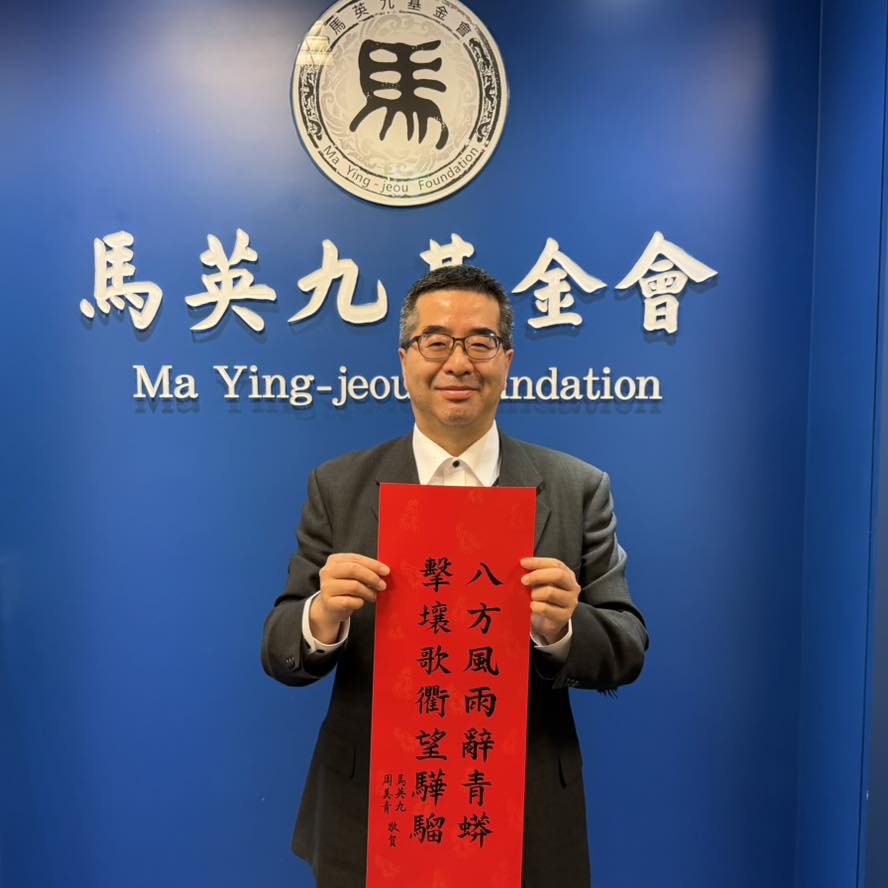
蕭旭岑暗示馬英九「忘了許多事」
對於馬英九的指控,蕭旭岑堅稱自己無罪,只暗示馬英九「忘了許多事」,包括授權他在中國大陸開展活動,但他作為現任國民黨副主席,回應時措辭謹慎,以免損害國民黨與主席鄭麗文的聲譽。
另一宗有關民眾黨的醜聞是針對其前主席柯文哲的指控,他於3月26日被台北地方法院判處17年有期徒刑,罪名包括京華城項目中多項貪污罪以及其他三宗案件。
當被問及柯文哲是否會退出民眾黨時,主席黃國昌直言,「京華城」貪污案是民進黨政府對該黨前主席柯文哲的政治追殺和迫害,當然不存在退黨或違反黨紀的問題。
此前,民眾黨新竹市長高虹安曾於2024年7月捲入貪污指控,她隨後決定退出該黨。高虹安的定罪後來在2025年12月被台灣高等法院推翻。
在柯文哲「京華城」貪污案中,法院表示,柯文哲在2020年擔任台北市長期間,在處理威京集團投資的京華城重建計劃時收受了210萬新台幣的賄賂。該項目擴建了樓面面積,據稱威京董事長沈慶京利用與柯文哲的私人關係,使重建項目獲得批准。
柯文哲喊無辜 京華案全程遭下套
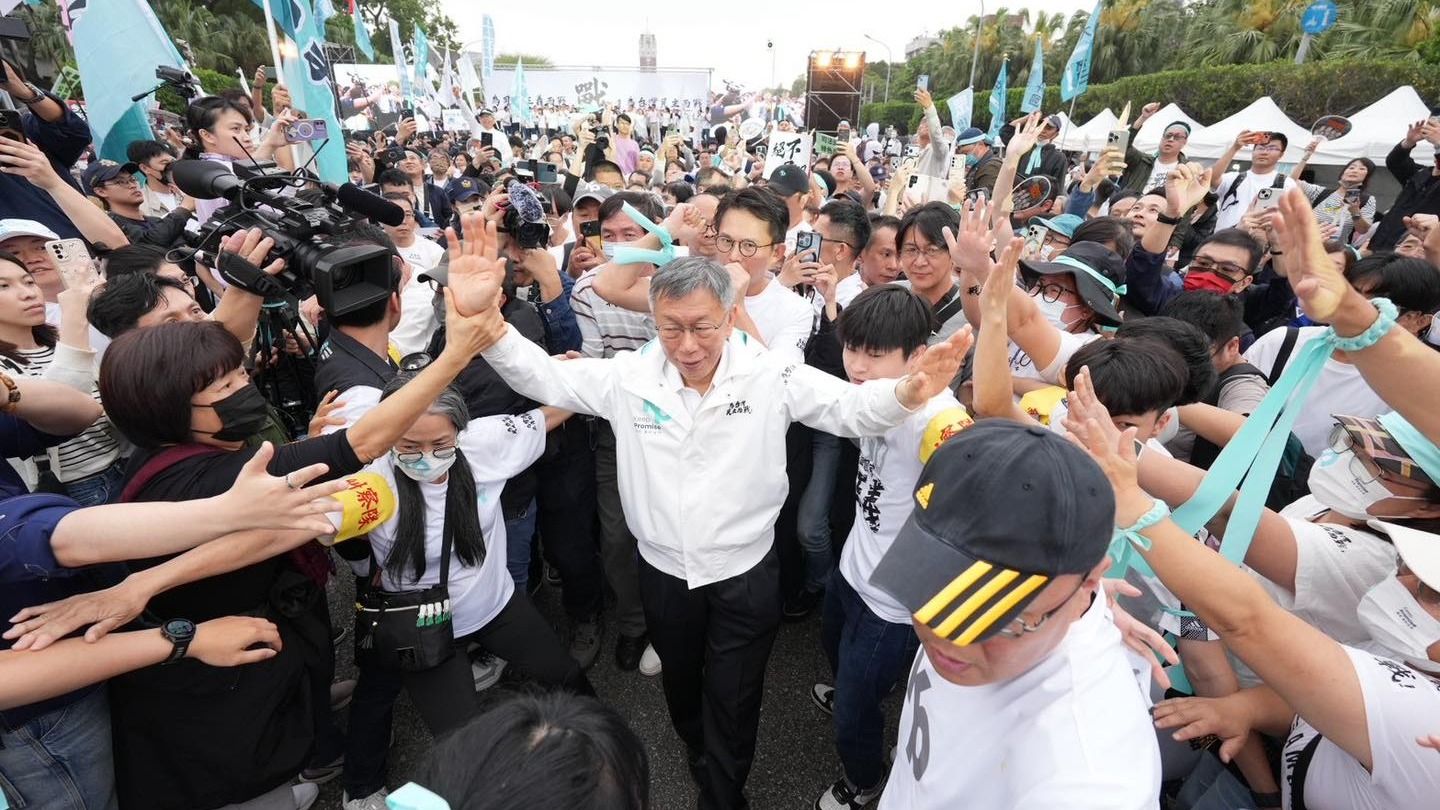
然而,柯文哲堅稱自己是受害者,因為這宗案件「從頭到尾都是給他下套」。黃國昌呼籲支持者於3月28日在凱達格蘭大道集會,聲援柯文哲,要求台灣司法部門維護正義。在柯文哲案宣判後,中國國台辦發表聲明,指稱台灣賴清德政府為了民進黨的政治利益,操縱司法打壓政治對手。
國台辦發言人朱鳳蓮批評民進黨搞「綠色恐怖」,煽動台灣日益增長的民怨。對此,台灣陸委會反駁,中國大陸無權批評台灣的民主制度。
另一宗與民眾黨有關的醜聞是,台灣檢方因中國籍配偶徐春鶯涉嫌違反《反滲透法》的調查,徐本人也是台灣新移民發展協會的理事。這項指控引發了人們的擔憂,即中國大陸當局是否會利用一些出生於大陸的台灣居民滲透台灣政壇。檢方調查顯示,徐某於2023年11月聯繫了中國民政部海峽兩岸婚姻中心主任楊文濤,詢問民眾黨在台灣輪調立法委員的安排。
據稱,2024年初,徐春鶯告訴楊文濤,民眾黨將在台灣選舉中扮演關鍵角色,並討論了利用大陸出生的配偶作為候選人以增加大陸影響力的計劃。針對徐春鶯一事,民進黨發言人吳釗燮表示,民眾黨「破壞」了台灣的法律架構和自治權。同一時間,台灣民眾黨立法委員李貞秀捲入了另一宗醜聞,民進黨指控她沒有放棄中國大陸國籍,而台灣政府表示,這是政治人物擔任公職的先決條件。
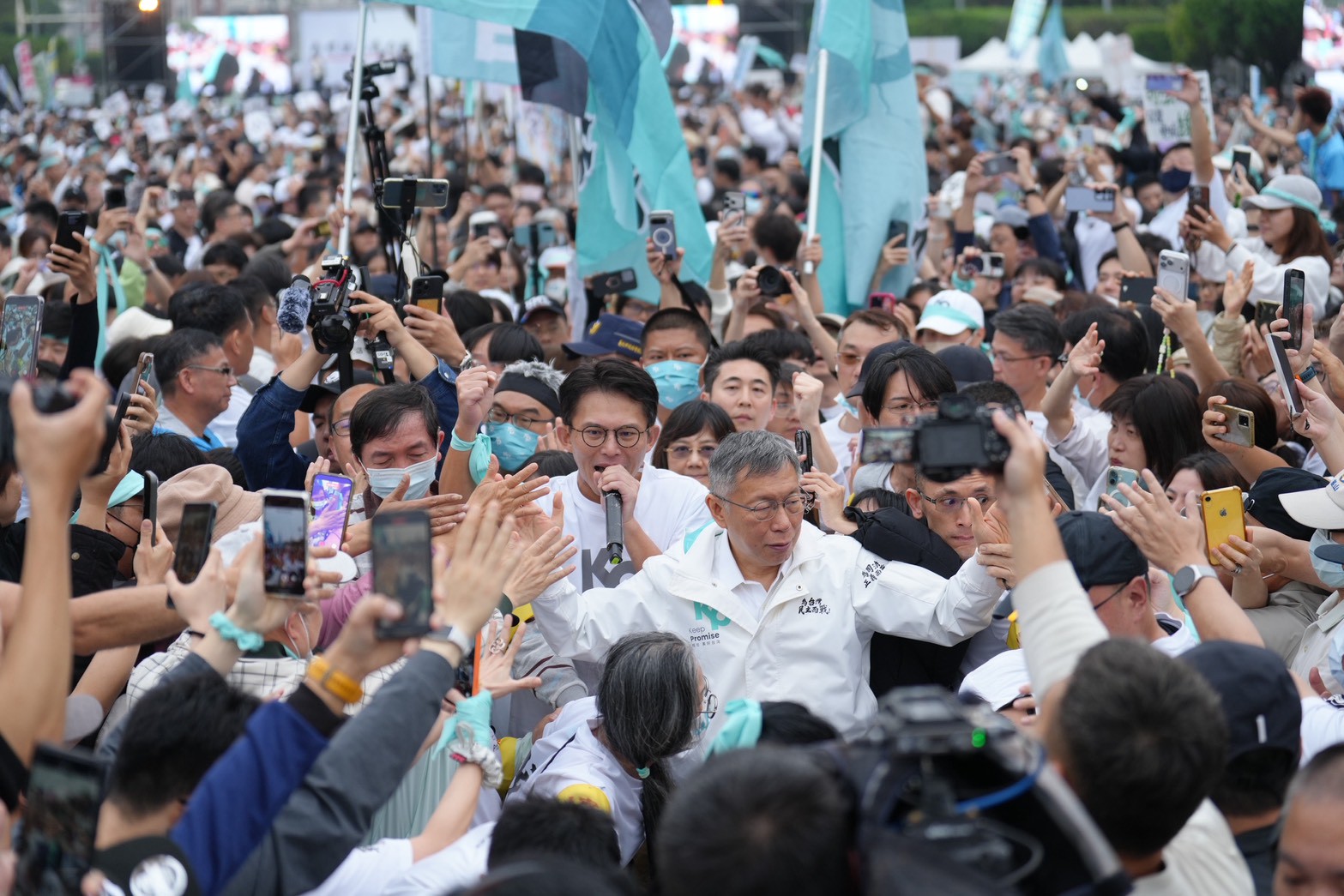
柯文哲被剝奪公民權 未能參選總統
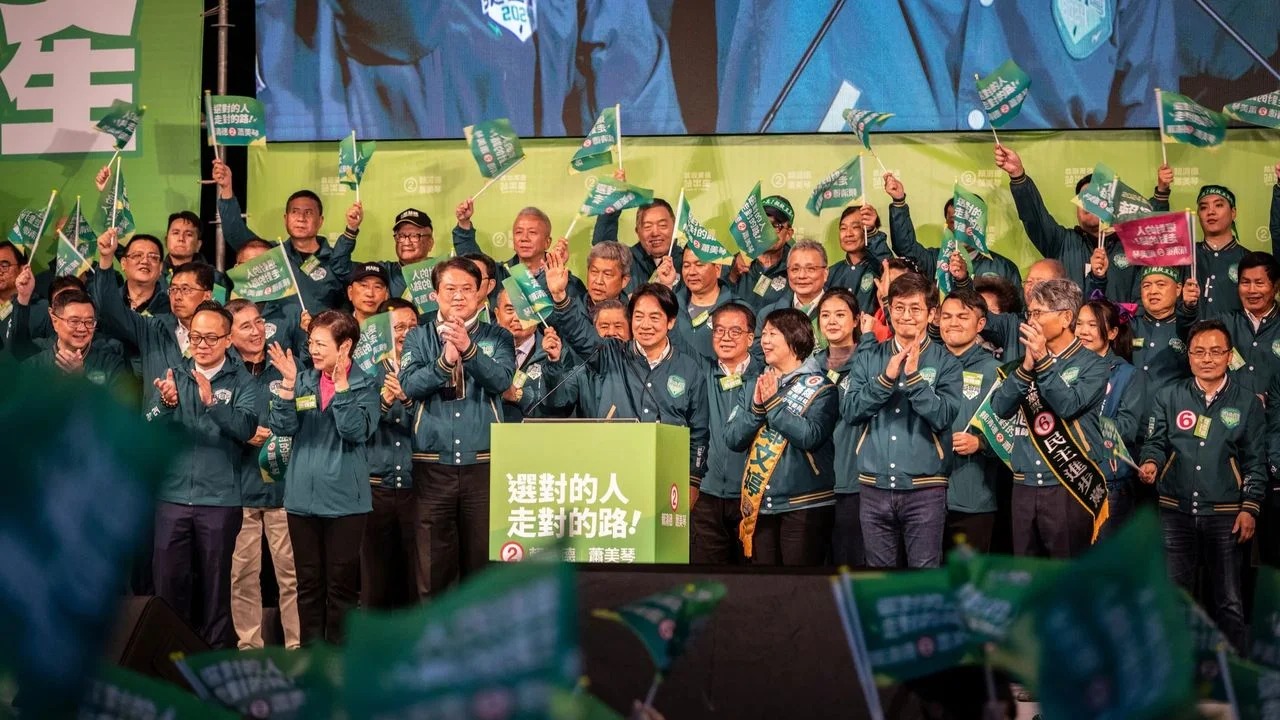
上述醜聞引發了台灣政治發展的重要議題。首先,柯文哲的政治前途已然終結,他被剝奪公民權六年,儘管他可能在部分台灣民眾心中頗具人氣,但柯文哲將無法參加2028年的總統選舉,黃國昌極有可能成為台灣民眾黨的候選人,這意味着無論民眾黨和國民黨能否就聯合候選人名單達成共識,在2028年總統大選中抗衡民進黨,將備受外界關注。
其次,國民黨內部的家族紛爭或許會對該黨在即將到來的2026年11月縣鄉選舉中的形象和支持率造成致命打擊。最近新任主席鄭麗文的當選為國民黨展現了新的形象,但副主席蕭旭岑捲入基金會的財務管理不善事件,無疑對該黨的形象造成了打擊。
第三,目前尚不清楚這起金融「不當行為」的細節將如何展開,尤其考慮到馬英九基金會醜聞與國民黨在大陸的活動有關。從黨派鬥爭的角度來看,民進黨很容易從國民黨內部權鬥中漁利。
醜聞影響大陸背景候選人可信度
第四,徐春鶯和李貞秀的醜聞對台灣選民看待大陸出生的候選人產生了負面影響,加劇了人們對大陸政治滲透台灣選舉政治的懷疑。近年來,台灣開始高度關注大陸針對台灣民眾的統戰活動,涵蓋宗教活動、教育交流、選舉滲透,甚至可能在台灣建立第五縱隊網絡。徐和李的醜聞加劇了這些根深蒂固的懷疑和不信任,使民進黨受益,卻損害了政治反對派候選人的利益。
第五,一些台灣觀察家斷言,隨着柯文哲的政治垮台,2028年台灣總統大選將主要演變為以國民黨為首的藍營,跟以民進黨為首的綠營之間的競爭。果真如此的話,馬英九基金會的醜聞長遠而言對國民黨將帶來毀滅性的影響。
現在斷言跨黨派在2028年大選中的競爭力已經喪失還為時過早,但有一點是肯定的:如果台灣反對派想要推翻民進黨的執政地位,國民黨和民眾黨必須在2028年的總統大選中結盟,尤其是黃國昌的政治魅力似乎不如柯文哲,因此黃與國民黨總統候選人的合作更加重要,否則台灣反對派的分裂局面將有利於民進黨的選情。
第六,柯文哲於2019年創立民眾黨,並帶領該黨參加2024年總統大選。儘管柯文哲最終落選,但民眾黨成功將其立法委員人數增至八人,作為台灣第三大黨,這是前所未有的政治成就。
反對黨領導人應潔身自愛 免陷黨爭中
然而,柯文哲在管理核心京華城開發案時似乎存在疏忽,事件最終導致他迅速下台。因此,任何台灣反對黨的領導人都需要格外警惕,不僅要維護自身的誠信,還要防範黨內鬥爭和遭受迫害的可能性。
第七,馬英九基金會內部的家族紛爭可能不利於兩岸關係。該基金會由馬英九於2018年設立,旨在加強两岸關係,促進青年交流,並作為兩岸溝通的橋樑。如果基金會內部的財務管理醜聞被過度誇大,很可能被民進黨利用,指責國民黨處理大陸事務時腐敗。基金會內部的家族紛爭對國民黨而言無疑是雙輸的局面,更影響其作為兩岸溝通橋樑的關鍵作用。
總之,近期困擾台灣反對黨的醜聞,對其在2026年11月即將舉行的縣鄉選舉的勝算敲響了警鐘,這意味國民黨和民眾黨必須結盟,才能在2028年總統大選中與民進黨抗衡。
Partisan scandals and struggles in Taiwan politics
Recently, Taiwan politics has been characterised by scandals and struggles that involve the two opposition parties, namely the Kuomintang (KMT) and the Taiwan People’s Party – scandals that raise a serious question of whether the two parties will really be able to unite to constitute a stronger political force against the ruling Democratic Progressive Party (DPP) in the upcoming local elections and, most importantly, the 2028 presidential election.
The first scandal engulfing the KMT is the alleged financial misconduct that involves the former Chief Executive Officer (CEO) of the Ma Ying-jeou Foundation, namely Hsiao Hsu-tsen, and the deputy CEO Wang Kuang-tzu (Taipei Times, 28 March 2026). Hsiao is also the deputy chairman of the KMT and he had been the CEO of the Ma Ying-jeou Foundation until February 2026. The acting CEO of the Foundation, Tai Hsia-ling, is reportedly leading a proceeding against the financial conduct of Hsiao and Wang. Three Board members of the Foundation, namely Hsueh Hsiang-chuan, Yiin Chii-ming and Lee De-wei, will investigate the alleged scandal involving Hsiao and Wang.
According to the Taiwan media, Ma Ying-jeou, the former Taiwan president and KMT leader, moved against Hsiao and Wang after he had discovered that both participated in “improper activities” in mainland China. Hsiao said that he was innocent, but his comments were worded carefully to avoid harming the KMT’s reputation and also the party chairwoman, Cheng Li-wun.
Corruption allegations and judicial rulings
Hsiao remarked implicitly that Ma Ying-jeou might have “forgotten many things,” including authorising him to conduct activities in mainland China (Taipei Times, 28 March 2026). Another scandal that rocked the Taiwan People’s Party (TPP) was the accusation against its former chairman, Ko Wen-je, who was sentenced by the Taipei District Court on 26 March to 17 years in prison for multiple corruption offences in the development of the Core Pacific City and also three other cases (Taipei Times, 27 March 2026).
When asked whether Ko Wen-je would withdraw from the party, TPP chairman Huang Kuo-chang remarked that the party position was clear: the Ko case was the outcome of the DPP’s political target and “persecution” (Taipei Times, 27 March 2026). In an earlier case of the TPP Hsinchu mayor Kao Hung-an, who had been involved in corruption charges in July 2024, she decided to withdraw her membership from the party. Kao’s conviction was later overturned by the Taiwan High Court in December 2025.
The Ko Wen-je case is seen by the TPP as a victim of the DPP’s “persecution.” As such, TPP chairman Huang said that “there is, of course, no issue of expulsion from the party or internal disciplinary action” (Taipei Times, 27 March 2026). In the Ko case, the court said that Ko was found to accept NT$2.1 million in bribes in 2020 when he was the mayor of Taipei in dealing with the redevelopment project of the Core Pacific City, whose floor areas were expanded and whose chairman, Sheen Ching-jing, reportedly used his personal network with Ko to get the redevelopment project approved.
Cross-strait concerns and infiltration suspicions
However, Ko insisted that he was a victim because the case was “a frame-up from the beginning to the end.” Huang called for an assembly by Ko’s supporters on 28 March, when they would gather in the Ketagalan Boulevard to demand justice that the Taiwan judiciary should uphold. Mainland China’s Taiwan Affairs Office (TAO) issued a statement after the court ruling on Ko, saying that the William Lai administration in Taiwan was manipulating the judiciary to suppress political opponents for the sake of pursuing the DPP’s political interest.
Another scandal that involves the TPP was an investigation by Taiwan’s prosecutors on the alleged contacts between Xu Chunying – a Taiwan resident by marriage and a director of the Taiwan New Immigrant Development Association – and mainland Chinese officials. The accusation raises a concern about whether mainland Chinese authorities might use some former mainland-born Taiwan residents to “infiltrate” Taiwan politics (Taipei Times, 26 March 2026). The investigation by the prosecutors allegedly showed that Xu in November 2023 contacted Yang Wentao, the director of cross-strait marriage affairs at the mainland Chinese Ministry of Civil Affairs, about the TPP’s schedule of rotating legislators in Taiwan (Taipei Times, 26 March 2026).
Electoral implications for 2028
Allegedly, in early 2024, Xu told Yang that the TPP would play a key role in Taiwan’s elections and discussed plans to use mainland-born spouses as candidates to increase mainland influence. In the case of Xu, the DPP spokesman Justin Wu said that the TPP “undermined” Taiwan’s legal framework and autonomy (Taipei Times, 26 March 2026). At the same time, TPP legislator-at-large Li Zhenxiu is enmeshed in a scandal involving the DPP’s accusation that she did not relinquish her mainland Chinese nationality, which the Taiwan government said is a precondition for those politicians holding public office (Taipei Times, 27 March 2026).
The scandals above raise important issues in the development of Taiwan politics. First, Ko Wen-je’s political future is doomed in Taiwan as he is stripped of his civil rights for six years, although he may still be popular in the minds of some Taiwan people. Ko will not be able to run for the 2028 presidential election, meaning that Huang would very likely be the candidate to be nominated by the TPP to run, no matter whether the TPP and the KMT reach a consensus on a single ticket to compete with the DPP in the 2028 presidential election.
Second, the family feud within the KMT is perhaps lethal to the image and popularity of the party in the upcoming county and township elections in November 2026. The recent election of the new chairwoman, Cheng Li-wun, has just presented a fresh image of the KMT, but the involvement of the deputy chairman, Hsiao, in the Foundation’s financial mismanagement is a blow to the party’s image.
Fragile coalitions and future dominance
Third, it is not known how the details of the financial “misconduct” will unfold, especially as the scandal of the Ma Ying-jeou Foundation was related to the party’s activities in mainland China. From the perspective of partisan struggles, the DPP would easily benefit from the KMT’s internal family feud, especially if such a feud is related to the details of the KMT’s activities in the mainland. The anti-mainland sentiment of some Taiwan people, especially those core leaders of the DPP, will benefit from the Foundation scandal that resulted from the KMT’s activities in the mainland.
Fourth, the Xu Chunying and Li Zhenxiu scandals have a negative impact on how Taiwan voters see those candidates who were born in the mainland, raising the suspicion of the mainland’s political penetration in Taiwan’s electoral politics. In recent years, Taiwan has begun to be very concerned about the mainland Chinese united front work targeting the people of Taiwan, ranging from religious events to educational exchange, and from electoral infiltration to the possibility of mobilising a fifth column network in Taiwan (Liberty Times, 28 March 2026). The Xu and Li scandals are adding fuel to these profound suspicions and distrust, benefitting the DPP and yet undermining the political opposition candidates.
Fifth, some Taiwan observers have asserted that, with the political fall of Ko Wen-je, the 2028 presidential election in Taiwan will mainly be a contest between the blue camp led by the KMT and the green camp led by the DPP (Taiwan Commonwealth Magazine, 27 March 2026). If so, the scandal within the Ma Ying-jeou Foundation is a devastating one to the KMT in the long run. Objectively speaking, it is too early to assert that the TPP’s chance of competing in the 2028 election is already doomed, but one thing is certain:
If the Taiwan opposition wants to remove the DPP in power, both the KMT and TPP must form a coalition in the 2028 presidential election. Arguably, the county and township elections in November 2026 will be a crucial indicator. Huang Kuo-chang’s political charisma appears to be weaker than Ko Wen-je’s, and as such, his cooperation with the KMT presidential candidate will be necessary for the TPP-KMT coalition to stand as a more powerful force to compete with the DPP in the 2028 presidential election. Otherwise, the fragmented nature of Taiwan’s opposition will likely continue to be beneficial to the ruling DPP.
Sixth, the political downfall of Ko Wen-je has an important lesson for Taiwan’s opposition politics. He became politically active in the 2014 Sunflower Movement, aiming at the then-president Ma Ying-jeou’s efforts at steering Taiwan closer toward economic integration with mainland China (Taipei Times, 27 March 2026). He founded the TPP in 2019 and led the party in the 2024 general election as a presidential candidate. Although Ko did not win, the TPP succeeded in expanding its number of legislators to eight – an unprecedented achievement for a third political party in Taiwan’s history. Yet, Ko appeared to be careless in his management of the Core Pacific City’s development – an incident leading to his rapid downfall. As such, being a leader of any Taiwan opposition party will require extreme vigilance regarding not only his or her integrity but also the likelihood of partisan struggles and victimisation.
原刊於澳門新聞通訊社(MNA)網站,本社獲作者授權轉載。(原文按此)