



美以聯軍持續不斷轟炸伊朗,而伊朗軍方則負隅頑抗,政治上也毫不妥協。除非雙方能夠坐下來談判,或者一方停止攻擊對方,否則戰爭很可能繼續下去,美以兩國都將陷入了石油泥沼,給世界經濟帶來巨大後果。
美國能成功推動委內瑞拉的政權更迭,活捉馬杜羅是美國輕鬆取勝的關鍵,並使德爾西·羅德里格斯領導的新政府臣服於美國的淫威之下。然而,無論從地緣政治的影響力或軍事實力,伊朗都遠超委內瑞拉,美國試圖在伊朗發動政權更迭的如意算盤無法順利打響。
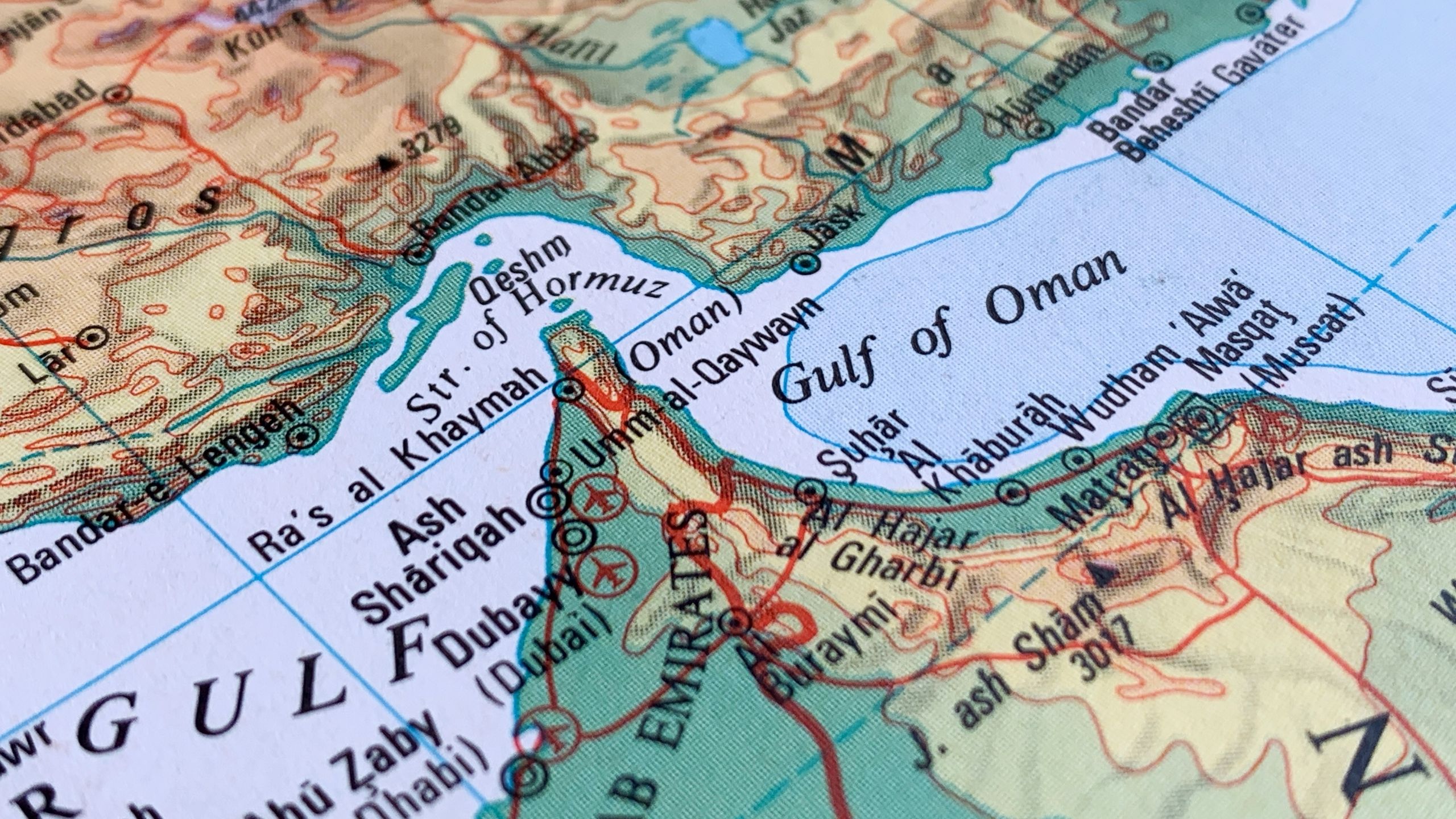
委內瑞拉位於美國的後院,實際上是美國的勢力範圍內,美國有能力影響其石油產出的國家利益。伊朗的戰略位置位於中亞和中東之間,其封鎖或擾亂霍爾木茲海峽海上交通的軍事能力,可以說是與美以聯盟對抗中的一張王牌。
伊朗緊扼霍爾木茲海峽的石油咽喉
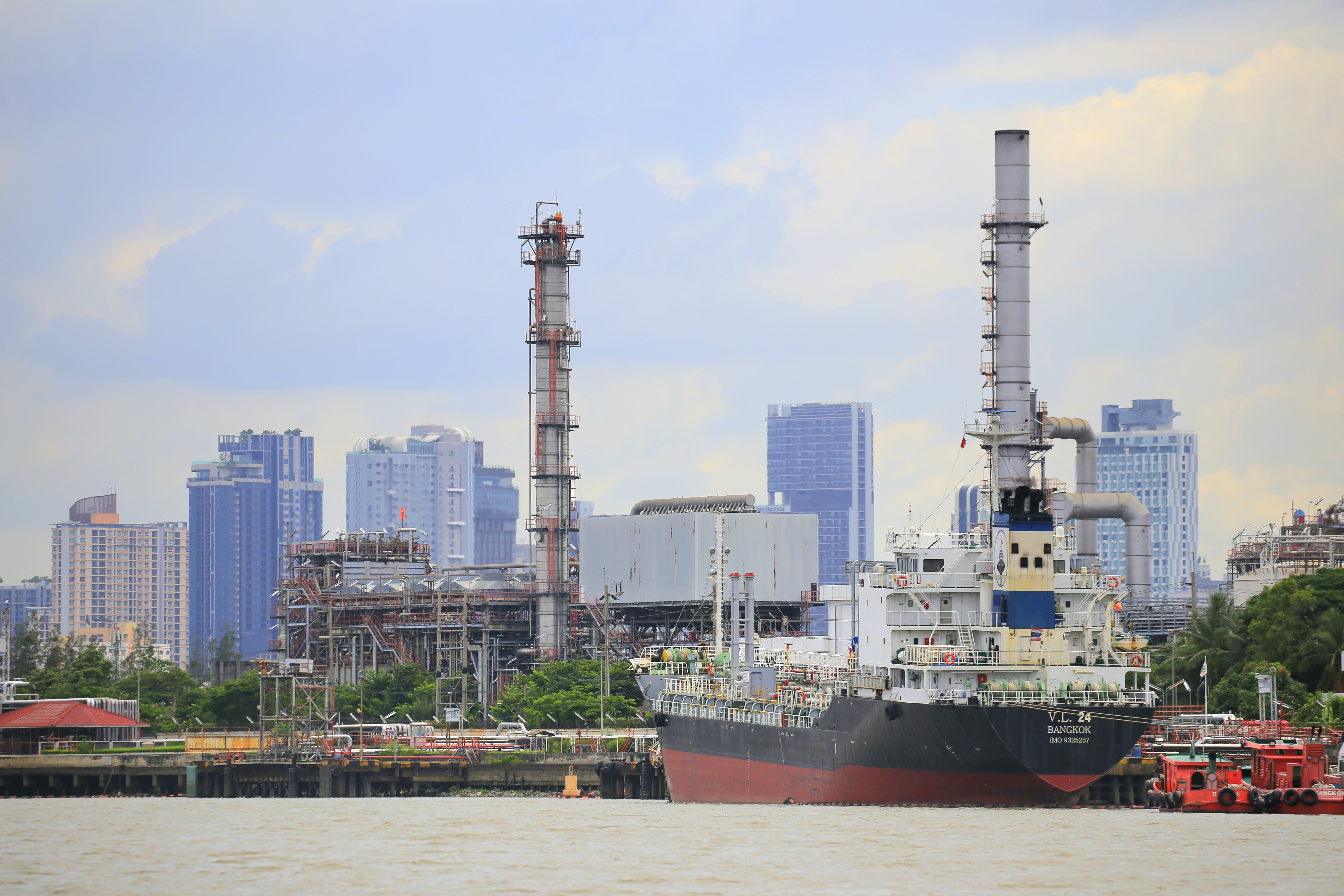
據報道美軍在霍爾木茲海峽附近擊沉了16艘伊朗布雷艦,但伊軍已恢復在該海峽布雷。過去全球兩成的石油運輸船都曾經經由此海峽,儘管美以的軍事力量似乎佔據主導地位,但伊朗緊扼霍爾木茲海峽的石油咽喉,讓它有能力干擾或破壞世界各地的石油供應,迫使美以方面讓步。
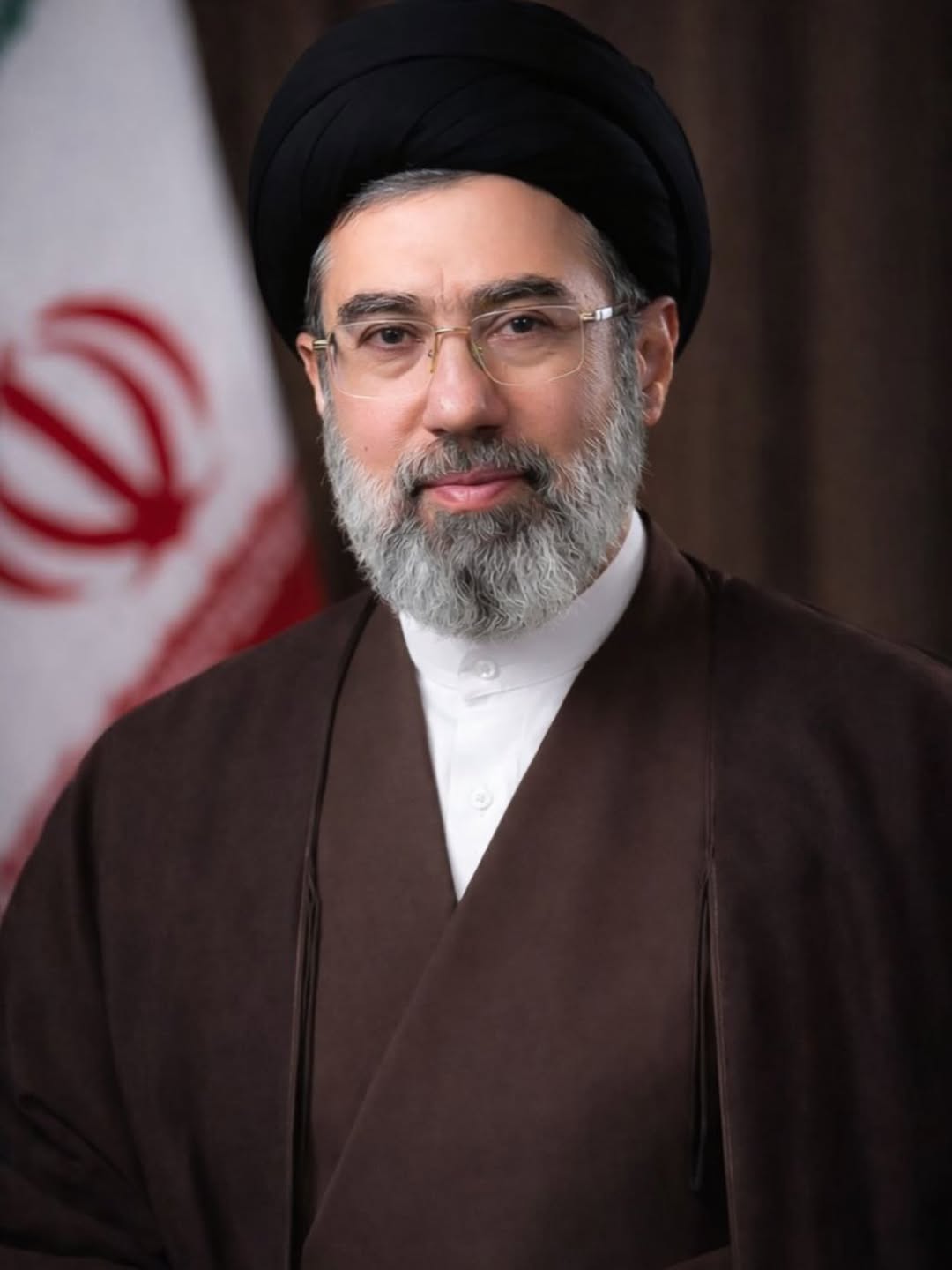
伊朗最高領袖哈梅內伊在戰爭初期在美以猛烈的空襲中喪生,由其次子穆吉塔巴·哈梅內伊接任,他繼任後發表對美強硬的演說,強調伊朗團結的必要性,並誓言封鎖霍爾木茲海峽,以向伊朗的敵人施壓。可以預見,一場消耗戰勢必爆發。這場消耗戰很可能考驗美以兩國使用攔截導彈的軍事能力。一些報導稱,伊朗部署大量軍用無人機,令美以攔截導彈的能力逐漸下降。
伊朗方面提出了結束戰爭的三項條件:承認其合法權利、支付戰爭賠償、並要求國際保證伊朗不再遭受美以攻擊。只要美伊就濃縮鈾問題的談判毫無進展,美方仍將戰爭視為懲罰伊朗的必要手段,那麼第二個條件應該很難實現。即使雙方都願意重拾對話,第一個條件,即承認伊朗的權利,也必須透過談判才能達成。
有三個主要因素可以縮短這場戰爭的時間。首先是即將到來的11月美國中期選舉。這場戰爭極有可能不會持續到10月,因為如果持續下去,美國選民將陷入反共和黨的浪潮,這是特朗普總統及其親信必須避免的局面。
國會相信戰爭快完 否決譴責總統提案
3月6日,眾議院未能通過一項戰爭權力決議,該決議要求特朗普政府在繼續對伊朗採取軍事行動前必須獲得國會批准。同樣在參議院,議員們以53票對47票否決了一項譴責特朗普總統未經國會批准就攻擊伊朗的提案。國會的主流觀點認為,美以與伊朗的衝突將是一場有限的戰爭,這反映了大多數人認為這場戰爭很快就會結束的看法。
第二個因素是特朗普總統的意圖,回顧他先前關於戰爭持續時間的評論。他於3月2日表示,跟伊朗的戰爭將持續四到五周,但也可能持續更久。美國似乎預期在用飛彈和濃縮鈾摧毀關鍵目標後,衝突就會結束;然而,敵對行動的持續時間可能會延長,這取決於後續事態的發展。
第三個因素是石油供應和價格面臨的巨大風險。曠日持久的戰爭將加劇全球苦難,美國的全球領導地位也將受到更多國家的挑戰和嚴厲批評。因此盡快結束戰爭、重返談判桌符合美國和以色列的利益。當然,伊朗目前似乎態度強硬,不願重返談判桌。
還有一個值得深思的是美國對伊朗的襲擊所遺下的問題,這場襲擊已導致170名小學生喪生,這件事在伊朗民眾心中激起了更強烈的反美情緒。 聯合國秘書長古特雷斯譴責了這些軍事攻擊、以及伊朗對中東多個國家的報復性打擊。然而,一旦流血事件發生,尤其受害的是兒童,仇恨就會迅速滋生,而戰爭創傷難以癒合。
縮短戰爭持續的時間需要各方立即保持克制,這在短期內難以實現。防止美以對伊戰爭升級和惡化的一個因素是任何第三方不推動軍事干預,或由第三方和平調解。
世界和平面臨的一項關鍵挑戰是美國與一些軍事新興國家(尤其是伊朗)之間存在的根深蒂固的不信任,而這些國家已經具備利用高濃縮鈾製造核武的準能力。
先發打擊準核國 反推動新興國發展核武
如果美國和以色列將伊朗的濃縮鈾發展視為生存威脅,那麼聯合先發制人打擊伊朗是可以理解的。然而,這些軍事新興國家必然將發展核武視為一種自衛手段,無論這些生存的威脅來自以美國為首的西方陣營、還是它們的敵人。
因此,各國對自身濃縮鈾、以及擁有近乎製造核武的能力所構成的生存威脅的認知,正危害世界和平。
目前美以對伊戰爭是一場有限戰爭,缺乏足以輕易迫使伊朗屈服於美以聯盟的強大致命打擊。伊朗政權更迭的難度還在於其國內異議運動仍然相對薄弱,儘管有報道稱近期伊朗國內針對政權的抗議活動中可能有多達1.2萬人喪生。
末代國王長子巴列維支持率未受考驗
儘管伊朗末代國王的長子禮薩·巴列維是美國主要的流亡反對派領導人,他主張伊朗恢復世俗民主,但他在伊朗國內的支持率仍未經考驗。他的父親曾領導一個腐敗的政權,最終導致霍梅尼在1979年取得革命勝利。因此,從政治角度來看,在當今伊朗實現政權更迭仍然十分困難。美國和以色列對伊朗的攻擊甚至激發了革命衛隊支持者的熱情,可以說反而鞏固了現政權。
總之,希望美以對伊戰爭能盡快結束,最好不晚於美國中期選舉。當前局勢要求包括美國、以色列和伊朗在內的各方都必須保持克制。在重啟談判的過程中,各方缺乏中間人,而中東一些國家或許能夠也應該在戰爭局勢惡化之前採取果斷干預措施。畢竟,國家間政治互信的缺失是導致當前美以對伊戰爭的主要因素。
從國際軍控的角度來看,爭論的焦點仍然是美以與伊朗之間根深蒂固的政治不信任。儘管這場戰爭很可能是一場以空襲、飛彈發射、無人機襲擊、以及爭奪霍爾木茲海峽控制權為特徵的有限戰爭,但任何對伊朗鄰國的進一步溢出效應,以及任何中亞和中東以外第三方的意外軍事介入,都可能對世界和平造成災難性後果,希望美以對伊朗的戰爭能夠控制在有限範圍內,並且不會對已經上漲的全球油價造成過大的負面影響。
Falling in an oily quagmire? US-Israeli War with Iran
The ongoing US-Israeli war with Iran is showing a phenomenon that both the US and Israel are falling into an oily quagmire in which Iran is remaining militarily resilient and politically defiant. Unless both sides can sit down and negotiate over a temporary solution with or without any middleman, or unless one side stops its attack on the other, the war would likely risk continuing with tremendous consequences for the world economy.
Iran is not Venezuela in which the US attempt at triggering regime change can proceed smoothly. Venezuela is a much weaker country than Iran, geopolitically and militarily speaking. The arrest of Nicolas Maduro led to a relatively easy victory of the US which succeeds in acquiring the pro-US drift of the “new” government led by Delcy Rodriguez. Venezuela, located at the backyard of the US, has become a de facto US protectorate to advance the American national interest of influencing its oil production and exports. Iran is strategically located between Central Asia and the Middle East, and its military ability to block or disrupt the sea traffic in the Strait of Hormuz is arguably a trump card in the war with the US-Israeli alliance. Although the US forces reportedly sunk sixteen Iranian minelayers near the Strait of Hormuz (CNBC, March 11, 2026), Iran has resumed laying mines in the Strait through which ships carrying twenty percent of the oil in the world went through in the past (New York Times, March 13, 2026). Geopolitically, Iran has the capability to disrupt or undermine the supply of oil to various parts of the world, forcing the US-Israeli side to consider concessions sooner or later although the US-Israeli military power appears to be dominant.
War of attrition and failed diplomacy
Unlike Venezuela, Iran’s new President Mojtaba Khamenei issued his first statement after he had taken over his father, Ayatollah Ali Khamenei, who was killed in the heavy air strikes launched by the US and Israeli at the inception of the war. Mojtaba Khamenei insisted on the need for Iranian unity while vowing to block the Strait of Hormuz to exert pressure on Iran’s enemies. As such, a war of attrition is determined to be launched. This war of attrition will likely test the military capability of the US and Israel to use missile interceptors, which according to some reports will become inadequate with the passage of time, especially in the face of a large number of military drones deployed by Iran.
The Iranian side has laid out three conditions to end the war – the recognition of its rights, the payment of reparations, and the guarantees against future aggression from the US-Israeli side. The second condition appears to be very difficult to achieve as long as the other side sees the war as “necessary” to punish Iran during the difficult and unsuccessful process of negotiations over the question of enriched uranium. The first condition, namely the recognition of Iran’s rights, will have to be negotiated quite difficultly over the table even if both sides are willing to talk again.
According to the Arms Control Association (March 11, 2026), the critical meeting between the US side and the Iran side was held on February 28, when US Special Envoy Steve Witkoff and Jared Kushner met with Iranian Foreign Minister Abbas Araghchi in Geneva. The meeting belonged to a third round of talks under the mediation of Oman, whose Foreign Minister Badr bin Hamad Al Busaidi believed that the US and Iranian sides made progress and that both sides agreed to discuss again on March 2 for technical details. However, on February 29, the US and Israel attacked Iran militarily. The Arms Control Association speculated that Witkoff’s “lack of knowledge and mischaracterization of Iran’s positions and nuclear program throughout the process likely informed [President Donald] Trump’s assessment that talks were not progressing and Iran was not negotiating seriously” (See: U.S. Negotiators Were Ill-Prepared for Serious Nuclear Negotiations with Iran | Arms Control Association). It was not known how the US negotiating team briefed President Trump, but a lack of trust persisted between the US and Iran and it led to the outbreak of the war. The other main factor is perception. If the US perceived that the Iranian side was “not serious” in negotiations, war arguably became inevitable.
Factors that could shorten the war
Three main factors can shorten the duration of the ongoing war. The first is the upcoming November mid-term elections in the US. It is highly likely that the war will not last until October, for doing so would plunge the US voters into a tide of anti-Republicanism – a scenario that must be avoided by President Trump and his close advisers. On March 6, the House of Representatives failed to pass a war powers resolution that would require the Trump administration to seek congressional approval prior to the continuing US military action on Iran. Similarly, in the Senate, members rejected a measure by 53 to 47 votes against an attempt at condemning President Trump’s decision to attack Iran without seeking congressional approval. The mainstream view in the Congress was that the US-Israeli conflict with Iran would be a limited one, reflecting the majority view that the war would be short-lived.
The second factor is President Trump’s intention, recalling his earlier comment on the duration of the war. He said on March 2 that the war with Iran would last for four to five weeks, but that it could go “far longer.” From an analytical perspective, it seems that the United States anticipates that the conflicts will conclude following the elimination of critical targets with missiles and enriched uranium; however, the duration of hostilities may be prolonged – a scenario contingent upon the progression of subsequent developments.
The third factor is the tremendous risk to oil supply and prices. A prolonged war will increase global suffering. The global leadership of the US will also be challenged and criticized severely by more countries in the world. As such, it is in the interests of US and Israel to terminate the war and return to the negotiating table as soon as possible. Of course, Iran appears to be defiant now and is reluctant to return to the negotiating table.
Despite the dominant view of the members of the Congress that the US-Israeli war with Iran will likely be a short-lived one, there are several factors that can prolong the duration of the war.
Why the conflict could drag on
The first is the difficulties of the US-Israeli side to fulfill the three conditions laid out by the Iranian side, especially the payment of the war’s damages on Iran, and the guarantees against future aggression. The “guarantees” against future aggression will have to be hammered out by the Iranian side and then bargained by both sides in a give-and-take manner – a very difficult process at least in the short run.
The second is the Iranian strategy of launching its missile counterattack on the US military bases in different countries, including UAE, Qatar, Kuwait, Bahrain, Jordan, Saudi Arabia, Oman, Iraq and Cyprus. The dangers of having a military spillover effect on other countries have already been seen, only with the hope that the affected countries would not make retaliations against Iran, although the Iranian side said that the attack target is the US rather than its friendly neighbors.
The third is the relationship between Iran and Israel. Both sides have become militarily antagonistic, with Iranian missiles being launched at Israeli bases. Even if a temporary ceasefire can be reached, there will be no guarantee that the Israeli and Iranian sides will be self-restraint in terms of military action against each other.
Regional escalation and long-term consequences
Compounding the problem is the ongoing conflicts between Israel and Iran’s friendly actors, such as the Hezbollah and Houthis. Even though Israel appears to contain Hezbollah militarily, there is no guarantee that Iran’s friendly supporters will not retaliate against Israel in the long run.
The fourth is the legacy of the US attack on Iran that already killed 170 primary school children – an event that incites a stronger anti-American sentiment in the psyche of the Iranians. It was reported that a deadly Tomahawk missile strike that used outdated data might hit the Iranian primary school which was near an Iranian military base – an unfortunately tragic event in the US-Iranian war against Iran (New York Times, March 11, 2026). On March 1, the UNESCO expressed its deep alarm at the impact of the military actions from both sides, noting that the “attacks against educational institutions endanger students and teachers and undermine the right to education” (UN News, March 1, 2026). UN Secretary-General Antonio Guterres condemned the military attacks and the retaliatory strikes by Iran that hit several countries in the Middle East. Yet, once bloodshed is seen, especially among the victimized children, permanent hatred is rapidly developed, and the military wounds cannot be easily healed. The result will be endless conflicts in the Middle East, with Iran and its supportive actors targeting Israel and the US.
Shortening the duration of the war requires urgent self-restraint on all sides – a scenario that is difficult in the short run. One factor that prevents the US-Israeli war against Iran from escalation and deterioration is the non-intervention of the military from any third party, or the peaceful mediation by the third party.
The US-Israeli strike on Iran appears to alarm North Korea, which condemned the US action and has sided with the new Iranian President. Before the US-Israeli conflict with Iran, North Korea called on the US to recognize its nuclear power status without preconditions, but President Trump replied that there should be no condition. Seeing the US military action against Iran, the North Korean leadership is naturally alarmed and supportive of Iran. Most significantly, the US-Israeli war against Iran has already convinced North Korea that it must develop and possess nuclear weapons for the sake of protecting itself against the US-South Korea-Japan military alliance in Northeast Asia. It seems unlikely that North Korea would send troops to help Iran unlike the Russo-Ukrainian war, but it is likely that it may back up Iran in terms of military logistics and supplies.
A key challenge to the world peace is the profound distrust between the US and some militarily emerging countries, notably Iran, when these nations have the near-capability to develop nuclear weapons by using a high degree of enriched uranium. If the US and Israel perceive Iran’s process of developing its enriched uranium as an existential threat, the joint pre-emptive strike against Iran, from a strategic viewpoint, is understandable. However, the corollary is that these militarily emerging countries will continue to see the development of nuclear weapons as a self-protective means to ward off any existential threats, no matter whether the threats come from the US or US allies or their enemies. As such, world peace is endangered by the perceptions of existential threats among different nations in their process of enriching uranium and of having the near-capability to develop nuclear weapons. Although the International Atomic Energy Agency plays a crucial role in preventing the proliferation of nuclear weapons through the independent verification of states’ compliance with nuclear non-proliferation undertakings, the difficulties of implementing the related agreements and the profound distrust among states appear to be the most controversial problems that endanger world peace.
Regime change and the limits of military pressure
On March 7, President Trump demanded “unconditional surrender” from Iran – a scenario that is difficult considering the later three Iranian conditions for peace. A closer look at how imperial Japan “surrendered” to the US and its allies on August 15, 1945, reveals that the Japanese Emperor at that time used the term “termination of war” rather than the term “unconditional surrender.” Japan had no choice but to “terminate the war” at that time due to the immense impacts of the atomic bombs, one on Hiroshima and the other on Nagasaki. The current US-Israeli war with Iran is a limited one, without a powerful and deadly strike that can easily bring Iran to the knees of the US-Israeli alliance. Compounding the difficulties of regime change in Iran is that its internal dissident movement remains relatively weak, although it was reported that 12,000 people or more might die in the recent domestic protests against the Iranian regime (Iran International, January 13, 2026: At least 12,000 killed in Iran crackdown during internet blackout | Iran International).
Although Reza Pahlavi, the eldest son of Iran’s last Shah, is the primary exiled opposition leader advocating for the return of a secular democracy in Iran from his political base in the US, his popularity in Iran remains untested. His late father led a corrupt regime that led to the revolutionary victory of Ayatollah Khomeini in 1979. As such, regime change within the present-day Iran remains difficult, politically speaking. The US-Israeli attack on Iran even galvanized the supporters of the Revolutionary Guard and has arguably made the current regime even stronger.
In conclusion, it is hoped that the US-Israeli war against Iran is a short-lived one, ending as soon as possible and no later than the US mid-term elections. The current developments call for the imperative of self-restraint from all sides, including the US, Israel and Iran. Middlemen are lacking but wanting in the process of resuming negotiations, and perhaps some countries in the Middle East can and should intervene decisively before the war may take a turn for the worse. After all, the lack of political trust among nations and states is the main factor leading to the current US-Israeli war against Iran.
Unless some degree of trust-building is restored and redeveloped, the US-Israeli war against Iran may be a prolonged one with retaliations from Iran and its supportive actors in the Middle East. From the perspective of international arms control, the bone of contention remains the profound political distrust between the US and Israel on the one hand and Iran on the other hand. Although the war is likely a limited one characterized by aerial bombing, missile firing, drones attack and the fierce struggle for control over the Strait of Hormuz, any further spill-over effects on Iran’s neighbors and any unexpected military participation from any third party outside Central Asia and the Middle East would have potentially disastrous consequences on the world peace. Hopefully, the US-Israeli war on Iran will be a limited one without excessively adverse impacts on the already rising oil prices globally. But, sadly, the war’s detrimental impact on the US-Israel-Iran relations will likely be a long-term one characterized by intermittent conflicts, guerilla-style attacks and sudden retaliatory moves – a scenario that points to the likelihood that the US-Israeli military alliance has perhaps already fallen into an oily but deadly quagmire.
原刊於澳門新聞通訊社(MNA)網站,本社獲作者授權轉載。(原文按此)